Germany's neobrokers have until June to replace a revenue model that made zero-commission trading possible.
Industry executives say consolidation is coming as platforms race to build new income streams before the deadline.
The clock
is running out for Europe's neobrokers. By June 30, free trading as millions of
retail investors have come to know it faces a structural overhaul, and the
companies that built billion-dollar valuations on the back of it are scrambling
for alternatives.
The Hidden Fee Behind “Free”
Trading
Payment for
order flow, or PFOF, has been the financial engine quietly powering companies
like Trade Republic and Scalable Capital for years. The mechanics are simple:
instead of charging customers a commission, brokers route client orders to
designated market makers or trading venues, which pay the broker a rebate in
return. FinanceMagnates.com
reported on the European Parliament's push to ban the practice as far back as
March 2023.
The controversial practice drew widespread attention
in 2021, when commission-free trading apps pioneered
by Robinhood were booming. While the model itself was not illegal,
Robinhood failed to provide its clients with the best execution rates, thereby
violating regulations, for
which it was fined by the SEC.
The EU
agreed. Under revised MiFID/MiFIR rules, the practice is banned across the bloc
from June 30, 2026, with Germany and a handful of other member states that had
previously allowed PFOF granted a temporary exemption running until that same
deadline.
Germany's Outlier Status
in Europe
While the
PFOF ban is technically an EU-wide rule under the revised MiFIR framework, its
real-world disruption is almost entirely a German story. Most EU member states,
France, the Netherlands, Sweden, Italy, and Spain, among them, had already
banned or never meaningfully adopted PFOF, meaning the June 2026 deadline
changes little for brokers operating under their regulatory regimes.
Germany was
the only EU member state to formally notify ESMA of its intent to use
the temporary exemption, doing so in March 2024, which bought its domestic
platforms roughly two additional years to keep the model alive for
German-resident clients.
Austria
briefly explored filing for the same carve-out but never submitted a formal
notification. No other EU country appears on ESMA's published exemption list.
The result is a pressure point that is, for now, uniquely concentrated in
Germany's retail brokerage market, home to Europe's largest neobroker by
customer count in Trade Republic, and the fiercest competition on the continent
for low-cost retail investing.
Germany Gets a Deadline,
Not a Pass
The
temporary carve-out for Germany has allowed Trade Republic, which routes trades
through Lang & Schwarz Exchange, to continue earning PFOF revenue from its
German clients right up to the summer cutoff. Belgian or French clients? No
such luck. The exemption only covers investors residing in the same member
state as the broker.
Whether
Trade Republic will fully activate the platform, or pursue parallel
alternatives, remains unclear.
Smartbroker Takes a
Different Path
Not
everyone is scrambling to rebuild infrastructure from scratch. Smartbroker is
taking a more direct approach to the transition: simply forgoing PFOF revenues
altogether.
Soltau had
signaled the company's resilience before the ban was imminent. In earlier
interviews, he argued that Smartbroker's business model was never existentially
dependent on PFOF in the same way some competitors were.
The company
grew to over 267,000 securities accounts and €9.2 billion in client assets by
end of 2022, partly by capturing customers migrating from higher-fee brokers.
Broader Industry Under
Pressure
The end of
PFOF doesn't just hit revenue lines, it forces a rethink of what neobrokers
actually are. Jens Chrzanowski, director of XTB's German branch, lays out three
distinct categories now competing for the same retail investor: the classic
online broker with broad product coverage and professional-grade tools, the
neobroker built around mobile simplicity and low-cost access, and the emerging
"super app" that bundles banking, investing, savings, and payments
into a single ecosystem.
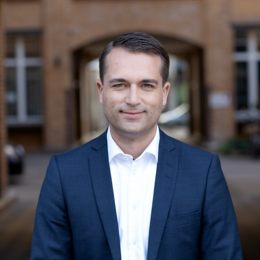
Jens Chrzanowski, Chief Value Officer and Member of the Management Board at Admirals Group AS
The
distinction matters because each model has a different answer to the PFOF
problem. Subscription fees, interest on client cash balances, securities
lending, and proprietary trading venues are all on the table.
Scalable
Capital, for example, already operates a subscription model charging €2.99 per
month, a structure that could absorb the PFOF shortfall without raising
per-trade costs. A straightforward increase in order fees appears unlikely in a
market as competitive as Germany's, where brokers are still fighting hard for
each new customer.
Platforms
with more customers spread the fixed cost of compliance and infrastructure
across a larger base.
XTB's Super App Bet
While
German-focused neobrokers navigate the PFOF transition, Warsaw-listed XTB is
moving in a different direction entirely, toward the super app model
Chrzanowski describes.
The company has already introduced
an eWallet integrated directly into its trading app, supporting payments in
19 currencies and compatible with Google Pay, Apple Pay, and Garmin Pay.
The goal,
as XTB frames it, is to position itself not merely as a trading tool but as the
single app where a customer's money lives and works.
"We
are entering a period that will be the first serious test for eWallet,"
XTB CEO Omar Arnaout said when the multi-currency service expanded last year.
The company also launched AI-curated news feeds for individual stocks, a first
step toward embedding machine intelligence into the customer experience rather
than marketing it as a novelty feature.
The clock
is running out for Europe's neobrokers. By June 30, free trading as millions of
retail investors have come to know it faces a structural overhaul, and the
companies that built billion-dollar valuations on the back of it are scrambling
for alternatives.
The Hidden Fee Behind “Free”
Trading
Payment for
order flow, or PFOF, has been the financial engine quietly powering companies
like Trade Republic and Scalable Capital for years. The mechanics are simple:
instead of charging customers a commission, brokers route client orders to
designated market makers or trading venues, which pay the broker a rebate in
return. FinanceMagnates.com
reported on the European Parliament's push to ban the practice as far back as
March 2023.
The controversial practice drew widespread attention
in 2021, when commission-free trading apps pioneered
by Robinhood were booming. While the model itself was not illegal,
Robinhood failed to provide its clients with the best execution rates, thereby
violating regulations, for
which it was fined by the SEC.
The EU
agreed. Under revised MiFID/MiFIR rules, the practice is banned across the bloc
from June 30, 2026, with Germany and a handful of other member states that had
previously allowed PFOF granted a temporary exemption running until that same
deadline.
Germany's Outlier Status
in Europe
While the
PFOF ban is technically an EU-wide rule under the revised MiFIR framework, its
real-world disruption is almost entirely a German story. Most EU member states,
France, the Netherlands, Sweden, Italy, and Spain, among them, had already
banned or never meaningfully adopted PFOF, meaning the June 2026 deadline
changes little for brokers operating under their regulatory regimes.
Germany was
the only EU member state to formally notify ESMA of its intent to use
the temporary exemption, doing so in March 2024, which bought its domestic
platforms roughly two additional years to keep the model alive for
German-resident clients.
Austria
briefly explored filing for the same carve-out but never submitted a formal
notification. No other EU country appears on ESMA's published exemption list.
The result is a pressure point that is, for now, uniquely concentrated in
Germany's retail brokerage market, home to Europe's largest neobroker by
customer count in Trade Republic, and the fiercest competition on the continent
for low-cost retail investing.
Germany Gets a Deadline,
Not a Pass
The
temporary carve-out for Germany has allowed Trade Republic, which routes trades
through Lang & Schwarz Exchange, to continue earning PFOF revenue from its
German clients right up to the summer cutoff. Belgian or French clients? No
such luck. The exemption only covers investors residing in the same member
state as the broker.
Whether
Trade Republic will fully activate the platform, or pursue parallel
alternatives, remains unclear.
Smartbroker Takes a
Different Path
Not
everyone is scrambling to rebuild infrastructure from scratch. Smartbroker is
taking a more direct approach to the transition: simply forgoing PFOF revenues
altogether.
Soltau had
signaled the company's resilience before the ban was imminent. In earlier
interviews, he argued that Smartbroker's business model was never existentially
dependent on PFOF in the same way some competitors were.
The company
grew to over 267,000 securities accounts and €9.2 billion in client assets by
end of 2022, partly by capturing customers migrating from higher-fee brokers.
Broader Industry Under
Pressure
The end of
PFOF doesn't just hit revenue lines, it forces a rethink of what neobrokers
actually are. Jens Chrzanowski, director of XTB's German branch, lays out three
distinct categories now competing for the same retail investor: the classic
online broker with broad product coverage and professional-grade tools, the
neobroker built around mobile simplicity and low-cost access, and the emerging
"super app" that bundles banking, investing, savings, and payments
into a single ecosystem.
Jens Chrzanowski, Chief Value Officer and Member of the Management Board at Admirals Group AS
The
distinction matters because each model has a different answer to the PFOF
problem. Subscription fees, interest on client cash balances, securities
lending, and proprietary trading venues are all on the table.
Scalable
Capital, for example, already operates a subscription model charging €2.99 per
month, a structure that could absorb the PFOF shortfall without raising
per-trade costs. A straightforward increase in order fees appears unlikely in a
market as competitive as Germany's, where brokers are still fighting hard for
each new customer.
Platforms
with more customers spread the fixed cost of compliance and infrastructure
across a larger base.
XTB's Super App Bet
While
German-focused neobrokers navigate the PFOF transition, Warsaw-listed XTB is
moving in a different direction entirely, toward the super app model
Chrzanowski describes.
The company has already introduced
an eWallet integrated directly into its trading app, supporting payments in
19 currencies and compatible with Google Pay, Apple Pay, and Garmin Pay.
The goal,
as XTB frames it, is to position itself not merely as a trading tool but as the
single app where a customer's money lives and works.
"We
are entering a period that will be the first serious test for eWallet,"
XTB CEO Omar Arnaout said when the multi-currency service expanded last year.
The company also launched AI-curated news feeds for individual stocks, a first
step toward embedding machine intelligence into the customer experience rather
than marketing it as a novelty feature.
Damian Chmiel is a Senior Analyst & Editor at Finance Magnates with more than 15 years of experience in the CFD and online trading industry. Active as both a trader and journalist since 2010, he focuses on broker coverage, fintech innovation, and regulatory developments across Europe, the Middle East, and Asia.
His work includes interviews with C-level leaders at major brokerages and fintech platforms, as well as co-authoring Finance Magnates’ quarterly industry benchmarking reports. Damian’s reporting is data-driven, market-aware, and grounded in direct industry engagement. His analysis and commentary have also been cited by external media outlets, including Investing.com, Binance, The Asset, Stockhead, and Dispatch.
Education:
MA in Finance and Accounting, Cracow University of Economics
ESMA’s Common Supervisory Action Follows Enforcement: Should CFD Brokers Be Worried?
Featured Videos
FP Markets Winner Spotlight 🏆 | Global Broker of the Year 2025 #Trading #Broker #Innovation #Shorts
FP Markets Winner Spotlight 🏆 | Global Broker of the Year 2025 #Trading #Broker #Innovation #Shorts
FP Markets Winner Spotlight 🏆 | Global Broker of the Year 2025 #Trading #Broker #Innovation #Shorts
FP Markets Winner Spotlight 🏆 | Global Broker of the Year 2025 #Trading #Broker #Innovation #Shorts
FP Markets takes the spotlight as Global Broker of the Year 2025 at the Finance Magnates Awards.
Martin Stoilov, Head of Client Experience, shares that trust, innovation, and people played a key role in the company’s success, supported by a strong foundation of integrity and client-centricity.
Following this milestone, FP Markets continues to focus on growth, technology investment, and its core values of transparency and excellence.
👉 Be part of FM Awards 2026: https://awards.financemagnates.com/#nominate
FP Markets takes the spotlight as Global Broker of the Year 2025 at the Finance Magnates Awards.
Martin Stoilov, Head of Client Experience, shares that trust, innovation, and people played a key role in the company’s success, supported by a strong foundation of integrity and client-centricity.
Following this milestone, FP Markets continues to focus on growth, technology investment, and its core values of transparency and excellence.
👉 Be part of FM Awards 2026: https://awards.financemagnates.com/#nominate
FP Markets takes the spotlight as Global Broker of the Year 2025 at the Finance Magnates Awards.
Martin Stoilov, Head of Client Experience, shares that trust, innovation, and people played a key role in the company’s success, supported by a strong foundation of integrity and client-centricity.
Following this milestone, FP Markets continues to focus on growth, technology investment, and its core values of transparency and excellence.
👉 Be part of FM Awards 2026: https://awards.financemagnates.com/#nominate
FP Markets takes the spotlight as Global Broker of the Year 2025 at the Finance Magnates Awards.
Martin Stoilov, Head of Client Experience, shares that trust, innovation, and people played a key role in the company’s success, supported by a strong foundation of integrity and client-centricity.
Following this milestone, FP Markets continues to focus on growth, technology investment, and its core values of transparency and excellence.
👉 Be part of FM Awards 2026: https://awards.financemagnates.com/#nominate
In this video, we review @HolaPrimeMarketsOfficial, a multi-asset forex and CFDs broker offering different account types, trading platforms, and flexible trading conditions.
We cover the broker’s overall offering, including account options, trading environment, platforms like MT4 and MT5, and additional services such as managed accounts and fast withdrawals.
Watch the full video to see if Hola Prime Markets fits your trading needs.
📣 Stay up to date with the latest in finance and trading. Follow Finance Magnates for industry news, insights, and global event coverage.
Connect with us:
🔗 LinkedIn: /financemagnates
👍 Facebook: /financemagnates
📸 Instagram: https://www.instagram.com/financemagnates
🐦 X: https://x.com/financemagnates
🎥 TikTok: https://www.tiktok.com/tag/financemagnates
▶️ YouTube: /@financemagnates_official
#HolaPrime #ForexBroker #CFDTrading #FinanceMagnates #Trading #Forex #BrokerReview
In this video, we review @HolaPrimeMarketsOfficial, a multi-asset forex and CFDs broker offering different account types, trading platforms, and flexible trading conditions.
We cover the broker’s overall offering, including account options, trading environment, platforms like MT4 and MT5, and additional services such as managed accounts and fast withdrawals.
Watch the full video to see if Hola Prime Markets fits your trading needs.
📣 Stay up to date with the latest in finance and trading. Follow Finance Magnates for industry news, insights, and global event coverage.
Connect with us:
🔗 LinkedIn: /financemagnates
👍 Facebook: /financemagnates
📸 Instagram: https://www.instagram.com/financemagnates
🐦 X: https://x.com/financemagnates
🎥 TikTok: https://www.tiktok.com/tag/financemagnates
▶️ YouTube: /@financemagnates_official
#HolaPrime #ForexBroker #CFDTrading #FinanceMagnates #Trading #Forex #BrokerReview
In this video, we review @HolaPrimeMarketsOfficial, a multi-asset forex and CFDs broker offering different account types, trading platforms, and flexible trading conditions.
We cover the broker’s overall offering, including account options, trading environment, platforms like MT4 and MT5, and additional services such as managed accounts and fast withdrawals.
Watch the full video to see if Hola Prime Markets fits your trading needs.
📣 Stay up to date with the latest in finance and trading. Follow Finance Magnates for industry news, insights, and global event coverage.
Connect with us:
🔗 LinkedIn: /financemagnates
👍 Facebook: /financemagnates
📸 Instagram: https://www.instagram.com/financemagnates
🐦 X: https://x.com/financemagnates
🎥 TikTok: https://www.tiktok.com/tag/financemagnates
▶️ YouTube: /@financemagnates_official
#HolaPrime #ForexBroker #CFDTrading #FinanceMagnates #Trading #Forex #BrokerReview
In this video, we review @HolaPrimeMarketsOfficial, a multi-asset forex and CFDs broker offering different account types, trading platforms, and flexible trading conditions.
We cover the broker’s overall offering, including account options, trading environment, platforms like MT4 and MT5, and additional services such as managed accounts and fast withdrawals.
Watch the full video to see if Hola Prime Markets fits your trading needs.
📣 Stay up to date with the latest in finance and trading. Follow Finance Magnates for industry news, insights, and global event coverage.
Connect with us:
🔗 LinkedIn: /financemagnates
👍 Facebook: /financemagnates
📸 Instagram: https://www.instagram.com/financemagnates
🐦 X: https://x.com/financemagnates
🎥 TikTok: https://www.tiktok.com/tag/financemagnates
▶️ YouTube: /@financemagnates_official
#HolaPrime #ForexBroker #CFDTrading #FinanceMagnates #Trading #Forex #BrokerReview
In this video, we review @HolaPrimeMarketsOfficial, a multi-asset forex and CFDs broker offering different account types, trading platforms, and flexible trading conditions.
We cover the broker’s overall offering, including account options, trading environment, platforms like MT4 and MT5, and additional services such as managed accounts and fast withdrawals.
Watch the full video to see if Hola Prime Markets fits your trading needs.
📣 Stay up to date with the latest in finance and trading. Follow Finance Magnates for industry news, insights, and global event coverage.
Connect with us:
🔗 LinkedIn: /financemagnates
👍 Facebook: /financemagnates
📸 Instagram: https://www.instagram.com/financemagnates
🐦 X: https://x.com/financemagnates
🎥 TikTok: https://www.tiktok.com/tag/financemagnates
▶️ YouTube: /@financemagnates_official
#HolaPrime #ForexBroker #CFDTrading #FinanceMagnates #Trading #Forex #BrokerReview
In this video, we review @HolaPrimeMarketsOfficial, a multi-asset forex and CFDs broker offering different account types, trading platforms, and flexible trading conditions.
We cover the broker’s overall offering, including account options, trading environment, platforms like MT4 and MT5, and additional services such as managed accounts and fast withdrawals.
Watch the full video to see if Hola Prime Markets fits your trading needs.
📣 Stay up to date with the latest in finance and trading. Follow Finance Magnates for industry news, insights, and global event coverage.
Connect with us:
🔗 LinkedIn: /financemagnates
👍 Facebook: /financemagnates
📸 Instagram: https://www.instagram.com/financemagnates
🐦 X: https://x.com/financemagnates
🎥 TikTok: https://www.tiktok.com/tag/financemagnates
▶️ YouTube: /@financemagnates_official
#HolaPrime #ForexBroker #CFDTrading #FinanceMagnates #Trading #Forex #BrokerReview
Hola Prime Review: What You Need to Know | Full Breakdown by Finance Magnates
Hola Prime Review: What You Need to Know | Full Breakdown by Finance Magnates
Hola Prime Review: What You Need to Know | Full Breakdown by Finance Magnates
Hola Prime Review: What You Need to Know | Full Breakdown by Finance Magnates
Hola Prime Review: What You Need to Know | Full Breakdown by Finance Magnates
Hola Prime Review: What You Need to Know | Full Breakdown by Finance Magnates
In this video, we review @HolaPrime_Global, a proprietary trading firm offering evaluation programs and performance-based payouts in simulated market environments.
We cover how the challenge model works, including account types, profit splits (up to 95%), trading rules, and what it takes to reach a funded account. You’ll also learn about available platforms like MT4, MT5, cTrader, and more, along with insights into payouts, support, and trading conditions.
Watch the full video to see if Hola Prime fits your trading style.
📣 Stay up to date with the latest in finance and trading. Follow Finance Magnates for industry news, insights, and global event coverage.
Connect with us:
🔗 LinkedIn: /financemagnates
👍 Facebook: /financemagnates
📸 Instagram: https://www.instagram.com/financemagnates
🐦 X: https://x.com/financemagnates
🎥 TikTok: https://www.tiktok.com/tag/financemagnates
▶️ YouTube: /@financemagnates_official
#HolaPrime #PropFirm #Trading #FinanceMagnates #Forex #FuturesTrading #TradingReview #PropFirmReview
In this video, we review @HolaPrime_Global, a proprietary trading firm offering evaluation programs and performance-based payouts in simulated market environments.
We cover how the challenge model works, including account types, profit splits (up to 95%), trading rules, and what it takes to reach a funded account. You’ll also learn about available platforms like MT4, MT5, cTrader, and more, along with insights into payouts, support, and trading conditions.
Watch the full video to see if Hola Prime fits your trading style.
📣 Stay up to date with the latest in finance and trading. Follow Finance Magnates for industry news, insights, and global event coverage.
Connect with us:
🔗 LinkedIn: /financemagnates
👍 Facebook: /financemagnates
📸 Instagram: https://www.instagram.com/financemagnates
🐦 X: https://x.com/financemagnates
🎥 TikTok: https://www.tiktok.com/tag/financemagnates
▶️ YouTube: /@financemagnates_official
#HolaPrime #PropFirm #Trading #FinanceMagnates #Forex #FuturesTrading #TradingReview #PropFirmReview
In this video, we review @HolaPrime_Global, a proprietary trading firm offering evaluation programs and performance-based payouts in simulated market environments.
We cover how the challenge model works, including account types, profit splits (up to 95%), trading rules, and what it takes to reach a funded account. You’ll also learn about available platforms like MT4, MT5, cTrader, and more, along with insights into payouts, support, and trading conditions.
Watch the full video to see if Hola Prime fits your trading style.
📣 Stay up to date with the latest in finance and trading. Follow Finance Magnates for industry news, insights, and global event coverage.
Connect with us:
🔗 LinkedIn: /financemagnates
👍 Facebook: /financemagnates
📸 Instagram: https://www.instagram.com/financemagnates
🐦 X: https://x.com/financemagnates
🎥 TikTok: https://www.tiktok.com/tag/financemagnates
▶️ YouTube: /@financemagnates_official
#HolaPrime #PropFirm #Trading #FinanceMagnates #Forex #FuturesTrading #TradingReview #PropFirmReview
In this video, we review @HolaPrime_Global, a proprietary trading firm offering evaluation programs and performance-based payouts in simulated market environments.
We cover how the challenge model works, including account types, profit splits (up to 95%), trading rules, and what it takes to reach a funded account. You’ll also learn about available platforms like MT4, MT5, cTrader, and more, along with insights into payouts, support, and trading conditions.
Watch the full video to see if Hola Prime fits your trading style.
📣 Stay up to date with the latest in finance and trading. Follow Finance Magnates for industry news, insights, and global event coverage.
Connect with us:
🔗 LinkedIn: /financemagnates
👍 Facebook: /financemagnates
📸 Instagram: https://www.instagram.com/financemagnates
🐦 X: https://x.com/financemagnates
🎥 TikTok: https://www.tiktok.com/tag/financemagnates
▶️ YouTube: /@financemagnates_official
#HolaPrime #PropFirm #Trading #FinanceMagnates #Forex #FuturesTrading #TradingReview #PropFirmReview
In this video, we review @HolaPrime_Global, a proprietary trading firm offering evaluation programs and performance-based payouts in simulated market environments.
We cover how the challenge model works, including account types, profit splits (up to 95%), trading rules, and what it takes to reach a funded account. You’ll also learn about available platforms like MT4, MT5, cTrader, and more, along with insights into payouts, support, and trading conditions.
Watch the full video to see if Hola Prime fits your trading style.
📣 Stay up to date with the latest in finance and trading. Follow Finance Magnates for industry news, insights, and global event coverage.
Connect with us:
🔗 LinkedIn: /financemagnates
👍 Facebook: /financemagnates
📸 Instagram: https://www.instagram.com/financemagnates
🐦 X: https://x.com/financemagnates
🎥 TikTok: https://www.tiktok.com/tag/financemagnates
▶️ YouTube: /@financemagnates_official
#HolaPrime #PropFirm #Trading #FinanceMagnates #Forex #FuturesTrading #TradingReview #PropFirmReview
In this video, we review @HolaPrime_Global, a proprietary trading firm offering evaluation programs and performance-based payouts in simulated market environments.
We cover how the challenge model works, including account types, profit splits (up to 95%), trading rules, and what it takes to reach a funded account. You’ll also learn about available platforms like MT4, MT5, cTrader, and more, along with insights into payouts, support, and trading conditions.
Watch the full video to see if Hola Prime fits your trading style.
📣 Stay up to date with the latest in finance and trading. Follow Finance Magnates for industry news, insights, and global event coverage.
Connect with us:
🔗 LinkedIn: /financemagnates
👍 Facebook: /financemagnates
📸 Instagram: https://www.instagram.com/financemagnates
🐦 X: https://x.com/financemagnates
🎥 TikTok: https://www.tiktok.com/tag/financemagnates
▶️ YouTube: /@financemagnates_official
#HolaPrime #PropFirm #Trading #FinanceMagnates #Forex #FuturesTrading #TradingReview #PropFirmReview
Axi Winner Spotlight 🏆 | Global Most Innovative Broker 2025 #Innovation #Trading #Fintech #Broker
Axi Winner Spotlight 🏆 | Global Most Innovative Broker 2025 #Innovation #Trading #Fintech #Broker
Axi Winner Spotlight 🏆 | Global Most Innovative Broker 2025 #Innovation #Trading #Fintech #Broker
Axi Winner Spotlight 🏆 | Global Most Innovative Broker 2025 #Innovation #Trading #Fintech #Broker
Axi Winner Spotlight 🏆 | Global Most Innovative Broker 2025 #Innovation #Trading #Fintech #Broker
Axi Winner Spotlight 🏆 | Global Most Innovative Broker 2025 #Innovation #Trading #Fintech #Broker
Axi takes the spotlight at the Finance Magnates Awards, winning Global Most Innovative Broker 2025.
Olivia Xenofontos and Ivanna Openko share how the team will feel: proud, motivated, and ready to keep delivering.
They also describe the night as well-organized, focused, and enjoyable for all.
👉 Be part of FM Awards 2026.
Axi takes the spotlight at the Finance Magnates Awards, winning Global Most Innovative Broker 2025.
Olivia Xenofontos and Ivanna Openko share how the team will feel: proud, motivated, and ready to keep delivering.
They also describe the night as well-organized, focused, and enjoyable for all.
👉 Be part of FM Awards 2026.
Axi takes the spotlight at the Finance Magnates Awards, winning Global Most Innovative Broker 2025.
Olivia Xenofontos and Ivanna Openko share how the team will feel: proud, motivated, and ready to keep delivering.
They also describe the night as well-organized, focused, and enjoyable for all.
👉 Be part of FM Awards 2026.
Axi takes the spotlight at the Finance Magnates Awards, winning Global Most Innovative Broker 2025.
Olivia Xenofontos and Ivanna Openko share how the team will feel: proud, motivated, and ready to keep delivering.
They also describe the night as well-organized, focused, and enjoyable for all.
👉 Be part of FM Awards 2026.
Axi takes the spotlight at the Finance Magnates Awards, winning Global Most Innovative Broker 2025.
Olivia Xenofontos and Ivanna Openko share how the team will feel: proud, motivated, and ready to keep delivering.
They also describe the night as well-organized, focused, and enjoyable for all.
👉 Be part of FM Awards 2026.
Axi takes the spotlight at the Finance Magnates Awards, winning Global Most Innovative Broker 2025.
Olivia Xenofontos and Ivanna Openko share how the team will feel: proud, motivated, and ready to keep delivering.
They also describe the night as well-organized, focused, and enjoyable for all.
👉 Be part of FM Awards 2026.
Recognition that matters.
Built on transparency.
Driven by the industry.
The Finance Magnates Awards 2026.
Nominations are now open.
🔗 https://awards.financemagnates.com/?utm_source=SM&utm_medium=social&utm_campaign=recognition-matters
Recognition that matters.
Built on transparency.
Driven by the industry.
The Finance Magnates Awards 2026.
Nominations are now open.
🔗 https://awards.financemagnates.com/?utm_source=SM&utm_medium=social&utm_campaign=recognition-matters
Recognition that matters.
Built on transparency.
Driven by the industry.
The Finance Magnates Awards 2026.
Nominations are now open.
🔗 https://awards.financemagnates.com/?utm_source=SM&utm_medium=social&utm_campaign=recognition-matters
Recognition that matters.
Built on transparency.
Driven by the industry.
The Finance Magnates Awards 2026.
Nominations are now open.
🔗 https://awards.financemagnates.com/?utm_source=SM&utm_medium=social&utm_campaign=recognition-matters
Recognition that matters.
Built on transparency.
Driven by the industry.
The Finance Magnates Awards 2026.
Nominations are now open.
🔗 https://awards.financemagnates.com/?utm_source=SM&utm_medium=social&utm_campaign=recognition-matters
Recognition that matters.
Built on transparency.
Driven by the industry.
The Finance Magnates Awards 2026.
Nominations are now open.
🔗 https://awards.financemagnates.com/?utm_source=SM&utm_medium=social&utm_campaign=recognition-matters