Macquarie Bank's London branch employee, Travis Klein, evaded detection for 20 months despite multiple controls in place.
The FCA fined MBL £13m for control failures that enabled a junior trader to hide millions in losses through fictitious trades.
The UK's
Financial Conduct Authority (FCA) has fined Macquarie Bank Limited's (MBL) London branch
£13 million ($16.4 million) for serious control failures that allowed a junior
trader to conceal hundreds of fictitious trades over a 20-month period,
resulting in losses of $57.8 million.
Macquarie Fined £13
Million over Junior Trader’s Fictitious Deals
The
regulatory action stems from the activities of Travis Klein, a former trader on
Macquarie's Metals and Bulks desk, who recorded more than 400 fictitious trades
between June 2020 and February 2022 to hide mounting trading losses. Klein, who
joined the bank as a graduate in Sydney before moving to London, has been
banned from the UK financial services industry.
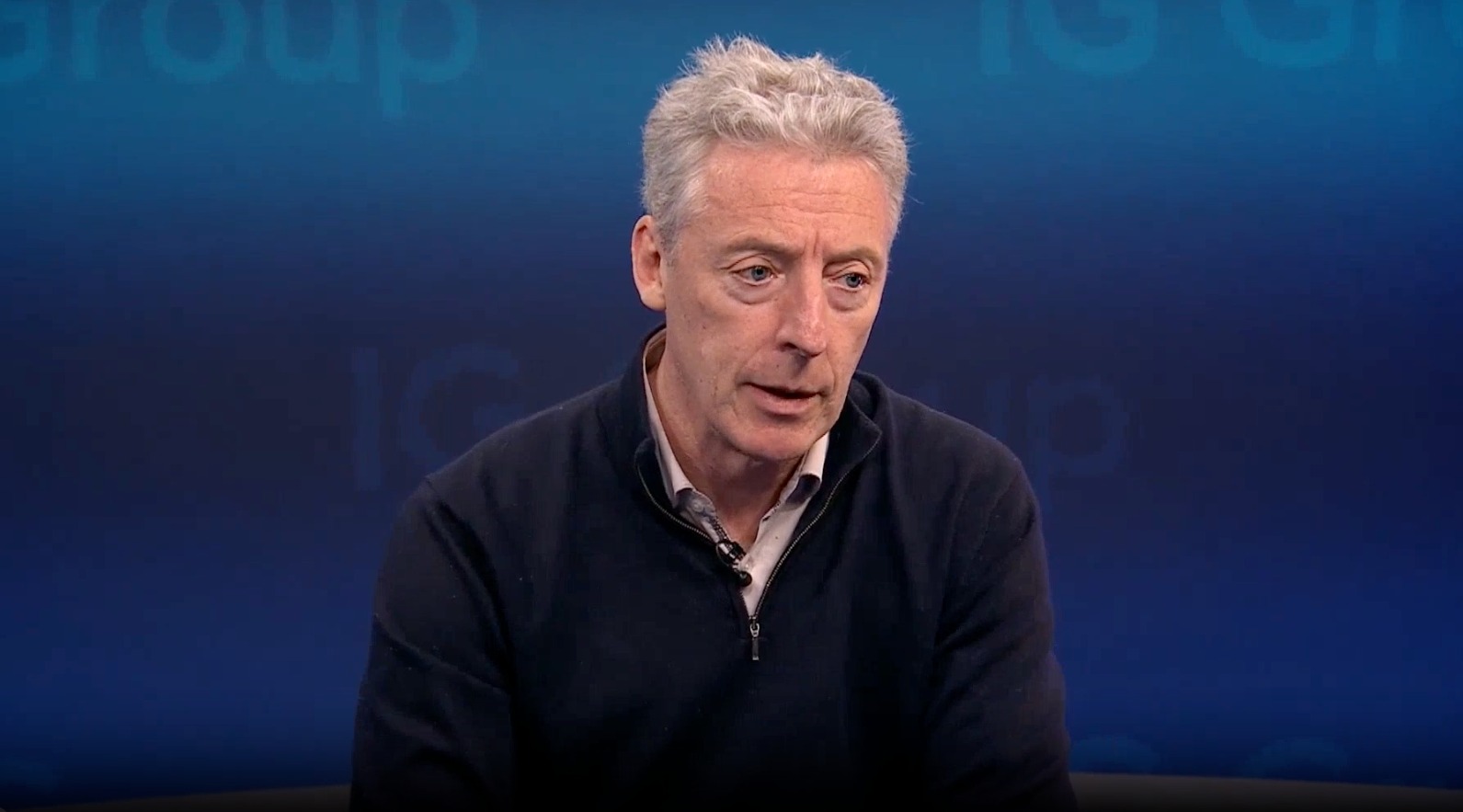
Steve Smart, Joint ED of Enforcement and Market Oversight, Source: FCA
“MBL’s
ineffective systems and controls meant that one of its employees could, at
least for a time, hide trading losses which cost the firm millions to unwind.”
said
Steve Smart, joint executive director of enforcement at the FCA. “This
should serve as an example to those we regulate; risk can come from within. You
need the right systems to identify it so it can be tackled early.”
The
investigation revealed that Klein exploited weaknesses in three key control
systems, including profit and loss reporting, end-of-day reconciliation
processes, and trade amendment monitoring. Despite previous external reviews
highlighting these vulnerabilities, Macquarie failed to implement effective
remedial measures.
Klein's
scheme began to unravel in February 2022 when an internal routine risk controls
report detected suspicious activity. The trader admitted to the misconduct when
confronted and resigned immediately. While the fictitious trades resulted in
substantial losses for Macquarie, they did not impact external markets or
clients.
The FCA
noted that Klein would have faced a personal fine of £72,600, but this was
waived due to evidence of serious financial hardship. The bank's fine was
reduced by 30% from an initial £18.6 million after agreeing to settle early.
The case
highlights the ongoing challenges financial institutions face in maintaining
effective internal controls, particularly as trading systems become more
complex and sophisticated.
Macquarie
Bank Limited (MBL) is an Australian-incorporated company and part of a global
financial services group. Operating in the UK through its London Branch, it has
been authorized
by the FCA since December 2001.
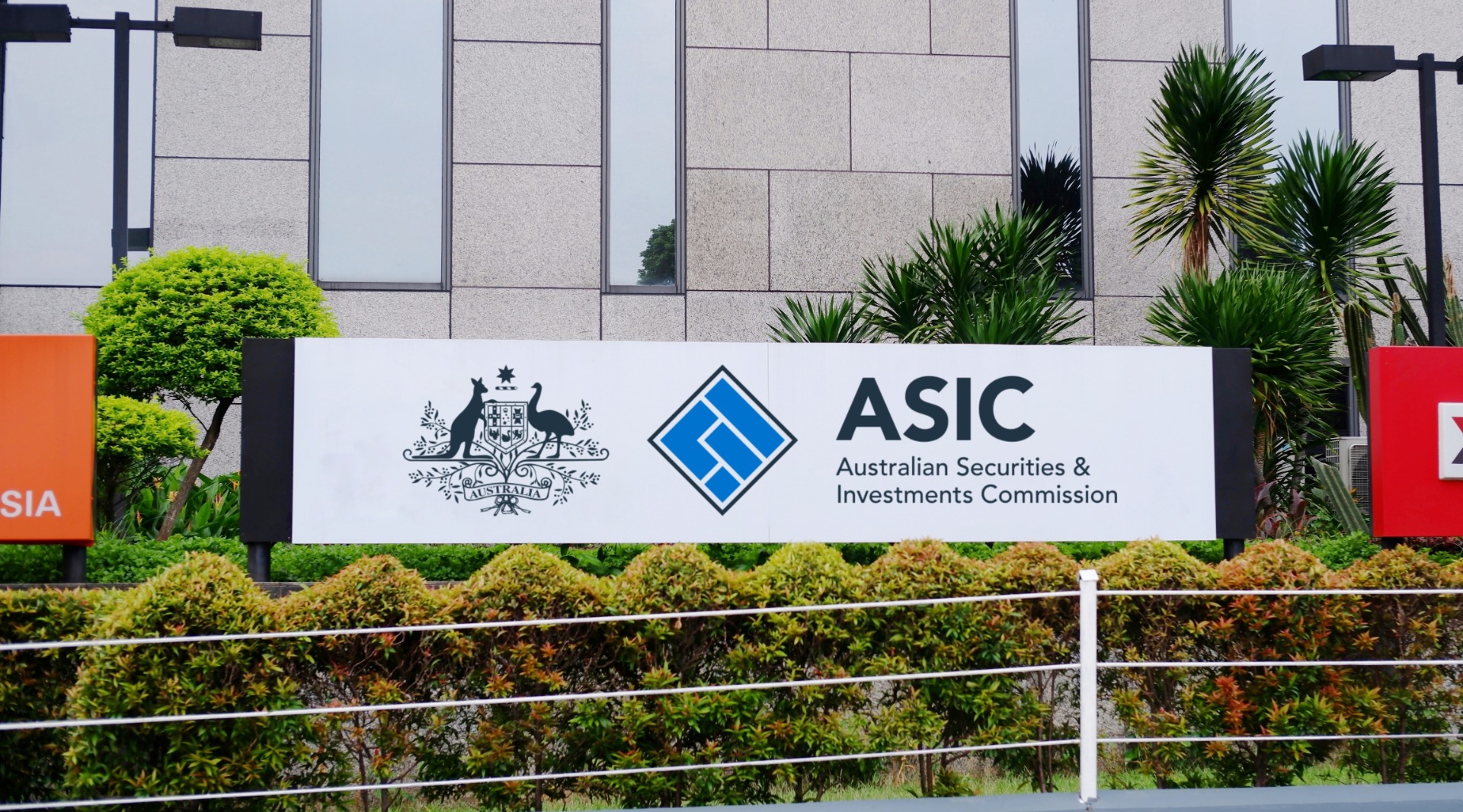
Macquarie Bank vs. ASIC
This is not
Macquarie Bank's first encounter with regulatory scrutiny. In 2022, the
Australian Securities and Investments Commission (ASIC) filed
a lawsuit against Macquarie Bank Ltd, alleging issues with its cash
management accounts that enabled third-party access, including financial
advisers.
One case
involved Ross Andrew Hopkins, a convicted financial adviser, who exploited the
system to withdraw $2.9 million through bulk transactions authorized by fee
agreements. Hopkins pleaded guilty to 15 offenses related to unauthorized
withdrawals. In response, Macquarie Bank reimbursed Hopkins’ clients with
approximately $3.5 million.
Another Day, Another Fine
Just
yesterday (Monday), the FCA fined another big bank institution, namely Barclays.
The
institution agreed to pay £40 million ($50 million) for failing to properly
disclose its arrangements with Qatari investors during emergency fundraising
efforts amid the 2008 financial crisis. Barclays agreed to the fine, marking
the conclusion of a regulatory dispute that began in 2013 when the FCA issued
warning notices against Barclays PLC and Barclays Bank PLC.
The fine,
initially set at £50 million, was reduced after Barclays withdrew its appeal to
the Upper Tribunal.
This
settlement follows the collapse of a separate criminal case brought by the
Serious Fraud Office (SFO) against
Barclays and its former executives. Those implicated included former CEO
John Varley, former Middle East investment banking chairman Roger Jenkins,
former executive Thomas Kalaris, and former European head of financial
institutions Richard Boath. These charges stemmed from a five-year SFO
investigation into their roles in the Qatari investment deal.
The UK's
Financial Conduct Authority (FCA) has fined Macquarie Bank Limited's (MBL) London branch
£13 million ($16.4 million) for serious control failures that allowed a junior
trader to conceal hundreds of fictitious trades over a 20-month period,
resulting in losses of $57.8 million.
Macquarie Fined £13
Million over Junior Trader’s Fictitious Deals
The
regulatory action stems from the activities of Travis Klein, a former trader on
Macquarie's Metals and Bulks desk, who recorded more than 400 fictitious trades
between June 2020 and February 2022 to hide mounting trading losses. Klein, who
joined the bank as a graduate in Sydney before moving to London, has been
banned from the UK financial services industry.
Steve Smart, Joint ED of Enforcement and Market Oversight, Source: FCA
“MBL’s
ineffective systems and controls meant that one of its employees could, at
least for a time, hide trading losses which cost the firm millions to unwind.”
said
Steve Smart, joint executive director of enforcement at the FCA. “This
should serve as an example to those we regulate; risk can come from within. You
need the right systems to identify it so it can be tackled early.”
The
investigation revealed that Klein exploited weaknesses in three key control
systems, including profit and loss reporting, end-of-day reconciliation
processes, and trade amendment monitoring. Despite previous external reviews
highlighting these vulnerabilities, Macquarie failed to implement effective
remedial measures.
Klein's
scheme began to unravel in February 2022 when an internal routine risk controls
report detected suspicious activity. The trader admitted to the misconduct when
confronted and resigned immediately. While the fictitious trades resulted in
substantial losses for Macquarie, they did not impact external markets or
clients.
The FCA
noted that Klein would have faced a personal fine of £72,600, but this was
waived due to evidence of serious financial hardship. The bank's fine was
reduced by 30% from an initial £18.6 million after agreeing to settle early.
The case
highlights the ongoing challenges financial institutions face in maintaining
effective internal controls, particularly as trading systems become more
complex and sophisticated.
Macquarie
Bank Limited (MBL) is an Australian-incorporated company and part of a global
financial services group. Operating in the UK through its London Branch, it has
been authorized
by the FCA since December 2001.
Macquarie Bank vs. ASIC
This is not
Macquarie Bank's first encounter with regulatory scrutiny. In 2022, the
Australian Securities and Investments Commission (ASIC) filed
a lawsuit against Macquarie Bank Ltd, alleging issues with its cash
management accounts that enabled third-party access, including financial
advisers.
One case
involved Ross Andrew Hopkins, a convicted financial adviser, who exploited the
system to withdraw $2.9 million through bulk transactions authorized by fee
agreements. Hopkins pleaded guilty to 15 offenses related to unauthorized
withdrawals. In response, Macquarie Bank reimbursed Hopkins’ clients with
approximately $3.5 million.
Another Day, Another Fine
Just
yesterday (Monday), the FCA fined another big bank institution, namely Barclays.
The
institution agreed to pay £40 million ($50 million) for failing to properly
disclose its arrangements with Qatari investors during emergency fundraising
efforts amid the 2008 financial crisis. Barclays agreed to the fine, marking
the conclusion of a regulatory dispute that began in 2013 when the FCA issued
warning notices against Barclays PLC and Barclays Bank PLC.
The fine,
initially set at £50 million, was reduced after Barclays withdrew its appeal to
the Upper Tribunal.
This
settlement follows the collapse of a separate criminal case brought by the
Serious Fraud Office (SFO) against
Barclays and its former executives. Those implicated included former CEO
John Varley, former Middle East investment banking chairman Roger Jenkins,
former executive Thomas Kalaris, and former European head of financial
institutions Richard Boath. These charges stemmed from a five-year SFO
investigation into their roles in the Qatari investment deal.
Damian Chmiel is a Senior Analyst & Editor at Finance Magnates with more than 15 years of experience in the CFD and online trading industry. Active as both a trader and journalist since 2010, he focuses on broker coverage, fintech innovation, and regulatory developments across Europe, the Middle East, and Asia.
His work includes interviews with C-level leaders at major brokerages and fintech platforms, as well as co-authoring Finance Magnates’ quarterly industry benchmarking reports. Damian’s reporting is data-driven, market-aware, and grounded in direct industry engagement. His analysis and commentary have also been cited by external media outlets, including Investing.com, Binance, The Asset, Stockhead, and Dispatch.
Education:
MA in Finance and Accounting, Cracow University of Economics
Retail Traders Can Now Access Prediction Markets Through Binance Wallet
FP Markets Winner Spotlight 🏆 | Global Broker of the Year 2025 #Trading #Broker #Innovation #Shorts
FP Markets Winner Spotlight 🏆 | Global Broker of the Year 2025 #Trading #Broker #Innovation #Shorts
FP Markets takes the spotlight as Global Broker of the Year 2025 at the Finance Magnates Awards.
Martin Stoilov, Head of Client Experience, shares that trust, innovation, and people played a key role in the company’s success, supported by a strong foundation of integrity and client-centricity.
Following this milestone, FP Markets continues to focus on growth, technology investment, and its core values of transparency and excellence.
👉 Be part of FM Awards 2026: https://awards.financemagnates.com/#nominate
FP Markets takes the spotlight as Global Broker of the Year 2025 at the Finance Magnates Awards.
Martin Stoilov, Head of Client Experience, shares that trust, innovation, and people played a key role in the company’s success, supported by a strong foundation of integrity and client-centricity.
Following this milestone, FP Markets continues to focus on growth, technology investment, and its core values of transparency and excellence.
👉 Be part of FM Awards 2026: https://awards.financemagnates.com/#nominate
In this video, we review @HolaPrimeMarketsOfficial, a multi-asset forex and CFDs broker offering different account types, trading platforms, and flexible trading conditions.
We cover the broker’s overall offering, including account options, trading environment, platforms like MT4 and MT5, and additional services such as managed accounts and fast withdrawals.
Watch the full video to see if Hola Prime Markets fits your trading needs.
📣 Stay up to date with the latest in finance and trading. Follow Finance Magnates for industry news, insights, and global event coverage.
Connect with us:
🔗 LinkedIn: /financemagnates
👍 Facebook: /financemagnates
📸 Instagram: https://www.instagram.com/financemagnates
🐦 X: https://x.com/financemagnates
🎥 TikTok: https://www.tiktok.com/tag/financemagnates
▶️ YouTube: /@financemagnates_official
#HolaPrime #ForexBroker #CFDTrading #FinanceMagnates #Trading #Forex #BrokerReview
In this video, we review @HolaPrimeMarketsOfficial, a multi-asset forex and CFDs broker offering different account types, trading platforms, and flexible trading conditions.
We cover the broker’s overall offering, including account options, trading environment, platforms like MT4 and MT5, and additional services such as managed accounts and fast withdrawals.
Watch the full video to see if Hola Prime Markets fits your trading needs.
📣 Stay up to date with the latest in finance and trading. Follow Finance Magnates for industry news, insights, and global event coverage.
Connect with us:
🔗 LinkedIn: /financemagnates
👍 Facebook: /financemagnates
📸 Instagram: https://www.instagram.com/financemagnates
🐦 X: https://x.com/financemagnates
🎥 TikTok: https://www.tiktok.com/tag/financemagnates
▶️ YouTube: /@financemagnates_official
#HolaPrime #ForexBroker #CFDTrading #FinanceMagnates #Trading #Forex #BrokerReview
Hola Prime Review: What You Need to Know | Full Breakdown by Finance Magnates
Hola Prime Review: What You Need to Know | Full Breakdown by Finance Magnates
In this video, we review @HolaPrime_Global, a proprietary trading firm offering evaluation programs and performance-based payouts in simulated market environments.
We cover how the challenge model works, including account types, profit splits (up to 95%), trading rules, and what it takes to reach a funded account. You’ll also learn about available platforms like MT4, MT5, cTrader, and more, along with insights into payouts, support, and trading conditions.
Watch the full video to see if Hola Prime fits your trading style.
📣 Stay up to date with the latest in finance and trading. Follow Finance Magnates for industry news, insights, and global event coverage.
Connect with us:
🔗 LinkedIn: /financemagnates
👍 Facebook: /financemagnates
📸 Instagram: https://www.instagram.com/financemagnates
🐦 X: https://x.com/financemagnates
🎥 TikTok: https://www.tiktok.com/tag/financemagnates
▶️ YouTube: /@financemagnates_official
#HolaPrime #PropFirm #Trading #FinanceMagnates #Forex #FuturesTrading #TradingReview #PropFirmReview
In this video, we review @HolaPrime_Global, a proprietary trading firm offering evaluation programs and performance-based payouts in simulated market environments.
We cover how the challenge model works, including account types, profit splits (up to 95%), trading rules, and what it takes to reach a funded account. You’ll also learn about available platforms like MT4, MT5, cTrader, and more, along with insights into payouts, support, and trading conditions.
Watch the full video to see if Hola Prime fits your trading style.
📣 Stay up to date with the latest in finance and trading. Follow Finance Magnates for industry news, insights, and global event coverage.
Connect with us:
🔗 LinkedIn: /financemagnates
👍 Facebook: /financemagnates
📸 Instagram: https://www.instagram.com/financemagnates
🐦 X: https://x.com/financemagnates
🎥 TikTok: https://www.tiktok.com/tag/financemagnates
▶️ YouTube: /@financemagnates_official
#HolaPrime #PropFirm #Trading #FinanceMagnates #Forex #FuturesTrading #TradingReview #PropFirmReview
Axi Winner Spotlight 🏆 | Global Most Innovative Broker 2025 #Innovation #Trading #Fintech #Broker
Axi Winner Spotlight 🏆 | Global Most Innovative Broker 2025 #Innovation #Trading #Fintech #Broker
Axi takes the spotlight at the Finance Magnates Awards, winning Global Most Innovative Broker 2025.
Olivia Xenofontos and Ivanna Openko share how the team will feel: proud, motivated, and ready to keep delivering.
They also describe the night as well-organized, focused, and enjoyable for all.
👉 Be part of FM Awards 2026.
Axi takes the spotlight at the Finance Magnates Awards, winning Global Most Innovative Broker 2025.
Olivia Xenofontos and Ivanna Openko share how the team will feel: proud, motivated, and ready to keep delivering.
They also describe the night as well-organized, focused, and enjoyable for all.
👉 Be part of FM Awards 2026.
Recognition that matters.
Built on transparency.
Driven by the industry.
The Finance Magnates Awards 2026.
Nominations are now open.
🔗 https://awards.financemagnates.com/?utm_source=SM&utm_medium=social&utm_campaign=recognition-matters
Recognition that matters.
Built on transparency.
Driven by the industry.
The Finance Magnates Awards 2026.
Nominations are now open.
🔗 https://awards.financemagnates.com/?utm_source=SM&utm_medium=social&utm_campaign=recognition-matters