The new Commissioner is scrapping the former administration's aggressive enforcement approach, promising to warn businesses about technical violations before taking action.
The regulator is also preparing crypto-friendly rules as Trump pushes to make America the "crypto capital of the world."
The
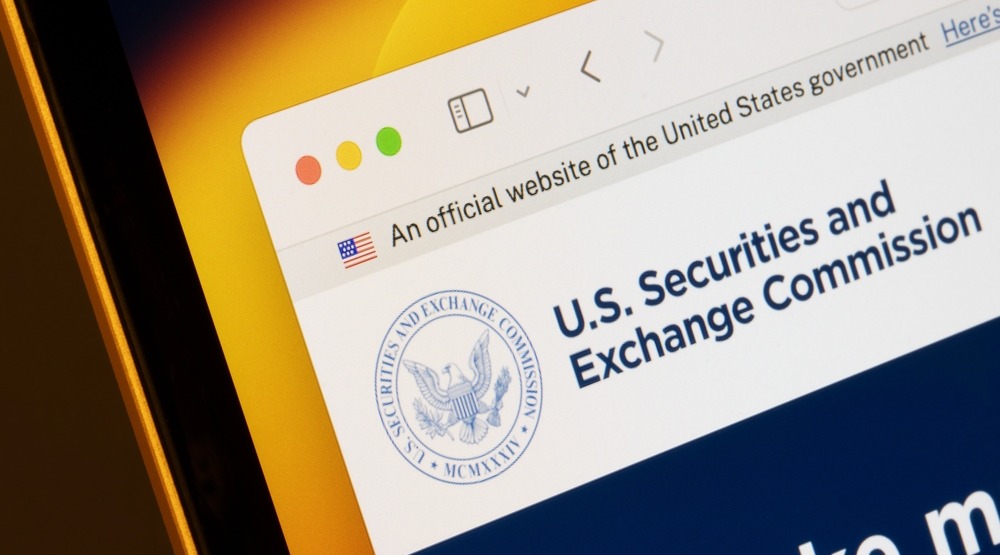
Securities and Exchange Commission (SEC) is abandoning the hard-line
enforcement approach that defined the Biden years, with new Chairman Paul
Atkins promising to warn businesses about technical violations before
launching major actions against them.
Atkins Signals Softer SEC
Approach as Trump Administration Rolls Back Biden-Era Enforcement
Atkins told
the Financial Times that the agency will focus on serious
fraudsters while giving companies more notice about potential problems.
The shift represents a complete reversal from his predecessor Gary
Gensler, who built a reputation for aggressive enforcement and hefty fines
across Wall Street.
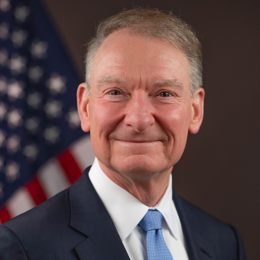
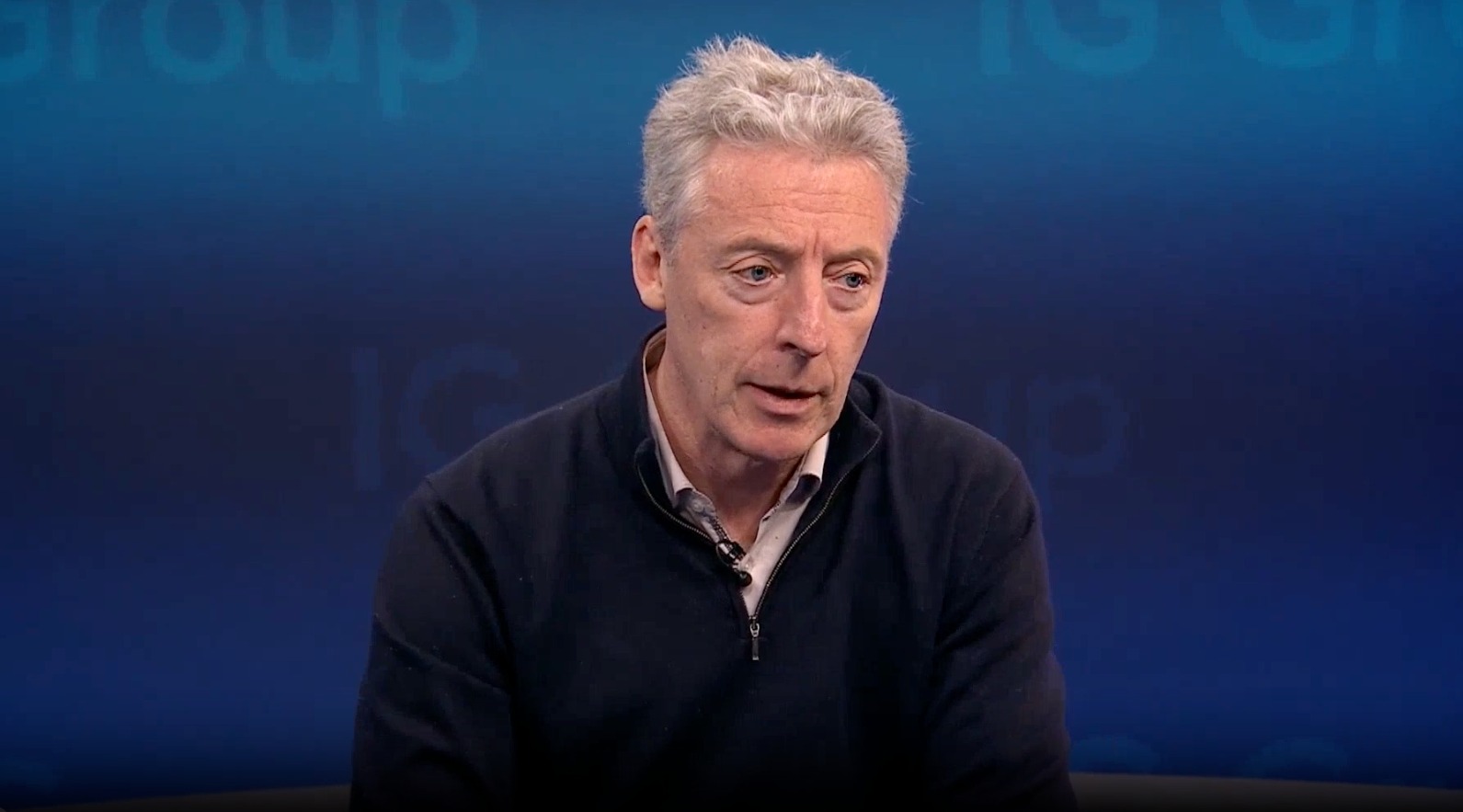
SEC Chairman Paul Atkins
"If you
lie, cheat or steal your investors and steal their money like
Bernie Madoff, we'll leave you naked, homeless and without wheels,"
Atkins said, quoting a sign from his former boss's office. But
for technical violations, he added, "You can't just suddenly come and
bash down their door."
The new
approach puts billions
of dollars in penalties under question. Gensler's SEC collected
massive fines from banks and brokers for record-keeping violations, which
Atkins now calls inappropriate for industry-wide problems.
Atkins
criticized the formulaic nature of those penalties, saying they "devolved
to where it became a formula: what's your revenue, here's your
invoice." Instead, he wants regulators to act more like
teachers warning students to get their act together.
The chairman
specifically targeted Gensler's
enforcement-heavy approach, saying it lacked predictability and due
process. "It would shoot first and then ask questions later," he
said, echoing Republican criticisms of the previous administration.
The chairman
pointed to the FTX
collapse as proof that proper regulation works. While the
exchange's offshore operations failed spectacularly, its regulated U.S. arm
protected customer funds and returned money to investors.
"We
want people not to be doing this offshore," Atkins said, warning that
companies already offering tokenized U.S. stocks should be "very
careful" as new rules develop.
Wall Street Welcomes
Softer Touch
The
regulatory shift comes as Trump appointees across government roll back
Biden-era rules they viewed as business-hostile. Republican regulators are
embracing deregulation while pulling back from enforcement programs that
targeted corporate misconduct.
Atkins said
he's addressing "market perception" that the SEC under Gensler lacked
due process and rule of law. The agency is also working to standardize
record-keeping requirements across different types of financial firms,
which currently face varying rules.
The
changes signal a return to the more business-friendly approach that
characterized Republican-led agencies before Biden's presidency. Wall Street
firms have long complained about what they saw as excessive enforcement
and unpredictable rule-making under the previous administration.
The
Securities and Exchange Commission (SEC) is abandoning the hard-line
enforcement approach that defined the Biden years, with new Chairman Paul
Atkins promising to warn businesses about technical violations before
launching major actions against them.
Atkins Signals Softer SEC
Approach as Trump Administration Rolls Back Biden-Era Enforcement
Atkins told
the Financial Times that the agency will focus on serious
fraudsters while giving companies more notice about potential problems.
The shift represents a complete reversal from his predecessor Gary
Gensler, who built a reputation for aggressive enforcement and hefty fines
across Wall Street.
SEC Chairman Paul Atkins
"If you
lie, cheat or steal your investors and steal their money like
Bernie Madoff, we'll leave you naked, homeless and without wheels,"
Atkins said, quoting a sign from his former boss's office. But
for technical violations, he added, "You can't just suddenly come and
bash down their door."
The new
approach puts billions
of dollars in penalties under question. Gensler's SEC collected
massive fines from banks and brokers for record-keeping violations, which
Atkins now calls inappropriate for industry-wide problems.
Atkins
criticized the formulaic nature of those penalties, saying they "devolved
to where it became a formula: what's your revenue, here's your
invoice." Instead, he wants regulators to act more like
teachers warning students to get their act together.
The chairman
specifically targeted Gensler's
enforcement-heavy approach, saying it lacked predictability and due
process. "It would shoot first and then ask questions later," he
said, echoing Republican criticisms of the previous administration.
The chairman
pointed to the FTX
collapse as proof that proper regulation works. While the
exchange's offshore operations failed spectacularly, its regulated U.S. arm
protected customer funds and returned money to investors.
"We
want people not to be doing this offshore," Atkins said, warning that
companies already offering tokenized U.S. stocks should be "very
careful" as new rules develop.
Wall Street Welcomes
Softer Touch
The
regulatory shift comes as Trump appointees across government roll back
Biden-era rules they viewed as business-hostile. Republican regulators are
embracing deregulation while pulling back from enforcement programs that
targeted corporate misconduct.
Atkins said
he's addressing "market perception" that the SEC under Gensler lacked
due process and rule of law. The agency is also working to standardize
record-keeping requirements across different types of financial firms,
which currently face varying rules.
The
changes signal a return to the more business-friendly approach that
characterized Republican-led agencies before Biden's presidency. Wall Street
firms have long complained about what they saw as excessive enforcement
and unpredictable rule-making under the previous administration.
Damian Chmiel is a Senior Analyst & Editor at Finance Magnates with more than 15 years of experience in the CFD and online trading industry. Active as both a trader and journalist since 2010, he focuses on broker coverage, fintech innovation, and regulatory developments across Europe, the Middle East, and Asia.
His work includes interviews with C-level leaders at major brokerages and fintech platforms, as well as co-authoring Finance Magnates’ quarterly industry benchmarking reports. Damian’s reporting is data-driven, market-aware, and grounded in direct industry engagement. His analysis and commentary have also been cited by external media outlets, including Investing.com, Binance, The Asset, Stockhead, and Dispatch.
Education:
MA in Finance and Accounting, Cracow University of Economics
Italy’s Consob Tightens Net on AI-Fueled Scams With Fresh Website Bans
FP Markets Winner Spotlight 🏆 | Global Broker of the Year 2025 #Trading #Broker #Innovation #Shorts
FP Markets Winner Spotlight 🏆 | Global Broker of the Year 2025 #Trading #Broker #Innovation #Shorts
FP Markets takes the spotlight as Global Broker of the Year 2025 at the Finance Magnates Awards.
Martin Stoilov, Head of Client Experience, shares that trust, innovation, and people played a key role in the company’s success, supported by a strong foundation of integrity and client-centricity.
Following this milestone, FP Markets continues to focus on growth, technology investment, and its core values of transparency and excellence.
👉 Be part of FM Awards 2026: https://awards.financemagnates.com/#nominate
FP Markets takes the spotlight as Global Broker of the Year 2025 at the Finance Magnates Awards.
Martin Stoilov, Head of Client Experience, shares that trust, innovation, and people played a key role in the company’s success, supported by a strong foundation of integrity and client-centricity.
Following this milestone, FP Markets continues to focus on growth, technology investment, and its core values of transparency and excellence.
👉 Be part of FM Awards 2026: https://awards.financemagnates.com/#nominate
In this video, we review @HolaPrimeMarketsOfficial, a multi-asset forex and CFDs broker offering different account types, trading platforms, and flexible trading conditions.
We cover the broker’s overall offering, including account options, trading environment, platforms like MT4 and MT5, and additional services such as managed accounts and fast withdrawals.
Watch the full video to see if Hola Prime Markets fits your trading needs.
📣 Stay up to date with the latest in finance and trading. Follow Finance Magnates for industry news, insights, and global event coverage.
Connect with us:
🔗 LinkedIn: /financemagnates
👍 Facebook: /financemagnates
📸 Instagram: https://www.instagram.com/financemagnates
🐦 X: https://x.com/financemagnates
🎥 TikTok: https://www.tiktok.com/tag/financemagnates
▶️ YouTube: /@financemagnates_official
#HolaPrime #ForexBroker #CFDTrading #FinanceMagnates #Trading #Forex #BrokerReview
In this video, we review @HolaPrimeMarketsOfficial, a multi-asset forex and CFDs broker offering different account types, trading platforms, and flexible trading conditions.
We cover the broker’s overall offering, including account options, trading environment, platforms like MT4 and MT5, and additional services such as managed accounts and fast withdrawals.
Watch the full video to see if Hola Prime Markets fits your trading needs.
📣 Stay up to date with the latest in finance and trading. Follow Finance Magnates for industry news, insights, and global event coverage.
Connect with us:
🔗 LinkedIn: /financemagnates
👍 Facebook: /financemagnates
📸 Instagram: https://www.instagram.com/financemagnates
🐦 X: https://x.com/financemagnates
🎥 TikTok: https://www.tiktok.com/tag/financemagnates
▶️ YouTube: /@financemagnates_official
#HolaPrime #ForexBroker #CFDTrading #FinanceMagnates #Trading #Forex #BrokerReview
Hola Prime Review: What You Need to Know | Full Breakdown by Finance Magnates
Hola Prime Review: What You Need to Know | Full Breakdown by Finance Magnates
In this video, we review @HolaPrime_Global, a proprietary trading firm offering evaluation programs and performance-based payouts in simulated market environments.
We cover how the challenge model works, including account types, profit splits (up to 95%), trading rules, and what it takes to reach a funded account. You’ll also learn about available platforms like MT4, MT5, cTrader, and more, along with insights into payouts, support, and trading conditions.
Watch the full video to see if Hola Prime fits your trading style.
📣 Stay up to date with the latest in finance and trading. Follow Finance Magnates for industry news, insights, and global event coverage.
Connect with us:
🔗 LinkedIn: /financemagnates
👍 Facebook: /financemagnates
📸 Instagram: https://www.instagram.com/financemagnates
🐦 X: https://x.com/financemagnates
🎥 TikTok: https://www.tiktok.com/tag/financemagnates
▶️ YouTube: /@financemagnates_official
#HolaPrime #PropFirm #Trading #FinanceMagnates #Forex #FuturesTrading #TradingReview #PropFirmReview
In this video, we review @HolaPrime_Global, a proprietary trading firm offering evaluation programs and performance-based payouts in simulated market environments.
We cover how the challenge model works, including account types, profit splits (up to 95%), trading rules, and what it takes to reach a funded account. You’ll also learn about available platforms like MT4, MT5, cTrader, and more, along with insights into payouts, support, and trading conditions.
Watch the full video to see if Hola Prime fits your trading style.
📣 Stay up to date with the latest in finance and trading. Follow Finance Magnates for industry news, insights, and global event coverage.
Connect with us:
🔗 LinkedIn: /financemagnates
👍 Facebook: /financemagnates
📸 Instagram: https://www.instagram.com/financemagnates
🐦 X: https://x.com/financemagnates
🎥 TikTok: https://www.tiktok.com/tag/financemagnates
▶️ YouTube: /@financemagnates_official
#HolaPrime #PropFirm #Trading #FinanceMagnates #Forex #FuturesTrading #TradingReview #PropFirmReview
Axi Winner Spotlight 🏆 | Global Most Innovative Broker 2025 #Innovation #Trading #Fintech #Broker
Axi Winner Spotlight 🏆 | Global Most Innovative Broker 2025 #Innovation #Trading #Fintech #Broker
Axi takes the spotlight at the Finance Magnates Awards, winning Global Most Innovative Broker 2025.
Olivia Xenofontos and Ivanna Openko share how the team will feel: proud, motivated, and ready to keep delivering.
They also describe the night as well-organized, focused, and enjoyable for all.
👉 Be part of FM Awards 2026.
Axi takes the spotlight at the Finance Magnates Awards, winning Global Most Innovative Broker 2025.
Olivia Xenofontos and Ivanna Openko share how the team will feel: proud, motivated, and ready to keep delivering.
They also describe the night as well-organized, focused, and enjoyable for all.
👉 Be part of FM Awards 2026.
Recognition that matters.
Built on transparency.
Driven by the industry.
The Finance Magnates Awards 2026.
Nominations are now open.
🔗 https://awards.financemagnates.com/?utm_source=SM&utm_medium=social&utm_campaign=recognition-matters
Recognition that matters.
Built on transparency.
Driven by the industry.
The Finance Magnates Awards 2026.
Nominations are now open.
🔗 https://awards.financemagnates.com/?utm_source=SM&utm_medium=social&utm_campaign=recognition-matters