Financial and Business News

Dating or Defrauding? CFTC Targets $10 Billion Pig Butchering Scams Before Valentine's

Tuesday, 10/02/2026 | 07:24 GMT by Damian Chmiel
  • The regulator launches Valentine's Week awareness campaign as romance scam surges 66% year-over-year.
  • The multi-agency effort targets crypto investment schemes that exploit emotional vulnerability.
romance scam pig butchering

The Commodity Futures Trading Commission (CFTC) has assembled more than 20 federal and state agencies for a coordinated push against relationship investment scams, timing the campaign around Valentine's Day when scammers traditionally intensify their operations.

CFTC Rallies Federal Partners to Combat $10 Billion Romance Scam Industry

The fraud, which criminals call "pig butchering," drained an estimated $10 billion from Americans in the past year. The CFTC's Office of Customer Education and Outreach is coordinating the national "DatingOrDefrauding?" social media campaign, which runs through Saturday.
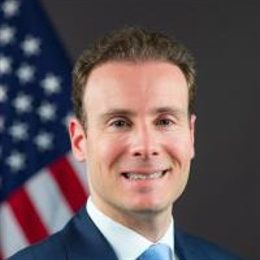
CFTC Chairman Michael S. Selig

"Foreign criminals are exploiting dating apps, social media, messaging platforms, and artificial intelligence to steal money from American citizens," CFTC Chairman Michael S. Selig said.

"Keep your friends and family safe by warning them about this scam and encouraging them to keep their crypto assets safe by using trusted and secure software systems and U.S.-regulated intermediaries."

Losses Jump 66% as Criminal Networks Industrialize

The financial damage from these scams has accelerated sharply. Americans lost $10 billion dollars to Southeast Asia-based operations, representing a 66% increase year-over-year. Worldwide losses likely exceed $75 billion, according to industry estimates.

Pig butchering scam revenues grew nearly 40% in 2024, while deposits into these fraudulent schemes jumped 210%. Individual U.S. victims reported average losses exceeding $150,000 in cases linked to scam service providers.

The criminal operations are heavily concentrated in Southeast Asia. Cambodia, Laos, and Myanmar generated $43.8 billion in scam revenue, with between 100,000-150,000 forced workers exploited in Cambodian scam centers alone. Approximately 305,000 scammers operate across the three countries.

Scammers increasingly use AI-generated messages and move victims from platforms like WhatsApp to encrypted apps like Telegram, making detection more difficult for both victims and law enforcement.

Federal Coalition Spans 13 Agencies

The campaign includes the Department of Justice Criminal Division, FBI, Securities and Exchange Commission, IRS Criminal Investigation, U.S. Secret Service, and Financial Crimes Enforcement Network.

State regulators from Minnesota, Oregon, Washington, Wisconsin, and the Virgin Islands are also participating, along with self-regulatory organizations FINRA and the National Futures Association.

The CFTC is simultaneously working with the International Organization of Securities Commissions on a global initiative. The Valentine's week campaign builds on a similar effort conducted in October 2025, when 16 jurisdictions across five continents carried out coordinated educational outreach.

The SEC launched its own campaign in April 2025 highlighting "pig butchering" and other relationship-based investment scams, creating videos and educational resources about the fraud.

How the Scam Works

The fraud relies on dating apps, social media platforms, messaging apps, and even random "wrong number" text messages to identify targets. Scammers use fake profiles, images, videos, and AI-generated voices to appear trustworthy and professional.

After establishing frequent contact and building emotional connections over weeks or months, the scammers claim to earn significant profits trading crypto assets, precious metals, or foreign currency. They offer to help victims do the same.

Victims are directed to fraudulent trading platforms controlled by organized criminal networks. The platforms show fake profits initially to encourage larger deposits, but victims can never withdraw their money.

Warning signs include an online friend or romantic interest who cannot meet in person, moves conversations to encrypted messaging apps, claims expertise in crypto trading, or offers to help invest money.

Coinbase warned about these scams in 2022, noting that scammers use dating apps to build trust before directing victims to fraudulent investment platforms. The exchange adds addresses associated with scams to its products' blocklists.

Enforcement Division Refocuses on Fraud Prevention

The CFTC announced a major reorganization of its Division of Enforcement on February 4, 2025, with a renewed focus on fraud prevention. Acting Chairman Caroline Pham simplified the Division's task forces into two primary teams: the Complex Fraud Task Force and the Retail Fraud and General Enforcement Task Force, which focuses on fraud affecting retail investors.

On September 4, 2025, the CFTC completed its "enforcement sprint" by issuing six orders that simultaneously filed and settled material compliance violations against 10 firms, imposing 8.325 million dollars in total penalties.

Under Chairman Selig's leadership, which began in 2026, the CFTC has prioritized fraud prevention over technical compliance violations. The agency now emphasizes guidance over enforcement actions and focuses on willful misconduct rather than inadvertent compliance issues.

The regulator released updated guidance on self-reporting, cooperation, and remediation on February 25, 2025, and announced updates to its procedural rules and investigative guidelines on December 1, 2025, aiming to improve transparency and due process.

The Commodity Futures Trading Commission (CFTC) has assembled more than 20 federal and state agencies for a coordinated push against relationship investment scams, timing the campaign around Valentine's Day when scammers traditionally intensify their operations.

CFTC Rallies Federal Partners to Combat $10 Billion Romance Scam Industry

The fraud, which criminals call "pig butchering," drained an estimated $10 billion from Americans in the past year. The CFTC's Office of Customer Education and Outreach is coordinating the national "DatingOrDefrauding?" social media campaign, which runs through Saturday.

CFTC Chairman Michael S. Selig

"Foreign criminals are exploiting dating apps, social media, messaging platforms, and artificial intelligence to steal money from American citizens," CFTC Chairman Michael S. Selig said.

"Keep your friends and family safe by warning them about this scam and encouraging them to keep their crypto assets safe by using trusted and secure software systems and U.S.-regulated intermediaries."

Losses Jump 66% as Criminal Networks Industrialize

The financial damage from these scams has accelerated sharply. Americans lost $10 billion dollars to Southeast Asia-based operations, representing a 66% increase year-over-year. Worldwide losses likely exceed $75 billion, according to industry estimates.

Pig butchering scam revenues grew nearly 40% in 2024, while deposits into these fraudulent schemes jumped 210%. Individual U.S. victims reported average losses exceeding $150,000 in cases linked to scam service providers.

The criminal operations are heavily concentrated in Southeast Asia. Cambodia, Laos, and Myanmar generated $43.8 billion in scam revenue, with between 100,000-150,000 forced workers exploited in Cambodian scam centers alone. Approximately 305,000 scammers operate across the three countries.

Scammers increasingly use AI-generated messages and move victims from platforms like WhatsApp to encrypted apps like Telegram, making detection more difficult for both victims and law enforcement.

Federal Coalition Spans 13 Agencies

The campaign includes the Department of Justice Criminal Division, FBI, Securities and Exchange Commission, IRS Criminal Investigation, U.S. Secret Service, and Financial Crimes Enforcement Network.

State regulators from Minnesota, Oregon, Washington, Wisconsin, and the Virgin Islands are also participating, along with self-regulatory organizations FINRA and the National Futures Association.

The CFTC is simultaneously working with the International Organization of Securities Commissions on a global initiative. The Valentine's week campaign builds on a similar effort conducted in October 2025, when 16 jurisdictions across five continents carried out coordinated educational outreach.

The SEC launched its own campaign in April 2025 highlighting "pig butchering" and other relationship-based investment scams, creating videos and educational resources about the fraud.

How the Scam Works

The fraud relies on dating apps, social media platforms, messaging apps, and even random "wrong number" text messages to identify targets. Scammers use fake profiles, images, videos, and AI-generated voices to appear trustworthy and professional.

After establishing frequent contact and building emotional connections over weeks or months, the scammers claim to earn significant profits trading crypto assets, precious metals, or foreign currency. They offer to help victims do the same.

Victims are directed to fraudulent trading platforms controlled by organized criminal networks. The platforms show fake profits initially to encourage larger deposits, but victims can never withdraw their money.

Warning signs include an online friend or romantic interest who cannot meet in person, moves conversations to encrypted messaging apps, claims expertise in crypto trading, or offers to help invest money.

Coinbase warned about these scams in 2022, noting that scammers use dating apps to build trust before directing victims to fraudulent investment platforms. The exchange adds addresses associated with scams to its products' blocklists.

Enforcement Division Refocuses on Fraud Prevention

The CFTC announced a major reorganization of its Division of Enforcement on February 4, 2025, with a renewed focus on fraud prevention. Acting Chairman Caroline Pham simplified the Division's task forces into two primary teams: the Complex Fraud Task Force and the Retail Fraud and General Enforcement Task Force, which focuses on fraud affecting retail investors.

On September 4, 2025, the CFTC completed its "enforcement sprint" by issuing six orders that simultaneously filed and settled material compliance violations against 10 firms, imposing 8.325 million dollars in total penalties.

Under Chairman Selig's leadership, which began in 2026, the CFTC has prioritized fraud prevention over technical compliance violations. The agency now emphasizes guidance over enforcement actions and focuses on willful misconduct rather than inadvertent compliance issues.

The regulator released updated guidance on self-reporting, cooperation, and remediation on February 25, 2025, and announced updates to its procedural rules and investigative guidelines on December 1, 2025, aiming to improve transparency and due process.
About the Author: Damian Chmiel
Damian Chmiel
  • 3237 Articles
  • 100 Followers
Damian's adventure with financial markets began at the Cracow University of Economics, where he obtained his MA in finance and accounting. Starting from the retail trader perspective, he collaborated with brokerage houses and financial portals in Poland as an independent editor and content manager. His adventure with Finance Magnates began in 2016, where he is working as a business intelligence analyst.

More from the Author

Retail FX