The Financial watchdog of the the U.S Commodity Futures and Derivatives markets has published a set of finalized rules - some of which go into effect on January 14, 2014 and referencing others that are already in effect.
Source: CFTC
In its continuing effort to adhere to the role of protecting the integrity of US financial commodity futures and derivatives markets and the participants who trade within them, the Commodity Futures Trading Commission (CFTC) has published the final rules today (set to go into effect on January 14, 2014) with regards to enhancing protections afforded to customers and customers' funds held by the Futures Commission Merchant (FCM) and Derivatives Clearing Organization (DCO) registered entities.
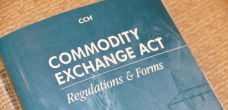
These rules are in respect to applicable regulations in the Commodity Exchange Act and as modified by the Dodd-Frank Wall Street Consumer Protection Act. Below are excerpts from the publication, the full text can be found on the CFTC website, which also addresses certain related issues of Chief Compliance Officers (CCOs) and DCOs.
As per the announcement, the final rules will afford greater assurances to market participants that: Customer segregated funds, secured amount funds, and cleared swaps funds are protected; customers are provided with appropriate notice of the risks of futures trading and of the FCMs with whom they may choose to do business; FCMs are monitoring and managing risks in a robust manner; the capital and liquidity of FCMs are strengthened to safeguard their continued operations; and the auditing and examination programs of the Commission and the self-regulatory organizations (SROs) are monitoring the activities of FCMs in a prudent and thorough manner.
Rule Changes Go into Effect January 13, 2014
Namely, section 2 of the Commodity Exchange Act (‘‘the Act’’ or ‘‘the CEA’’) requires each FCM to segregate from its own assets, all money, securities and other property deposited by futures customers to margin, secure, or guarantee futures contracts and options on futures contracts traded on designated contract markets.
Section 4d(a)(2) further requires an FCM to treat and deal with futures' customer funds as belonging to the futures customer, and prohibits an FCM from using the funds deposited by a futures customer to margin or extend credit to any person other than the futures customer who deposited the funds.
Section 4d(f) of the Act, which was added by section 724(a) of the Dodd-Frank Wall Street Reform and Consumer Protection Act (Dodd-Frank Act), requires each FCM to segregate from its own assets all money, securities, and other property deposited by Cleared Swaps Customers to margin Cleared Swaps.
Customer Funds Belong to Customers, No Commingling
Section 4d(f) also provides that an FCM shall treat and deal with all money, securities and property of any swaps customers received to margin, guarantee, or secure a swap cleared by or through a DCO (including money, securities, or property accruing to the swaps customer as the result of such a swap) as belonging to the swaps customer.
Section 4d(f) further provides that an FCM shall separately account for and not commingle with its own funds any money, securities, and property of a swaps customer, and shall not use such swaps customer’s funds to margin, secure, or guarantee any trades or contracts of any swaps customer or person other than the person for whom the same are held.
The Commission adopted §§ 1.20 through 1.30, and § 1.32, to implement section 4d(a)(2) of the Act, and adopted part 22 to implement Section 4d(f) of the Act. The purpose of these regulations is to safeguard funds deposited by futures customers and Cleared Swaps Customers, respectively.
Regulation 1.20 requires each FCM and DCO to separately account for, and to segregate from its own proprietary funds all money, securities, or other property deposited by futures customers for trading on designated contract markets.
Segregated Accounts, Preventing another PFG or MF Global Debacle
Events such as that of MF Global or PFG - which in times like this should be an impossibility of being able to collapse in the manner they did - as a result of misappropriations and mishandling of customers' funds (or outright fraud), considering the experience that regulators have had in combating fraud, and the wave of regulations that have since gone into effect in recent years.
In addition, all futures' customer funds must be separately accounted for, and may not be commingled with the money, securities or property of an FCM or of any other person, or be used to secure or guarantee the trades, contracts or commodity options, or to secure or extend the credit, of any person other than the one for whom the same are held. Regulation 1.20 also provides that an FCM or DCO may deposit futures' customer funds only with a bank or trust company, and for FCMs only, a DCO or another FCM.
The funds must be deposited under an account name that clearly identifies the funds as belonging to the futures customers of the FCM or DCO, and further shows that the funds are segregated as required by section 4d(a)(2) of the Act and Commission regulations.
Added Confirmation from Bank-held Customers' funds by FCMs
FCMs and DCOs are also required to obtain a written acknowledgment from a depository stating that the depository was informed that the funds deposited are customer funds being held in accordance with the Act.
FCMs and DCOs also are restricted in their use of futures' customer funds. Regulation 1.22 prohibits an FCM from using, or permitting the use of, the Enhancing Protections Afforded Customers and Customer Funds Held by Futures Commission Merchants and Derivatives Clearing Organizations.
Comments are welcome regarding opinions of whether these rules will suffice to prevent a repeat of such cases as mentioned above, MF Global and PFG, or looking even further back in time to the ill-fated FXLQ.
Source: CFTC
In its continuing effort to adhere to the role of protecting the integrity of US financial commodity futures and derivatives markets and the participants who trade within them, the Commodity Futures Trading Commission (CFTC) has published the final rules today (set to go into effect on January 14, 2014) with regards to enhancing protections afforded to customers and customers' funds held by the Futures Commission Merchant (FCM) and Derivatives Clearing Organization (DCO) registered entities.
These rules are in respect to applicable regulations in the Commodity Exchange Act and as modified by the Dodd-Frank Wall Street Consumer Protection Act. Below are excerpts from the publication, the full text can be found on the CFTC website, which also addresses certain related issues of Chief Compliance Officers (CCOs) and DCOs.
As per the announcement, the final rules will afford greater assurances to market participants that: Customer segregated funds, secured amount funds, and cleared swaps funds are protected; customers are provided with appropriate notice of the risks of futures trading and of the FCMs with whom they may choose to do business; FCMs are monitoring and managing risks in a robust manner; the capital and liquidity of FCMs are strengthened to safeguard their continued operations; and the auditing and examination programs of the Commission and the self-regulatory organizations (SROs) are monitoring the activities of FCMs in a prudent and thorough manner.
Rule Changes Go into Effect January 13, 2014
Namely, section 2 of the Commodity Exchange Act (‘‘the Act’’ or ‘‘the CEA’’) requires each FCM to segregate from its own assets, all money, securities and other property deposited by futures customers to margin, secure, or guarantee futures contracts and options on futures contracts traded on designated contract markets.
Section 4d(a)(2) further requires an FCM to treat and deal with futures' customer funds as belonging to the futures customer, and prohibits an FCM from using the funds deposited by a futures customer to margin or extend credit to any person other than the futures customer who deposited the funds.
Section 4d(f) of the Act, which was added by section 724(a) of the Dodd-Frank Wall Street Reform and Consumer Protection Act (Dodd-Frank Act), requires each FCM to segregate from its own assets all money, securities, and other property deposited by Cleared Swaps Customers to margin Cleared Swaps.
Customer Funds Belong to Customers, No Commingling
Section 4d(f) also provides that an FCM shall treat and deal with all money, securities and property of any swaps customers received to margin, guarantee, or secure a swap cleared by or through a DCO (including money, securities, or property accruing to the swaps customer as the result of such a swap) as belonging to the swaps customer.
Section 4d(f) further provides that an FCM shall separately account for and not commingle with its own funds any money, securities, and property of a swaps customer, and shall not use such swaps customer’s funds to margin, secure, or guarantee any trades or contracts of any swaps customer or person other than the person for whom the same are held.
The Commission adopted §§ 1.20 through 1.30, and § 1.32, to implement section 4d(a)(2) of the Act, and adopted part 22 to implement Section 4d(f) of the Act. The purpose of these regulations is to safeguard funds deposited by futures customers and Cleared Swaps Customers, respectively.
Regulation 1.20 requires each FCM and DCO to separately account for, and to segregate from its own proprietary funds all money, securities, or other property deposited by futures customers for trading on designated contract markets.
Segregated Accounts, Preventing another PFG or MF Global Debacle
Events such as that of MF Global or PFG - which in times like this should be an impossibility of being able to collapse in the manner they did - as a result of misappropriations and mishandling of customers' funds (or outright fraud), considering the experience that regulators have had in combating fraud, and the wave of regulations that have since gone into effect in recent years.
In addition, all futures' customer funds must be separately accounted for, and may not be commingled with the money, securities or property of an FCM or of any other person, or be used to secure or guarantee the trades, contracts or commodity options, or to secure or extend the credit, of any person other than the one for whom the same are held. Regulation 1.20 also provides that an FCM or DCO may deposit futures' customer funds only with a bank or trust company, and for FCMs only, a DCO or another FCM.
The funds must be deposited under an account name that clearly identifies the funds as belonging to the futures customers of the FCM or DCO, and further shows that the funds are segregated as required by section 4d(a)(2) of the Act and Commission regulations.
Added Confirmation from Bank-held Customers' funds by FCMs
FCMs and DCOs are also required to obtain a written acknowledgment from a depository stating that the depository was informed that the funds deposited are customer funds being held in accordance with the Act.
FCMs and DCOs also are restricted in their use of futures' customer funds. Regulation 1.22 prohibits an FCM from using, or permitting the use of, the Enhancing Protections Afforded Customers and Customer Funds Held by Futures Commission Merchants and Derivatives Clearing Organizations.
Comments are welcome regarding opinions of whether these rules will suffice to prevent a repeat of such cases as mentioned above, MF Global and PFG, or looking even further back in time to the ill-fated FXLQ.
FTMO Says Monthly Rewards Near $15 Million in September
Featured Videos
AvaTrade to Acquire Most of FXCM; NAGA Raises $8M
AvaTrade to Acquire Most of FXCM; NAGA Raises $8M
AvaTrade to Acquire Most of FXCM; NAGA Raises $8M
AvaTrade to Acquire Most of FXCM; NAGA Raises $8M
Today’s financial news recap covers AvaTrade agrees to acquire most of FXCM, NAGA secures eight million dollars in new financing, and Wise seeks a tax settlement in the UK.
Finance Magnates Daily Recap brings you the latest news from forex and CFD brokers, fintech, payments, cryptocurrency, digital assets, trading platforms, financial regulation and global markets.
Get the key company news, executive moves, deals, regulatory updates and market developments of the day, in just a few minutes. New episodes published every weekday.
Read more: https://www.financemagnates.com
#FinanceMagnates #ForexNews #FintechNews
Today’s financial news recap covers AvaTrade agrees to acquire most of FXCM, NAGA secures eight million dollars in new financing, and Wise seeks a tax settlement in the UK.
Finance Magnates Daily Recap brings you the latest news from forex and CFD brokers, fintech, payments, cryptocurrency, digital assets, trading platforms, financial regulation and global markets.
Get the key company news, executive moves, deals, regulatory updates and market developments of the day, in just a few minutes. New episodes published every weekday.
Read more: https://www.financemagnates.com
#FinanceMagnates #ForexNews #FintechNews
Today’s financial news recap covers AvaTrade agrees to acquire most of FXCM, NAGA secures eight million dollars in new financing, and Wise seeks a tax settlement in the UK.
Finance Magnates Daily Recap brings you the latest news from forex and CFD brokers, fintech, payments, cryptocurrency, digital assets, trading platforms, financial regulation and global markets.
Get the key company news, executive moves, deals, regulatory updates and market developments of the day, in just a few minutes. New episodes published every weekday.
Read more: https://www.financemagnates.com
#FinanceMagnates #ForexNews #FintechNews
Today’s financial news recap covers AvaTrade agrees to acquire most of FXCM, NAGA secures eight million dollars in new financing, and Wise seeks a tax settlement in the UK.
Finance Magnates Daily Recap brings you the latest news from forex and CFD brokers, fintech, payments, cryptocurrency, digital assets, trading platforms, financial regulation and global markets.
Get the key company news, executive moves, deals, regulatory updates and market developments of the day, in just a few minutes. New episodes published every weekday.
Read more: https://www.financemagnates.com
#FinanceMagnates #ForexNews #FintechNews
XTB Adds Overnight US Stock Trading; Nasdaq Ventures Invests in One Trading
XTB Adds Overnight US Stock Trading; Nasdaq Ventures Invests in One Trading
XTB Adds Overnight US Stock Trading; Nasdaq Ventures Invests in One Trading
XTB Adds Overnight US Stock Trading; Nasdaq Ventures Invests in One Trading
XTB Adds Overnight US Stock Trading; Nasdaq Ventures Invests in One Trading
XTB Adds Overnight US Stock Trading; Nasdaq Ventures Invests in One Trading
Today’s financial news recap covers XTB expands overnight US stock trading, Fortrade reports higher revenue, Nasdaq backs One Trading, and Vest Labs raises 13 million dollars.
Finance Magnates Daily Recap brings you the latest news from forex and CFD brokers, fintech, payments, cryptocurrency, digital assets, trading platforms, financial regulation and global markets.
Get the key company news, executive moves, deals, regulatory updates and market developments of the day, in just a few minutes. New episodes published every weekday.
Read more: https://www.financemagnates.com
#FinanceMagnates #ForexNews #FintechNews
Today’s financial news recap covers XTB expands overnight US stock trading, Fortrade reports higher revenue, Nasdaq backs One Trading, and Vest Labs raises 13 million dollars.
Finance Magnates Daily Recap brings you the latest news from forex and CFD brokers, fintech, payments, cryptocurrency, digital assets, trading platforms, financial regulation and global markets.
Get the key company news, executive moves, deals, regulatory updates and market developments of the day, in just a few minutes. New episodes published every weekday.
Read more: https://www.financemagnates.com
#FinanceMagnates #ForexNews #FintechNews
Today’s financial news recap covers XTB expands overnight US stock trading, Fortrade reports higher revenue, Nasdaq backs One Trading, and Vest Labs raises 13 million dollars.
Finance Magnates Daily Recap brings you the latest news from forex and CFD brokers, fintech, payments, cryptocurrency, digital assets, trading platforms, financial regulation and global markets.
Get the key company news, executive moves, deals, regulatory updates and market developments of the day, in just a few minutes. New episodes published every weekday.
Read more: https://www.financemagnates.com
#FinanceMagnates #ForexNews #FintechNews
Today’s financial news recap covers XTB expands overnight US stock trading, Fortrade reports higher revenue, Nasdaq backs One Trading, and Vest Labs raises 13 million dollars.
Finance Magnates Daily Recap brings you the latest news from forex and CFD brokers, fintech, payments, cryptocurrency, digital assets, trading platforms, financial regulation and global markets.
Get the key company news, executive moves, deals, regulatory updates and market developments of the day, in just a few minutes. New episodes published every weekday.
Read more: https://www.financemagnates.com
#FinanceMagnates #ForexNews #FintechNews
Today’s financial news recap covers XTB expands overnight US stock trading, Fortrade reports higher revenue, Nasdaq backs One Trading, and Vest Labs raises 13 million dollars.
Finance Magnates Daily Recap brings you the latest news from forex and CFD brokers, fintech, payments, cryptocurrency, digital assets, trading platforms, financial regulation and global markets.
Get the key company news, executive moves, deals, regulatory updates and market developments of the day, in just a few minutes. New episodes published every weekday.
Read more: https://www.financemagnates.com
#FinanceMagnates #ForexNews #FintechNews
Today’s financial news recap covers XTB expands overnight US stock trading, Fortrade reports higher revenue, Nasdaq backs One Trading, and Vest Labs raises 13 million dollars.
Finance Magnates Daily Recap brings you the latest news from forex and CFD brokers, fintech, payments, cryptocurrency, digital assets, trading platforms, financial regulation and global markets.
Get the key company news, executive moves, deals, regulatory updates and market developments of the day, in just a few minutes. New episodes published every weekday.
Read more: https://www.financemagnates.com
#FinanceMagnates #ForexNews #FintechNews
CMC Founder Downplays Volatility Hit; Devexperts Names CEO
CMC Founder Downplays Volatility Hit; Devexperts Names CEO
CMC Founder Downplays Volatility Hit; Devexperts Names CEO
CMC Founder Downplays Volatility Hit; Devexperts Names CEO
CMC Founder Downplays Volatility Hit; Devexperts Names CEO
CMC Founder Downplays Volatility Hit; Devexperts Names CEO
Today’s financial news recap covers low volatility pressures brokers, Devexperts names a new CEO, Saxo cuts onboarding time, and OKX reaches a 25 billion dollar valuation.
Finance Magnates Daily Recap brings you the latest news from forex and CFD brokers, fintech, payments, cryptocurrency, digital assets, trading platforms, financial regulation and global markets.
Get the key company news, executive moves, deals, regulatory updates and market developments of the day, in just a few minutes. New episodes published every weekday.
Read more: https://www.financemagnates.com
#FinanceMagnates #ForexNews #FintechNews
Today’s financial news recap covers low volatility pressures brokers, Devexperts names a new CEO, Saxo cuts onboarding time, and OKX reaches a 25 billion dollar valuation.
Finance Magnates Daily Recap brings you the latest news from forex and CFD brokers, fintech, payments, cryptocurrency, digital assets, trading platforms, financial regulation and global markets.
Get the key company news, executive moves, deals, regulatory updates and market developments of the day, in just a few minutes. New episodes published every weekday.
Read more: https://www.financemagnates.com
#FinanceMagnates #ForexNews #FintechNews
Today’s financial news recap covers low volatility pressures brokers, Devexperts names a new CEO, Saxo cuts onboarding time, and OKX reaches a 25 billion dollar valuation.
Finance Magnates Daily Recap brings you the latest news from forex and CFD brokers, fintech, payments, cryptocurrency, digital assets, trading platforms, financial regulation and global markets.
Get the key company news, executive moves, deals, regulatory updates and market developments of the day, in just a few minutes. New episodes published every weekday.
Read more: https://www.financemagnates.com
#FinanceMagnates #ForexNews #FintechNews
Today’s financial news recap covers low volatility pressures brokers, Devexperts names a new CEO, Saxo cuts onboarding time, and OKX reaches a 25 billion dollar valuation.
Finance Magnates Daily Recap brings you the latest news from forex and CFD brokers, fintech, payments, cryptocurrency, digital assets, trading platforms, financial regulation and global markets.
Get the key company news, executive moves, deals, regulatory updates and market developments of the day, in just a few minutes. New episodes published every weekday.
Read more: https://www.financemagnates.com
#FinanceMagnates #ForexNews #FintechNews
Today’s financial news recap covers low volatility pressures brokers, Devexperts names a new CEO, Saxo cuts onboarding time, and OKX reaches a 25 billion dollar valuation.
Finance Magnates Daily Recap brings you the latest news from forex and CFD brokers, fintech, payments, cryptocurrency, digital assets, trading platforms, financial regulation and global markets.
Get the key company news, executive moves, deals, regulatory updates and market developments of the day, in just a few minutes. New episodes published every weekday.
Read more: https://www.financemagnates.com
#FinanceMagnates #ForexNews #FintechNews
Today’s financial news recap covers low volatility pressures brokers, Devexperts names a new CEO, Saxo cuts onboarding time, and OKX reaches a 25 billion dollar valuation.
Finance Magnates Daily Recap brings you the latest news from forex and CFD brokers, fintech, payments, cryptocurrency, digital assets, trading platforms, financial regulation and global markets.
Get the key company news, executive moves, deals, regulatory updates and market developments of the day, in just a few minutes. New episodes published every weekday.
Read more: https://www.financemagnates.com
#FinanceMagnates #ForexNews #FintechNews
Today’s financial news recap covers Trade Nation buys FXCM's UK client book, Trading 212 reports higher revenue, the CFTC's move to allow perpetual index futures.
Finance Magnates Daily Recap brings you the latest news from forex and CFD brokers, fintech, payments, cryptocurrency, digital assets, trading platforms, financial regulation and global markets.
Get the key company news, executive moves, deals, regulatory updates and market developments of the day, in just a few minutes. New episodes published every weekday.
Read more: https://www.financemagnates.com
#FinanceMagnates #ForexNews #FintechNews
Today’s financial news recap covers Trade Nation buys FXCM's UK client book, Trading 212 reports higher revenue, the CFTC's move to allow perpetual index futures.
Finance Magnates Daily Recap brings you the latest news from forex and CFD brokers, fintech, payments, cryptocurrency, digital assets, trading platforms, financial regulation and global markets.
Get the key company news, executive moves, deals, regulatory updates and market developments of the day, in just a few minutes. New episodes published every weekday.
Read more: https://www.financemagnates.com
#FinanceMagnates #ForexNews #FintechNews
Today’s financial news recap covers Trade Nation buys FXCM's UK client book, Trading 212 reports higher revenue, the CFTC's move to allow perpetual index futures.
Finance Magnates Daily Recap brings you the latest news from forex and CFD brokers, fintech, payments, cryptocurrency, digital assets, trading platforms, financial regulation and global markets.
Get the key company news, executive moves, deals, regulatory updates and market developments of the day, in just a few minutes. New episodes published every weekday.
Read more: https://www.financemagnates.com
#FinanceMagnates #ForexNews #FintechNews
Today’s financial news recap covers Trade Nation buys FXCM's UK client book, Trading 212 reports higher revenue, the CFTC's move to allow perpetual index futures.
Finance Magnates Daily Recap brings you the latest news from forex and CFD brokers, fintech, payments, cryptocurrency, digital assets, trading platforms, financial regulation and global markets.
Get the key company news, executive moves, deals, regulatory updates and market developments of the day, in just a few minutes. New episodes published every weekday.
Read more: https://www.financemagnates.com
#FinanceMagnates #ForexNews #FintechNews
Today’s financial news recap covers Trade Nation buys FXCM's UK client book, Trading 212 reports higher revenue, the CFTC's move to allow perpetual index futures.
Finance Magnates Daily Recap brings you the latest news from forex and CFD brokers, fintech, payments, cryptocurrency, digital assets, trading platforms, financial regulation and global markets.
Get the key company news, executive moves, deals, regulatory updates and market developments of the day, in just a few minutes. New episodes published every weekday.
Read more: https://www.financemagnates.com
#FinanceMagnates #ForexNews #FintechNews
Today’s financial news recap covers Trade Nation buys FXCM's UK client book, Trading 212 reports higher revenue, the CFTC's move to allow perpetual index futures.
Finance Magnates Daily Recap brings you the latest news from forex and CFD brokers, fintech, payments, cryptocurrency, digital assets, trading platforms, financial regulation and global markets.
Get the key company news, executive moves, deals, regulatory updates and market developments of the day, in just a few minutes. New episodes published every weekday.
Read more: https://www.financemagnates.com
#FinanceMagnates #ForexNews #FintechNews
Your career isn’t a linear path.
Your career isn’t a linear path.
Your career isn’t a linear path.
Your career isn’t a linear path.
Your career isn’t a linear path.
Your career isn’t a linear path.
Roles change. Career goals change. Sometimes you want a completely new challenge.
But the skills and knowledge you build along the way can stay with you and give you something to build on.
For Jeff Patterson, that continued growth is key to long-term career development.
You bring the skills. FM Academy helps you build the knowledge.
#FMAcademy #FinanceMagnates #FinanceCareers #ProfessionalDevelopment #Fintech
Roles change. Career goals change. Sometimes you want a completely new challenge.
But the skills and knowledge you build along the way can stay with you and give you something to build on.
For Jeff Patterson, that continued growth is key to long-term career development.
You bring the skills. FM Academy helps you build the knowledge.
#FMAcademy #FinanceMagnates #FinanceCareers #ProfessionalDevelopment #Fintech
Roles change. Career goals change. Sometimes you want a completely new challenge.
But the skills and knowledge you build along the way can stay with you and give you something to build on.
For Jeff Patterson, that continued growth is key to long-term career development.
You bring the skills. FM Academy helps you build the knowledge.
#FMAcademy #FinanceMagnates #FinanceCareers #ProfessionalDevelopment #Fintech
Roles change. Career goals change. Sometimes you want a completely new challenge.
But the skills and knowledge you build along the way can stay with you and give you something to build on.
For Jeff Patterson, that continued growth is key to long-term career development.
You bring the skills. FM Academy helps you build the knowledge.
#FMAcademy #FinanceMagnates #FinanceCareers #ProfessionalDevelopment #Fintech
Roles change. Career goals change. Sometimes you want a completely new challenge.
But the skills and knowledge you build along the way can stay with you and give you something to build on.
For Jeff Patterson, that continued growth is key to long-term career development.
You bring the skills. FM Academy helps you build the knowledge.
#FMAcademy #FinanceMagnates #FinanceCareers #ProfessionalDevelopment #Fintech
Roles change. Career goals change. Sometimes you want a completely new challenge.
But the skills and knowledge you build along the way can stay with you and give you something to build on.
For Jeff Patterson, that continued growth is key to long-term career development.
You bring the skills. FM Academy helps you build the knowledge.
#FMAcademy #FinanceMagnates #FinanceCareers #ProfessionalDevelopment #Fintech