The regulator says the contracts now rival CFDs while sitting largely outside its perimeter, often offered to Australians through offshore venues.
A new report it commissioned puts perps, copy trading and round-the-clock exchanges at the center of a fast-moving competitive threat.
Australia's
corporate regulator is signaling that one of crypto's fastest-growing
derivatives is outrunning the country's rulebook.
Perpetual
futures, leveraged contracts with no expiry date, now offer exposure that looks
much like a contracts for difference (CFDs), yet are typically sold to
Australians through offshore platforms that sit outside the regulator's reach.
The report
draws a direct line between perpetual futures and CFDs. Both give traders
leveraged synthetic exposure to an asset without owning it, and both run on
margin. The structural split is who sets the terms.
A CFD is a
bilateral over-the-counter contract where the provider fixes financing charges
and margin, while perps rely on a funding rate exchanged between long and short
positions.
The United
States is moving the other way. The Commodity Futures Trading Commission said
in early 2026 it would build a framework to bring perps onshore and recapture
liquidity that has drifted to offshore venues.
According
to the report, the global perpetual futures market remains heavily concentrated
on a handful of centralized exchanges, mainly Binance, OKX and Bybit, while on
the decentralized side Hyperliquid averaged 72% of the perp-DEX segment through
2025.
The Offshore Gap Australia
Has Not Closed
For ASIC,
the problem is jurisdictional. The report notes that novel crypto-native
products such as perpetuals and event contracts are typically offered to
Australian investors through offshore venues, and may sit outside existing
regulatory perimeters.
ASIC may
need to decide whether such products fall within its remit or another agency's,
the report said.
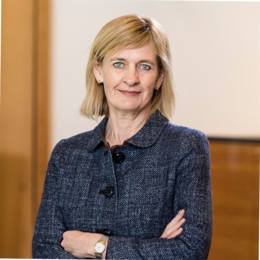
ASIC Chairwoman
Sarah Court framed the broader stakes carefully at the roundtable, cautioning
against change for its own sake. "Innovation is not an end in and of
itself," she said, adding that it needs a clear purpose and public
benefit.
Gamified Apps and Copy
Trading Draw Regulatory Fire
The report
devotes heavy attention to how retail investors are being nudged into trading
more, and into riskier products. Gamification features such as notifications,
points and rewards are now a routine part of mobile brokerage and crypto apps
rather than an outlier.
The
evidence cited is pointed. A
UK randomized experiment involving more than 9,000 people found that
digital engagement practices lifted trading frequency by 11% to 12% and
risk-taking by 6% to 8%, with stronger effects on younger and less financially
literate users.
An Ontario
regulator study found points and badges drove nearly 40% more trades despite
carrying negligible economic value.
Copy
trading sits alongside it as a supervisory headache. The report cites eToro,
the largest dedicated player, which reported 40 million registered users and
3.9 million funded accounts for 2025, with more than 5,000 investors in its
copy program.
The
concern, the report said, is that copy trading blurs the line between
execution-only brokerage, investment advice and portfolio management.
A third
strand runs through extended trading hours, where the report tracks a shift
from broker overlays to exchange-level operation. US venues have moved fastest.
Brokers got
there first. Robinhood already offers 24/5 trading on alternative venues, and
the report notes that the real constraint is post-trade plumbing rather than
matching engines. The Depository Trust and Clearing Corporation's NSCC has
moved to extend clearing hours to keep pace.
ASIC
Commissioner Simone Constant tied the threads together around competitiveness,
arguing that technology has eroded the barriers that once kept capital at home.
"Geographic moats look like a thing of the past," she said.
The report
estimates that digital-finance efficiency gains could reach around US$2.7
trillion a year globally and roughly AU$24 billion annually in Australia, drawn
from cutting manual processing, settlement failures and trapped collateral.
It also
flags the other side of the ledger, warning that reliance on a small set of AI
models, data vendors and cloud platforms could turn business-level risk into a
systemic concern, and that gamified and social trading could amplify retail
harm.
ASIC said
the roundtable was the first in a series, and that it would publish a summary
of the themes and practical actions that emerge. Whether that produces a
concrete pathway, rather than another warning, is the question the agency has
left open.
The agency
commissioned the study from the Digital Finance Cooperative Research Centre and
is using it to argue that Australia must move faster or watch capital and
innovation migrate elsewhere.
Australia's
corporate regulator is signaling that one of crypto's fastest-growing
derivatives is outrunning the country's rulebook.
Perpetual
futures, leveraged contracts with no expiry date, now offer exposure that looks
much like a contracts for difference (CFDs), yet are typically sold to
Australians through offshore platforms that sit outside the regulator's reach.
The report
draws a direct line between perpetual futures and CFDs. Both give traders
leveraged synthetic exposure to an asset without owning it, and both run on
margin. The structural split is who sets the terms.
A CFD is a
bilateral over-the-counter contract where the provider fixes financing charges
and margin, while perps rely on a funding rate exchanged between long and short
positions.
The United
States is moving the other way. The Commodity Futures Trading Commission said
in early 2026 it would build a framework to bring perps onshore and recapture
liquidity that has drifted to offshore venues.
According
to the report, the global perpetual futures market remains heavily concentrated
on a handful of centralized exchanges, mainly Binance, OKX and Bybit, while on
the decentralized side Hyperliquid averaged 72% of the perp-DEX segment through
2025.
The Offshore Gap Australia
Has Not Closed
For ASIC,
the problem is jurisdictional. The report notes that novel crypto-native
products such as perpetuals and event contracts are typically offered to
Australian investors through offshore venues, and may sit outside existing
regulatory perimeters.
ASIC may
need to decide whether such products fall within its remit or another agency's,
the report said.
ASIC Chairwoman
Sarah Court framed the broader stakes carefully at the roundtable, cautioning
against change for its own sake. "Innovation is not an end in and of
itself," she said, adding that it needs a clear purpose and public
benefit.
Gamified Apps and Copy
Trading Draw Regulatory Fire
The report
devotes heavy attention to how retail investors are being nudged into trading
more, and into riskier products. Gamification features such as notifications,
points and rewards are now a routine part of mobile brokerage and crypto apps
rather than an outlier.
The
evidence cited is pointed. A
UK randomized experiment involving more than 9,000 people found that
digital engagement practices lifted trading frequency by 11% to 12% and
risk-taking by 6% to 8%, with stronger effects on younger and less financially
literate users.
An Ontario
regulator study found points and badges drove nearly 40% more trades despite
carrying negligible economic value.
Copy
trading sits alongside it as a supervisory headache. The report cites eToro,
the largest dedicated player, which reported 40 million registered users and
3.9 million funded accounts for 2025, with more than 5,000 investors in its
copy program.
The
concern, the report said, is that copy trading blurs the line between
execution-only brokerage, investment advice and portfolio management.
A third
strand runs through extended trading hours, where the report tracks a shift
from broker overlays to exchange-level operation. US venues have moved fastest.
Brokers got
there first. Robinhood already offers 24/5 trading on alternative venues, and
the report notes that the real constraint is post-trade plumbing rather than
matching engines. The Depository Trust and Clearing Corporation's NSCC has
moved to extend clearing hours to keep pace.
ASIC
Commissioner Simone Constant tied the threads together around competitiveness,
arguing that technology has eroded the barriers that once kept capital at home.
"Geographic moats look like a thing of the past," she said.
The report
estimates that digital-finance efficiency gains could reach around US$2.7
trillion a year globally and roughly AU$24 billion annually in Australia, drawn
from cutting manual processing, settlement failures and trapped collateral.
It also
flags the other side of the ledger, warning that reliance on a small set of AI
models, data vendors and cloud platforms could turn business-level risk into a
systemic concern, and that gamified and social trading could amplify retail
harm.
ASIC said
the roundtable was the first in a series, and that it would publish a summary
of the themes and practical actions that emerge. Whether that produces a
concrete pathway, rather than another warning, is the question the agency has
left open.
The agency
commissioned the study from the Digital Finance Cooperative Research Centre and
is using it to argue that Australia must move faster or watch capital and
innovation migrate elsewhere.
Damian Chmiel is a Senior Analyst & Editor at Finance Magnates with more than 15 years of experience in the CFD and online trading industry. Active as both a trader and journalist since 2010, he focuses on broker coverage, fintech innovation, and regulatory developments across Europe, the Middle East, and Asia.
His work includes interviews with C-level leaders at major brokerages and fintech platforms, as well as co-authoring Finance Magnates’ quarterly industry benchmarking reports. Damian’s reporting is data-driven, market-aware, and grounded in direct industry engagement. His analysis and commentary have also been cited by external media outlets, including Investing.com, Binance, The Asset, Stockhead, and Dispatch.
Education:
MA in Finance and Accounting, Cracow University of Economics
FTMO Says Monthly Rewards Near $15 Million in September
Featured Videos
AvaTrade to Acquire Most of FXCM; NAGA Raises $8M
AvaTrade to Acquire Most of FXCM; NAGA Raises $8M
AvaTrade to Acquire Most of FXCM; NAGA Raises $8M
AvaTrade to Acquire Most of FXCM; NAGA Raises $8M
Today’s financial news recap covers AvaTrade agrees to acquire most of FXCM, NAGA secures eight million dollars in new financing, and Wise seeks a tax settlement in the UK.
Finance Magnates Daily Recap brings you the latest news from forex and CFD brokers, fintech, payments, cryptocurrency, digital assets, trading platforms, financial regulation and global markets.
Get the key company news, executive moves, deals, regulatory updates and market developments of the day, in just a few minutes. New episodes published every weekday.
Read more: https://www.financemagnates.com
#FinanceMagnates #ForexNews #FintechNews
Today’s financial news recap covers AvaTrade agrees to acquire most of FXCM, NAGA secures eight million dollars in new financing, and Wise seeks a tax settlement in the UK.
Finance Magnates Daily Recap brings you the latest news from forex and CFD brokers, fintech, payments, cryptocurrency, digital assets, trading platforms, financial regulation and global markets.
Get the key company news, executive moves, deals, regulatory updates and market developments of the day, in just a few minutes. New episodes published every weekday.
Read more: https://www.financemagnates.com
#FinanceMagnates #ForexNews #FintechNews
Today’s financial news recap covers AvaTrade agrees to acquire most of FXCM, NAGA secures eight million dollars in new financing, and Wise seeks a tax settlement in the UK.
Finance Magnates Daily Recap brings you the latest news from forex and CFD brokers, fintech, payments, cryptocurrency, digital assets, trading platforms, financial regulation and global markets.
Get the key company news, executive moves, deals, regulatory updates and market developments of the day, in just a few minutes. New episodes published every weekday.
Read more: https://www.financemagnates.com
#FinanceMagnates #ForexNews #FintechNews
Today’s financial news recap covers AvaTrade agrees to acquire most of FXCM, NAGA secures eight million dollars in new financing, and Wise seeks a tax settlement in the UK.
Finance Magnates Daily Recap brings you the latest news from forex and CFD brokers, fintech, payments, cryptocurrency, digital assets, trading platforms, financial regulation and global markets.
Get the key company news, executive moves, deals, regulatory updates and market developments of the day, in just a few minutes. New episodes published every weekday.
Read more: https://www.financemagnates.com
#FinanceMagnates #ForexNews #FintechNews
XTB Adds Overnight US Stock Trading; Nasdaq Ventures Invests in One Trading
XTB Adds Overnight US Stock Trading; Nasdaq Ventures Invests in One Trading
XTB Adds Overnight US Stock Trading; Nasdaq Ventures Invests in One Trading
XTB Adds Overnight US Stock Trading; Nasdaq Ventures Invests in One Trading
XTB Adds Overnight US Stock Trading; Nasdaq Ventures Invests in One Trading
XTB Adds Overnight US Stock Trading; Nasdaq Ventures Invests in One Trading
Today’s financial news recap covers XTB expands overnight US stock trading, Fortrade reports higher revenue, Nasdaq backs One Trading, and Vest Labs raises 13 million dollars.
Finance Magnates Daily Recap brings you the latest news from forex and CFD brokers, fintech, payments, cryptocurrency, digital assets, trading platforms, financial regulation and global markets.
Get the key company news, executive moves, deals, regulatory updates and market developments of the day, in just a few minutes. New episodes published every weekday.
Read more: https://www.financemagnates.com
#FinanceMagnates #ForexNews #FintechNews
Today’s financial news recap covers XTB expands overnight US stock trading, Fortrade reports higher revenue, Nasdaq backs One Trading, and Vest Labs raises 13 million dollars.
Finance Magnates Daily Recap brings you the latest news from forex and CFD brokers, fintech, payments, cryptocurrency, digital assets, trading platforms, financial regulation and global markets.
Get the key company news, executive moves, deals, regulatory updates and market developments of the day, in just a few minutes. New episodes published every weekday.
Read more: https://www.financemagnates.com
#FinanceMagnates #ForexNews #FintechNews
Today’s financial news recap covers XTB expands overnight US stock trading, Fortrade reports higher revenue, Nasdaq backs One Trading, and Vest Labs raises 13 million dollars.
Finance Magnates Daily Recap brings you the latest news from forex and CFD brokers, fintech, payments, cryptocurrency, digital assets, trading platforms, financial regulation and global markets.
Get the key company news, executive moves, deals, regulatory updates and market developments of the day, in just a few minutes. New episodes published every weekday.
Read more: https://www.financemagnates.com
#FinanceMagnates #ForexNews #FintechNews
Today’s financial news recap covers XTB expands overnight US stock trading, Fortrade reports higher revenue, Nasdaq backs One Trading, and Vest Labs raises 13 million dollars.
Finance Magnates Daily Recap brings you the latest news from forex and CFD brokers, fintech, payments, cryptocurrency, digital assets, trading platforms, financial regulation and global markets.
Get the key company news, executive moves, deals, regulatory updates and market developments of the day, in just a few minutes. New episodes published every weekday.
Read more: https://www.financemagnates.com
#FinanceMagnates #ForexNews #FintechNews
Today’s financial news recap covers XTB expands overnight US stock trading, Fortrade reports higher revenue, Nasdaq backs One Trading, and Vest Labs raises 13 million dollars.
Finance Magnates Daily Recap brings you the latest news from forex and CFD brokers, fintech, payments, cryptocurrency, digital assets, trading platforms, financial regulation and global markets.
Get the key company news, executive moves, deals, regulatory updates and market developments of the day, in just a few minutes. New episodes published every weekday.
Read more: https://www.financemagnates.com
#FinanceMagnates #ForexNews #FintechNews
Today’s financial news recap covers XTB expands overnight US stock trading, Fortrade reports higher revenue, Nasdaq backs One Trading, and Vest Labs raises 13 million dollars.
Finance Magnates Daily Recap brings you the latest news from forex and CFD brokers, fintech, payments, cryptocurrency, digital assets, trading platforms, financial regulation and global markets.
Get the key company news, executive moves, deals, regulatory updates and market developments of the day, in just a few minutes. New episodes published every weekday.
Read more: https://www.financemagnates.com
#FinanceMagnates #ForexNews #FintechNews
CMC Founder Downplays Volatility Hit; Devexperts Names CEO
CMC Founder Downplays Volatility Hit; Devexperts Names CEO
CMC Founder Downplays Volatility Hit; Devexperts Names CEO
CMC Founder Downplays Volatility Hit; Devexperts Names CEO
CMC Founder Downplays Volatility Hit; Devexperts Names CEO
CMC Founder Downplays Volatility Hit; Devexperts Names CEO
Today’s financial news recap covers low volatility pressures brokers, Devexperts names a new CEO, Saxo cuts onboarding time, and OKX reaches a 25 billion dollar valuation.
Finance Magnates Daily Recap brings you the latest news from forex and CFD brokers, fintech, payments, cryptocurrency, digital assets, trading platforms, financial regulation and global markets.
Get the key company news, executive moves, deals, regulatory updates and market developments of the day, in just a few minutes. New episodes published every weekday.
Read more: https://www.financemagnates.com
#FinanceMagnates #ForexNews #FintechNews
Today’s financial news recap covers low volatility pressures brokers, Devexperts names a new CEO, Saxo cuts onboarding time, and OKX reaches a 25 billion dollar valuation.
Finance Magnates Daily Recap brings you the latest news from forex and CFD brokers, fintech, payments, cryptocurrency, digital assets, trading platforms, financial regulation and global markets.
Get the key company news, executive moves, deals, regulatory updates and market developments of the day, in just a few minutes. New episodes published every weekday.
Read more: https://www.financemagnates.com
#FinanceMagnates #ForexNews #FintechNews
Today’s financial news recap covers low volatility pressures brokers, Devexperts names a new CEO, Saxo cuts onboarding time, and OKX reaches a 25 billion dollar valuation.
Finance Magnates Daily Recap brings you the latest news from forex and CFD brokers, fintech, payments, cryptocurrency, digital assets, trading platforms, financial regulation and global markets.
Get the key company news, executive moves, deals, regulatory updates and market developments of the day, in just a few minutes. New episodes published every weekday.
Read more: https://www.financemagnates.com
#FinanceMagnates #ForexNews #FintechNews
Today’s financial news recap covers low volatility pressures brokers, Devexperts names a new CEO, Saxo cuts onboarding time, and OKX reaches a 25 billion dollar valuation.
Finance Magnates Daily Recap brings you the latest news from forex and CFD brokers, fintech, payments, cryptocurrency, digital assets, trading platforms, financial regulation and global markets.
Get the key company news, executive moves, deals, regulatory updates and market developments of the day, in just a few minutes. New episodes published every weekday.
Read more: https://www.financemagnates.com
#FinanceMagnates #ForexNews #FintechNews
Today’s financial news recap covers low volatility pressures brokers, Devexperts names a new CEO, Saxo cuts onboarding time, and OKX reaches a 25 billion dollar valuation.
Finance Magnates Daily Recap brings you the latest news from forex and CFD brokers, fintech, payments, cryptocurrency, digital assets, trading platforms, financial regulation and global markets.
Get the key company news, executive moves, deals, regulatory updates and market developments of the day, in just a few minutes. New episodes published every weekday.
Read more: https://www.financemagnates.com
#FinanceMagnates #ForexNews #FintechNews
Today’s financial news recap covers low volatility pressures brokers, Devexperts names a new CEO, Saxo cuts onboarding time, and OKX reaches a 25 billion dollar valuation.
Finance Magnates Daily Recap brings you the latest news from forex and CFD brokers, fintech, payments, cryptocurrency, digital assets, trading platforms, financial regulation and global markets.
Get the key company news, executive moves, deals, regulatory updates and market developments of the day, in just a few minutes. New episodes published every weekday.
Read more: https://www.financemagnates.com
#FinanceMagnates #ForexNews #FintechNews
Today’s financial news recap covers Trade Nation buys FXCM's UK client book, Trading 212 reports higher revenue, the CFTC's move to allow perpetual index futures.
Finance Magnates Daily Recap brings you the latest news from forex and CFD brokers, fintech, payments, cryptocurrency, digital assets, trading platforms, financial regulation and global markets.
Get the key company news, executive moves, deals, regulatory updates and market developments of the day, in just a few minutes. New episodes published every weekday.
Read more: https://www.financemagnates.com
#FinanceMagnates #ForexNews #FintechNews
Today’s financial news recap covers Trade Nation buys FXCM's UK client book, Trading 212 reports higher revenue, the CFTC's move to allow perpetual index futures.
Finance Magnates Daily Recap brings you the latest news from forex and CFD brokers, fintech, payments, cryptocurrency, digital assets, trading platforms, financial regulation and global markets.
Get the key company news, executive moves, deals, regulatory updates and market developments of the day, in just a few minutes. New episodes published every weekday.
Read more: https://www.financemagnates.com
#FinanceMagnates #ForexNews #FintechNews
Today’s financial news recap covers Trade Nation buys FXCM's UK client book, Trading 212 reports higher revenue, the CFTC's move to allow perpetual index futures.
Finance Magnates Daily Recap brings you the latest news from forex and CFD brokers, fintech, payments, cryptocurrency, digital assets, trading platforms, financial regulation and global markets.
Get the key company news, executive moves, deals, regulatory updates and market developments of the day, in just a few minutes. New episodes published every weekday.
Read more: https://www.financemagnates.com
#FinanceMagnates #ForexNews #FintechNews
Today’s financial news recap covers Trade Nation buys FXCM's UK client book, Trading 212 reports higher revenue, the CFTC's move to allow perpetual index futures.
Finance Magnates Daily Recap brings you the latest news from forex and CFD brokers, fintech, payments, cryptocurrency, digital assets, trading platforms, financial regulation and global markets.
Get the key company news, executive moves, deals, regulatory updates and market developments of the day, in just a few minutes. New episodes published every weekday.
Read more: https://www.financemagnates.com
#FinanceMagnates #ForexNews #FintechNews
Today’s financial news recap covers Trade Nation buys FXCM's UK client book, Trading 212 reports higher revenue, the CFTC's move to allow perpetual index futures.
Finance Magnates Daily Recap brings you the latest news from forex and CFD brokers, fintech, payments, cryptocurrency, digital assets, trading platforms, financial regulation and global markets.
Get the key company news, executive moves, deals, regulatory updates and market developments of the day, in just a few minutes. New episodes published every weekday.
Read more: https://www.financemagnates.com
#FinanceMagnates #ForexNews #FintechNews
Today’s financial news recap covers Trade Nation buys FXCM's UK client book, Trading 212 reports higher revenue, the CFTC's move to allow perpetual index futures.
Finance Magnates Daily Recap brings you the latest news from forex and CFD brokers, fintech, payments, cryptocurrency, digital assets, trading platforms, financial regulation and global markets.
Get the key company news, executive moves, deals, regulatory updates and market developments of the day, in just a few minutes. New episodes published every weekday.
Read more: https://www.financemagnates.com
#FinanceMagnates #ForexNews #FintechNews
Your career isn’t a linear path.
Your career isn’t a linear path.
Your career isn’t a linear path.
Your career isn’t a linear path.
Your career isn’t a linear path.
Your career isn’t a linear path.
Roles change. Career goals change. Sometimes you want a completely new challenge.
But the skills and knowledge you build along the way can stay with you and give you something to build on.
For Jeff Patterson, that continued growth is key to long-term career development.
You bring the skills. FM Academy helps you build the knowledge.
#FMAcademy #FinanceMagnates #FinanceCareers #ProfessionalDevelopment #Fintech
Roles change. Career goals change. Sometimes you want a completely new challenge.
But the skills and knowledge you build along the way can stay with you and give you something to build on.
For Jeff Patterson, that continued growth is key to long-term career development.
You bring the skills. FM Academy helps you build the knowledge.
#FMAcademy #FinanceMagnates #FinanceCareers #ProfessionalDevelopment #Fintech
Roles change. Career goals change. Sometimes you want a completely new challenge.
But the skills and knowledge you build along the way can stay with you and give you something to build on.
For Jeff Patterson, that continued growth is key to long-term career development.
You bring the skills. FM Academy helps you build the knowledge.
#FMAcademy #FinanceMagnates #FinanceCareers #ProfessionalDevelopment #Fintech
Roles change. Career goals change. Sometimes you want a completely new challenge.
But the skills and knowledge you build along the way can stay with you and give you something to build on.
For Jeff Patterson, that continued growth is key to long-term career development.
You bring the skills. FM Academy helps you build the knowledge.
#FMAcademy #FinanceMagnates #FinanceCareers #ProfessionalDevelopment #Fintech
Roles change. Career goals change. Sometimes you want a completely new challenge.
But the skills and knowledge you build along the way can stay with you and give you something to build on.
For Jeff Patterson, that continued growth is key to long-term career development.
You bring the skills. FM Academy helps you build the knowledge.
#FMAcademy #FinanceMagnates #FinanceCareers #ProfessionalDevelopment #Fintech
Roles change. Career goals change. Sometimes you want a completely new challenge.
But the skills and knowledge you build along the way can stay with you and give you something to build on.
For Jeff Patterson, that continued growth is key to long-term career development.
You bring the skills. FM Academy helps you build the knowledge.
#FMAcademy #FinanceMagnates #FinanceCareers #ProfessionalDevelopment #Fintech