Sebastián Rivas, Co-Founder of LFXS, highlights how IBs can drive 40%-70% of new funded clients, with a CAC of $200-$450, making trusted partnerships key to growth.
With LTV reaching $2,000+, brokers need to focus less on chasing leads and more on building strong, long-term partnerships with local trading communities.
Every international broker I speak with eventually asks the
same question: How do we grow faster in Latin America? The conversation almost always starts with customer
acquisition. Marketing budgets, digital campaigns, cost per acquisition,
conversion funnels and new channels dominate the discussion. My answer,
however, is usually different.
After more than twenty years working with international
financial institutions expanding across the region, I've seen outstanding
products fail despite significant investment, while smaller firms with fewer
resources built sustainable businesses.
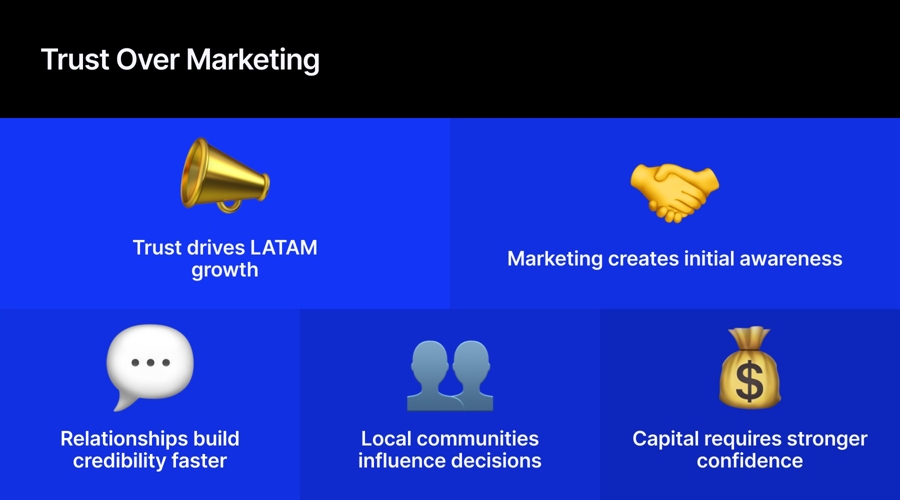
Marketing creates awareness, but awareness should never be
confused with credibility. Financial services are
fundamentally different from most consumer industries. Clients are not
simply buying a product; they are deciding where to place their capital. That
decision carries a much higher level of perceived risk, particularly when the
broker is an international brand with little local presence.
Advertising may introduce a broker, but it rarely convinces someone to fund an
account. Latin America remains one of the most relationship-driven financial
markets in the world.
This is also why I believe the industry's view of
Introducing Brokers has fundamentally changed.
The Changing Role of IBs
For years, IBs
were seen primarily as referral partners motivated by commissions. That
description no longer reflects reality. The strongest IBs have evolved into
entrepreneurs.
They build educational businesses, manage trading communities,
organise events, create content, invest in CRM platforms and marketing
automation, and maintain long-term relationships with thousands of traders.
Many have developed personal brands with greater influence inside their
communities than corporate advertising could ever achieve.
Their greatest asset is no longer access to clients—it's
trust. Today's IB networks extend far beyond traditional Introducing Brokers.
They include trading academies, money managers, trading communities, educators,
content creators, influencers and local opinion leaders who have already earned
the confidence of their audiences.
Moving Beyond the Commission Model
That evolution has changed how brokers should approach
partnerships. Competition used to revolve almost entirely around commercial
terms, with the assumption that the highest rebate would attract the best
partners. While commissions will always matter, the industry has quietly moved
beyond a commission-only model.
The economics reinforce this shift. Based on industry
benchmarks, public research and LATAM Forex Solutions (LFXS) market
observations, acquiring a funded trader in Latin America typically costs
between US$200 and US$450 (CAC), depending on the country, acquisition channel
and commercial model.
Well-performing brokers generally target an LTV between
US$900 and US$2,000+, maintaining an LTV ratio of at least 3:1, a widely
recognised benchmark for sustainable and profitable growth.
These economics explain why the
objective is no longer simply reducing CAC, but maximising long-term client
value through stronger retention, higher client quality and trusted
partnerships.
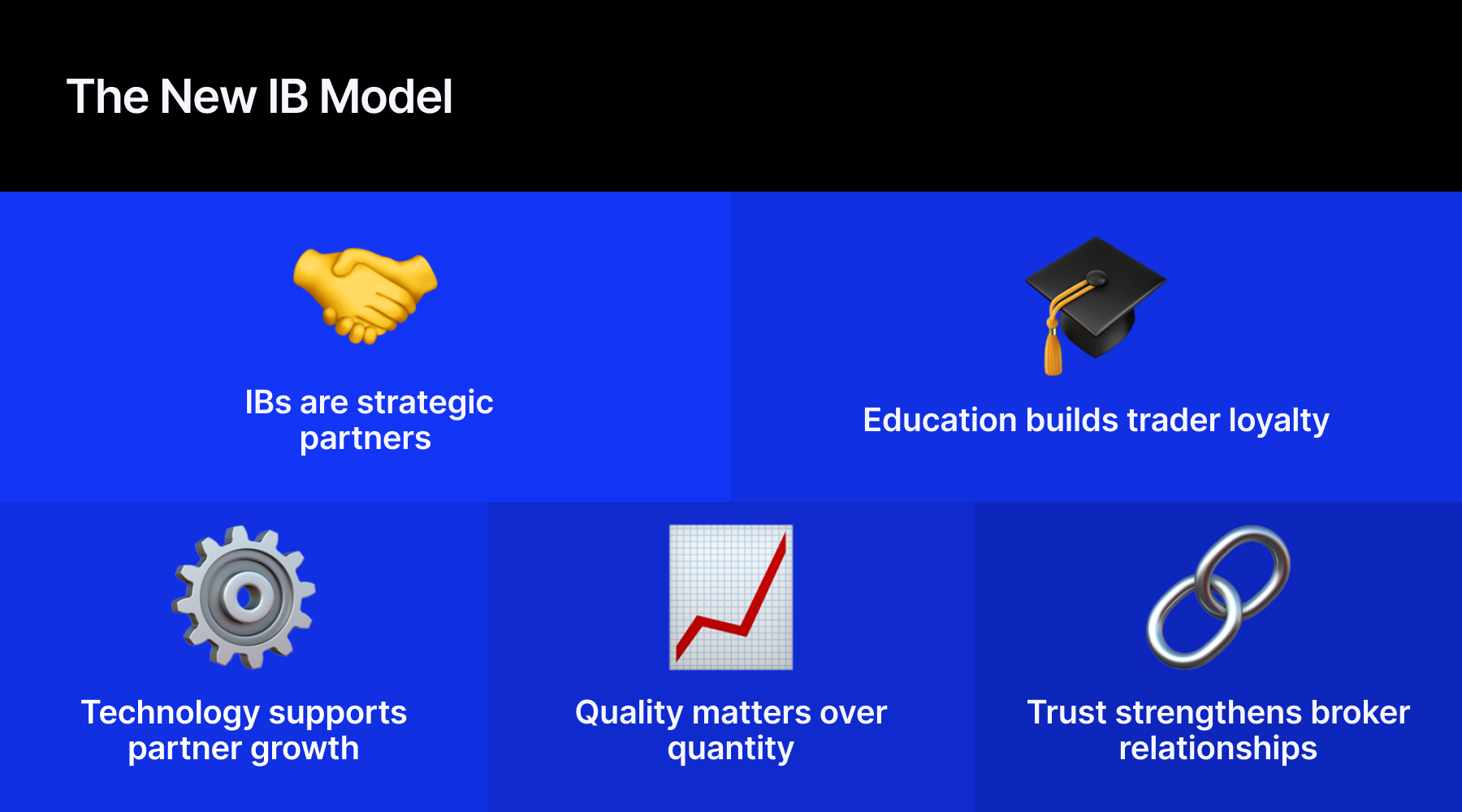
Professional IBs increasingly evaluate brokers as long-term
business partners rather than commission providers. They expect responsive
account management, operational support, technology, co-marketing initiatives,
educational resources and direct access to decision-makers. Above all, they
want confidence that the broker is genuinely invested in helping them grow a
sustainable business.
Building Long-Term IB Relationships
One of the biggest lessons I've learned is that successful
IB partnerships increasingly resemble loyalty programmes rather than
traditional affiliate relationships. Retaining quality partners isn't about
paying a slightly higher rebate. It's about continuous support, transparency,
collaboration and creating value long after the first client has been
introduced.
This shift has also changed how we engage with IBs across
Latin America. Like many firms, we initially believed attending every major
expo and organising large networking events was the best way to build
partnerships. Those events create visibility, but they rarely provide enough
time to truly understand an IB's business.
Today, we place far greater value on smaller, highly
targeted meetings and micro-events. Sitting down with a handful of carefully
selected partners often generates far more meaningful conversations than
speaking with hundreds of people during a busy exhibition.
These discussions
reveal how an IB acquires clients, the operational challenges they face, the
technology they need and, most importantly, where they want to take their
business over the next several years.
Measuring Relationship Quality
Those conversations have reshaped my perspective on what
sustainable growth really looks like.
For years, the brokerage industry measured success by the
number of IBs recruited. I increasingly believe a better metric is the quality
of the relationships built with them. As customer acquisition costs continue to
rise and digital channels become more competitive, buying attention becomes
easier than earning trust.
Brokers can always increase
advertising budgets, but building genuine relationships with the
entrepreneurs who already have the confidence of local trading communities is
far more difficult—and far more valuable.
Technology will continue to evolve. AI will reshape
workflows. Marketing channels will change, and new acquisition strategies will
emerge. Trust, however, remains remarkably constant.
In Latin America, sustainable growth is still built on
relationships, credibility and local knowledge. IB networks are no longer
simply another acquisition channel—they have become the commercial
infrastructure connecting international brokers with trading academies, money
managers, trading communities, educators, content creators, local communities
and long-term client relationships.
The firms that recognise this shift won't simply recruit
more IBs. They'll build stronger, more resilient businesses across Latin
America.
Every international broker I speak with eventually asks the
same question: How do we grow faster in Latin America? The conversation almost always starts with customer
acquisition. Marketing budgets, digital campaigns, cost per acquisition,
conversion funnels and new channels dominate the discussion. My answer,
however, is usually different.
After more than twenty years working with international
financial institutions expanding across the region, I've seen outstanding
products fail despite significant investment, while smaller firms with fewer
resources built sustainable businesses.
Marketing creates awareness, but awareness should never be
confused with credibility. Financial services are
fundamentally different from most consumer industries. Clients are not
simply buying a product; they are deciding where to place their capital. That
decision carries a much higher level of perceived risk, particularly when the
broker is an international brand with little local presence.
Advertising may introduce a broker, but it rarely convinces someone to fund an
account. Latin America remains one of the most relationship-driven financial
markets in the world.
This is also why I believe the industry's view of
Introducing Brokers has fundamentally changed.
The Changing Role of IBs
For years, IBs
were seen primarily as referral partners motivated by commissions. That
description no longer reflects reality. The strongest IBs have evolved into
entrepreneurs.
They build educational businesses, manage trading communities,
organise events, create content, invest in CRM platforms and marketing
automation, and maintain long-term relationships with thousands of traders.
Many have developed personal brands with greater influence inside their
communities than corporate advertising could ever achieve.
Their greatest asset is no longer access to clients—it's
trust. Today's IB networks extend far beyond traditional Introducing Brokers.
They include trading academies, money managers, trading communities, educators,
content creators, influencers and local opinion leaders who have already earned
the confidence of their audiences.
Moving Beyond the Commission Model
That evolution has changed how brokers should approach
partnerships. Competition used to revolve almost entirely around commercial
terms, with the assumption that the highest rebate would attract the best
partners. While commissions will always matter, the industry has quietly moved
beyond a commission-only model.
The economics reinforce this shift. Based on industry
benchmarks, public research and LATAM Forex Solutions (LFXS) market
observations, acquiring a funded trader in Latin America typically costs
between US$200 and US$450 (CAC), depending on the country, acquisition channel
and commercial model.
Well-performing brokers generally target an LTV between
US$900 and US$2,000+, maintaining an LTV ratio of at least 3:1, a widely
recognised benchmark for sustainable and profitable growth.
These economics explain why the
objective is no longer simply reducing CAC, but maximising long-term client
value through stronger retention, higher client quality and trusted
partnerships.
Professional IBs increasingly evaluate brokers as long-term
business partners rather than commission providers. They expect responsive
account management, operational support, technology, co-marketing initiatives,
educational resources and direct access to decision-makers. Above all, they
want confidence that the broker is genuinely invested in helping them grow a
sustainable business.
Building Long-Term IB Relationships
One of the biggest lessons I've learned is that successful
IB partnerships increasingly resemble loyalty programmes rather than
traditional affiliate relationships. Retaining quality partners isn't about
paying a slightly higher rebate. It's about continuous support, transparency,
collaboration and creating value long after the first client has been
introduced.
This shift has also changed how we engage with IBs across
Latin America. Like many firms, we initially believed attending every major
expo and organising large networking events was the best way to build
partnerships. Those events create visibility, but they rarely provide enough
time to truly understand an IB's business.
Today, we place far greater value on smaller, highly
targeted meetings and micro-events. Sitting down with a handful of carefully
selected partners often generates far more meaningful conversations than
speaking with hundreds of people during a busy exhibition.
These discussions
reveal how an IB acquires clients, the operational challenges they face, the
technology they need and, most importantly, where they want to take their
business over the next several years.
Measuring Relationship Quality
Those conversations have reshaped my perspective on what
sustainable growth really looks like.
For years, the brokerage industry measured success by the
number of IBs recruited. I increasingly believe a better metric is the quality
of the relationships built with them. As customer acquisition costs continue to
rise and digital channels become more competitive, buying attention becomes
easier than earning trust.
Brokers can always increase
advertising budgets, but building genuine relationships with the
entrepreneurs who already have the confidence of local trading communities is
far more difficult—and far more valuable.
Technology will continue to evolve. AI will reshape
workflows. Marketing channels will change, and new acquisition strategies will
emerge. Trust, however, remains remarkably constant.
In Latin America, sustainable growth is still built on
relationships, credibility and local knowledge. IB networks are no longer
simply another acquisition channel—they have become the commercial
infrastructure connecting international brokers with trading academies, money
managers, trading communities, educators, content creators, local communities
and long-term client relationships.
The firms that recognise this shift won't simply recruit
more IBs. They'll build stronger, more resilient businesses across Latin
America.
Sebastian Rivas is a business builder, entrepreneur, and business leader with more than 25 years of experience across banking, investments, and the FX & CFD industry. His career includes over eight years in banking, including Citibank, and more than 18 years helping international brokers, fintechs, payment providers, and financial institutions establish, expand, and scale across Latin America. As Co-Founder & Managing Partner of LATAM Forex Solutions (LFXS), a VA Group company, he specializes in market entry strategy, business development, strategic partnerships, and building the commercial and operational infrastructure required for long-term regional growth.
Brokers Cut Fees to Zero for a Shot at Germany’s €240 Billion Pension Pot
Featured Videos
Capital.com UAE Clients Trade $1T in H1; Saxo Signs Nine Athletes
Capital.com UAE Clients Trade $1T in H1; Saxo Signs Nine Athletes
Capital.com UAE Clients Trade $1T in H1; Saxo Signs Nine Athletes
Capital.com UAE Clients Trade $1T in H1; Saxo Signs Nine Athletes
Today’s financial news recap covers Capital.com’s trading data, Saxo Bank’s athlete campaign, Revolut’s Gibraltar crypto licence, and eToro’s new desktop terminal.
Finance Magnates Daily Recap brings you the latest news from forex and CFD brokers, fintech, payments, cryptocurrency, digital assets, trading platforms, financial regulation and global markets.
Get the key company news, executive moves, deals, regulatory updates and market developments of the day, in just a few minutes. New episodes published every weekday.
Read more: https://www.financemagnates.com
#FinanceMagnates #ForexNews #FintechNews
Today’s financial news recap covers Capital.com’s trading data, Saxo Bank’s athlete campaign, Revolut’s Gibraltar crypto licence, and eToro’s new desktop terminal.
Finance Magnates Daily Recap brings you the latest news from forex and CFD brokers, fintech, payments, cryptocurrency, digital assets, trading platforms, financial regulation and global markets.
Get the key company news, executive moves, deals, regulatory updates and market developments of the day, in just a few minutes. New episodes published every weekday.
Read more: https://www.financemagnates.com
#FinanceMagnates #ForexNews #FintechNews
Today’s financial news recap covers Capital.com’s trading data, Saxo Bank’s athlete campaign, Revolut’s Gibraltar crypto licence, and eToro’s new desktop terminal.
Finance Magnates Daily Recap brings you the latest news from forex and CFD brokers, fintech, payments, cryptocurrency, digital assets, trading platforms, financial regulation and global markets.
Get the key company news, executive moves, deals, regulatory updates and market developments of the day, in just a few minutes. New episodes published every weekday.
Read more: https://www.financemagnates.com
#FinanceMagnates #ForexNews #FintechNews
Today’s financial news recap covers Capital.com’s trading data, Saxo Bank’s athlete campaign, Revolut’s Gibraltar crypto licence, and eToro’s new desktop terminal.
Finance Magnates Daily Recap brings you the latest news from forex and CFD brokers, fintech, payments, cryptocurrency, digital assets, trading platforms, financial regulation and global markets.
Get the key company news, executive moves, deals, regulatory updates and market developments of the day, in just a few minutes. New episodes published every weekday.
Read more: https://www.financemagnates.com
#FinanceMagnates #ForexNews #FintechNews
CXM Group to Buy TD Markets; Interactive Brokers Raises Dividend
CXM Group to Buy TD Markets; Interactive Brokers Raises Dividend
CXM Group to Buy TD Markets; Interactive Brokers Raises Dividend
CXM Group to Buy TD Markets; Interactive Brokers Raises Dividend
CXM Group to Buy TD Markets; Interactive Brokers Raises Dividend
CXM Group to Buy TD Markets; Interactive Brokers Raises Dividend
Today’s financial news recap covers CXM Group agrees to acquire TD Markets, Interactive Brokers raises its dividend, Your Bourse and 4XPORTAL formalise a technology partnership, and IC completes its rebranding from IC Markets.
Finance Magnates Daily Recap brings you the latest news from forex and CFD brokers, fintech, payments, cryptocurrency, digital assets, trading platforms, financial regulation and global markets.
Get the key company news, executive moves, deals, regulatory updates and market developments of the day, in just a few minutes. New episodes published every weekday.
Read more: https://www.financemagnates.com
#FinanceMagnates #ForexNews #FintechNews
Today’s financial news recap covers CXM Group agrees to acquire TD Markets, Interactive Brokers raises its dividend, Your Bourse and 4XPORTAL formalise a technology partnership, and IC completes its rebranding from IC Markets.
Finance Magnates Daily Recap brings you the latest news from forex and CFD brokers, fintech, payments, cryptocurrency, digital assets, trading platforms, financial regulation and global markets.
Get the key company news, executive moves, deals, regulatory updates and market developments of the day, in just a few minutes. New episodes published every weekday.
Read more: https://www.financemagnates.com
#FinanceMagnates #ForexNews #FintechNews
Today’s financial news recap covers CXM Group agrees to acquire TD Markets, Interactive Brokers raises its dividend, Your Bourse and 4XPORTAL formalise a technology partnership, and IC completes its rebranding from IC Markets.
Finance Magnates Daily Recap brings you the latest news from forex and CFD brokers, fintech, payments, cryptocurrency, digital assets, trading platforms, financial regulation and global markets.
Get the key company news, executive moves, deals, regulatory updates and market developments of the day, in just a few minutes. New episodes published every weekday.
Read more: https://www.financemagnates.com
#FinanceMagnates #ForexNews #FintechNews
Today’s financial news recap covers CXM Group agrees to acquire TD Markets, Interactive Brokers raises its dividend, Your Bourse and 4XPORTAL formalise a technology partnership, and IC completes its rebranding from IC Markets.
Finance Magnates Daily Recap brings you the latest news from forex and CFD brokers, fintech, payments, cryptocurrency, digital assets, trading platforms, financial regulation and global markets.
Get the key company news, executive moves, deals, regulatory updates and market developments of the day, in just a few minutes. New episodes published every weekday.
Read more: https://www.financemagnates.com
#FinanceMagnates #ForexNews #FintechNews
Today’s financial news recap covers CXM Group agrees to acquire TD Markets, Interactive Brokers raises its dividend, Your Bourse and 4XPORTAL formalise a technology partnership, and IC completes its rebranding from IC Markets.
Finance Magnates Daily Recap brings you the latest news from forex and CFD brokers, fintech, payments, cryptocurrency, digital assets, trading platforms, financial regulation and global markets.
Get the key company news, executive moves, deals, regulatory updates and market developments of the day, in just a few minutes. New episodes published every weekday.
Read more: https://www.financemagnates.com
#FinanceMagnates #ForexNews #FintechNews
Today’s financial news recap covers CXM Group agrees to acquire TD Markets, Interactive Brokers raises its dividend, Your Bourse and 4XPORTAL formalise a technology partnership, and IC completes its rebranding from IC Markets.
Finance Magnates Daily Recap brings you the latest news from forex and CFD brokers, fintech, payments, cryptocurrency, digital assets, trading platforms, financial regulation and global markets.
Get the key company news, executive moves, deals, regulatory updates and market developments of the day, in just a few minutes. New episodes published every weekday.
Read more: https://www.financemagnates.com
#FinanceMagnates #ForexNews #FintechNews
Trade Nation Enters Poland; FCA Finds Gaps at Seven Brokers
Trade Nation Enters Poland; FCA Finds Gaps at Seven Brokers
Trade Nation Enters Poland; FCA Finds Gaps at Seven Brokers
Trade Nation Enters Poland; FCA Finds Gaps at Seven Brokers
Trade Nation Enters Poland; FCA Finds Gaps at Seven Brokers
Trade Nation Enters Poland; FCA Finds Gaps at Seven Brokers
Today’s financial news recap covers Trade Nation expands into Poland, the FCA finds surveillance gaps at seven UK retail brokers, perpetual futures on US stocks could launch within weeks, and Australia's crypto platforms face a new regulatory deadline.
Finance Magnates Daily Recap brings you the latest news from forex and CFD brokers, fintech, payments, cryptocurrency, digital assets, trading platforms, financial regulation and global markets.
Get the key company news, executive moves, deals, regulatory updates and market developments of the day, in just a few minutes. New episodes published every weekday.
Read more: https://www.financemagnates.com
#FinanceMagnates #ForexNews #FintechNews
Today’s financial news recap covers Trade Nation expands into Poland, the FCA finds surveillance gaps at seven UK retail brokers, perpetual futures on US stocks could launch within weeks, and Australia's crypto platforms face a new regulatory deadline.
Finance Magnates Daily Recap brings you the latest news from forex and CFD brokers, fintech, payments, cryptocurrency, digital assets, trading platforms, financial regulation and global markets.
Get the key company news, executive moves, deals, regulatory updates and market developments of the day, in just a few minutes. New episodes published every weekday.
Read more: https://www.financemagnates.com
#FinanceMagnates #ForexNews #FintechNews
Today’s financial news recap covers Trade Nation expands into Poland, the FCA finds surveillance gaps at seven UK retail brokers, perpetual futures on US stocks could launch within weeks, and Australia's crypto platforms face a new regulatory deadline.
Finance Magnates Daily Recap brings you the latest news from forex and CFD brokers, fintech, payments, cryptocurrency, digital assets, trading platforms, financial regulation and global markets.
Get the key company news, executive moves, deals, regulatory updates and market developments of the day, in just a few minutes. New episodes published every weekday.
Read more: https://www.financemagnates.com
#FinanceMagnates #ForexNews #FintechNews
Today’s financial news recap covers Trade Nation expands into Poland, the FCA finds surveillance gaps at seven UK retail brokers, perpetual futures on US stocks could launch within weeks, and Australia's crypto platforms face a new regulatory deadline.
Finance Magnates Daily Recap brings you the latest news from forex and CFD brokers, fintech, payments, cryptocurrency, digital assets, trading platforms, financial regulation and global markets.
Get the key company news, executive moves, deals, regulatory updates and market developments of the day, in just a few minutes. New episodes published every weekday.
Read more: https://www.financemagnates.com
#FinanceMagnates #ForexNews #FintechNews
Today’s financial news recap covers Trade Nation expands into Poland, the FCA finds surveillance gaps at seven UK retail brokers, perpetual futures on US stocks could launch within weeks, and Australia's crypto platforms face a new regulatory deadline.
Finance Magnates Daily Recap brings you the latest news from forex and CFD brokers, fintech, payments, cryptocurrency, digital assets, trading platforms, financial regulation and global markets.
Get the key company news, executive moves, deals, regulatory updates and market developments of the day, in just a few minutes. New episodes published every weekday.
Read more: https://www.financemagnates.com
#FinanceMagnates #ForexNews #FintechNews
Today’s financial news recap covers Trade Nation expands into Poland, the FCA finds surveillance gaps at seven UK retail brokers, perpetual futures on US stocks could launch within weeks, and Australia's crypto platforms face a new regulatory deadline.
Finance Magnates Daily Recap brings you the latest news from forex and CFD brokers, fintech, payments, cryptocurrency, digital assets, trading platforms, financial regulation and global markets.
Get the key company news, executive moves, deals, regulatory updates and market developments of the day, in just a few minutes. New episodes published every weekday.
Read more: https://www.financemagnates.com
#FinanceMagnates #ForexNews #FintechNews
FxPro Sells EU Clients to Capital.com; NAGA H1 Profit Revised
FxPro Sells EU Clients to Capital.com; NAGA H1 Profit Revised
FxPro Sells EU Clients to Capital.com; NAGA H1 Profit Revised
FxPro Sells EU Clients to Capital.com; NAGA H1 Profit Revised
FxPro Sells EU Clients to Capital.com; NAGA H1 Profit Revised
FxPro Sells EU Clients to Capital.com; NAGA H1 Profit Revised
Today’s financial news recap covers FxPro agrees to sell its European client book to Capital.com, NAGA raises its first-half profit estimate, Trade Republic prepares a fee-free pension account, and Interactive Brokers introduces Ether staking.
Finance Magnates Daily Recap brings you the latest news from forex and CFD brokers, fintech, payments, cryptocurrency, digital assets, trading platforms, financial regulation and global markets.
Get the key company news, executive moves, deals, regulatory updates and market developments of the day, in just a few minutes. New episodes published every weekday.
Read more: https://www.financemagnates.com
#FinanceMagnates #ForexNews #FintechNews
Today’s financial news recap covers FxPro agrees to sell its European client book to Capital.com, NAGA raises its first-half profit estimate, Trade Republic prepares a fee-free pension account, and Interactive Brokers introduces Ether staking.
Finance Magnates Daily Recap brings you the latest news from forex and CFD brokers, fintech, payments, cryptocurrency, digital assets, trading platforms, financial regulation and global markets.
Get the key company news, executive moves, deals, regulatory updates and market developments of the day, in just a few minutes. New episodes published every weekday.
Read more: https://www.financemagnates.com
#FinanceMagnates #ForexNews #FintechNews
Today’s financial news recap covers FxPro agrees to sell its European client book to Capital.com, NAGA raises its first-half profit estimate, Trade Republic prepares a fee-free pension account, and Interactive Brokers introduces Ether staking.
Finance Magnates Daily Recap brings you the latest news from forex and CFD brokers, fintech, payments, cryptocurrency, digital assets, trading platforms, financial regulation and global markets.
Get the key company news, executive moves, deals, regulatory updates and market developments of the day, in just a few minutes. New episodes published every weekday.
Read more: https://www.financemagnates.com
#FinanceMagnates #ForexNews #FintechNews
Today’s financial news recap covers FxPro agrees to sell its European client book to Capital.com, NAGA raises its first-half profit estimate, Trade Republic prepares a fee-free pension account, and Interactive Brokers introduces Ether staking.
Finance Magnates Daily Recap brings you the latest news from forex and CFD brokers, fintech, payments, cryptocurrency, digital assets, trading platforms, financial regulation and global markets.
Get the key company news, executive moves, deals, regulatory updates and market developments of the day, in just a few minutes. New episodes published every weekday.
Read more: https://www.financemagnates.com
#FinanceMagnates #ForexNews #FintechNews
Today’s financial news recap covers FxPro agrees to sell its European client book to Capital.com, NAGA raises its first-half profit estimate, Trade Republic prepares a fee-free pension account, and Interactive Brokers introduces Ether staking.
Finance Magnates Daily Recap brings you the latest news from forex and CFD brokers, fintech, payments, cryptocurrency, digital assets, trading platforms, financial regulation and global markets.
Get the key company news, executive moves, deals, regulatory updates and market developments of the day, in just a few minutes. New episodes published every weekday.
Read more: https://www.financemagnates.com
#FinanceMagnates #ForexNews #FintechNews
Today’s financial news recap covers FxPro agrees to sell its European client book to Capital.com, NAGA raises its first-half profit estimate, Trade Republic prepares a fee-free pension account, and Interactive Brokers introduces Ether staking.
Finance Magnates Daily Recap brings you the latest news from forex and CFD brokers, fintech, payments, cryptocurrency, digital assets, trading platforms, financial regulation and global markets.
Get the key company news, executive moves, deals, regulatory updates and market developments of the day, in just a few minutes. New episodes published every weekday.
Read more: https://www.financemagnates.com
#FinanceMagnates #ForexNews #FintechNews
Plus500 Plans US Super-App; Investec to Offer IG Platform
Plus500 Plans US Super-App; Investec to Offer IG Platform
Plus500 Plans US Super-App; Investec to Offer IG Platform
Plus500 Plans US Super-App; Investec to Offer IG Platform
Plus500 Plans US Super-App; Investec to Offer IG Platform
Plus500 Plans US Super-App; Investec to Offer IG Platform
Today’s financial news recap covers Plus500 plans a US trading super-app, Investec partners with IG, Trade Republic reports a sevenfold profit jump, and BingX adds thousands of US stocks.
Finance Magnates Daily Recap brings you the latest news from forex and CFD brokers, fintech, payments, cryptocurrency, digital assets, trading platforms, financial regulation and global markets.
Get the key company news, executive moves, deals, regulatory updates and market developments of the day, in just a few minutes. New episodes published every weekday.
Read more: https://www.financemagnates.com
#FinanceMagnates #ForexNews #FintechNews
Today’s financial news recap covers Plus500 plans a US trading super-app, Investec partners with IG, Trade Republic reports a sevenfold profit jump, and BingX adds thousands of US stocks.
Finance Magnates Daily Recap brings you the latest news from forex and CFD brokers, fintech, payments, cryptocurrency, digital assets, trading platforms, financial regulation and global markets.
Get the key company news, executive moves, deals, regulatory updates and market developments of the day, in just a few minutes. New episodes published every weekday.
Read more: https://www.financemagnates.com
#FinanceMagnates #ForexNews #FintechNews
Today’s financial news recap covers Plus500 plans a US trading super-app, Investec partners with IG, Trade Republic reports a sevenfold profit jump, and BingX adds thousands of US stocks.
Finance Magnates Daily Recap brings you the latest news from forex and CFD brokers, fintech, payments, cryptocurrency, digital assets, trading platforms, financial regulation and global markets.
Get the key company news, executive moves, deals, regulatory updates and market developments of the day, in just a few minutes. New episodes published every weekday.
Read more: https://www.financemagnates.com
#FinanceMagnates #ForexNews #FintechNews
Today’s financial news recap covers Plus500 plans a US trading super-app, Investec partners with IG, Trade Republic reports a sevenfold profit jump, and BingX adds thousands of US stocks.
Finance Magnates Daily Recap brings you the latest news from forex and CFD brokers, fintech, payments, cryptocurrency, digital assets, trading platforms, financial regulation and global markets.
Get the key company news, executive moves, deals, regulatory updates and market developments of the day, in just a few minutes. New episodes published every weekday.
Read more: https://www.financemagnates.com
#FinanceMagnates #ForexNews #FintechNews
Today’s financial news recap covers Plus500 plans a US trading super-app, Investec partners with IG, Trade Republic reports a sevenfold profit jump, and BingX adds thousands of US stocks.
Finance Magnates Daily Recap brings you the latest news from forex and CFD brokers, fintech, payments, cryptocurrency, digital assets, trading platforms, financial regulation and global markets.
Get the key company news, executive moves, deals, regulatory updates and market developments of the day, in just a few minutes. New episodes published every weekday.
Read more: https://www.financemagnates.com
#FinanceMagnates #ForexNews #FintechNews
Today’s financial news recap covers Plus500 plans a US trading super-app, Investec partners with IG, Trade Republic reports a sevenfold profit jump, and BingX adds thousands of US stocks.
Finance Magnates Daily Recap brings you the latest news from forex and CFD brokers, fintech, payments, cryptocurrency, digital assets, trading platforms, financial regulation and global markets.
Get the key company news, executive moves, deals, regulatory updates and market developments of the day, in just a few minutes. New episodes published every weekday.
Read more: https://www.financemagnates.com
#FinanceMagnates #ForexNews #FintechNews