Prop trading infrastructure gains strong focus as summit exhibition floor fills with delegates.
Liquidity providers and AI-focused firms attract heavy attention on opening day.
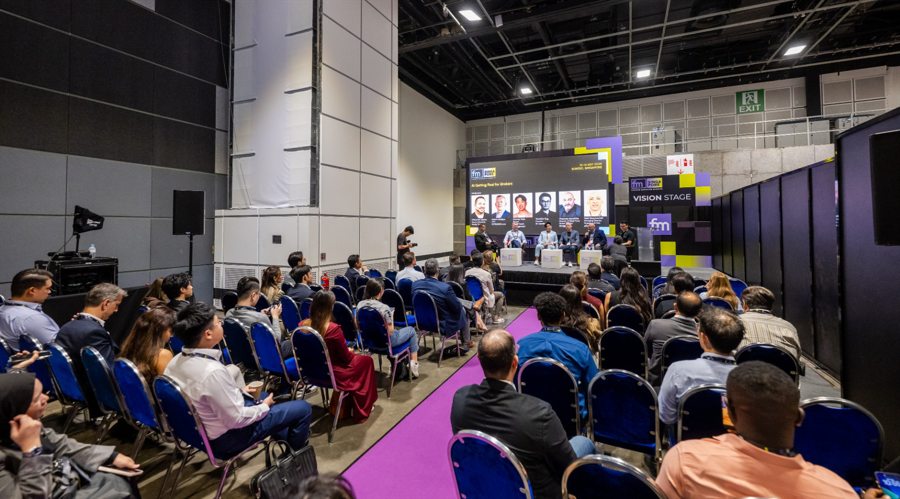
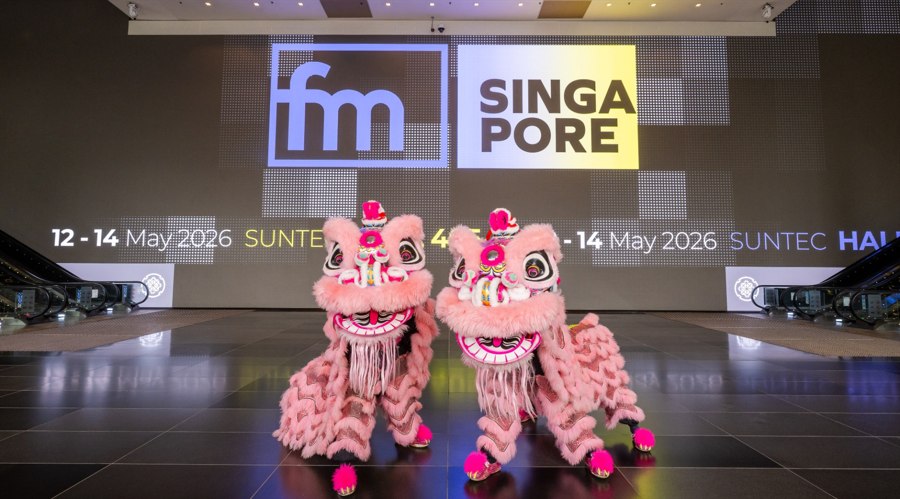
The Finance Magnates Singapore Summit 2026 has opened at the Suntec
Singapore Convention & Exhibition Centre after a networking launch held at
Paulaner Brauhaus the previous evening. The event moved into its first full day
of activity today (Wednesday), with the exhibition floor in Hall 405 active
from 10:00 SGT.
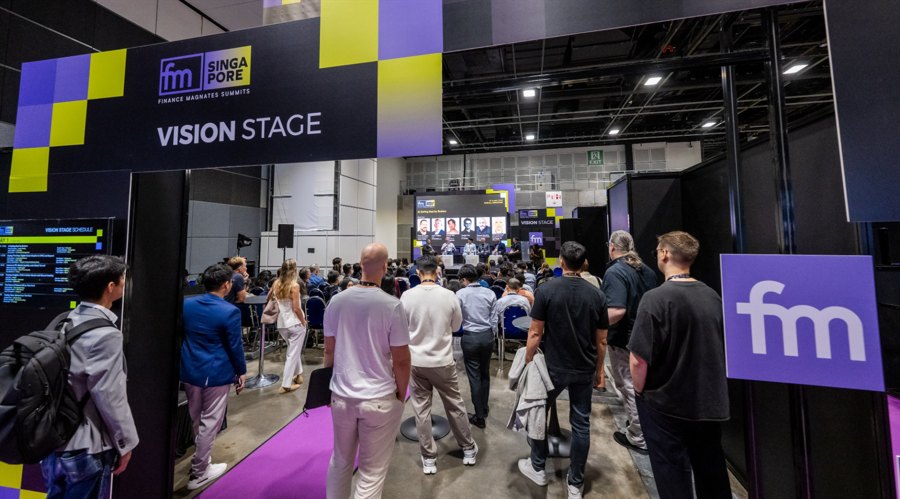
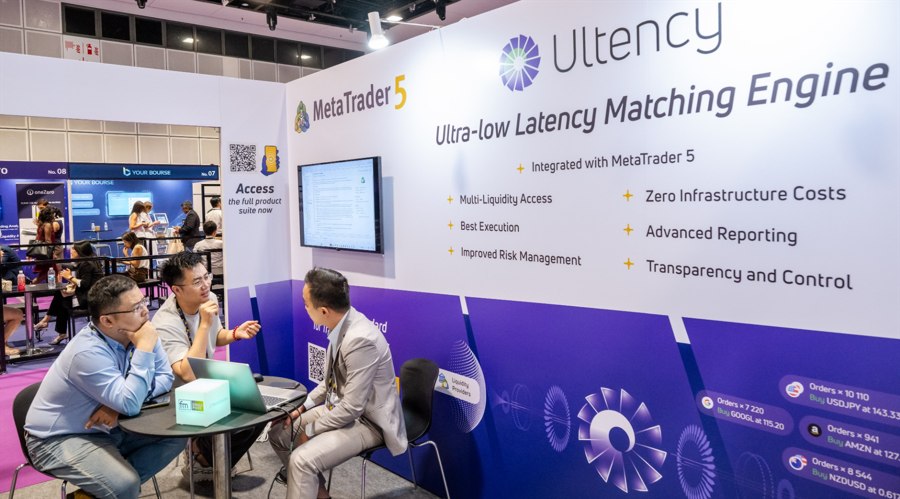
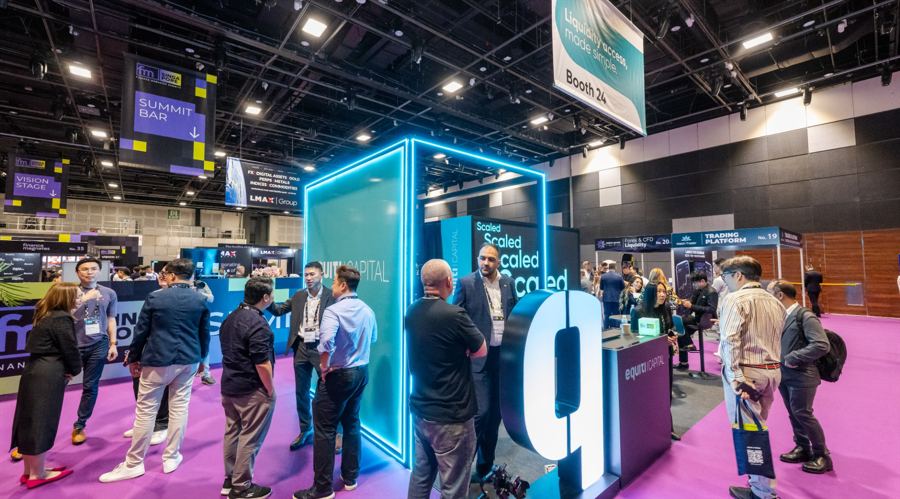
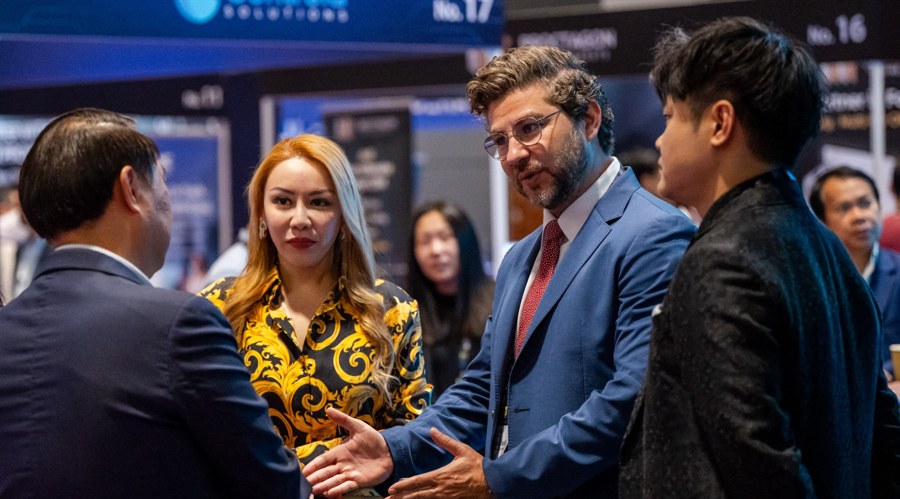
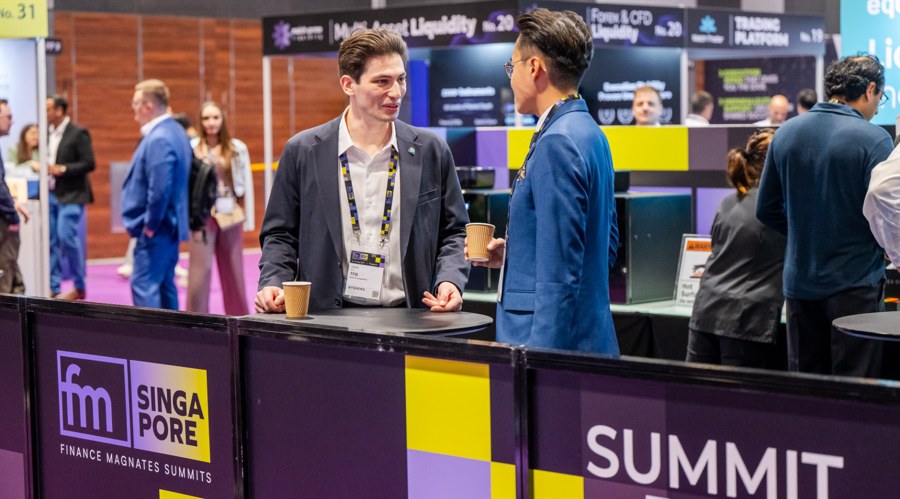
The exhibition area, which had been largely set up the day before, became
a busy meeting point for delegates. Participants included retail brokers,
institutional banks, and fintech companies.
A third cluster centred on artificial intelligence. Booths working on
AI-driven onboarding and automated risk systems attracted consistent foot
traffic during the morning. These companies presented tools aimed at reducing
manual processes in client management and compliance workflows.
Market Professionals Share Trading Floor
Tales
The “Trading Tales: Stories from The Floor”
session featured experienced financial markets professionals reflecting on
their careers across sales and trading environments.
Speakers shared perspectives on the
evolution of trading practices, moving from voice and ticket-based systems to
screen-based execution. The discussion highlighted changes in Singapore’s FX
market over time, along with regional characteristics that have shaped trading
behaviour and career paths.
The session also included personal accounts
from trading floors, offering context on how market culture has developed in
the region. Participants included Spencer Campbell, Director at SE Asia
Consulting, George Ng, Managing Director at FP Energy, and Jonathan Fine of
Finance Magnates Group.
Tokenised Finance Faces Adoption and
Regulation
The “The Future of Finance Will be
Tokenised” session examined the development of tokenised assets and the
infrastructure required to support broader adoption across both retail and
institutional markets.
Speakers discussed how tokenisation is
being applied across asset classes, including bonds and debt instruments, while
noting that adoption challenges vary between institutional and retail use
cases.
The discussion focused on core
infrastructure questions around ownership, settlement, and interoperability, as
well as the operational and compliance considerations for brokers offering
tokenised products.
Regulatory positioning across APAC was also
addressed, particularly in relation to tokenised securities frameworks.
Participants included David Jenkins, Chief Product & Technology Officer at
Openmarkets Group, Christopher Forbes, Head of Asia and Middle East at CMC
Markets, Justin Christopher, Head of Asia at Calastone, Amos Song, Chief
Business Officer at DigiFT, and Leeny Luong, Head of APAC at Partisia
Foundation.
Retail Brokers Eye Prediction Market Growth
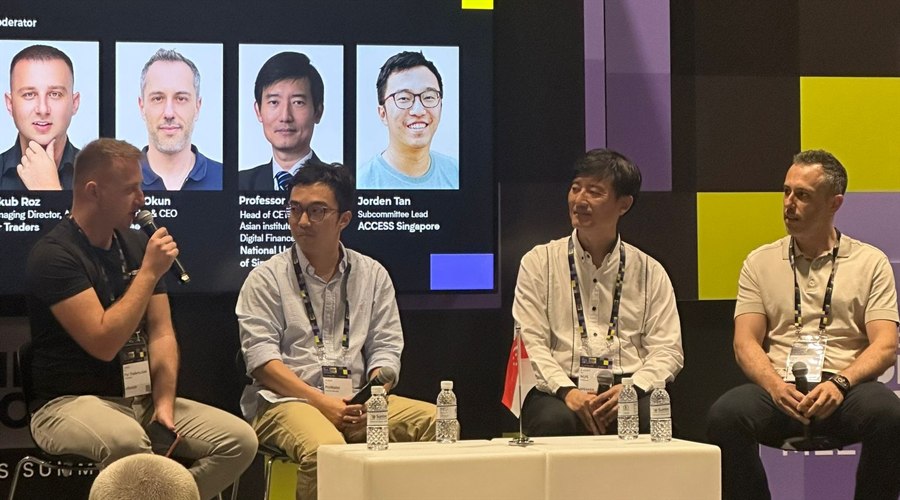
The “Outrageous Predictions? Retail Brokers
& Event Contracts” session examined the growing interest in prediction
markets and event-based trading products across retail brokerage platforms.
Speakers discussed the potential for
“super-cycle” growth in event contracts, alongside questions around regulation
and product structure as brokers consider integrating instruments that resemble
betting-style markets. The discussion focused on how established exchanges,
retail brokers, and prediction platform providers are approaching collaboration
and product development.
It also addressed expected volume growth in
2026 and the expansion of new contract categories tied to political, economic,
and cultural events. Participants included Jakub Roz, CEO of For Traders, Leon
Okun, Founder and CEO of Plaee, Professor Edward Tay of National University of
Singapore, and Jorden Tan, Subcommittee Lead at ACCESS Singapore.
Thailand and Vietnam Shape Broker
Expansion
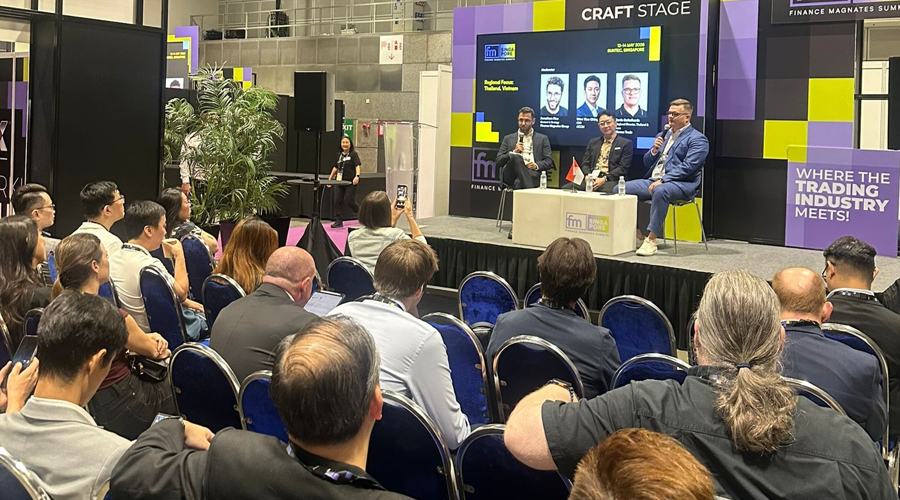
The “Regional Focus: Thailand, Vietnam”
session examined the operational realities of building brokerage businesses in
two of Southeast Asia’s fast-developing trading markets.
Speakers discussed how Bangkok is emerging
as a regional hub for broker expansion into CLMV markets, while Vietnam’s
rising trading volumes are increasingly shaping regional strategy discussions
at headquarters level.
The panel focused on the practical
requirements for market entry, including entity structures, regulatory
timelines, and common setup challenges faced by first-time operators. It also
covered how offshore broker models interact with domestic restrictions in both
jurisdictions, along with differences in client onboarding, distribution, and
talent acquisition.
The discussion highlighted that language,
culture, and acquisition channels in both markets differ significantly from
broader APAC assumptions. Participants included Won Tien Ching, CEO of ACCM,
Janis Baltalksnis, Regional Director Thailand & Laos at Versus Trade, and
Jonathan Fine of Finance Magnates Group.
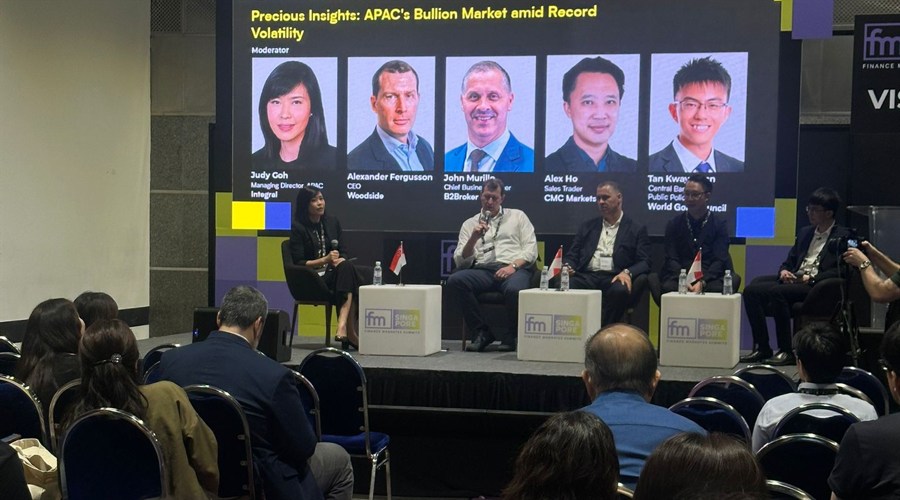
The “Precious Insights: APAC’s Bullion
Market amid Record Volatility” session examined how the recent rally in
precious metals is affecting market structure, pricing dynamics, and trading
behaviour across the Asia-Pacific region.
Speakers discussed how volatility in
gold and other bullion assets is influencing hedging strategies among brokers
and liquidity providers, as well as increasing interest from regional banks in
physical gold distribution.
The discussion also highlighted Southeast
Asia’s growing retail demand for bullion, driven by both central bank
accumulation and store-of-value preferences. Panelists further examined
Singapore’s role as a regional bullion hub, alongside operational challenges
such as kilogram-based pricing, local delivery systems, and the integration of
CFD and physical bullion markets.
Participants included Judy Goh, Managing
Director for APAC at Integral, John Murillo, Chief Business Officer at
B2Broker, Alex Ho of CMC Markets, Tan Kway Guan, Central Banks and Public
Policy Lead at World Gold Council, and Alexander Fergusson, CEO of Woodside.
Trust and Liquidity
Shape Trading Conditions
The “License to Fill: Market Liquidity amid
Global Turmoil” session examined liquidity conditions across Asian markets and
the structural factors shaping execution during periods of volatility.
The discussion focused on regional market
characteristics, including connectivity, asset preferences, and differences in
liquidity provision compared with other global regions. Speakers also addressed
diversification strategies versus concentration in single assets, along with
the role of trust in liquidity relationships as trading becomes more automated.
The panel brought together participants
from across the liquidity chain, including Mohammad Isbeer, Group Chief
Institutional Officer at Equiti Capital, Alex Mackinnon, CEO Asia at Finalto,
Stavros Economides, Chief Operations Officer at Match-Prime Liquidity, Yoann
Turpin, Co-founder of Wintermute, Grace Chan, Executive Director at Phillip
Nova, and Vinay Trivedi, CEO of SGX CurrencyNode.
Premium Clients Drive Broker Revenue
Strategies
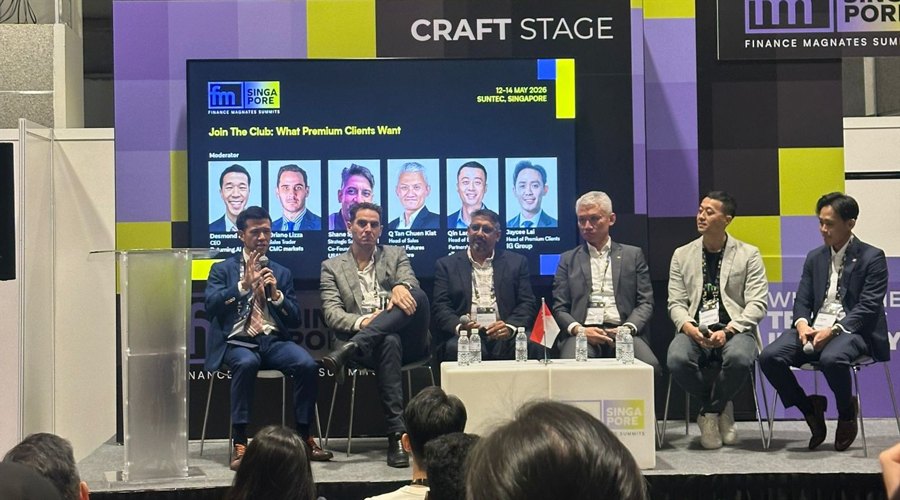
The “Join The Club: What Premium Clients
Want” session focused on the role of high-net-worth traders in retail brokerage
revenues and how firms across Asia are building and managing premium client
segments.
Speakers discussed how brokers define
premium clients beyond deposit size, placing emphasis on engagement, trading
activity, and long-term value. The panel also examined which services and
product features help build trust and improve client retention, while remaining
scalable from a cost and operations perspective.
Participants included Desmond Leong, CEO of
Returning.AI, Shane Syed, Strategic Sales Advisor and Co-Founder at USAM Group
and PitchFintech, Oriano Lizza of CMC Markets, Q Tan Chuen Kiat of Orient
Futures Singapore, Qin Lang of eToro, and Jaycee Lai of IG Group.
Retail Trading Trends Shape Market
Platforms
The “Key Trends Shaping Modern Trading
Behavior” session focused on how trading activity and user expectations are
changing across global markets. The discussion examined shifts in retail trader
behaviour, including increased demand for faster execution, more transparent
pricing, and improved access to data and analytics.
Speakers also considered how platform
providers are adapting product design and distribution strategies to match
these expectations. The panel highlighted the role of social and data-driven
trading environments in shaping decision-making processes. Participants
included Edmund Lee, Growth Manager (Singapore) at TradingView, and Kenny Wan
Yaoming, Head of Sales at Penguin Securities.
Digital Asset Adoption Faces Market
Pressure
The
“Buying The Deep: Digital Asset Adoption in APAC and Beyond” session focused on
how institutional investors and market infrastructure firms are approaching
digital assets during an extended market downturn.
Speakers
discussed the impact of lower crypto asset prices on adoption strategies,
capital allocation, and operational readiness across the region. The discussion
also examined gaps in custody, connectivity, and settlement infrastructure that
continue to affect institutional participation in Asia-Pacific markets.
Panelists
reviewed how stablecoins, tokenisation, and broader on-chain market
infrastructure are developing despite cautious investor sentiment. The session
featured David Jenkins, Chief Product & Technology Officer at Openmarkets
Group, Chris Knight, Managing Director at LMAX Digital, Andrew Leelarthaepin,
Head of Business Product at Maybank Investment Banking Group, Luke Boland, Head
of Fintech at Standard Chartered, Karl Mohan, EVP of Financial Services at
Crypto.com, and Zann Kwan, Managing Partner and Chief Investment Officer at
REVO.
Panel
Discusses Funding and Liquidity Strategies
The
“Funding & Exit in Singapore from Pre-Seed to Liquidity” session examined
Singapore’s role in capital formation and exit planning for startups and
high-growth firms.
Speakers
discussed the breadth of the city-state’s investment ecosystem, including
sovereign-backed capital, venture funding, family offices, and public market
access through the Singapore Exchange. The discussion also covered alternative
exit channels such as private secondary markets, strategic acquisitions, and
digital marketplace exits.
Panelists
focused on how founders and investors can preserve exit flexibility throughout
different growth stages. The session was held in partnership with 8 Circle and
featured speakers including Vidushan Premathiratne of 8 Circle and Techt Labs,
Luca Zorzino of Illuminate Financial, Zongxi Sia of Cocoon Capital, and Thom
Abbott of London Stock Exchange.
Brokers
Debate AI Adoption and Risk
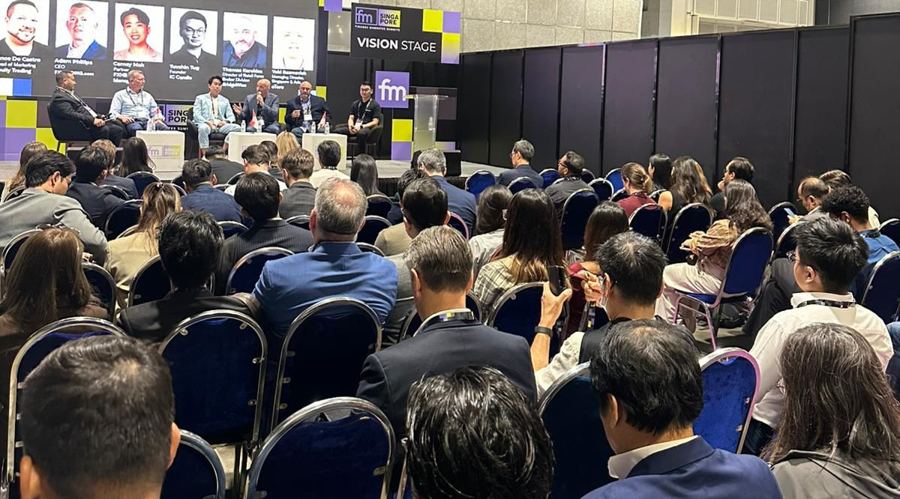
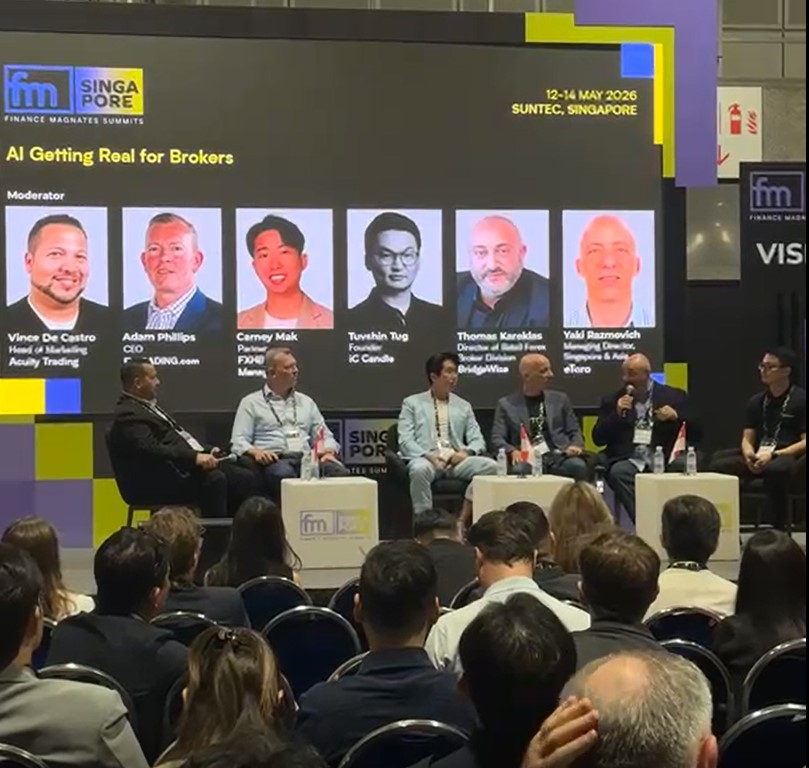
The “AI
Getting Real for Brokers” session focused on how brokerage firms are moving
beyond experimental use of artificial intelligence and treating AI tools as
part of their core business infrastructure.
Speakers
from brokerage firms, AI providers, and trading technology companies discussed
how large language models are affecting client acquisition, operational
efficiency, and risk management. Panelists also examined how institutional
adoption of AI is raising expectations among retail clients.
Another
major topic was liability and accountability when AI-generated recommendations
contribute to trading losses. The discussion featured participants including
Vince De Castro of Acuity Trading, Adam Philips of FXTRADING.com, Carney Mak of
FXHB Asset Management, Tuvshin Tug of Pixel Nexus Global, Thomas Kareklas of
BridgeWise, and Yaki Razmovich of eToro.
The Finance Magnates Singapore Summit 2026 has opened at the Suntec
Singapore Convention & Exhibition Centre after a networking launch held at
Paulaner Brauhaus the previous evening. The event moved into its first full day
of activity today (Wednesday), with the exhibition floor in Hall 405 active
from 10:00 SGT.
The exhibition area, which had been largely set up the day before, became
a busy meeting point for delegates. Participants included retail brokers,
institutional banks, and fintech companies.
A third cluster centred on artificial intelligence. Booths working on
AI-driven onboarding and automated risk systems attracted consistent foot
traffic during the morning. These companies presented tools aimed at reducing
manual processes in client management and compliance workflows.
Market Professionals Share Trading Floor
Tales
The “Trading Tales: Stories from The Floor”
session featured experienced financial markets professionals reflecting on
their careers across sales and trading environments.
Speakers shared perspectives on the
evolution of trading practices, moving from voice and ticket-based systems to
screen-based execution. The discussion highlighted changes in Singapore’s FX
market over time, along with regional characteristics that have shaped trading
behaviour and career paths.
The session also included personal accounts
from trading floors, offering context on how market culture has developed in
the region. Participants included Spencer Campbell, Director at SE Asia
Consulting, George Ng, Managing Director at FP Energy, and Jonathan Fine of
Finance Magnates Group.
Tokenised Finance Faces Adoption and
Regulation
The “The Future of Finance Will be
Tokenised” session examined the development of tokenised assets and the
infrastructure required to support broader adoption across both retail and
institutional markets.
Speakers discussed how tokenisation is
being applied across asset classes, including bonds and debt instruments, while
noting that adoption challenges vary between institutional and retail use
cases.
The discussion focused on core
infrastructure questions around ownership, settlement, and interoperability, as
well as the operational and compliance considerations for brokers offering
tokenised products.
Regulatory positioning across APAC was also
addressed, particularly in relation to tokenised securities frameworks.
Participants included David Jenkins, Chief Product & Technology Officer at
Openmarkets Group, Christopher Forbes, Head of Asia and Middle East at CMC
Markets, Justin Christopher, Head of Asia at Calastone, Amos Song, Chief
Business Officer at DigiFT, and Leeny Luong, Head of APAC at Partisia
Foundation.
Retail Brokers Eye Prediction Market Growth
The “Outrageous Predictions? Retail Brokers
& Event Contracts” session examined the growing interest in prediction
markets and event-based trading products across retail brokerage platforms.
Speakers discussed the potential for
“super-cycle” growth in event contracts, alongside questions around regulation
and product structure as brokers consider integrating instruments that resemble
betting-style markets. The discussion focused on how established exchanges,
retail brokers, and prediction platform providers are approaching collaboration
and product development.
It also addressed expected volume growth in
2026 and the expansion of new contract categories tied to political, economic,
and cultural events. Participants included Jakub Roz, CEO of For Traders, Leon
Okun, Founder and CEO of Plaee, Professor Edward Tay of National University of
Singapore, and Jorden Tan, Subcommittee Lead at ACCESS Singapore.
Thailand and Vietnam Shape Broker
Expansion
The “Regional Focus: Thailand, Vietnam”
session examined the operational realities of building brokerage businesses in
two of Southeast Asia’s fast-developing trading markets.
Speakers discussed how Bangkok is emerging
as a regional hub for broker expansion into CLMV markets, while Vietnam’s
rising trading volumes are increasingly shaping regional strategy discussions
at headquarters level.
The panel focused on the practical
requirements for market entry, including entity structures, regulatory
timelines, and common setup challenges faced by first-time operators. It also
covered how offshore broker models interact with domestic restrictions in both
jurisdictions, along with differences in client onboarding, distribution, and
talent acquisition.
The discussion highlighted that language,
culture, and acquisition channels in both markets differ significantly from
broader APAC assumptions. Participants included Won Tien Ching, CEO of ACCM,
Janis Baltalksnis, Regional Director Thailand & Laos at Versus Trade, and
Jonathan Fine of Finance Magnates Group.
The “Precious Insights: APAC’s Bullion
Market amid Record Volatility” session examined how the recent rally in
precious metals is affecting market structure, pricing dynamics, and trading
behaviour across the Asia-Pacific region.
Speakers discussed how volatility in
gold and other bullion assets is influencing hedging strategies among brokers
and liquidity providers, as well as increasing interest from regional banks in
physical gold distribution.
The discussion also highlighted Southeast
Asia’s growing retail demand for bullion, driven by both central bank
accumulation and store-of-value preferences. Panelists further examined
Singapore’s role as a regional bullion hub, alongside operational challenges
such as kilogram-based pricing, local delivery systems, and the integration of
CFD and physical bullion markets.
Participants included Judy Goh, Managing
Director for APAC at Integral, John Murillo, Chief Business Officer at
B2Broker, Alex Ho of CMC Markets, Tan Kway Guan, Central Banks and Public
Policy Lead at World Gold Council, and Alexander Fergusson, CEO of Woodside.
Trust and Liquidity
Shape Trading Conditions
The “License to Fill: Market Liquidity amid
Global Turmoil” session examined liquidity conditions across Asian markets and
the structural factors shaping execution during periods of volatility.
The discussion focused on regional market
characteristics, including connectivity, asset preferences, and differences in
liquidity provision compared with other global regions. Speakers also addressed
diversification strategies versus concentration in single assets, along with
the role of trust in liquidity relationships as trading becomes more automated.
The panel brought together participants
from across the liquidity chain, including Mohammad Isbeer, Group Chief
Institutional Officer at Equiti Capital, Alex Mackinnon, CEO Asia at Finalto,
Stavros Economides, Chief Operations Officer at Match-Prime Liquidity, Yoann
Turpin, Co-founder of Wintermute, Grace Chan, Executive Director at Phillip
Nova, and Vinay Trivedi, CEO of SGX CurrencyNode.
Premium Clients Drive Broker Revenue
Strategies
The “Join The Club: What Premium Clients
Want” session focused on the role of high-net-worth traders in retail brokerage
revenues and how firms across Asia are building and managing premium client
segments.
Speakers discussed how brokers define
premium clients beyond deposit size, placing emphasis on engagement, trading
activity, and long-term value. The panel also examined which services and
product features help build trust and improve client retention, while remaining
scalable from a cost and operations perspective.
Participants included Desmond Leong, CEO of
Returning.AI, Shane Syed, Strategic Sales Advisor and Co-Founder at USAM Group
and PitchFintech, Oriano Lizza of CMC Markets, Q Tan Chuen Kiat of Orient
Futures Singapore, Qin Lang of eToro, and Jaycee Lai of IG Group.
Retail Trading Trends Shape Market
Platforms
The “Key Trends Shaping Modern Trading
Behavior” session focused on how trading activity and user expectations are
changing across global markets. The discussion examined shifts in retail trader
behaviour, including increased demand for faster execution, more transparent
pricing, and improved access to data and analytics.
Speakers also considered how platform
providers are adapting product design and distribution strategies to match
these expectations. The panel highlighted the role of social and data-driven
trading environments in shaping decision-making processes. Participants
included Edmund Lee, Growth Manager (Singapore) at TradingView, and Kenny Wan
Yaoming, Head of Sales at Penguin Securities.
Digital Asset Adoption Faces Market
Pressure
The
“Buying The Deep: Digital Asset Adoption in APAC and Beyond” session focused on
how institutional investors and market infrastructure firms are approaching
digital assets during an extended market downturn.
Speakers
discussed the impact of lower crypto asset prices on adoption strategies,
capital allocation, and operational readiness across the region. The discussion
also examined gaps in custody, connectivity, and settlement infrastructure that
continue to affect institutional participation in Asia-Pacific markets.
Panelists
reviewed how stablecoins, tokenisation, and broader on-chain market
infrastructure are developing despite cautious investor sentiment. The session
featured David Jenkins, Chief Product & Technology Officer at Openmarkets
Group, Chris Knight, Managing Director at LMAX Digital, Andrew Leelarthaepin,
Head of Business Product at Maybank Investment Banking Group, Luke Boland, Head
of Fintech at Standard Chartered, Karl Mohan, EVP of Financial Services at
Crypto.com, and Zann Kwan, Managing Partner and Chief Investment Officer at
REVO.
Panel
Discusses Funding and Liquidity Strategies
The
“Funding & Exit in Singapore from Pre-Seed to Liquidity” session examined
Singapore’s role in capital formation and exit planning for startups and
high-growth firms.
Speakers
discussed the breadth of the city-state’s investment ecosystem, including
sovereign-backed capital, venture funding, family offices, and public market
access through the Singapore Exchange. The discussion also covered alternative
exit channels such as private secondary markets, strategic acquisitions, and
digital marketplace exits.
Panelists
focused on how founders and investors can preserve exit flexibility throughout
different growth stages. The session was held in partnership with 8 Circle and
featured speakers including Vidushan Premathiratne of 8 Circle and Techt Labs,
Luca Zorzino of Illuminate Financial, Zongxi Sia of Cocoon Capital, and Thom
Abbott of London Stock Exchange.
Brokers
Debate AI Adoption and Risk
The “AI
Getting Real for Brokers” session focused on how brokerage firms are moving
beyond experimental use of artificial intelligence and treating AI tools as
part of their core business infrastructure.
Speakers
from brokerage firms, AI providers, and trading technology companies discussed
how large language models are affecting client acquisition, operational
efficiency, and risk management. Panelists also examined how institutional
adoption of AI is raising expectations among retail clients.
Another
major topic was liability and accountability when AI-generated recommendations
contribute to trading losses. The discussion featured participants including
Vince De Castro of Acuity Trading, Adam Philips of FXTRADING.com, Carney Mak of
FXHB Asset Management, Tuvshin Tug of Pixel Nexus Global, Thomas Kareklas of
BridgeWise, and Yaki Razmovich of eToro.
Tareq is a financial writer with 15 years of experience covering global markets. His work spans technical analysis, forex broker reviews, and market sentiment, with a focus on topics relevant to retail traders. He joined Finance Magnates in 2023.
At Finance Magnates, he serves as News Editor, covering retail forex and CFD brokers, cryptocurrency exchanges, fintech firms, and regulatory developments shaping the trading industry. He holds an Honours degree in Information Technology from Anfell College, London.
Education:
Honours degree Information Technology, Anfell College, London
Kudotrade Adopts Kudo.com Name, Months After Flagging the Switch
Featured Videos
FM Daily Brief - 1 June 2026
FM Daily Brief - 1 June 2026
FM Daily Brief - 1 June 2026
FM Daily Brief - 1 June 2026
Today is Monday, the 1st of June 2026, and these are our main stories:
The US just opened a regulated door for crypto perpetual futures, ThinkMarkets joins the MCP server bandwagon, and XM obtains a MiCA license.
Today is Monday, the 1st of June 2026, and these are our main stories:
The US just opened a regulated door for crypto perpetual futures, ThinkMarkets joins the MCP server bandwagon, and XM obtains a MiCA license.
Today is Monday, the 1st of June 2026, and these are our main stories:
The US just opened a regulated door for crypto perpetual futures, ThinkMarkets joins the MCP server bandwagon, and XM obtains a MiCA license.
Today is Monday, the 1st of June 2026, and these are our main stories:
The US just opened a regulated door for crypto perpetual futures, ThinkMarkets joins the MCP server bandwagon, and XM obtains a MiCA license.
Today is Friday, the 29th of May 2026, and these are our main stories: three global regulators are converging on trading platform design, and a Singapore prop firm launches a deferred-fee challenge model.
Today is Friday, the 29th of May 2026, and these are our main stories: three global regulators are converging on trading platform design, and a Singapore prop firm launches a deferred-fee challenge model.
Today is Friday, the 29th of May 2026, and these are our main stories: three global regulators are converging on trading platform design, and a Singapore prop firm launches a deferred-fee challenge model.
Today is Friday, the 29th of May 2026, and these are our main stories: three global regulators are converging on trading platform design, and a Singapore prop firm launches a deferred-fee challenge model.
Today is Friday, the 29th of May 2026, and these are our main stories: three global regulators are converging on trading platform design, and a Singapore prop firm launches a deferred-fee challenge model.
Today is Friday, the 29th of May 2026, and these are our main stories: three global regulators are converging on trading platform design, and a Singapore prop firm launches a deferred-fee challenge model.
FM Daily Brief - 28 May 2026
FM Daily Brief - 28 May 2026
FM Daily Brief - 28 May 2026
FM Daily Brief - 28 May 2026
FM Daily Brief - 28 May 2026
FM Daily Brief - 28 May 2026
Today is Thursday, the 28th of May 2026, and these are our main stories: the chair of CySEC makes clear that prediction markets look like binary options to Brussels, Robinhood enters the age of AI agents, and a Google engineer faces insider trading charges over Polymarket activity.
Today is Thursday, the 28th of May 2026, and these are our main stories: the chair of CySEC makes clear that prediction markets look like binary options to Brussels, Robinhood enters the age of AI agents, and a Google engineer faces insider trading charges over Polymarket activity.
Today is Thursday, the 28th of May 2026, and these are our main stories: the chair of CySEC makes clear that prediction markets look like binary options to Brussels, Robinhood enters the age of AI agents, and a Google engineer faces insider trading charges over Polymarket activity.
Today is Thursday, the 28th of May 2026, and these are our main stories: the chair of CySEC makes clear that prediction markets look like binary options to Brussels, Robinhood enters the age of AI agents, and a Google engineer faces insider trading charges over Polymarket activity.
Today is Thursday, the 28th of May 2026, and these are our main stories: the chair of CySEC makes clear that prediction markets look like binary options to Brussels, Robinhood enters the age of AI agents, and a Google engineer faces insider trading charges over Polymarket activity.
Today is Thursday, the 28th of May 2026, and these are our main stories: the chair of CySEC makes clear that prediction markets look like binary options to Brussels, Robinhood enters the age of AI agents, and a Google engineer faces insider trading charges over Polymarket activity.
Nick Strain, Country Manager Singapore at LMAX Digital, discusses the future of digital assets and shares his views on crypto markets, perpetuals, institutional adoption, tokenization, and why regulatory clarity remains the biggest driver in the space.
The discussion, hosted by Jonathan Fine, Content Strategist at Finance Magnates, covers:
Crypto market sentiment
Bitcoin and Ethereum's role as macro assets
The mechanics of perpetuals and funding rates
Institutional adoption beyond buying crypto
The opportunity in tokenization and programmable money
The critical role of regulation in market growth
Nick Strain, Country Manager Singapore at LMAX Digital, discusses the future of digital assets and shares his views on crypto markets, perpetuals, institutional adoption, tokenization, and why regulatory clarity remains the biggest driver in the space.
The discussion, hosted by Jonathan Fine, Content Strategist at Finance Magnates, covers:
Crypto market sentiment
Bitcoin and Ethereum's role as macro assets
The mechanics of perpetuals and funding rates
Institutional adoption beyond buying crypto
The opportunity in tokenization and programmable money
The critical role of regulation in market growth
Nick Strain, Country Manager Singapore at LMAX Digital, discusses the future of digital assets and shares his views on crypto markets, perpetuals, institutional adoption, tokenization, and why regulatory clarity remains the biggest driver in the space.
The discussion, hosted by Jonathan Fine, Content Strategist at Finance Magnates, covers:
Crypto market sentiment
Bitcoin and Ethereum's role as macro assets
The mechanics of perpetuals and funding rates
Institutional adoption beyond buying crypto
The opportunity in tokenization and programmable money
The critical role of regulation in market growth
Nick Strain, Country Manager Singapore at LMAX Digital, discusses the future of digital assets and shares his views on crypto markets, perpetuals, institutional adoption, tokenization, and why regulatory clarity remains the biggest driver in the space.
The discussion, hosted by Jonathan Fine, Content Strategist at Finance Magnates, covers:
Crypto market sentiment
Bitcoin and Ethereum's role as macro assets
The mechanics of perpetuals and funding rates
Institutional adoption beyond buying crypto
The opportunity in tokenization and programmable money
The critical role of regulation in market growth
Nick Strain, Country Manager Singapore at LMAX Digital, discusses the future of digital assets and shares his views on crypto markets, perpetuals, institutional adoption, tokenization, and why regulatory clarity remains the biggest driver in the space.
The discussion, hosted by Jonathan Fine, Content Strategist at Finance Magnates, covers:
Crypto market sentiment
Bitcoin and Ethereum's role as macro assets
The mechanics of perpetuals and funding rates
Institutional adoption beyond buying crypto
The opportunity in tokenization and programmable money
The critical role of regulation in market growth
Nick Strain, Country Manager Singapore at LMAX Digital, discusses the future of digital assets and shares his views on crypto markets, perpetuals, institutional adoption, tokenization, and why regulatory clarity remains the biggest driver in the space.
The discussion, hosted by Jonathan Fine, Content Strategist at Finance Magnates, covers:
Crypto market sentiment
Bitcoin and Ethereum's role as macro assets
The mechanics of perpetuals and funding rates
Institutional adoption beyond buying crypto
The opportunity in tokenization and programmable money
The critical role of regulation in market growth
FM Daily Brief - 27 May 2026
FM Daily Brief - 27 May 2026
FM Daily Brief - 27 May 2026
FM Daily Brief - 27 May 2026
FM Daily Brief - 27 May 2026
FM Daily Brief - 27 May 2026
Today is Wednesday, the 27th of May 2026, and these are our main stories: questions are swirling around the futures of FXCM and Tradu, as owner Jefferies reportedly weighs a sale, an acquisition of a prop firm, and the demographics of prediction markets.
Today is Wednesday, the 27th of May 2026, and these are our main stories: questions are swirling around the futures of FXCM and Tradu, as owner Jefferies reportedly weighs a sale, an acquisition of a prop firm, and the demographics of prediction markets.
Today is Wednesday, the 27th of May 2026, and these are our main stories: questions are swirling around the futures of FXCM and Tradu, as owner Jefferies reportedly weighs a sale, an acquisition of a prop firm, and the demographics of prediction markets.
Today is Wednesday, the 27th of May 2026, and these are our main stories: questions are swirling around the futures of FXCM and Tradu, as owner Jefferies reportedly weighs a sale, an acquisition of a prop firm, and the demographics of prediction markets.
Today is Wednesday, the 27th of May 2026, and these are our main stories: questions are swirling around the futures of FXCM and Tradu, as owner Jefferies reportedly weighs a sale, an acquisition of a prop firm, and the demographics of prediction markets.
Today is Wednesday, the 27th of May 2026, and these are our main stories: questions are swirling around the futures of FXCM and Tradu, as owner Jefferies reportedly weighs a sale, an acquisition of a prop firm, and the demographics of prediction markets.