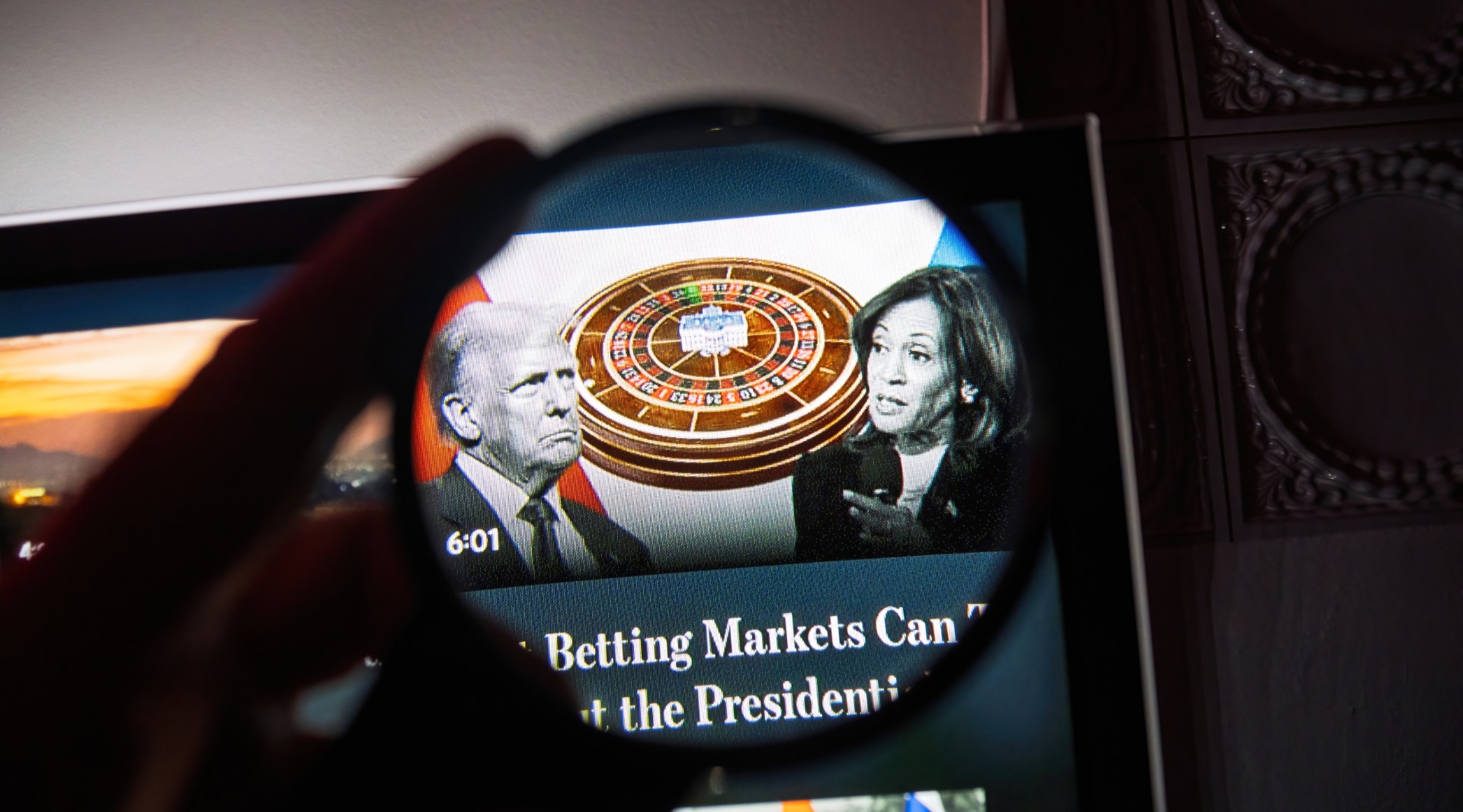
The CFTC has dropped its appeal against Kalshi, allowing the platform to continue offering election betting contracts.
This decision follows a lower court ruling that limited the CFTC's authority to ban such contracts on public interest grounds.
The U.S.
Commodity Futures Trading Commission (CFTC) has moved to voluntarily dismiss
its appeal against Kalshi, effectively allowing the New York-based derivatives
trading platform to continue offering contracts that let Americans bet on
election outcomes.
CFTC Drops Appeal in
Kalshi Election Betting Case
In a filing
with the U.S. Court of Appeals for the D.C. Circuit on Monday, the CFTC
requested to drop its appeal following a 3–0 commission vote, with one
commissioner abstaining. The agreement stipulates that each party will bear its
own costs and fees, with KalshiEX LLC waiving all legal claims arising from the
litigation.
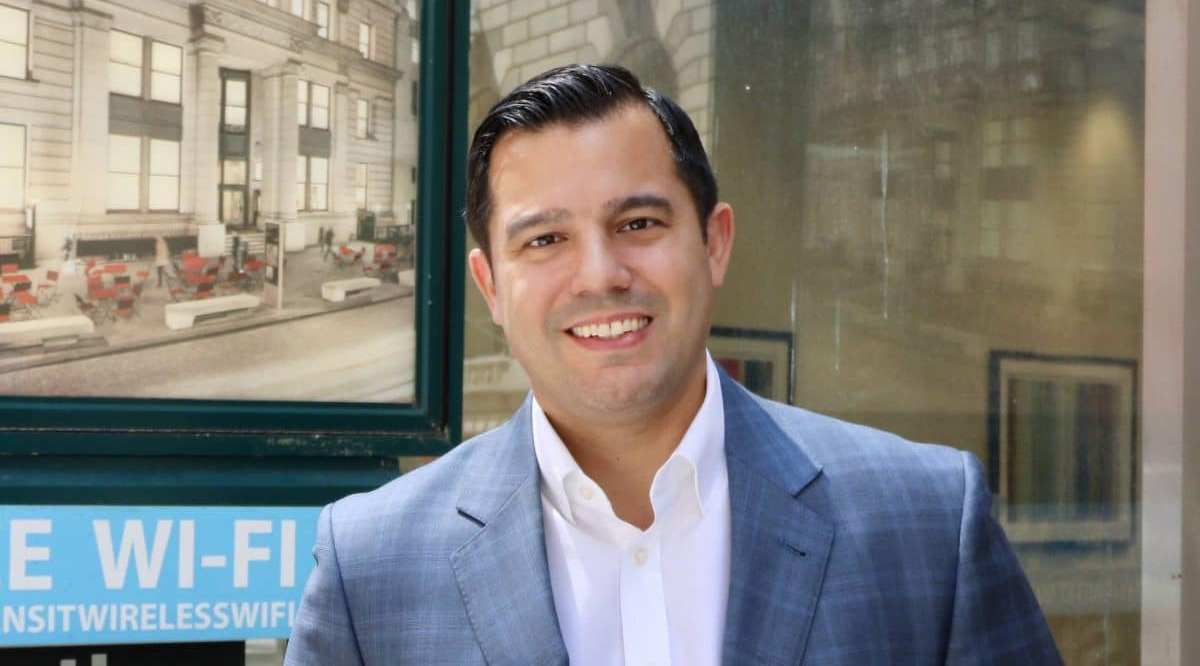
Tarek Mansour, the CEO and Co-Founder of Kalshi
“Today
is historic. We have always believed that doing things the right way, no matter
how hard, no matter how painful, pays off,” said Tarek Mansour, CEO and
co-founder of Kalshi, in a statement.
The
decision marks a significant development in the regulation of prediction
markets and event-based contracts in the United States. Kalshi currently offers
contracts on various political outcomes, including potential 2028 presidential
nominees and specific Senate races.
CFTC vs. Kalshi
The dispute
began
in June 2023 when Kalshi sought CFTC permission to list contracts allowing
Americans to bet on which party would control the House of Representatives and
Senate. The CFTC initially prohibited these contracts, citing concerns about
unlawful gaming and public interest issues.
Kalshi
responded by filing a lawsuit, arguing the CFTC had exceeded its authority. In
September, D.C. District Court Judge Jia Cobb ruled in Kalshi's favor,
determining that Congress had not authorized the CFTC to conduct the public
interest review that led to the ban.
Although
the CFTC immediately appealed and secured a temporary stay, the appeals court
later lifted the freeze, allowing Kalshi to proceed with offering
election-related contracts while the appeal was pending.
“Betrayal of the Public
Interest”
The CFTC's
decision to drop its appeal has drawn criticism from financial reform
advocates. Better Markets called the move “a stark betrayal of the public
interest,” arguing that allowing betting on election outcomes threatens
electoral integrity and could lead to market manipulation.
In January,
Kalshi named Donald Trump Jr. as a strategic advisor to the firm, further
highlighting the company's connections to the political sphere as it expands
its prediction market offerings.
State
regulators have also stepped in. As reported by FinanceMagnates.com in
late March, Nevada—America’s gambling hub and a major revenue earner from Las
Vegas—has
raised concerns over Kalshi’s contracts.
Event Contracts to Become “Trillion
Dollar Asset Class”
Prediction
markets aren’t just about elections. Every day, thousands of users place bets
through Kalshi and its partner companies—including
retail trading giant Robinhood—on a wide range of future events. These
range from Bitcoin’s end-of-session price and the release date of GTA 6, to the
outcomes of basketball games.
And as FinanceMagnates.com
has learned, these markets are attracting significant capital. In March this
year, Kalshi’s March Madness contracts on the NCAA basketball tournaments
recorded a record-breaking $200 million in trading volume.
Jack Such
of Kalshi, who oversees Business & Media Development, told
FinanceMagnates.com that prediction markets have shown “an
astronomical rate of growth.” In his view, event contracts “will become a
trillion-dollar asset class.”
The U.S.
Commodity Futures Trading Commission (CFTC) has moved to voluntarily dismiss
its appeal against Kalshi, effectively allowing the New York-based derivatives
trading platform to continue offering contracts that let Americans bet on
election outcomes.
CFTC Drops Appeal in
Kalshi Election Betting Case
In a filing
with the U.S. Court of Appeals for the D.C. Circuit on Monday, the CFTC
requested to drop its appeal following a 3–0 commission vote, with one
commissioner abstaining. The agreement stipulates that each party will bear its
own costs and fees, with KalshiEX LLC waiving all legal claims arising from the
litigation.
Tarek Mansour, the CEO and Co-Founder of Kalshi
“Today
is historic. We have always believed that doing things the right way, no matter
how hard, no matter how painful, pays off,” said Tarek Mansour, CEO and
co-founder of Kalshi, in a statement.
The
decision marks a significant development in the regulation of prediction
markets and event-based contracts in the United States. Kalshi currently offers
contracts on various political outcomes, including potential 2028 presidential
nominees and specific Senate races.
CFTC vs. Kalshi
The dispute
began
in June 2023 when Kalshi sought CFTC permission to list contracts allowing
Americans to bet on which party would control the House of Representatives and
Senate. The CFTC initially prohibited these contracts, citing concerns about
unlawful gaming and public interest issues.
Kalshi
responded by filing a lawsuit, arguing the CFTC had exceeded its authority. In
September, D.C. District Court Judge Jia Cobb ruled in Kalshi's favor,
determining that Congress had not authorized the CFTC to conduct the public
interest review that led to the ban.
Although
the CFTC immediately appealed and secured a temporary stay, the appeals court
later lifted the freeze, allowing Kalshi to proceed with offering
election-related contracts while the appeal was pending.
“Betrayal of the Public
Interest”
The CFTC's
decision to drop its appeal has drawn criticism from financial reform
advocates. Better Markets called the move “a stark betrayal of the public
interest,” arguing that allowing betting on election outcomes threatens
electoral integrity and could lead to market manipulation.
In January,
Kalshi named Donald Trump Jr. as a strategic advisor to the firm, further
highlighting the company's connections to the political sphere as it expands
its prediction market offerings.
State
regulators have also stepped in. As reported by FinanceMagnates.com in
late March, Nevada—America’s gambling hub and a major revenue earner from Las
Vegas—has
raised concerns over Kalshi’s contracts.
Event Contracts to Become “Trillion
Dollar Asset Class”
Prediction
markets aren’t just about elections. Every day, thousands of users place bets
through Kalshi and its partner companies—including
retail trading giant Robinhood—on a wide range of future events. These
range from Bitcoin’s end-of-session price and the release date of GTA 6, to the
outcomes of basketball games.
And as FinanceMagnates.com
has learned, these markets are attracting significant capital. In March this
year, Kalshi’s March Madness contracts on the NCAA basketball tournaments
recorded a record-breaking $200 million in trading volume.
Jack Such
of Kalshi, who oversees Business & Media Development, told
FinanceMagnates.com that prediction markets have shown “an
astronomical rate of growth.” In his view, event contracts “will become a
trillion-dollar asset class.”
Damian Chmiel is a Senior Analyst & Editor at Finance Magnates with more than 15 years of experience in the CFD and online trading industry. Active as both a trader and journalist since 2010, he focuses on broker coverage, fintech innovation, and regulatory developments across Europe, the Middle East, and Asia.
His work includes interviews with C-level leaders at major brokerages and fintech platforms, as well as co-authoring Finance Magnates’ quarterly industry benchmarking reports. Damian’s reporting is data-driven, market-aware, and grounded in direct industry engagement. His analysis and commentary have also been cited by external media outlets, including Investing.com, Binance, The Asset, Stockhead, and Dispatch.
Education:
MA in Finance and Accounting, Cracow University of Economics
Retail Traders Can Now Access Prediction Markets Through Binance Wallet
FP Markets Winner Spotlight 🏆 | Global Broker of the Year 2025 #Trading #Broker #Innovation #Shorts
FP Markets Winner Spotlight 🏆 | Global Broker of the Year 2025 #Trading #Broker #Innovation #Shorts
FP Markets takes the spotlight as Global Broker of the Year 2025 at the Finance Magnates Awards.
Martin Stoilov, Head of Client Experience, shares that trust, innovation, and people played a key role in the company’s success, supported by a strong foundation of integrity and client-centricity.
Following this milestone, FP Markets continues to focus on growth, technology investment, and its core values of transparency and excellence.
👉 Be part of FM Awards 2026: https://awards.financemagnates.com/#nominate
FP Markets takes the spotlight as Global Broker of the Year 2025 at the Finance Magnates Awards.
Martin Stoilov, Head of Client Experience, shares that trust, innovation, and people played a key role in the company’s success, supported by a strong foundation of integrity and client-centricity.
Following this milestone, FP Markets continues to focus on growth, technology investment, and its core values of transparency and excellence.
👉 Be part of FM Awards 2026: https://awards.financemagnates.com/#nominate
In this video, we review @HolaPrimeMarketsOfficial, a multi-asset forex and CFDs broker offering different account types, trading platforms, and flexible trading conditions.
We cover the broker’s overall offering, including account options, trading environment, platforms like MT4 and MT5, and additional services such as managed accounts and fast withdrawals.
Watch the full video to see if Hola Prime Markets fits your trading needs.
📣 Stay up to date with the latest in finance and trading. Follow Finance Magnates for industry news, insights, and global event coverage.
Connect with us:
🔗 LinkedIn: /financemagnates
👍 Facebook: /financemagnates
📸 Instagram: https://www.instagram.com/financemagnates
🐦 X: https://x.com/financemagnates
🎥 TikTok: https://www.tiktok.com/tag/financemagnates
▶️ YouTube: /@financemagnates_official
#HolaPrime #ForexBroker #CFDTrading #FinanceMagnates #Trading #Forex #BrokerReview
In this video, we review @HolaPrimeMarketsOfficial, a multi-asset forex and CFDs broker offering different account types, trading platforms, and flexible trading conditions.
We cover the broker’s overall offering, including account options, trading environment, platforms like MT4 and MT5, and additional services such as managed accounts and fast withdrawals.
Watch the full video to see if Hola Prime Markets fits your trading needs.
📣 Stay up to date with the latest in finance and trading. Follow Finance Magnates for industry news, insights, and global event coverage.
Connect with us:
🔗 LinkedIn: /financemagnates
👍 Facebook: /financemagnates
📸 Instagram: https://www.instagram.com/financemagnates
🐦 X: https://x.com/financemagnates
🎥 TikTok: https://www.tiktok.com/tag/financemagnates
▶️ YouTube: /@financemagnates_official
#HolaPrime #ForexBroker #CFDTrading #FinanceMagnates #Trading #Forex #BrokerReview
Hola Prime Review: What You Need to Know | Full Breakdown by Finance Magnates
Hola Prime Review: What You Need to Know | Full Breakdown by Finance Magnates
In this video, we review @HolaPrime_Global, a proprietary trading firm offering evaluation programs and performance-based payouts in simulated market environments.
We cover how the challenge model works, including account types, profit splits (up to 95%), trading rules, and what it takes to reach a funded account. You’ll also learn about available platforms like MT4, MT5, cTrader, and more, along with insights into payouts, support, and trading conditions.
Watch the full video to see if Hola Prime fits your trading style.
📣 Stay up to date with the latest in finance and trading. Follow Finance Magnates for industry news, insights, and global event coverage.
Connect with us:
🔗 LinkedIn: /financemagnates
👍 Facebook: /financemagnates
📸 Instagram: https://www.instagram.com/financemagnates
🐦 X: https://x.com/financemagnates
🎥 TikTok: https://www.tiktok.com/tag/financemagnates
▶️ YouTube: /@financemagnates_official
#HolaPrime #PropFirm #Trading #FinanceMagnates #Forex #FuturesTrading #TradingReview #PropFirmReview
In this video, we review @HolaPrime_Global, a proprietary trading firm offering evaluation programs and performance-based payouts in simulated market environments.
We cover how the challenge model works, including account types, profit splits (up to 95%), trading rules, and what it takes to reach a funded account. You’ll also learn about available platforms like MT4, MT5, cTrader, and more, along with insights into payouts, support, and trading conditions.
Watch the full video to see if Hola Prime fits your trading style.
📣 Stay up to date with the latest in finance and trading. Follow Finance Magnates for industry news, insights, and global event coverage.
Connect with us:
🔗 LinkedIn: /financemagnates
👍 Facebook: /financemagnates
📸 Instagram: https://www.instagram.com/financemagnates
🐦 X: https://x.com/financemagnates
🎥 TikTok: https://www.tiktok.com/tag/financemagnates
▶️ YouTube: /@financemagnates_official
#HolaPrime #PropFirm #Trading #FinanceMagnates #Forex #FuturesTrading #TradingReview #PropFirmReview
Axi Winner Spotlight 🏆 | Global Most Innovative Broker 2025 #Innovation #Trading #Fintech #Broker
Axi Winner Spotlight 🏆 | Global Most Innovative Broker 2025 #Innovation #Trading #Fintech #Broker
Axi takes the spotlight at the Finance Magnates Awards, winning Global Most Innovative Broker 2025.
Olivia Xenofontos and Ivanna Openko share how the team will feel: proud, motivated, and ready to keep delivering.
They also describe the night as well-organized, focused, and enjoyable for all.
👉 Be part of FM Awards 2026.
Axi takes the spotlight at the Finance Magnates Awards, winning Global Most Innovative Broker 2025.
Olivia Xenofontos and Ivanna Openko share how the team will feel: proud, motivated, and ready to keep delivering.
They also describe the night as well-organized, focused, and enjoyable for all.
👉 Be part of FM Awards 2026.
Recognition that matters.
Built on transparency.
Driven by the industry.
The Finance Magnates Awards 2026.
Nominations are now open.
🔗 https://awards.financemagnates.com/?utm_source=SM&utm_medium=social&utm_campaign=recognition-matters
Recognition that matters.
Built on transparency.
Driven by the industry.
The Finance Magnates Awards 2026.
Nominations are now open.
🔗 https://awards.financemagnates.com/?utm_source=SM&utm_medium=social&utm_campaign=recognition-matters