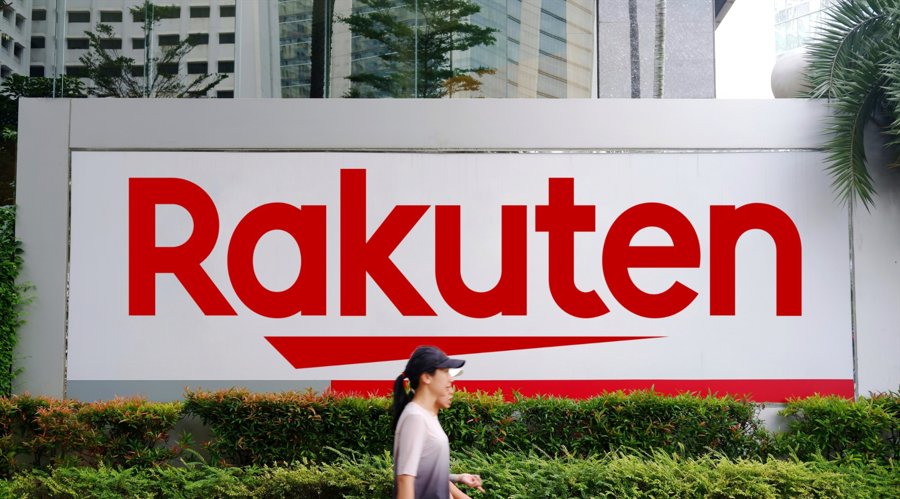
Rakuten Securities Tops 14 Million Users as Q1 Revenue Sets Record

Thursday, 14/05/2026 | 07:10 GMT by Damian Chmiel
  • Japan's largest online broker by total accounts saw revenue hit an ATH as account openings under the revamped NISA program kept climbing.
  • Bank of Japan rate hikes also boosted Rakuten Securities' interest income, helping parent Rakuten Group's FinTech arm outpace its other divisions.
Rakuten shutterstock

Rakuten Securities posted its highest-ever quarterly revenue in the first quarter, helped by a surge in account openings under Japan's tax-advantaged NISA program and rising interest income tied to the Bank of Japan's policy rate hikes, parent Rakuten Group said today (Thursday).

Rakuten Securities Posts Record Quarterly Revenue

The Tokyo-based broker, a unit of Japanese internet conglomerate Rakuten Group, said its general securities account base reached 13.87 million at the end of March, up 12.4% from a year earlier.

The figure climbed past 14 million in April, adding roughly 1 million accounts in five months and extending a pace last seen in 2024 and 2025.

Rakuten Securities did not break out its standalone revenue and profit figures in the consolidated filing. The parent group attributed the broker's record quarter to growth in financial income from an active market environment, alongside higher interest income tied to BoJ policy rate hikes.

The central bank started raising rates in 2025 after nearly two decades of near-zero policy, a shift that has rippled through Japanese deposit-taking institutions and brokerages with cash-management businesses.

NISA Reform Pulls Households Into Equities

Japan's revamped NISA program, expanded in January 2024, has reshaped retail investing flows by raising annual investment caps and removing time limits on the tax-free wrapper. The shift is gradually moving Japanese household savings out of bank deposits and into equities , mutual funds and ETFs.

Foreign brokers have noticed. Interactive Brokers rolled out NISA accounts through its Japanese unit in mid-2025, pitching its global product range against the largely domestic-focused offerings of local incumbents.

Japanese households still hold roughly $11 trillion in bank deposits earning minimal interest, a pool authorities have long sought to redirect into capital markets.

The competitive field in Japanese online brokerage remains crowded. SBI Securities is widely cited as the country's largest by accounts, though it does not publicly disclose its individual account count, leaving Rakuten's claim to the top spot dependent on methodology.

Monex Group, Nomura Securities, and Daiwa Securities round out the established roster, while international players have been pushing harder into Japan despite local hiring challenges.

FinTech Segment Outpaces Mobile and Internet Services

Across Rakuten Group, the FinTech segment, which houses Securities along with Rakuten Bank, Rakuten Card, Rakuten Pay and the insurance units, posted revenue of 275.3 billion yen in the first quarter, up 23.1% year-on-year. Non-GAAP operating income for the segment rose 33.8% to 58.5 billion yen.

Rakuten Bank reached 18.07 million customer accounts at the end of March, up 7.3%, with total deposits of 12.9 trillion yen, up 12.9%.

The bank booked record quarterly ordinary income, also benefiting from BoJ rate hikes lifting investment yields on its managed assets. The fintech arm's lift comes two years after Rakuten signaled plans to consolidate its financial-services operations into a more integrated unit.

The figures landed alongside Rakuten Group's first Q1 IFRS operating profit since entering the mobile carrier business in 2020, an inflection point that chairman Hiroshi Mikitani has signaled for years.

Consolidated revenue reached a record 643.6 billion yen, up 14.4%, while IFRS operating income came in at 30.4 billion yen against a 15.4 billion yen loss a year earlier.

Differentiation Moves to Crypto and US Stocks as Commissions Hit Zero

Recent product moves point to where the Japanese online-brokerage fight is heading.

Rakuten Securities invested in 24X US Holdings late last year to position itself for 24-hour US stock trading, while SBI Securities launched crypto CFDs in September 2025 covering bitcoin, ether, XRP, solana and dogecoin, marking SBI's first crypto product.

Foreign-currency exposure and digital assets have become the key differentiators in a market where domestic equity commissions have already been driven to zero.

Rakuten Securities made cash equity trading commission-free in October 2023 and has since leaned into AI-driven research tools, including a BridgeWise partnership that generated 3 million AI-powered stock reports within 24 hours of launch in mid-2025.

Rakuten Group did not provide detailed segment guidance for Securities. For 2026, the parent company is targeting high single-digit consolidated revenue growth excluding the securities unit, "whose results are heavily impacted by stock market conditions."

It also aims to lift both Non-GAAP and IFRS operating income for the full year.

Rakuten Securities posted its highest-ever quarterly revenue in the first quarter, helped by a surge in account openings under Japan's tax-advantaged NISA program and rising interest income tied to the Bank of Japan's policy rate hikes, parent Rakuten Group said today (Thursday).

Rakuten Securities Posts Record Quarterly Revenue

The Tokyo-based broker, a unit of Japanese internet conglomerate Rakuten Group, said its general securities account base reached 13.87 million at the end of March, up 12.4% from a year earlier.

The figure climbed past 14 million in April, adding roughly 1 million accounts in five months and extending a pace last seen in 2024 and 2025.

Rakuten Securities did not break out its standalone revenue and profit figures in the consolidated filing. The parent group attributed the broker's record quarter to growth in financial income from an active market environment, alongside higher interest income tied to BoJ policy rate hikes.

The central bank started raising rates in 2025 after nearly two decades of near-zero policy, a shift that has rippled through Japanese deposit-taking institutions and brokerages with cash-management businesses.

NISA Reform Pulls Households Into Equities

Japan's revamped NISA program, expanded in January 2024, has reshaped retail investing flows by raising annual investment caps and removing time limits on the tax-free wrapper. The shift is gradually moving Japanese household savings out of bank deposits and into equities , mutual funds and ETFs.

Foreign brokers have noticed. Interactive Brokers rolled out NISA accounts through its Japanese unit in mid-2025, pitching its global product range against the largely domestic-focused offerings of local incumbents.

Japanese households still hold roughly $11 trillion in bank deposits earning minimal interest, a pool authorities have long sought to redirect into capital markets.

The competitive field in Japanese online brokerage remains crowded. SBI Securities is widely cited as the country's largest by accounts, though it does not publicly disclose its individual account count, leaving Rakuten's claim to the top spot dependent on methodology.

Monex Group, Nomura Securities, and Daiwa Securities round out the established roster, while international players have been pushing harder into Japan despite local hiring challenges.

FinTech Segment Outpaces Mobile and Internet Services

Across Rakuten Group, the FinTech segment, which houses Securities along with Rakuten Bank, Rakuten Card, Rakuten Pay and the insurance units, posted revenue of 275.3 billion yen in the first quarter, up 23.1% year-on-year. Non-GAAP operating income for the segment rose 33.8% to 58.5 billion yen.

Rakuten Bank reached 18.07 million customer accounts at the end of March, up 7.3%, with total deposits of 12.9 trillion yen, up 12.9%.

The bank booked record quarterly ordinary income, also benefiting from BoJ rate hikes lifting investment yields on its managed assets. The fintech arm's lift comes two years after Rakuten signaled plans to consolidate its financial-services operations into a more integrated unit.

The figures landed alongside Rakuten Group's first Q1 IFRS operating profit since entering the mobile carrier business in 2020, an inflection point that chairman Hiroshi Mikitani has signaled for years.

Consolidated revenue reached a record 643.6 billion yen, up 14.4%, while IFRS operating income came in at 30.4 billion yen against a 15.4 billion yen loss a year earlier.

Differentiation Moves to Crypto and US Stocks as Commissions Hit Zero

Recent product moves point to where the Japanese online-brokerage fight is heading.

Rakuten Securities invested in 24X US Holdings late last year to position itself for 24-hour US stock trading, while SBI Securities launched crypto CFDs in September 2025 covering bitcoin, ether, XRP, solana and dogecoin, marking SBI's first crypto product.

Foreign-currency exposure and digital assets have become the key differentiators in a market where domestic equity commissions have already been driven to zero.

Rakuten Securities made cash equity trading commission-free in October 2023 and has since leaned into AI-driven research tools, including a BridgeWise partnership that generated 3 million AI-powered stock reports within 24 hours of launch in mid-2025.

Rakuten Group did not provide detailed segment guidance for Securities. For 2026, the parent company is targeting high single-digit consolidated revenue growth excluding the securities unit, "whose results are heavily impacted by stock market conditions."

It also aims to lift both Non-GAAP and IFRS operating income for the full year.

About the Author: Damian Chmiel
Damian Chmiel
  • 3546 Articles
  • 110 Followers
About the Author: Damian Chmiel
Damian Chmiel is a Senior Analyst & Editor at Finance Magnates with more than 15 years of experience in the CFD and online trading industry. Active as both a trader and journalist since 2010, he focuses on broker coverage, fintech innovation, and regulatory developments across Europe, the Middle East, and Asia. His work includes interviews with C-level leaders at major brokerages and fintech platforms, as well as co-authoring Finance Magnates’ quarterly industry benchmarking reports. Damian’s reporting is data-driven, market-aware, and grounded in direct industry engagement. His analysis and commentary have also been cited by external media outlets, including Investing.com, Binance, The Asset, Stockhead, and Dispatch. Education: MA in Finance and Accounting, Cracow University of Economics
  • 3546 Articles
  • 110 Followers

More from the Author

Retail FX

!"#$%&'()*+,-./0123456789:;<=>?@ABCDEFGHIJKLMNOPQRSTUVWXYZ[\]^_`abcdefghijklmnopqrstuvwxyz{|} !"#$%&'()*+,-./0123456789:;<=>?@ABCDEFGHIJKLMNOPQRSTUVWXYZ[\]^_`abcdefghijklmnopqrstuvwxyz{|}