>
Interview: Saxo Bank Poised to Expand in Asia as China Opens Up
Interview: Saxo Bank Poised to Expand in Asia as China Opens Up
Friday,18/09/2015|08:32GMTby
Andy Traveller
With a new office in Shanghai, Adam Reynolds shares his insights on the market and the firm's strategy in Asia Pacific.
Finance Magnates
As China continues to open up its financial markets and as the world’s economic centre of gravity steadily moves eastwards, many Western firms are trying to figure out how they can “pivot to Asia”.
One such firm is doing just that: Danish multi-asset online broker, Saxo Bank, which just recently opened a new office in the Shanghai free-trade zone. Finance Magnates caught up with Adam Reynolds, CEO, Asia Pacific at Saxo Bank, to get his view on the market and to learn more about the firm’s strategy in the region.
Saxo Bank in Asia Pacific
The new Shanghai office brings the total office count in Asia Pacific to five, with Saxo already boasting established offices in Singapore, Sydney, Tokyo and Hong Kong.
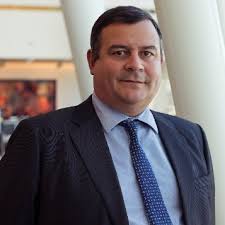
Adam Reynolds, CEO, Asia Pacific, Saxo Bank
Second only to the firm’s head office in Copenhagen in terms of staff numbers, Singapore is the regional hub, and also home to some of the firm’s global heads, such as Kurt vom Scheidt, Global Head of Foreign Exchange.
Mr. Reynolds elaborates: “We’ve got probably more than half of the people [in Asia Pacific] working here in the office in Singapore. Probably around 60% of our revenues in the region come from the office.”
“We have had really solid growth and have a good market share in Singapore. We look to maintain that and grow our market share and our products here. It’s very much a developed and strong market for us.”
The other offices are at different stages of development. Specifically, Mr. Reynolds points to strong growth coming out of Sydney and Hong Kong, as the firm has sought to enlarge its multi-asset offering.
Around 60% of our revenues in the region come from the Singapore office.
Looking at growth opportunities in the region more generally, Saxo Bank has recently partnered with Indonesian conglomerate, Sinar Mas Group, with a view towards Southeast Asian markets. Indeed, Sinar Mars Group recently acquired a 9.9% stake in Saxo Bank.
The Group has both banking and securities activities in the region, with Bank Sinarmas and Sinarmas Sekuritas respectively. Moreover, the Indonesian firm boasts the requisite trading licenses in Indonesia and Malaysia, jusrisdictions where Saxo Bank is not licensed. As such, the two companies form a strategic partnership to launch products in the region.
Accordingly, Mr. Reynolds was keen to highlight Saxo Bank’s value proposition, which is a multi-asset, one account, one margin offering.
“We are seeing a big diversification of our product mix away from the traditional foreign exchange product mix, to people embracing equities and futures. So from a client perspective, when a client is thinking about equities, we want them to be thinking about Saxo.”
Australia has offered up some low-hanging fruit, where there is a large, self-managed superfund business, which Saxo Bank is increasingly tapping into. Mr. Reynolds also pointed to strong growth in Hong Kong.
However, the strategy to diversify is much more nuanced in Japan, a country with a very strong and traditional retail FX market, where the transition is proving much more laborious.
Mr. Reynolds explains: “In Japan, we are much more FX focused. But we’ve made some significant developments on the platform to allow our clients to take advantage of the multi-asset offering. So that’s going to be something that will become more and more important in Japan.”
In terms of the timing of the roll-out, he adds: “As the developments happen, we see the growth being there from next year when we start offering foreign equities, futures and options on the platform, which we haven’t until now in Japan.”
We’ve had to build in sub-accounts of the main account with quarantined margins by asset class, which allows us to maintain regulations.
“That’s probably where we’ve had the biggest challenge in Japan … There are so many different regulators for the different asset classes, all with their own rules, all requiring independent margin holdings, so it becomes very difficult to come with our unique value proposition.”
However, while regulation is posing challenges in Japan, China’s easing regulatory landscape is opening up vast swathes of the population as potential Saxo Bank clients.
China’s easing regulatory landscape is opening up vast swathes of the population as potential Saxo Bank clients.
Specifically, Mr. Reynolds pointed to upcoming changes to the QDII (Qualified Domestic Institutional Investor) legislation, which would allow investors in six of China’s cities to set up foreign trading accounts in Shanghai’s free-trade zone – the site of Saxo’s new office.
“We are looking forward to the new QDII2 framework to be put in place. And we are very optimistic about this framework and how it can allow us to help clients in China to access the international market,” said Mr. Reynolds.
He added: “At the moment, it’s very hard for Chinese clients to invest overseas because of the capital account restrictions, which are slowly being eased. When those restrictions are further eased and the QDII2 framework is launched … we think that our platform is uniquely placed to go in there very quickly and give investors a huge geographical diversification and asset-class diversification so that they can start investing overseas.”
Is China Faltering?
In a market where investment is often equated with gambling, Mr. Reynolds’ assessment of the Chinese market was surprising. While he stressed the importance of education for all investors, he was optimistic about how trading patterns would improve as more investment opportunities become available.
Indeed, he stated: “In our experience, Asian traders are actually quite good traders. In aggregate, our clients make money on our platform in Asia, which is a very positive side. And they have a lot of knowledge of what they’re doing.”
As to the bubbly nature of the Chinese capital markets, this is largely because of the restricted number of investment opportunities in China.
In terms of China more specifically, he said: “As to the bubbly nature of the Chinese capital markets, we believe this is largely because of the restricted number of investment opportunities the Chinese can get. They tend to get crowded into a limited number of investments... [in which] everyone goes piling in, because there’s no diversification of opportunity.”
“I think that the bubbles will smooth themselves out a lot more and it’ll become much more of a normal market where investors can have geographic and asset-class diversification.”
He also noted that Saxo Bank has not been too badly affected by the recent crashes in the Chinese stock market. While many offshore clients are keen to gain access to Chinese markets, especially since the Shanghai-Hong Kong Stock Connect came into place and with the new Shenzhen-Hong Kong Stock Connect set to come online in the future, Saxo Bank’s exposure to the Chinese market has been limited.
“The Chinese products that we have on the platform are the H-shares, which include some Chinese banks, and some China CFD indices and some futures … And so in that whole time when the Chinese market was moving round very violently, we had relatively small exposures, but not zero. But we didn’t have any clients going into negative equity and everyone was able to get themselves stopped out in time.”
One Step at a Time
In conclusion, Mr. Reynolds said: "The most important thing for us in China going forward is liaising with the regulators about how we can engage them and get involved in the QDII2 programme, which we are doing; and also talking to potential partners, because we wouldn’t mind having some partnerships over there."
So with the Shanghai office operational, Saxo Bank now has a platform to sow seeds in the fertile market.
As China continues to open up its financial markets and as the world’s economic centre of gravity steadily moves eastwards, many Western firms are trying to figure out how they can “pivot to Asia”.
One such firm is doing just that: Danish multi-asset online broker, Saxo Bank, which just recently opened a new office in the Shanghai free-trade zone. Finance Magnates caught up with Adam Reynolds, CEO, Asia Pacific at Saxo Bank, to get his view on the market and to learn more about the firm’s strategy in the region.
Saxo Bank in Asia Pacific
The new Shanghai office brings the total office count in Asia Pacific to five, with Saxo already boasting established offices in Singapore, Sydney, Tokyo and Hong Kong.
Adam Reynolds, CEO, Asia Pacific, Saxo Bank
Second only to the firm’s head office in Copenhagen in terms of staff numbers, Singapore is the regional hub, and also home to some of the firm’s global heads, such as Kurt vom Scheidt, Global Head of Foreign Exchange.
Mr. Reynolds elaborates: “We’ve got probably more than half of the people [in Asia Pacific] working here in the office in Singapore. Probably around 60% of our revenues in the region come from the office.”
“We have had really solid growth and have a good market share in Singapore. We look to maintain that and grow our market share and our products here. It’s very much a developed and strong market for us.”
The other offices are at different stages of development. Specifically, Mr. Reynolds points to strong growth coming out of Sydney and Hong Kong, as the firm has sought to enlarge its multi-asset offering.
Around 60% of our revenues in the region come from the Singapore office.
Looking at growth opportunities in the region more generally, Saxo Bank has recently partnered with Indonesian conglomerate, Sinar Mas Group, with a view towards Southeast Asian markets. Indeed, Sinar Mars Group recently acquired a 9.9% stake in Saxo Bank.
The Group has both banking and securities activities in the region, with Bank Sinarmas and Sinarmas Sekuritas respectively. Moreover, the Indonesian firm boasts the requisite trading licenses in Indonesia and Malaysia, jusrisdictions where Saxo Bank is not licensed. As such, the two companies form a strategic partnership to launch products in the region.
Accordingly, Mr. Reynolds was keen to highlight Saxo Bank’s value proposition, which is a multi-asset, one account, one margin offering.
“We are seeing a big diversification of our product mix away from the traditional foreign exchange product mix, to people embracing equities and futures. So from a client perspective, when a client is thinking about equities, we want them to be thinking about Saxo.”
Australia has offered up some low-hanging fruit, where there is a large, self-managed superfund business, which Saxo Bank is increasingly tapping into. Mr. Reynolds also pointed to strong growth in Hong Kong.
However, the strategy to diversify is much more nuanced in Japan, a country with a very strong and traditional retail FX market, where the transition is proving much more laborious.
Mr. Reynolds explains: “In Japan, we are much more FX focused. But we’ve made some significant developments on the platform to allow our clients to take advantage of the multi-asset offering. So that’s going to be something that will become more and more important in Japan.”
In terms of the timing of the roll-out, he adds: “As the developments happen, we see the growth being there from next year when we start offering foreign equities, futures and options on the platform, which we haven’t until now in Japan.”
We’ve had to build in sub-accounts of the main account with quarantined margins by asset class, which allows us to maintain regulations.
“That’s probably where we’ve had the biggest challenge in Japan … There are so many different regulators for the different asset classes, all with their own rules, all requiring independent margin holdings, so it becomes very difficult to come with our unique value proposition.”
However, while regulation is posing challenges in Japan, China’s easing regulatory landscape is opening up vast swathes of the population as potential Saxo Bank clients.
China’s easing regulatory landscape is opening up vast swathes of the population as potential Saxo Bank clients.
Specifically, Mr. Reynolds pointed to upcoming changes to the QDII (Qualified Domestic Institutional Investor) legislation, which would allow investors in six of China’s cities to set up foreign trading accounts in Shanghai’s free-trade zone – the site of Saxo’s new office.
“We are looking forward to the new QDII2 framework to be put in place. And we are very optimistic about this framework and how it can allow us to help clients in China to access the international market,” said Mr. Reynolds.
He added: “At the moment, it’s very hard for Chinese clients to invest overseas because of the capital account restrictions, which are slowly being eased. When those restrictions are further eased and the QDII2 framework is launched … we think that our platform is uniquely placed to go in there very quickly and give investors a huge geographical diversification and asset-class diversification so that they can start investing overseas.”
Is China Faltering?
In a market where investment is often equated with gambling, Mr. Reynolds’ assessment of the Chinese market was surprising. While he stressed the importance of education for all investors, he was optimistic about how trading patterns would improve as more investment opportunities become available.
Indeed, he stated: “In our experience, Asian traders are actually quite good traders. In aggregate, our clients make money on our platform in Asia, which is a very positive side. And they have a lot of knowledge of what they’re doing.”
As to the bubbly nature of the Chinese capital markets, this is largely because of the restricted number of investment opportunities in China.
In terms of China more specifically, he said: “As to the bubbly nature of the Chinese capital markets, we believe this is largely because of the restricted number of investment opportunities the Chinese can get. They tend to get crowded into a limited number of investments... [in which] everyone goes piling in, because there’s no diversification of opportunity.”
“I think that the bubbles will smooth themselves out a lot more and it’ll become much more of a normal market where investors can have geographic and asset-class diversification.”
He also noted that Saxo Bank has not been too badly affected by the recent crashes in the Chinese stock market. While many offshore clients are keen to gain access to Chinese markets, especially since the Shanghai-Hong Kong Stock Connect came into place and with the new Shenzhen-Hong Kong Stock Connect set to come online in the future, Saxo Bank’s exposure to the Chinese market has been limited.
“The Chinese products that we have on the platform are the H-shares, which include some Chinese banks, and some China CFD indices and some futures … And so in that whole time when the Chinese market was moving round very violently, we had relatively small exposures, but not zero. But we didn’t have any clients going into negative equity and everyone was able to get themselves stopped out in time.”
One Step at a Time
In conclusion, Mr. Reynolds said: "The most important thing for us in China going forward is liaising with the regulators about how we can engage them and get involved in the QDII2 programme, which we are doing; and also talking to potential partners, because we wouldn’t mind having some partnerships over there."
So with the Shanghai office operational, Saxo Bank now has a platform to sow seeds in the fertile market.
Most Axi Clients Now Trade on MetaTrader 5 as Broker Rolls Out MetaQuotes' Order Engine
Featured Videos
AvaTrade to Acquire Most of FXCM; NAGA Raises $8M
AvaTrade to Acquire Most of FXCM; NAGA Raises $8M
AvaTrade to Acquire Most of FXCM; NAGA Raises $8M
AvaTrade to Acquire Most of FXCM; NAGA Raises $8M
Today’s financial news recap covers AvaTrade agrees to acquire most of FXCM, NAGA secures eight million dollars in new financing, and Wise seeks a tax settlement in the UK.
Finance Magnates Daily Recap brings you the latest news from forex and CFD brokers, fintech, payments, cryptocurrency, digital assets, trading platforms, financial regulation and global markets.
Get the key company news, executive moves, deals, regulatory updates and market developments of the day, in just a few minutes. New episodes published every weekday.
Read more: https://www.financemagnates.com
#FinanceMagnates #ForexNews #FintechNews
Today’s financial news recap covers AvaTrade agrees to acquire most of FXCM, NAGA secures eight million dollars in new financing, and Wise seeks a tax settlement in the UK.
Finance Magnates Daily Recap brings you the latest news from forex and CFD brokers, fintech, payments, cryptocurrency, digital assets, trading platforms, financial regulation and global markets.
Get the key company news, executive moves, deals, regulatory updates and market developments of the day, in just a few minutes. New episodes published every weekday.
Read more: https://www.financemagnates.com
#FinanceMagnates #ForexNews #FintechNews
Today’s financial news recap covers AvaTrade agrees to acquire most of FXCM, NAGA secures eight million dollars in new financing, and Wise seeks a tax settlement in the UK.
Finance Magnates Daily Recap brings you the latest news from forex and CFD brokers, fintech, payments, cryptocurrency, digital assets, trading platforms, financial regulation and global markets.
Get the key company news, executive moves, deals, regulatory updates and market developments of the day, in just a few minutes. New episodes published every weekday.
Read more: https://www.financemagnates.com
#FinanceMagnates #ForexNews #FintechNews
Today’s financial news recap covers AvaTrade agrees to acquire most of FXCM, NAGA secures eight million dollars in new financing, and Wise seeks a tax settlement in the UK.
Finance Magnates Daily Recap brings you the latest news from forex and CFD brokers, fintech, payments, cryptocurrency, digital assets, trading platforms, financial regulation and global markets.
Get the key company news, executive moves, deals, regulatory updates and market developments of the day, in just a few minutes. New episodes published every weekday.
Read more: https://www.financemagnates.com
#FinanceMagnates #ForexNews #FintechNews
XTB Adds Overnight US Stock Trading; Nasdaq Ventures Invests in One Trading
XTB Adds Overnight US Stock Trading; Nasdaq Ventures Invests in One Trading
XTB Adds Overnight US Stock Trading; Nasdaq Ventures Invests in One Trading
XTB Adds Overnight US Stock Trading; Nasdaq Ventures Invests in One Trading
XTB Adds Overnight US Stock Trading; Nasdaq Ventures Invests in One Trading
XTB Adds Overnight US Stock Trading; Nasdaq Ventures Invests in One Trading
Today’s financial news recap covers XTB expands overnight US stock trading, Fortrade reports higher revenue, Nasdaq backs One Trading, and Vest Labs raises 13 million dollars.
Finance Magnates Daily Recap brings you the latest news from forex and CFD brokers, fintech, payments, cryptocurrency, digital assets, trading platforms, financial regulation and global markets.
Get the key company news, executive moves, deals, regulatory updates and market developments of the day, in just a few minutes. New episodes published every weekday.
Read more: https://www.financemagnates.com
#FinanceMagnates #ForexNews #FintechNews
Today’s financial news recap covers XTB expands overnight US stock trading, Fortrade reports higher revenue, Nasdaq backs One Trading, and Vest Labs raises 13 million dollars.
Finance Magnates Daily Recap brings you the latest news from forex and CFD brokers, fintech, payments, cryptocurrency, digital assets, trading platforms, financial regulation and global markets.
Get the key company news, executive moves, deals, regulatory updates and market developments of the day, in just a few minutes. New episodes published every weekday.
Read more: https://www.financemagnates.com
#FinanceMagnates #ForexNews #FintechNews
Today’s financial news recap covers XTB expands overnight US stock trading, Fortrade reports higher revenue, Nasdaq backs One Trading, and Vest Labs raises 13 million dollars.
Finance Magnates Daily Recap brings you the latest news from forex and CFD brokers, fintech, payments, cryptocurrency, digital assets, trading platforms, financial regulation and global markets.
Get the key company news, executive moves, deals, regulatory updates and market developments of the day, in just a few minutes. New episodes published every weekday.
Read more: https://www.financemagnates.com
#FinanceMagnates #ForexNews #FintechNews
Today’s financial news recap covers XTB expands overnight US stock trading, Fortrade reports higher revenue, Nasdaq backs One Trading, and Vest Labs raises 13 million dollars.
Finance Magnates Daily Recap brings you the latest news from forex and CFD brokers, fintech, payments, cryptocurrency, digital assets, trading platforms, financial regulation and global markets.
Get the key company news, executive moves, deals, regulatory updates and market developments of the day, in just a few minutes. New episodes published every weekday.
Read more: https://www.financemagnates.com
#FinanceMagnates #ForexNews #FintechNews
Today’s financial news recap covers XTB expands overnight US stock trading, Fortrade reports higher revenue, Nasdaq backs One Trading, and Vest Labs raises 13 million dollars.
Finance Magnates Daily Recap brings you the latest news from forex and CFD brokers, fintech, payments, cryptocurrency, digital assets, trading platforms, financial regulation and global markets.
Get the key company news, executive moves, deals, regulatory updates and market developments of the day, in just a few minutes. New episodes published every weekday.
Read more: https://www.financemagnates.com
#FinanceMagnates #ForexNews #FintechNews
Today’s financial news recap covers XTB expands overnight US stock trading, Fortrade reports higher revenue, Nasdaq backs One Trading, and Vest Labs raises 13 million dollars.
Finance Magnates Daily Recap brings you the latest news from forex and CFD brokers, fintech, payments, cryptocurrency, digital assets, trading platforms, financial regulation and global markets.
Get the key company news, executive moves, deals, regulatory updates and market developments of the day, in just a few minutes. New episodes published every weekday.
Read more: https://www.financemagnates.com
#FinanceMagnates #ForexNews #FintechNews
CMC Founder Downplays Volatility Hit; Devexperts Names CEO
CMC Founder Downplays Volatility Hit; Devexperts Names CEO
CMC Founder Downplays Volatility Hit; Devexperts Names CEO
CMC Founder Downplays Volatility Hit; Devexperts Names CEO
CMC Founder Downplays Volatility Hit; Devexperts Names CEO
CMC Founder Downplays Volatility Hit; Devexperts Names CEO
Today’s financial news recap covers low volatility pressures brokers, Devexperts names a new CEO, Saxo cuts onboarding time, and OKX reaches a 25 billion dollar valuation.
Finance Magnates Daily Recap brings you the latest news from forex and CFD brokers, fintech, payments, cryptocurrency, digital assets, trading platforms, financial regulation and global markets.
Get the key company news, executive moves, deals, regulatory updates and market developments of the day, in just a few minutes. New episodes published every weekday.
Read more: https://www.financemagnates.com
#FinanceMagnates #ForexNews #FintechNews
Today’s financial news recap covers low volatility pressures brokers, Devexperts names a new CEO, Saxo cuts onboarding time, and OKX reaches a 25 billion dollar valuation.
Finance Magnates Daily Recap brings you the latest news from forex and CFD brokers, fintech, payments, cryptocurrency, digital assets, trading platforms, financial regulation and global markets.
Get the key company news, executive moves, deals, regulatory updates and market developments of the day, in just a few minutes. New episodes published every weekday.
Read more: https://www.financemagnates.com
#FinanceMagnates #ForexNews #FintechNews
Today’s financial news recap covers low volatility pressures brokers, Devexperts names a new CEO, Saxo cuts onboarding time, and OKX reaches a 25 billion dollar valuation.
Finance Magnates Daily Recap brings you the latest news from forex and CFD brokers, fintech, payments, cryptocurrency, digital assets, trading platforms, financial regulation and global markets.
Get the key company news, executive moves, deals, regulatory updates and market developments of the day, in just a few minutes. New episodes published every weekday.
Read more: https://www.financemagnates.com
#FinanceMagnates #ForexNews #FintechNews
Today’s financial news recap covers low volatility pressures brokers, Devexperts names a new CEO, Saxo cuts onboarding time, and OKX reaches a 25 billion dollar valuation.
Finance Magnates Daily Recap brings you the latest news from forex and CFD brokers, fintech, payments, cryptocurrency, digital assets, trading platforms, financial regulation and global markets.
Get the key company news, executive moves, deals, regulatory updates and market developments of the day, in just a few minutes. New episodes published every weekday.
Read more: https://www.financemagnates.com
#FinanceMagnates #ForexNews #FintechNews
Today’s financial news recap covers low volatility pressures brokers, Devexperts names a new CEO, Saxo cuts onboarding time, and OKX reaches a 25 billion dollar valuation.
Finance Magnates Daily Recap brings you the latest news from forex and CFD brokers, fintech, payments, cryptocurrency, digital assets, trading platforms, financial regulation and global markets.
Get the key company news, executive moves, deals, regulatory updates and market developments of the day, in just a few minutes. New episodes published every weekday.
Read more: https://www.financemagnates.com
#FinanceMagnates #ForexNews #FintechNews
Today’s financial news recap covers low volatility pressures brokers, Devexperts names a new CEO, Saxo cuts onboarding time, and OKX reaches a 25 billion dollar valuation.
Finance Magnates Daily Recap brings you the latest news from forex and CFD brokers, fintech, payments, cryptocurrency, digital assets, trading platforms, financial regulation and global markets.
Get the key company news, executive moves, deals, regulatory updates and market developments of the day, in just a few minutes. New episodes published every weekday.
Read more: https://www.financemagnates.com
#FinanceMagnates #ForexNews #FintechNews
Today’s financial news recap covers Trade Nation buys FXCM's UK client book, Trading 212 reports higher revenue, the CFTC's move to allow perpetual index futures.
Finance Magnates Daily Recap brings you the latest news from forex and CFD brokers, fintech, payments, cryptocurrency, digital assets, trading platforms, financial regulation and global markets.
Get the key company news, executive moves, deals, regulatory updates and market developments of the day, in just a few minutes. New episodes published every weekday.
Read more: https://www.financemagnates.com
#FinanceMagnates #ForexNews #FintechNews
Today’s financial news recap covers Trade Nation buys FXCM's UK client book, Trading 212 reports higher revenue, the CFTC's move to allow perpetual index futures.
Finance Magnates Daily Recap brings you the latest news from forex and CFD brokers, fintech, payments, cryptocurrency, digital assets, trading platforms, financial regulation and global markets.
Get the key company news, executive moves, deals, regulatory updates and market developments of the day, in just a few minutes. New episodes published every weekday.
Read more: https://www.financemagnates.com
#FinanceMagnates #ForexNews #FintechNews
Today’s financial news recap covers Trade Nation buys FXCM's UK client book, Trading 212 reports higher revenue, the CFTC's move to allow perpetual index futures.
Finance Magnates Daily Recap brings you the latest news from forex and CFD brokers, fintech, payments, cryptocurrency, digital assets, trading platforms, financial regulation and global markets.
Get the key company news, executive moves, deals, regulatory updates and market developments of the day, in just a few minutes. New episodes published every weekday.
Read more: https://www.financemagnates.com
#FinanceMagnates #ForexNews #FintechNews
Today’s financial news recap covers Trade Nation buys FXCM's UK client book, Trading 212 reports higher revenue, the CFTC's move to allow perpetual index futures.
Finance Magnates Daily Recap brings you the latest news from forex and CFD brokers, fintech, payments, cryptocurrency, digital assets, trading platforms, financial regulation and global markets.
Get the key company news, executive moves, deals, regulatory updates and market developments of the day, in just a few minutes. New episodes published every weekday.
Read more: https://www.financemagnates.com
#FinanceMagnates #ForexNews #FintechNews
Today’s financial news recap covers Trade Nation buys FXCM's UK client book, Trading 212 reports higher revenue, the CFTC's move to allow perpetual index futures.
Finance Magnates Daily Recap brings you the latest news from forex and CFD brokers, fintech, payments, cryptocurrency, digital assets, trading platforms, financial regulation and global markets.
Get the key company news, executive moves, deals, regulatory updates and market developments of the day, in just a few minutes. New episodes published every weekday.
Read more: https://www.financemagnates.com
#FinanceMagnates #ForexNews #FintechNews
Today’s financial news recap covers Trade Nation buys FXCM's UK client book, Trading 212 reports higher revenue, the CFTC's move to allow perpetual index futures.
Finance Magnates Daily Recap brings you the latest news from forex and CFD brokers, fintech, payments, cryptocurrency, digital assets, trading platforms, financial regulation and global markets.
Get the key company news, executive moves, deals, regulatory updates and market developments of the day, in just a few minutes. New episodes published every weekday.
Read more: https://www.financemagnates.com
#FinanceMagnates #ForexNews #FintechNews
Your career isn’t a linear path.
Your career isn’t a linear path.
Your career isn’t a linear path.
Your career isn’t a linear path.
Your career isn’t a linear path.
Your career isn’t a linear path.
Roles change. Career goals change. Sometimes you want a completely new challenge.
But the skills and knowledge you build along the way can stay with you and give you something to build on.
For Jeff Patterson, that continued growth is key to long-term career development.
You bring the skills. FM Academy helps you build the knowledge.
#FMAcademy #FinanceMagnates #FinanceCareers #ProfessionalDevelopment #Fintech
Roles change. Career goals change. Sometimes you want a completely new challenge.
But the skills and knowledge you build along the way can stay with you and give you something to build on.
For Jeff Patterson, that continued growth is key to long-term career development.
You bring the skills. FM Academy helps you build the knowledge.
#FMAcademy #FinanceMagnates #FinanceCareers #ProfessionalDevelopment #Fintech
Roles change. Career goals change. Sometimes you want a completely new challenge.
But the skills and knowledge you build along the way can stay with you and give you something to build on.
For Jeff Patterson, that continued growth is key to long-term career development.
You bring the skills. FM Academy helps you build the knowledge.
#FMAcademy #FinanceMagnates #FinanceCareers #ProfessionalDevelopment #Fintech
Roles change. Career goals change. Sometimes you want a completely new challenge.
But the skills and knowledge you build along the way can stay with you and give you something to build on.
For Jeff Patterson, that continued growth is key to long-term career development.
You bring the skills. FM Academy helps you build the knowledge.
#FMAcademy #FinanceMagnates #FinanceCareers #ProfessionalDevelopment #Fintech
Roles change. Career goals change. Sometimes you want a completely new challenge.
But the skills and knowledge you build along the way can stay with you and give you something to build on.
For Jeff Patterson, that continued growth is key to long-term career development.
You bring the skills. FM Academy helps you build the knowledge.
#FMAcademy #FinanceMagnates #FinanceCareers #ProfessionalDevelopment #Fintech
Roles change. Career goals change. Sometimes you want a completely new challenge.
But the skills and knowledge you build along the way can stay with you and give you something to build on.
For Jeff Patterson, that continued growth is key to long-term career development.
You bring the skills. FM Academy helps you build the knowledge.
#FMAcademy #FinanceMagnates #FinanceCareers #ProfessionalDevelopment #Fintech