>
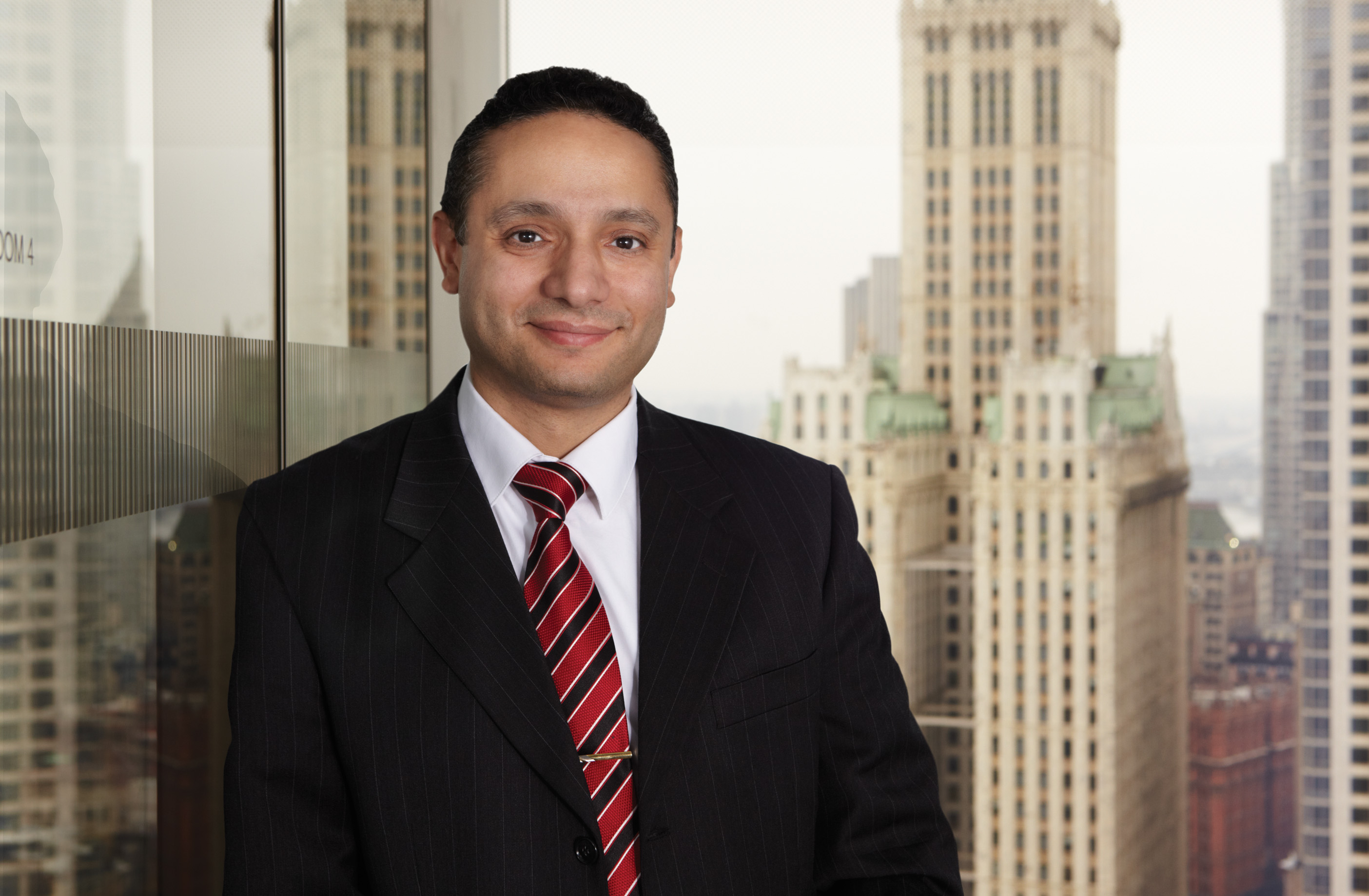
Executive Interview: FXDD's Amgad Attia Discusses FX In The Middle East
Executive Interview: FXDD's Amgad Attia Discusses FX In The Middle East
Friday,29/11/2013|07:21GMTby
Andrew Saks McLeod
The Middle East has become an area in which many FX firms have a definitive interest. Its low entry barriers and enthusiastic retail client base are attractive propositions. FXDD's Middle East Director elaborates.
The Middle East has gained a fair amount of attention from FX firms recently as its financial markets economy expands, leading to the rise of a series of new executing venues such as the Dubai Gold and Commodities Exchange which has experienced more than a degree of success with its Indian Rupee contract.
With far less entry barriers than western markets, the Middle East is an attractive region to focus on.
One such company to concur with this line of thinking is FXDD, which has operations in the region headed by Amgad Attia. In other regions of the world, FXDD has been quick to adapt its business model, having this week become registered as an NFA approved swap dealer in its North American home market, concentrating on the retail FX segment and intending to retain presence in the US despite a number of exits by other retail FX companies.
In this week's Forex Magnates Executive Interview, Mr. Attia explains FXDD's methodology surrounding operating in the Middle Eastern business environment.
Please detail your professional background, what led you to your senior position at FXDD, and the ethos behind the establishment of the company.
I graduated from Ain Shams University in Cairo, Egypt with a BA in Linguistics in 1997. I also did some studies at the Faculty of Economics and Political Science at Cairo University. I worked as a journalist/interpreter for a variety of international media organizations in Egypt, in addition to working for the UN press corps on multiple occasions.
I also was member of the Cairo Foreign Press Association for a number of years covering geopolitical and economic events. When I immigrated to the United States I continued my studies with the Chubb Institute in the State of New Jersey and received a computer programming diploma. I continued my media work until I joined FXDD in 2007 to establish the Arabic desk. I am currently licensed as a Commodity Trading Advisor by the CFTC and the NFA and hold Series 3 and 34 licenses.
Upon assuming your post as Director for Middle East at FXDD, what did you initially seek to achieve, and how did you set about achieving it?
My start with FXDD was unique. When I joined in late 2007, I was entrusted with setting up the Middle East desk, including sales, promotions, customer service, and institutional service. It took a lot of time to get my department in order. I started to build my team one employee at a time and now I have a group of very dedicated employees.
At FXDD we do things a bit different by devoting our energy to building one-on-one relationships with our clients. This enables us to stay with our client throughout their relationship with FXDD.
My goal has always been to provide my customers with a wholesome experience from the first moment they visit our site, and to build a solid relationship with them to ensure a high retention rate. I have found that this approach has proven to be a great success, as we have grown our Middle East base to close to 10,000 clients.
What are the main caveats to consider when taking a western firm into Middle Eastern markets, and how does the firm adapt its technological, product and sales models in order to best accommodate the local audience?
In my opinion, the Middle East has become a main target for some western-based FX brokers, but only a handful have made actual impact there. One of the main reasons for success in that region is having the diversified local staff who understand the region’s unique nature.
It is not just about being able to speak the language, but rather making the clients feel you are aware of what is going on around them, and identifying with them. Once you have established that relationship, the clients/introducing brokers will stick with you for a long time. It is my opinion that success will be based on Arabic staff relationships in the region more than anything else.
As for adaptation, one of the main things that a broker has to do is to offer true Islamic accounts for its clients. I am referring to true swap-free, maintenance-fee-free accounts. I believe this is a major selling point that many western-based companies fail to understand and act upon. Also building your promotions around major religious holidays bring you closer to your clients and makes them feel appreciated.
During the last five years we have run very successful promotions around the Muslim holy month of Ramadan, with thousands of clients happily participating with FXDD and looking forward to the next year’s promotion. Success in the ME region is contingent upon understanding your clients’ needs and being able to deliver on them.
Is there a potential for introducing brokers into the Middle Eastern markets to operate with less regulatory restrictions than in the U.S. or Europe, and, if so, can new client acquisitions be gained through inviting potential clients to seminars in prestigious locations such as Dubai, whereby they can trade as a group, and, if so, how does FXDD view the onboarding of such business?
The Middle East region remains in its infancy when it comes to forex regulations. With the exception of the UAE and a couple of central banks in other ME countries, the region remains like the Wild West when it comes to FX regulations.
I am referring to both brokers and introducing broker regulations. That situation opens the doors to many brokers and IBs who exploit limited regulation, which may or may not be good for the clients and FX in general.
When we came into the region there were only a couple of big IBs/blogs that were controlling the market, so FXDD decided to build a parallel network of IBs from scratch that grew exponentially, and now operates some of the most successful forex blogs in the Middle East, where they spread the proper forex knowledge to all Arabic FX traders.
As for attracting new prospective clients through holding local seminars, it was one of my main objectives when I joined FXDD. I wanted to have face-to-face contact with our clients and I personally represented FXDD in almost every single tradeshow that took place in Egypt, Saudi Arabia, Jordan, UAE, Qatar, Kuwait and Bahrain in the last six years.
I also made sure to present one or more lectures at each event focusing on introducing proper Forex regulation education to the local traders, as well as fundamental analysis of the FX market and various market correlations. These seminars were attended by hundreds of clients and prospective clients and has paid great dividends for us through the years.
With regard to the electronic trading of commodities, the DGCX is one of the region's emerging exchanges with ever-increasing trading volumes. Do you participate in trading at DGCX, and, if so, how does the execution of trades compare with North American executing venues with high-speed infrastructure?
2013 began as a year of record volumes from most FX firms, which tailed off during the third quarter. Has this pattern been reflected among Middle Eastern participants, and, if not, does FXDD consider emerging economies with a wealthy potential client base and low levels of bureaucracy as being a very interesting revenue stream?
Volatility is one of the key reasons for volume increase in the FX market. 2012 was an exceptionally low volatility year which had an impact on a lot of companies. When 2013 started we definitely saw an increase in volume that began to taper off for the last couple of months.
FXDD did not see its Middle Eastern clients affected by that declining pattern; if anything we have seen an increase in business from the region. Most of the increase came from Egypt and certain gulf countries. Egypt may be one of the biggest emerging markets in the region based on population, about 90 million.
With domestic political unrest coupled with vulnerable local stock market pushed investors to explore different venues, FX trading was the biggest winner in this.
As for the gulf countries, Saudi Arabia seems to be the biggest player with many Saudi investors interested in the FX market due to the high expected return and the rush that accompanies trading FX.
Since I joined FXDD back in 2007, we made the Middle East one of our top regions of focus. The region is teeming with opportunities. With a young technologically savvy population looking to make money utilizing latest technologies, wealthy countries in the regions are opening their doors to new investment venues.
Abu Dhabi-based ADS Securities has focused on its adoption of the Orex platform, which is an interesting choice. What has FXDD's experience been like in terms of platform offerings, and do Middle Eastern clients welcome platform diversity given that the MetaTrader 4 platform is widely used in the region?
FXDD is one of the pioneering companies in offering its own proprietary trading software. We believe that we couldn’t solely rely on third-party platforms. In 2003 we introduced FXDD Trader, which we have been offering for close to 10 years. Recently we have revamped the platform, gave it a new look and feel and renamed it Swordfish.
It is a very versatile platform that offers both ticket- and position-based trading as well as algorithmic trading capabilities to meet the ever-growing demands for automated trading from our clients. In addition to that, we offer a white label version of Currenex, Viking and JForex.
But with all this diversity in platform options, many Middle Eastern clients remain firmly attached to MT4 due to its simplicity and ease of use.
It remains to be seen how the recent changes made by MetaQuotes to block popular third-party trading services such as Zulu Trade and Mirror Trader will affect the popularity of the platform in the near future. The fact that we had our own platform pay dividends recently because we were able to switch our clients who wanted to continue to use Zulu Trade and Mirror Trader from MT4 to Swordfish with noticeable ease.
What does FXDD consider to be the most common type of account in use within the Middle East, and do clients in the region drive a hard bargain in terms of spread and execution speed, or are they more concerned with customer loyalty and quality of service?
Retail accounts are considered to be the most common type of accounts in the region. Even though we started to see a big rise in managed accounts in recent months due to the advantages that FXDD trading systems offer, i.e., MAM and PAMM system coupled with a very reliable MT4 (PAMM accounts are no longer available in the U.S.).
As for what the Middle Eastern clients look for in their broker, we have seen a mix of many elements; larger equity clients are more interested in the quality of service and the relationship they have with their broker. Throughout the last few years FXDD’s Arabic desk has maintained one of the highest client retention rates at FXDD due to the good name we established in the region through our regular trips, participation in the FX expo in the region, and superior customer service.
We also noticed that many clients take advantage of bonus promotions on deposits. Unfortunately those clients usually fall for fraudulent FX firms that offer very high and unrealistic bonus offers, but ultimately the clients get nothing and most probably lose initial deposits as well.
Tight spreads don’t have the same importance in the ME. Clients prefer to have fixed spreads that are wider rather than deal on tight spreads that widen up during news events. FXDD offers both choices to its ME clients.
We at the Arabic desk at FXDD work hard to educate our clients to do business with reputable and well regulated brokers and not be fooled by bogus bonus offers and the promise of fast and easy profit that most certainly will not be achieved through scam brokers.
Is it possible to estimate the potential revenues that retail FX firms could attain by operating in the Middle East, and how the number of potential clients, corporate competition, projected trading volume, operating costs, payment of commission to introducing brokers and retention process can be compared to western markets?
That is a tough question to provide an accurate answer for, due to the distinctively different nature of each country and its financial regulatory environment. In the last five years many western-based companies opted to open a representative office in Dubai due to the business-friendly environment, but after a few years the market became saturated and some brokers had to close its offices, such as Oanda and GFT.
While other companies run a successful operation there, such as Alpari, some local giants like ADS are emerging as major players in the UAE, but more traditional players such as FXDD, FX Solutions and FXCM are still accruing a great deal of the business from the rest of the region.
There is definitely huge potential for FX firms in this emerging region and we have been seeing a steady increase and demand from retail clients, introducing brokers and white label partnerships. In my opinion the Middle East is all about the relationship you build with your clients and IBs.
Once you have established trust, you can rest assured that your client will be with you for the longest time possible. The same can be said for relationships between IBs and their clients. It is all about quality of service and the “comfortability,” so to speak, that the clients have with their IB.
In my opinion, it is important to note that retention programs through cash-back rebates have not been as successful in the Middle East because clients are looking for IBs that can help them make more money trading and stand by them in case they run into problem with their broker rather than just giving them cash back.
What are FXDD’s plans for this particular market segment over the next year?
The Middle East represents an important market segment for FXDD that has proven a success in the last six years or so.
We plan to continue to push strong in the region by organizing educational seminars in key regional cities throughout the year. We also anticipate our participation in the major FX Expos that we deem suitable for us. We also plan to expand our Arabic YouTube channels to provide the proper FX educational platforms for our clients.
We believe that educating our clients is a major asset for us that will increase clients’ retention in this very competitive market. And finally we plan to continue to do what made us successful in the first place, provide a wholly outstanding customer service experience to our clients.
The Middle East has gained a fair amount of attention from FX firms recently as its financial markets economy expands, leading to the rise of a series of new executing venues such as the Dubai Gold and Commodities Exchange which has experienced more than a degree of success with its Indian Rupee contract.
With far less entry barriers than western markets, the Middle East is an attractive region to focus on.
One such company to concur with this line of thinking is FXDD, which has operations in the region headed by Amgad Attia. In other regions of the world, FXDD has been quick to adapt its business model, having this week become registered as an NFA approved swap dealer in its North American home market, concentrating on the retail FX segment and intending to retain presence in the US despite a number of exits by other retail FX companies.
In this week's Forex Magnates Executive Interview, Mr. Attia explains FXDD's methodology surrounding operating in the Middle Eastern business environment.
Please detail your professional background, what led you to your senior position at FXDD, and the ethos behind the establishment of the company.
I graduated from Ain Shams University in Cairo, Egypt with a BA in Linguistics in 1997. I also did some studies at the Faculty of Economics and Political Science at Cairo University. I worked as a journalist/interpreter for a variety of international media organizations in Egypt, in addition to working for the UN press corps on multiple occasions.
I also was member of the Cairo Foreign Press Association for a number of years covering geopolitical and economic events. When I immigrated to the United States I continued my studies with the Chubb Institute in the State of New Jersey and received a computer programming diploma. I continued my media work until I joined FXDD in 2007 to establish the Arabic desk. I am currently licensed as a Commodity Trading Advisor by the CFTC and the NFA and hold Series 3 and 34 licenses.
Upon assuming your post as Director for Middle East at FXDD, what did you initially seek to achieve, and how did you set about achieving it?
My start with FXDD was unique. When I joined in late 2007, I was entrusted with setting up the Middle East desk, including sales, promotions, customer service, and institutional service. It took a lot of time to get my department in order. I started to build my team one employee at a time and now I have a group of very dedicated employees.
At FXDD we do things a bit different by devoting our energy to building one-on-one relationships with our clients. This enables us to stay with our client throughout their relationship with FXDD.
My goal has always been to provide my customers with a wholesome experience from the first moment they visit our site, and to build a solid relationship with them to ensure a high retention rate. I have found that this approach has proven to be a great success, as we have grown our Middle East base to close to 10,000 clients.
What are the main caveats to consider when taking a western firm into Middle Eastern markets, and how does the firm adapt its technological, product and sales models in order to best accommodate the local audience?
In my opinion, the Middle East has become a main target for some western-based FX brokers, but only a handful have made actual impact there. One of the main reasons for success in that region is having the diversified local staff who understand the region’s unique nature.
It is not just about being able to speak the language, but rather making the clients feel you are aware of what is going on around them, and identifying with them. Once you have established that relationship, the clients/introducing brokers will stick with you for a long time. It is my opinion that success will be based on Arabic staff relationships in the region more than anything else.
As for adaptation, one of the main things that a broker has to do is to offer true Islamic accounts for its clients. I am referring to true swap-free, maintenance-fee-free accounts. I believe this is a major selling point that many western-based companies fail to understand and act upon. Also building your promotions around major religious holidays bring you closer to your clients and makes them feel appreciated.
During the last five years we have run very successful promotions around the Muslim holy month of Ramadan, with thousands of clients happily participating with FXDD and looking forward to the next year’s promotion. Success in the ME region is contingent upon understanding your clients’ needs and being able to deliver on them.
Is there a potential for introducing brokers into the Middle Eastern markets to operate with less regulatory restrictions than in the U.S. or Europe, and, if so, can new client acquisitions be gained through inviting potential clients to seminars in prestigious locations such as Dubai, whereby they can trade as a group, and, if so, how does FXDD view the onboarding of such business?
The Middle East region remains in its infancy when it comes to forex regulations. With the exception of the UAE and a couple of central banks in other ME countries, the region remains like the Wild West when it comes to FX regulations.
I am referring to both brokers and introducing broker regulations. That situation opens the doors to many brokers and IBs who exploit limited regulation, which may or may not be good for the clients and FX in general.
When we came into the region there were only a couple of big IBs/blogs that were controlling the market, so FXDD decided to build a parallel network of IBs from scratch that grew exponentially, and now operates some of the most successful forex blogs in the Middle East, where they spread the proper forex knowledge to all Arabic FX traders.
As for attracting new prospective clients through holding local seminars, it was one of my main objectives when I joined FXDD. I wanted to have face-to-face contact with our clients and I personally represented FXDD in almost every single tradeshow that took place in Egypt, Saudi Arabia, Jordan, UAE, Qatar, Kuwait and Bahrain in the last six years.
I also made sure to present one or more lectures at each event focusing on introducing proper Forex regulation education to the local traders, as well as fundamental analysis of the FX market and various market correlations. These seminars were attended by hundreds of clients and prospective clients and has paid great dividends for us through the years.
With regard to the electronic trading of commodities, the DGCX is one of the region's emerging exchanges with ever-increasing trading volumes. Do you participate in trading at DGCX, and, if so, how does the execution of trades compare with North American executing venues with high-speed infrastructure?
2013 began as a year of record volumes from most FX firms, which tailed off during the third quarter. Has this pattern been reflected among Middle Eastern participants, and, if not, does FXDD consider emerging economies with a wealthy potential client base and low levels of bureaucracy as being a very interesting revenue stream?
Volatility is one of the key reasons for volume increase in the FX market. 2012 was an exceptionally low volatility year which had an impact on a lot of companies. When 2013 started we definitely saw an increase in volume that began to taper off for the last couple of months.
FXDD did not see its Middle Eastern clients affected by that declining pattern; if anything we have seen an increase in business from the region. Most of the increase came from Egypt and certain gulf countries. Egypt may be one of the biggest emerging markets in the region based on population, about 90 million.
With domestic political unrest coupled with vulnerable local stock market pushed investors to explore different venues, FX trading was the biggest winner in this.
As for the gulf countries, Saudi Arabia seems to be the biggest player with many Saudi investors interested in the FX market due to the high expected return and the rush that accompanies trading FX.
Since I joined FXDD back in 2007, we made the Middle East one of our top regions of focus. The region is teeming with opportunities. With a young technologically savvy population looking to make money utilizing latest technologies, wealthy countries in the regions are opening their doors to new investment venues.
Abu Dhabi-based ADS Securities has focused on its adoption of the Orex platform, which is an interesting choice. What has FXDD's experience been like in terms of platform offerings, and do Middle Eastern clients welcome platform diversity given that the MetaTrader 4 platform is widely used in the region?
FXDD is one of the pioneering companies in offering its own proprietary trading software. We believe that we couldn’t solely rely on third-party platforms. In 2003 we introduced FXDD Trader, which we have been offering for close to 10 years. Recently we have revamped the platform, gave it a new look and feel and renamed it Swordfish.
It is a very versatile platform that offers both ticket- and position-based trading as well as algorithmic trading capabilities to meet the ever-growing demands for automated trading from our clients. In addition to that, we offer a white label version of Currenex, Viking and JForex.
But with all this diversity in platform options, many Middle Eastern clients remain firmly attached to MT4 due to its simplicity and ease of use.
It remains to be seen how the recent changes made by MetaQuotes to block popular third-party trading services such as Zulu Trade and Mirror Trader will affect the popularity of the platform in the near future. The fact that we had our own platform pay dividends recently because we were able to switch our clients who wanted to continue to use Zulu Trade and Mirror Trader from MT4 to Swordfish with noticeable ease.
What does FXDD consider to be the most common type of account in use within the Middle East, and do clients in the region drive a hard bargain in terms of spread and execution speed, or are they more concerned with customer loyalty and quality of service?
Retail accounts are considered to be the most common type of accounts in the region. Even though we started to see a big rise in managed accounts in recent months due to the advantages that FXDD trading systems offer, i.e., MAM and PAMM system coupled with a very reliable MT4 (PAMM accounts are no longer available in the U.S.).
As for what the Middle Eastern clients look for in their broker, we have seen a mix of many elements; larger equity clients are more interested in the quality of service and the relationship they have with their broker. Throughout the last few years FXDD’s Arabic desk has maintained one of the highest client retention rates at FXDD due to the good name we established in the region through our regular trips, participation in the FX expo in the region, and superior customer service.
We also noticed that many clients take advantage of bonus promotions on deposits. Unfortunately those clients usually fall for fraudulent FX firms that offer very high and unrealistic bonus offers, but ultimately the clients get nothing and most probably lose initial deposits as well.
Tight spreads don’t have the same importance in the ME. Clients prefer to have fixed spreads that are wider rather than deal on tight spreads that widen up during news events. FXDD offers both choices to its ME clients.
We at the Arabic desk at FXDD work hard to educate our clients to do business with reputable and well regulated brokers and not be fooled by bogus bonus offers and the promise of fast and easy profit that most certainly will not be achieved through scam brokers.
Is it possible to estimate the potential revenues that retail FX firms could attain by operating in the Middle East, and how the number of potential clients, corporate competition, projected trading volume, operating costs, payment of commission to introducing brokers and retention process can be compared to western markets?
That is a tough question to provide an accurate answer for, due to the distinctively different nature of each country and its financial regulatory environment. In the last five years many western-based companies opted to open a representative office in Dubai due to the business-friendly environment, but after a few years the market became saturated and some brokers had to close its offices, such as Oanda and GFT.
While other companies run a successful operation there, such as Alpari, some local giants like ADS are emerging as major players in the UAE, but more traditional players such as FXDD, FX Solutions and FXCM are still accruing a great deal of the business from the rest of the region.
There is definitely huge potential for FX firms in this emerging region and we have been seeing a steady increase and demand from retail clients, introducing brokers and white label partnerships. In my opinion the Middle East is all about the relationship you build with your clients and IBs.
Once you have established trust, you can rest assured that your client will be with you for the longest time possible. The same can be said for relationships between IBs and their clients. It is all about quality of service and the “comfortability,” so to speak, that the clients have with their IB.
In my opinion, it is important to note that retention programs through cash-back rebates have not been as successful in the Middle East because clients are looking for IBs that can help them make more money trading and stand by them in case they run into problem with their broker rather than just giving them cash back.
What are FXDD’s plans for this particular market segment over the next year?
The Middle East represents an important market segment for FXDD that has proven a success in the last six years or so.
We plan to continue to push strong in the region by organizing educational seminars in key regional cities throughout the year. We also anticipate our participation in the major FX Expos that we deem suitable for us. We also plan to expand our Arabic YouTube channels to provide the proper FX educational platforms for our clients.
We believe that educating our clients is a major asset for us that will increase clients’ retention in this very competitive market. And finally we plan to continue to do what made us successful in the first place, provide a wholly outstanding customer service experience to our clients.
Italy’s Consob Tightens Net on AI-Fueled Scams With Fresh Website Bans
Featured Videos
FP Markets Winner Spotlight 🏆 | Global Broker of the Year 2025 #Trading #Broker #Innovation #Shorts
FP Markets Winner Spotlight 🏆 | Global Broker of the Year 2025 #Trading #Broker #Innovation #Shorts
FP Markets Winner Spotlight 🏆 | Global Broker of the Year 2025 #Trading #Broker #Innovation #Shorts
FP Markets Winner Spotlight 🏆 | Global Broker of the Year 2025 #Trading #Broker #Innovation #Shorts
FP Markets takes the spotlight as Global Broker of the Year 2025 at the Finance Magnates Awards.
Martin Stoilov, Head of Client Experience, shares that trust, innovation, and people played a key role in the company’s success, supported by a strong foundation of integrity and client-centricity.
Following this milestone, FP Markets continues to focus on growth, technology investment, and its core values of transparency and excellence.
👉 Be part of FM Awards 2026: https://awards.financemagnates.com/#nominate
FP Markets takes the spotlight as Global Broker of the Year 2025 at the Finance Magnates Awards.
Martin Stoilov, Head of Client Experience, shares that trust, innovation, and people played a key role in the company’s success, supported by a strong foundation of integrity and client-centricity.
Following this milestone, FP Markets continues to focus on growth, technology investment, and its core values of transparency and excellence.
👉 Be part of FM Awards 2026: https://awards.financemagnates.com/#nominate
FP Markets takes the spotlight as Global Broker of the Year 2025 at the Finance Magnates Awards.
Martin Stoilov, Head of Client Experience, shares that trust, innovation, and people played a key role in the company’s success, supported by a strong foundation of integrity and client-centricity.
Following this milestone, FP Markets continues to focus on growth, technology investment, and its core values of transparency and excellence.
👉 Be part of FM Awards 2026: https://awards.financemagnates.com/#nominate
FP Markets takes the spotlight as Global Broker of the Year 2025 at the Finance Magnates Awards.
Martin Stoilov, Head of Client Experience, shares that trust, innovation, and people played a key role in the company’s success, supported by a strong foundation of integrity and client-centricity.
Following this milestone, FP Markets continues to focus on growth, technology investment, and its core values of transparency and excellence.
👉 Be part of FM Awards 2026: https://awards.financemagnates.com/#nominate
In this video, we review @HolaPrimeMarketsOfficial, a multi-asset forex and CFDs broker offering different account types, trading platforms, and flexible trading conditions.
We cover the broker’s overall offering, including account options, trading environment, platforms like MT4 and MT5, and additional services such as managed accounts and fast withdrawals.
Watch the full video to see if Hola Prime Markets fits your trading needs.
📣 Stay up to date with the latest in finance and trading. Follow Finance Magnates for industry news, insights, and global event coverage.
Connect with us:
🔗 LinkedIn: /financemagnates
👍 Facebook: /financemagnates
📸 Instagram: https://www.instagram.com/financemagnates
🐦 X: https://x.com/financemagnates
🎥 TikTok: https://www.tiktok.com/tag/financemagnates
▶️ YouTube: /@financemagnates_official
#HolaPrime #ForexBroker #CFDTrading #FinanceMagnates #Trading #Forex #BrokerReview
In this video, we review @HolaPrimeMarketsOfficial, a multi-asset forex and CFDs broker offering different account types, trading platforms, and flexible trading conditions.
We cover the broker’s overall offering, including account options, trading environment, platforms like MT4 and MT5, and additional services such as managed accounts and fast withdrawals.
Watch the full video to see if Hola Prime Markets fits your trading needs.
📣 Stay up to date with the latest in finance and trading. Follow Finance Magnates for industry news, insights, and global event coverage.
Connect with us:
🔗 LinkedIn: /financemagnates
👍 Facebook: /financemagnates
📸 Instagram: https://www.instagram.com/financemagnates
🐦 X: https://x.com/financemagnates
🎥 TikTok: https://www.tiktok.com/tag/financemagnates
▶️ YouTube: /@financemagnates_official
#HolaPrime #ForexBroker #CFDTrading #FinanceMagnates #Trading #Forex #BrokerReview
In this video, we review @HolaPrimeMarketsOfficial, a multi-asset forex and CFDs broker offering different account types, trading platforms, and flexible trading conditions.
We cover the broker’s overall offering, including account options, trading environment, platforms like MT4 and MT5, and additional services such as managed accounts and fast withdrawals.
Watch the full video to see if Hola Prime Markets fits your trading needs.
📣 Stay up to date with the latest in finance and trading. Follow Finance Magnates for industry news, insights, and global event coverage.
Connect with us:
🔗 LinkedIn: /financemagnates
👍 Facebook: /financemagnates
📸 Instagram: https://www.instagram.com/financemagnates
🐦 X: https://x.com/financemagnates
🎥 TikTok: https://www.tiktok.com/tag/financemagnates
▶️ YouTube: /@financemagnates_official
#HolaPrime #ForexBroker #CFDTrading #FinanceMagnates #Trading #Forex #BrokerReview
In this video, we review @HolaPrimeMarketsOfficial, a multi-asset forex and CFDs broker offering different account types, trading platforms, and flexible trading conditions.
We cover the broker’s overall offering, including account options, trading environment, platforms like MT4 and MT5, and additional services such as managed accounts and fast withdrawals.
Watch the full video to see if Hola Prime Markets fits your trading needs.
📣 Stay up to date with the latest in finance and trading. Follow Finance Magnates for industry news, insights, and global event coverage.
Connect with us:
🔗 LinkedIn: /financemagnates
👍 Facebook: /financemagnates
📸 Instagram: https://www.instagram.com/financemagnates
🐦 X: https://x.com/financemagnates
🎥 TikTok: https://www.tiktok.com/tag/financemagnates
▶️ YouTube: /@financemagnates_official
#HolaPrime #ForexBroker #CFDTrading #FinanceMagnates #Trading #Forex #BrokerReview
In this video, we review @HolaPrimeMarketsOfficial, a multi-asset forex and CFDs broker offering different account types, trading platforms, and flexible trading conditions.
We cover the broker’s overall offering, including account options, trading environment, platforms like MT4 and MT5, and additional services such as managed accounts and fast withdrawals.
Watch the full video to see if Hola Prime Markets fits your trading needs.
📣 Stay up to date with the latest in finance and trading. Follow Finance Magnates for industry news, insights, and global event coverage.
Connect with us:
🔗 LinkedIn: /financemagnates
👍 Facebook: /financemagnates
📸 Instagram: https://www.instagram.com/financemagnates
🐦 X: https://x.com/financemagnates
🎥 TikTok: https://www.tiktok.com/tag/financemagnates
▶️ YouTube: /@financemagnates_official
#HolaPrime #ForexBroker #CFDTrading #FinanceMagnates #Trading #Forex #BrokerReview
In this video, we review @HolaPrimeMarketsOfficial, a multi-asset forex and CFDs broker offering different account types, trading platforms, and flexible trading conditions.
We cover the broker’s overall offering, including account options, trading environment, platforms like MT4 and MT5, and additional services such as managed accounts and fast withdrawals.
Watch the full video to see if Hola Prime Markets fits your trading needs.
📣 Stay up to date with the latest in finance and trading. Follow Finance Magnates for industry news, insights, and global event coverage.
Connect with us:
🔗 LinkedIn: /financemagnates
👍 Facebook: /financemagnates
📸 Instagram: https://www.instagram.com/financemagnates
🐦 X: https://x.com/financemagnates
🎥 TikTok: https://www.tiktok.com/tag/financemagnates
▶️ YouTube: /@financemagnates_official
#HolaPrime #ForexBroker #CFDTrading #FinanceMagnates #Trading #Forex #BrokerReview
Hola Prime Review: What You Need to Know | Full Breakdown by Finance Magnates
Hola Prime Review: What You Need to Know | Full Breakdown by Finance Magnates
Hola Prime Review: What You Need to Know | Full Breakdown by Finance Magnates
Hola Prime Review: What You Need to Know | Full Breakdown by Finance Magnates
Hola Prime Review: What You Need to Know | Full Breakdown by Finance Magnates
Hola Prime Review: What You Need to Know | Full Breakdown by Finance Magnates
In this video, we review @HolaPrime_Global, a proprietary trading firm offering evaluation programs and performance-based payouts in simulated market environments.
We cover how the challenge model works, including account types, profit splits (up to 95%), trading rules, and what it takes to reach a funded account. You’ll also learn about available platforms like MT4, MT5, cTrader, and more, along with insights into payouts, support, and trading conditions.
Watch the full video to see if Hola Prime fits your trading style.
📣 Stay up to date with the latest in finance and trading. Follow Finance Magnates for industry news, insights, and global event coverage.
Connect with us:
🔗 LinkedIn: /financemagnates
👍 Facebook: /financemagnates
📸 Instagram: https://www.instagram.com/financemagnates
🐦 X: https://x.com/financemagnates
🎥 TikTok: https://www.tiktok.com/tag/financemagnates
▶️ YouTube: /@financemagnates_official
#HolaPrime #PropFirm #Trading #FinanceMagnates #Forex #FuturesTrading #TradingReview #PropFirmReview
In this video, we review @HolaPrime_Global, a proprietary trading firm offering evaluation programs and performance-based payouts in simulated market environments.
We cover how the challenge model works, including account types, profit splits (up to 95%), trading rules, and what it takes to reach a funded account. You’ll also learn about available platforms like MT4, MT5, cTrader, and more, along with insights into payouts, support, and trading conditions.
Watch the full video to see if Hola Prime fits your trading style.
📣 Stay up to date with the latest in finance and trading. Follow Finance Magnates for industry news, insights, and global event coverage.
Connect with us:
🔗 LinkedIn: /financemagnates
👍 Facebook: /financemagnates
📸 Instagram: https://www.instagram.com/financemagnates
🐦 X: https://x.com/financemagnates
🎥 TikTok: https://www.tiktok.com/tag/financemagnates
▶️ YouTube: /@financemagnates_official
#HolaPrime #PropFirm #Trading #FinanceMagnates #Forex #FuturesTrading #TradingReview #PropFirmReview
In this video, we review @HolaPrime_Global, a proprietary trading firm offering evaluation programs and performance-based payouts in simulated market environments.
We cover how the challenge model works, including account types, profit splits (up to 95%), trading rules, and what it takes to reach a funded account. You’ll also learn about available platforms like MT4, MT5, cTrader, and more, along with insights into payouts, support, and trading conditions.
Watch the full video to see if Hola Prime fits your trading style.
📣 Stay up to date with the latest in finance and trading. Follow Finance Magnates for industry news, insights, and global event coverage.
Connect with us:
🔗 LinkedIn: /financemagnates
👍 Facebook: /financemagnates
📸 Instagram: https://www.instagram.com/financemagnates
🐦 X: https://x.com/financemagnates
🎥 TikTok: https://www.tiktok.com/tag/financemagnates
▶️ YouTube: /@financemagnates_official
#HolaPrime #PropFirm #Trading #FinanceMagnates #Forex #FuturesTrading #TradingReview #PropFirmReview
In this video, we review @HolaPrime_Global, a proprietary trading firm offering evaluation programs and performance-based payouts in simulated market environments.
We cover how the challenge model works, including account types, profit splits (up to 95%), trading rules, and what it takes to reach a funded account. You’ll also learn about available platforms like MT4, MT5, cTrader, and more, along with insights into payouts, support, and trading conditions.
Watch the full video to see if Hola Prime fits your trading style.
📣 Stay up to date with the latest in finance and trading. Follow Finance Magnates for industry news, insights, and global event coverage.
Connect with us:
🔗 LinkedIn: /financemagnates
👍 Facebook: /financemagnates
📸 Instagram: https://www.instagram.com/financemagnates
🐦 X: https://x.com/financemagnates
🎥 TikTok: https://www.tiktok.com/tag/financemagnates
▶️ YouTube: /@financemagnates_official
#HolaPrime #PropFirm #Trading #FinanceMagnates #Forex #FuturesTrading #TradingReview #PropFirmReview
In this video, we review @HolaPrime_Global, a proprietary trading firm offering evaluation programs and performance-based payouts in simulated market environments.
We cover how the challenge model works, including account types, profit splits (up to 95%), trading rules, and what it takes to reach a funded account. You’ll also learn about available platforms like MT4, MT5, cTrader, and more, along with insights into payouts, support, and trading conditions.
Watch the full video to see if Hola Prime fits your trading style.
📣 Stay up to date with the latest in finance and trading. Follow Finance Magnates for industry news, insights, and global event coverage.
Connect with us:
🔗 LinkedIn: /financemagnates
👍 Facebook: /financemagnates
📸 Instagram: https://www.instagram.com/financemagnates
🐦 X: https://x.com/financemagnates
🎥 TikTok: https://www.tiktok.com/tag/financemagnates
▶️ YouTube: /@financemagnates_official
#HolaPrime #PropFirm #Trading #FinanceMagnates #Forex #FuturesTrading #TradingReview #PropFirmReview
In this video, we review @HolaPrime_Global, a proprietary trading firm offering evaluation programs and performance-based payouts in simulated market environments.
We cover how the challenge model works, including account types, profit splits (up to 95%), trading rules, and what it takes to reach a funded account. You’ll also learn about available platforms like MT4, MT5, cTrader, and more, along with insights into payouts, support, and trading conditions.
Watch the full video to see if Hola Prime fits your trading style.
📣 Stay up to date with the latest in finance and trading. Follow Finance Magnates for industry news, insights, and global event coverage.
Connect with us:
🔗 LinkedIn: /financemagnates
👍 Facebook: /financemagnates
📸 Instagram: https://www.instagram.com/financemagnates
🐦 X: https://x.com/financemagnates
🎥 TikTok: https://www.tiktok.com/tag/financemagnates
▶️ YouTube: /@financemagnates_official
#HolaPrime #PropFirm #Trading #FinanceMagnates #Forex #FuturesTrading #TradingReview #PropFirmReview
Axi Winner Spotlight 🏆 | Global Most Innovative Broker 2025 #Innovation #Trading #Fintech #Broker
Axi Winner Spotlight 🏆 | Global Most Innovative Broker 2025 #Innovation #Trading #Fintech #Broker
Axi Winner Spotlight 🏆 | Global Most Innovative Broker 2025 #Innovation #Trading #Fintech #Broker
Axi Winner Spotlight 🏆 | Global Most Innovative Broker 2025 #Innovation #Trading #Fintech #Broker
Axi Winner Spotlight 🏆 | Global Most Innovative Broker 2025 #Innovation #Trading #Fintech #Broker
Axi Winner Spotlight 🏆 | Global Most Innovative Broker 2025 #Innovation #Trading #Fintech #Broker
Axi takes the spotlight at the Finance Magnates Awards, winning Global Most Innovative Broker 2025.
Olivia Xenofontos and Ivanna Openko share how the team will feel: proud, motivated, and ready to keep delivering.
They also describe the night as well-organized, focused, and enjoyable for all.
👉 Be part of FM Awards 2026.
Axi takes the spotlight at the Finance Magnates Awards, winning Global Most Innovative Broker 2025.
Olivia Xenofontos and Ivanna Openko share how the team will feel: proud, motivated, and ready to keep delivering.
They also describe the night as well-organized, focused, and enjoyable for all.
👉 Be part of FM Awards 2026.
Axi takes the spotlight at the Finance Magnates Awards, winning Global Most Innovative Broker 2025.
Olivia Xenofontos and Ivanna Openko share how the team will feel: proud, motivated, and ready to keep delivering.
They also describe the night as well-organized, focused, and enjoyable for all.
👉 Be part of FM Awards 2026.
Axi takes the spotlight at the Finance Magnates Awards, winning Global Most Innovative Broker 2025.
Olivia Xenofontos and Ivanna Openko share how the team will feel: proud, motivated, and ready to keep delivering.
They also describe the night as well-organized, focused, and enjoyable for all.
👉 Be part of FM Awards 2026.
Axi takes the spotlight at the Finance Magnates Awards, winning Global Most Innovative Broker 2025.
Olivia Xenofontos and Ivanna Openko share how the team will feel: proud, motivated, and ready to keep delivering.
They also describe the night as well-organized, focused, and enjoyable for all.
👉 Be part of FM Awards 2026.
Axi takes the spotlight at the Finance Magnates Awards, winning Global Most Innovative Broker 2025.
Olivia Xenofontos and Ivanna Openko share how the team will feel: proud, motivated, and ready to keep delivering.
They also describe the night as well-organized, focused, and enjoyable for all.
👉 Be part of FM Awards 2026.
Recognition that matters.
Built on transparency.
Driven by the industry.
The Finance Magnates Awards 2026.
Nominations are now open.
🔗 https://awards.financemagnates.com/?utm_source=SM&utm_medium=social&utm_campaign=recognition-matters
Recognition that matters.
Built on transparency.
Driven by the industry.
The Finance Magnates Awards 2026.
Nominations are now open.
🔗 https://awards.financemagnates.com/?utm_source=SM&utm_medium=social&utm_campaign=recognition-matters
Recognition that matters.
Built on transparency.
Driven by the industry.
The Finance Magnates Awards 2026.
Nominations are now open.
🔗 https://awards.financemagnates.com/?utm_source=SM&utm_medium=social&utm_campaign=recognition-matters
Recognition that matters.
Built on transparency.
Driven by the industry.
The Finance Magnates Awards 2026.
Nominations are now open.
🔗 https://awards.financemagnates.com/?utm_source=SM&utm_medium=social&utm_campaign=recognition-matters
Recognition that matters.
Built on transparency.
Driven by the industry.
The Finance Magnates Awards 2026.
Nominations are now open.
🔗 https://awards.financemagnates.com/?utm_source=SM&utm_medium=social&utm_campaign=recognition-matters
Recognition that matters.
Built on transparency.
Driven by the industry.
The Finance Magnates Awards 2026.
Nominations are now open.
🔗 https://awards.financemagnates.com/?utm_source=SM&utm_medium=social&utm_campaign=recognition-matters