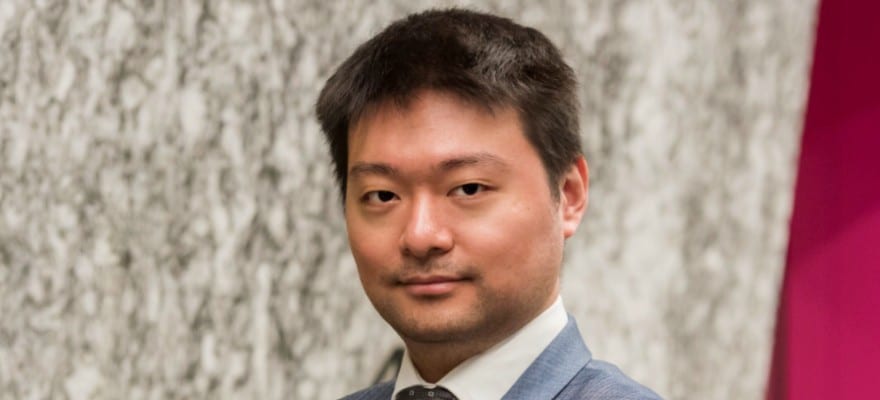
In the wake of his firm's recent acquisition, we spoke to Vatsa Narasimha about what the future holds for OANDA
Finance Magnates
In May of this year, OANDA, a US multi-asset broker, was acquired by CVC Capital Partners Asia Fund (CVC). The deal saw OANDA, one of the industry’s largest brokers come under new ownership with CVC taking a 98.5 percent stake in the firm.
Last month, a source close to the deal provided Finance Magnates with some of the details of the acquisition. CVC paid $160 million for their stake in the firm with the company valued at a total of $175 million. The private equity company also beat a number of competitors to take control of OANDA through a limited auction.
Despite the change in ownership, OANDA isn’t expecting any drastic changes. One man who is set to remain in his position is company CEO Vatsa Narasimha.
Since joining the firm as Chief Strategy Officer in 2013, Narasimha has been quick to move up the ranks at OANDA. Just over three years after joining he was promoted to lead the firm as CEO.
In the wake of OANDA’s acquisition by CVC, Finance Magnates spoke to Narasimha about what the firm’s new owners have in store, what role he played in the acquisition and what plans the broker has for the future.
A press release announcing the acquisition of OANDA described you as playing a “pivotal” role in the investment by CVC. Can you elaborate on what that role was?
OANDA was founded in 1996 and over the course of our 22-year history, the company has matured from a start-up to a leading global multi-asset brokerage. Over that time, we’ve been backed by several long-standing investors and venture capitalists. However, given the size and scale of our business today, it made sense for us to be owned by a private-equity firm that can help us implement a strategic growth plan. As such, I was asked to lead the process by the board of the OANDA Corporation for and on behalf of our current shareholders.
What led OANDA to go with CVC as opposed to other potential investors?
CVC Capital made perfect sense to our executive committee not only because they already have a deep-seated knowledge of the industry, but they also bought into our strategy for growth. As such, we felt they are were a great fit for OANDA.
What changes do the new owners plan on bringing to the table, if any?
There will be no immediate change to the organizational structure of OANDA, and we will continue to implement the same strategy as planned. The key difference lies in the fact that the acquisition will open up a wide range of opportunities in terms of enabling us to execute our vision for both organic and inorganic growth in the coming years. This is a very exciting stage in our history.
What thoughts do you have on the valuation process, how it was undertaken and how well it reflects OANDA’s performance over the past few years?
Given this is a private transaction, the terms of the deal are confidential, however, what I can tell you is the management team and employees are very excited about CVC Capital coming onboard as new owners of OANDA. They bring with them a wealth of experience in our industry sector and a proven track record in developing online businesses within their portfolio.

Vatsa Narasimha, CEO, OANDA
OANDA had already developed a new 5-year business strategy prior to CVC taking over, can you give any insights into what that strategy will entail?
Over the years, OANDA’s core strategy has largely focused on organic growth, and we’ve invested heavily in our institutional-grade scalable technology, charting tools, educational materials, and up-to-the-minute market commentary in order to achieve results. This has helped us differentiate ourselves from the competition and attract and retain clients, so we’ll continue to prioritize this, expanding our range of asset classes and introducing new pricing models in order to help our clients be more successful.
However, CVC’s recent acquisition of OANDA also opens up a host of new strategic opportunities, which will help us grow top-line revenue quickly. CVC currently manages $70 billion in assets, which will enable us to turn our attention to driving inorganic growth around the world. As such, we are open to acquiring other companies in order to help us build our business.
You launched OANDA Pro earlier this year, was the launch of that service driven by institutional client demands, a gap you saw in the market or a combination of both?
To elaborate, OANDA has never offered binary options, has always been conservative when it comes to margin requirements, introducing responsible leverage that lies at the lower end of the market, and we already offer a 50% margin close out. As such, we believe the changes discussed by ESMA are a positive move that will help ensure the long-term sustainability of the retail trading industry.
In May of this year, OANDA, a US multi-asset broker, was acquired by CVC Capital Partners Asia Fund (CVC). The deal saw OANDA, one of the industry’s largest brokers come under new ownership with CVC taking a 98.5 percent stake in the firm.
Last month, a source close to the deal provided Finance Magnates with some of the details of the acquisition. CVC paid $160 million for their stake in the firm with the company valued at a total of $175 million. The private equity company also beat a number of competitors to take control of OANDA through a limited auction.
Despite the change in ownership, OANDA isn’t expecting any drastic changes. One man who is set to remain in his position is company CEO Vatsa Narasimha.
Since joining the firm as Chief Strategy Officer in 2013, Narasimha has been quick to move up the ranks at OANDA. Just over three years after joining he was promoted to lead the firm as CEO.
In the wake of OANDA’s acquisition by CVC, Finance Magnates spoke to Narasimha about what the firm’s new owners have in store, what role he played in the acquisition and what plans the broker has for the future.
A press release announcing the acquisition of OANDA described you as playing a “pivotal” role in the investment by CVC. Can you elaborate on what that role was?
OANDA was founded in 1996 and over the course of our 22-year history, the company has matured from a start-up to a leading global multi-asset brokerage. Over that time, we’ve been backed by several long-standing investors and venture capitalists. However, given the size and scale of our business today, it made sense for us to be owned by a private-equity firm that can help us implement a strategic growth plan. As such, I was asked to lead the process by the board of the OANDA Corporation for and on behalf of our current shareholders.
What led OANDA to go with CVC as opposed to other potential investors?
CVC Capital made perfect sense to our executive committee not only because they already have a deep-seated knowledge of the industry, but they also bought into our strategy for growth. As such, we felt they are were a great fit for OANDA.
What changes do the new owners plan on bringing to the table, if any?
There will be no immediate change to the organizational structure of OANDA, and we will continue to implement the same strategy as planned. The key difference lies in the fact that the acquisition will open up a wide range of opportunities in terms of enabling us to execute our vision for both organic and inorganic growth in the coming years. This is a very exciting stage in our history.
What thoughts do you have on the valuation process, how it was undertaken and how well it reflects OANDA’s performance over the past few years?
Given this is a private transaction, the terms of the deal are confidential, however, what I can tell you is the management team and employees are very excited about CVC Capital coming onboard as new owners of OANDA. They bring with them a wealth of experience in our industry sector and a proven track record in developing online businesses within their portfolio.
Vatsa Narasimha, CEO, OANDA
OANDA had already developed a new 5-year business strategy prior to CVC taking over, can you give any insights into what that strategy will entail?
Over the years, OANDA’s core strategy has largely focused on organic growth, and we’ve invested heavily in our institutional-grade scalable technology, charting tools, educational materials, and up-to-the-minute market commentary in order to achieve results. This has helped us differentiate ourselves from the competition and attract and retain clients, so we’ll continue to prioritize this, expanding our range of asset classes and introducing new pricing models in order to help our clients be more successful.
However, CVC’s recent acquisition of OANDA also opens up a host of new strategic opportunities, which will help us grow top-line revenue quickly. CVC currently manages $70 billion in assets, which will enable us to turn our attention to driving inorganic growth around the world. As such, we are open to acquiring other companies in order to help us build our business.
You launched OANDA Pro earlier this year, was the launch of that service driven by institutional client demands, a gap you saw in the market or a combination of both?
To elaborate, OANDA has never offered binary options, has always been conservative when it comes to margin requirements, introducing responsible leverage that lies at the lower end of the market, and we already offer a 50% margin close out. As such, we believe the changes discussed by ESMA are a positive move that will help ensure the long-term sustainability of the retail trading industry.
FXBO Adds IDWise KYC And AML Tools To Broker CRM Stack
Featured Videos
Precious Insights: APAC's Bullion Market amid Record Volatility
The precious metals rally has challenged how brokers and LPs think about hedging, pricing, and physical delivery. But with regional banks eyeing physical gold retail and bullion brokers across Southeast Asia harnessing new tech, volatility is not only in 'safe havens'.
This session gathers practitioners from across the bullion ecosystem to unpack what the rally means on the ground in APAC.
Attendees will walk away with:
Insight into the physical market dynamics driving retail demand across Southeast Asia, from central bank buying to store-of-value purchases
Understanding of Singapore's distinct role as APAC's bullion gateway, and competition near and far
Perspective on operational challenges unique to APAC: kilogram pricing, local delivery, and bridging CFD and physical bullion infrastructure
The precious metals rally has challenged how brokers and LPs think about hedging, pricing, and physical delivery. But with regional banks eyeing physical gold retail and bullion brokers across Southeast Asia harnessing new tech, volatility is not only in 'safe havens'.
This session gathers practitioners from across the bullion ecosystem to unpack what the rally means on the ground in APAC.
Attendees will walk away with:
Insight into the physical market dynamics driving retail demand across Southeast Asia, from central bank buying to store-of-value purchases
Understanding of Singapore's distinct role as APAC's bullion gateway, and competition near and far
Perspective on operational challenges unique to APAC: kilogram pricing, local delivery, and bridging CFD and physical bullion infrastructure
The precious metals rally has challenged how brokers and LPs think about hedging, pricing, and physical delivery. But with regional banks eyeing physical gold retail and bullion brokers across Southeast Asia harnessing new tech, volatility is not only in 'safe havens'.
This session gathers practitioners from across the bullion ecosystem to unpack what the rally means on the ground in APAC.
Attendees will walk away with:
Insight into the physical market dynamics driving retail demand across Southeast Asia, from central bank buying to store-of-value purchases
Understanding of Singapore's distinct role as APAC's bullion gateway, and competition near and far
Perspective on operational challenges unique to APAC: kilogram pricing, local delivery, and bridging CFD and physical bullion infrastructure
The precious metals rally has challenged how brokers and LPs think about hedging, pricing, and physical delivery. But with regional banks eyeing physical gold retail and bullion brokers across Southeast Asia harnessing new tech, volatility is not only in 'safe havens'.
This session gathers practitioners from across the bullion ecosystem to unpack what the rally means on the ground in APAC.
Attendees will walk away with:
Insight into the physical market dynamics driving retail demand across Southeast Asia, from central bank buying to store-of-value purchases
Understanding of Singapore's distinct role as APAC's bullion gateway, and competition near and far
Perspective on operational challenges unique to APAC: kilogram pricing, local delivery, and bridging CFD and physical bullion infrastructure
License to Fill: Market Liquidity amid Global Turmoil
Asian markets bear unique characteristics, from connectivity to asset preference. The Singapore Summit will connect global executives and local experts across the liquidity chain to discuss volatility fluctuations, diversification vs over-reliance on single assets, and the role of trust and liquidity relationships in an increasingly automated sphere.
Regional Focus: Thailand, Vietnam
Bangkok is consolidating as Southeast Asia's broker hub for CLMV access, while Vietnam's trading volumes have made it harder to ignore from any regional headquarters. Most brokers know both exist. Fewer have tested what operating there actually requires.
This session gathers practitioners with on-the-ground experience in both markets to examine what it takes to build and run operations in Thailand and Vietnam.
Attendees will walk away with:
A clear view of setup requirements in both markets: entity structures, timelines, and what first-time operators tend to get wrong
Understanding of the offshore broker model and how compliant operators work within domestic restrictions in each jurisdiction
Insight into talent acquisition, client onboarding, and distribution in markets where language, culture, and acquisition channels don't follow standard APAC assumptions
Perspective on adjacent Southeast Asian markets worth monitoring for the next regional move
Bangkok is consolidating as Southeast Asia's broker hub for CLMV access, while Vietnam's trading volumes have made it harder to ignore from any regional headquarters. Most brokers know both exist. Fewer have tested what operating there actually requires.
This session gathers practitioners with on-the-ground experience in both markets to examine what it takes to build and run operations in Thailand and Vietnam.
Attendees will walk away with:
A clear view of setup requirements in both markets: entity structures, timelines, and what first-time operators tend to get wrong
Understanding of the offshore broker model and how compliant operators work within domestic restrictions in each jurisdiction
Insight into talent acquisition, client onboarding, and distribution in markets where language, culture, and acquisition channels don't follow standard APAC assumptions
Perspective on adjacent Southeast Asian markets worth monitoring for the next regional move
Bangkok is consolidating as Southeast Asia's broker hub for CLMV access, while Vietnam's trading volumes have made it harder to ignore from any regional headquarters. Most brokers know both exist. Fewer have tested what operating there actually requires.
This session gathers practitioners with on-the-ground experience in both markets to examine what it takes to build and run operations in Thailand and Vietnam.
Attendees will walk away with:
A clear view of setup requirements in both markets: entity structures, timelines, and what first-time operators tend to get wrong
Understanding of the offshore broker model and how compliant operators work within domestic restrictions in each jurisdiction
Insight into talent acquisition, client onboarding, and distribution in markets where language, culture, and acquisition channels don't follow standard APAC assumptions
Perspective on adjacent Southeast Asian markets worth monitoring for the next regional move
Bangkok is consolidating as Southeast Asia's broker hub for CLMV access, while Vietnam's trading volumes have made it harder to ignore from any regional headquarters. Most brokers know both exist. Fewer have tested what operating there actually requires.
This session gathers practitioners with on-the-ground experience in both markets to examine what it takes to build and run operations in Thailand and Vietnam.
Attendees will walk away with:
A clear view of setup requirements in both markets: entity structures, timelines, and what first-time operators tend to get wrong
Understanding of the offshore broker model and how compliant operators work within domestic restrictions in each jurisdiction
Insight into talent acquisition, client onboarding, and distribution in markets where language, culture, and acquisition channels don't follow standard APAC assumptions
Perspective on adjacent Southeast Asian markets worth monitoring for the next regional move
Bangkok is consolidating as Southeast Asia's broker hub for CLMV access, while Vietnam's trading volumes have made it harder to ignore from any regional headquarters. Most brokers know both exist. Fewer have tested what operating there actually requires.
This session gathers practitioners with on-the-ground experience in both markets to examine what it takes to build and run operations in Thailand and Vietnam.
Attendees will walk away with:
A clear view of setup requirements in both markets: entity structures, timelines, and what first-time operators tend to get wrong
Understanding of the offshore broker model and how compliant operators work within domestic restrictions in each jurisdiction
Insight into talent acquisition, client onboarding, and distribution in markets where language, culture, and acquisition channels don't follow standard APAC assumptions
Perspective on adjacent Southeast Asian markets worth monitoring for the next regional move
Bangkok is consolidating as Southeast Asia's broker hub for CLMV access, while Vietnam's trading volumes have made it harder to ignore from any regional headquarters. Most brokers know both exist. Fewer have tested what operating there actually requires.
This session gathers practitioners with on-the-ground experience in both markets to examine what it takes to build and run operations in Thailand and Vietnam.
Attendees will walk away with:
A clear view of setup requirements in both markets: entity structures, timelines, and what first-time operators tend to get wrong
Understanding of the offshore broker model and how compliant operators work within domestic restrictions in each jurisdiction
Insight into talent acquisition, client onboarding, and distribution in markets where language, culture, and acquisition channels don't follow standard APAC assumptions
Perspective on adjacent Southeast Asian markets worth monitoring for the next regional move
Join The Club: What Premium Clients Want
High-net-worth traders account for an outsized portion of revenues for various retail brokers.
This session will gather heads of premium, acquisition, and product experts to reveal how they build their client base in Asia.
Attendees will walk away with:
Understanding of how brokers view premium clients (beyond deposit size).
Insight into which services, products, and benefits increase trust and LTV.
Examples of offerings that scale without inflating cost or operational burden.
Lessons from leading brokers on growing premium segments and what’s next.
High-net-worth traders account for an outsized portion of revenues for various retail brokers.
This session will gather heads of premium, acquisition, and product experts to reveal how they build their client base in Asia.
Attendees will walk away with:
Understanding of how brokers view premium clients (beyond deposit size).
Insight into which services, products, and benefits increase trust and LTV.
Examples of offerings that scale without inflating cost or operational burden.
Lessons from leading brokers on growing premium segments and what’s next.
High-net-worth traders account for an outsized portion of revenues for various retail brokers.
This session will gather heads of premium, acquisition, and product experts to reveal how they build their client base in Asia.
Attendees will walk away with:
Understanding of how brokers view premium clients (beyond deposit size).
Insight into which services, products, and benefits increase trust and LTV.
Examples of offerings that scale without inflating cost or operational burden.
Lessons from leading brokers on growing premium segments and what’s next.
High-net-worth traders account for an outsized portion of revenues for various retail brokers.
This session will gather heads of premium, acquisition, and product experts to reveal how they build their client base in Asia.
Attendees will walk away with:
Understanding of how brokers view premium clients (beyond deposit size).
Insight into which services, products, and benefits increase trust and LTV.
Examples of offerings that scale without inflating cost or operational burden.
Lessons from leading brokers on growing premium segments and what’s next.
High-net-worth traders account for an outsized portion of revenues for various retail brokers.
This session will gather heads of premium, acquisition, and product experts to reveal how they build their client base in Asia.
Attendees will walk away with:
Understanding of how brokers view premium clients (beyond deposit size).
Insight into which services, products, and benefits increase trust and LTV.
Examples of offerings that scale without inflating cost or operational burden.
Lessons from leading brokers on growing premium segments and what’s next.
High-net-worth traders account for an outsized portion of revenues for various retail brokers.
This session will gather heads of premium, acquisition, and product experts to reveal how they build their client base in Asia.
Attendees will walk away with:
Understanding of how brokers view premium clients (beyond deposit size).
Insight into which services, products, and benefits increase trust and LTV.
Examples of offerings that scale without inflating cost or operational burden.
Lessons from leading brokers on growing premium segments and what’s next.
Buying The Deep: Digital Asset Adoption in APAC and Beyond
The persisting price drops test the industry's commitment to crypto adoption. While on-chain innovation is making headway across market mechanics, from stablecoins to tokenization, investors remains cautious.
This session brings together market structure experts and institutional investors to explore how a prolonged bear market affects their long-term strategy, and where the opportunities lie ahead of the next cycle.
Attendees will walk away with:
First-hand account of the bear market's impact on various industry players
Understanding of what custody, connectivity, and settlement gaps still hamper growth in APAC
Insight into how client mandates and operational readiness are shaping who moves and who waits
Perspective on what institutional investors need to move toward actual digital asset capital deployment
The persisting price drops test the industry's commitment to crypto adoption. While on-chain innovation is making headway across market mechanics, from stablecoins to tokenization, investors remains cautious.
This session brings together market structure experts and institutional investors to explore how a prolonged bear market affects their long-term strategy, and where the opportunities lie ahead of the next cycle.
Attendees will walk away with:
First-hand account of the bear market's impact on various industry players
Understanding of what custody, connectivity, and settlement gaps still hamper growth in APAC
Insight into how client mandates and operational readiness are shaping who moves and who waits
Perspective on what institutional investors need to move toward actual digital asset capital deployment
The persisting price drops test the industry's commitment to crypto adoption. While on-chain innovation is making headway across market mechanics, from stablecoins to tokenization, investors remains cautious.
This session brings together market structure experts and institutional investors to explore how a prolonged bear market affects their long-term strategy, and where the opportunities lie ahead of the next cycle.
Attendees will walk away with:
First-hand account of the bear market's impact on various industry players
Understanding of what custody, connectivity, and settlement gaps still hamper growth in APAC
Insight into how client mandates and operational readiness are shaping who moves and who waits
Perspective on what institutional investors need to move toward actual digital asset capital deployment
The persisting price drops test the industry's commitment to crypto adoption. While on-chain innovation is making headway across market mechanics, from stablecoins to tokenization, investors remains cautious.
This session brings together market structure experts and institutional investors to explore how a prolonged bear market affects their long-term strategy, and where the opportunities lie ahead of the next cycle.
Attendees will walk away with:
First-hand account of the bear market's impact on various industry players
Understanding of what custody, connectivity, and settlement gaps still hamper growth in APAC
Insight into how client mandates and operational readiness are shaping who moves and who waits
Perspective on what institutional investors need to move toward actual digital asset capital deployment
The persisting price drops test the industry's commitment to crypto adoption. While on-chain innovation is making headway across market mechanics, from stablecoins to tokenization, investors remains cautious.
This session brings together market structure experts and institutional investors to explore how a prolonged bear market affects their long-term strategy, and where the opportunities lie ahead of the next cycle.
Attendees will walk away with:
First-hand account of the bear market's impact on various industry players
Understanding of what custody, connectivity, and settlement gaps still hamper growth in APAC
Insight into how client mandates and operational readiness are shaping who moves and who waits
Perspective on what institutional investors need to move toward actual digital asset capital deployment
The persisting price drops test the industry's commitment to crypto adoption. While on-chain innovation is making headway across market mechanics, from stablecoins to tokenization, investors remains cautious.
This session brings together market structure experts and institutional investors to explore how a prolonged bear market affects their long-term strategy, and where the opportunities lie ahead of the next cycle.
Attendees will walk away with:
First-hand account of the bear market's impact on various industry players
Understanding of what custody, connectivity, and settlement gaps still hamper growth in APAC
Insight into how client mandates and operational readiness are shaping who moves and who waits
Perspective on what institutional investors need to move toward actual digital asset capital deployment