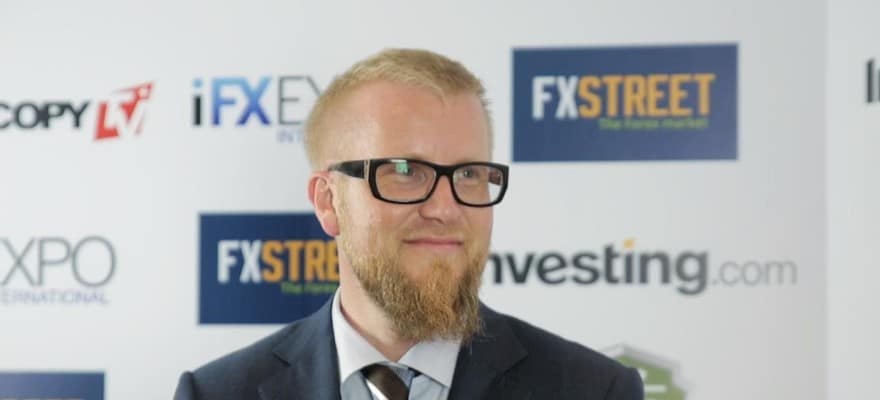
In the wake of that deal, Finance Magnates spoke to AxiCorp’s CEO, Rajesh Yohannan, to get a better insight into what the firm has been up and what its plans are for the near future.
Yohannan, who took on the role of CEO in 2016, had just touched down in Japan as we started the interview. Over the course of our discussion, we talked about AxiCorp’s acquisition strategy, emerging markets and China.
One Financial Markets
“We’ve been in acquisition mode for about 12 months,” said Yohannan as we started the interview, “but these things take time. OFM was the first deal that we’ve been able to execute.”
“ESMA is going to lead consolidation, that’s quite natural and most people in the industry agree to that.” Stated Yohannan, “But we liked OFM for multiple other reasons. They have licensing in Hong Kong and South Africa, so it improves our regulatory coverage significantly. They’re also a very well known brand in the Middle East and have been in China for 10 years.”
High praise indeed, thought this author. Does that mean, I asked Yohannan, that AxiCorp is going to be leaving things as they are? After all, if the new owners like how things are run, why change anything?
“Right,” said Yohannan, “we really like the way they work and the quality of the team that they have. Those were bigger drivers for our decision than anything else. And I believe our combined operations will boost our overall margins."
Acquisition mode
Given the sharp-eyed readership we have here at Finance Magnates, you will have noticed Yohannan’s comment that OMF was the first deal that AxiCorp has been able to make. A corollary of this is, of course, that there are other deals in the making.
No CEO would be foolish enough to provide a simple hack such as myself with all of the ins and outs of the deals they are making. So, instead of naming names, Yohannan and I discussed the thought process behind AxiCorp’s current acquisition strategy.
“There are some holes that we want to fill as far as our as business strategy is concerned.” Noted the AxiCorp CEO, “essentially, what we’re saying is, ‘can we build it ourselves or can we acquire?’”
That suggested a more measured approach than being in “acquisition mode” might imply. Rather than buying up any firm that looks interesting, AxiCorp will be buying firms that can strengthen their service offering but only if they can’t do that strengthening themselves.
“If there is a region that we can enter into ourselves, we’ll go there directly.” Said Yohannan, summarising AxiCorp’s strategy: “If there is a product or service that we can build ourselves, we’ll build it ourselves. Conversely, if there is a product we need that someone has built already, with reasonable scale, we may try to acquire them. We are looking at a number of opportunities very closely”
Into Emerging Markets
Without being too specific, those opportunities are likely to be in emerging markets. The acquisition of OMF - with its prominence in the Middle East and licensing in South Africa - is illustrative of that.
But where else will the firm be looking to expand? This author thought the answer may lay in South East Asia, a region many companies have expressed interest in, but Yohannan assured me otherwise.
“I’ve spent most of my professional life in Singapore,” said Yohannan, “so South East Asia is a region that me and my management team are very comfortable with. It is an area of growth but there are other areas that the industry can focus on.”
What are those growth areas exactly? Yohannan dropped a few hints but, being the smart man that he is, didn’t say exactly which markets AxiCorp is going to be entering into in the near future.
“There are pockets of growth in the Middle East, there are pockets of growth in Africa and in Latin America,” Yohannan noted. “Our focus is on emerging markets, whichever part of the world it may be.”
AxiCorp in China
One market that is certainly on AxiCorp’s radar is China. Brokers trying to establish a foothold in the world’s second largest economy have often found themselves facing a slew of different problems.
As reported by Finance Magnates earlier this August, brokers in China have had to deal with restrictions on advertising and problems with payment service providers. Alongside this, the government has made the occasional foray into the market, spooking many of those involved. In this context, how does AxiCorp plan to ensure it succeeds in the country?
“We feel that we have the requisite expertise to succeed,” Yohannan told Finance Magnates. “The most important thing is to do the right thing by your customers and not cheat your partners in the country. Unfortunately, some parts of our industry have been doing that, which hurts the industry as a whole.”
It is that latter group, cheating intermediary brokers and withholding client funds, that has arguably made life difficult for the retail industry in China. So, I asked, does AxiCorp not fear that there will be a crackdown on the industry that may make all their efforts futile?
“You’ve got to get into the Chinese market, regardless of any fears you may have.” Yohannan said wisely, “Look at how Citibank, HSBC, Standard Chartered, have succeeded in Asia. When they came to the region in the early 20th Century, there was no banking infrastructure and no regulation.
“Because of some early pioneers in those banks, they are now deep rooted within Asia. Now, I’m not trying to be as grandiose as that but what I’m saying is that every market has its challenges and if you run away from challenges, there’s no limit to how far you can run.”
A philosophical end to an interesting discussion. With Yohannan at the helm, and a clear business strategy in mind, AxiCorp looks set to make some interesting moves over the coming months. Watch this space.
In the wake of that deal, Finance Magnates spoke to AxiCorp’s CEO, Rajesh Yohannan, to get a better insight into what the firm has been up and what its plans are for the near future.
Yohannan, who took on the role of CEO in 2016, had just touched down in Japan as we started the interview. Over the course of our discussion, we talked about AxiCorp’s acquisition strategy, emerging markets and China.
One Financial Markets
“We’ve been in acquisition mode for about 12 months,” said Yohannan as we started the interview, “but these things take time. OFM was the first deal that we’ve been able to execute.”
“ESMA is going to lead consolidation, that’s quite natural and most people in the industry agree to that.” Stated Yohannan, “But we liked OFM for multiple other reasons. They have licensing in Hong Kong and South Africa, so it improves our regulatory coverage significantly. They’re also a very well known brand in the Middle East and have been in China for 10 years.”
High praise indeed, thought this author. Does that mean, I asked Yohannan, that AxiCorp is going to be leaving things as they are? After all, if the new owners like how things are run, why change anything?
“Right,” said Yohannan, “we really like the way they work and the quality of the team that they have. Those were bigger drivers for our decision than anything else. And I believe our combined operations will boost our overall margins."
Acquisition mode
Given the sharp-eyed readership we have here at Finance Magnates, you will have noticed Yohannan’s comment that OMF was the first deal that AxiCorp has been able to make. A corollary of this is, of course, that there are other deals in the making.
No CEO would be foolish enough to provide a simple hack such as myself with all of the ins and outs of the deals they are making. So, instead of naming names, Yohannan and I discussed the thought process behind AxiCorp’s current acquisition strategy.
“There are some holes that we want to fill as far as our as business strategy is concerned.” Noted the AxiCorp CEO, “essentially, what we’re saying is, ‘can we build it ourselves or can we acquire?’”
That suggested a more measured approach than being in “acquisition mode” might imply. Rather than buying up any firm that looks interesting, AxiCorp will be buying firms that can strengthen their service offering but only if they can’t do that strengthening themselves.
“If there is a region that we can enter into ourselves, we’ll go there directly.” Said Yohannan, summarising AxiCorp’s strategy: “If there is a product or service that we can build ourselves, we’ll build it ourselves. Conversely, if there is a product we need that someone has built already, with reasonable scale, we may try to acquire them. We are looking at a number of opportunities very closely”
Into Emerging Markets
Without being too specific, those opportunities are likely to be in emerging markets. The acquisition of OMF - with its prominence in the Middle East and licensing in South Africa - is illustrative of that.
But where else will the firm be looking to expand? This author thought the answer may lay in South East Asia, a region many companies have expressed interest in, but Yohannan assured me otherwise.
“I’ve spent most of my professional life in Singapore,” said Yohannan, “so South East Asia is a region that me and my management team are very comfortable with. It is an area of growth but there are other areas that the industry can focus on.”
What are those growth areas exactly? Yohannan dropped a few hints but, being the smart man that he is, didn’t say exactly which markets AxiCorp is going to be entering into in the near future.
“There are pockets of growth in the Middle East, there are pockets of growth in Africa and in Latin America,” Yohannan noted. “Our focus is on emerging markets, whichever part of the world it may be.”
AxiCorp in China
One market that is certainly on AxiCorp’s radar is China. Brokers trying to establish a foothold in the world’s second largest economy have often found themselves facing a slew of different problems.
As reported by Finance Magnates earlier this August, brokers in China have had to deal with restrictions on advertising and problems with payment service providers. Alongside this, the government has made the occasional foray into the market, spooking many of those involved. In this context, how does AxiCorp plan to ensure it succeeds in the country?
“We feel that we have the requisite expertise to succeed,” Yohannan told Finance Magnates. “The most important thing is to do the right thing by your customers and not cheat your partners in the country. Unfortunately, some parts of our industry have been doing that, which hurts the industry as a whole.”
It is that latter group, cheating intermediary brokers and withholding client funds, that has arguably made life difficult for the retail industry in China. So, I asked, does AxiCorp not fear that there will be a crackdown on the industry that may make all their efforts futile?
“You’ve got to get into the Chinese market, regardless of any fears you may have.” Yohannan said wisely, “Look at how Citibank, HSBC, Standard Chartered, have succeeded in Asia. When they came to the region in the early 20th Century, there was no banking infrastructure and no regulation.
“Because of some early pioneers in those banks, they are now deep rooted within Asia. Now, I’m not trying to be as grandiose as that but what I’m saying is that every market has its challenges and if you run away from challenges, there’s no limit to how far you can run.”
A philosophical end to an interesting discussion. With Yohannan at the helm, and a clear business strategy in mind, AxiCorp looks set to make some interesting moves over the coming months. Watch this space.
FXCM’s UK Arm Lost $2.2 Million in 2025 Ahead of Sale to Trade Nation
Featured Videos
FXCM UK Holds $110m in Client Money; IG CEO Questions Prediction Market Volumes
FXCM UK Holds $110m in Client Money; IG CEO Questions Prediction Market Volumes
FXCM UK Holds $110m in Client Money; IG CEO Questions Prediction Market Volumes
FXCM UK Holds $110m in Client Money; IG CEO Questions Prediction Market Volumes
Today’s financial news recap covers FXCM's UK arm holds $110 million in client money ahead of its sale to Trade Nation, Citadel Securities' UK profit falls 38 per cent, and Kraken secures its final Dubai crypto licence.
Finance Magnates Daily Recap brings you the latest news from forex and CFD brokers, fintech, payments, cryptocurrency, digital assets, trading platforms, financial regulation and global markets.
Get the key company news, executive moves, deals, regulatory updates and market developments of the day, in just a few minutes. New episodes published every weekday.
Read more: https://www.financemagnates.com
#FinanceMagnates #ForexNews #FintechNews
Today’s financial news recap covers FXCM's UK arm holds $110 million in client money ahead of its sale to Trade Nation, Citadel Securities' UK profit falls 38 per cent, and Kraken secures its final Dubai crypto licence.
Finance Magnates Daily Recap brings you the latest news from forex and CFD brokers, fintech, payments, cryptocurrency, digital assets, trading platforms, financial regulation and global markets.
Get the key company news, executive moves, deals, regulatory updates and market developments of the day, in just a few minutes. New episodes published every weekday.
Read more: https://www.financemagnates.com
#FinanceMagnates #ForexNews #FintechNews
Today’s financial news recap covers FXCM's UK arm holds $110 million in client money ahead of its sale to Trade Nation, Citadel Securities' UK profit falls 38 per cent, and Kraken secures its final Dubai crypto licence.
Finance Magnates Daily Recap brings you the latest news from forex and CFD brokers, fintech, payments, cryptocurrency, digital assets, trading platforms, financial regulation and global markets.
Get the key company news, executive moves, deals, regulatory updates and market developments of the day, in just a few minutes. New episodes published every weekday.
Read more: https://www.financemagnates.com
#FinanceMagnates #ForexNews #FintechNews
Today’s financial news recap covers FXCM's UK arm holds $110 million in client money ahead of its sale to Trade Nation, Citadel Securities' UK profit falls 38 per cent, and Kraken secures its final Dubai crypto licence.
Finance Magnates Daily Recap brings you the latest news from forex and CFD brokers, fintech, payments, cryptocurrency, digital assets, trading platforms, financial regulation and global markets.
Get the key company news, executive moves, deals, regulatory updates and market developments of the day, in just a few minutes. New episodes published every weekday.
Read more: https://www.financemagnates.com
#FinanceMagnates #ForexNews #FintechNews
Today’s financial news recap covers AvaTrade agrees to acquire most of FXCM, NAGA secures eight million dollars in new financing, and Wise seeks a tax settlement in the UK.
Finance Magnates Daily Recap brings you the latest news from forex and CFD brokers, fintech, payments, cryptocurrency, digital assets, trading platforms, financial regulation and global markets.
Get the key company news, executive moves, deals, regulatory updates and market developments of the day, in just a few minutes. New episodes published every weekday.
Read more: https://www.financemagnates.com
#FinanceMagnates #ForexNews #FintechNews
Today’s financial news recap covers AvaTrade agrees to acquire most of FXCM, NAGA secures eight million dollars in new financing, and Wise seeks a tax settlement in the UK.
Finance Magnates Daily Recap brings you the latest news from forex and CFD brokers, fintech, payments, cryptocurrency, digital assets, trading platforms, financial regulation and global markets.
Get the key company news, executive moves, deals, regulatory updates and market developments of the day, in just a few minutes. New episodes published every weekday.
Read more: https://www.financemagnates.com
#FinanceMagnates #ForexNews #FintechNews
Today’s financial news recap covers AvaTrade agrees to acquire most of FXCM, NAGA secures eight million dollars in new financing, and Wise seeks a tax settlement in the UK.
Finance Magnates Daily Recap brings you the latest news from forex and CFD brokers, fintech, payments, cryptocurrency, digital assets, trading platforms, financial regulation and global markets.
Get the key company news, executive moves, deals, regulatory updates and market developments of the day, in just a few minutes. New episodes published every weekday.
Read more: https://www.financemagnates.com
#FinanceMagnates #ForexNews #FintechNews
Today’s financial news recap covers AvaTrade agrees to acquire most of FXCM, NAGA secures eight million dollars in new financing, and Wise seeks a tax settlement in the UK.
Finance Magnates Daily Recap brings you the latest news from forex and CFD brokers, fintech, payments, cryptocurrency, digital assets, trading platforms, financial regulation and global markets.
Get the key company news, executive moves, deals, regulatory updates and market developments of the day, in just a few minutes. New episodes published every weekday.
Read more: https://www.financemagnates.com
#FinanceMagnates #ForexNews #FintechNews
Today’s financial news recap covers AvaTrade agrees to acquire most of FXCM, NAGA secures eight million dollars in new financing, and Wise seeks a tax settlement in the UK.
Finance Magnates Daily Recap brings you the latest news from forex and CFD brokers, fintech, payments, cryptocurrency, digital assets, trading platforms, financial regulation and global markets.
Get the key company news, executive moves, deals, regulatory updates and market developments of the day, in just a few minutes. New episodes published every weekday.
Read more: https://www.financemagnates.com
#FinanceMagnates #ForexNews #FintechNews
Today’s financial news recap covers AvaTrade agrees to acquire most of FXCM, NAGA secures eight million dollars in new financing, and Wise seeks a tax settlement in the UK.
Finance Magnates Daily Recap brings you the latest news from forex and CFD brokers, fintech, payments, cryptocurrency, digital assets, trading platforms, financial regulation and global markets.
Get the key company news, executive moves, deals, regulatory updates and market developments of the day, in just a few minutes. New episodes published every weekday.
Read more: https://www.financemagnates.com
#FinanceMagnates #ForexNews #FintechNews
XTB Adds Overnight US Stock Trading; Nasdaq Ventures Invests in One Trading
XTB Adds Overnight US Stock Trading; Nasdaq Ventures Invests in One Trading
XTB Adds Overnight US Stock Trading; Nasdaq Ventures Invests in One Trading
XTB Adds Overnight US Stock Trading; Nasdaq Ventures Invests in One Trading
XTB Adds Overnight US Stock Trading; Nasdaq Ventures Invests in One Trading
XTB Adds Overnight US Stock Trading; Nasdaq Ventures Invests in One Trading
Today’s financial news recap covers XTB expands overnight US stock trading, Fortrade reports higher revenue, Nasdaq backs One Trading, and Vest Labs raises 13 million dollars.
Finance Magnates Daily Recap brings you the latest news from forex and CFD brokers, fintech, payments, cryptocurrency, digital assets, trading platforms, financial regulation and global markets.
Get the key company news, executive moves, deals, regulatory updates and market developments of the day, in just a few minutes. New episodes published every weekday.
Read more: https://www.financemagnates.com
#FinanceMagnates #ForexNews #FintechNews
Today’s financial news recap covers XTB expands overnight US stock trading, Fortrade reports higher revenue, Nasdaq backs One Trading, and Vest Labs raises 13 million dollars.
Finance Magnates Daily Recap brings you the latest news from forex and CFD brokers, fintech, payments, cryptocurrency, digital assets, trading platforms, financial regulation and global markets.
Get the key company news, executive moves, deals, regulatory updates and market developments of the day, in just a few minutes. New episodes published every weekday.
Read more: https://www.financemagnates.com
#FinanceMagnates #ForexNews #FintechNews
Today’s financial news recap covers XTB expands overnight US stock trading, Fortrade reports higher revenue, Nasdaq backs One Trading, and Vest Labs raises 13 million dollars.
Finance Magnates Daily Recap brings you the latest news from forex and CFD brokers, fintech, payments, cryptocurrency, digital assets, trading platforms, financial regulation and global markets.
Get the key company news, executive moves, deals, regulatory updates and market developments of the day, in just a few minutes. New episodes published every weekday.
Read more: https://www.financemagnates.com
#FinanceMagnates #ForexNews #FintechNews
Today’s financial news recap covers XTB expands overnight US stock trading, Fortrade reports higher revenue, Nasdaq backs One Trading, and Vest Labs raises 13 million dollars.
Finance Magnates Daily Recap brings you the latest news from forex and CFD brokers, fintech, payments, cryptocurrency, digital assets, trading platforms, financial regulation and global markets.
Get the key company news, executive moves, deals, regulatory updates and market developments of the day, in just a few minutes. New episodes published every weekday.
Read more: https://www.financemagnates.com
#FinanceMagnates #ForexNews #FintechNews
Today’s financial news recap covers XTB expands overnight US stock trading, Fortrade reports higher revenue, Nasdaq backs One Trading, and Vest Labs raises 13 million dollars.
Finance Magnates Daily Recap brings you the latest news from forex and CFD brokers, fintech, payments, cryptocurrency, digital assets, trading platforms, financial regulation and global markets.
Get the key company news, executive moves, deals, regulatory updates and market developments of the day, in just a few minutes. New episodes published every weekday.
Read more: https://www.financemagnates.com
#FinanceMagnates #ForexNews #FintechNews
Today’s financial news recap covers XTB expands overnight US stock trading, Fortrade reports higher revenue, Nasdaq backs One Trading, and Vest Labs raises 13 million dollars.
Finance Magnates Daily Recap brings you the latest news from forex and CFD brokers, fintech, payments, cryptocurrency, digital assets, trading platforms, financial regulation and global markets.
Get the key company news, executive moves, deals, regulatory updates and market developments of the day, in just a few minutes. New episodes published every weekday.
Read more: https://www.financemagnates.com
#FinanceMagnates #ForexNews #FintechNews
CMC Founder Downplays Volatility Hit; Devexperts Names CEO
CMC Founder Downplays Volatility Hit; Devexperts Names CEO
CMC Founder Downplays Volatility Hit; Devexperts Names CEO
CMC Founder Downplays Volatility Hit; Devexperts Names CEO
CMC Founder Downplays Volatility Hit; Devexperts Names CEO
CMC Founder Downplays Volatility Hit; Devexperts Names CEO
Today’s financial news recap covers low volatility pressures brokers, Devexperts names a new CEO, Saxo cuts onboarding time, and OKX reaches a 25 billion dollar valuation.
Finance Magnates Daily Recap brings you the latest news from forex and CFD brokers, fintech, payments, cryptocurrency, digital assets, trading platforms, financial regulation and global markets.
Get the key company news, executive moves, deals, regulatory updates and market developments of the day, in just a few minutes. New episodes published every weekday.
Read more: https://www.financemagnates.com
#FinanceMagnates #ForexNews #FintechNews
Today’s financial news recap covers low volatility pressures brokers, Devexperts names a new CEO, Saxo cuts onboarding time, and OKX reaches a 25 billion dollar valuation.
Finance Magnates Daily Recap brings you the latest news from forex and CFD brokers, fintech, payments, cryptocurrency, digital assets, trading platforms, financial regulation and global markets.
Get the key company news, executive moves, deals, regulatory updates and market developments of the day, in just a few minutes. New episodes published every weekday.
Read more: https://www.financemagnates.com
#FinanceMagnates #ForexNews #FintechNews
Today’s financial news recap covers low volatility pressures brokers, Devexperts names a new CEO, Saxo cuts onboarding time, and OKX reaches a 25 billion dollar valuation.
Finance Magnates Daily Recap brings you the latest news from forex and CFD brokers, fintech, payments, cryptocurrency, digital assets, trading platforms, financial regulation and global markets.
Get the key company news, executive moves, deals, regulatory updates and market developments of the day, in just a few minutes. New episodes published every weekday.
Read more: https://www.financemagnates.com
#FinanceMagnates #ForexNews #FintechNews
Today’s financial news recap covers low volatility pressures brokers, Devexperts names a new CEO, Saxo cuts onboarding time, and OKX reaches a 25 billion dollar valuation.
Finance Magnates Daily Recap brings you the latest news from forex and CFD brokers, fintech, payments, cryptocurrency, digital assets, trading platforms, financial regulation and global markets.
Get the key company news, executive moves, deals, regulatory updates and market developments of the day, in just a few minutes. New episodes published every weekday.
Read more: https://www.financemagnates.com
#FinanceMagnates #ForexNews #FintechNews
Today’s financial news recap covers low volatility pressures brokers, Devexperts names a new CEO, Saxo cuts onboarding time, and OKX reaches a 25 billion dollar valuation.
Finance Magnates Daily Recap brings you the latest news from forex and CFD brokers, fintech, payments, cryptocurrency, digital assets, trading platforms, financial regulation and global markets.
Get the key company news, executive moves, deals, regulatory updates and market developments of the day, in just a few minutes. New episodes published every weekday.
Read more: https://www.financemagnates.com
#FinanceMagnates #ForexNews #FintechNews
Today’s financial news recap covers low volatility pressures brokers, Devexperts names a new CEO, Saxo cuts onboarding time, and OKX reaches a 25 billion dollar valuation.
Finance Magnates Daily Recap brings you the latest news from forex and CFD brokers, fintech, payments, cryptocurrency, digital assets, trading platforms, financial regulation and global markets.
Get the key company news, executive moves, deals, regulatory updates and market developments of the day, in just a few minutes. New episodes published every weekday.
Read more: https://www.financemagnates.com
#FinanceMagnates #ForexNews #FintechNews
Today’s financial news recap covers Trade Nation buys FXCM's UK client book, Trading 212 reports higher revenue, the CFTC's move to allow perpetual index futures.
Finance Magnates Daily Recap brings you the latest news from forex and CFD brokers, fintech, payments, cryptocurrency, digital assets, trading platforms, financial regulation and global markets.
Get the key company news, executive moves, deals, regulatory updates and market developments of the day, in just a few minutes. New episodes published every weekday.
Read more: https://www.financemagnates.com
#FinanceMagnates #ForexNews #FintechNews
Today’s financial news recap covers Trade Nation buys FXCM's UK client book, Trading 212 reports higher revenue, the CFTC's move to allow perpetual index futures.
Finance Magnates Daily Recap brings you the latest news from forex and CFD brokers, fintech, payments, cryptocurrency, digital assets, trading platforms, financial regulation and global markets.
Get the key company news, executive moves, deals, regulatory updates and market developments of the day, in just a few minutes. New episodes published every weekday.
Read more: https://www.financemagnates.com
#FinanceMagnates #ForexNews #FintechNews
Today’s financial news recap covers Trade Nation buys FXCM's UK client book, Trading 212 reports higher revenue, the CFTC's move to allow perpetual index futures.
Finance Magnates Daily Recap brings you the latest news from forex and CFD brokers, fintech, payments, cryptocurrency, digital assets, trading platforms, financial regulation and global markets.
Get the key company news, executive moves, deals, regulatory updates and market developments of the day, in just a few minutes. New episodes published every weekday.
Read more: https://www.financemagnates.com
#FinanceMagnates #ForexNews #FintechNews
Today’s financial news recap covers Trade Nation buys FXCM's UK client book, Trading 212 reports higher revenue, the CFTC's move to allow perpetual index futures.
Finance Magnates Daily Recap brings you the latest news from forex and CFD brokers, fintech, payments, cryptocurrency, digital assets, trading platforms, financial regulation and global markets.
Get the key company news, executive moves, deals, regulatory updates and market developments of the day, in just a few minutes. New episodes published every weekday.
Read more: https://www.financemagnates.com
#FinanceMagnates #ForexNews #FintechNews
Today’s financial news recap covers Trade Nation buys FXCM's UK client book, Trading 212 reports higher revenue, the CFTC's move to allow perpetual index futures.
Finance Magnates Daily Recap brings you the latest news from forex and CFD brokers, fintech, payments, cryptocurrency, digital assets, trading platforms, financial regulation and global markets.
Get the key company news, executive moves, deals, regulatory updates and market developments of the day, in just a few minutes. New episodes published every weekday.
Read more: https://www.financemagnates.com
#FinanceMagnates #ForexNews #FintechNews
Today’s financial news recap covers Trade Nation buys FXCM's UK client book, Trading 212 reports higher revenue, the CFTC's move to allow perpetual index futures.
Finance Magnates Daily Recap brings you the latest news from forex and CFD brokers, fintech, payments, cryptocurrency, digital assets, trading platforms, financial regulation and global markets.
Get the key company news, executive moves, deals, regulatory updates and market developments of the day, in just a few minutes. New episodes published every weekday.
Read more: https://www.financemagnates.com
#FinanceMagnates #ForexNews #FintechNews