CFTC Pushes Prediction Markets Into Formal Federal Rulemaking

Thursday, 28/05/2026 | 08:31 GMT by Tanya Chepkova
  • After years of lawsuits, insider trading probes, and state bans, the prediction market sector is entering a formal federal rulemaking process.
  • The outcome could determine whether event contracts operate under a unified federal derivatives framework or continue facing state-level gambling restrictions.
CFTC

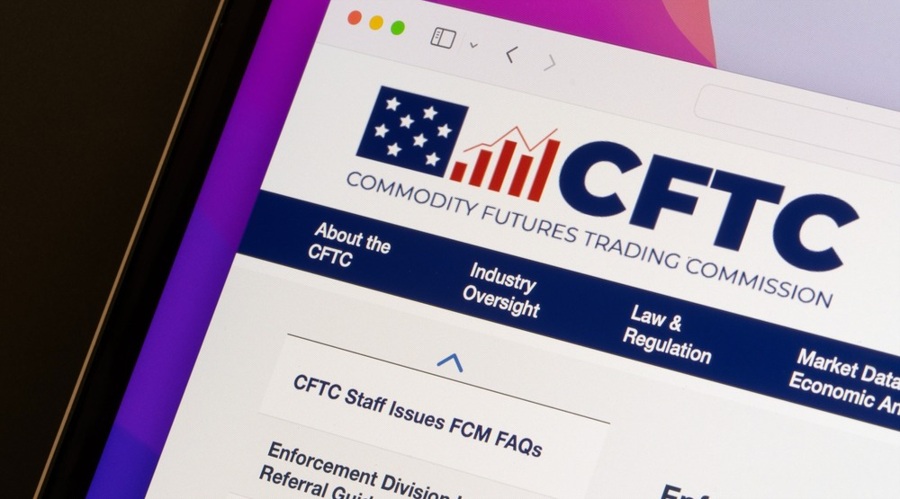
After two years of enforcement actions, state bans, and competing jurisdictional claims, the CFTC has submitted its event contracts proposal to the White House Office of Management and Budget, formally initiating the federal rulemaking process.

The details of the proposal have not been published. But the CFTC's direction has been clear for some time.

Chairman Michael Selig said in January that the agency intended to develop formal rules for prediction markets, after withdrawing an earlier proposal that would have restricted political and sports event contracts.

In April, Enforcement Director David Miller publicly stated that insider trading rules apply to prediction markets as "event contracts are not gaming", and should be treated as swaps under federal law.

Compliance Expectations Are Already Taking Shape

That distinction has practical consequences for brokers, exchanges, and fintech firms. If event contracts are derivatives, the full compliance stack applies: KYC, trade surveillance, insider trading controls.

Platforms are already starting to apply those standards in practice. Kalshi suspended and fined three U.S. political candidates for betting on their own races, citing the move as evidence that regulated prediction markets can enforce insider trading rules as traditional financial venues do.

The CFTC recently charged a Google employee who allegedly used non-public company information to trade on Polymarket. Congress separately demanded KYC and trade-surveillance records from both Kalshi and Polymarket following investigations into trades tied to geopolitical events.

The Federal-State Fight Is Escalating

The rulemaking process runs in parallel with an unresolved fight over who actually has authority here. Minnesota, New York, Illinois, Arizona, and Connecticut have each argued that prediction markets are gambling products subject to state betting law.

The CFTC's position is the opposite: these are event contracts under federal commodities law, regulated as swaps, and states don't have jurisdiction.

The White House has backed the federal position. Trump described prediction markets as a "major industry" and argued that fragmented state regulation would undermine U.S. competitiveness in digital finance.

For financial firms exploring the sector, the outcome will determine whether event contracts can scale under one federal framework or remain subject to state-level gambling regulation.

After two years of enforcement actions, state bans, and competing jurisdictional claims, the CFTC has submitted its event contracts proposal to the White House Office of Management and Budget, formally initiating the federal rulemaking process.

The details of the proposal have not been published. But the CFTC's direction has been clear for some time.

Chairman Michael Selig said in January that the agency intended to develop formal rules for prediction markets, after withdrawing an earlier proposal that would have restricted political and sports event contracts.

In April, Enforcement Director David Miller publicly stated that insider trading rules apply to prediction markets as "event contracts are not gaming", and should be treated as swaps under federal law.

Compliance Expectations Are Already Taking Shape

That distinction has practical consequences for brokers, exchanges, and fintech firms. If event contracts are derivatives, the full compliance stack applies: KYC, trade surveillance, insider trading controls.

Platforms are already starting to apply those standards in practice. Kalshi suspended and fined three U.S. political candidates for betting on their own races, citing the move as evidence that regulated prediction markets can enforce insider trading rules as traditional financial venues do.

The CFTC recently charged a Google employee who allegedly used non-public company information to trade on Polymarket. Congress separately demanded KYC and trade-surveillance records from both Kalshi and Polymarket following investigations into trades tied to geopolitical events.

The Federal-State Fight Is Escalating

The rulemaking process runs in parallel with an unresolved fight over who actually has authority here. Minnesota, New York, Illinois, Arizona, and Connecticut have each argued that prediction markets are gambling products subject to state betting law.

The CFTC's position is the opposite: these are event contracts under federal commodities law, regulated as swaps, and states don't have jurisdiction.

The White House has backed the federal position. Trump described prediction markets as a "major industry" and argued that fragmented state regulation would undermine U.S. competitiveness in digital finance.

For financial firms exploring the sector, the outcome will determine whether event contracts can scale under one federal framework or remain subject to state-level gambling regulation.

About the Author: Tanya Chepkova
Tanya Chepkova
  • 222 Articles
About the Author: Tanya Chepkova
Tanya Chepkova is a News Editor at Finance Magnates with more than 16 years of experience in financial journalism, covering forex, crypto, and digital asset markets. Her work spans daily industry reporting and data-driven, long-form explainers focused on market structure, trading models, and regulatory shifts. Before joining Finance Magnates, she led the editorial team of a cryptocurrency-focused media outlet for six years. Her reporting combines analytical depth with clear storytelling, with particular attention to how structural changes in trading, stablecoin infrastructure, and emerging products such as prediction markets reshape the broader financial ecosystem. She covers global developments and provides additional insight into CIS markets. Areas of Coverage: Crypto and digital asset markets Prediction markets Stablecoins and cross-border payments Industry analysis and long-form explainers
  • 222 Articles

More from the Author

FinTech

!"#$%&'()*+,-./0123456789:;<=>?@ABCDEFGHIJKLMNOPQRSTUVWXYZ[\]^_`abcdefghijklmnopqrstuvwxyz{|} !"#$%&'()*+,-./0123456789:;<=>?@ABCDEFGHIJKLMNOPQRSTUVWXYZ[\]^_`abcdefghijklmnopqrstuvwxyz{|}