OKX Launches Non-Custodial Card in Europe, Shuns Gold and TradFi Asset Trend

Wednesday, 28/01/2026 | 08:00 GMT by Damian Chmiel
  • The exchange claims a self-custodial approach, and its 20% crypto cashback sets it apart in an already crowded crypto card space.
  • However, the Malta-based platform is avoiding the rush into gold and TradFi that has attracted rivals like Bitget and BingX.
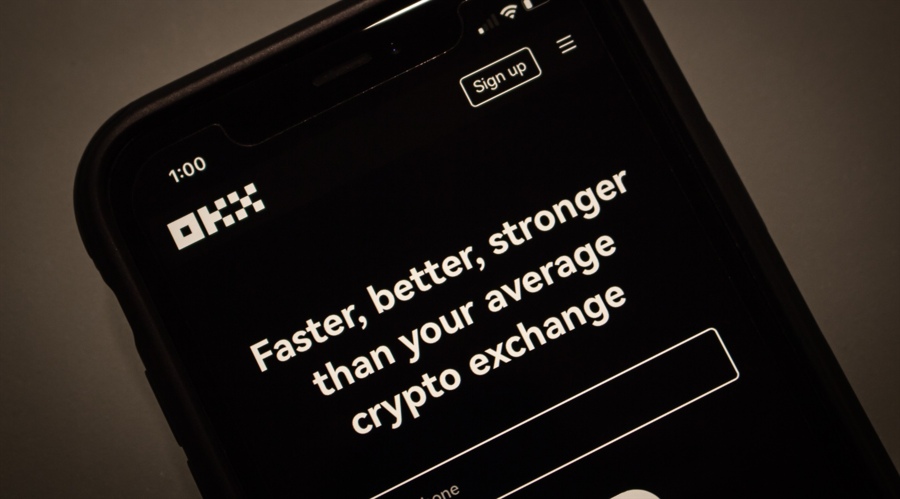
OKX (shutterstock)

OKX rolled out a crypto payment card across Europe today (Wednesday), entering a crowded market where Binance, Kraken, and Crypto.com already offer similar products. The Malta-based exchange is positioning its offering around self-custody, letting users keep control of their assets until they swipe at checkout.

FinanceMagnates.com has also learned that the company is monitoring the situation but does not plan to join the rush into traditional assets seen among competitors, fueled by record-high prices for gold and silver.

OKX Debuts “Self-Custody” Crypto Card in Europe

The OKX Card works with 150 million Mastercard merchants and integrates with Apple Pay and Google Pay. According to the press release, users can spend stablecoins stored in their own wallets, with funds automatically converted to local currency at the point of sale. The exchange says there are no transaction fees and no foreign exchange costs.

Erald Ghoos, OKX Europe CEO, Source: LinkedIn

"OKX Card is uniquely integrated with our Smart Wallet architecture," Erald Ghoos, CEO of OKX Europe, told FinanceMagnates.com. "It provides a direct bridge between self-custodied assets and the real economy with no transaction fees and a seamless user experience within the OKX app."

The card runs on EU payment licenses and operates under MiCA regulations. OKX publishes monthly Proof of Reserves reports and says its approach differs from competitors, who require users to deposit funds into custodial wallets before spending.

While it is true that the OKX Card is integrated with OKX’s Smart Wallet, which is a self-custody solution (the user is responsible for their own private keys), at the moment, when a payment is made, the cryptocurrency must pass through OKX’s infrastructure to be converted into fiat and processed through Mastercard’s network. In practice, this creates a brief custodial moment during the transaction.

Crowded Crypto Card Space

The launch comes as payment cards have become a standard feature among large crypto exchanges. Binance introduced its debit card back in 2020, while Kraken recently linked its Krak Card rollout to MiCA compliance .

Earlier this month, Crypto.com partnered with Stripe to let merchants accept crypto at checkout while receiving fiat.

During the launch period, VIP users get up to 20% cashback in crypto on eligible purchases, while other customers receive 15%. The exchange hasn't specified how long the promotion will last but said it plans to maintain "competitive crypto cashback" over the long term.

When asked how the company profits from zero fees and high cashback, Ghoos said the card serves as an ecosystem play.

"By removing transaction and FX costs, we're making it easier for users to stay active within the wider OKX ecosystem, where revenue is generated through regulated trading, earning, and financial services," he explained.

OKX obtained its MiCA license a year ago. In the meantime, Malta, where the company’s European operations are based, imposed a $1.2 million fine on the exchange for past anti–money laundering failures. Regulators also examined a potential link between OKX and the laundering of about $100 million originating from the Bybit exchange.

Exchange Avoids TradFi Asset Rush

While OKX is pushing into payments, it's taking a different stance on another trend sweeping crypto platforms.

Rival exchanges like Bitget and BingX have jumped into gold and traditional asset trading as precious metals prices surge. Binance added silver perpetual contracts earlier this month after silver rallied nearly 120% year-over-year.

Ghoos said OKX isn't rushing into that space. "We're watching the gold and traditional asset rally closely, but we're not rushing into real-world assets," he told FinanceMagnates.com.

"Our priority is to continue building institutional-grade crypto infrastructure with strong liquidity, risk controls, and regulatory compliance."

He also claimed that the payment card itself brings digital assets closer to traditional finance without compromising on security standards.

"At the same time, the OKX Card brings digital assets closer to everyday TradFi payments, allowing us to follow rigorous standards for trust and utility," he said.

Regulation Seen as Competitive Advantage

Asked about customer concerns over MiCA and the new DAC8 tax reporting framework, Ghoos dismissed the idea that users would flee to unregulated platforms.

"Security is our foundation: we operate fully within the MiCA framework," he said. "While unregulated platforms exist, we believe the long-term winners will be those who provide security, trust, and full compliance, which are essential for mass adoption."

The exchange claims more than 100 million users globally. In October 2025, the exchange partnered with Standard Chartered, which became OKX custodian in the EEA region.

OKX rolled out a crypto payment card across Europe today (Wednesday), entering a crowded market where Binance, Kraken, and Crypto.com already offer similar products. The Malta-based exchange is positioning its offering around self-custody, letting users keep control of their assets until they swipe at checkout.

FinanceMagnates.com has also learned that the company is monitoring the situation but does not plan to join the rush into traditional assets seen among competitors, fueled by record-high prices for gold and silver.

OKX Debuts “Self-Custody” Crypto Card in Europe

The OKX Card works with 150 million Mastercard merchants and integrates with Apple Pay and Google Pay. According to the press release, users can spend stablecoins stored in their own wallets, with funds automatically converted to local currency at the point of sale. The exchange says there are no transaction fees and no foreign exchange costs.

Erald Ghoos, OKX Europe CEO, Source: LinkedIn

"OKX Card is uniquely integrated with our Smart Wallet architecture," Erald Ghoos, CEO of OKX Europe, told FinanceMagnates.com. "It provides a direct bridge between self-custodied assets and the real economy with no transaction fees and a seamless user experience within the OKX app."

The card runs on EU payment licenses and operates under MiCA regulations. OKX publishes monthly Proof of Reserves reports and says its approach differs from competitors, who require users to deposit funds into custodial wallets before spending.

While it is true that the OKX Card is integrated with OKX’s Smart Wallet, which is a self-custody solution (the user is responsible for their own private keys), at the moment, when a payment is made, the cryptocurrency must pass through OKX’s infrastructure to be converted into fiat and processed through Mastercard’s network. In practice, this creates a brief custodial moment during the transaction.

Crowded Crypto Card Space

The launch comes as payment cards have become a standard feature among large crypto exchanges. Binance introduced its debit card back in 2020, while Kraken recently linked its Krak Card rollout to MiCA compliance .

Earlier this month, Crypto.com partnered with Stripe to let merchants accept crypto at checkout while receiving fiat.

During the launch period, VIP users get up to 20% cashback in crypto on eligible purchases, while other customers receive 15%. The exchange hasn't specified how long the promotion will last but said it plans to maintain "competitive crypto cashback" over the long term.

When asked how the company profits from zero fees and high cashback, Ghoos said the card serves as an ecosystem play.

"By removing transaction and FX costs, we're making it easier for users to stay active within the wider OKX ecosystem, where revenue is generated through regulated trading, earning, and financial services," he explained.

OKX obtained its MiCA license a year ago. In the meantime, Malta, where the company’s European operations are based, imposed a $1.2 million fine on the exchange for past anti–money laundering failures. Regulators also examined a potential link between OKX and the laundering of about $100 million originating from the Bybit exchange.

Exchange Avoids TradFi Asset Rush

While OKX is pushing into payments, it's taking a different stance on another trend sweeping crypto platforms.

Rival exchanges like Bitget and BingX have jumped into gold and traditional asset trading as precious metals prices surge. Binance added silver perpetual contracts earlier this month after silver rallied nearly 120% year-over-year.

Ghoos said OKX isn't rushing into that space. "We're watching the gold and traditional asset rally closely, but we're not rushing into real-world assets," he told FinanceMagnates.com.

"Our priority is to continue building institutional-grade crypto infrastructure with strong liquidity, risk controls, and regulatory compliance."

He also claimed that the payment card itself brings digital assets closer to traditional finance without compromising on security standards.

"At the same time, the OKX Card brings digital assets closer to everyday TradFi payments, allowing us to follow rigorous standards for trust and utility," he said.

Regulation Seen as Competitive Advantage

Asked about customer concerns over MiCA and the new DAC8 tax reporting framework, Ghoos dismissed the idea that users would flee to unregulated platforms.

"Security is our foundation: we operate fully within the MiCA framework," he said. "While unregulated platforms exist, we believe the long-term winners will be those who provide security, trust, and full compliance, which are essential for mass adoption."

The exchange claims more than 100 million users globally. In October 2025, the exchange partnered with Standard Chartered, which became OKX custodian in the EEA region.

About the Author: Damian Chmiel
Damian Chmiel
  • 3201 Articles
  • 100 Followers
About the Author: Damian Chmiel
Damian's adventure with financial markets began at the Cracow University of Economics, where he obtained his MA in finance and accounting. Starting from the retail trader perspective, he collaborated with brokerage houses and financial portals in Poland as an independent editor and content manager. His adventure with Finance Magnates began in 2016, where he is working as a business intelligence analyst.
  • 3201 Articles
  • 100 Followers

More from the Author

CryptoCurrency

!"#$%&'()*+,-./0123456789:;<=>?@ABCDEFGHIJKLMNOPQRSTUVWXYZ[\]^_`abcdefghijklmnopqrstuvwxyz{|} !"#$%&'()*+,-./0123456789:;<=>?@ABCDEFGHIJKLMNOPQRSTUVWXYZ[\]^_`abcdefghijklmnopqrstuvwxyz{|}