Twitter is integrating with eToro to allow users to easily access the trading platform.
This tie-in may be part of Elon Musk's long-standing plans to create an everything app.
In news that covers social media, trading and cryptocurrencies, Elon Musk’s Twitter has partnered with the popular eToro retail trading platform. This integration will allow Twitter users to view market charts through the social media app, via an already-existing connection with the TradingView API, and then to click through to eToro, where stocks and cryptocurrencies can be bought and sold.
To anyone who follows the overlapping Twitter communities known as fintwit and CT (meaning financial Twitter and crypto Twitter, respectively), the eToro integration will make perfect sense. Twitter has become an arena in which finance and crypto information is circulated first and fastest, and where market sentiment can be both gauged and, in the case of some large accounts, influenced.
With regard to social media and retail trading, eToro told Finance Magnates that: “Twitter has become a crucial part of the retail investing community – it’s where millions of ordinary investors go every day to access financial news, share knowledge and converse.”
Chart from Vanda Research
During last year’s FTX collapse, crypto Twitter proved itself to be adept at investigative work and direct, real-time analysis, tearing into the details of what was occurring around FTX, Alameda Research, and the main protagonists (Sam Bankman-Fried and Caroline Ellison) often before the mainstream press got to grips with the issues involved.
Elon Musk, CEO of Twitter, CEO and Chief Engineer of SpaceX, and CEO and Product Architect of Tesla.
And, when it comes to Twitter’s owner, Elon Musk, it appears that a tie-in with eToro matches up with his long-term plans for the social media platform, as during the Morgan Stanley conference on March 7th, Musk stated of Twitter: “I think it’s possible to become the biggest financial institution in the world, just by providing people with convenient payment options.”
As for whether Twitter would be earning income from the business it sends eToro’s way, the trading platform was currently unable to disclose commercial details of the deal.
Long-Held Intent
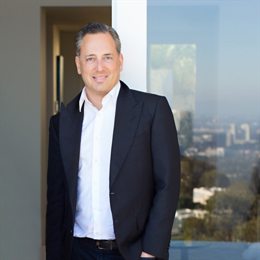
David Sacks, former COO at PayPal
Let’s rewind for a moment to the early days of Elon Musk’s career, when, back in 1999, he founded X.com. This was an FDIC-insured online bank, which subsequently merged with Peter Thiel’s Confinity Inc, and the new entity became PayPal (which was already being operated by Confinity), with PayPal later acquired, in 2002, by Ebay.
David Sacks, the former COO of PayPal, once explained that X.com and Confinity merged “to consolidate the fledgling market for email-based payments,” while in 1999, Elon Musk believed that after trusting the internet for information and then commerce, we were “at the third stage now where people are ready to use the internet as their main financial repository.”
20 years later, in a conference at Davos, PayPal's Co-Founder Luke Nosek outlined how, originally, “the mission of PayPal was to create a global currency that was independent of interference by these corrupt cartels of banks and governments that were debasing their currencies.”
X Marks What?
The oldest of the above-mentioned historical quotes goes back over two decades, and Nosek’s words outline what were radical-sounding ideas, but, might echoes of those ways of thinking be playing out now through Musk’s current manoeuvrings with Twitter?
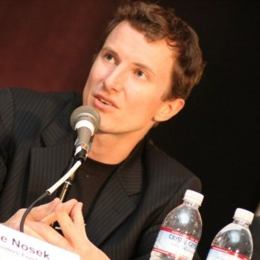
Luke Nosek, Co-Founder at PayPal, Managing Partner at Gigafund.
In a recent development that resonates back to Musk’s early company X.com (along with SpaceX, the Tesla Model X, and even Musk’s son, who is named X AE A-XII), Twitter Inc actually no longer exists as a company, as it has been merged into a new entity called X Corp, which itself is held by parent corporation X Holdings Corp.
And, in October 2022, Musk tweeted that: “Buying Twitter is an accelerant to creating X, the everything app.”
Buying Twitter is an accelerant to creating X, the everything app
This relates to Musk’s ambition for an app which may become similar to WeChat in China. WeChat, owned by TenCent Holdings, serves over one billion users through an extensive range of functions, including social media, messaging, payments, conferencing and broadcasting.
By the way, Musk bought back the X.com domain from PayPal in 2017, because it had “great sentimental value.” You can go and visit, but there’s not much there.
Overlapping Aims
Something you might notice, looking over the original highly disruptive intent for PayPal, is a resemblance to the ways that Bitcoin advocates talk about cryptocurrency; and, Elon Musk has demonstrated varying degrees of openness towards blockchain payment systems.
In 2021, Tesla invested $1.5 billion into BTC (of which it later sold around 75%), and, from March to May 2021 it accepted BTC for payments in the US before suspending the system. It’s also no secret that Musk has an affection, either sincere or tongue-in-cheek, for Dogecoin as evidenced when he temporarily changed the Twitter logo to a Doge sign last week.
For the ultimate speculation around Musk and his relationship to crypto, you can even find theories alleging that Musk himself is Satoshi Nakamoto, the pseudonymous creator of Bitcoin (a suggestion Musk, not surprisingly, has denied).
While Musk-as-Satoshi may be a stretch too far, it’s not far-fetched to suspect that Musk could have moved in the same circles as the Bitcoin creator. Musk, Thiel, Sacks and Nosek are all members of what’s known as the 'PayPal Mafia' (a cohort of influential tech entrepreneurs linked through their times at PayPal), and Thiel has speculated that, while he was still working at PayPal, he may have crossed paths with Satoshi at a 2000 financial cryptography conference in Anguilla.
Returning to Elon Musk's current plans, it’s evident that for over two decades Musk has held an interest in establishing new methods of digital payment, and in disrupting existing institutions, and that these interests align partly with the goals prevalent in Bitcoin and cryptocurrency circles. It seems now that through Twitter, or X – his proposed everything app, Musk may be able to approach these long-standing aims along a new path.
In news that covers social media, trading and cryptocurrencies, Elon Musk’s Twitter has partnered with the popular eToro retail trading platform. This integration will allow Twitter users to view market charts through the social media app, via an already-existing connection with the TradingView API, and then to click through to eToro, where stocks and cryptocurrencies can be bought and sold.
To anyone who follows the overlapping Twitter communities known as fintwit and CT (meaning financial Twitter and crypto Twitter, respectively), the eToro integration will make perfect sense. Twitter has become an arena in which finance and crypto information is circulated first and fastest, and where market sentiment can be both gauged and, in the case of some large accounts, influenced.
With regard to social media and retail trading, eToro told Finance Magnates that: “Twitter has become a crucial part of the retail investing community – it’s where millions of ordinary investors go every day to access financial news, share knowledge and converse.”
Chart from Vanda Research
During last year’s FTX collapse, crypto Twitter proved itself to be adept at investigative work and direct, real-time analysis, tearing into the details of what was occurring around FTX, Alameda Research, and the main protagonists (Sam Bankman-Fried and Caroline Ellison) often before the mainstream press got to grips with the issues involved.
Elon Musk, CEO of Twitter, CEO and Chief Engineer of SpaceX, and CEO and Product Architect of Tesla.
And, when it comes to Twitter’s owner, Elon Musk, it appears that a tie-in with eToro matches up with his long-term plans for the social media platform, as during the Morgan Stanley conference on March 7th, Musk stated of Twitter: “I think it’s possible to become the biggest financial institution in the world, just by providing people with convenient payment options.”
As for whether Twitter would be earning income from the business it sends eToro’s way, the trading platform was currently unable to disclose commercial details of the deal.
Long-Held Intent
David Sacks, former COO at PayPal
Let’s rewind for a moment to the early days of Elon Musk’s career, when, back in 1999, he founded X.com. This was an FDIC-insured online bank, which subsequently merged with Peter Thiel’s Confinity Inc, and the new entity became PayPal (which was already being operated by Confinity), with PayPal later acquired, in 2002, by Ebay.
David Sacks, the former COO of PayPal, once explained that X.com and Confinity merged “to consolidate the fledgling market for email-based payments,” while in 1999, Elon Musk believed that after trusting the internet for information and then commerce, we were “at the third stage now where people are ready to use the internet as their main financial repository.”
20 years later, in a conference at Davos, PayPal's Co-Founder Luke Nosek outlined how, originally, “the mission of PayPal was to create a global currency that was independent of interference by these corrupt cartels of banks and governments that were debasing their currencies.”
X Marks What?
The oldest of the above-mentioned historical quotes goes back over two decades, and Nosek’s words outline what were radical-sounding ideas, but, might echoes of those ways of thinking be playing out now through Musk’s current manoeuvrings with Twitter?
Luke Nosek, Co-Founder at PayPal, Managing Partner at Gigafund.
In a recent development that resonates back to Musk’s early company X.com (along with SpaceX, the Tesla Model X, and even Musk’s son, who is named X AE A-XII), Twitter Inc actually no longer exists as a company, as it has been merged into a new entity called X Corp, which itself is held by parent corporation X Holdings Corp.
And, in October 2022, Musk tweeted that: “Buying Twitter is an accelerant to creating X, the everything app.”
Buying Twitter is an accelerant to creating X, the everything app
This relates to Musk’s ambition for an app which may become similar to WeChat in China. WeChat, owned by TenCent Holdings, serves over one billion users through an extensive range of functions, including social media, messaging, payments, conferencing and broadcasting.
By the way, Musk bought back the X.com domain from PayPal in 2017, because it had “great sentimental value.” You can go and visit, but there’s not much there.
Overlapping Aims
Something you might notice, looking over the original highly disruptive intent for PayPal, is a resemblance to the ways that Bitcoin advocates talk about cryptocurrency; and, Elon Musk has demonstrated varying degrees of openness towards blockchain payment systems.
In 2021, Tesla invested $1.5 billion into BTC (of which it later sold around 75%), and, from March to May 2021 it accepted BTC for payments in the US before suspending the system. It’s also no secret that Musk has an affection, either sincere or tongue-in-cheek, for Dogecoin as evidenced when he temporarily changed the Twitter logo to a Doge sign last week.
For the ultimate speculation around Musk and his relationship to crypto, you can even find theories alleging that Musk himself is Satoshi Nakamoto, the pseudonymous creator of Bitcoin (a suggestion Musk, not surprisingly, has denied).
While Musk-as-Satoshi may be a stretch too far, it’s not far-fetched to suspect that Musk could have moved in the same circles as the Bitcoin creator. Musk, Thiel, Sacks and Nosek are all members of what’s known as the 'PayPal Mafia' (a cohort of influential tech entrepreneurs linked through their times at PayPal), and Thiel has speculated that, while he was still working at PayPal, he may have crossed paths with Satoshi at a 2000 financial cryptography conference in Anguilla.
Returning to Elon Musk's current plans, it’s evident that for over two decades Musk has held an interest in establishing new methods of digital payment, and in disrupting existing institutions, and that these interests align partly with the goals prevalent in Bitcoin and cryptocurrency circles. It seems now that through Twitter, or X – his proposed everything app, Musk may be able to approach these long-standing aims along a new path.
Sam White is a writer and journalist from the UK who covers cryptocurrencies and web3, with a particular interest in NFTs and the crossover between art and finance. His work, on a wide variety of topics, has appeared on platforms including The Spectator, Vice and Hacker Noon.
UK Moves to Regulate Crypto by 2027 After FCA Sought Public Feedback on Oversight
Featured Videos
Executive Interview | Charlotte Bullock | Chief Product Officer, Bank of London | FMLS:25
In this interview, we sat down with Charlotte Bullock, Head of Product at The Bank of London, previously at SAP and now shaping product at one of the sector’s most ambitious new banking players.
Charlotte reflects on the Summit so far and talks about the culture inside fintech banks today. We look at the pressures that come with scaling, and how firms can hold onto the nimble approach that made them stand out early on.
We also cover the state of payments ahead of her appearance on the payments roundtable: the blockages financial firms face, the areas that still need fixing, and what a realistic solution looks like in 2026.
In this interview, we sat down with Charlotte Bullock, Head of Product at The Bank of London, previously at SAP and now shaping product at one of the sector’s most ambitious new banking players.
Charlotte reflects on the Summit so far and talks about the culture inside fintech banks today. We look at the pressures that come with scaling, and how firms can hold onto the nimble approach that made them stand out early on.
We also cover the state of payments ahead of her appearance on the payments roundtable: the blockages financial firms face, the areas that still need fixing, and what a realistic solution looks like in 2026.
In this interview, we sat down with Charlotte Bullock, Head of Product at The Bank of London, previously at SAP and now shaping product at one of the sector’s most ambitious new banking players.
Charlotte reflects on the Summit so far and talks about the culture inside fintech banks today. We look at the pressures that come with scaling, and how firms can hold onto the nimble approach that made them stand out early on.
We also cover the state of payments ahead of her appearance on the payments roundtable: the blockages financial firms face, the areas that still need fixing, and what a realistic solution looks like in 2026.
In this interview, we sat down with Charlotte Bullock, Head of Product at The Bank of London, previously at SAP and now shaping product at one of the sector’s most ambitious new banking players.
Charlotte reflects on the Summit so far and talks about the culture inside fintech banks today. We look at the pressures that come with scaling, and how firms can hold onto the nimble approach that made them stand out early on.
We also cover the state of payments ahead of her appearance on the payments roundtable: the blockages financial firms face, the areas that still need fixing, and what a realistic solution looks like in 2026.
In this conversation, we sit down with Drew Niv, CSO at ATFX Connect and one of the most influential figures in modern FX.
We speak about market structure, the institutional view on liquidity, and the sharp rise of prop trading, a sector Drew has been commenting on in recent months. Drew explains why he once dismissed prop trading, why his view changed, and what he now thinks the model means for brokers, clients and risk managers.
We explore subscription-fee dependency, the high reneging rate, and the long-term challenge: how brokers can build a more stable and honest version of the model. Drew also talks about the traffic advantage standalone prop firms have built and why brokers may still win in the long run if they take the right approach.
In this conversation, we sit down with Drew Niv, CSO at ATFX Connect and one of the most influential figures in modern FX.
We speak about market structure, the institutional view on liquidity, and the sharp rise of prop trading, a sector Drew has been commenting on in recent months. Drew explains why he once dismissed prop trading, why his view changed, and what he now thinks the model means for brokers, clients and risk managers.
We explore subscription-fee dependency, the high reneging rate, and the long-term challenge: how brokers can build a more stable and honest version of the model. Drew also talks about the traffic advantage standalone prop firms have built and why brokers may still win in the long run if they take the right approach.
In this conversation, we sit down with Drew Niv, CSO at ATFX Connect and one of the most influential figures in modern FX.
We speak about market structure, the institutional view on liquidity, and the sharp rise of prop trading, a sector Drew has been commenting on in recent months. Drew explains why he once dismissed prop trading, why his view changed, and what he now thinks the model means for brokers, clients and risk managers.
We explore subscription-fee dependency, the high reneging rate, and the long-term challenge: how brokers can build a more stable and honest version of the model. Drew also talks about the traffic advantage standalone prop firms have built and why brokers may still win in the long run if they take the right approach.
In this conversation, we sit down with Drew Niv, CSO at ATFX Connect and one of the most influential figures in modern FX.
We speak about market structure, the institutional view on liquidity, and the sharp rise of prop trading, a sector Drew has been commenting on in recent months. Drew explains why he once dismissed prop trading, why his view changed, and what he now thinks the model means for brokers, clients and risk managers.
We explore subscription-fee dependency, the high reneging rate, and the long-term challenge: how brokers can build a more stable and honest version of the model. Drew also talks about the traffic advantage standalone prop firms have built and why brokers may still win in the long run if they take the right approach.
In this conversation, we sit down with Drew Niv, CSO at ATFX Connect and one of the most influential figures in modern FX.
We speak about market structure, the institutional view on liquidity, and the sharp rise of prop trading, a sector Drew has been commenting on in recent months. Drew explains why he once dismissed prop trading, why his view changed, and what he now thinks the model means for brokers, clients and risk managers.
We explore subscription-fee dependency, the high reneging rate, and the long-term challenge: how brokers can build a more stable and honest version of the model. Drew also talks about the traffic advantage standalone prop firms have built and why brokers may still win in the long run if they take the right approach.
In this conversation, we sit down with Drew Niv, CSO at ATFX Connect and one of the most influential figures in modern FX.
We speak about market structure, the institutional view on liquidity, and the sharp rise of prop trading, a sector Drew has been commenting on in recent months. Drew explains why he once dismissed prop trading, why his view changed, and what he now thinks the model means for brokers, clients and risk managers.
We explore subscription-fee dependency, the high reneging rate, and the long-term challenge: how brokers can build a more stable and honest version of the model. Drew also talks about the traffic advantage standalone prop firms have built and why brokers may still win in the long run if they take the right approach.
Executive Interview | Remonda Z. Kirketerp Møller| CEO & Founder Muinmos | FMLS:25
In this interview, Remonda Z. Kirketerp Møller, founder of Muinmos, breaks down the state of AI in regtech and what responsible adoption really looks like for brokers. We talk about rising fragmentation, the pressures around compliance accuracy, and why most firms are still in the early stages of AI maturity.
Ramanda also shares insights on regulator sandboxes, shifting expectations around accountability, and the current reality of MiCA licensing and passporting in Europe.
A concise look at where compliance, onboarding, and AI-driven processes are heading next.
In this interview, Remonda Z. Kirketerp Møller, founder of Muinmos, breaks down the state of AI in regtech and what responsible adoption really looks like for brokers. We talk about rising fragmentation, the pressures around compliance accuracy, and why most firms are still in the early stages of AI maturity.
Ramanda also shares insights on regulator sandboxes, shifting expectations around accountability, and the current reality of MiCA licensing and passporting in Europe.
A concise look at where compliance, onboarding, and AI-driven processes are heading next.
In this interview, Remonda Z. Kirketerp Møller, founder of Muinmos, breaks down the state of AI in regtech and what responsible adoption really looks like for brokers. We talk about rising fragmentation, the pressures around compliance accuracy, and why most firms are still in the early stages of AI maturity.
Ramanda also shares insights on regulator sandboxes, shifting expectations around accountability, and the current reality of MiCA licensing and passporting in Europe.
A concise look at where compliance, onboarding, and AI-driven processes are heading next.
In this interview, Remonda Z. Kirketerp Møller, founder of Muinmos, breaks down the state of AI in regtech and what responsible adoption really looks like for brokers. We talk about rising fragmentation, the pressures around compliance accuracy, and why most firms are still in the early stages of AI maturity.
Ramanda also shares insights on regulator sandboxes, shifting expectations around accountability, and the current reality of MiCA licensing and passporting in Europe.
A concise look at where compliance, onboarding, and AI-driven processes are heading next.
In this interview, Remonda Z. Kirketerp Møller, founder of Muinmos, breaks down the state of AI in regtech and what responsible adoption really looks like for brokers. We talk about rising fragmentation, the pressures around compliance accuracy, and why most firms are still in the early stages of AI maturity.
Ramanda also shares insights on regulator sandboxes, shifting expectations around accountability, and the current reality of MiCA licensing and passporting in Europe.
A concise look at where compliance, onboarding, and AI-driven processes are heading next.
In this interview, Remonda Z. Kirketerp Møller, founder of Muinmos, breaks down the state of AI in regtech and what responsible adoption really looks like for brokers. We talk about rising fragmentation, the pressures around compliance accuracy, and why most firms are still in the early stages of AI maturity.
Ramanda also shares insights on regulator sandboxes, shifting expectations around accountability, and the current reality of MiCA licensing and passporting in Europe.
A concise look at where compliance, onboarding, and AI-driven processes are heading next.
In this conversation, we speak with Aydin Bonabi, CEO and co-founder of Surveill, a firm focused on fraud detection and AI-driven compliance tools for financial institutions.
We start with Aydin’s view of the Summit and the challenges brokers face as fraud tactics grow more complex. He explains how firms can stay ahead through real-time signals, data patterns, and early-stage detection.
We also talk about AI training and why compliance teams often struggle to keep models accurate, fair, and aligned with regulatory expectations. Aydin breaks down what “good” AI training looks like inside a financial environment, including the importance of clean data, domain expertise, and human oversight.
He closes with a clear message: fraud is scaling, and so must the tools that stop it.
In this conversation, we speak with Aydin Bonabi, CEO and co-founder of Surveill, a firm focused on fraud detection and AI-driven compliance tools for financial institutions.
We start with Aydin’s view of the Summit and the challenges brokers face as fraud tactics grow more complex. He explains how firms can stay ahead through real-time signals, data patterns, and early-stage detection.
We also talk about AI training and why compliance teams often struggle to keep models accurate, fair, and aligned with regulatory expectations. Aydin breaks down what “good” AI training looks like inside a financial environment, including the importance of clean data, domain expertise, and human oversight.
He closes with a clear message: fraud is scaling, and so must the tools that stop it.
In this conversation, we speak with Aydin Bonabi, CEO and co-founder of Surveill, a firm focused on fraud detection and AI-driven compliance tools for financial institutions.
We start with Aydin’s view of the Summit and the challenges brokers face as fraud tactics grow more complex. He explains how firms can stay ahead through real-time signals, data patterns, and early-stage detection.
We also talk about AI training and why compliance teams often struggle to keep models accurate, fair, and aligned with regulatory expectations. Aydin breaks down what “good” AI training looks like inside a financial environment, including the importance of clean data, domain expertise, and human oversight.
He closes with a clear message: fraud is scaling, and so must the tools that stop it.
In this conversation, we speak with Aydin Bonabi, CEO and co-founder of Surveill, a firm focused on fraud detection and AI-driven compliance tools for financial institutions.
We start with Aydin’s view of the Summit and the challenges brokers face as fraud tactics grow more complex. He explains how firms can stay ahead through real-time signals, data patterns, and early-stage detection.
We also talk about AI training and why compliance teams often struggle to keep models accurate, fair, and aligned with regulatory expectations. Aydin breaks down what “good” AI training looks like inside a financial environment, including the importance of clean data, domain expertise, and human oversight.
He closes with a clear message: fraud is scaling, and so must the tools that stop it.
In this conversation, we speak with Aydin Bonabi, CEO and co-founder of Surveill, a firm focused on fraud detection and AI-driven compliance tools for financial institutions.
We start with Aydin’s view of the Summit and the challenges brokers face as fraud tactics grow more complex. He explains how firms can stay ahead through real-time signals, data patterns, and early-stage detection.
We also talk about AI training and why compliance teams often struggle to keep models accurate, fair, and aligned with regulatory expectations. Aydin breaks down what “good” AI training looks like inside a financial environment, including the importance of clean data, domain expertise, and human oversight.
He closes with a clear message: fraud is scaling, and so must the tools that stop it.
In this conversation, we speak with Aydin Bonabi, CEO and co-founder of Surveill, a firm focused on fraud detection and AI-driven compliance tools for financial institutions.
We start with Aydin’s view of the Summit and the challenges brokers face as fraud tactics grow more complex. He explains how firms can stay ahead through real-time signals, data patterns, and early-stage detection.
We also talk about AI training and why compliance teams often struggle to keep models accurate, fair, and aligned with regulatory expectations. Aydin breaks down what “good” AI training looks like inside a financial environment, including the importance of clean data, domain expertise, and human oversight.
He closes with a clear message: fraud is scaling, and so must the tools that stop it.
Exness expands its presence in Africa: Inside our interview with Paul Margarites in Cape Town
Finance Magnates met with Paul Margarites, Exness regional commercial director for Sub-Saharan Africa, during a visit to the firm’s office opening in Cape Town. In this talk, led by Andrea Badiola Mateos, Co-CEO at Finance Magnates, Paul shares views on the South African trading space, local user behavior, mobile trends, regulation, team growth, and how Exness plans to grow in more markets across the region. @Exness
Read the article at: https://www.financemagnates.com/thought-leadership/exness-expands-its-presence-in-africa-inside-our-interview-with-paul-margarites/
#exness #financemagnates #exnesstrading #CFDtrading #tradeonline #africanews #capetown
Finance Magnates met with Paul Margarites, Exness regional commercial director for Sub-Saharan Africa, during a visit to the firm’s office opening in Cape Town. In this talk, led by Andrea Badiola Mateos, Co-CEO at Finance Magnates, Paul shares views on the South African trading space, local user behavior, mobile trends, regulation, team growth, and how Exness plans to grow in more markets across the region. @Exness
Read the article at: https://www.financemagnates.com/thought-leadership/exness-expands-its-presence-in-africa-inside-our-interview-with-paul-margarites/
#exness #financemagnates #exnesstrading #CFDtrading #tradeonline #africanews #capetown
Finance Magnates met with Paul Margarites, Exness regional commercial director for Sub-Saharan Africa, during a visit to the firm’s office opening in Cape Town. In this talk, led by Andrea Badiola Mateos, Co-CEO at Finance Magnates, Paul shares views on the South African trading space, local user behavior, mobile trends, regulation, team growth, and how Exness plans to grow in more markets across the region. @Exness
Read the article at: https://www.financemagnates.com/thought-leadership/exness-expands-its-presence-in-africa-inside-our-interview-with-paul-margarites/
#exness #financemagnates #exnesstrading #CFDtrading #tradeonline #africanews #capetown
Finance Magnates met with Paul Margarites, Exness regional commercial director for Sub-Saharan Africa, during a visit to the firm’s office opening in Cape Town. In this talk, led by Andrea Badiola Mateos, Co-CEO at Finance Magnates, Paul shares views on the South African trading space, local user behavior, mobile trends, regulation, team growth, and how Exness plans to grow in more markets across the region. @Exness
Read the article at: https://www.financemagnates.com/thought-leadership/exness-expands-its-presence-in-africa-inside-our-interview-with-paul-margarites/
#exness #financemagnates #exnesstrading #CFDtrading #tradeonline #africanews #capetown
Finance Magnates met with Paul Margarites, Exness regional commercial director for Sub-Saharan Africa, during a visit to the firm’s office opening in Cape Town. In this talk, led by Andrea Badiola Mateos, Co-CEO at Finance Magnates, Paul shares views on the South African trading space, local user behavior, mobile trends, regulation, team growth, and how Exness plans to grow in more markets across the region. @Exness
Read the article at: https://www.financemagnates.com/thought-leadership/exness-expands-its-presence-in-africa-inside-our-interview-with-paul-margarites/
#exness #financemagnates #exnesstrading #CFDtrading #tradeonline #africanews #capetown
Finance Magnates met with Paul Margarites, Exness regional commercial director for Sub-Saharan Africa, during a visit to the firm’s office opening in Cape Town. In this talk, led by Andrea Badiola Mateos, Co-CEO at Finance Magnates, Paul shares views on the South African trading space, local user behavior, mobile trends, regulation, team growth, and how Exness plans to grow in more markets across the region. @Exness
Read the article at: https://www.financemagnates.com/thought-leadership/exness-expands-its-presence-in-africa-inside-our-interview-with-paul-margarites/
#exness #financemagnates #exnesstrading #CFDtrading #tradeonline #africanews #capetown