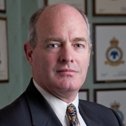
Acuity's Andrew Lane & Brad Alexander share their perspective on the new London office and future of sentiment-based trading systems.
Trading technology is constantly advancing and the need to decipher and process large swaths of information and data is hugely instrumental for traders in the financial industry.
Finance Magnates spoke with Andrew Lane, the CEO and Founder of Acuity Trading, a comprehensive developer of trading and sentiment-based strategies, for his perspective on the firm’s new office in London and incoming personnel.
Acuity Trading was founded in 2013, however, “We only went to market in 2014 so we are still relatively new. We were successful in securing funding earlier this year, which was a critical impetus behind the backing of our new office in London and the hire of our newest executive, Brad Alexander,” noted Mr. Lane.
Last week, Acuity Trading appointed Brad Alexander as its newest Vice President (VP) of Sales. In his new role as the VP of sales, Mr. Alexander will be based out of the firm’s new office in London. He will be tasked with spearheading all sales efforts at Acuity Trading, whilst distributing the firm’s sentiment-based product suite to retail trading outlets in both the UK and Europe, Middle East and Africa (EMEA) region.
Mr. Alexander joins Acuity with a wealth of knowledge and expertise with trading systems. According to Mr. Lane, “We already have an exciting line up of developments coming this year and Brad’s trading knowledge will be instrumental in supporting these efforts. The feedback we have received so far on these has been overwhelming positive and Brad’s hire will help us meet demand in the coming months.”
The sector itself is quite difficult to gain traction in – there are no shortage of companies attempting to utilize sentiment-based trading systems or those that rely on channels such as social media. However, “I know how difficult it is to make a go of it in this sector with a few companies trying to get in to this space over the past 2 years. Indeed I was one of first to make a foray into this field back in 2005 and I understand the sector’s pitfalls."
Overall, “There are a number of reasons for this I believe, however the greatest challenge has been in the lack of visualization of the data and in understanding how the data can be useful to the end users. This is something that has been at the forefront of our product development and a major feature of our new product coming to market later this year.”
“From my perspective, I have been pleasantly surprised with the successfulness of our data – not just from my perspective as the Vice President (VP) of sales but I’ve been a trader for a long time myself. I learned very quickly that many products and services are too complicated and over-engineered for retail traders meaning that adoption is very low. The products by Acuity Trading have tackled these problems head on,” reiterated Mr. Alexander.
The challenges to improve upon traders’ performance and experience are manifold, however a simplified strategy is generally preferred. According to Mr. Lane, “First and foremost retail traders need confidence. If something is too hard to understand, they simply won’t use them but beyond this, we want to give brokers the opportunity to differentiate themselves and increase trading volumes.”
As for sentiment specifically, “There has been a focus among some companies to create products based on the data from social media alone. However, what we have found and continue to identify from our research is that social media on its own lacks the volume and context needed and is therefore relatively limited in being able to predict financial markets compared to other sentiment-based systems.”
More specifically, according to Mr. Lane, “Twitter for example is very US and UK centric and as we know, there is a bigger market out there than just those two. We have found that the more we rely on an amalgamation of sources the better our product performs.”
Secondly, “Our machine learning allows our computers to learn irrespective of the language. We don't tell them what is English, Spanish, German, etc., instead, we mine in any language we choose, and subsequently define a target language.”
Lastly, “We have been able to create multiple unique sentiment types that help identify specific trends that users would like to monitor. A lot more companies and news companies are doing this, however instead of just focusing on positive and negative outcomes, we also isolate for fear and joy – it’s quite interesting and the interactions we have seen have given us greater latitude for analysis,” he noted.
For example, “When negativity heightens you would expect fear to rise concordantly as well. However, when you divide financial negativity by fear you see acute spikes, showing heightened negativity. In total, Acuity Trading utilizes around twelve seperate sentiment indicators with NLP experts combing our data streams for the best combinations.”
As such, “We are continuously looking to develop our products and we have definitely got some exciting things coming up in H2 2015, specifically for brokers who are keen to differentiate their offering. As a trader, I understand the need to keep things simple and to grant traders a utility to help them trade in a streamlined manner, which should have positive knock-on effects for the brokers,” concluded Mr. Alexander.
Trading technology is constantly advancing and the need to decipher and process large swaths of information and data is hugely instrumental for traders in the financial industry.
Finance Magnates spoke with Andrew Lane, the CEO and Founder of Acuity Trading, a comprehensive developer of trading and sentiment-based strategies, for his perspective on the firm’s new office in London and incoming personnel.
Acuity Trading was founded in 2013, however, “We only went to market in 2014 so we are still relatively new. We were successful in securing funding earlier this year, which was a critical impetus behind the backing of our new office in London and the hire of our newest executive, Brad Alexander,” noted Mr. Lane.
Last week, Acuity Trading appointed Brad Alexander as its newest Vice President (VP) of Sales. In his new role as the VP of sales, Mr. Alexander will be based out of the firm’s new office in London. He will be tasked with spearheading all sales efforts at Acuity Trading, whilst distributing the firm’s sentiment-based product suite to retail trading outlets in both the UK and Europe, Middle East and Africa (EMEA) region.
Mr. Alexander joins Acuity with a wealth of knowledge and expertise with trading systems. According to Mr. Lane, “We already have an exciting line up of developments coming this year and Brad’s trading knowledge will be instrumental in supporting these efforts. The feedback we have received so far on these has been overwhelming positive and Brad’s hire will help us meet demand in the coming months.”
The sector itself is quite difficult to gain traction in – there are no shortage of companies attempting to utilize sentiment-based trading systems or those that rely on channels such as social media. However, “I know how difficult it is to make a go of it in this sector with a few companies trying to get in to this space over the past 2 years. Indeed I was one of first to make a foray into this field back in 2005 and I understand the sector’s pitfalls."
Overall, “There are a number of reasons for this I believe, however the greatest challenge has been in the lack of visualization of the data and in understanding how the data can be useful to the end users. This is something that has been at the forefront of our product development and a major feature of our new product coming to market later this year.”
“From my perspective, I have been pleasantly surprised with the successfulness of our data – not just from my perspective as the Vice President (VP) of sales but I’ve been a trader for a long time myself. I learned very quickly that many products and services are too complicated and over-engineered for retail traders meaning that adoption is very low. The products by Acuity Trading have tackled these problems head on,” reiterated Mr. Alexander.
The challenges to improve upon traders’ performance and experience are manifold, however a simplified strategy is generally preferred. According to Mr. Lane, “First and foremost retail traders need confidence. If something is too hard to understand, they simply won’t use them but beyond this, we want to give brokers the opportunity to differentiate themselves and increase trading volumes.”
As for sentiment specifically, “There has been a focus among some companies to create products based on the data from social media alone. However, what we have found and continue to identify from our research is that social media on its own lacks the volume and context needed and is therefore relatively limited in being able to predict financial markets compared to other sentiment-based systems.”
More specifically, according to Mr. Lane, “Twitter for example is very US and UK centric and as we know, there is a bigger market out there than just those two. We have found that the more we rely on an amalgamation of sources the better our product performs.”
Secondly, “Our machine learning allows our computers to learn irrespective of the language. We don't tell them what is English, Spanish, German, etc., instead, we mine in any language we choose, and subsequently define a target language.”
Lastly, “We have been able to create multiple unique sentiment types that help identify specific trends that users would like to monitor. A lot more companies and news companies are doing this, however instead of just focusing on positive and negative outcomes, we also isolate for fear and joy – it’s quite interesting and the interactions we have seen have given us greater latitude for analysis,” he noted.
For example, “When negativity heightens you would expect fear to rise concordantly as well. However, when you divide financial negativity by fear you see acute spikes, showing heightened negativity. In total, Acuity Trading utilizes around twelve seperate sentiment indicators with NLP experts combing our data streams for the best combinations.”
As such, “We are continuously looking to develop our products and we have definitely got some exciting things coming up in H2 2015, specifically for brokers who are keen to differentiate their offering. As a trader, I understand the need to keep things simple and to grant traders a utility to help them trade in a streamlined manner, which should have positive knock-on effects for the brokers,” concluded Mr. Alexander.
Today’s financial news recap covers IG Group expects lower Q3 revenue, MetaQuotes adds Benzinga news, Match-Trader launches an MCP, and brokers weigh build versus buy.
Finance Magnates Daily Recap brings you the latest news from forex and CFD brokers, fintech, payments, cryptocurrency, digital assets, trading platforms, financial regulation and global markets.
Get the key company news, executive moves, deals, regulatory updates and market developments of the day, in just a few minutes. New episodes published every weekday.
Read more: https://www.financemagnates.com
#FinanceMagnates #ForexNews #FintechNews
Today’s financial news recap covers IG Group expects lower Q3 revenue, MetaQuotes adds Benzinga news, Match-Trader launches an MCP, and brokers weigh build versus buy.
Finance Magnates Daily Recap brings you the latest news from forex and CFD brokers, fintech, payments, cryptocurrency, digital assets, trading platforms, financial regulation and global markets.
Get the key company news, executive moves, deals, regulatory updates and market developments of the day, in just a few minutes. New episodes published every weekday.
Read more: https://www.financemagnates.com
#FinanceMagnates #ForexNews #FintechNews
Today’s financial news recap covers IG Group expects lower Q3 revenue, MetaQuotes adds Benzinga news, Match-Trader launches an MCP, and brokers weigh build versus buy.
Finance Magnates Daily Recap brings you the latest news from forex and CFD brokers, fintech, payments, cryptocurrency, digital assets, trading platforms, financial regulation and global markets.
Get the key company news, executive moves, deals, regulatory updates and market developments of the day, in just a few minutes. New episodes published every weekday.
Read more: https://www.financemagnates.com
#FinanceMagnates #ForexNews #FintechNews
Today’s financial news recap covers IG Group expects lower Q3 revenue, MetaQuotes adds Benzinga news, Match-Trader launches an MCP, and brokers weigh build versus buy.
Finance Magnates Daily Recap brings you the latest news from forex and CFD brokers, fintech, payments, cryptocurrency, digital assets, trading platforms, financial regulation and global markets.
Get the key company news, executive moves, deals, regulatory updates and market developments of the day, in just a few minutes. New episodes published every weekday.
Read more: https://www.financemagnates.com
#FinanceMagnates #ForexNews #FintechNews
Binance Faces EU Scrutiny; CFI Adds Seven-Day Gold Trading
Binance Faces EU Scrutiny; CFI Adds Seven-Day Gold Trading
Binance Faces EU Scrutiny; CFI Adds Seven-Day Gold Trading
Binance Faces EU Scrutiny; CFI Adds Seven-Day Gold Trading
Binance Faces EU Scrutiny; CFI Adds Seven-Day Gold Trading
Binance Faces EU Scrutiny; CFI Adds Seven-Day Gold Trading
Today’s financial news recap covers EU regulators question Binance's use of reverse solicitation, CFI launches seven-day gold trading, the FCA opens a crypto authorisation window, and Polymarket adds trading safeguards.
Finance Magnates Daily Recap brings you the latest news from forex and CFD brokers, fintech, payments, cryptocurrency, digital assets, trading platforms, financial regulation and global markets.
Get the key company news, executive moves, deals, regulatory updates and market developments of the day, in just a few minutes. New episodes published every weekday.
Read more: https://www.financemagnates.com
#FinanceMagnates #ForexNews #FintechNews
Today’s financial news recap covers EU regulators question Binance's use of reverse solicitation, CFI launches seven-day gold trading, the FCA opens a crypto authorisation window, and Polymarket adds trading safeguards.
Finance Magnates Daily Recap brings you the latest news from forex and CFD brokers, fintech, payments, cryptocurrency, digital assets, trading platforms, financial regulation and global markets.
Get the key company news, executive moves, deals, regulatory updates and market developments of the day, in just a few minutes. New episodes published every weekday.
Read more: https://www.financemagnates.com
#FinanceMagnates #ForexNews #FintechNews
Today’s financial news recap covers EU regulators question Binance's use of reverse solicitation, CFI launches seven-day gold trading, the FCA opens a crypto authorisation window, and Polymarket adds trading safeguards.
Finance Magnates Daily Recap brings you the latest news from forex and CFD brokers, fintech, payments, cryptocurrency, digital assets, trading platforms, financial regulation and global markets.
Get the key company news, executive moves, deals, regulatory updates and market developments of the day, in just a few minutes. New episodes published every weekday.
Read more: https://www.financemagnates.com
#FinanceMagnates #ForexNews #FintechNews
Today’s financial news recap covers EU regulators question Binance's use of reverse solicitation, CFI launches seven-day gold trading, the FCA opens a crypto authorisation window, and Polymarket adds trading safeguards.
Finance Magnates Daily Recap brings you the latest news from forex and CFD brokers, fintech, payments, cryptocurrency, digital assets, trading platforms, financial regulation and global markets.
Get the key company news, executive moves, deals, regulatory updates and market developments of the day, in just a few minutes. New episodes published every weekday.
Read more: https://www.financemagnates.com
#FinanceMagnates #ForexNews #FintechNews
Today’s financial news recap covers EU regulators question Binance's use of reverse solicitation, CFI launches seven-day gold trading, the FCA opens a crypto authorisation window, and Polymarket adds trading safeguards.
Finance Magnates Daily Recap brings you the latest news from forex and CFD brokers, fintech, payments, cryptocurrency, digital assets, trading platforms, financial regulation and global markets.
Get the key company news, executive moves, deals, regulatory updates and market developments of the day, in just a few minutes. New episodes published every weekday.
Read more: https://www.financemagnates.com
#FinanceMagnates #ForexNews #FintechNews
Today’s financial news recap covers EU regulators question Binance's use of reverse solicitation, CFI launches seven-day gold trading, the FCA opens a crypto authorisation window, and Polymarket adds trading safeguards.
Finance Magnates Daily Recap brings you the latest news from forex and CFD brokers, fintech, payments, cryptocurrency, digital assets, trading platforms, financial regulation and global markets.
Get the key company news, executive moves, deals, regulatory updates and market developments of the day, in just a few minutes. New episodes published every weekday.
Read more: https://www.financemagnates.com
#FinanceMagnates #ForexNews #FintechNews
The5ers Connects Trading Accounts to AI; EC Markets Doubles UK Revenue
The5ers Connects Trading Accounts to AI; EC Markets Doubles UK Revenue
The5ers Connects Trading Accounts to AI; EC Markets Doubles UK Revenue
The5ers Connects Trading Accounts to AI; EC Markets Doubles UK Revenue
The5ers Connects Trading Accounts to AI; EC Markets Doubles UK Revenue
The5ers Connects Trading Accounts to AI; EC Markets Doubles UK Revenue
Today’s financial news recap covers The5ers connects trading accounts to ChatGPT and Claude, EC Markets doubles UK revenue, ThinkMarkets returns to profit, and Alpaca advances its Southeast Asia expansion.
Finance Magnates Daily Recap brings you the latest news from forex and CFD brokers, fintech, payments, cryptocurrency, digital assets, trading platforms, financial regulation and global markets.
Get the key company news, executive moves, deals, regulatory updates and market developments of the day, in just a few minutes. New episodes published every weekday.
Read more: https://www.financemagnates.com
#FinanceMagnates #ForexNews #FintechNews
Today’s financial news recap covers The5ers connects trading accounts to ChatGPT and Claude, EC Markets doubles UK revenue, ThinkMarkets returns to profit, and Alpaca advances its Southeast Asia expansion.
Finance Magnates Daily Recap brings you the latest news from forex and CFD brokers, fintech, payments, cryptocurrency, digital assets, trading platforms, financial regulation and global markets.
Get the key company news, executive moves, deals, regulatory updates and market developments of the day, in just a few minutes. New episodes published every weekday.
Read more: https://www.financemagnates.com
#FinanceMagnates #ForexNews #FintechNews
Today’s financial news recap covers The5ers connects trading accounts to ChatGPT and Claude, EC Markets doubles UK revenue, ThinkMarkets returns to profit, and Alpaca advances its Southeast Asia expansion.
Finance Magnates Daily Recap brings you the latest news from forex and CFD brokers, fintech, payments, cryptocurrency, digital assets, trading platforms, financial regulation and global markets.
Get the key company news, executive moves, deals, regulatory updates and market developments of the day, in just a few minutes. New episodes published every weekday.
Read more: https://www.financemagnates.com
#FinanceMagnates #ForexNews #FintechNews
Today’s financial news recap covers The5ers connects trading accounts to ChatGPT and Claude, EC Markets doubles UK revenue, ThinkMarkets returns to profit, and Alpaca advances its Southeast Asia expansion.
Finance Magnates Daily Recap brings you the latest news from forex and CFD brokers, fintech, payments, cryptocurrency, digital assets, trading platforms, financial regulation and global markets.
Get the key company news, executive moves, deals, regulatory updates and market developments of the day, in just a few minutes. New episodes published every weekday.
Read more: https://www.financemagnates.com
#FinanceMagnates #ForexNews #FintechNews
Today’s financial news recap covers The5ers connects trading accounts to ChatGPT and Claude, EC Markets doubles UK revenue, ThinkMarkets returns to profit, and Alpaca advances its Southeast Asia expansion.
Finance Magnates Daily Recap brings you the latest news from forex and CFD brokers, fintech, payments, cryptocurrency, digital assets, trading platforms, financial regulation and global markets.
Get the key company news, executive moves, deals, regulatory updates and market developments of the day, in just a few minutes. New episodes published every weekday.
Read more: https://www.financemagnates.com
#FinanceMagnates #ForexNews #FintechNews
Today’s financial news recap covers The5ers connects trading accounts to ChatGPT and Claude, EC Markets doubles UK revenue, ThinkMarkets returns to profit, and Alpaca advances its Southeast Asia expansion.
Finance Magnates Daily Recap brings you the latest news from forex and CFD brokers, fintech, payments, cryptocurrency, digital assets, trading platforms, financial regulation and global markets.
Get the key company news, executive moves, deals, regulatory updates and market developments of the day, in just a few minutes. New episodes published every weekday.
Read more: https://www.financemagnates.com
#FinanceMagnates #ForexNews #FintechNews
MyForexFunds Brand Rights Sold; FundedSeat Closes
MyForexFunds Brand Rights Sold; FundedSeat Closes
MyForexFunds Brand Rights Sold; FundedSeat Closes
MyForexFunds Brand Rights Sold; FundedSeat Closes
MyForexFunds Brand Rights Sold; FundedSeat Closes
MyForexFunds Brand Rights Sold; FundedSeat Closes
Today’s financial news recap covers MyForexFunds' brand assets are sold to a Dubai-based firm, FundedSeat closes, Valbury adds DXtrade, and Germany expands its fight against trading fraud.
Finance Magnates Daily Recap brings you the latest news from forex and CFD brokers, fintech, payments, cryptocurrency, digital assets, trading platforms, financial regulation and global markets.
Get the key company news, executive moves, deals, regulatory updates and market developments of the day, in just a few minutes. New episodes published every weekday.
Read more: https://www.financemagnates.com
#FinanceMagnates #ForexNews #FintechNews
Today’s financial news recap covers MyForexFunds' brand assets are sold to a Dubai-based firm, FundedSeat closes, Valbury adds DXtrade, and Germany expands its fight against trading fraud.
Finance Magnates Daily Recap brings you the latest news from forex and CFD brokers, fintech, payments, cryptocurrency, digital assets, trading platforms, financial regulation and global markets.
Get the key company news, executive moves, deals, regulatory updates and market developments of the day, in just a few minutes. New episodes published every weekday.
Read more: https://www.financemagnates.com
#FinanceMagnates #ForexNews #FintechNews
Today’s financial news recap covers MyForexFunds' brand assets are sold to a Dubai-based firm, FundedSeat closes, Valbury adds DXtrade, and Germany expands its fight against trading fraud.
Finance Magnates Daily Recap brings you the latest news from forex and CFD brokers, fintech, payments, cryptocurrency, digital assets, trading platforms, financial regulation and global markets.
Get the key company news, executive moves, deals, regulatory updates and market developments of the day, in just a few minutes. New episodes published every weekday.
Read more: https://www.financemagnates.com
#FinanceMagnates #ForexNews #FintechNews
Today’s financial news recap covers MyForexFunds' brand assets are sold to a Dubai-based firm, FundedSeat closes, Valbury adds DXtrade, and Germany expands its fight against trading fraud.
Finance Magnates Daily Recap brings you the latest news from forex and CFD brokers, fintech, payments, cryptocurrency, digital assets, trading platforms, financial regulation and global markets.
Get the key company news, executive moves, deals, regulatory updates and market developments of the day, in just a few minutes. New episodes published every weekday.
Read more: https://www.financemagnates.com
#FinanceMagnates #ForexNews #FintechNews
Today’s financial news recap covers MyForexFunds' brand assets are sold to a Dubai-based firm, FundedSeat closes, Valbury adds DXtrade, and Germany expands its fight against trading fraud.
Finance Magnates Daily Recap brings you the latest news from forex and CFD brokers, fintech, payments, cryptocurrency, digital assets, trading platforms, financial regulation and global markets.
Get the key company news, executive moves, deals, regulatory updates and market developments of the day, in just a few minutes. New episodes published every weekday.
Read more: https://www.financemagnates.com
#FinanceMagnates #ForexNews #FintechNews
Today’s financial news recap covers MyForexFunds' brand assets are sold to a Dubai-based firm, FundedSeat closes, Valbury adds DXtrade, and Germany expands its fight against trading fraud.
Finance Magnates Daily Recap brings you the latest news from forex and CFD brokers, fintech, payments, cryptocurrency, digital assets, trading platforms, financial regulation and global markets.
Get the key company news, executive moves, deals, regulatory updates and market developments of the day, in just a few minutes. New episodes published every weekday.
Read more: https://www.financemagnates.com
#FinanceMagnates #ForexNews #FintechNews
Learn from people who actually work in the industry.
Learn from people who actually work in the industry.
Learn from people who actually work in the industry.
Learn from people who actually work in the industry.
Learn from people who actually work in the industry.
Learn from people who actually work in the industry.
The value of learning from active professionals is the perspective they bring from dealing with real challenges every day.
That first-hand experience can turn concepts into practical, actionable insights.
Discover the people behind FM Academy’s courses and the industry experience they bring to professional education.
#FMAcademy #FinanceMagnates #Fintech #FinanceCareers #ProfessionalDevelopment
The value of learning from active professionals is the perspective they bring from dealing with real challenges every day.
That first-hand experience can turn concepts into practical, actionable insights.
Discover the people behind FM Academy’s courses and the industry experience they bring to professional education.
#FMAcademy #FinanceMagnates #Fintech #FinanceCareers #ProfessionalDevelopment
The value of learning from active professionals is the perspective they bring from dealing with real challenges every day.
That first-hand experience can turn concepts into practical, actionable insights.
Discover the people behind FM Academy’s courses and the industry experience they bring to professional education.
#FMAcademy #FinanceMagnates #Fintech #FinanceCareers #ProfessionalDevelopment
The value of learning from active professionals is the perspective they bring from dealing with real challenges every day.
That first-hand experience can turn concepts into practical, actionable insights.
Discover the people behind FM Academy’s courses and the industry experience they bring to professional education.
#FMAcademy #FinanceMagnates #Fintech #FinanceCareers #ProfessionalDevelopment
The value of learning from active professionals is the perspective they bring from dealing with real challenges every day.
That first-hand experience can turn concepts into practical, actionable insights.
Discover the people behind FM Academy’s courses and the industry experience they bring to professional education.
#FMAcademy #FinanceMagnates #Fintech #FinanceCareers #ProfessionalDevelopment
The value of learning from active professionals is the perspective they bring from dealing with real challenges every day.
That first-hand experience can turn concepts into practical, actionable insights.
Discover the people behind FM Academy’s courses and the industry experience they bring to professional education.
#FMAcademy #FinanceMagnates #Fintech #FinanceCareers #ProfessionalDevelopment