>
RMB Vying to Join the Ranks of the World’s Reserve Currencies
RMB Vying to Join the Ranks of the World’s Reserve Currencies
Wednesday,05/08/2015|13:20GMTby
Andy Traveller
Before being included in the IMF's Special Drawing Rights basket of reserve currencies, the Chinese renminbi has a few hurdles to clear.
Bloomberg
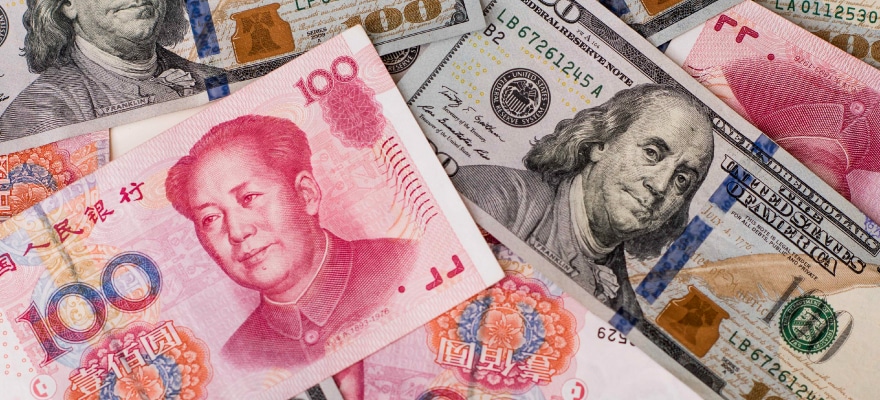
China’s currency, the renminbi, is under review as to whether or not it will join the four other global reserve currencies in the International Monetary Fund’s (IMF) Special Drawing Rights (SDR) basket. A positive decision would further accelerate the use of the “redback” as an international currency and validate China’s ambitions to become a major player in the global financial system.
IMF Consideration
As part of a five-yearly process, the IMF is scheduled to review the composition of the SDR basket in 2015 to ensure that it reflects the relative importance of currencies in the world’s trading and financial systems. Given the increased international usage of renminbi and the growing economic clout of China, the renminbi’s eligibility for inclusion in the SDR basket is now on the table to be endorsed by the IMF’s executive board.
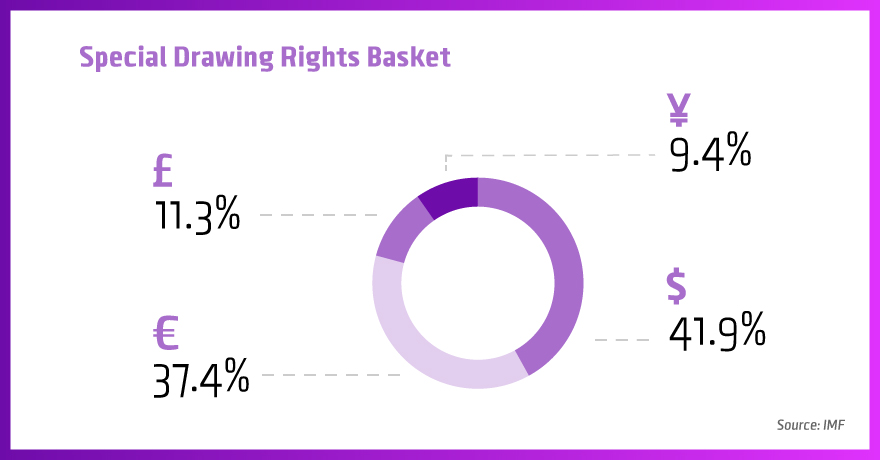
The SDR is a supplementary foreign exchange reserve asset. Its value is based on a basket of key international currencies - the Japanese yen, pound sterling, U.S. dollar and euro - and SDRs can be exchanged for freely usable currency to help maintain a balance between countries with big external liabilities and those flush with cash.
Is Renminbi Truly International?
China’s eagerness to add the renminbi to the basket resonates with a wider narrative; namely, the internationalization of the Chinese currency. Alongside the economic rise of China, the internationalization of the renminbi has been a part of a wider reform process.
Opening up the currency to international market forces is seen as an essential ingredient in the progressive development and liberalization of domestic financial markets. The continued international usage of the currency further contributes to the currency’s “store of value”, taking it one step closer to becoming a truly global reserve currency.
But to become a reserve currency, it must meet IMF criteria. The renminbi meets the first criterion for inclusion in the SDR basket; that is that the country must be a major exporter. Indeed, over the past five years, its exports averaged 11% of the global total. According to The Economist, that places it behind the European Union and America, but well ahead of Japan and Britain (the four countries whose currencies currently make up the SDR).
This is open to interpretation. It is not hard to argue that the renminbi is widely used. Since 2010, corporations anywhere in the world can settle in renminbi. Late last year, the Society for Worldwide Interbank Financial Telecommunication (SWIFT) revealed that the Chinese yuan became the 5th most popular payment currency in the world. Indeed, more than 900 financial institutions in over 70 countries are already doing business in the Chinese renminbi.
Capital controls restrict the flow of funds between the onshore and offshore markets, thereby preventing full convertibility.
In principal, the IMF could therefore decide that the renminbi meets this criterion.
However, while the development of the offshore market for renminbi has been a key part of the reform strategy, capital controls restrict the flow of funds between the onshore and offshore markets, thereby preventing full convertibility.
But as Siddharth Tiwari, Director of the IMF’s Strategy, Policy, and Review Department, states: “The concept of a freely usable currency concerns the actual international use and trading of currencies, and it is distinct from whether a currency is either freely floating or fully convertible. In other words, a currency can be widely used and widely traded even if it is subject to some capital account restrictions.”
“The Chinese renminbi is the only currency not currently in the SDR basket that meets the export criterion. Therefore, a key focus of the current review will be whether the RMB also meets the freely usable criterion in order to be included in the SDR basket,” he added.
Potential Barriers
A key focus of the current review will be whether the RMB also meets the freely usable criterion.
The debate is therefore not about the widespread usage of the currency or the exporting strength of China, rather about the ongoing liberalization and development of financial market reforms.
As Eswar Prasad, former IMF country head for China, remarks: “The decision about the renminbi’s inclusion in the basket hinges on financial market development, further opening of the capital account, and greater exchange rate flexibility.”
In particular, an IMF report calls on China to increase foreign access to its onshore stock and bond markets, especially government bonds.
It’s a kind of chicken and egg scenario, whereby inclusion of the renminbi in the basket would spur further financial market reforms, yet further financial market reforms are required for the inclusion of the renminbi as a global reserve currency.
US Treasury secretary urged more progress in deregulation of Chinese cross-border investment flows and domestic interest rates.
“We believe that the RMB’s inclusion in the SDR (and indeed RMB internationalization itself) is being used mainly as a goalpost, to catalyze domestic financial sector reforms, especially interest rate liberalization and China’s capital account opening,” Tao Wang, UBS China economist, wrote recently.
Moreover, the U.S., which has the largest voting right, is also reluctant to endorse the renminbi’s inclusion in the SDR basket. According to FT, Jacob Lew, US Treasury secretary, in late March urged more progress in deregulation of Chinese cross-border investment flows and domestic interest rates before an IMF endorsement of the renminbi.
However, European powers such as Germany, France and the UK have expressed support for adding the renminbi this year.
When, Not If
The IMF today announced that it has proposed extending the current SDR basket decision by nine months until September 30, 2016, which is much more of a compromise than delaying the decision until the next mandatory review in 2020, and speaks to the political sensitivities surrounding the issue.
Commenting on an extended decision timeline, Siddharth Tiwari, said: “This is in response to feedback from SDR users on the desirability of avoiding changes in the basket at the end of the calendar year and facilitating continued smooth functioning of SDR-related operations. An extension of nine months would also allow users to adjust to a potential changed basket composition should the Executive Board decide to include the RMB.”
For China, SDR basket inclusion is symbolic to global recognition of its rise in status.
Of course, inclusion of the renminbi would validate the Chinese government’s ambitions to raise the status of the Asian currency in line with broader geo-political aspirations.
Christine Lagarde, IMF Managing Director, is reported to have said that the renminbi’s inclusion is a “matter of when, not if."
The delayed deadline is perhaps about giving China more time to continue to reform its financial markets before joining the SDR club.
China’s currency, the renminbi, is under review as to whether or not it will join the four other global reserve currencies in the International Monetary Fund’s (IMF) Special Drawing Rights (SDR) basket. A positive decision would further accelerate the use of the “redback” as an international currency and validate China’s ambitions to become a major player in the global financial system.
IMF Consideration
As part of a five-yearly process, the IMF is scheduled to review the composition of the SDR basket in 2015 to ensure that it reflects the relative importance of currencies in the world’s trading and financial systems. Given the increased international usage of renminbi and the growing economic clout of China, the renminbi’s eligibility for inclusion in the SDR basket is now on the table to be endorsed by the IMF’s executive board.
The SDR is a supplementary foreign exchange reserve asset. Its value is based on a basket of key international currencies - the Japanese yen, pound sterling, U.S. dollar and euro - and SDRs can be exchanged for freely usable currency to help maintain a balance between countries with big external liabilities and those flush with cash.
Is Renminbi Truly International?
China’s eagerness to add the renminbi to the basket resonates with a wider narrative; namely, the internationalization of the Chinese currency. Alongside the economic rise of China, the internationalization of the renminbi has been a part of a wider reform process.
Opening up the currency to international market forces is seen as an essential ingredient in the progressive development and liberalization of domestic financial markets. The continued international usage of the currency further contributes to the currency’s “store of value”, taking it one step closer to becoming a truly global reserve currency.
But to become a reserve currency, it must meet IMF criteria. The renminbi meets the first criterion for inclusion in the SDR basket; that is that the country must be a major exporter. Indeed, over the past five years, its exports averaged 11% of the global total. According to The Economist, that places it behind the European Union and America, but well ahead of Japan and Britain (the four countries whose currencies currently make up the SDR).
This is open to interpretation. It is not hard to argue that the renminbi is widely used. Since 2010, corporations anywhere in the world can settle in renminbi. Late last year, the Society for Worldwide Interbank Financial Telecommunication (SWIFT) revealed that the Chinese yuan became the 5th most popular payment currency in the world. Indeed, more than 900 financial institutions in over 70 countries are already doing business in the Chinese renminbi.
Capital controls restrict the flow of funds between the onshore and offshore markets, thereby preventing full convertibility.
In principal, the IMF could therefore decide that the renminbi meets this criterion.
However, while the development of the offshore market for renminbi has been a key part of the reform strategy, capital controls restrict the flow of funds between the onshore and offshore markets, thereby preventing full convertibility.
But as Siddharth Tiwari, Director of the IMF’s Strategy, Policy, and Review Department, states: “The concept of a freely usable currency concerns the actual international use and trading of currencies, and it is distinct from whether a currency is either freely floating or fully convertible. In other words, a currency can be widely used and widely traded even if it is subject to some capital account restrictions.”
“The Chinese renminbi is the only currency not currently in the SDR basket that meets the export criterion. Therefore, a key focus of the current review will be whether the RMB also meets the freely usable criterion in order to be included in the SDR basket,” he added.
Potential Barriers
A key focus of the current review will be whether the RMB also meets the freely usable criterion.
The debate is therefore not about the widespread usage of the currency or the exporting strength of China, rather about the ongoing liberalization and development of financial market reforms.
As Eswar Prasad, former IMF country head for China, remarks: “The decision about the renminbi’s inclusion in the basket hinges on financial market development, further opening of the capital account, and greater exchange rate flexibility.”
In particular, an IMF report calls on China to increase foreign access to its onshore stock and bond markets, especially government bonds.
It’s a kind of chicken and egg scenario, whereby inclusion of the renminbi in the basket would spur further financial market reforms, yet further financial market reforms are required for the inclusion of the renminbi as a global reserve currency.
US Treasury secretary urged more progress in deregulation of Chinese cross-border investment flows and domestic interest rates.
“We believe that the RMB’s inclusion in the SDR (and indeed RMB internationalization itself) is being used mainly as a goalpost, to catalyze domestic financial sector reforms, especially interest rate liberalization and China’s capital account opening,” Tao Wang, UBS China economist, wrote recently.
Moreover, the U.S., which has the largest voting right, is also reluctant to endorse the renminbi’s inclusion in the SDR basket. According to FT, Jacob Lew, US Treasury secretary, in late March urged more progress in deregulation of Chinese cross-border investment flows and domestic interest rates before an IMF endorsement of the renminbi.
However, European powers such as Germany, France and the UK have expressed support for adding the renminbi this year.
When, Not If
The IMF today announced that it has proposed extending the current SDR basket decision by nine months until September 30, 2016, which is much more of a compromise than delaying the decision until the next mandatory review in 2020, and speaks to the political sensitivities surrounding the issue.
Commenting on an extended decision timeline, Siddharth Tiwari, said: “This is in response to feedback from SDR users on the desirability of avoiding changes in the basket at the end of the calendar year and facilitating continued smooth functioning of SDR-related operations. An extension of nine months would also allow users to adjust to a potential changed basket composition should the Executive Board decide to include the RMB.”
For China, SDR basket inclusion is symbolic to global recognition of its rise in status.
Of course, inclusion of the renminbi would validate the Chinese government’s ambitions to raise the status of the Asian currency in line with broader geo-political aspirations.
Singapore Independent Wealth Sector Has Less Than 10% Market Share, but Vast Room for Growth
Featured Videos
FP Markets Winner Spotlight 🏆 | Global Broker of the Year 2025 #Trading #Broker #Innovation #Shorts
FP Markets Winner Spotlight 🏆 | Global Broker of the Year 2025 #Trading #Broker #Innovation #Shorts
FP Markets Winner Spotlight 🏆 | Global Broker of the Year 2025 #Trading #Broker #Innovation #Shorts
FP Markets Winner Spotlight 🏆 | Global Broker of the Year 2025 #Trading #Broker #Innovation #Shorts
FP Markets takes the spotlight as Global Broker of the Year 2025 at the Finance Magnates Awards.
Martin Stoilov, Head of Client Experience, shares that trust, innovation, and people played a key role in the company’s success, supported by a strong foundation of integrity and client-centricity.
Following this milestone, FP Markets continues to focus on growth, technology investment, and its core values of transparency and excellence.
👉 Be part of FM Awards 2026: https://awards.financemagnates.com/#nominate
FP Markets takes the spotlight as Global Broker of the Year 2025 at the Finance Magnates Awards.
Martin Stoilov, Head of Client Experience, shares that trust, innovation, and people played a key role in the company’s success, supported by a strong foundation of integrity and client-centricity.
Following this milestone, FP Markets continues to focus on growth, technology investment, and its core values of transparency and excellence.
👉 Be part of FM Awards 2026: https://awards.financemagnates.com/#nominate
FP Markets takes the spotlight as Global Broker of the Year 2025 at the Finance Magnates Awards.
Martin Stoilov, Head of Client Experience, shares that trust, innovation, and people played a key role in the company’s success, supported by a strong foundation of integrity and client-centricity.
Following this milestone, FP Markets continues to focus on growth, technology investment, and its core values of transparency and excellence.
👉 Be part of FM Awards 2026: https://awards.financemagnates.com/#nominate
FP Markets takes the spotlight as Global Broker of the Year 2025 at the Finance Magnates Awards.
Martin Stoilov, Head of Client Experience, shares that trust, innovation, and people played a key role in the company’s success, supported by a strong foundation of integrity and client-centricity.
Following this milestone, FP Markets continues to focus on growth, technology investment, and its core values of transparency and excellence.
👉 Be part of FM Awards 2026: https://awards.financemagnates.com/#nominate
In this video, we review @HolaPrimeMarketsOfficial, a multi-asset forex and CFDs broker offering different account types, trading platforms, and flexible trading conditions.
We cover the broker’s overall offering, including account options, trading environment, platforms like MT4 and MT5, and additional services such as managed accounts and fast withdrawals.
Watch the full video to see if Hola Prime Markets fits your trading needs.
📣 Stay up to date with the latest in finance and trading. Follow Finance Magnates for industry news, insights, and global event coverage.
Connect with us:
🔗 LinkedIn: /financemagnates
👍 Facebook: /financemagnates
📸 Instagram: https://www.instagram.com/financemagnates
🐦 X: https://x.com/financemagnates
🎥 TikTok: https://www.tiktok.com/tag/financemagnates
▶️ YouTube: /@financemagnates_official
#HolaPrime #ForexBroker #CFDTrading #FinanceMagnates #Trading #Forex #BrokerReview
In this video, we review @HolaPrimeMarketsOfficial, a multi-asset forex and CFDs broker offering different account types, trading platforms, and flexible trading conditions.
We cover the broker’s overall offering, including account options, trading environment, platforms like MT4 and MT5, and additional services such as managed accounts and fast withdrawals.
Watch the full video to see if Hola Prime Markets fits your trading needs.
📣 Stay up to date with the latest in finance and trading. Follow Finance Magnates for industry news, insights, and global event coverage.
Connect with us:
🔗 LinkedIn: /financemagnates
👍 Facebook: /financemagnates
📸 Instagram: https://www.instagram.com/financemagnates
🐦 X: https://x.com/financemagnates
🎥 TikTok: https://www.tiktok.com/tag/financemagnates
▶️ YouTube: /@financemagnates_official
#HolaPrime #ForexBroker #CFDTrading #FinanceMagnates #Trading #Forex #BrokerReview
In this video, we review @HolaPrimeMarketsOfficial, a multi-asset forex and CFDs broker offering different account types, trading platforms, and flexible trading conditions.
We cover the broker’s overall offering, including account options, trading environment, platforms like MT4 and MT5, and additional services such as managed accounts and fast withdrawals.
Watch the full video to see if Hola Prime Markets fits your trading needs.
📣 Stay up to date with the latest in finance and trading. Follow Finance Magnates for industry news, insights, and global event coverage.
Connect with us:
🔗 LinkedIn: /financemagnates
👍 Facebook: /financemagnates
📸 Instagram: https://www.instagram.com/financemagnates
🐦 X: https://x.com/financemagnates
🎥 TikTok: https://www.tiktok.com/tag/financemagnates
▶️ YouTube: /@financemagnates_official
#HolaPrime #ForexBroker #CFDTrading #FinanceMagnates #Trading #Forex #BrokerReview
In this video, we review @HolaPrimeMarketsOfficial, a multi-asset forex and CFDs broker offering different account types, trading platforms, and flexible trading conditions.
We cover the broker’s overall offering, including account options, trading environment, platforms like MT4 and MT5, and additional services such as managed accounts and fast withdrawals.
Watch the full video to see if Hola Prime Markets fits your trading needs.
📣 Stay up to date with the latest in finance and trading. Follow Finance Magnates for industry news, insights, and global event coverage.
Connect with us:
🔗 LinkedIn: /financemagnates
👍 Facebook: /financemagnates
📸 Instagram: https://www.instagram.com/financemagnates
🐦 X: https://x.com/financemagnates
🎥 TikTok: https://www.tiktok.com/tag/financemagnates
▶️ YouTube: /@financemagnates_official
#HolaPrime #ForexBroker #CFDTrading #FinanceMagnates #Trading #Forex #BrokerReview
In this video, we review @HolaPrimeMarketsOfficial, a multi-asset forex and CFDs broker offering different account types, trading platforms, and flexible trading conditions.
We cover the broker’s overall offering, including account options, trading environment, platforms like MT4 and MT5, and additional services such as managed accounts and fast withdrawals.
Watch the full video to see if Hola Prime Markets fits your trading needs.
📣 Stay up to date with the latest in finance and trading. Follow Finance Magnates for industry news, insights, and global event coverage.
Connect with us:
🔗 LinkedIn: /financemagnates
👍 Facebook: /financemagnates
📸 Instagram: https://www.instagram.com/financemagnates
🐦 X: https://x.com/financemagnates
🎥 TikTok: https://www.tiktok.com/tag/financemagnates
▶️ YouTube: /@financemagnates_official
#HolaPrime #ForexBroker #CFDTrading #FinanceMagnates #Trading #Forex #BrokerReview
In this video, we review @HolaPrimeMarketsOfficial, a multi-asset forex and CFDs broker offering different account types, trading platforms, and flexible trading conditions.
We cover the broker’s overall offering, including account options, trading environment, platforms like MT4 and MT5, and additional services such as managed accounts and fast withdrawals.
Watch the full video to see if Hola Prime Markets fits your trading needs.
📣 Stay up to date with the latest in finance and trading. Follow Finance Magnates for industry news, insights, and global event coverage.
Connect with us:
🔗 LinkedIn: /financemagnates
👍 Facebook: /financemagnates
📸 Instagram: https://www.instagram.com/financemagnates
🐦 X: https://x.com/financemagnates
🎥 TikTok: https://www.tiktok.com/tag/financemagnates
▶️ YouTube: /@financemagnates_official
#HolaPrime #ForexBroker #CFDTrading #FinanceMagnates #Trading #Forex #BrokerReview
Hola Prime Review: What You Need to Know | Full Breakdown by Finance Magnates
Hola Prime Review: What You Need to Know | Full Breakdown by Finance Magnates
Hola Prime Review: What You Need to Know | Full Breakdown by Finance Magnates
Hola Prime Review: What You Need to Know | Full Breakdown by Finance Magnates
Hola Prime Review: What You Need to Know | Full Breakdown by Finance Magnates
Hola Prime Review: What You Need to Know | Full Breakdown by Finance Magnates
In this video, we review @HolaPrime_Global, a proprietary trading firm offering evaluation programs and performance-based payouts in simulated market environments.
We cover how the challenge model works, including account types, profit splits (up to 95%), trading rules, and what it takes to reach a funded account. You’ll also learn about available platforms like MT4, MT5, cTrader, and more, along with insights into payouts, support, and trading conditions.
Watch the full video to see if Hola Prime fits your trading style.
📣 Stay up to date with the latest in finance and trading. Follow Finance Magnates for industry news, insights, and global event coverage.
Connect with us:
🔗 LinkedIn: /financemagnates
👍 Facebook: /financemagnates
📸 Instagram: https://www.instagram.com/financemagnates
🐦 X: https://x.com/financemagnates
🎥 TikTok: https://www.tiktok.com/tag/financemagnates
▶️ YouTube: /@financemagnates_official
#HolaPrime #PropFirm #Trading #FinanceMagnates #Forex #FuturesTrading #TradingReview #PropFirmReview
In this video, we review @HolaPrime_Global, a proprietary trading firm offering evaluation programs and performance-based payouts in simulated market environments.
We cover how the challenge model works, including account types, profit splits (up to 95%), trading rules, and what it takes to reach a funded account. You’ll also learn about available platforms like MT4, MT5, cTrader, and more, along with insights into payouts, support, and trading conditions.
Watch the full video to see if Hola Prime fits your trading style.
📣 Stay up to date with the latest in finance and trading. Follow Finance Magnates for industry news, insights, and global event coverage.
Connect with us:
🔗 LinkedIn: /financemagnates
👍 Facebook: /financemagnates
📸 Instagram: https://www.instagram.com/financemagnates
🐦 X: https://x.com/financemagnates
🎥 TikTok: https://www.tiktok.com/tag/financemagnates
▶️ YouTube: /@financemagnates_official
#HolaPrime #PropFirm #Trading #FinanceMagnates #Forex #FuturesTrading #TradingReview #PropFirmReview
In this video, we review @HolaPrime_Global, a proprietary trading firm offering evaluation programs and performance-based payouts in simulated market environments.
We cover how the challenge model works, including account types, profit splits (up to 95%), trading rules, and what it takes to reach a funded account. You’ll also learn about available platforms like MT4, MT5, cTrader, and more, along with insights into payouts, support, and trading conditions.
Watch the full video to see if Hola Prime fits your trading style.
📣 Stay up to date with the latest in finance and trading. Follow Finance Magnates for industry news, insights, and global event coverage.
Connect with us:
🔗 LinkedIn: /financemagnates
👍 Facebook: /financemagnates
📸 Instagram: https://www.instagram.com/financemagnates
🐦 X: https://x.com/financemagnates
🎥 TikTok: https://www.tiktok.com/tag/financemagnates
▶️ YouTube: /@financemagnates_official
#HolaPrime #PropFirm #Trading #FinanceMagnates #Forex #FuturesTrading #TradingReview #PropFirmReview
In this video, we review @HolaPrime_Global, a proprietary trading firm offering evaluation programs and performance-based payouts in simulated market environments.
We cover how the challenge model works, including account types, profit splits (up to 95%), trading rules, and what it takes to reach a funded account. You’ll also learn about available platforms like MT4, MT5, cTrader, and more, along with insights into payouts, support, and trading conditions.
Watch the full video to see if Hola Prime fits your trading style.
📣 Stay up to date with the latest in finance and trading. Follow Finance Magnates for industry news, insights, and global event coverage.
Connect with us:
🔗 LinkedIn: /financemagnates
👍 Facebook: /financemagnates
📸 Instagram: https://www.instagram.com/financemagnates
🐦 X: https://x.com/financemagnates
🎥 TikTok: https://www.tiktok.com/tag/financemagnates
▶️ YouTube: /@financemagnates_official
#HolaPrime #PropFirm #Trading #FinanceMagnates #Forex #FuturesTrading #TradingReview #PropFirmReview
In this video, we review @HolaPrime_Global, a proprietary trading firm offering evaluation programs and performance-based payouts in simulated market environments.
We cover how the challenge model works, including account types, profit splits (up to 95%), trading rules, and what it takes to reach a funded account. You’ll also learn about available platforms like MT4, MT5, cTrader, and more, along with insights into payouts, support, and trading conditions.
Watch the full video to see if Hola Prime fits your trading style.
📣 Stay up to date with the latest in finance and trading. Follow Finance Magnates for industry news, insights, and global event coverage.
Connect with us:
🔗 LinkedIn: /financemagnates
👍 Facebook: /financemagnates
📸 Instagram: https://www.instagram.com/financemagnates
🐦 X: https://x.com/financemagnates
🎥 TikTok: https://www.tiktok.com/tag/financemagnates
▶️ YouTube: /@financemagnates_official
#HolaPrime #PropFirm #Trading #FinanceMagnates #Forex #FuturesTrading #TradingReview #PropFirmReview
In this video, we review @HolaPrime_Global, a proprietary trading firm offering evaluation programs and performance-based payouts in simulated market environments.
We cover how the challenge model works, including account types, profit splits (up to 95%), trading rules, and what it takes to reach a funded account. You’ll also learn about available platforms like MT4, MT5, cTrader, and more, along with insights into payouts, support, and trading conditions.
Watch the full video to see if Hola Prime fits your trading style.
📣 Stay up to date with the latest in finance and trading. Follow Finance Magnates for industry news, insights, and global event coverage.
Connect with us:
🔗 LinkedIn: /financemagnates
👍 Facebook: /financemagnates
📸 Instagram: https://www.instagram.com/financemagnates
🐦 X: https://x.com/financemagnates
🎥 TikTok: https://www.tiktok.com/tag/financemagnates
▶️ YouTube: /@financemagnates_official
#HolaPrime #PropFirm #Trading #FinanceMagnates #Forex #FuturesTrading #TradingReview #PropFirmReview
Axi Winner Spotlight 🏆 | Global Most Innovative Broker 2025 #Innovation #Trading #Fintech #Broker
Axi Winner Spotlight 🏆 | Global Most Innovative Broker 2025 #Innovation #Trading #Fintech #Broker
Axi Winner Spotlight 🏆 | Global Most Innovative Broker 2025 #Innovation #Trading #Fintech #Broker
Axi Winner Spotlight 🏆 | Global Most Innovative Broker 2025 #Innovation #Trading #Fintech #Broker
Axi Winner Spotlight 🏆 | Global Most Innovative Broker 2025 #Innovation #Trading #Fintech #Broker
Axi Winner Spotlight 🏆 | Global Most Innovative Broker 2025 #Innovation #Trading #Fintech #Broker
Axi takes the spotlight at the Finance Magnates Awards, winning Global Most Innovative Broker 2025.
Olivia Xenofontos and Ivanna Openko share how the team will feel: proud, motivated, and ready to keep delivering.
They also describe the night as well-organized, focused, and enjoyable for all.
👉 Be part of FM Awards 2026.
Axi takes the spotlight at the Finance Magnates Awards, winning Global Most Innovative Broker 2025.
Olivia Xenofontos and Ivanna Openko share how the team will feel: proud, motivated, and ready to keep delivering.
They also describe the night as well-organized, focused, and enjoyable for all.
👉 Be part of FM Awards 2026.
Axi takes the spotlight at the Finance Magnates Awards, winning Global Most Innovative Broker 2025.
Olivia Xenofontos and Ivanna Openko share how the team will feel: proud, motivated, and ready to keep delivering.
They also describe the night as well-organized, focused, and enjoyable for all.
👉 Be part of FM Awards 2026.
Axi takes the spotlight at the Finance Magnates Awards, winning Global Most Innovative Broker 2025.
Olivia Xenofontos and Ivanna Openko share how the team will feel: proud, motivated, and ready to keep delivering.
They also describe the night as well-organized, focused, and enjoyable for all.
👉 Be part of FM Awards 2026.
Axi takes the spotlight at the Finance Magnates Awards, winning Global Most Innovative Broker 2025.
Olivia Xenofontos and Ivanna Openko share how the team will feel: proud, motivated, and ready to keep delivering.
They also describe the night as well-organized, focused, and enjoyable for all.
👉 Be part of FM Awards 2026.
Axi takes the spotlight at the Finance Magnates Awards, winning Global Most Innovative Broker 2025.
Olivia Xenofontos and Ivanna Openko share how the team will feel: proud, motivated, and ready to keep delivering.
They also describe the night as well-organized, focused, and enjoyable for all.
👉 Be part of FM Awards 2026.
Recognition that matters.
Built on transparency.
Driven by the industry.
The Finance Magnates Awards 2026.
Nominations are now open.
🔗 https://awards.financemagnates.com/?utm_source=SM&utm_medium=social&utm_campaign=recognition-matters
Recognition that matters.
Built on transparency.
Driven by the industry.
The Finance Magnates Awards 2026.
Nominations are now open.
🔗 https://awards.financemagnates.com/?utm_source=SM&utm_medium=social&utm_campaign=recognition-matters
Recognition that matters.
Built on transparency.
Driven by the industry.
The Finance Magnates Awards 2026.
Nominations are now open.
🔗 https://awards.financemagnates.com/?utm_source=SM&utm_medium=social&utm_campaign=recognition-matters
Recognition that matters.
Built on transparency.
Driven by the industry.
The Finance Magnates Awards 2026.
Nominations are now open.
🔗 https://awards.financemagnates.com/?utm_source=SM&utm_medium=social&utm_campaign=recognition-matters
Recognition that matters.
Built on transparency.
Driven by the industry.
The Finance Magnates Awards 2026.
Nominations are now open.
🔗 https://awards.financemagnates.com/?utm_source=SM&utm_medium=social&utm_campaign=recognition-matters
Recognition that matters.
Built on transparency.
Driven by the industry.
The Finance Magnates Awards 2026.
Nominations are now open.
🔗 https://awards.financemagnates.com/?utm_source=SM&utm_medium=social&utm_campaign=recognition-matters