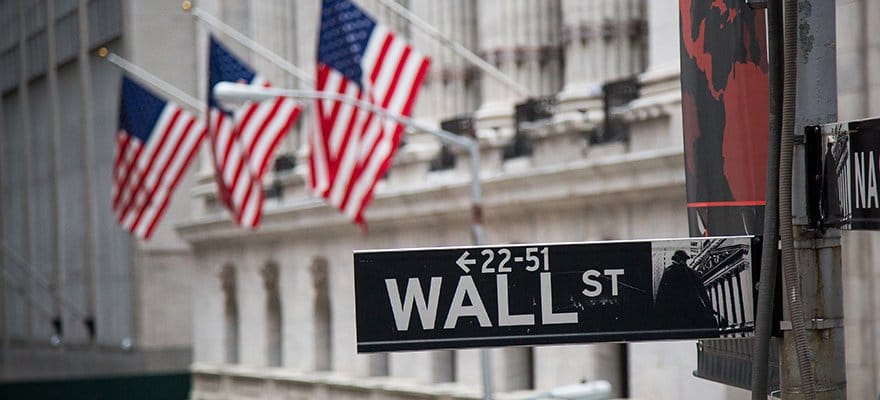
Recap of yesterday's event attended by Finance Magnates reporters in New York.
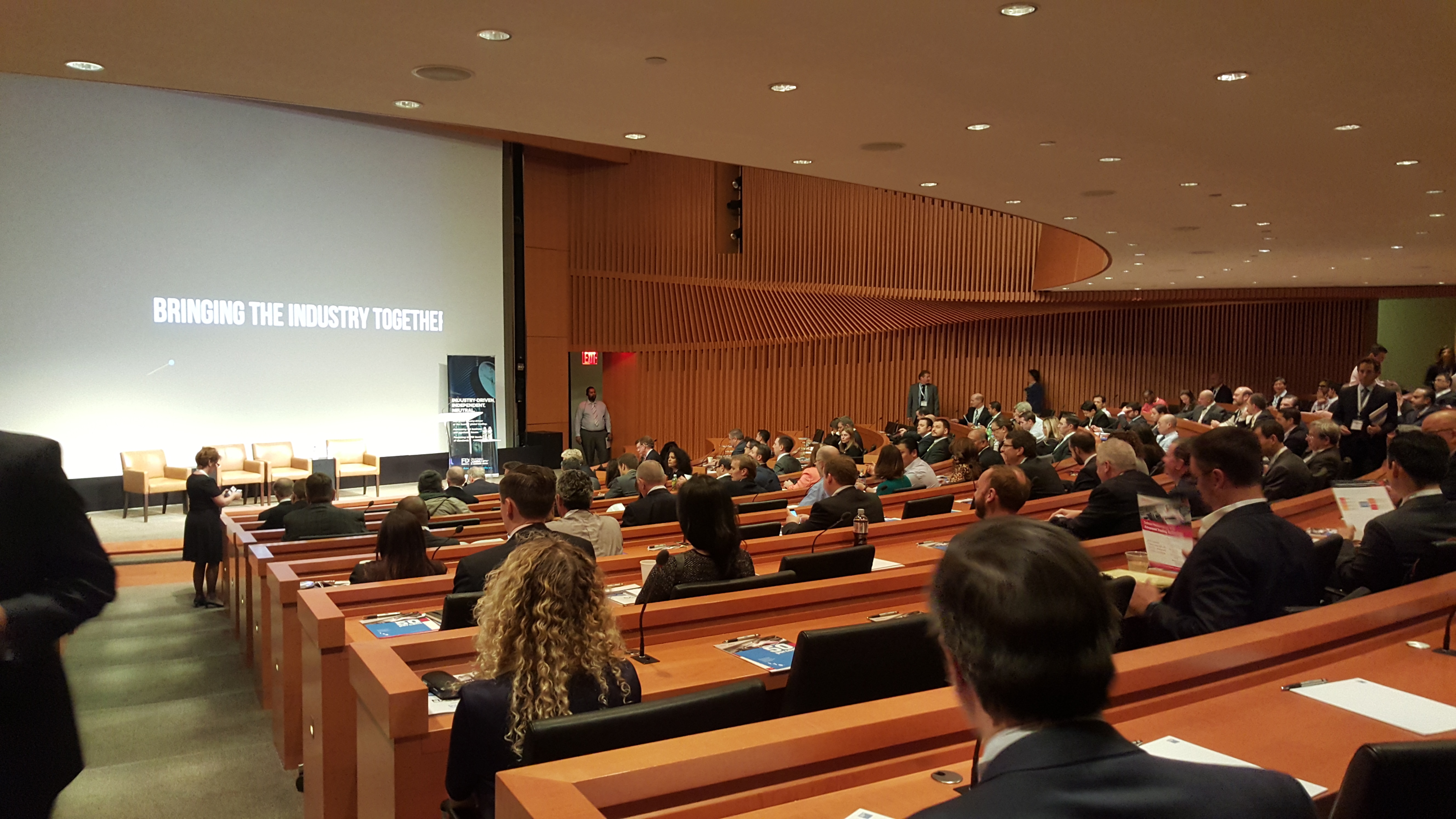
FIX Trading Community Americas Briefing in NY, at Goldman Sachs, April 14th 2016.
Source: Steven Hatzakis
One of the most widely used messaging protocols for information exchange in financial markets is FIX, which stands for Financial Information eXchange (FIX), and is maintained by its industry supported non-profit structure under the FIX Trading Community.
FIX represents a standard used for sending and receiving trading-related instructions, via the use of 'tags' and in order to communicate information such as related to market prices, trade allocation, collateral management, positions, settlement, and trade capture reporting data, among other uses.
These FIX communications underline a vast number of trading technologies and platforms that transmit via FIX messaging within and across the world’s electronic financial markets and institutions to carry out many billions of US dollars worth trading each day.
Americas briefing at Goldman Sachs
Yesterday, the organization had its Americas briefing in New York at Goldman Sachs’ office in downtown Manhattan, and Finance Magnates attended the event as a media delegate, and nearly 300 delegates as well as exhibitors such as Corvil which had made an announcement yesterday that we reported on as that news emerged. Below is a brief recap of the event, as well as key takeaways and recurrent topics that were observed.
For background, FIX helps software and data systems communicate with each other, by becoming the language on a two-way bridge between such systems. FIX Integration is carried out via an application programming interface (API) where one side can connect to one or more sides, using the API’s respective FIX specification document or guideline.
FIX trading community
Through its membership-based organization structure, FIX Trading Community is a non-profit standards body that maintains a diverse number of working groups and committees to stay up to date on the latest challenges and needs from both users and evolving regulatory rules.
Since 1998, the number of members at the organization has grown to nearly 400 and includes some of the largest financial institutions, banks, and investment firms, as well as online brokerages and technology and platform developers, among other companies that Finance Magnates often writes about.
Because of the wide use of FIX across nearly every electronic market and asset class, the working model of FIX helps to set a basis for use in fields such as blockchain. Fintech companies may also look to the use of the FIX protocol for connecting to related third parties and services that their apps or software rely upon.
Through the first panel, a key highlight was the emphasis on cybersecurity and how it is becoming increasingly interesting to international regulators, and how other governments with less developed capital markets infrastructure looked to model their venues after U.S. markets, for example.
Nasdaq's Chief Compliance Officer gave an interesting speech with regard to the way that regulations are changing for the clearing side, and the importance of cyber security, and the slow pace of market structure evolution - despite its complexity, as well as challenges with Alternative Trading Systems (ATS).
From matters related to the SEC and its role as an enforcement agency to the treasury as being a policy-making institute, the aspects of Dodd Frank and MiFiD II reform came up as being very time-consuming endeavors, yet were at the forefront of attention for companies.
Blockchain in and of itself will not eliminate cyber fraud.
Cybersecurity importance
Speaking with Finance Magnates, Lisa Toth, who heads the Risk, Compliance and Regulation business for Hatstand, a FinTech advisory specialist for Capital markets firms, explained: "Cybersecurity should be a focus within every compliance department already from the perspective of cyber crime and/or fraud which is a component of a firms overall financial crime prevention strategy. It is not necessarily a new type of crime but is becoming increasingly more sophisticated and harder to detect."
Lisa Toth Source: LinkedIn
"There is not a one-size-fits-all solution to cybersecurity, and a tailored approach enables each firm to fit a framework to both its risk appetite and budget on a strategic and tactical basis. With cybersecurity directly affecting data, networks, hardware, software, and operations, organizations must have sound governance practices in place in order to protect them from theft, business disruption, reputational risk and destruction."
Mrs. Toth added: "In terms of Blockchain, cybersecurity risks will need to be defined as the various industry participants work towards solutions. Blockchain in and of itself will not eliminate cyber fraud."
US stock markets
The discussion shifted into best-execution and areas of focus regarding IEX and how a speedbump introduced in the market could further complicate an already highly complex market. It also covered how greater ATS transparency was needed when compared to National Market Systems (NMS).
An analogy was made - regulators were getting down to a level of detail where it was as if their rulemaking would soon be in computer code – although not literally.
At the same time, this level of detail in rules was paralleled by an emergence of firms that were over-reporting data to help ensure nothing was missed or that they aren’t in violation. So if a firm is not sure, it reports the data just in case, and that led to over-reporting.
Further comments reflected that other jurisdictions may be more accommodating to businesses and that just because a regulator is super busy and active with rulemaking and proposals doesn’t necessarily mean that they have the right policies to accommodate new market entrants and new ideas.
Panel with FINRA rep
One of the panels featured Chris Stone, Vice President of Transparency Services Department at FINRA, who spoke along with Goldman Sachs’ Matt Lavicka who heads Electronic Trading Risk and Market Structure at the investment bank. They were joined by John Sheehy of Fidelity Institutional.
The discussion related mostly to FIX-related matters such as new flags in data feeds that still need to be fed into OMS and EMS platforms, as well as retail related flags, and aspects of self-help reporting and other subjects.
The following panel focused on post-trade and the future of it, and two key areas that came up were settlement and interoperability, from among the six-person panel. In terms of FIX connecting companies, their ability to operate with each other continues to grow, and along with other protocols such as the use of SWIFT for trade settlement, in cases when a company needs to settle a trade, such as an international one via SWIFT.
Blockchain and buy-side/sell-side
Another panel dicussed the change of technology on buy-side and sell-side spectrums - the emphasis was on how the large number of ISPs and 3rd party vendors could decline as a more standardized approach is following between how both sides integrate, as the sell-side spends lots of time integrating, whereas the buy-side has traditionally used in-house solutions and proprietary approaches, but how that is all changing.
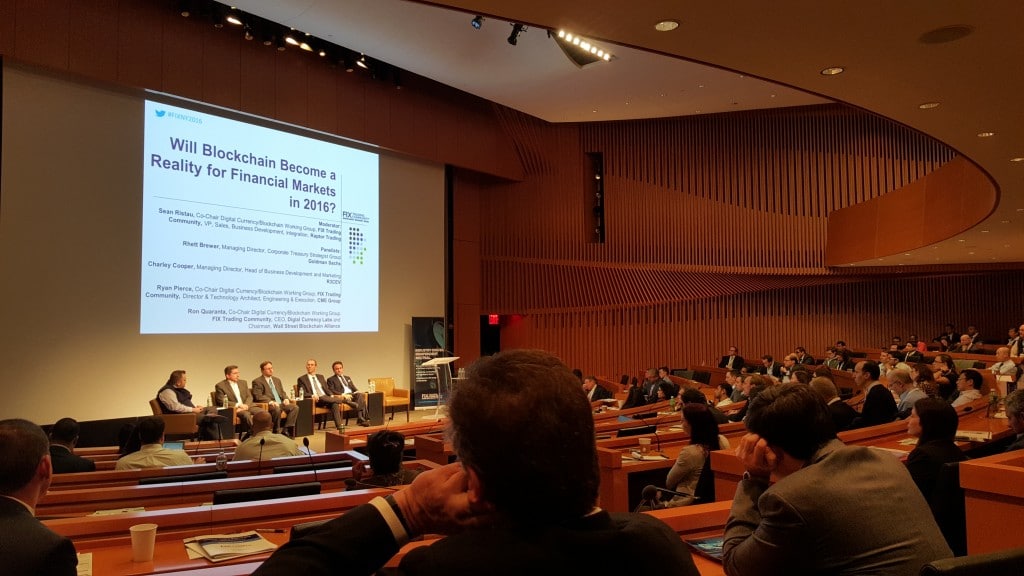
Panel regarding Blockchain at the FIX Trading Community Americas Briefing, New York, April 14th, 2016 Source: Steven Hatzakis
The much awaited blockchain panel was saved for last. The takeaway from the blockchain discussion was how although there is growing interest from exchanges, and although even central banks are looking at blockchain for its use as a distributed ledger, efforts that involve private networks are very different to a public network such as the blockchain used by Bitcoin.
Therefore, it’s not as if any such solution will be rolled out for mass distribution anytime soon, from a central bank at least, and instead smaller scale private networks may be rolled out first by exchanges or central banks, or other large institutions. The fact that central banks are testing the technology itself is a hint of what is possible in the future.
Using FIX as a model
One of the qualities of blockchain that was appealing is how its historical record is immutable, although not free from potentially corrupted links, as anything that transpires is made a permanent record. Another interesting angle is the use of blockchain to verify the reselling of data, similar to a digital rights management solution, as a means to confirm if a company is 'approved' to engage in any related action it is attempting to carry out with regard to interoperability.
Because of the extensive use of FIX across nearly every electronically traded asset, there is extensive modeling that can be used while planning out the use of blockchain in handling related assets, as well as for Fintech companies, by using the information contained with a sample roadmap of a FIX specification document and real-time messaging in a production or live environment.
One of the most widely used messaging protocols for information exchange in financial markets is FIX, which stands for Financial Information eXchange (FIX), and is maintained by its industry supported non-profit structure under the FIX Trading Community.
FIX represents a standard used for sending and receiving trading-related instructions, via the use of 'tags' and in order to communicate information such as related to market prices, trade allocation, collateral management, positions, settlement, and trade capture reporting data, among other uses.
These FIX communications underline a vast number of trading technologies and platforms that transmit via FIX messaging within and across the world’s electronic financial markets and institutions to carry out many billions of US dollars worth trading each day.
Americas briefing at Goldman Sachs
Yesterday, the organization had its Americas briefing in New York at Goldman Sachs’ office in downtown Manhattan, and Finance Magnates attended the event as a media delegate, and nearly 300 delegates as well as exhibitors such as Corvil which had made an announcement yesterday that we reported on as that news emerged. Below is a brief recap of the event, as well as key takeaways and recurrent topics that were observed.
For background, FIX helps software and data systems communicate with each other, by becoming the language on a two-way bridge between such systems. FIX Integration is carried out via an application programming interface (API) where one side can connect to one or more sides, using the API’s respective FIX specification document or guideline.
FIX trading community
Through its membership-based organization structure, FIX Trading Community is a non-profit standards body that maintains a diverse number of working groups and committees to stay up to date on the latest challenges and needs from both users and evolving regulatory rules.
Since 1998, the number of members at the organization has grown to nearly 400 and includes some of the largest financial institutions, banks, and investment firms, as well as online brokerages and technology and platform developers, among other companies that Finance Magnates often writes about.
Because of the wide use of FIX across nearly every electronic market and asset class, the working model of FIX helps to set a basis for use in fields such as blockchain. Fintech companies may also look to the use of the FIX protocol for connecting to related third parties and services that their apps or software rely upon.
Through the first panel, a key highlight was the emphasis on cybersecurity and how it is becoming increasingly interesting to international regulators, and how other governments with less developed capital markets infrastructure looked to model their venues after U.S. markets, for example.
Nasdaq's Chief Compliance Officer gave an interesting speech with regard to the way that regulations are changing for the clearing side, and the importance of cyber security, and the slow pace of market structure evolution - despite its complexity, as well as challenges with Alternative Trading Systems (ATS).
From matters related to the SEC and its role as an enforcement agency to the treasury as being a policy-making institute, the aspects of Dodd Frank and MiFiD II reform came up as being very time-consuming endeavors, yet were at the forefront of attention for companies.
Blockchain in and of itself will not eliminate cyber fraud.
Cybersecurity importance
Speaking with Finance Magnates, Lisa Toth, who heads the Risk, Compliance and Regulation business for Hatstand, a FinTech advisory specialist for Capital markets firms, explained: "Cybersecurity should be a focus within every compliance department already from the perspective of cyber crime and/or fraud which is a component of a firms overall financial crime prevention strategy. It is not necessarily a new type of crime but is becoming increasingly more sophisticated and harder to detect."
Lisa Toth Source: LinkedIn
"There is not a one-size-fits-all solution to cybersecurity, and a tailored approach enables each firm to fit a framework to both its risk appetite and budget on a strategic and tactical basis. With cybersecurity directly affecting data, networks, hardware, software, and operations, organizations must have sound governance practices in place in order to protect them from theft, business disruption, reputational risk and destruction."
Mrs. Toth added: "In terms of Blockchain, cybersecurity risks will need to be defined as the various industry participants work towards solutions. Blockchain in and of itself will not eliminate cyber fraud."
US stock markets
The discussion shifted into best-execution and areas of focus regarding IEX and how a speedbump introduced in the market could further complicate an already highly complex market. It also covered how greater ATS transparency was needed when compared to National Market Systems (NMS).
An analogy was made - regulators were getting down to a level of detail where it was as if their rulemaking would soon be in computer code – although not literally.
At the same time, this level of detail in rules was paralleled by an emergence of firms that were over-reporting data to help ensure nothing was missed or that they aren’t in violation. So if a firm is not sure, it reports the data just in case, and that led to over-reporting.
Further comments reflected that other jurisdictions may be more accommodating to businesses and that just because a regulator is super busy and active with rulemaking and proposals doesn’t necessarily mean that they have the right policies to accommodate new market entrants and new ideas.
Panel with FINRA rep
One of the panels featured Chris Stone, Vice President of Transparency Services Department at FINRA, who spoke along with Goldman Sachs’ Matt Lavicka who heads Electronic Trading Risk and Market Structure at the investment bank. They were joined by John Sheehy of Fidelity Institutional.
The discussion related mostly to FIX-related matters such as new flags in data feeds that still need to be fed into OMS and EMS platforms, as well as retail related flags, and aspects of self-help reporting and other subjects.
The following panel focused on post-trade and the future of it, and two key areas that came up were settlement and interoperability, from among the six-person panel. In terms of FIX connecting companies, their ability to operate with each other continues to grow, and along with other protocols such as the use of SWIFT for trade settlement, in cases when a company needs to settle a trade, such as an international one via SWIFT.
Blockchain and buy-side/sell-side
Another panel dicussed the change of technology on buy-side and sell-side spectrums - the emphasis was on how the large number of ISPs and 3rd party vendors could decline as a more standardized approach is following between how both sides integrate, as the sell-side spends lots of time integrating, whereas the buy-side has traditionally used in-house solutions and proprietary approaches, but how that is all changing.
Panel regarding Blockchain at the FIX Trading Community Americas Briefing, New York, April 14th, 2016 Source: Steven Hatzakis
The much awaited blockchain panel was saved for last. The takeaway from the blockchain discussion was how although there is growing interest from exchanges, and although even central banks are looking at blockchain for its use as a distributed ledger, efforts that involve private networks are very different to a public network such as the blockchain used by Bitcoin.
Therefore, it’s not as if any such solution will be rolled out for mass distribution anytime soon, from a central bank at least, and instead smaller scale private networks may be rolled out first by exchanges or central banks, or other large institutions. The fact that central banks are testing the technology itself is a hint of what is possible in the future.
Using FIX as a model
One of the qualities of blockchain that was appealing is how its historical record is immutable, although not free from potentially corrupted links, as anything that transpires is made a permanent record. Another interesting angle is the use of blockchain to verify the reselling of data, similar to a digital rights management solution, as a means to confirm if a company is 'approved' to engage in any related action it is attempting to carry out with regard to interoperability.
Because of the extensive use of FIX across nearly every electronically traded asset, there is extensive modeling that can be used while planning out the use of blockchain in handling related assets, as well as for Fintech companies, by using the information contained with a sample roadmap of a FIX specification document and real-time messaging in a production or live environment.
GTC Prime Adds Centroid Bridge as Multi-Asset Liquidity Distribution Channel
Featured Videos
AvaTrade to Acquire Most of FXCM; NAGA Raises $8M
AvaTrade to Acquire Most of FXCM; NAGA Raises $8M
AvaTrade to Acquire Most of FXCM; NAGA Raises $8M
AvaTrade to Acquire Most of FXCM; NAGA Raises $8M
Today’s financial news recap covers AvaTrade agrees to acquire most of FXCM, NAGA secures eight million dollars in new financing, and Wise seeks a tax settlement in the UK.
Finance Magnates Daily Recap brings you the latest news from forex and CFD brokers, fintech, payments, cryptocurrency, digital assets, trading platforms, financial regulation and global markets.
Get the key company news, executive moves, deals, regulatory updates and market developments of the day, in just a few minutes. New episodes published every weekday.
Read more: https://www.financemagnates.com
#FinanceMagnates #ForexNews #FintechNews
Today’s financial news recap covers AvaTrade agrees to acquire most of FXCM, NAGA secures eight million dollars in new financing, and Wise seeks a tax settlement in the UK.
Finance Magnates Daily Recap brings you the latest news from forex and CFD brokers, fintech, payments, cryptocurrency, digital assets, trading platforms, financial regulation and global markets.
Get the key company news, executive moves, deals, regulatory updates and market developments of the day, in just a few minutes. New episodes published every weekday.
Read more: https://www.financemagnates.com
#FinanceMagnates #ForexNews #FintechNews
Today’s financial news recap covers AvaTrade agrees to acquire most of FXCM, NAGA secures eight million dollars in new financing, and Wise seeks a tax settlement in the UK.
Finance Magnates Daily Recap brings you the latest news from forex and CFD brokers, fintech, payments, cryptocurrency, digital assets, trading platforms, financial regulation and global markets.
Get the key company news, executive moves, deals, regulatory updates and market developments of the day, in just a few minutes. New episodes published every weekday.
Read more: https://www.financemagnates.com
#FinanceMagnates #ForexNews #FintechNews
Today’s financial news recap covers AvaTrade agrees to acquire most of FXCM, NAGA secures eight million dollars in new financing, and Wise seeks a tax settlement in the UK.
Finance Magnates Daily Recap brings you the latest news from forex and CFD brokers, fintech, payments, cryptocurrency, digital assets, trading platforms, financial regulation and global markets.
Get the key company news, executive moves, deals, regulatory updates and market developments of the day, in just a few minutes. New episodes published every weekday.
Read more: https://www.financemagnates.com
#FinanceMagnates #ForexNews #FintechNews
XTB Adds Overnight US Stock Trading; Nasdaq Ventures Invests in One Trading
XTB Adds Overnight US Stock Trading; Nasdaq Ventures Invests in One Trading
XTB Adds Overnight US Stock Trading; Nasdaq Ventures Invests in One Trading
XTB Adds Overnight US Stock Trading; Nasdaq Ventures Invests in One Trading
XTB Adds Overnight US Stock Trading; Nasdaq Ventures Invests in One Trading
XTB Adds Overnight US Stock Trading; Nasdaq Ventures Invests in One Trading
Today’s financial news recap covers XTB expands overnight US stock trading, Fortrade reports higher revenue, Nasdaq backs One Trading, and Vest Labs raises 13 million dollars.
Finance Magnates Daily Recap brings you the latest news from forex and CFD brokers, fintech, payments, cryptocurrency, digital assets, trading platforms, financial regulation and global markets.
Get the key company news, executive moves, deals, regulatory updates and market developments of the day, in just a few minutes. New episodes published every weekday.
Read more: https://www.financemagnates.com
#FinanceMagnates #ForexNews #FintechNews
Today’s financial news recap covers XTB expands overnight US stock trading, Fortrade reports higher revenue, Nasdaq backs One Trading, and Vest Labs raises 13 million dollars.
Finance Magnates Daily Recap brings you the latest news from forex and CFD brokers, fintech, payments, cryptocurrency, digital assets, trading platforms, financial regulation and global markets.
Get the key company news, executive moves, deals, regulatory updates and market developments of the day, in just a few minutes. New episodes published every weekday.
Read more: https://www.financemagnates.com
#FinanceMagnates #ForexNews #FintechNews
Today’s financial news recap covers XTB expands overnight US stock trading, Fortrade reports higher revenue, Nasdaq backs One Trading, and Vest Labs raises 13 million dollars.
Finance Magnates Daily Recap brings you the latest news from forex and CFD brokers, fintech, payments, cryptocurrency, digital assets, trading platforms, financial regulation and global markets.
Get the key company news, executive moves, deals, regulatory updates and market developments of the day, in just a few minutes. New episodes published every weekday.
Read more: https://www.financemagnates.com
#FinanceMagnates #ForexNews #FintechNews
Today’s financial news recap covers XTB expands overnight US stock trading, Fortrade reports higher revenue, Nasdaq backs One Trading, and Vest Labs raises 13 million dollars.
Finance Magnates Daily Recap brings you the latest news from forex and CFD brokers, fintech, payments, cryptocurrency, digital assets, trading platforms, financial regulation and global markets.
Get the key company news, executive moves, deals, regulatory updates and market developments of the day, in just a few minutes. New episodes published every weekday.
Read more: https://www.financemagnates.com
#FinanceMagnates #ForexNews #FintechNews
Today’s financial news recap covers XTB expands overnight US stock trading, Fortrade reports higher revenue, Nasdaq backs One Trading, and Vest Labs raises 13 million dollars.
Finance Magnates Daily Recap brings you the latest news from forex and CFD brokers, fintech, payments, cryptocurrency, digital assets, trading platforms, financial regulation and global markets.
Get the key company news, executive moves, deals, regulatory updates and market developments of the day, in just a few minutes. New episodes published every weekday.
Read more: https://www.financemagnates.com
#FinanceMagnates #ForexNews #FintechNews
Today’s financial news recap covers XTB expands overnight US stock trading, Fortrade reports higher revenue, Nasdaq backs One Trading, and Vest Labs raises 13 million dollars.
Finance Magnates Daily Recap brings you the latest news from forex and CFD brokers, fintech, payments, cryptocurrency, digital assets, trading platforms, financial regulation and global markets.
Get the key company news, executive moves, deals, regulatory updates and market developments of the day, in just a few minutes. New episodes published every weekday.
Read more: https://www.financemagnates.com
#FinanceMagnates #ForexNews #FintechNews
CMC Founder Downplays Volatility Hit; Devexperts Names CEO
CMC Founder Downplays Volatility Hit; Devexperts Names CEO
CMC Founder Downplays Volatility Hit; Devexperts Names CEO
CMC Founder Downplays Volatility Hit; Devexperts Names CEO
CMC Founder Downplays Volatility Hit; Devexperts Names CEO
CMC Founder Downplays Volatility Hit; Devexperts Names CEO
Today’s financial news recap covers low volatility pressures brokers, Devexperts names a new CEO, Saxo cuts onboarding time, and OKX reaches a 25 billion dollar valuation.
Finance Magnates Daily Recap brings you the latest news from forex and CFD brokers, fintech, payments, cryptocurrency, digital assets, trading platforms, financial regulation and global markets.
Get the key company news, executive moves, deals, regulatory updates and market developments of the day, in just a few minutes. New episodes published every weekday.
Read more: https://www.financemagnates.com
#FinanceMagnates #ForexNews #FintechNews
Today’s financial news recap covers low volatility pressures brokers, Devexperts names a new CEO, Saxo cuts onboarding time, and OKX reaches a 25 billion dollar valuation.
Finance Magnates Daily Recap brings you the latest news from forex and CFD brokers, fintech, payments, cryptocurrency, digital assets, trading platforms, financial regulation and global markets.
Get the key company news, executive moves, deals, regulatory updates and market developments of the day, in just a few minutes. New episodes published every weekday.
Read more: https://www.financemagnates.com
#FinanceMagnates #ForexNews #FintechNews
Today’s financial news recap covers low volatility pressures brokers, Devexperts names a new CEO, Saxo cuts onboarding time, and OKX reaches a 25 billion dollar valuation.
Finance Magnates Daily Recap brings you the latest news from forex and CFD brokers, fintech, payments, cryptocurrency, digital assets, trading platforms, financial regulation and global markets.
Get the key company news, executive moves, deals, regulatory updates and market developments of the day, in just a few minutes. New episodes published every weekday.
Read more: https://www.financemagnates.com
#FinanceMagnates #ForexNews #FintechNews
Today’s financial news recap covers low volatility pressures brokers, Devexperts names a new CEO, Saxo cuts onboarding time, and OKX reaches a 25 billion dollar valuation.
Finance Magnates Daily Recap brings you the latest news from forex and CFD brokers, fintech, payments, cryptocurrency, digital assets, trading platforms, financial regulation and global markets.
Get the key company news, executive moves, deals, regulatory updates and market developments of the day, in just a few minutes. New episodes published every weekday.
Read more: https://www.financemagnates.com
#FinanceMagnates #ForexNews #FintechNews
Today’s financial news recap covers low volatility pressures brokers, Devexperts names a new CEO, Saxo cuts onboarding time, and OKX reaches a 25 billion dollar valuation.
Finance Magnates Daily Recap brings you the latest news from forex and CFD brokers, fintech, payments, cryptocurrency, digital assets, trading platforms, financial regulation and global markets.
Get the key company news, executive moves, deals, regulatory updates and market developments of the day, in just a few minutes. New episodes published every weekday.
Read more: https://www.financemagnates.com
#FinanceMagnates #ForexNews #FintechNews
Today’s financial news recap covers low volatility pressures brokers, Devexperts names a new CEO, Saxo cuts onboarding time, and OKX reaches a 25 billion dollar valuation.
Finance Magnates Daily Recap brings you the latest news from forex and CFD brokers, fintech, payments, cryptocurrency, digital assets, trading platforms, financial regulation and global markets.
Get the key company news, executive moves, deals, regulatory updates and market developments of the day, in just a few minutes. New episodes published every weekday.
Read more: https://www.financemagnates.com
#FinanceMagnates #ForexNews #FintechNews
Today’s financial news recap covers Trade Nation buys FXCM's UK client book, Trading 212 reports higher revenue, the CFTC's move to allow perpetual index futures.
Finance Magnates Daily Recap brings you the latest news from forex and CFD brokers, fintech, payments, cryptocurrency, digital assets, trading platforms, financial regulation and global markets.
Get the key company news, executive moves, deals, regulatory updates and market developments of the day, in just a few minutes. New episodes published every weekday.
Read more: https://www.financemagnates.com
#FinanceMagnates #ForexNews #FintechNews
Today’s financial news recap covers Trade Nation buys FXCM's UK client book, Trading 212 reports higher revenue, the CFTC's move to allow perpetual index futures.
Finance Magnates Daily Recap brings you the latest news from forex and CFD brokers, fintech, payments, cryptocurrency, digital assets, trading platforms, financial regulation and global markets.
Get the key company news, executive moves, deals, regulatory updates and market developments of the day, in just a few minutes. New episodes published every weekday.
Read more: https://www.financemagnates.com
#FinanceMagnates #ForexNews #FintechNews
Today’s financial news recap covers Trade Nation buys FXCM's UK client book, Trading 212 reports higher revenue, the CFTC's move to allow perpetual index futures.
Finance Magnates Daily Recap brings you the latest news from forex and CFD brokers, fintech, payments, cryptocurrency, digital assets, trading platforms, financial regulation and global markets.
Get the key company news, executive moves, deals, regulatory updates and market developments of the day, in just a few minutes. New episodes published every weekday.
Read more: https://www.financemagnates.com
#FinanceMagnates #ForexNews #FintechNews
Today’s financial news recap covers Trade Nation buys FXCM's UK client book, Trading 212 reports higher revenue, the CFTC's move to allow perpetual index futures.
Finance Magnates Daily Recap brings you the latest news from forex and CFD brokers, fintech, payments, cryptocurrency, digital assets, trading platforms, financial regulation and global markets.
Get the key company news, executive moves, deals, regulatory updates and market developments of the day, in just a few minutes. New episodes published every weekday.
Read more: https://www.financemagnates.com
#FinanceMagnates #ForexNews #FintechNews
Today’s financial news recap covers Trade Nation buys FXCM's UK client book, Trading 212 reports higher revenue, the CFTC's move to allow perpetual index futures.
Finance Magnates Daily Recap brings you the latest news from forex and CFD brokers, fintech, payments, cryptocurrency, digital assets, trading platforms, financial regulation and global markets.
Get the key company news, executive moves, deals, regulatory updates and market developments of the day, in just a few minutes. New episodes published every weekday.
Read more: https://www.financemagnates.com
#FinanceMagnates #ForexNews #FintechNews
Today’s financial news recap covers Trade Nation buys FXCM's UK client book, Trading 212 reports higher revenue, the CFTC's move to allow perpetual index futures.
Finance Magnates Daily Recap brings you the latest news from forex and CFD brokers, fintech, payments, cryptocurrency, digital assets, trading platforms, financial regulation and global markets.
Get the key company news, executive moves, deals, regulatory updates and market developments of the day, in just a few minutes. New episodes published every weekday.
Read more: https://www.financemagnates.com
#FinanceMagnates #ForexNews #FintechNews
Your career isn’t a linear path.
Your career isn’t a linear path.
Your career isn’t a linear path.
Your career isn’t a linear path.
Your career isn’t a linear path.
Your career isn’t a linear path.
Roles change. Career goals change. Sometimes you want a completely new challenge.
But the skills and knowledge you build along the way can stay with you and give you something to build on.
For Jeff Patterson, that continued growth is key to long-term career development.
You bring the skills. FM Academy helps you build the knowledge.
#FMAcademy #FinanceMagnates #FinanceCareers #ProfessionalDevelopment #Fintech
Roles change. Career goals change. Sometimes you want a completely new challenge.
But the skills and knowledge you build along the way can stay with you and give you something to build on.
For Jeff Patterson, that continued growth is key to long-term career development.
You bring the skills. FM Academy helps you build the knowledge.
#FMAcademy #FinanceMagnates #FinanceCareers #ProfessionalDevelopment #Fintech
Roles change. Career goals change. Sometimes you want a completely new challenge.
But the skills and knowledge you build along the way can stay with you and give you something to build on.
For Jeff Patterson, that continued growth is key to long-term career development.
You bring the skills. FM Academy helps you build the knowledge.
#FMAcademy #FinanceMagnates #FinanceCareers #ProfessionalDevelopment #Fintech
Roles change. Career goals change. Sometimes you want a completely new challenge.
But the skills and knowledge you build along the way can stay with you and give you something to build on.
For Jeff Patterson, that continued growth is key to long-term career development.
You bring the skills. FM Academy helps you build the knowledge.
#FMAcademy #FinanceMagnates #FinanceCareers #ProfessionalDevelopment #Fintech
Roles change. Career goals change. Sometimes you want a completely new challenge.
But the skills and knowledge you build along the way can stay with you and give you something to build on.
For Jeff Patterson, that continued growth is key to long-term career development.
You bring the skills. FM Academy helps you build the knowledge.
#FMAcademy #FinanceMagnates #FinanceCareers #ProfessionalDevelopment #Fintech
Roles change. Career goals change. Sometimes you want a completely new challenge.
But the skills and knowledge you build along the way can stay with you and give you something to build on.
For Jeff Patterson, that continued growth is key to long-term career development.
You bring the skills. FM Academy helps you build the knowledge.
#FMAcademy #FinanceMagnates #FinanceCareers #ProfessionalDevelopment #Fintech