David Lipton warned that the IMF’s results for the global economy indicated that there is a weakening baseline.
The International Monetary Fund has issued a warning about the condition of the global economy. The only setback is that only a few of the major economies heard it.
David Lipton, who is the IMF’s No. 2 official, extended warnings in his speech to the National Associations For Business Economics, stating that the IMF’s results for the global economy indicated that there is a weakening baseline. He further stated that the world economy is in the progress of expansion and we are clearly at a very crucial stage where the possibility of economic mishap has started to emerge.
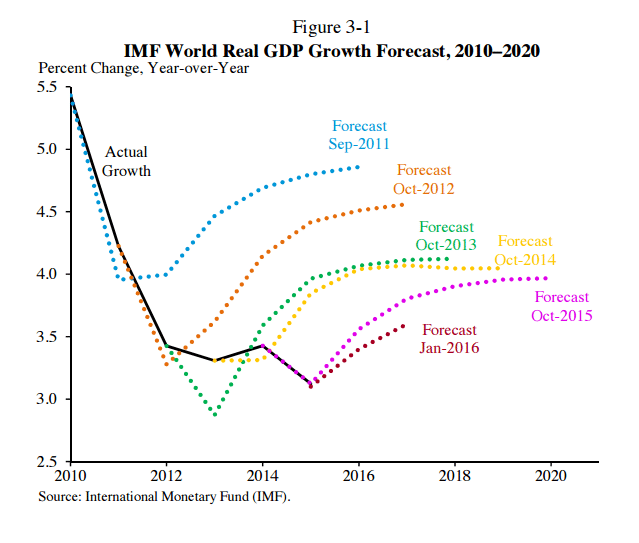
The IMF was able to warn finance ministers and governors of central banks from the 20 biggest economies that assembled in Shanghai at the end of last month, that it is possible to take steps in downgrading its outlook for the global economy in April.
The Managing Director of the IMF Christine Lagarde said that a combined effort was required, thus pressing governments with free budgets to ramp up expenditure and every nation to speed up the provision of the long-promised economic redevelopment.
Unlike the group's big joint-stimulus campaign in 2009 aimed at tackling financial instability, the members of the IMF have found themselves in disagreement regarding the severity of the challenge and how to handle it.
At the moment of drafting the group’s joint communiqué, German officials disclosed in secret that they are strictly against a public announcement regarding a G-20 stimulus plan. The IMF is afraid that this kind of attitude risks hindering worldwide economic expansion.
In his speech, Mr. Lipton cited a saying by Winston Churchill: “I never worry about action, but only inaction.”
One of the challenges is the developing concern that policy makers are running out of ideas or have altogether lost the resolution to implement growth-reviving processes.
In another statement, Mr. Lipton said that, regarding to the global economy, it is imperative that both developed and developing countries shrug off this risky notion by restoring the bold spirit of action.
The IMF call came as the Organization For Economic Cooperation and Development stated that the top indicators already hint that global growth will slow down in the months ahead. While the Bank For International Settlements warned about decreased returns for central banks as they continue pushing for easy cash policies to improve development. There are very few indications that policymakers are shifting into a higher gear. During the previous meeting, a senior US Treasury official said that there is a great deal of economic doubt around the world, but there is not a crisis yet and it will be unrealistic to expect a crisis response.
The IMF is urging the G20 to boost expenditure, but it is not required to do so at the expense of monetary rule. The fund also quickly urged the Federal Reserve to derail its organized rate increases and pleaded with the European Central Bank to rev up its stimulus attempts. What worries Mr. Lipton is the early withdrawal of central bank aid which could pitch the world economy into a drastic deflationary position.
As a result, vicious and self-reinforcing changes would plague the globe in the form of increased real interest rates and decreased output, creating debt and high levels of unemployment. These kinds of effects are very tricky to tackle once they become entrenched.
The International Monetary Fund has issued a warning about the condition of the global economy. The only setback is that only a few of the major economies heard it.
David Lipton, who is the IMF’s No. 2 official, extended warnings in his speech to the National Associations For Business Economics, stating that the IMF’s results for the global economy indicated that there is a weakening baseline. He further stated that the world economy is in the progress of expansion and we are clearly at a very crucial stage where the possibility of economic mishap has started to emerge.
The IMF was able to warn finance ministers and governors of central banks from the 20 biggest economies that assembled in Shanghai at the end of last month, that it is possible to take steps in downgrading its outlook for the global economy in April.
The Managing Director of the IMF Christine Lagarde said that a combined effort was required, thus pressing governments with free budgets to ramp up expenditure and every nation to speed up the provision of the long-promised economic redevelopment.
Unlike the group's big joint-stimulus campaign in 2009 aimed at tackling financial instability, the members of the IMF have found themselves in disagreement regarding the severity of the challenge and how to handle it.
At the moment of drafting the group’s joint communiqué, German officials disclosed in secret that they are strictly against a public announcement regarding a G-20 stimulus plan. The IMF is afraid that this kind of attitude risks hindering worldwide economic expansion.
In his speech, Mr. Lipton cited a saying by Winston Churchill: “I never worry about action, but only inaction.”
One of the challenges is the developing concern that policy makers are running out of ideas or have altogether lost the resolution to implement growth-reviving processes.
In another statement, Mr. Lipton said that, regarding to the global economy, it is imperative that both developed and developing countries shrug off this risky notion by restoring the bold spirit of action.
The IMF call came as the Organization For Economic Cooperation and Development stated that the top indicators already hint that global growth will slow down in the months ahead. While the Bank For International Settlements warned about decreased returns for central banks as they continue pushing for easy cash policies to improve development. There are very few indications that policymakers are shifting into a higher gear. During the previous meeting, a senior US Treasury official said that there is a great deal of economic doubt around the world, but there is not a crisis yet and it will be unrealistic to expect a crisis response.
The IMF is urging the G20 to boost expenditure, but it is not required to do so at the expense of monetary rule. The fund also quickly urged the Federal Reserve to derail its organized rate increases and pleaded with the European Central Bank to rev up its stimulus attempts. What worries Mr. Lipton is the early withdrawal of central bank aid which could pitch the world economy into a drastic deflationary position.
As a result, vicious and self-reinforcing changes would plague the globe in the form of increased real interest rates and decreased output, creating debt and high levels of unemployment. These kinds of effects are very tricky to tackle once they become entrenched.
Prediction Markets Go Institutional as Galaxy Digital Moves Event Trading to the OTC Swap Market
Featured Videos
FM Daily Brief – 9 June 2026
Today’s Tuesday, the 9th of June 2026, and these are our main stories: eToro’s customer assets climbed back above $20 billion, Prop trading model in prediction markets, and Leverate launched a new AI assistant for brokers and traders.
War Stories: Lessons from 20 Years in Markets (the pain, the pitfalls and the profits)
The trades that taught me the most aren't the ones that worked. They're the ones that didn't — or the ones I almost caught and didn't have the nerve to ride. In this session, I'll tell you about the Brexit miss, the SNB shocker that nearly handed me a 5400% return, the BoJ surprise that punched me in the gut, and a few wins along the way. Each story carries a lesson, but the lessons aren't the point. Everyone who trades long enough collects a portfolio of moments like these; what separates the people who stay in the game is what they do with them.
The Engine and the Fuel: How AI & Data Drives African Future
If AI is the engine, data is the fuel. Without quality, accessible data, AI cannot work well; and without the right mindset, data remains just numbers instead of insight. In this session, leading experts will explore how AI and data are democratizing opportunities for businesses and personal growth. Discover practical ways to make AI accessible today, anticipate its transformative impact on African markets, and learn actionable steps to prepare for what's next. Let's talk about:
-How AI and data drive business efficiency and innovation in trading and fintech
-AI tools to elevate trading or business strategies
-How to access and maximise the power of data and AI
-Emerging AI and data trends in Africa and their economic ripple effects
If AI is the engine, data is the fuel. Without quality, accessible data, AI cannot work well; and without the right mindset, data remains just numbers instead of insight. In this session, leading experts will explore how AI and data are democratizing opportunities for businesses and personal growth. Discover practical ways to make AI accessible today, anticipate its transformative impact on African markets, and learn actionable steps to prepare for what's next. Let's talk about:
-How AI and data drive business efficiency and innovation in trading and fintech
-AI tools to elevate trading or business strategies
-How to access and maximise the power of data and AI
-Emerging AI and data trends in Africa and their economic ripple effects
If AI is the engine, data is the fuel. Without quality, accessible data, AI cannot work well; and without the right mindset, data remains just numbers instead of insight. In this session, leading experts will explore how AI and data are democratizing opportunities for businesses and personal growth. Discover practical ways to make AI accessible today, anticipate its transformative impact on African markets, and learn actionable steps to prepare for what's next. Let's talk about:
-How AI and data drive business efficiency and innovation in trading and fintech
-AI tools to elevate trading or business strategies
-How to access and maximise the power of data and AI
-Emerging AI and data trends in Africa and their economic ripple effects
If AI is the engine, data is the fuel. Without quality, accessible data, AI cannot work well; and without the right mindset, data remains just numbers instead of insight. In this session, leading experts will explore how AI and data are democratizing opportunities for businesses and personal growth. Discover practical ways to make AI accessible today, anticipate its transformative impact on African markets, and learn actionable steps to prepare for what's next. Let's talk about:
-How AI and data drive business efficiency and innovation in trading and fintech
-AI tools to elevate trading or business strategies
-How to access and maximise the power of data and AI
-Emerging AI and data trends in Africa and their economic ripple effects
If AI is the engine, data is the fuel. Without quality, accessible data, AI cannot work well; and without the right mindset, data remains just numbers instead of insight. In this session, leading experts will explore how AI and data are democratizing opportunities for businesses and personal growth. Discover practical ways to make AI accessible today, anticipate its transformative impact on African markets, and learn actionable steps to prepare for what's next. Let's talk about:
-How AI and data drive business efficiency and innovation in trading and fintech
-AI tools to elevate trading or business strategies
-How to access and maximise the power of data and AI
-Emerging AI and data trends in Africa and their economic ripple effects
If AI is the engine, data is the fuel. Without quality, accessible data, AI cannot work well; and without the right mindset, data remains just numbers instead of insight. In this session, leading experts will explore how AI and data are democratizing opportunities for businesses and personal growth. Discover practical ways to make AI accessible today, anticipate its transformative impact on African markets, and learn actionable steps to prepare for what's next. Let's talk about:
-How AI and data drive business efficiency and innovation in trading and fintech
-AI tools to elevate trading or business strategies
-How to access and maximise the power of data and AI
-Emerging AI and data trends in Africa and their economic ripple effects
Inside My Best Trade with Jimmy Moyaha
Most market post-mortems describe what happened to prices. Few describe what happened in the trading room while the position was open: the entry conviction, the moments that tested it, and the exit decision that closed the book.
This session brings one seasoned trader to the stage for an unfiltered account of the position that still defines how they think about markets.
Attendees will walk away with:
-A first-hand account of how a conviction trade is built, from thesis and entry through position management and exit
-Understanding of what turns a market observation into a live position, and what holds it when conditions shift
-Insight into how timing, execution quality, and market structure shaped the final result
-Perspective on what the trade revealed about edge, risk tolerance, and when to hold through a position moving against you
-Clarity on what separates a well-built trade from a well-timed one
Most market post-mortems describe what happened to prices. Few describe what happened in the trading room while the position was open: the entry conviction, the moments that tested it, and the exit decision that closed the book.
This session brings one seasoned trader to the stage for an unfiltered account of the position that still defines how they think about markets.
Attendees will walk away with:
-A first-hand account of how a conviction trade is built, from thesis and entry through position management and exit
-Understanding of what turns a market observation into a live position, and what holds it when conditions shift
-Insight into how timing, execution quality, and market structure shaped the final result
-Perspective on what the trade revealed about edge, risk tolerance, and when to hold through a position moving against you
-Clarity on what separates a well-built trade from a well-timed one
Most market post-mortems describe what happened to prices. Few describe what happened in the trading room while the position was open: the entry conviction, the moments that tested it, and the exit decision that closed the book.
This session brings one seasoned trader to the stage for an unfiltered account of the position that still defines how they think about markets.
Attendees will walk away with:
-A first-hand account of how a conviction trade is built, from thesis and entry through position management and exit
-Understanding of what turns a market observation into a live position, and what holds it when conditions shift
-Insight into how timing, execution quality, and market structure shaped the final result
-Perspective on what the trade revealed about edge, risk tolerance, and when to hold through a position moving against you
-Clarity on what separates a well-built trade from a well-timed one
Most market post-mortems describe what happened to prices. Few describe what happened in the trading room while the position was open: the entry conviction, the moments that tested it, and the exit decision that closed the book.
This session brings one seasoned trader to the stage for an unfiltered account of the position that still defines how they think about markets.
Attendees will walk away with:
-A first-hand account of how a conviction trade is built, from thesis and entry through position management and exit
-Understanding of what turns a market observation into a live position, and what holds it when conditions shift
-Insight into how timing, execution quality, and market structure shaped the final result
-Perspective on what the trade revealed about edge, risk tolerance, and when to hold through a position moving against you
-Clarity on what separates a well-built trade from a well-timed one
Most market post-mortems describe what happened to prices. Few describe what happened in the trading room while the position was open: the entry conviction, the moments that tested it, and the exit decision that closed the book.
This session brings one seasoned trader to the stage for an unfiltered account of the position that still defines how they think about markets.
Attendees will walk away with:
-A first-hand account of how a conviction trade is built, from thesis and entry through position management and exit
-Understanding of what turns a market observation into a live position, and what holds it when conditions shift
-Insight into how timing, execution quality, and market structure shaped the final result
-Perspective on what the trade revealed about edge, risk tolerance, and when to hold through a position moving against you
-Clarity on what separates a well-built trade from a well-timed one
Most market post-mortems describe what happened to prices. Few describe what happened in the trading room while the position was open: the entry conviction, the moments that tested it, and the exit decision that closed the book.
This session brings one seasoned trader to the stage for an unfiltered account of the position that still defines how they think about markets.
Attendees will walk away with:
-A first-hand account of how a conviction trade is built, from thesis and entry through position management and exit
-Understanding of what turns a market observation into a live position, and what holds it when conditions shift
-Insight into how timing, execution quality, and market structure shaped the final result
-Perspective on what the trade revealed about edge, risk tolerance, and when to hold through a position moving against you
-Clarity on what separates a well-built trade from a well-timed one
Agentic Inequality: Democratizing Financial Access Through AI & Blockchain
As crypto and CFD trading continue to expand across Africa, access to advanced tools and market insights remains uneven. This session explores how AI and blockchain can bridge that gap by empowering informal traders and underserved communities to participate more effectively in digital financial markets. The discussion will focus on practical applications of technology to improve accessibility, education, and investment outcomes in both formal and informal sectors.
In this discussion, we will explore:
-The role of AI in democratizing access to trading tools, insights, and strategy development
-How crypto and blockchain can enable broader participation beyond traditional financial systems
-Addressing access barriers: infrastructure, education, and affordability in underserved communities
-Opportunities for brokers and platforms to tap into the informal trading economy
As crypto and CFD trading continue to expand across Africa, access to advanced tools and market insights remains uneven. This session explores how AI and blockchain can bridge that gap by empowering informal traders and underserved communities to participate more effectively in digital financial markets. The discussion will focus on practical applications of technology to improve accessibility, education, and investment outcomes in both formal and informal sectors.
In this discussion, we will explore:
-The role of AI in democratizing access to trading tools, insights, and strategy development
-How crypto and blockchain can enable broader participation beyond traditional financial systems
-Addressing access barriers: infrastructure, education, and affordability in underserved communities
-Opportunities for brokers and platforms to tap into the informal trading economy
As crypto and CFD trading continue to expand across Africa, access to advanced tools and market insights remains uneven. This session explores how AI and blockchain can bridge that gap by empowering informal traders and underserved communities to participate more effectively in digital financial markets. The discussion will focus on practical applications of technology to improve accessibility, education, and investment outcomes in both formal and informal sectors.
In this discussion, we will explore:
-The role of AI in democratizing access to trading tools, insights, and strategy development
-How crypto and blockchain can enable broader participation beyond traditional financial systems
-Addressing access barriers: infrastructure, education, and affordability in underserved communities
-Opportunities for brokers and platforms to tap into the informal trading economy
As crypto and CFD trading continue to expand across Africa, access to advanced tools and market insights remains uneven. This session explores how AI and blockchain can bridge that gap by empowering informal traders and underserved communities to participate more effectively in digital financial markets. The discussion will focus on practical applications of technology to improve accessibility, education, and investment outcomes in both formal and informal sectors.
In this discussion, we will explore:
-The role of AI in democratizing access to trading tools, insights, and strategy development
-How crypto and blockchain can enable broader participation beyond traditional financial systems
-Addressing access barriers: infrastructure, education, and affordability in underserved communities
-Opportunities for brokers and platforms to tap into the informal trading economy
As crypto and CFD trading continue to expand across Africa, access to advanced tools and market insights remains uneven. This session explores how AI and blockchain can bridge that gap by empowering informal traders and underserved communities to participate more effectively in digital financial markets. The discussion will focus on practical applications of technology to improve accessibility, education, and investment outcomes in both formal and informal sectors.
In this discussion, we will explore:
-The role of AI in democratizing access to trading tools, insights, and strategy development
-How crypto and blockchain can enable broader participation beyond traditional financial systems
-Addressing access barriers: infrastructure, education, and affordability in underserved communities
-Opportunities for brokers and platforms to tap into the informal trading economy
As crypto and CFD trading continue to expand across Africa, access to advanced tools and market insights remains uneven. This session explores how AI and blockchain can bridge that gap by empowering informal traders and underserved communities to participate more effectively in digital financial markets. The discussion will focus on practical applications of technology to improve accessibility, education, and investment outcomes in both formal and informal sectors.
In this discussion, we will explore:
-The role of AI in democratizing access to trading tools, insights, and strategy development
-How crypto and blockchain can enable broader participation beyond traditional financial systems
-Addressing access barriers: infrastructure, education, and affordability in underserved communities
-Opportunities for brokers and platforms to tap into the informal trading economy