The brokerage has moved crypto trading back after previously requiring users to manage digital assets through a separate application.
The launch follows successful testing in Brazil and completes a corporate restructuring announced in July.
Webull has
rolled crypto trading back into its primary investment app, reversing a
previous decision that required U.S. customers to use a separate application
for digital asset transactions.
Webull Consolidates Crypto Trading Into Primary Platform
The brokerage
platform now lets users trade over 50 cryptocurrencies directly through
the main Webull app, including Bitcoin, Ethereum, and Solana. Trading runs
around the clock, seven days a week.
Previously,
anyone wanting to buy or sell crypto through Webull had to download and manage
the separate Webull Pay app. The company has now integrated those accounts back
into the primary platform, allowing users to handle stocks, options, and
digital currencies from a single interface.
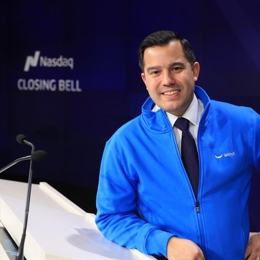
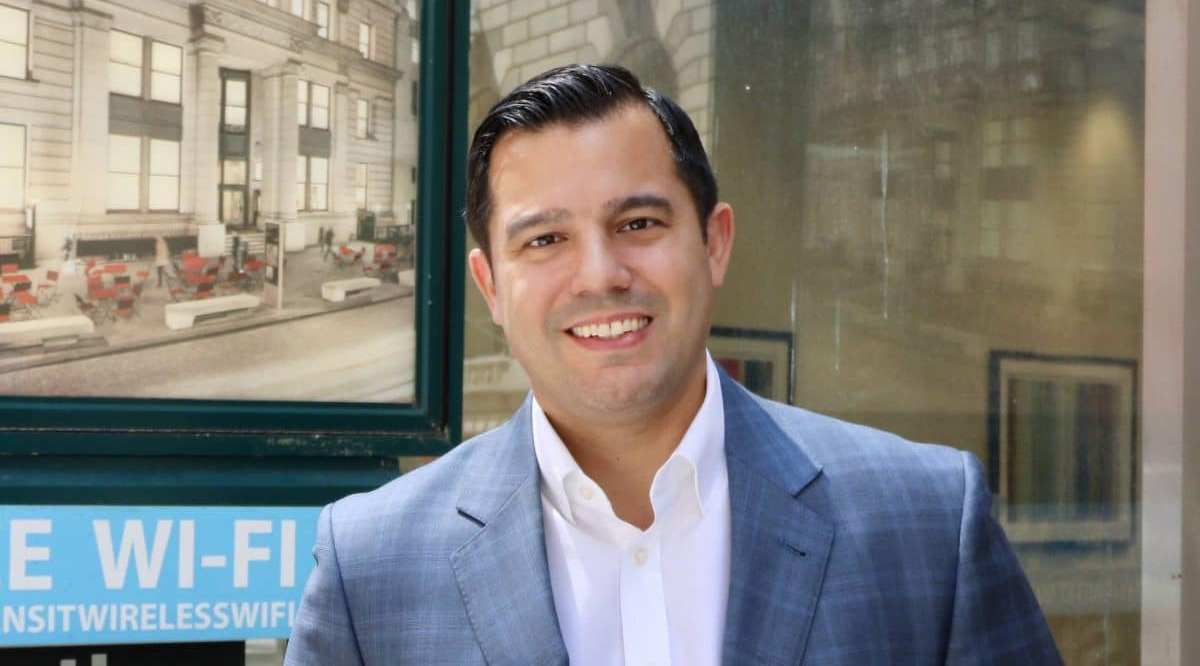
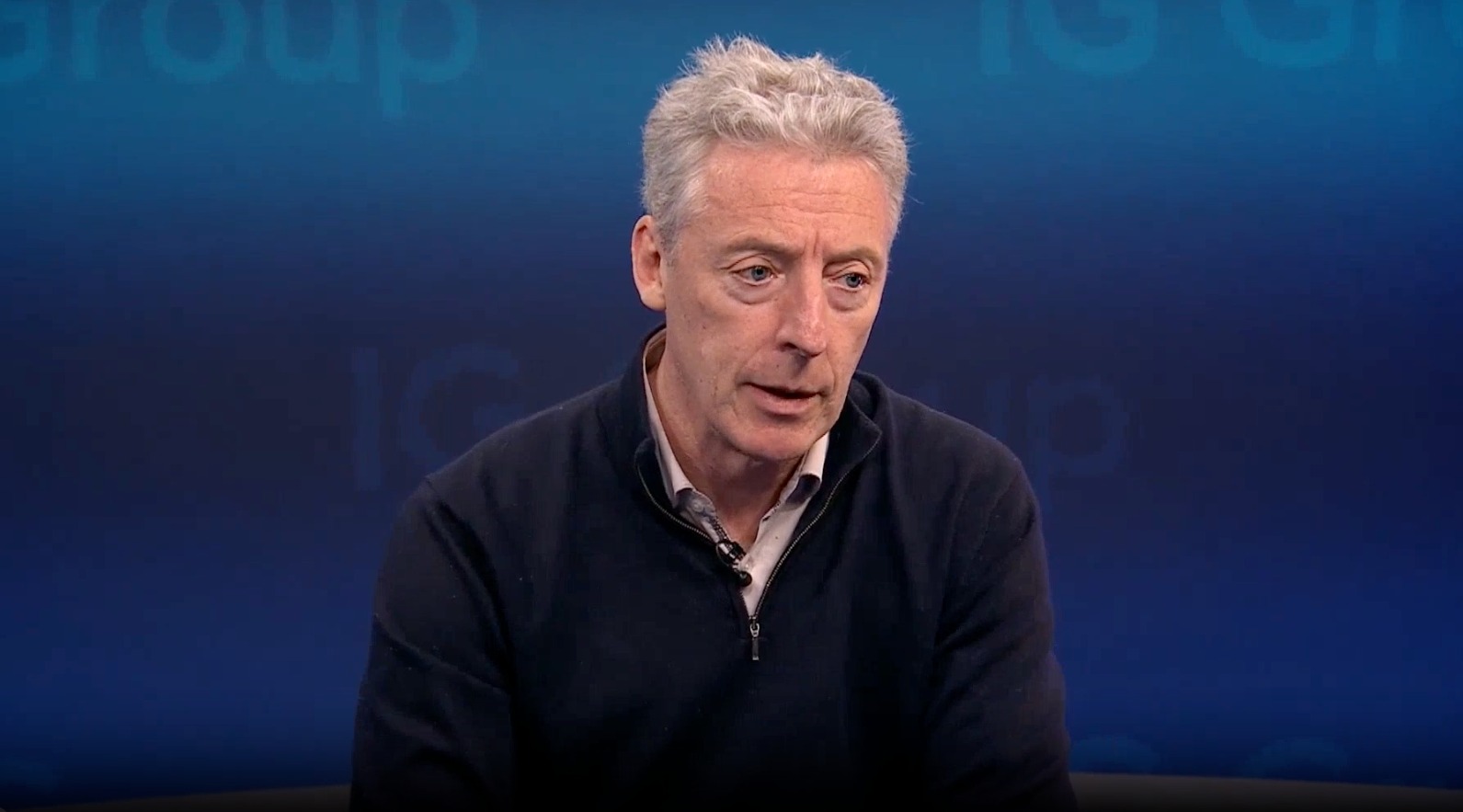
Anthony Denier, Source: LinkedIn
Anthony
Denier, who serves as U.S. CEO and Group President at Webull, said the change
addresses customer feedback about managing multiple accounts across different
apps.
“Our
mission has always been to deliver a streamlined, user-centric investing
experience,” Denier explained. “By reintegrating crypto trading into
the Webull app, we are making it easier for customers to access and manage
their entire portfolio, whether they're trading stocks, options, or digital
assets.”
The move
comes as retail investors increasingly view cryptocurrencies as part
of their broader investment strategy rather than a separate asset class
requiring specialized platforms.
The company
had discontinued cryptocurrency trading on its main U.S. platform in 2023,
forcing customers who wanted digital asset exposure to use the standalone
Webull Pay app instead. That decision proved unpopular with users who preferred
managing all their investments in one place.
“The
improving clarity of cryptocurrency regulations, both in the United States and
internationally, underlies our decision to bring crypto trading back to our
platform,” Denier said during the July announcement of the corporate
restructuring.
Geographic Limitations
Remain
Webull's
crypto trading currently operates only in the United States and Brazil. The
company plans to expand digital asset trading to additional markets over the
coming months but hasn't specified which regions will gain access next.
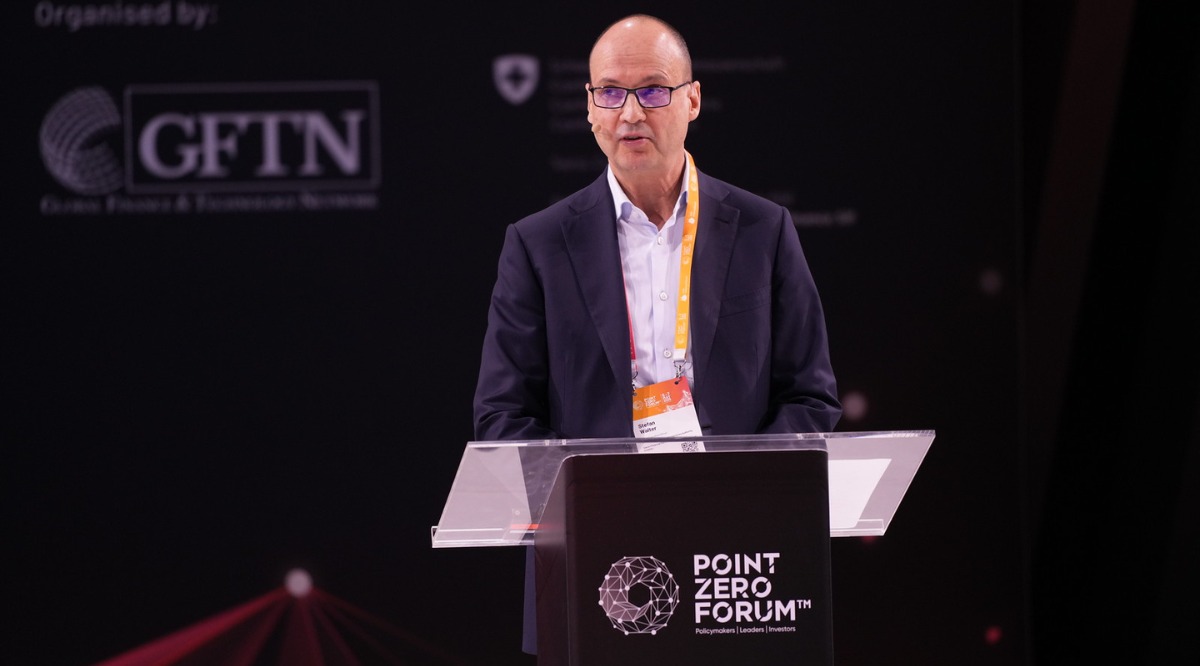
Steve Yip, the CEO of Webull Pay
Stephen
Yip, who leads Webull Pay as CEO, framed the integration as responding to how
modern investors prefer to manage their money.
“Cryptocurrencies
have become an essential part of today's diversified investment
strategies,” Yip said. “We are excited to again offer crypto trading
through Webull to deliver a more unified and convenient experience that
reflects how modern investors want to manage their portfolios.”
Competitive Landscape
The
consolidation puts Webull in line with other major retail brokerages that offer
both traditional securities and digital assets through single platforms.
Competitors like Robinhood and Charles Schwab have maintained integrated
approaches to crypto trading rather than requiring separate applications.
Webull has
also been building relationships with established crypto players. Last year,
the company partnered with Coinbase Derivatives to offer Bitcoin and Ethereum
futures to U.S. retail investors, expanding beyond spot trading into
derivatives markets.
Webull
trades on NASDAQ under the ticker BULL and serves more than 24 million
registered users across 14 global markets. The announcement about the
introduction of crypto in the US did not immediately affect the company’s share
price in Monday’s premarket, while on Friday the stock had closed at $15.41.
Webull has
rolled crypto trading back into its primary investment app, reversing a
previous decision that required U.S. customers to use a separate application
for digital asset transactions.
Webull Consolidates Crypto Trading Into Primary Platform
The brokerage
platform now lets users trade over 50 cryptocurrencies directly through
the main Webull app, including Bitcoin, Ethereum, and Solana. Trading runs
around the clock, seven days a week.
Previously,
anyone wanting to buy or sell crypto through Webull had to download and manage
the separate Webull Pay app. The company has now integrated those accounts back
into the primary platform, allowing users to handle stocks, options, and
digital currencies from a single interface.
Anthony Denier, Source: LinkedIn
Anthony
Denier, who serves as U.S. CEO and Group President at Webull, said the change
addresses customer feedback about managing multiple accounts across different
apps.
“Our
mission has always been to deliver a streamlined, user-centric investing
experience,” Denier explained. “By reintegrating crypto trading into
the Webull app, we are making it easier for customers to access and manage
their entire portfolio, whether they're trading stocks, options, or digital
assets.”
The move
comes as retail investors increasingly view cryptocurrencies as part
of their broader investment strategy rather than a separate asset class
requiring specialized platforms.
The company
had discontinued cryptocurrency trading on its main U.S. platform in 2023,
forcing customers who wanted digital asset exposure to use the standalone
Webull Pay app instead. That decision proved unpopular with users who preferred
managing all their investments in one place.
“The
improving clarity of cryptocurrency regulations, both in the United States and
internationally, underlies our decision to bring crypto trading back to our
platform,” Denier said during the July announcement of the corporate
restructuring.
Geographic Limitations
Remain
Webull's
crypto trading currently operates only in the United States and Brazil. The
company plans to expand digital asset trading to additional markets over the
coming months but hasn't specified which regions will gain access next.
Steve Yip, the CEO of Webull Pay
Stephen
Yip, who leads Webull Pay as CEO, framed the integration as responding to how
modern investors prefer to manage their money.
“Cryptocurrencies
have become an essential part of today's diversified investment
strategies,” Yip said. “We are excited to again offer crypto trading
through Webull to deliver a more unified and convenient experience that
reflects how modern investors want to manage their portfolios.”
Competitive Landscape
The
consolidation puts Webull in line with other major retail brokerages that offer
both traditional securities and digital assets through single platforms.
Competitors like Robinhood and Charles Schwab have maintained integrated
approaches to crypto trading rather than requiring separate applications.
Webull has
also been building relationships with established crypto players. Last year,
the company partnered with Coinbase Derivatives to offer Bitcoin and Ethereum
futures to U.S. retail investors, expanding beyond spot trading into
derivatives markets.
Webull
trades on NASDAQ under the ticker BULL and serves more than 24 million
registered users across 14 global markets. The announcement about the
introduction of crypto in the US did not immediately affect the company’s share
price in Monday’s premarket, while on Friday the stock had closed at $15.41.
Damian Chmiel is a Senior Analyst & Editor at Finance Magnates with more than 15 years of experience in the CFD and online trading industry. Active as both a trader and journalist since 2010, he focuses on broker coverage, fintech innovation, and regulatory developments across Europe, the Middle East, and Asia.
His work includes interviews with C-level leaders at major brokerages and fintech platforms, as well as co-authoring Finance Magnates’ quarterly industry benchmarking reports. Damian’s reporting is data-driven, market-aware, and grounded in direct industry engagement. His analysis and commentary have also been cited by external media outlets, including Investing.com, Binance, The Asset, Stockhead, and Dispatch.
Education:
MA in Finance and Accounting, Cracow University of Economics
Coinbase Secures Australian License to Offer Equity Perpetuals and Derivatives
FP Markets Winner Spotlight 🏆 | Global Broker of the Year 2025 #Trading #Broker #Innovation #Shorts
FP Markets Winner Spotlight 🏆 | Global Broker of the Year 2025 #Trading #Broker #Innovation #Shorts
FP Markets takes the spotlight as Global Broker of the Year 2025 at the Finance Magnates Awards.
Martin Stoilov, Head of Client Experience, shares that trust, innovation, and people played a key role in the company’s success, supported by a strong foundation of integrity and client-centricity.
Following this milestone, FP Markets continues to focus on growth, technology investment, and its core values of transparency and excellence.
👉 Be part of FM Awards 2026: https://awards.financemagnates.com/#nominate
FP Markets takes the spotlight as Global Broker of the Year 2025 at the Finance Magnates Awards.
Martin Stoilov, Head of Client Experience, shares that trust, innovation, and people played a key role in the company’s success, supported by a strong foundation of integrity and client-centricity.
Following this milestone, FP Markets continues to focus on growth, technology investment, and its core values of transparency and excellence.
👉 Be part of FM Awards 2026: https://awards.financemagnates.com/#nominate
In this video, we review @HolaPrimeMarketsOfficial, a multi-asset forex and CFDs broker offering different account types, trading platforms, and flexible trading conditions.
We cover the broker’s overall offering, including account options, trading environment, platforms like MT4 and MT5, and additional services such as managed accounts and fast withdrawals.
Watch the full video to see if Hola Prime Markets fits your trading needs.
📣 Stay up to date with the latest in finance and trading. Follow Finance Magnates for industry news, insights, and global event coverage.
Connect with us:
🔗 LinkedIn: /financemagnates
👍 Facebook: /financemagnates
📸 Instagram: https://www.instagram.com/financemagnates
🐦 X: https://x.com/financemagnates
🎥 TikTok: https://www.tiktok.com/tag/financemagnates
▶️ YouTube: /@financemagnates_official
#HolaPrime #ForexBroker #CFDTrading #FinanceMagnates #Trading #Forex #BrokerReview
In this video, we review @HolaPrimeMarketsOfficial, a multi-asset forex and CFDs broker offering different account types, trading platforms, and flexible trading conditions.
We cover the broker’s overall offering, including account options, trading environment, platforms like MT4 and MT5, and additional services such as managed accounts and fast withdrawals.
Watch the full video to see if Hola Prime Markets fits your trading needs.
📣 Stay up to date with the latest in finance and trading. Follow Finance Magnates for industry news, insights, and global event coverage.
Connect with us:
🔗 LinkedIn: /financemagnates
👍 Facebook: /financemagnates
📸 Instagram: https://www.instagram.com/financemagnates
🐦 X: https://x.com/financemagnates
🎥 TikTok: https://www.tiktok.com/tag/financemagnates
▶️ YouTube: /@financemagnates_official
#HolaPrime #ForexBroker #CFDTrading #FinanceMagnates #Trading #Forex #BrokerReview
Hola Prime Review: What You Need to Know | Full Breakdown by Finance Magnates
Hola Prime Review: What You Need to Know | Full Breakdown by Finance Magnates
In this video, we review @HolaPrime_Global, a proprietary trading firm offering evaluation programs and performance-based payouts in simulated market environments.
We cover how the challenge model works, including account types, profit splits (up to 95%), trading rules, and what it takes to reach a funded account. You’ll also learn about available platforms like MT4, MT5, cTrader, and more, along with insights into payouts, support, and trading conditions.
Watch the full video to see if Hola Prime fits your trading style.
📣 Stay up to date with the latest in finance and trading. Follow Finance Magnates for industry news, insights, and global event coverage.
Connect with us:
🔗 LinkedIn: /financemagnates
👍 Facebook: /financemagnates
📸 Instagram: https://www.instagram.com/financemagnates
🐦 X: https://x.com/financemagnates
🎥 TikTok: https://www.tiktok.com/tag/financemagnates
▶️ YouTube: /@financemagnates_official
#HolaPrime #PropFirm #Trading #FinanceMagnates #Forex #FuturesTrading #TradingReview #PropFirmReview
In this video, we review @HolaPrime_Global, a proprietary trading firm offering evaluation programs and performance-based payouts in simulated market environments.
We cover how the challenge model works, including account types, profit splits (up to 95%), trading rules, and what it takes to reach a funded account. You’ll also learn about available platforms like MT4, MT5, cTrader, and more, along with insights into payouts, support, and trading conditions.
Watch the full video to see if Hola Prime fits your trading style.
📣 Stay up to date with the latest in finance and trading. Follow Finance Magnates for industry news, insights, and global event coverage.
Connect with us:
🔗 LinkedIn: /financemagnates
👍 Facebook: /financemagnates
📸 Instagram: https://www.instagram.com/financemagnates
🐦 X: https://x.com/financemagnates
🎥 TikTok: https://www.tiktok.com/tag/financemagnates
▶️ YouTube: /@financemagnates_official
#HolaPrime #PropFirm #Trading #FinanceMagnates #Forex #FuturesTrading #TradingReview #PropFirmReview
Axi Winner Spotlight 🏆 | Global Most Innovative Broker 2025 #Innovation #Trading #Fintech #Broker
Axi Winner Spotlight 🏆 | Global Most Innovative Broker 2025 #Innovation #Trading #Fintech #Broker
Axi takes the spotlight at the Finance Magnates Awards, winning Global Most Innovative Broker 2025.
Olivia Xenofontos and Ivanna Openko share how the team will feel: proud, motivated, and ready to keep delivering.
They also describe the night as well-organized, focused, and enjoyable for all.
👉 Be part of FM Awards 2026.
Axi takes the spotlight at the Finance Magnates Awards, winning Global Most Innovative Broker 2025.
Olivia Xenofontos and Ivanna Openko share how the team will feel: proud, motivated, and ready to keep delivering.
They also describe the night as well-organized, focused, and enjoyable for all.
👉 Be part of FM Awards 2026.
Recognition that matters.
Built on transparency.
Driven by the industry.
The Finance Magnates Awards 2026.
Nominations are now open.
🔗 https://awards.financemagnates.com/?utm_source=SM&utm_medium=social&utm_campaign=recognition-matters
Recognition that matters.
Built on transparency.
Driven by the industry.
The Finance Magnates Awards 2026.
Nominations are now open.
🔗 https://awards.financemagnates.com/?utm_source=SM&utm_medium=social&utm_campaign=recognition-matters