Anecdotal evidence suggests that the number of unregulated FX derivatives trading platforms is growing.
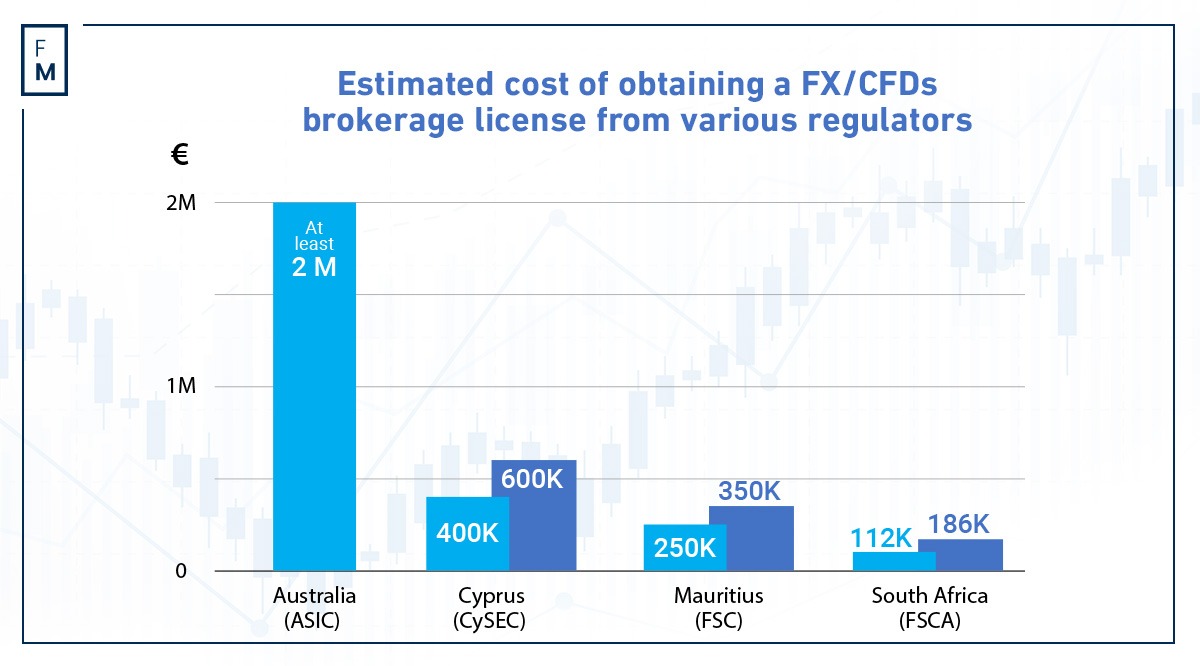
Venues operating outside regulatory scrutiny avoid millions of dollars a year in compliance costs.
Unregulated trading venues
will never disappear as long as there are traders willing to swap consumer protections for high leverage and lower
fees. The challenge for regulated platforms with significant
compliance costs is to convince these traders that the risks outweigh the
perceived advantages.
In September, the Foreign
Exchange Professionals Association (FXPA) published a white paper on trading
venues operating in OTC FX derivatives markets. It cautioned that the
benefits of trading on unregulated FX derivatives venues may come at the
expense of reduced customer protections.
Many traders opt for
unregulated platforms due to perceived advantages around cost, legacy
connectivity, or flexibility. However, the risks associated with unregulated trading
venues are far from theoretical.
Traders Ignore Regulatory Warnings
Warnings from regulators
and industry bodies are often dismissed on the basis that they refer to events
that might happen rather than actual incidents. However, the likes of
YoutradeFX and IronFX serve as a warning to traders who think it couldn’t
happen to them.
Patrick Bartle, Managing Director at LMAX Exchange; Photo: LMAX Group
“There have been numerous
cases where traders suffered significant losses,” observed Patrick Bartle,
managing director LMAX Exchange. “These venues often lack proper oversight and
safeguards, leading to situations where traders may find themselves without
recourse when issues arise.”
Regulations are not just
red tape—they are there to protect customers from fraud, shady practices, and
overly risky trades that could seriously impact their funds, said Gerard Melia,
head of FX sales at StoneX.
Gerard Melia, Head of FX Sales at StoneX; Photo: LinkedIn
“In addition, regulations
help keep the market steady, block financial crime, and make sure everyone has
fair options,” he continued. “Unregulated platforms don’t have any of this
oversight, so if something goes wrong, the customer is left without a safety
net.”
In light of the above, Melia
reckons choosing an unregulated FX derivatives trading platform is a bizarre
move when regulated platforms already offer a wide selection of spreads,
leverage options, and diverse products across multiple regulated jurisdictions.
But Alexander Kuptsikevich,
chief market analyst at FXPro acknowledges that regulation tends to come with
severe restrictions on leverage and initial capital. In addition, regulators
often prohibit the provision of exotic instruments to retail clients, limiting
the offering of regulated brokers to a narrow range of the most popular
instruments.
Alexander Kuptsikevich, Chief Market Analyst at FXPro; Photo: LinkedIn
The FXPA paper also warned
that unregulated FX derivatives trading platforms introduce the possibility of
regulatory arbitrage for FX markets.
“Brokers are looking to
increase the number of licenses, often going to relatively easy jurisdictions
to compete with other brokers in emerging markets,” he added. “In developed
markets, strict compliance and regulatory rules prevent brokers from providing
what active clients in much of the world—particularly in Asia—need.”
Kate Leaman, Chief Market Analyst at AvaTrade
Kate Leaman, Chief Market Analyst at AvaTrade refers to an increase in the number of unregulated FX
derivatives platforms popping up to take advantage of gaps in regulatory
frameworks, particularly in jurisdictions with lax enforcement or where there
is limited cross-border oversight.
The rise of
cryptocurrencies and decentralized finance has made it easier for these
platforms to operate under the radar. They sometimes even offer anonymous
trading, which appeals to a certain type of customer but also magnifies the
risks involved.
“We have seen new entrants
providing FX derivatives where their regulatory status is unclear,” said
Nicolas Jegou, CEO of Euronext
FX. “Most operate as a technology partner in their offering.”
PlusToken Scam Pointed to the Massive Risk
Leaman points to the risk
posed by hybrid crypto-FX platforms such as PlusToken, whose organizers withdrew
in excess of $3 billion in Bitcoin and other cryptocurrencies in June 2019 and
informed investors that they had ‘run.’
“With crypto's growth, some
unregulated FX platforms now mix crypto and FX products,” she said. “The
PlusToken Ponzi scheme caught out many unsuspecting investors who thought they
were trading legitimate crypto-FX products.”
Nicolas Jegou, CEO of Euronext FX
Cryptocurrency has become a
major focus for criminal activities, whereas the regulatory framework for FX in
most developed economies has significantly fewer gaps. That is the view of
Filip Kaczmarzyk, head of trading at XTB, who agrees that the cryptocurrency
market remains relatively new and unregulated, which has led to a rise in
fraud.
Internal analysis conducted
by one FXPA member concluded that operating a single regulated FX derivatives
trading venue costs between $1.3 million to $1.5 million per year. That figure
would obviously be higher for an entity operating more than one regulated
platform.
“Running a regulated FX
derivatives trading venue comes with significant costs, from initial capital
and advanced technology to operational overheads, skilled personnel, and
physical infrastructure,” said Melia. “The most effective approach is to treat
a regulated venue as a high-value asset, justifying these investments for the
benefits of stability and market trust.”
Rising Costs Forcing Brokers to Surrender Licenses
Melia acknowledges that the
industry has witnessed an unusual trend of some trading venues surrendering
their regulatory status over the last 18 months or so, largely due to the
rising expenses associated with maintaining these standards.
Leaman agrees that the
financial commitment is not insubstantial, adding factors such as registration
fees, legal consultations, capital adequacy requirements, and maintaining
ongoing oversight relationships with the relevant regulators to the list of expenses.
Filip Kaczmarzyk, Member of the Management Board at XTB
“Then you need to ensure
that your platform meets the high standards of transparency, reporting, and
client fund segregation that regulatory bodies demand,” she said. “This can
amount to millions of dollars depending on the jurisdiction and the size of the
operation.”
Entering a saturated market
comes with significant costs, primarily due to the need for investments in
technology and human capital, said Kaczmarzyk.
“Additionally, the products
offered are often homogeneous—making it challenging for companies to
differentiate themselves from other venues,” he added. “As a result, these
companies tend to invest heavily in marketing.”
Furthermore, operating within a
market-maker model requires substantial capital to maintain open positions and
earn a profit, he explained.
Finance Magnates contacted
a number of unregulated FX derivatives trading venues in relation to this
article but none were willing to discuss the issues raised.
Unregulated trading venues
will never disappear as long as there are traders willing to swap consumer protections for high leverage and lower
fees. The challenge for regulated platforms with significant
compliance costs is to convince these traders that the risks outweigh the
perceived advantages.
In September, the Foreign
Exchange Professionals Association (FXPA) published a white paper on trading
venues operating in OTC FX derivatives markets. It cautioned that the
benefits of trading on unregulated FX derivatives venues may come at the
expense of reduced customer protections.
Many traders opt for
unregulated platforms due to perceived advantages around cost, legacy
connectivity, or flexibility. However, the risks associated with unregulated trading
venues are far from theoretical.
Traders Ignore Regulatory Warnings
Warnings from regulators
and industry bodies are often dismissed on the basis that they refer to events
that might happen rather than actual incidents. However, the likes of
YoutradeFX and IronFX serve as a warning to traders who think it couldn’t
happen to them.
Patrick Bartle, Managing Director at LMAX Exchange; Photo: LMAX Group
“There have been numerous
cases where traders suffered significant losses,” observed Patrick Bartle,
managing director LMAX Exchange. “These venues often lack proper oversight and
safeguards, leading to situations where traders may find themselves without
recourse when issues arise.”
Regulations are not just
red tape—they are there to protect customers from fraud, shady practices, and
overly risky trades that could seriously impact their funds, said Gerard Melia,
head of FX sales at StoneX.
Gerard Melia, Head of FX Sales at StoneX; Photo: LinkedIn
“In addition, regulations
help keep the market steady, block financial crime, and make sure everyone has
fair options,” he continued. “Unregulated platforms don’t have any of this
oversight, so if something goes wrong, the customer is left without a safety
net.”
In light of the above, Melia
reckons choosing an unregulated FX derivatives trading platform is a bizarre
move when regulated platforms already offer a wide selection of spreads,
leverage options, and diverse products across multiple regulated jurisdictions.
But Alexander Kuptsikevich,
chief market analyst at FXPro acknowledges that regulation tends to come with
severe restrictions on leverage and initial capital. In addition, regulators
often prohibit the provision of exotic instruments to retail clients, limiting
the offering of regulated brokers to a narrow range of the most popular
instruments.
Alexander Kuptsikevich, Chief Market Analyst at FXPro; Photo: LinkedIn
The FXPA paper also warned
that unregulated FX derivatives trading platforms introduce the possibility of
regulatory arbitrage for FX markets.
“Brokers are looking to
increase the number of licenses, often going to relatively easy jurisdictions
to compete with other brokers in emerging markets,” he added. “In developed
markets, strict compliance and regulatory rules prevent brokers from providing
what active clients in much of the world—particularly in Asia—need.”
Kate Leaman, Chief Market Analyst at AvaTrade
Kate Leaman, Chief Market Analyst at AvaTrade refers to an increase in the number of unregulated FX
derivatives platforms popping up to take advantage of gaps in regulatory
frameworks, particularly in jurisdictions with lax enforcement or where there
is limited cross-border oversight.
The rise of
cryptocurrencies and decentralized finance has made it easier for these
platforms to operate under the radar. They sometimes even offer anonymous
trading, which appeals to a certain type of customer but also magnifies the
risks involved.
“We have seen new entrants
providing FX derivatives where their regulatory status is unclear,” said
Nicolas Jegou, CEO of Euronext
FX. “Most operate as a technology partner in their offering.”
PlusToken Scam Pointed to the Massive Risk
Leaman points to the risk
posed by hybrid crypto-FX platforms such as PlusToken, whose organizers withdrew
in excess of $3 billion in Bitcoin and other cryptocurrencies in June 2019 and
informed investors that they had ‘run.’
“With crypto's growth, some
unregulated FX platforms now mix crypto and FX products,” she said. “The
PlusToken Ponzi scheme caught out many unsuspecting investors who thought they
were trading legitimate crypto-FX products.”
Nicolas Jegou, CEO of Euronext FX
Cryptocurrency has become a
major focus for criminal activities, whereas the regulatory framework for FX in
most developed economies has significantly fewer gaps. That is the view of
Filip Kaczmarzyk, head of trading at XTB, who agrees that the cryptocurrency
market remains relatively new and unregulated, which has led to a rise in
fraud.
Internal analysis conducted
by one FXPA member concluded that operating a single regulated FX derivatives
trading venue costs between $1.3 million to $1.5 million per year. That figure
would obviously be higher for an entity operating more than one regulated
platform.
“Running a regulated FX
derivatives trading venue comes with significant costs, from initial capital
and advanced technology to operational overheads, skilled personnel, and
physical infrastructure,” said Melia. “The most effective approach is to treat
a regulated venue as a high-value asset, justifying these investments for the
benefits of stability and market trust.”
Rising Costs Forcing Brokers to Surrender Licenses
Melia acknowledges that the
industry has witnessed an unusual trend of some trading venues surrendering
their regulatory status over the last 18 months or so, largely due to the
rising expenses associated with maintaining these standards.
Leaman agrees that the
financial commitment is not insubstantial, adding factors such as registration
fees, legal consultations, capital adequacy requirements, and maintaining
ongoing oversight relationships with the relevant regulators to the list of expenses.
Filip Kaczmarzyk, Member of the Management Board at XTB
“Then you need to ensure
that your platform meets the high standards of transparency, reporting, and
client fund segregation that regulatory bodies demand,” she said. “This can
amount to millions of dollars depending on the jurisdiction and the size of the
operation.”
Entering a saturated market
comes with significant costs, primarily due to the need for investments in
technology and human capital, said Kaczmarzyk.
“Additionally, the products
offered are often homogeneous—making it challenging for companies to
differentiate themselves from other venues,” he added. “As a result, these
companies tend to invest heavily in marketing.”
Furthermore, operating within a
market-maker model requires substantial capital to maintain open positions and
earn a profit, he explained.
Finance Magnates contacted
a number of unregulated FX derivatives trading venues in relation to this
article but none were willing to discuss the issues raised.
Paul Golden is an experienced freelance financial journalist with a strong institutional background. Over the past two decades, he has written for globally recognised financial publications, covering topics such as market structure, regulation, trading behaviour, and economic policy.
Swiss Banks, Brokers and Fintechs Must Prove Online Clients Are Real People
Featured Videos
AvaTrade to Acquire Most of FXCM; NAGA Raises $8M
AvaTrade to Acquire Most of FXCM; NAGA Raises $8M
AvaTrade to Acquire Most of FXCM; NAGA Raises $8M
AvaTrade to Acquire Most of FXCM; NAGA Raises $8M
Today’s financial news recap covers AvaTrade agrees to acquire most of FXCM, NAGA secures eight million dollars in new financing, and Wise seeks a tax settlement in the UK.
Finance Magnates Daily Recap brings you the latest news from forex and CFD brokers, fintech, payments, cryptocurrency, digital assets, trading platforms, financial regulation and global markets.
Get the key company news, executive moves, deals, regulatory updates and market developments of the day, in just a few minutes. New episodes published every weekday.
Read more: https://www.financemagnates.com
#FinanceMagnates #ForexNews #FintechNews
Today’s financial news recap covers AvaTrade agrees to acquire most of FXCM, NAGA secures eight million dollars in new financing, and Wise seeks a tax settlement in the UK.
Finance Magnates Daily Recap brings you the latest news from forex and CFD brokers, fintech, payments, cryptocurrency, digital assets, trading platforms, financial regulation and global markets.
Get the key company news, executive moves, deals, regulatory updates and market developments of the day, in just a few minutes. New episodes published every weekday.
Read more: https://www.financemagnates.com
#FinanceMagnates #ForexNews #FintechNews
Today’s financial news recap covers AvaTrade agrees to acquire most of FXCM, NAGA secures eight million dollars in new financing, and Wise seeks a tax settlement in the UK.
Finance Magnates Daily Recap brings you the latest news from forex and CFD brokers, fintech, payments, cryptocurrency, digital assets, trading platforms, financial regulation and global markets.
Get the key company news, executive moves, deals, regulatory updates and market developments of the day, in just a few minutes. New episodes published every weekday.
Read more: https://www.financemagnates.com
#FinanceMagnates #ForexNews #FintechNews
Today’s financial news recap covers AvaTrade agrees to acquire most of FXCM, NAGA secures eight million dollars in new financing, and Wise seeks a tax settlement in the UK.
Finance Magnates Daily Recap brings you the latest news from forex and CFD brokers, fintech, payments, cryptocurrency, digital assets, trading platforms, financial regulation and global markets.
Get the key company news, executive moves, deals, regulatory updates and market developments of the day, in just a few minutes. New episodes published every weekday.
Read more: https://www.financemagnates.com
#FinanceMagnates #ForexNews #FintechNews
XTB Adds Overnight US Stock Trading; Nasdaq Ventures Invests in One Trading
XTB Adds Overnight US Stock Trading; Nasdaq Ventures Invests in One Trading
XTB Adds Overnight US Stock Trading; Nasdaq Ventures Invests in One Trading
XTB Adds Overnight US Stock Trading; Nasdaq Ventures Invests in One Trading
XTB Adds Overnight US Stock Trading; Nasdaq Ventures Invests in One Trading
XTB Adds Overnight US Stock Trading; Nasdaq Ventures Invests in One Trading
Today’s financial news recap covers XTB expands overnight US stock trading, Fortrade reports higher revenue, Nasdaq backs One Trading, and Vest Labs raises 13 million dollars.
Finance Magnates Daily Recap brings you the latest news from forex and CFD brokers, fintech, payments, cryptocurrency, digital assets, trading platforms, financial regulation and global markets.
Get the key company news, executive moves, deals, regulatory updates and market developments of the day, in just a few minutes. New episodes published every weekday.
Read more: https://www.financemagnates.com
#FinanceMagnates #ForexNews #FintechNews
Today’s financial news recap covers XTB expands overnight US stock trading, Fortrade reports higher revenue, Nasdaq backs One Trading, and Vest Labs raises 13 million dollars.
Finance Magnates Daily Recap brings you the latest news from forex and CFD brokers, fintech, payments, cryptocurrency, digital assets, trading platforms, financial regulation and global markets.
Get the key company news, executive moves, deals, regulatory updates and market developments of the day, in just a few minutes. New episodes published every weekday.
Read more: https://www.financemagnates.com
#FinanceMagnates #ForexNews #FintechNews
Today’s financial news recap covers XTB expands overnight US stock trading, Fortrade reports higher revenue, Nasdaq backs One Trading, and Vest Labs raises 13 million dollars.
Finance Magnates Daily Recap brings you the latest news from forex and CFD brokers, fintech, payments, cryptocurrency, digital assets, trading platforms, financial regulation and global markets.
Get the key company news, executive moves, deals, regulatory updates and market developments of the day, in just a few minutes. New episodes published every weekday.
Read more: https://www.financemagnates.com
#FinanceMagnates #ForexNews #FintechNews
Today’s financial news recap covers XTB expands overnight US stock trading, Fortrade reports higher revenue, Nasdaq backs One Trading, and Vest Labs raises 13 million dollars.
Finance Magnates Daily Recap brings you the latest news from forex and CFD brokers, fintech, payments, cryptocurrency, digital assets, trading platforms, financial regulation and global markets.
Get the key company news, executive moves, deals, regulatory updates and market developments of the day, in just a few minutes. New episodes published every weekday.
Read more: https://www.financemagnates.com
#FinanceMagnates #ForexNews #FintechNews
Today’s financial news recap covers XTB expands overnight US stock trading, Fortrade reports higher revenue, Nasdaq backs One Trading, and Vest Labs raises 13 million dollars.
Finance Magnates Daily Recap brings you the latest news from forex and CFD brokers, fintech, payments, cryptocurrency, digital assets, trading platforms, financial regulation and global markets.
Get the key company news, executive moves, deals, regulatory updates and market developments of the day, in just a few minutes. New episodes published every weekday.
Read more: https://www.financemagnates.com
#FinanceMagnates #ForexNews #FintechNews
Today’s financial news recap covers XTB expands overnight US stock trading, Fortrade reports higher revenue, Nasdaq backs One Trading, and Vest Labs raises 13 million dollars.
Finance Magnates Daily Recap brings you the latest news from forex and CFD brokers, fintech, payments, cryptocurrency, digital assets, trading platforms, financial regulation and global markets.
Get the key company news, executive moves, deals, regulatory updates and market developments of the day, in just a few minutes. New episodes published every weekday.
Read more: https://www.financemagnates.com
#FinanceMagnates #ForexNews #FintechNews
CMC Founder Downplays Volatility Hit; Devexperts Names CEO
CMC Founder Downplays Volatility Hit; Devexperts Names CEO
CMC Founder Downplays Volatility Hit; Devexperts Names CEO
CMC Founder Downplays Volatility Hit; Devexperts Names CEO
CMC Founder Downplays Volatility Hit; Devexperts Names CEO
CMC Founder Downplays Volatility Hit; Devexperts Names CEO
Today’s financial news recap covers low volatility pressures brokers, Devexperts names a new CEO, Saxo cuts onboarding time, and OKX reaches a 25 billion dollar valuation.
Finance Magnates Daily Recap brings you the latest news from forex and CFD brokers, fintech, payments, cryptocurrency, digital assets, trading platforms, financial regulation and global markets.
Get the key company news, executive moves, deals, regulatory updates and market developments of the day, in just a few minutes. New episodes published every weekday.
Read more: https://www.financemagnates.com
#FinanceMagnates #ForexNews #FintechNews
Today’s financial news recap covers low volatility pressures brokers, Devexperts names a new CEO, Saxo cuts onboarding time, and OKX reaches a 25 billion dollar valuation.
Finance Magnates Daily Recap brings you the latest news from forex and CFD brokers, fintech, payments, cryptocurrency, digital assets, trading platforms, financial regulation and global markets.
Get the key company news, executive moves, deals, regulatory updates and market developments of the day, in just a few minutes. New episodes published every weekday.
Read more: https://www.financemagnates.com
#FinanceMagnates #ForexNews #FintechNews
Today’s financial news recap covers low volatility pressures brokers, Devexperts names a new CEO, Saxo cuts onboarding time, and OKX reaches a 25 billion dollar valuation.
Finance Magnates Daily Recap brings you the latest news from forex and CFD brokers, fintech, payments, cryptocurrency, digital assets, trading platforms, financial regulation and global markets.
Get the key company news, executive moves, deals, regulatory updates and market developments of the day, in just a few minutes. New episodes published every weekday.
Read more: https://www.financemagnates.com
#FinanceMagnates #ForexNews #FintechNews
Today’s financial news recap covers low volatility pressures brokers, Devexperts names a new CEO, Saxo cuts onboarding time, and OKX reaches a 25 billion dollar valuation.
Finance Magnates Daily Recap brings you the latest news from forex and CFD brokers, fintech, payments, cryptocurrency, digital assets, trading platforms, financial regulation and global markets.
Get the key company news, executive moves, deals, regulatory updates and market developments of the day, in just a few minutes. New episodes published every weekday.
Read more: https://www.financemagnates.com
#FinanceMagnates #ForexNews #FintechNews
Today’s financial news recap covers low volatility pressures brokers, Devexperts names a new CEO, Saxo cuts onboarding time, and OKX reaches a 25 billion dollar valuation.
Finance Magnates Daily Recap brings you the latest news from forex and CFD brokers, fintech, payments, cryptocurrency, digital assets, trading platforms, financial regulation and global markets.
Get the key company news, executive moves, deals, regulatory updates and market developments of the day, in just a few minutes. New episodes published every weekday.
Read more: https://www.financemagnates.com
#FinanceMagnates #ForexNews #FintechNews
Today’s financial news recap covers low volatility pressures brokers, Devexperts names a new CEO, Saxo cuts onboarding time, and OKX reaches a 25 billion dollar valuation.
Finance Magnates Daily Recap brings you the latest news from forex and CFD brokers, fintech, payments, cryptocurrency, digital assets, trading platforms, financial regulation and global markets.
Get the key company news, executive moves, deals, regulatory updates and market developments of the day, in just a few minutes. New episodes published every weekday.
Read more: https://www.financemagnates.com
#FinanceMagnates #ForexNews #FintechNews
Today’s financial news recap covers Trade Nation buys FXCM's UK client book, Trading 212 reports higher revenue, the CFTC's move to allow perpetual index futures.
Finance Magnates Daily Recap brings you the latest news from forex and CFD brokers, fintech, payments, cryptocurrency, digital assets, trading platforms, financial regulation and global markets.
Get the key company news, executive moves, deals, regulatory updates and market developments of the day, in just a few minutes. New episodes published every weekday.
Read more: https://www.financemagnates.com
#FinanceMagnates #ForexNews #FintechNews
Today’s financial news recap covers Trade Nation buys FXCM's UK client book, Trading 212 reports higher revenue, the CFTC's move to allow perpetual index futures.
Finance Magnates Daily Recap brings you the latest news from forex and CFD brokers, fintech, payments, cryptocurrency, digital assets, trading platforms, financial regulation and global markets.
Get the key company news, executive moves, deals, regulatory updates and market developments of the day, in just a few minutes. New episodes published every weekday.
Read more: https://www.financemagnates.com
#FinanceMagnates #ForexNews #FintechNews
Today’s financial news recap covers Trade Nation buys FXCM's UK client book, Trading 212 reports higher revenue, the CFTC's move to allow perpetual index futures.
Finance Magnates Daily Recap brings you the latest news from forex and CFD brokers, fintech, payments, cryptocurrency, digital assets, trading platforms, financial regulation and global markets.
Get the key company news, executive moves, deals, regulatory updates and market developments of the day, in just a few minutes. New episodes published every weekday.
Read more: https://www.financemagnates.com
#FinanceMagnates #ForexNews #FintechNews
Today’s financial news recap covers Trade Nation buys FXCM's UK client book, Trading 212 reports higher revenue, the CFTC's move to allow perpetual index futures.
Finance Magnates Daily Recap brings you the latest news from forex and CFD brokers, fintech, payments, cryptocurrency, digital assets, trading platforms, financial regulation and global markets.
Get the key company news, executive moves, deals, regulatory updates and market developments of the day, in just a few minutes. New episodes published every weekday.
Read more: https://www.financemagnates.com
#FinanceMagnates #ForexNews #FintechNews
Today’s financial news recap covers Trade Nation buys FXCM's UK client book, Trading 212 reports higher revenue, the CFTC's move to allow perpetual index futures.
Finance Magnates Daily Recap brings you the latest news from forex and CFD brokers, fintech, payments, cryptocurrency, digital assets, trading platforms, financial regulation and global markets.
Get the key company news, executive moves, deals, regulatory updates and market developments of the day, in just a few minutes. New episodes published every weekday.
Read more: https://www.financemagnates.com
#FinanceMagnates #ForexNews #FintechNews
Today’s financial news recap covers Trade Nation buys FXCM's UK client book, Trading 212 reports higher revenue, the CFTC's move to allow perpetual index futures.
Finance Magnates Daily Recap brings you the latest news from forex and CFD brokers, fintech, payments, cryptocurrency, digital assets, trading platforms, financial regulation and global markets.
Get the key company news, executive moves, deals, regulatory updates and market developments of the day, in just a few minutes. New episodes published every weekday.
Read more: https://www.financemagnates.com
#FinanceMagnates #ForexNews #FintechNews
Your career isn’t a linear path.
Your career isn’t a linear path.
Your career isn’t a linear path.
Your career isn’t a linear path.
Your career isn’t a linear path.
Your career isn’t a linear path.
Roles change. Career goals change. Sometimes you want a completely new challenge.
But the skills and knowledge you build along the way can stay with you and give you something to build on.
For Jeff Patterson, that continued growth is key to long-term career development.
You bring the skills. FM Academy helps you build the knowledge.
#FMAcademy #FinanceMagnates #FinanceCareers #ProfessionalDevelopment #Fintech
Roles change. Career goals change. Sometimes you want a completely new challenge.
But the skills and knowledge you build along the way can stay with you and give you something to build on.
For Jeff Patterson, that continued growth is key to long-term career development.
You bring the skills. FM Academy helps you build the knowledge.
#FMAcademy #FinanceMagnates #FinanceCareers #ProfessionalDevelopment #Fintech
Roles change. Career goals change. Sometimes you want a completely new challenge.
But the skills and knowledge you build along the way can stay with you and give you something to build on.
For Jeff Patterson, that continued growth is key to long-term career development.
You bring the skills. FM Academy helps you build the knowledge.
#FMAcademy #FinanceMagnates #FinanceCareers #ProfessionalDevelopment #Fintech
Roles change. Career goals change. Sometimes you want a completely new challenge.
But the skills and knowledge you build along the way can stay with you and give you something to build on.
For Jeff Patterson, that continued growth is key to long-term career development.
You bring the skills. FM Academy helps you build the knowledge.
#FMAcademy #FinanceMagnates #FinanceCareers #ProfessionalDevelopment #Fintech
Roles change. Career goals change. Sometimes you want a completely new challenge.
But the skills and knowledge you build along the way can stay with you and give you something to build on.
For Jeff Patterson, that continued growth is key to long-term career development.
You bring the skills. FM Academy helps you build the knowledge.
#FMAcademy #FinanceMagnates #FinanceCareers #ProfessionalDevelopment #Fintech
Roles change. Career goals change. Sometimes you want a completely new challenge.
But the skills and knowledge you build along the way can stay with you and give you something to build on.
For Jeff Patterson, that continued growth is key to long-term career development.
You bring the skills. FM Academy helps you build the knowledge.
#FMAcademy #FinanceMagnates #FinanceCareers #ProfessionalDevelopment #Fintech