Financial and Business News

SEC Clarifies the Rules Around Tokenised Stocks: Will It Encourage US Issuers Now?

Thursday, 29/01/2026 | 07:06 GMT by Arnab Shome
  • The regulator clarified the difference between issuer-sponsored tokenised securities and third-party synthetic products, but stressed that both fall under existing rules.
  • Although none are offering tokenised stocks to US investors yet, many platforms are either seeking approval or planning for it.
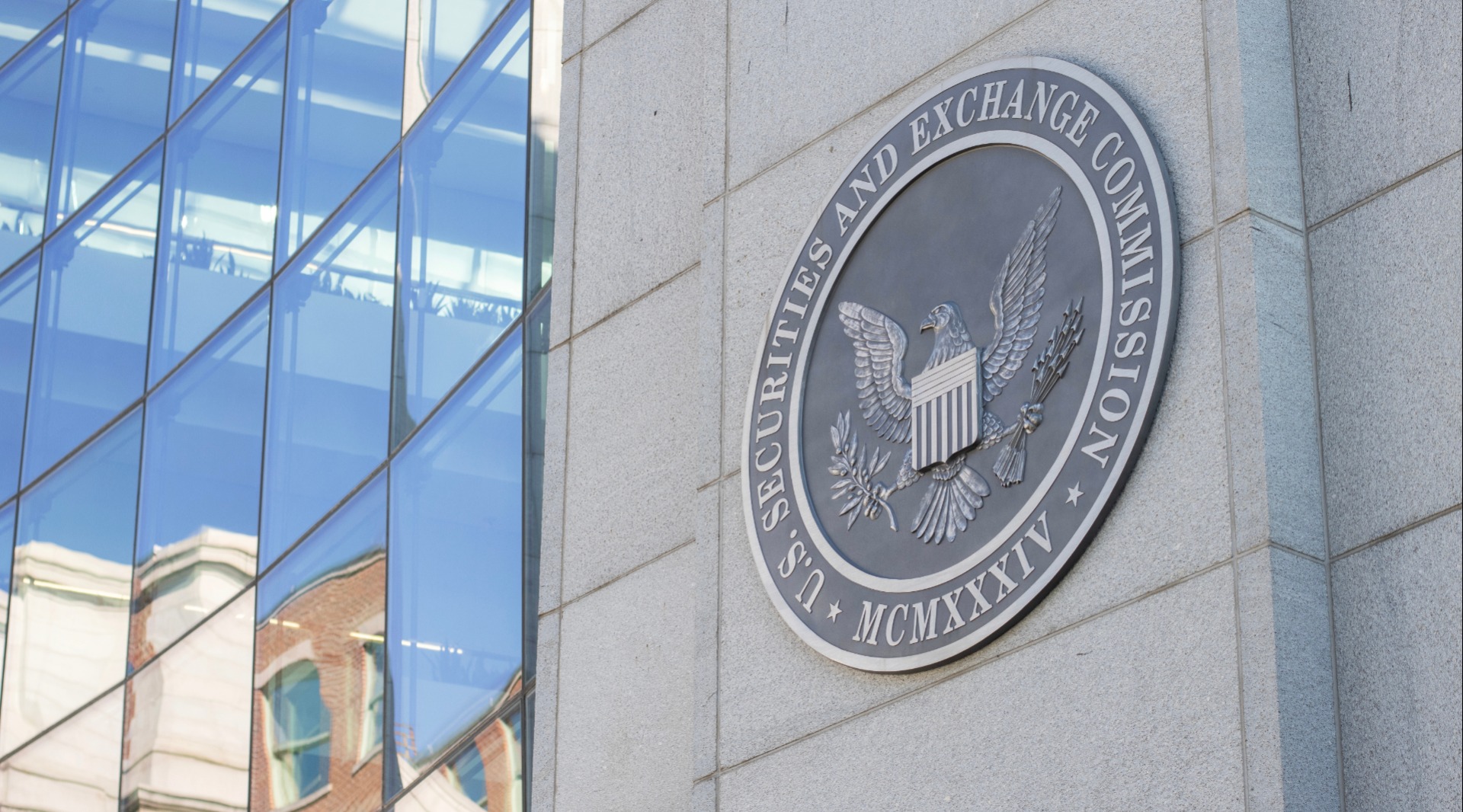
the seal of the United States SEC seen at its headquarters in Washington, DC
The seal of the United States SEC seen at its headquarters in Washington, DC

The Securities and Exchange Commission (SEC) has issued guidelines on tokenised stocks, clarifying the distinction between issuer-sponsored tokenised securities and third-party products that typically offer synthetic exposure.

Promising Structure, but There Were Controversies

The clarification came as many platforms, even US-based ones, began offering tokenised stocks to customers in foreign markets. Robinhood’s tokenised stock launch in Europe grabbed attention, but the space is still dominated by crypto exchanges, as many firms, including Kraken, Gemini and Bybit, are offering such products in non-US markets.

Read more: Tokenised Stocks Are Here, but Do They Really Bring Added Value over CFDs?

Although none are offering tokenised products in the US, multiple players, including Coinbase, are seeking the SEC’s approval to introduce them in the US markets. Other large institutions, such as Nasdaq and the NYSE, have also expressed interest in the sector.

One of the promises was that tokenised stocks would allow investors access to both listed and unlisted stocks.

However, controversy arose when OpenAI publicly disavowed tokenised “equity” linked to its shares offered by Robinhood in Europe. The American broker also offered tokenised exposure to the unlisted shares of Elon Musk’s SpaceX.

SEC Clarifies the American Rules

“Third parties unaffiliated with an issuer of a security could tokenise the unaffiliated issuer’s security,” the SEC noted, adding: “The models that third parties are using to tokenise securities vary, and the rights, obligations and benefits associated with the crypto asset may or may not be materially different from those of the underlying security.”

The regulator further highlighted that, in the case of third-party-sponsored tokenised securities, investors would be exposed to the business risks associated with the third party, including bankruptcy, unlike traditional security holders.

However, in both cases, the tokenised securities would be subject to US securities and derivatives laws.

The joint statement by the SEC’s Division of Corporation Finance, Division of Investment Management and Division of Trading and Markets clarified that the format of a security, whether traditional or tokenised, does not alter the application of existing laws in the markets.

It remains to be seen whether the clarification will encourage firms pushing for the launch of tokenised securities in the country, which would require regulatory approval, or deter them from such offerings, particularly those linked to unlisted stocks.

The Securities and Exchange Commission (SEC) has issued guidelines on tokenised stocks, clarifying the distinction between issuer-sponsored tokenised securities and third-party products that typically offer synthetic exposure.

Promising Structure, but There Were Controversies

The clarification came as many platforms, even US-based ones, began offering tokenised stocks to customers in foreign markets. Robinhood’s tokenised stock launch in Europe grabbed attention, but the space is still dominated by crypto exchanges, as many firms, including Kraken, Gemini and Bybit, are offering such products in non-US markets.

Read more: Tokenised Stocks Are Here, but Do They Really Bring Added Value over CFDs?

Although none are offering tokenised products in the US, multiple players, including Coinbase, are seeking the SEC’s approval to introduce them in the US markets. Other large institutions, such as Nasdaq and the NYSE, have also expressed interest in the sector.

One of the promises was that tokenised stocks would allow investors access to both listed and unlisted stocks.

However, controversy arose when OpenAI publicly disavowed tokenised “equity” linked to its shares offered by Robinhood in Europe. The American broker also offered tokenised exposure to the unlisted shares of Elon Musk’s SpaceX.

SEC Clarifies the American Rules

“Third parties unaffiliated with an issuer of a security could tokenise the unaffiliated issuer’s security,” the SEC noted, adding: “The models that third parties are using to tokenise securities vary, and the rights, obligations and benefits associated with the crypto asset may or may not be materially different from those of the underlying security.”

The regulator further highlighted that, in the case of third-party-sponsored tokenised securities, investors would be exposed to the business risks associated with the third party, including bankruptcy, unlike traditional security holders.

However, in both cases, the tokenised securities would be subject to US securities and derivatives laws.

The joint statement by the SEC’s Division of Corporation Finance, Division of Investment Management and Division of Trading and Markets clarified that the format of a security, whether traditional or tokenised, does not alter the application of existing laws in the markets.

It remains to be seen whether the clarification will encourage firms pushing for the launch of tokenised securities in the country, which would require regulatory approval, or deter them from such offerings, particularly those linked to unlisted stocks.

About the Author: Arnab Shome
Arnab Shome
  • 7265 Articles
  • 133 Followers
Arnab is an electronics engineer-turned-financial editor. He entered the industry covering the cryptocurrency market for Finance Magnates and later expanded his reach to forex as well. He is passionate about the changing regulatory landscape on financial markets and keenly follows the disruptions in the industry with new-age technologies.

More from the Author

Retail FX