Among the world’s most notable and established financial regulators, the Financial Services Authority (FSA) presided over the United Kingdom’s financial sector for 28 years. This week, however, the long-standing regulator has officially ceased to exist, handing regulatory responsibility back to the Bank of England, and consumer arbitration to an all-new organization called the Financial Conduct Authority (FCA).
Its introduction in June 1985 was brought about by the Chancellor of the Exchequer Nigel Lawson under the name Securities and Investments Board (SIB).
Throughout the 1980s, the UK experienced a booming economy and as more of the country’s working population had disposable income, many started to look toward investment for their future. This led to a proliferation of Independent Financial Advisers (IFAs) establishing business. These were effectively small brokerages, often consisting of just one or two financial advisers, who would place business with various investment or life assurance companies in return for a commission.
There quickly became a need for regulation of what was becoming a very diversified financial sector. The UK was moving away from being a nation of heavy manufacturing, engineering, shipbuilding and export to financial services in various guises. The country’s traditional London-based financial sector was built on reinsurance for the marine industry and traditional banking, with exchange-traded products being available on the London Stock Exchange.
The banking sector was traditionally overseen by the Bank of England and was tightly controlled. In order to begin to regulate the fast changing financial sector and its alternative divisions such as brokerages, stockbrokers, financial consultants and independent portfolio managers, a self-regulatory organization called the Financial Intermediaries, Managers and Brokers Association (FIMBRA) was introduced. A large majority of IFAs joined FIMBRA in order to maintain credibility. It was not uncommon to walk through British neighborhoods during the late 1980s and see the FIMBRA sign on the door of the home at which an IFA lived.
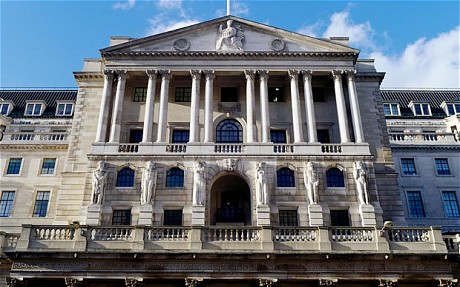
Dubbed "The Old Lady", The Bank of England's Headquarters Built in 1694 in Threadneedle Street, London
The SIB ceased to recognize FIMBRA as a satisfactory regulatory body in 1994, and implemented steps for its wind-down. Briefly replaced by the Personal Investment Authority (PIA), which was the first organization which had the ability to bring brokers and intermediaries to book over misconduct, new rules were set out to increase transparency, effectively the beginning of Know Your Client questionnaires and risk disclosure as well as commission disclosures.
On 16 June 2010, following the return to office of the Conservative government, the Chancellor of the Exchequer, George Osborne, announced plans to abolish the FSA and separate its responsibilities between a number of new agencies and the Bank of England. The Financial Conduct Authority was to be formed to be responsible for policing the City and the banking system.[6] A new Prudential Regulation Authority will carry out the prudential regulation of financial firms, including banks, investment banks, building societies and insurance companies.
On 19 December 2012 the Financial Services Act 2012 received royal assent and came into force on 1 April 2013. The act creates a new regulatory framework for financial services and completely replaces the FSA. Specifically, the Act returns responsibility to the Bank of England for ensuring the country’s financial stability. In returning these powers to the Bank of England, there is new methodology designed to bring together macro and micro prudential regulation in creating a new regulatory structure consisting of the Bank of England's Financial Policy Committee designated Prudential Regulation Authority and the FCA.
The FCA sets out its business plan as follows:
The risk outlook sets out the challenging economic backdrop as well as outlining how the FCA will assess market conditions and identify future risks. Many of these are complex and will require several years’ focus.
The business plan sets out how these risks will be managed in the first year and how the FCA will use its resources effectively to meet its objectives, which are:
• To secure an appropriate degree of protection for consumers.
• To protect and enhance the integrity of the UK financial system.
• To promote effective competition in the interests of consumers.
The FSA has undertaken the risk outlook to identify the key risks in the financial services industry in the year ahead. This analysis has shaped the FCA’s priorities for its first year, so that the new regulator uses its powers to ensure that consumers are protected, that firms meet FCA standards and markets operate with integrity - from day one.
The key areas of focus for the year ahead include:
• A renewed focus on consumers. This will include helping to ensure that firms’ strategies are aligned with producing appropriate outcomes for consumers − for example, through the work on product governance and incentive structures in firms;
• Continuing to tackle market abuse, by taking strong enforcement action to deter future misconduct. Clean markets ensure the integrity of the UK financial system. Focusing on wholesale conduct will be critical for the FCA, as will the new approach to the supervision of trading platforms;
• Ensuring a competitive financial services industry. A significant change for the FCA, this will involve building a new Competition Department to embed competition analysis across the organisation, which will take action as appropriate;
• Continuing to address ongoing misconduct, such as LIBOR, Payment Protection Insurance and interest rate swaps; and
• Carrying forward major policy initiatives such as the Mortgage Market Review, the changes to retail investment advice and extensive engagement with Europe on important Directives under consideration.
The risk outlook underpins the business plan. The main risks identified for the coming year are:
• Firms not designing products and services that respond to real consumer needs or are in consumers’ long-term interests;
• Distribution channels not promoting transparency for consumers on financial products and services;
• Over-reliance on, and inadequate oversight of, payment and product technologies.
• Shift towards more innovative, complex or risky funding strategies or structures that lack oversight, posing risks to market integrity and consumer protection; and
• Poor understanding of risk and return, combined with the search for yield or income, leads consumers to take on more risk than is appropriate.
A number of the risks identified are about what could go wrong – firms or products failing and consumers suffering detriment. However, the other side of the risk equation is the wider consumer detriment arising from people not being able to get access to the right products. The FCA will therefore also be focusing much of its efforts on these longer term risks. These include firms not investing in innovative new products to meet the changing needs of society; withdrawal of sales forces; and too few new entrants in to the industry to allow competition to flourish.
The FCA will take a risk-based approach to supervision, recognizing the diversity of the firms and markets that it regulates. The new regulator will be much more proactive, acting earlier and more decisively than the FSA. This new approach will ensure that the focus is on issues that have wider, longer-term effects on consumers and market integrity. The FCA will also continue the FSA’s work to use its enforcement powers to take action against firms and individuals who abuse the system to deter others from doing so.
Martin Wheatley, CEO designate of the FCA, said:
“Firms need to ensure that they are putting the consumer and the integrity of markets at the heart of their business models and strategies. This includes making cultural changes which promote good conduct; establishing oversight around the design and innovation of products and services; and ensuring they are transparent in their dealings with consumers.
“Our first year as a new regulator will be an exciting and challenging time but one for which we are well prepared. We are introducing new approaches to the way we do much of our work, becoming much more proactive and consumer focused. A risk for all regulators is becoming bound to conventional thinking. That is why the new regulator will be much more transparent, so we can learn from our mistakes. There is no room for the poor behavior of the past. We will take action early and decisively when we see evidence of poor practices.
“We cannot succeed wholly in isolation. To achieve our aims, we need the cooperation of the firms we regulate and the vigilance of their customers. A strong, successful financial services industry is essential for consumers across the UK, and for the economic health of the whole country.”
The now-defunct FSA has placed a notice on its website explaining that it has been superseded and that all regulatory enquiries must now take place via the newly implemented channels.
The UK is indeed following the lead of North America in its straightening-out of the financial sector and ensuring that there is greater control and less room for poor conduct by handing powers back to the central authorities. The impact on the forex industry is not yet known, as it will take some time to fully implement this industrywide, however with the handover now officially in place, a new set of criteria around which to operate is in the midst
Among the world’s most notable and established financial regulators, the Financial Services Authority (FSA) presided over the United Kingdom’s financial sector for 28 years. This week, however, the long-standing regulator has officially ceased to exist, handing regulatory responsibility back to the Bank of England, and consumer arbitration to an all-new organization called the Financial Conduct Authority (FCA).
Its introduction in June 1985 was brought about by the Chancellor of the Exchequer Nigel Lawson under the name Securities and Investments Board (SIB).
Throughout the 1980s, the UK experienced a booming economy and as more of the country’s working population had disposable income, many started to look toward investment for their future. This led to a proliferation of Independent Financial Advisers (IFAs) establishing business. These were effectively small brokerages, often consisting of just one or two financial advisers, who would place business with various investment or life assurance companies in return for a commission.
There quickly became a need for regulation of what was becoming a very diversified financial sector. The UK was moving away from being a nation of heavy manufacturing, engineering, shipbuilding and export to financial services in various guises. The country’s traditional London-based financial sector was built on reinsurance for the marine industry and traditional banking, with exchange-traded products being available on the London Stock Exchange.
The banking sector was traditionally overseen by the Bank of England and was tightly controlled. In order to begin to regulate the fast changing financial sector and its alternative divisions such as brokerages, stockbrokers, financial consultants and independent portfolio managers, a self-regulatory organization called the Financial Intermediaries, Managers and Brokers Association (FIMBRA) was introduced. A large majority of IFAs joined FIMBRA in order to maintain credibility. It was not uncommon to walk through British neighborhoods during the late 1980s and see the FIMBRA sign on the door of the home at which an IFA lived.
Dubbed "The Old Lady", The Bank of England's Headquarters Built in 1694 in Threadneedle Street, London
The SIB ceased to recognize FIMBRA as a satisfactory regulatory body in 1994, and implemented steps for its wind-down. Briefly replaced by the Personal Investment Authority (PIA), which was the first organization which had the ability to bring brokers and intermediaries to book over misconduct, new rules were set out to increase transparency, effectively the beginning of Know Your Client questionnaires and risk disclosure as well as commission disclosures.
On 16 June 2010, following the return to office of the Conservative government, the Chancellor of the Exchequer, George Osborne, announced plans to abolish the FSA and separate its responsibilities between a number of new agencies and the Bank of England. The Financial Conduct Authority was to be formed to be responsible for policing the City and the banking system.[6] A new Prudential Regulation Authority will carry out the prudential regulation of financial firms, including banks, investment banks, building societies and insurance companies.
On 19 December 2012 the Financial Services Act 2012 received royal assent and came into force on 1 April 2013. The act creates a new regulatory framework for financial services and completely replaces the FSA. Specifically, the Act returns responsibility to the Bank of England for ensuring the country’s financial stability. In returning these powers to the Bank of England, there is new methodology designed to bring together macro and micro prudential regulation in creating a new regulatory structure consisting of the Bank of England's Financial Policy Committee designated Prudential Regulation Authority and the FCA.
The FCA sets out its business plan as follows:
The risk outlook sets out the challenging economic backdrop as well as outlining how the FCA will assess market conditions and identify future risks. Many of these are complex and will require several years’ focus.
The business plan sets out how these risks will be managed in the first year and how the FCA will use its resources effectively to meet its objectives, which are:
• To secure an appropriate degree of protection for consumers.
• To protect and enhance the integrity of the UK financial system.
• To promote effective competition in the interests of consumers.
The FSA has undertaken the risk outlook to identify the key risks in the financial services industry in the year ahead. This analysis has shaped the FCA’s priorities for its first year, so that the new regulator uses its powers to ensure that consumers are protected, that firms meet FCA standards and markets operate with integrity - from day one.
The key areas of focus for the year ahead include:
• A renewed focus on consumers. This will include helping to ensure that firms’ strategies are aligned with producing appropriate outcomes for consumers − for example, through the work on product governance and incentive structures in firms;
• Continuing to tackle market abuse, by taking strong enforcement action to deter future misconduct. Clean markets ensure the integrity of the UK financial system. Focusing on wholesale conduct will be critical for the FCA, as will the new approach to the supervision of trading platforms;
• Ensuring a competitive financial services industry. A significant change for the FCA, this will involve building a new Competition Department to embed competition analysis across the organisation, which will take action as appropriate;
• Continuing to address ongoing misconduct, such as LIBOR, Payment Protection Insurance and interest rate swaps; and
• Carrying forward major policy initiatives such as the Mortgage Market Review, the changes to retail investment advice and extensive engagement with Europe on important Directives under consideration.
The risk outlook underpins the business plan. The main risks identified for the coming year are:
• Firms not designing products and services that respond to real consumer needs or are in consumers’ long-term interests;
• Distribution channels not promoting transparency for consumers on financial products and services;
• Over-reliance on, and inadequate oversight of, payment and product technologies.
• Shift towards more innovative, complex or risky funding strategies or structures that lack oversight, posing risks to market integrity and consumer protection; and
• Poor understanding of risk and return, combined with the search for yield or income, leads consumers to take on more risk than is appropriate.
A number of the risks identified are about what could go wrong – firms or products failing and consumers suffering detriment. However, the other side of the risk equation is the wider consumer detriment arising from people not being able to get access to the right products. The FCA will therefore also be focusing much of its efforts on these longer term risks. These include firms not investing in innovative new products to meet the changing needs of society; withdrawal of sales forces; and too few new entrants in to the industry to allow competition to flourish.
The FCA will take a risk-based approach to supervision, recognizing the diversity of the firms and markets that it regulates. The new regulator will be much more proactive, acting earlier and more decisively than the FSA. This new approach will ensure that the focus is on issues that have wider, longer-term effects on consumers and market integrity. The FCA will also continue the FSA’s work to use its enforcement powers to take action against firms and individuals who abuse the system to deter others from doing so.
Martin Wheatley, CEO designate of the FCA, said:
“Firms need to ensure that they are putting the consumer and the integrity of markets at the heart of their business models and strategies. This includes making cultural changes which promote good conduct; establishing oversight around the design and innovation of products and services; and ensuring they are transparent in their dealings with consumers.
“Our first year as a new regulator will be an exciting and challenging time but one for which we are well prepared. We are introducing new approaches to the way we do much of our work, becoming much more proactive and consumer focused. A risk for all regulators is becoming bound to conventional thinking. That is why the new regulator will be much more transparent, so we can learn from our mistakes. There is no room for the poor behavior of the past. We will take action early and decisively when we see evidence of poor practices.
“We cannot succeed wholly in isolation. To achieve our aims, we need the cooperation of the firms we regulate and the vigilance of their customers. A strong, successful financial services industry is essential for consumers across the UK, and for the economic health of the whole country.”
The now-defunct FSA has placed a notice on its website explaining that it has been superseded and that all regulatory enquiries must now take place via the newly implemented channels.
The UK is indeed following the lead of North America in its straightening-out of the financial sector and ensuring that there is greater control and less room for poor conduct by handing powers back to the central authorities. The impact on the forex industry is not yet known, as it will take some time to fully implement this industrywide, however with the handover now officially in place, a new set of criteria around which to operate is in the midst
Italy’s Consob Tightens Net on AI-Fueled Scams With Fresh Website Bans
Featured Videos
FP Markets Winner Spotlight 🏆 | Global Broker of the Year 2025 #Trading #Broker #Innovation #Shorts
FP Markets Winner Spotlight 🏆 | Global Broker of the Year 2025 #Trading #Broker #Innovation #Shorts
FP Markets Winner Spotlight 🏆 | Global Broker of the Year 2025 #Trading #Broker #Innovation #Shorts
FP Markets Winner Spotlight 🏆 | Global Broker of the Year 2025 #Trading #Broker #Innovation #Shorts
FP Markets takes the spotlight as Global Broker of the Year 2025 at the Finance Magnates Awards.
Martin Stoilov, Head of Client Experience, shares that trust, innovation, and people played a key role in the company’s success, supported by a strong foundation of integrity and client-centricity.
Following this milestone, FP Markets continues to focus on growth, technology investment, and its core values of transparency and excellence.
👉 Be part of FM Awards 2026: https://awards.financemagnates.com/#nominate
FP Markets takes the spotlight as Global Broker of the Year 2025 at the Finance Magnates Awards.
Martin Stoilov, Head of Client Experience, shares that trust, innovation, and people played a key role in the company’s success, supported by a strong foundation of integrity and client-centricity.
Following this milestone, FP Markets continues to focus on growth, technology investment, and its core values of transparency and excellence.
👉 Be part of FM Awards 2026: https://awards.financemagnates.com/#nominate
FP Markets takes the spotlight as Global Broker of the Year 2025 at the Finance Magnates Awards.
Martin Stoilov, Head of Client Experience, shares that trust, innovation, and people played a key role in the company’s success, supported by a strong foundation of integrity and client-centricity.
Following this milestone, FP Markets continues to focus on growth, technology investment, and its core values of transparency and excellence.
👉 Be part of FM Awards 2026: https://awards.financemagnates.com/#nominate
FP Markets takes the spotlight as Global Broker of the Year 2025 at the Finance Magnates Awards.
Martin Stoilov, Head of Client Experience, shares that trust, innovation, and people played a key role in the company’s success, supported by a strong foundation of integrity and client-centricity.
Following this milestone, FP Markets continues to focus on growth, technology investment, and its core values of transparency and excellence.
👉 Be part of FM Awards 2026: https://awards.financemagnates.com/#nominate
In this video, we review @HolaPrimeMarketsOfficial, a multi-asset forex and CFDs broker offering different account types, trading platforms, and flexible trading conditions.
We cover the broker’s overall offering, including account options, trading environment, platforms like MT4 and MT5, and additional services such as managed accounts and fast withdrawals.
Watch the full video to see if Hola Prime Markets fits your trading needs.
📣 Stay up to date with the latest in finance and trading. Follow Finance Magnates for industry news, insights, and global event coverage.
Connect with us:
🔗 LinkedIn: /financemagnates
👍 Facebook: /financemagnates
📸 Instagram: https://www.instagram.com/financemagnates
🐦 X: https://x.com/financemagnates
🎥 TikTok: https://www.tiktok.com/tag/financemagnates
▶️ YouTube: /@financemagnates_official
#HolaPrime #ForexBroker #CFDTrading #FinanceMagnates #Trading #Forex #BrokerReview
In this video, we review @HolaPrimeMarketsOfficial, a multi-asset forex and CFDs broker offering different account types, trading platforms, and flexible trading conditions.
We cover the broker’s overall offering, including account options, trading environment, platforms like MT4 and MT5, and additional services such as managed accounts and fast withdrawals.
Watch the full video to see if Hola Prime Markets fits your trading needs.
📣 Stay up to date with the latest in finance and trading. Follow Finance Magnates for industry news, insights, and global event coverage.
Connect with us:
🔗 LinkedIn: /financemagnates
👍 Facebook: /financemagnates
📸 Instagram: https://www.instagram.com/financemagnates
🐦 X: https://x.com/financemagnates
🎥 TikTok: https://www.tiktok.com/tag/financemagnates
▶️ YouTube: /@financemagnates_official
#HolaPrime #ForexBroker #CFDTrading #FinanceMagnates #Trading #Forex #BrokerReview
In this video, we review @HolaPrimeMarketsOfficial, a multi-asset forex and CFDs broker offering different account types, trading platforms, and flexible trading conditions.
We cover the broker’s overall offering, including account options, trading environment, platforms like MT4 and MT5, and additional services such as managed accounts and fast withdrawals.
Watch the full video to see if Hola Prime Markets fits your trading needs.
📣 Stay up to date with the latest in finance and trading. Follow Finance Magnates for industry news, insights, and global event coverage.
Connect with us:
🔗 LinkedIn: /financemagnates
👍 Facebook: /financemagnates
📸 Instagram: https://www.instagram.com/financemagnates
🐦 X: https://x.com/financemagnates
🎥 TikTok: https://www.tiktok.com/tag/financemagnates
▶️ YouTube: /@financemagnates_official
#HolaPrime #ForexBroker #CFDTrading #FinanceMagnates #Trading #Forex #BrokerReview
In this video, we review @HolaPrimeMarketsOfficial, a multi-asset forex and CFDs broker offering different account types, trading platforms, and flexible trading conditions.
We cover the broker’s overall offering, including account options, trading environment, platforms like MT4 and MT5, and additional services such as managed accounts and fast withdrawals.
Watch the full video to see if Hola Prime Markets fits your trading needs.
📣 Stay up to date with the latest in finance and trading. Follow Finance Magnates for industry news, insights, and global event coverage.
Connect with us:
🔗 LinkedIn: /financemagnates
👍 Facebook: /financemagnates
📸 Instagram: https://www.instagram.com/financemagnates
🐦 X: https://x.com/financemagnates
🎥 TikTok: https://www.tiktok.com/tag/financemagnates
▶️ YouTube: /@financemagnates_official
#HolaPrime #ForexBroker #CFDTrading #FinanceMagnates #Trading #Forex #BrokerReview
In this video, we review @HolaPrimeMarketsOfficial, a multi-asset forex and CFDs broker offering different account types, trading platforms, and flexible trading conditions.
We cover the broker’s overall offering, including account options, trading environment, platforms like MT4 and MT5, and additional services such as managed accounts and fast withdrawals.
Watch the full video to see if Hola Prime Markets fits your trading needs.
📣 Stay up to date with the latest in finance and trading. Follow Finance Magnates for industry news, insights, and global event coverage.
Connect with us:
🔗 LinkedIn: /financemagnates
👍 Facebook: /financemagnates
📸 Instagram: https://www.instagram.com/financemagnates
🐦 X: https://x.com/financemagnates
🎥 TikTok: https://www.tiktok.com/tag/financemagnates
▶️ YouTube: /@financemagnates_official
#HolaPrime #ForexBroker #CFDTrading #FinanceMagnates #Trading #Forex #BrokerReview
In this video, we review @HolaPrimeMarketsOfficial, a multi-asset forex and CFDs broker offering different account types, trading platforms, and flexible trading conditions.
We cover the broker’s overall offering, including account options, trading environment, platforms like MT4 and MT5, and additional services such as managed accounts and fast withdrawals.
Watch the full video to see if Hola Prime Markets fits your trading needs.
📣 Stay up to date with the latest in finance and trading. Follow Finance Magnates for industry news, insights, and global event coverage.
Connect with us:
🔗 LinkedIn: /financemagnates
👍 Facebook: /financemagnates
📸 Instagram: https://www.instagram.com/financemagnates
🐦 X: https://x.com/financemagnates
🎥 TikTok: https://www.tiktok.com/tag/financemagnates
▶️ YouTube: /@financemagnates_official
#HolaPrime #ForexBroker #CFDTrading #FinanceMagnates #Trading #Forex #BrokerReview
Hola Prime Review: What You Need to Know | Full Breakdown by Finance Magnates
Hola Prime Review: What You Need to Know | Full Breakdown by Finance Magnates
Hola Prime Review: What You Need to Know | Full Breakdown by Finance Magnates
Hola Prime Review: What You Need to Know | Full Breakdown by Finance Magnates
Hola Prime Review: What You Need to Know | Full Breakdown by Finance Magnates
Hola Prime Review: What You Need to Know | Full Breakdown by Finance Magnates
In this video, we review @HolaPrime_Global, a proprietary trading firm offering evaluation programs and performance-based payouts in simulated market environments.
We cover how the challenge model works, including account types, profit splits (up to 95%), trading rules, and what it takes to reach a funded account. You’ll also learn about available platforms like MT4, MT5, cTrader, and more, along with insights into payouts, support, and trading conditions.
Watch the full video to see if Hola Prime fits your trading style.
📣 Stay up to date with the latest in finance and trading. Follow Finance Magnates for industry news, insights, and global event coverage.
Connect with us:
🔗 LinkedIn: /financemagnates
👍 Facebook: /financemagnates
📸 Instagram: https://www.instagram.com/financemagnates
🐦 X: https://x.com/financemagnates
🎥 TikTok: https://www.tiktok.com/tag/financemagnates
▶️ YouTube: /@financemagnates_official
#HolaPrime #PropFirm #Trading #FinanceMagnates #Forex #FuturesTrading #TradingReview #PropFirmReview
In this video, we review @HolaPrime_Global, a proprietary trading firm offering evaluation programs and performance-based payouts in simulated market environments.
We cover how the challenge model works, including account types, profit splits (up to 95%), trading rules, and what it takes to reach a funded account. You’ll also learn about available platforms like MT4, MT5, cTrader, and more, along with insights into payouts, support, and trading conditions.
Watch the full video to see if Hola Prime fits your trading style.
📣 Stay up to date with the latest in finance and trading. Follow Finance Magnates for industry news, insights, and global event coverage.
Connect with us:
🔗 LinkedIn: /financemagnates
👍 Facebook: /financemagnates
📸 Instagram: https://www.instagram.com/financemagnates
🐦 X: https://x.com/financemagnates
🎥 TikTok: https://www.tiktok.com/tag/financemagnates
▶️ YouTube: /@financemagnates_official
#HolaPrime #PropFirm #Trading #FinanceMagnates #Forex #FuturesTrading #TradingReview #PropFirmReview
In this video, we review @HolaPrime_Global, a proprietary trading firm offering evaluation programs and performance-based payouts in simulated market environments.
We cover how the challenge model works, including account types, profit splits (up to 95%), trading rules, and what it takes to reach a funded account. You’ll also learn about available platforms like MT4, MT5, cTrader, and more, along with insights into payouts, support, and trading conditions.
Watch the full video to see if Hola Prime fits your trading style.
📣 Stay up to date with the latest in finance and trading. Follow Finance Magnates for industry news, insights, and global event coverage.
Connect with us:
🔗 LinkedIn: /financemagnates
👍 Facebook: /financemagnates
📸 Instagram: https://www.instagram.com/financemagnates
🐦 X: https://x.com/financemagnates
🎥 TikTok: https://www.tiktok.com/tag/financemagnates
▶️ YouTube: /@financemagnates_official
#HolaPrime #PropFirm #Trading #FinanceMagnates #Forex #FuturesTrading #TradingReview #PropFirmReview
In this video, we review @HolaPrime_Global, a proprietary trading firm offering evaluation programs and performance-based payouts in simulated market environments.
We cover how the challenge model works, including account types, profit splits (up to 95%), trading rules, and what it takes to reach a funded account. You’ll also learn about available platforms like MT4, MT5, cTrader, and more, along with insights into payouts, support, and trading conditions.
Watch the full video to see if Hola Prime fits your trading style.
📣 Stay up to date with the latest in finance and trading. Follow Finance Magnates for industry news, insights, and global event coverage.
Connect with us:
🔗 LinkedIn: /financemagnates
👍 Facebook: /financemagnates
📸 Instagram: https://www.instagram.com/financemagnates
🐦 X: https://x.com/financemagnates
🎥 TikTok: https://www.tiktok.com/tag/financemagnates
▶️ YouTube: /@financemagnates_official
#HolaPrime #PropFirm #Trading #FinanceMagnates #Forex #FuturesTrading #TradingReview #PropFirmReview
In this video, we review @HolaPrime_Global, a proprietary trading firm offering evaluation programs and performance-based payouts in simulated market environments.
We cover how the challenge model works, including account types, profit splits (up to 95%), trading rules, and what it takes to reach a funded account. You’ll also learn about available platforms like MT4, MT5, cTrader, and more, along with insights into payouts, support, and trading conditions.
Watch the full video to see if Hola Prime fits your trading style.
📣 Stay up to date with the latest in finance and trading. Follow Finance Magnates for industry news, insights, and global event coverage.
Connect with us:
🔗 LinkedIn: /financemagnates
👍 Facebook: /financemagnates
📸 Instagram: https://www.instagram.com/financemagnates
🐦 X: https://x.com/financemagnates
🎥 TikTok: https://www.tiktok.com/tag/financemagnates
▶️ YouTube: /@financemagnates_official
#HolaPrime #PropFirm #Trading #FinanceMagnates #Forex #FuturesTrading #TradingReview #PropFirmReview
In this video, we review @HolaPrime_Global, a proprietary trading firm offering evaluation programs and performance-based payouts in simulated market environments.
We cover how the challenge model works, including account types, profit splits (up to 95%), trading rules, and what it takes to reach a funded account. You’ll also learn about available platforms like MT4, MT5, cTrader, and more, along with insights into payouts, support, and trading conditions.
Watch the full video to see if Hola Prime fits your trading style.
📣 Stay up to date with the latest in finance and trading. Follow Finance Magnates for industry news, insights, and global event coverage.
Connect with us:
🔗 LinkedIn: /financemagnates
👍 Facebook: /financemagnates
📸 Instagram: https://www.instagram.com/financemagnates
🐦 X: https://x.com/financemagnates
🎥 TikTok: https://www.tiktok.com/tag/financemagnates
▶️ YouTube: /@financemagnates_official
#HolaPrime #PropFirm #Trading #FinanceMagnates #Forex #FuturesTrading #TradingReview #PropFirmReview
Axi Winner Spotlight 🏆 | Global Most Innovative Broker 2025 #Innovation #Trading #Fintech #Broker
Axi Winner Spotlight 🏆 | Global Most Innovative Broker 2025 #Innovation #Trading #Fintech #Broker
Axi Winner Spotlight 🏆 | Global Most Innovative Broker 2025 #Innovation #Trading #Fintech #Broker
Axi Winner Spotlight 🏆 | Global Most Innovative Broker 2025 #Innovation #Trading #Fintech #Broker
Axi Winner Spotlight 🏆 | Global Most Innovative Broker 2025 #Innovation #Trading #Fintech #Broker
Axi Winner Spotlight 🏆 | Global Most Innovative Broker 2025 #Innovation #Trading #Fintech #Broker
Axi takes the spotlight at the Finance Magnates Awards, winning Global Most Innovative Broker 2025.
Olivia Xenofontos and Ivanna Openko share how the team will feel: proud, motivated, and ready to keep delivering.
They also describe the night as well-organized, focused, and enjoyable for all.
👉 Be part of FM Awards 2026.
Axi takes the spotlight at the Finance Magnates Awards, winning Global Most Innovative Broker 2025.
Olivia Xenofontos and Ivanna Openko share how the team will feel: proud, motivated, and ready to keep delivering.
They also describe the night as well-organized, focused, and enjoyable for all.
👉 Be part of FM Awards 2026.
Axi takes the spotlight at the Finance Magnates Awards, winning Global Most Innovative Broker 2025.
Olivia Xenofontos and Ivanna Openko share how the team will feel: proud, motivated, and ready to keep delivering.
They also describe the night as well-organized, focused, and enjoyable for all.
👉 Be part of FM Awards 2026.
Axi takes the spotlight at the Finance Magnates Awards, winning Global Most Innovative Broker 2025.
Olivia Xenofontos and Ivanna Openko share how the team will feel: proud, motivated, and ready to keep delivering.
They also describe the night as well-organized, focused, and enjoyable for all.
👉 Be part of FM Awards 2026.
Axi takes the spotlight at the Finance Magnates Awards, winning Global Most Innovative Broker 2025.
Olivia Xenofontos and Ivanna Openko share how the team will feel: proud, motivated, and ready to keep delivering.
They also describe the night as well-organized, focused, and enjoyable for all.
👉 Be part of FM Awards 2026.
Axi takes the spotlight at the Finance Magnates Awards, winning Global Most Innovative Broker 2025.
Olivia Xenofontos and Ivanna Openko share how the team will feel: proud, motivated, and ready to keep delivering.
They also describe the night as well-organized, focused, and enjoyable for all.
👉 Be part of FM Awards 2026.
Recognition that matters.
Built on transparency.
Driven by the industry.
The Finance Magnates Awards 2026.
Nominations are now open.
🔗 https://awards.financemagnates.com/?utm_source=SM&utm_medium=social&utm_campaign=recognition-matters
Recognition that matters.
Built on transparency.
Driven by the industry.
The Finance Magnates Awards 2026.
Nominations are now open.
🔗 https://awards.financemagnates.com/?utm_source=SM&utm_medium=social&utm_campaign=recognition-matters
Recognition that matters.
Built on transparency.
Driven by the industry.
The Finance Magnates Awards 2026.
Nominations are now open.
🔗 https://awards.financemagnates.com/?utm_source=SM&utm_medium=social&utm_campaign=recognition-matters
Recognition that matters.
Built on transparency.
Driven by the industry.
The Finance Magnates Awards 2026.
Nominations are now open.
🔗 https://awards.financemagnates.com/?utm_source=SM&utm_medium=social&utm_campaign=recognition-matters
Recognition that matters.
Built on transparency.
Driven by the industry.
The Finance Magnates Awards 2026.
Nominations are now open.
🔗 https://awards.financemagnates.com/?utm_source=SM&utm_medium=social&utm_campaign=recognition-matters
Recognition that matters.
Built on transparency.
Driven by the industry.
The Finance Magnates Awards 2026.
Nominations are now open.
🔗 https://awards.financemagnates.com/?utm_source=SM&utm_medium=social&utm_campaign=recognition-matters