>
Royal Bank of Scotland Group Prosecuted by CFTC For Manipulation and False Reporting of Yen and Swiss Franc LIBOR
Royal Bank of Scotland Group Prosecuted by CFTC For Manipulation and False Reporting of Yen and Swiss Franc LIBOR
Wednesday,06/02/2013|13:41GMTby
Andrew Saks McLeod
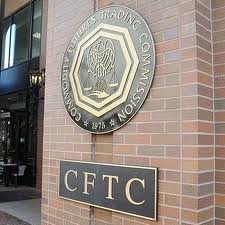
The Royal Bank of Scotland plc (RBS) and its Japanese entity RBS Securities Japan Limited have been ordered by the US Commodity Futures Trading Commission (CFTC) to pay a total of $325 million as a penalty to settle charges brought against the companies for manipulation, attempted manipulation and false reporting of Swiss Franc LIBOR.
Industry wide, the CFTC has successfully penalized a series of banks for manipulative conduct with respect to LIBOR and other benchmark interest rates, amounting to a total of $1.2 billion in fines imposed for misconduct.
The Order requires Royal Bank of Scotland to pay a $325 million civil monetary penalty, cease and desist from further violations as charged, and take specified steps to ensure the integrity and reliability of LIBOR and other benchmark interest rate submissions, including improving related internal controls.
“The integrity of LIBOR depends on truthful information provided by a select group of some of the world’s most important banks. The public is deprived of an honest benchmark interest rate when a group of traders sits around a desk for years falsely spinning their bank’s LIBOR submissions, trying to manufacture winning trades. That’s what happened at RBS,” said David Meister, the CFTC’s Director of Enforcement.
The Order finds that:
• As recently as 2010 and dating back to at least mid-2006, RBS made hundreds of attempts to manipulate Yen and Swiss Franc LIBOR, and made false LIBOR submissions to benefit its derivatives and money market trading positions; RBS succeeded at times in manipulating Yen and Swiss Franc LIBOR;
• At times, RBS aided and abetted other panel banks’ attempts to manipulate those same rates;
• The misconduct involved more than a dozen RBS derivatives and money market traders, one manager, and multiple offices around the world, including London, Singapore, and Tokyo; and
• The unlawful conduct continued even after RBS traders learned that a LIBOR investigation had been commenced by the CFTC.
The CFTC has specific ruling on adherence to these orders and how banks must conduct themselves with regard to LIBOR submissions and other benchmark interest rates. Banks that have been issued such an order by the CFTC are required to comply with undertakings specifying the factors upon which submissions should be made, including making the determination of submissions transactions focused, and requiring implementation of internal controls and policies needed to ensure the integrity and reliability of submissions. With the undertakings, each bank represents that its benchmark interest rate submissions “shall be based on a rigorous and honest assessment of information, and shall not be influenced by internal or external conflicts of interest, or other factors or information extraneous to any rules applicable to the setting of a benchmark interest rate,” according to the Order.
RBS created an environment for a number of years that eased the path to manipulation by placing derivatives traders and submitters together on the same desk, heightening the conflict of interest between the profit motives of the traders and the responsibility of submitters to make honest submissions. When derivatives traders and submitters eventually were separated (for business, not compliance reasons), the misconduct continued through Bloomberg chats and an internal instant messaging system.
According to the Order, RBS derivatives traders also unlawfully worked in concert with a trader from a UBS AG subsidiary (UBS), another LIBOR panel bank, in attempts to manipulate Yen LIBOR, and with a trader at another panel bank in attempts to manipulate Swiss Franc LIBOR. RBS also aided and abetted UBS’s attempts to manipulate Yen LIBOR by executing wash trades (trades that result in financial nullities) to generate extra brokerage commissions to compensate two interdealer brokers for assisting UBS in its unlawful manipulative conduct. On at least one occasion, RBS also requested the assistance of an interdealer broker to influence the submissions of multiple panel banks in an attempt to manipulate Yen LIBOR.
The Order finds that RBS attempted to manipulate Yen and Swiss Franc LIBOR even after questions arose in the media in 2007 and 2008 about the integrity of banks’ LIBOR submissions, LIBOR reviews and guidance by the British Banker’s Association in 2008 and 2009, and the CFTC’s request in April 2010 that RBS conduct an internal investigation relating to its U.S. Dollar LIBOR practices. In fact, certain RBS employees involved in the misconduct were aware of the LIBOR investigation, yet continued their manipulative conduct and tried to conceal the conduct by minimizing their use of written messages to conduct the scheme.
The Order further finds that RBS’s traders were able to carry out their many attempts to manipulate Yen and Swiss Franc LIBOR for years because RBS lacked internal controls, procedures and policies concerning its LIBOR submission processes, and failed to adequately supervise its trading desks and traders. RBS did not institute any meaningful controls, procedures or policies concerning LIBOR submissions until on or about June 2011. During this time, RBS was experiencing significant growth on its Yen and Swiss Franc trading desks, generating revenues for RBS that were multiplying over the years. The CFTC Order also recognizes the cooperation of RBS with the Division of Enforcement in its investigation.
The CFTC thanks and acknowledges the valuable assistance of the FSA, the U.S. Department of Justice, the Washington Field Office of the Federal Bureau of Investigation, the U.S. Securities and Exchange Commission, the Monetary Authority of Singapore, the Financial Services Agency of the Government of Japan, the Australian Securities and Investments Commission, and the Securities and Futures Commission of Hong Kong.
CFTC Division of Enforcement staff members responsible for this case are Jonathan K. Huth, Aimée Latimer-Zayets, Brian G. Mulherin, Maura M. Viehmeyer, Rishi K. Gupta, Timothy M. Kirby, Terry Mayo, Elizabeth Padgett, Anne M. Termine, Philip P. Tumminio, Jason T. Wright, Gretchen L. Lowe, and Vincent A. McGonagle. CFTC Staff from the Division of Market Oversight and Office of the Chief Economist also assisted with the investigation of this matter.
The Royal Bank of Scotland plc (RBS) and its Japanese entity RBS Securities Japan Limited have been ordered by the US Commodity Futures Trading Commission (CFTC) to pay a total of $325 million as a penalty to settle charges brought against the companies for manipulation, attempted manipulation and false reporting of Swiss Franc LIBOR.
Industry wide, the CFTC has successfully penalized a series of banks for manipulative conduct with respect to LIBOR and other benchmark interest rates, amounting to a total of $1.2 billion in fines imposed for misconduct.
The Order requires Royal Bank of Scotland to pay a $325 million civil monetary penalty, cease and desist from further violations as charged, and take specified steps to ensure the integrity and reliability of LIBOR and other benchmark interest rate submissions, including improving related internal controls.
“The integrity of LIBOR depends on truthful information provided by a select group of some of the world’s most important banks. The public is deprived of an honest benchmark interest rate when a group of traders sits around a desk for years falsely spinning their bank’s LIBOR submissions, trying to manufacture winning trades. That’s what happened at RBS,” said David Meister, the CFTC’s Director of Enforcement.
The Order finds that:
• As recently as 2010 and dating back to at least mid-2006, RBS made hundreds of attempts to manipulate Yen and Swiss Franc LIBOR, and made false LIBOR submissions to benefit its derivatives and money market trading positions; RBS succeeded at times in manipulating Yen and Swiss Franc LIBOR;
• At times, RBS aided and abetted other panel banks’ attempts to manipulate those same rates;
• The misconduct involved more than a dozen RBS derivatives and money market traders, one manager, and multiple offices around the world, including London, Singapore, and Tokyo; and
• The unlawful conduct continued even after RBS traders learned that a LIBOR investigation had been commenced by the CFTC.
The CFTC has specific ruling on adherence to these orders and how banks must conduct themselves with regard to LIBOR submissions and other benchmark interest rates. Banks that have been issued such an order by the CFTC are required to comply with undertakings specifying the factors upon which submissions should be made, including making the determination of submissions transactions focused, and requiring implementation of internal controls and policies needed to ensure the integrity and reliability of submissions. With the undertakings, each bank represents that its benchmark interest rate submissions “shall be based on a rigorous and honest assessment of information, and shall not be influenced by internal or external conflicts of interest, or other factors or information extraneous to any rules applicable to the setting of a benchmark interest rate,” according to the Order.
RBS created an environment for a number of years that eased the path to manipulation by placing derivatives traders and submitters together on the same desk, heightening the conflict of interest between the profit motives of the traders and the responsibility of submitters to make honest submissions. When derivatives traders and submitters eventually were separated (for business, not compliance reasons), the misconduct continued through Bloomberg chats and an internal instant messaging system.
According to the Order, RBS derivatives traders also unlawfully worked in concert with a trader from a UBS AG subsidiary (UBS), another LIBOR panel bank, in attempts to manipulate Yen LIBOR, and with a trader at another panel bank in attempts to manipulate Swiss Franc LIBOR. RBS also aided and abetted UBS’s attempts to manipulate Yen LIBOR by executing wash trades (trades that result in financial nullities) to generate extra brokerage commissions to compensate two interdealer brokers for assisting UBS in its unlawful manipulative conduct. On at least one occasion, RBS also requested the assistance of an interdealer broker to influence the submissions of multiple panel banks in an attempt to manipulate Yen LIBOR.
The Order finds that RBS attempted to manipulate Yen and Swiss Franc LIBOR even after questions arose in the media in 2007 and 2008 about the integrity of banks’ LIBOR submissions, LIBOR reviews and guidance by the British Banker’s Association in 2008 and 2009, and the CFTC’s request in April 2010 that RBS conduct an internal investigation relating to its U.S. Dollar LIBOR practices. In fact, certain RBS employees involved in the misconduct were aware of the LIBOR investigation, yet continued their manipulative conduct and tried to conceal the conduct by minimizing their use of written messages to conduct the scheme.
The Order further finds that RBS’s traders were able to carry out their many attempts to manipulate Yen and Swiss Franc LIBOR for years because RBS lacked internal controls, procedures and policies concerning its LIBOR submission processes, and failed to adequately supervise its trading desks and traders. RBS did not institute any meaningful controls, procedures or policies concerning LIBOR submissions until on or about June 2011. During this time, RBS was experiencing significant growth on its Yen and Swiss Franc trading desks, generating revenues for RBS that were multiplying over the years. The CFTC Order also recognizes the cooperation of RBS with the Division of Enforcement in its investigation.
The CFTC thanks and acknowledges the valuable assistance of the FSA, the U.S. Department of Justice, the Washington Field Office of the Federal Bureau of Investigation, the U.S. Securities and Exchange Commission, the Monetary Authority of Singapore, the Financial Services Agency of the Government of Japan, the Australian Securities and Investments Commission, and the Securities and Futures Commission of Hong Kong.
CFTC Division of Enforcement staff members responsible for this case are Jonathan K. Huth, Aimée Latimer-Zayets, Brian G. Mulherin, Maura M. Viehmeyer, Rishi K. Gupta, Timothy M. Kirby, Terry Mayo, Elizabeth Padgett, Anne M. Termine, Philip P. Tumminio, Jason T. Wright, Gretchen L. Lowe, and Vincent A. McGonagle. CFTC Staff from the Division of Market Oversight and Office of the Chief Economist also assisted with the investigation of this matter.
Italy’s Consob Tightens Net on AI-Fueled Scams With Fresh Website Bans
Featured Videos
FP Markets Winner Spotlight 🏆 | Global Broker of the Year 2025 #Trading #Broker #Innovation #Shorts
FP Markets Winner Spotlight 🏆 | Global Broker of the Year 2025 #Trading #Broker #Innovation #Shorts
FP Markets Winner Spotlight 🏆 | Global Broker of the Year 2025 #Trading #Broker #Innovation #Shorts
FP Markets Winner Spotlight 🏆 | Global Broker of the Year 2025 #Trading #Broker #Innovation #Shorts
FP Markets takes the spotlight as Global Broker of the Year 2025 at the Finance Magnates Awards.
Martin Stoilov, Head of Client Experience, shares that trust, innovation, and people played a key role in the company’s success, supported by a strong foundation of integrity and client-centricity.
Following this milestone, FP Markets continues to focus on growth, technology investment, and its core values of transparency and excellence.
👉 Be part of FM Awards 2026: https://awards.financemagnates.com/#nominate
FP Markets takes the spotlight as Global Broker of the Year 2025 at the Finance Magnates Awards.
Martin Stoilov, Head of Client Experience, shares that trust, innovation, and people played a key role in the company’s success, supported by a strong foundation of integrity and client-centricity.
Following this milestone, FP Markets continues to focus on growth, technology investment, and its core values of transparency and excellence.
👉 Be part of FM Awards 2026: https://awards.financemagnates.com/#nominate
FP Markets takes the spotlight as Global Broker of the Year 2025 at the Finance Magnates Awards.
Martin Stoilov, Head of Client Experience, shares that trust, innovation, and people played a key role in the company’s success, supported by a strong foundation of integrity and client-centricity.
Following this milestone, FP Markets continues to focus on growth, technology investment, and its core values of transparency and excellence.
👉 Be part of FM Awards 2026: https://awards.financemagnates.com/#nominate
FP Markets takes the spotlight as Global Broker of the Year 2025 at the Finance Magnates Awards.
Martin Stoilov, Head of Client Experience, shares that trust, innovation, and people played a key role in the company’s success, supported by a strong foundation of integrity and client-centricity.
Following this milestone, FP Markets continues to focus on growth, technology investment, and its core values of transparency and excellence.
👉 Be part of FM Awards 2026: https://awards.financemagnates.com/#nominate
In this video, we review @HolaPrimeMarketsOfficial, a multi-asset forex and CFDs broker offering different account types, trading platforms, and flexible trading conditions.
We cover the broker’s overall offering, including account options, trading environment, platforms like MT4 and MT5, and additional services such as managed accounts and fast withdrawals.
Watch the full video to see if Hola Prime Markets fits your trading needs.
📣 Stay up to date with the latest in finance and trading. Follow Finance Magnates for industry news, insights, and global event coverage.
Connect with us:
🔗 LinkedIn: /financemagnates
👍 Facebook: /financemagnates
📸 Instagram: https://www.instagram.com/financemagnates
🐦 X: https://x.com/financemagnates
🎥 TikTok: https://www.tiktok.com/tag/financemagnates
▶️ YouTube: /@financemagnates_official
#HolaPrime #ForexBroker #CFDTrading #FinanceMagnates #Trading #Forex #BrokerReview
In this video, we review @HolaPrimeMarketsOfficial, a multi-asset forex and CFDs broker offering different account types, trading platforms, and flexible trading conditions.
We cover the broker’s overall offering, including account options, trading environment, platforms like MT4 and MT5, and additional services such as managed accounts and fast withdrawals.
Watch the full video to see if Hola Prime Markets fits your trading needs.
📣 Stay up to date with the latest in finance and trading. Follow Finance Magnates for industry news, insights, and global event coverage.
Connect with us:
🔗 LinkedIn: /financemagnates
👍 Facebook: /financemagnates
📸 Instagram: https://www.instagram.com/financemagnates
🐦 X: https://x.com/financemagnates
🎥 TikTok: https://www.tiktok.com/tag/financemagnates
▶️ YouTube: /@financemagnates_official
#HolaPrime #ForexBroker #CFDTrading #FinanceMagnates #Trading #Forex #BrokerReview
In this video, we review @HolaPrimeMarketsOfficial, a multi-asset forex and CFDs broker offering different account types, trading platforms, and flexible trading conditions.
We cover the broker’s overall offering, including account options, trading environment, platforms like MT4 and MT5, and additional services such as managed accounts and fast withdrawals.
Watch the full video to see if Hola Prime Markets fits your trading needs.
📣 Stay up to date with the latest in finance and trading. Follow Finance Magnates for industry news, insights, and global event coverage.
Connect with us:
🔗 LinkedIn: /financemagnates
👍 Facebook: /financemagnates
📸 Instagram: https://www.instagram.com/financemagnates
🐦 X: https://x.com/financemagnates
🎥 TikTok: https://www.tiktok.com/tag/financemagnates
▶️ YouTube: /@financemagnates_official
#HolaPrime #ForexBroker #CFDTrading #FinanceMagnates #Trading #Forex #BrokerReview
In this video, we review @HolaPrimeMarketsOfficial, a multi-asset forex and CFDs broker offering different account types, trading platforms, and flexible trading conditions.
We cover the broker’s overall offering, including account options, trading environment, platforms like MT4 and MT5, and additional services such as managed accounts and fast withdrawals.
Watch the full video to see if Hola Prime Markets fits your trading needs.
📣 Stay up to date with the latest in finance and trading. Follow Finance Magnates for industry news, insights, and global event coverage.
Connect with us:
🔗 LinkedIn: /financemagnates
👍 Facebook: /financemagnates
📸 Instagram: https://www.instagram.com/financemagnates
🐦 X: https://x.com/financemagnates
🎥 TikTok: https://www.tiktok.com/tag/financemagnates
▶️ YouTube: /@financemagnates_official
#HolaPrime #ForexBroker #CFDTrading #FinanceMagnates #Trading #Forex #BrokerReview
In this video, we review @HolaPrimeMarketsOfficial, a multi-asset forex and CFDs broker offering different account types, trading platforms, and flexible trading conditions.
We cover the broker’s overall offering, including account options, trading environment, platforms like MT4 and MT5, and additional services such as managed accounts and fast withdrawals.
Watch the full video to see if Hola Prime Markets fits your trading needs.
📣 Stay up to date with the latest in finance and trading. Follow Finance Magnates for industry news, insights, and global event coverage.
Connect with us:
🔗 LinkedIn: /financemagnates
👍 Facebook: /financemagnates
📸 Instagram: https://www.instagram.com/financemagnates
🐦 X: https://x.com/financemagnates
🎥 TikTok: https://www.tiktok.com/tag/financemagnates
▶️ YouTube: /@financemagnates_official
#HolaPrime #ForexBroker #CFDTrading #FinanceMagnates #Trading #Forex #BrokerReview
In this video, we review @HolaPrimeMarketsOfficial, a multi-asset forex and CFDs broker offering different account types, trading platforms, and flexible trading conditions.
We cover the broker’s overall offering, including account options, trading environment, platforms like MT4 and MT5, and additional services such as managed accounts and fast withdrawals.
Watch the full video to see if Hola Prime Markets fits your trading needs.
📣 Stay up to date with the latest in finance and trading. Follow Finance Magnates for industry news, insights, and global event coverage.
Connect with us:
🔗 LinkedIn: /financemagnates
👍 Facebook: /financemagnates
📸 Instagram: https://www.instagram.com/financemagnates
🐦 X: https://x.com/financemagnates
🎥 TikTok: https://www.tiktok.com/tag/financemagnates
▶️ YouTube: /@financemagnates_official
#HolaPrime #ForexBroker #CFDTrading #FinanceMagnates #Trading #Forex #BrokerReview
Hola Prime Review: What You Need to Know | Full Breakdown by Finance Magnates
Hola Prime Review: What You Need to Know | Full Breakdown by Finance Magnates
Hola Prime Review: What You Need to Know | Full Breakdown by Finance Magnates
Hola Prime Review: What You Need to Know | Full Breakdown by Finance Magnates
Hola Prime Review: What You Need to Know | Full Breakdown by Finance Magnates
Hola Prime Review: What You Need to Know | Full Breakdown by Finance Magnates
In this video, we review @HolaPrime_Global, a proprietary trading firm offering evaluation programs and performance-based payouts in simulated market environments.
We cover how the challenge model works, including account types, profit splits (up to 95%), trading rules, and what it takes to reach a funded account. You’ll also learn about available platforms like MT4, MT5, cTrader, and more, along with insights into payouts, support, and trading conditions.
Watch the full video to see if Hola Prime fits your trading style.
📣 Stay up to date with the latest in finance and trading. Follow Finance Magnates for industry news, insights, and global event coverage.
Connect with us:
🔗 LinkedIn: /financemagnates
👍 Facebook: /financemagnates
📸 Instagram: https://www.instagram.com/financemagnates
🐦 X: https://x.com/financemagnates
🎥 TikTok: https://www.tiktok.com/tag/financemagnates
▶️ YouTube: /@financemagnates_official
#HolaPrime #PropFirm #Trading #FinanceMagnates #Forex #FuturesTrading #TradingReview #PropFirmReview
In this video, we review @HolaPrime_Global, a proprietary trading firm offering evaluation programs and performance-based payouts in simulated market environments.
We cover how the challenge model works, including account types, profit splits (up to 95%), trading rules, and what it takes to reach a funded account. You’ll also learn about available platforms like MT4, MT5, cTrader, and more, along with insights into payouts, support, and trading conditions.
Watch the full video to see if Hola Prime fits your trading style.
📣 Stay up to date with the latest in finance and trading. Follow Finance Magnates for industry news, insights, and global event coverage.
Connect with us:
🔗 LinkedIn: /financemagnates
👍 Facebook: /financemagnates
📸 Instagram: https://www.instagram.com/financemagnates
🐦 X: https://x.com/financemagnates
🎥 TikTok: https://www.tiktok.com/tag/financemagnates
▶️ YouTube: /@financemagnates_official
#HolaPrime #PropFirm #Trading #FinanceMagnates #Forex #FuturesTrading #TradingReview #PropFirmReview
In this video, we review @HolaPrime_Global, a proprietary trading firm offering evaluation programs and performance-based payouts in simulated market environments.
We cover how the challenge model works, including account types, profit splits (up to 95%), trading rules, and what it takes to reach a funded account. You’ll also learn about available platforms like MT4, MT5, cTrader, and more, along with insights into payouts, support, and trading conditions.
Watch the full video to see if Hola Prime fits your trading style.
📣 Stay up to date with the latest in finance and trading. Follow Finance Magnates for industry news, insights, and global event coverage.
Connect with us:
🔗 LinkedIn: /financemagnates
👍 Facebook: /financemagnates
📸 Instagram: https://www.instagram.com/financemagnates
🐦 X: https://x.com/financemagnates
🎥 TikTok: https://www.tiktok.com/tag/financemagnates
▶️ YouTube: /@financemagnates_official
#HolaPrime #PropFirm #Trading #FinanceMagnates #Forex #FuturesTrading #TradingReview #PropFirmReview
In this video, we review @HolaPrime_Global, a proprietary trading firm offering evaluation programs and performance-based payouts in simulated market environments.
We cover how the challenge model works, including account types, profit splits (up to 95%), trading rules, and what it takes to reach a funded account. You’ll also learn about available platforms like MT4, MT5, cTrader, and more, along with insights into payouts, support, and trading conditions.
Watch the full video to see if Hola Prime fits your trading style.
📣 Stay up to date with the latest in finance and trading. Follow Finance Magnates for industry news, insights, and global event coverage.
Connect with us:
🔗 LinkedIn: /financemagnates
👍 Facebook: /financemagnates
📸 Instagram: https://www.instagram.com/financemagnates
🐦 X: https://x.com/financemagnates
🎥 TikTok: https://www.tiktok.com/tag/financemagnates
▶️ YouTube: /@financemagnates_official
#HolaPrime #PropFirm #Trading #FinanceMagnates #Forex #FuturesTrading #TradingReview #PropFirmReview
In this video, we review @HolaPrime_Global, a proprietary trading firm offering evaluation programs and performance-based payouts in simulated market environments.
We cover how the challenge model works, including account types, profit splits (up to 95%), trading rules, and what it takes to reach a funded account. You’ll also learn about available platforms like MT4, MT5, cTrader, and more, along with insights into payouts, support, and trading conditions.
Watch the full video to see if Hola Prime fits your trading style.
📣 Stay up to date with the latest in finance and trading. Follow Finance Magnates for industry news, insights, and global event coverage.
Connect with us:
🔗 LinkedIn: /financemagnates
👍 Facebook: /financemagnates
📸 Instagram: https://www.instagram.com/financemagnates
🐦 X: https://x.com/financemagnates
🎥 TikTok: https://www.tiktok.com/tag/financemagnates
▶️ YouTube: /@financemagnates_official
#HolaPrime #PropFirm #Trading #FinanceMagnates #Forex #FuturesTrading #TradingReview #PropFirmReview
In this video, we review @HolaPrime_Global, a proprietary trading firm offering evaluation programs and performance-based payouts in simulated market environments.
We cover how the challenge model works, including account types, profit splits (up to 95%), trading rules, and what it takes to reach a funded account. You’ll also learn about available platforms like MT4, MT5, cTrader, and more, along with insights into payouts, support, and trading conditions.
Watch the full video to see if Hola Prime fits your trading style.
📣 Stay up to date with the latest in finance and trading. Follow Finance Magnates for industry news, insights, and global event coverage.
Connect with us:
🔗 LinkedIn: /financemagnates
👍 Facebook: /financemagnates
📸 Instagram: https://www.instagram.com/financemagnates
🐦 X: https://x.com/financemagnates
🎥 TikTok: https://www.tiktok.com/tag/financemagnates
▶️ YouTube: /@financemagnates_official
#HolaPrime #PropFirm #Trading #FinanceMagnates #Forex #FuturesTrading #TradingReview #PropFirmReview
Axi Winner Spotlight 🏆 | Global Most Innovative Broker 2025 #Innovation #Trading #Fintech #Broker
Axi Winner Spotlight 🏆 | Global Most Innovative Broker 2025 #Innovation #Trading #Fintech #Broker
Axi Winner Spotlight 🏆 | Global Most Innovative Broker 2025 #Innovation #Trading #Fintech #Broker
Axi Winner Spotlight 🏆 | Global Most Innovative Broker 2025 #Innovation #Trading #Fintech #Broker
Axi Winner Spotlight 🏆 | Global Most Innovative Broker 2025 #Innovation #Trading #Fintech #Broker
Axi Winner Spotlight 🏆 | Global Most Innovative Broker 2025 #Innovation #Trading #Fintech #Broker
Axi takes the spotlight at the Finance Magnates Awards, winning Global Most Innovative Broker 2025.
Olivia Xenofontos and Ivanna Openko share how the team will feel: proud, motivated, and ready to keep delivering.
They also describe the night as well-organized, focused, and enjoyable for all.
👉 Be part of FM Awards 2026.
Axi takes the spotlight at the Finance Magnates Awards, winning Global Most Innovative Broker 2025.
Olivia Xenofontos and Ivanna Openko share how the team will feel: proud, motivated, and ready to keep delivering.
They also describe the night as well-organized, focused, and enjoyable for all.
👉 Be part of FM Awards 2026.
Axi takes the spotlight at the Finance Magnates Awards, winning Global Most Innovative Broker 2025.
Olivia Xenofontos and Ivanna Openko share how the team will feel: proud, motivated, and ready to keep delivering.
They also describe the night as well-organized, focused, and enjoyable for all.
👉 Be part of FM Awards 2026.
Axi takes the spotlight at the Finance Magnates Awards, winning Global Most Innovative Broker 2025.
Olivia Xenofontos and Ivanna Openko share how the team will feel: proud, motivated, and ready to keep delivering.
They also describe the night as well-organized, focused, and enjoyable for all.
👉 Be part of FM Awards 2026.
Axi takes the spotlight at the Finance Magnates Awards, winning Global Most Innovative Broker 2025.
Olivia Xenofontos and Ivanna Openko share how the team will feel: proud, motivated, and ready to keep delivering.
They also describe the night as well-organized, focused, and enjoyable for all.
👉 Be part of FM Awards 2026.
Axi takes the spotlight at the Finance Magnates Awards, winning Global Most Innovative Broker 2025.
Olivia Xenofontos and Ivanna Openko share how the team will feel: proud, motivated, and ready to keep delivering.
They also describe the night as well-organized, focused, and enjoyable for all.
👉 Be part of FM Awards 2026.
Recognition that matters.
Built on transparency.
Driven by the industry.
The Finance Magnates Awards 2026.
Nominations are now open.
🔗 https://awards.financemagnates.com/?utm_source=SM&utm_medium=social&utm_campaign=recognition-matters
Recognition that matters.
Built on transparency.
Driven by the industry.
The Finance Magnates Awards 2026.
Nominations are now open.
🔗 https://awards.financemagnates.com/?utm_source=SM&utm_medium=social&utm_campaign=recognition-matters
Recognition that matters.
Built on transparency.
Driven by the industry.
The Finance Magnates Awards 2026.
Nominations are now open.
🔗 https://awards.financemagnates.com/?utm_source=SM&utm_medium=social&utm_campaign=recognition-matters
Recognition that matters.
Built on transparency.
Driven by the industry.
The Finance Magnates Awards 2026.
Nominations are now open.
🔗 https://awards.financemagnates.com/?utm_source=SM&utm_medium=social&utm_campaign=recognition-matters
Recognition that matters.
Built on transparency.
Driven by the industry.
The Finance Magnates Awards 2026.
Nominations are now open.
🔗 https://awards.financemagnates.com/?utm_source=SM&utm_medium=social&utm_campaign=recognition-matters
Recognition that matters.
Built on transparency.
Driven by the industry.
The Finance Magnates Awards 2026.
Nominations are now open.
🔗 https://awards.financemagnates.com/?utm_source=SM&utm_medium=social&utm_campaign=recognition-matters