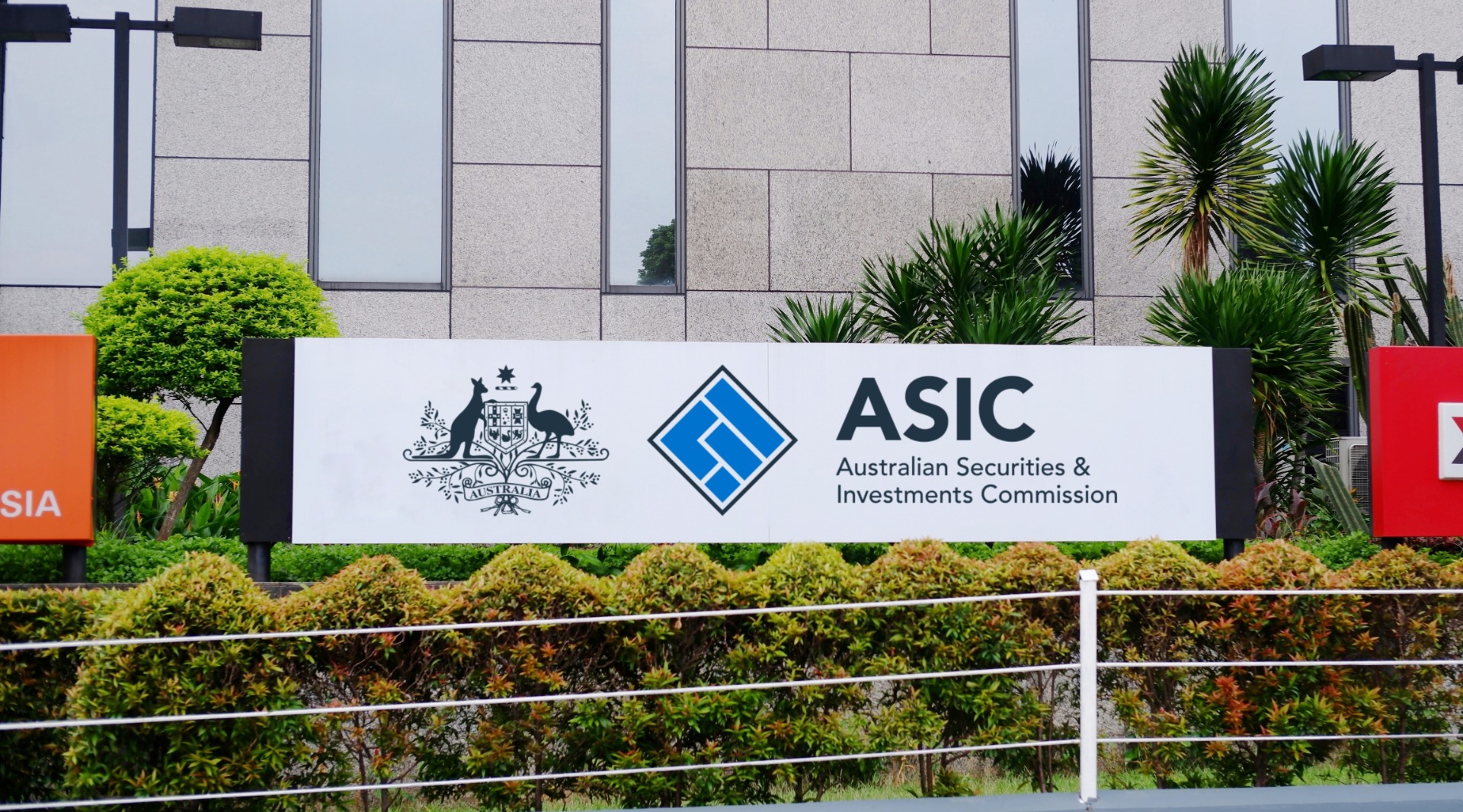
Australia's financial regulator, ASIC, has sued Macquarie Securities for allegedly misreporting millions of short positions.
This marks ASIC's fourth action against Macquarie Group in just over a year, highlighting broader compliance concerns in the local financial sector.
Australia's
financial watchdog has launched legal proceedings against Macquarie over
allegations it misreported millions of short sales to market operators over a
14-year period, potentially distorting market data used by investors and
regulators.
ASIC Sues Macquarie
Securities for 14-Year Short Sale Reporting Failures
The
Australian Securities and Investments Commission (ASIC) filed suit in the New
South Wales Supreme Court, claiming Macquarie Securities (Australia) Limited
(MSAL) failed to correctly report the volume of at least 73 million short sales
between December 2009 and February 2024, with estimates suggesting the actual
figure could reach up to 1.5 billion transactions.
This marks
ASIC's fourth regulatory action against Macquarie Group in just over 12 months
and comes amid growing scrutiny of compliance standards across Australia's
financial sector.
Joe Longo, the Chairman of ASIC
“Accurate
and reliable data underpins the integrity of, and confidence in, Australia's
financial markets,” ASIC Chairman Joe Longo said in announcing the action.
“Investors expect reliable information to analyze market movements and
inform their investment decisions.”
Systemic Failures
Distorted Market Data
The
regulator alleges the misreporting stemmed from multiple systems-related issues
that remained undetected for more than a decade, affecting data for at least
321 different securities. For each affected security, ASIC claims MSAL inflated
or deflated the published volume of short sales by an average of approximately
12 percent, with some instances exceeding 50 percent.
Short sale
reporting requirements were introduced following the 2008 Global Financial
Crisis to enhance market transparency. The data helps investors, governments
and regulators assess market sentiment and identify potential risks.
“We
allege Macquarie's failures may have led to the financial services industry
relying on misleading and false information for over 14 years,” Longo
added.
The legal
action also cites MSAL's failure to correctly report regulatory data for
633,680 orders submitted to market operators between November 2022 and March
2023.
Macquarie
Group, long nicknamed the “Millionaires' Factory” for its ability to
generate substantial wealth for its executives and shareholders, reported a net
profit of $3.7 billion in its most recent annual report. The firm stated that
it “takes its compliance obligations very seriously and continues to
invest in programs to further improve systems and controls across the
group.”
ASIC is
seeking penalties and an independent review of MSAL's regulatory reporting
systems, controls and supervisory procedures.
The case
highlights broader concerns about compliance within Australia's $541 billion
financial sector. Just last week, ASIC imposed additional license conditions on
Macquarie Bank Limited following what it described as more than a decade of
compliance failures.
Other
recent regulatory actions against Macquarie include a record $4.995 million
fine imposed by ASIC's Markets Disciplinary Panel last September for failing to
prevent suspicious orders in the electricity futures market, and a $10 million
penalty ordered by the Federal Court in April 2024 for inadequate controls over
unauthorized fee transactions.
Australia's
financial watchdog has launched legal proceedings against Macquarie over
allegations it misreported millions of short sales to market operators over a
14-year period, potentially distorting market data used by investors and
regulators.
ASIC Sues Macquarie
Securities for 14-Year Short Sale Reporting Failures
The
Australian Securities and Investments Commission (ASIC) filed suit in the New
South Wales Supreme Court, claiming Macquarie Securities (Australia) Limited
(MSAL) failed to correctly report the volume of at least 73 million short sales
between December 2009 and February 2024, with estimates suggesting the actual
figure could reach up to 1.5 billion transactions.
This marks
ASIC's fourth regulatory action against Macquarie Group in just over 12 months
and comes amid growing scrutiny of compliance standards across Australia's
financial sector.
Joe Longo, the Chairman of ASIC
“Accurate
and reliable data underpins the integrity of, and confidence in, Australia's
financial markets,” ASIC Chairman Joe Longo said in announcing the action.
“Investors expect reliable information to analyze market movements and
inform their investment decisions.”
Systemic Failures
Distorted Market Data
The
regulator alleges the misreporting stemmed from multiple systems-related issues
that remained undetected for more than a decade, affecting data for at least
321 different securities. For each affected security, ASIC claims MSAL inflated
or deflated the published volume of short sales by an average of approximately
12 percent, with some instances exceeding 50 percent.
Short sale
reporting requirements were introduced following the 2008 Global Financial
Crisis to enhance market transparency. The data helps investors, governments
and regulators assess market sentiment and identify potential risks.
“We
allege Macquarie's failures may have led to the financial services industry
relying on misleading and false information for over 14 years,” Longo
added.
The legal
action also cites MSAL's failure to correctly report regulatory data for
633,680 orders submitted to market operators between November 2022 and March
2023.
Macquarie
Group, long nicknamed the “Millionaires' Factory” for its ability to
generate substantial wealth for its executives and shareholders, reported a net
profit of $3.7 billion in its most recent annual report. The firm stated that
it “takes its compliance obligations very seriously and continues to
invest in programs to further improve systems and controls across the
group.”
ASIC is
seeking penalties and an independent review of MSAL's regulatory reporting
systems, controls and supervisory procedures.
The case
highlights broader concerns about compliance within Australia's $541 billion
financial sector. Just last week, ASIC imposed additional license conditions on
Macquarie Bank Limited following what it described as more than a decade of
compliance failures.
Other
recent regulatory actions against Macquarie include a record $4.995 million
fine imposed by ASIC's Markets Disciplinary Panel last September for failing to
prevent suspicious orders in the electricity futures market, and a $10 million
penalty ordered by the Federal Court in April 2024 for inadequate controls over
unauthorized fee transactions.
Damian Chmiel is a Senior Analyst & Editor at Finance Magnates with more than 15 years of experience in the CFD and online trading industry. Active as both a trader and journalist since 2010, he focuses on broker coverage, fintech innovation, and regulatory developments across Europe, the Middle East, and Asia.
His work includes interviews with C-level leaders at major brokerages and fintech platforms, as well as co-authoring Finance Magnates’ quarterly industry benchmarking reports. Damian’s reporting is data-driven, market-aware, and grounded in direct industry engagement. His analysis and commentary have also been cited by external media outlets, including Investing.com, Binance, The Asset, Stockhead, and Dispatch.
Education:
MA in Finance and Accounting, Cracow University of Economics
Retail Traders Can Now Access Prediction Markets Through Binance Wallet
FP Markets Winner Spotlight 🏆 | Global Broker of the Year 2025 #Trading #Broker #Innovation #Shorts
FP Markets Winner Spotlight 🏆 | Global Broker of the Year 2025 #Trading #Broker #Innovation #Shorts
FP Markets takes the spotlight as Global Broker of the Year 2025 at the Finance Magnates Awards.
Martin Stoilov, Head of Client Experience, shares that trust, innovation, and people played a key role in the company’s success, supported by a strong foundation of integrity and client-centricity.
Following this milestone, FP Markets continues to focus on growth, technology investment, and its core values of transparency and excellence.
👉 Be part of FM Awards 2026: https://awards.financemagnates.com/#nominate
FP Markets takes the spotlight as Global Broker of the Year 2025 at the Finance Magnates Awards.
Martin Stoilov, Head of Client Experience, shares that trust, innovation, and people played a key role in the company’s success, supported by a strong foundation of integrity and client-centricity.
Following this milestone, FP Markets continues to focus on growth, technology investment, and its core values of transparency and excellence.
👉 Be part of FM Awards 2026: https://awards.financemagnates.com/#nominate
In this video, we review @HolaPrimeMarketsOfficial, a multi-asset forex and CFDs broker offering different account types, trading platforms, and flexible trading conditions.
We cover the broker’s overall offering, including account options, trading environment, platforms like MT4 and MT5, and additional services such as managed accounts and fast withdrawals.
Watch the full video to see if Hola Prime Markets fits your trading needs.
📣 Stay up to date with the latest in finance and trading. Follow Finance Magnates for industry news, insights, and global event coverage.
Connect with us:
🔗 LinkedIn: /financemagnates
👍 Facebook: /financemagnates
📸 Instagram: https://www.instagram.com/financemagnates
🐦 X: https://x.com/financemagnates
🎥 TikTok: https://www.tiktok.com/tag/financemagnates
▶️ YouTube: /@financemagnates_official
#HolaPrime #ForexBroker #CFDTrading #FinanceMagnates #Trading #Forex #BrokerReview
In this video, we review @HolaPrimeMarketsOfficial, a multi-asset forex and CFDs broker offering different account types, trading platforms, and flexible trading conditions.
We cover the broker’s overall offering, including account options, trading environment, platforms like MT4 and MT5, and additional services such as managed accounts and fast withdrawals.
Watch the full video to see if Hola Prime Markets fits your trading needs.
📣 Stay up to date with the latest in finance and trading. Follow Finance Magnates for industry news, insights, and global event coverage.
Connect with us:
🔗 LinkedIn: /financemagnates
👍 Facebook: /financemagnates
📸 Instagram: https://www.instagram.com/financemagnates
🐦 X: https://x.com/financemagnates
🎥 TikTok: https://www.tiktok.com/tag/financemagnates
▶️ YouTube: /@financemagnates_official
#HolaPrime #ForexBroker #CFDTrading #FinanceMagnates #Trading #Forex #BrokerReview
Hola Prime Review: What You Need to Know | Full Breakdown by Finance Magnates
Hola Prime Review: What You Need to Know | Full Breakdown by Finance Magnates
In this video, we review @HolaPrime_Global, a proprietary trading firm offering evaluation programs and performance-based payouts in simulated market environments.
We cover how the challenge model works, including account types, profit splits (up to 95%), trading rules, and what it takes to reach a funded account. You’ll also learn about available platforms like MT4, MT5, cTrader, and more, along with insights into payouts, support, and trading conditions.
Watch the full video to see if Hola Prime fits your trading style.
📣 Stay up to date with the latest in finance and trading. Follow Finance Magnates for industry news, insights, and global event coverage.
Connect with us:
🔗 LinkedIn: /financemagnates
👍 Facebook: /financemagnates
📸 Instagram: https://www.instagram.com/financemagnates
🐦 X: https://x.com/financemagnates
🎥 TikTok: https://www.tiktok.com/tag/financemagnates
▶️ YouTube: /@financemagnates_official
#HolaPrime #PropFirm #Trading #FinanceMagnates #Forex #FuturesTrading #TradingReview #PropFirmReview
In this video, we review @HolaPrime_Global, a proprietary trading firm offering evaluation programs and performance-based payouts in simulated market environments.
We cover how the challenge model works, including account types, profit splits (up to 95%), trading rules, and what it takes to reach a funded account. You’ll also learn about available platforms like MT4, MT5, cTrader, and more, along with insights into payouts, support, and trading conditions.
Watch the full video to see if Hola Prime fits your trading style.
📣 Stay up to date with the latest in finance and trading. Follow Finance Magnates for industry news, insights, and global event coverage.
Connect with us:
🔗 LinkedIn: /financemagnates
👍 Facebook: /financemagnates
📸 Instagram: https://www.instagram.com/financemagnates
🐦 X: https://x.com/financemagnates
🎥 TikTok: https://www.tiktok.com/tag/financemagnates
▶️ YouTube: /@financemagnates_official
#HolaPrime #PropFirm #Trading #FinanceMagnates #Forex #FuturesTrading #TradingReview #PropFirmReview
Axi Winner Spotlight 🏆 | Global Most Innovative Broker 2025 #Innovation #Trading #Fintech #Broker
Axi Winner Spotlight 🏆 | Global Most Innovative Broker 2025 #Innovation #Trading #Fintech #Broker
Axi takes the spotlight at the Finance Magnates Awards, winning Global Most Innovative Broker 2025.
Olivia Xenofontos and Ivanna Openko share how the team will feel: proud, motivated, and ready to keep delivering.
They also describe the night as well-organized, focused, and enjoyable for all.
👉 Be part of FM Awards 2026.
Axi takes the spotlight at the Finance Magnates Awards, winning Global Most Innovative Broker 2025.
Olivia Xenofontos and Ivanna Openko share how the team will feel: proud, motivated, and ready to keep delivering.
They also describe the night as well-organized, focused, and enjoyable for all.
👉 Be part of FM Awards 2026.
Recognition that matters.
Built on transparency.
Driven by the industry.
The Finance Magnates Awards 2026.
Nominations are now open.
🔗 https://awards.financemagnates.com/?utm_source=SM&utm_medium=social&utm_campaign=recognition-matters
Recognition that matters.
Built on transparency.
Driven by the industry.
The Finance Magnates Awards 2026.
Nominations are now open.
🔗 https://awards.financemagnates.com/?utm_source=SM&utm_medium=social&utm_campaign=recognition-matters