>
Further US Regulators Delve Deep Into Activities Of Algorithmic Traders: FINRA Questions 10 HFT Firms
Further US Regulators Delve Deep Into Activities Of Algorithmic Traders: FINRA Questions 10 HFT Firms
Tuesday,23/07/2013|08:40GMTby
Andrew Saks McLeod
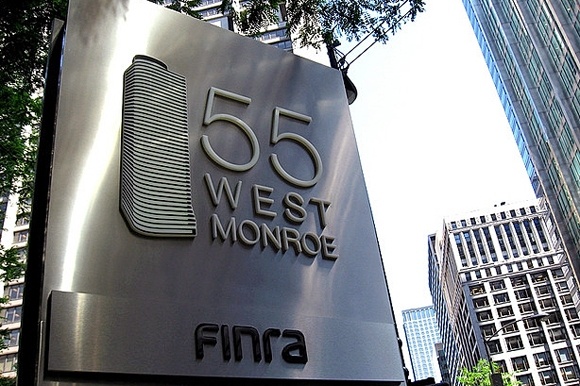
As the first prosecution of an algorithmic trader for market abuse under the Dodd-Frank comes into being, FINRA demonstrates its will to investigate the world of algorithmic trading by issuing detailed questionnaires to HFT firms.
Following yesterday’s regulatory action against an algorithmic trader in the United States by both the US Commodity Futures Trading Commission (CFTC) and the British Financial Conduct Authority (FCA), which represented a world first insofar as being the inaugural prosecution of a financial entity for market abuse under the Dodd-Frank Act’s rulings.
Certainly the US government has dedicated a significant amount of effort, along with regulatory authorities, for the last three years on reforming the financial markets structure since President Barack Obama swore in the Dodd-Frank Wall Street Reform Act in June 2010, as it covers all facets of the entire market, as well as the handling of cross-border transactions and working group consultations with overseas jurisdictions such as the European Union and Japan, in order that the respective regulators may also take on board a similar ethos and work together on unifying the regulatory structure worldwide.
During this year, Forex Magnates has been closely following the remarkable increase in technological development conducted by infrastructure companies, large software conglomerates, multinational hosting companies and the world’s executing venues.
In what appears to be a worldwide drive to increase not only the availability of all trading venues in order to allow traders and institutions from all regions easy access, but also significant efforts to increase the speed at which trades can be performed.
Pleasing the HFT participants and algorithmic traders by offering latency in the nanoseconds appears to be on the agenda, but the regulatory discussion appears be doing more than simply considering intervention. No doubt both traders and firms alike are aware of this, and there is room for some speculation that dark liquidity may play a significant future role, as demonstrated by TMX Atrium's recent connection of the UBS multilateral trading facility to its community, and Australian regulator ASIC legitimizing such anonymous pools.
In February this year, the German Parliament adopted and implemented new regulatory requirements for algorithmic and high frequency trading. Subsequent to the law being passed, high frequency traders on German regulated markets or multi-lateral trading facilities (MTFs) are subject to a license requirement. Two months after inception, views are starting to form as to how it may affect the flow of liquidity.
Algorithmic Trading A Regulatory Bete Noire – But Technology Firms Forge Ahead
This led to other regulators considering the same course of action, and in some cases, even some institutional firms, such as EBS, considered implementing a mandatory delay before trades can be executed.
The German HFT Act states that “any institution that engages in the purchase or sale of financial instruments for its own account as a direct or indirect member of a German regulated market or multilateral trading facility by using computers, which are able to recognize changes in the market price in a split second, make autonomous market decisions following predefined rules and choose and transfer the adequate order parameters, even when not offered as a service for others”
America Concerned Over Reliability of Algorithms
In yesterday’s case brought by the CFTC against Mr. Coscia, the regulators cited that this particular trader was committing an offence by willfully using an algorithm to quickly open and close orders and then cancel them before they were effected, thus profiting from the practice, known as spoofing.
The main difference between that being an actual offence and the overall investigations into the market by FINRA being intended to identify potential unreliability in otherwise legitimate algorithms, thus setting in place a structure to go some way toward avoiding circumstances such as that experienced by Knight Capital Goup last year, where a software failure cost the firm $461 million in lost trades, subsequently the causing the firm to be sold to Getco LLC, a rival company.
Nancy Condon, a spokeswoman for FINRA made a statement on Thursday that “This sweep is part of our effort to take a deeper dive into the area of technology controls given the increased reliance on technology”.
There are firms which offer back testing of algorithms such as QuantConnect’s FX tick data testing system, which was released at the beginning of this month.
Trade Repositories – Slow or Fast?
The Dodd-Frank Act stipulates that all trades should be reported and therefore trade repositories are required. This adds an extra layer to the execution process, by adding a repository which the trade has to pass through before completion.
Integral Development Corporation was one of the first firms to respond to the rulings. Interestingly although the functionality of this type of system may add an extra layer to the execution, Integral has not forgotten the algorithmic trader.
The firm recently launched an algorithm based sentiment tool which automatically introduces a third more volatile currency into an equation to ensure a trader doesn’t lose out as a result of such resultant latency.
With such technological developments as point to point connectivity between venues becomes omnipresent, vast investment in new datacenters, and microwave connectivity being set in place, among many other significant attempts to increase speed and reliability of trading, Forex Magnates intends to continue to look at the path taken by regulatory authorities and if an outcome is ever reached in this veritable competition between the participants and the authorities.
Following yesterday’s regulatory action against an algorithmic trader in the United States by both the US Commodity Futures Trading Commission (CFTC) and the British Financial Conduct Authority (FCA), which represented a world first insofar as being the inaugural prosecution of a financial entity for market abuse under the Dodd-Frank Act’s rulings.
Certainly the US government has dedicated a significant amount of effort, along with regulatory authorities, for the last three years on reforming the financial markets structure since President Barack Obama swore in the Dodd-Frank Wall Street Reform Act in June 2010, as it covers all facets of the entire market, as well as the handling of cross-border transactions and working group consultations with overseas jurisdictions such as the European Union and Japan, in order that the respective regulators may also take on board a similar ethos and work together on unifying the regulatory structure worldwide.
During this year, Forex Magnates has been closely following the remarkable increase in technological development conducted by infrastructure companies, large software conglomerates, multinational hosting companies and the world’s executing venues.
In what appears to be a worldwide drive to increase not only the availability of all trading venues in order to allow traders and institutions from all regions easy access, but also significant efforts to increase the speed at which trades can be performed.
Pleasing the HFT participants and algorithmic traders by offering latency in the nanoseconds appears to be on the agenda, but the regulatory discussion appears be doing more than simply considering intervention. No doubt both traders and firms alike are aware of this, and there is room for some speculation that dark liquidity may play a significant future role, as demonstrated by TMX Atrium's recent connection of the UBS multilateral trading facility to its community, and Australian regulator ASIC legitimizing such anonymous pools.
In February this year, the German Parliament adopted and implemented new regulatory requirements for algorithmic and high frequency trading. Subsequent to the law being passed, high frequency traders on German regulated markets or multi-lateral trading facilities (MTFs) are subject to a license requirement. Two months after inception, views are starting to form as to how it may affect the flow of liquidity.
Algorithmic Trading A Regulatory Bete Noire – But Technology Firms Forge Ahead
This led to other regulators considering the same course of action, and in some cases, even some institutional firms, such as EBS, considered implementing a mandatory delay before trades can be executed.
The German HFT Act states that “any institution that engages in the purchase or sale of financial instruments for its own account as a direct or indirect member of a German regulated market or multilateral trading facility by using computers, which are able to recognize changes in the market price in a split second, make autonomous market decisions following predefined rules and choose and transfer the adequate order parameters, even when not offered as a service for others”
America Concerned Over Reliability of Algorithms
In yesterday’s case brought by the CFTC against Mr. Coscia, the regulators cited that this particular trader was committing an offence by willfully using an algorithm to quickly open and close orders and then cancel them before they were effected, thus profiting from the practice, known as spoofing.
The main difference between that being an actual offence and the overall investigations into the market by FINRA being intended to identify potential unreliability in otherwise legitimate algorithms, thus setting in place a structure to go some way toward avoiding circumstances such as that experienced by Knight Capital Goup last year, where a software failure cost the firm $461 million in lost trades, subsequently the causing the firm to be sold to Getco LLC, a rival company.
Nancy Condon, a spokeswoman for FINRA made a statement on Thursday that “This sweep is part of our effort to take a deeper dive into the area of technology controls given the increased reliance on technology”.
There are firms which offer back testing of algorithms such as QuantConnect’s FX tick data testing system, which was released at the beginning of this month.
Trade Repositories – Slow or Fast?
The Dodd-Frank Act stipulates that all trades should be reported and therefore trade repositories are required. This adds an extra layer to the execution process, by adding a repository which the trade has to pass through before completion.
Integral Development Corporation was one of the first firms to respond to the rulings. Interestingly although the functionality of this type of system may add an extra layer to the execution, Integral has not forgotten the algorithmic trader.
The firm recently launched an algorithm based sentiment tool which automatically introduces a third more volatile currency into an equation to ensure a trader doesn’t lose out as a result of such resultant latency.
With such technological developments as point to point connectivity between venues becomes omnipresent, vast investment in new datacenters, and microwave connectivity being set in place, among many other significant attempts to increase speed and reliability of trading, Forex Magnates intends to continue to look at the path taken by regulatory authorities and if an outcome is ever reached in this veritable competition between the participants and the authorities.
FTMO Says Monthly Rewards Near $15 Million in September
Featured Videos
AvaTrade to Acquire Most of FXCM; NAGA Raises $8M
AvaTrade to Acquire Most of FXCM; NAGA Raises $8M
AvaTrade to Acquire Most of FXCM; NAGA Raises $8M
AvaTrade to Acquire Most of FXCM; NAGA Raises $8M
Today’s financial news recap covers AvaTrade agrees to acquire most of FXCM, NAGA secures eight million dollars in new financing, and Wise seeks a tax settlement in the UK.
Finance Magnates Daily Recap brings you the latest news from forex and CFD brokers, fintech, payments, cryptocurrency, digital assets, trading platforms, financial regulation and global markets.
Get the key company news, executive moves, deals, regulatory updates and market developments of the day, in just a few minutes. New episodes published every weekday.
Read more: https://www.financemagnates.com
#FinanceMagnates #ForexNews #FintechNews
Today’s financial news recap covers AvaTrade agrees to acquire most of FXCM, NAGA secures eight million dollars in new financing, and Wise seeks a tax settlement in the UK.
Finance Magnates Daily Recap brings you the latest news from forex and CFD brokers, fintech, payments, cryptocurrency, digital assets, trading platforms, financial regulation and global markets.
Get the key company news, executive moves, deals, regulatory updates and market developments of the day, in just a few minutes. New episodes published every weekday.
Read more: https://www.financemagnates.com
#FinanceMagnates #ForexNews #FintechNews
Today’s financial news recap covers AvaTrade agrees to acquire most of FXCM, NAGA secures eight million dollars in new financing, and Wise seeks a tax settlement in the UK.
Finance Magnates Daily Recap brings you the latest news from forex and CFD brokers, fintech, payments, cryptocurrency, digital assets, trading platforms, financial regulation and global markets.
Get the key company news, executive moves, deals, regulatory updates and market developments of the day, in just a few minutes. New episodes published every weekday.
Read more: https://www.financemagnates.com
#FinanceMagnates #ForexNews #FintechNews
Today’s financial news recap covers AvaTrade agrees to acquire most of FXCM, NAGA secures eight million dollars in new financing, and Wise seeks a tax settlement in the UK.
Finance Magnates Daily Recap brings you the latest news from forex and CFD brokers, fintech, payments, cryptocurrency, digital assets, trading platforms, financial regulation and global markets.
Get the key company news, executive moves, deals, regulatory updates and market developments of the day, in just a few minutes. New episodes published every weekday.
Read more: https://www.financemagnates.com
#FinanceMagnates #ForexNews #FintechNews
XTB Adds Overnight US Stock Trading; Nasdaq Ventures Invests in One Trading
XTB Adds Overnight US Stock Trading; Nasdaq Ventures Invests in One Trading
XTB Adds Overnight US Stock Trading; Nasdaq Ventures Invests in One Trading
XTB Adds Overnight US Stock Trading; Nasdaq Ventures Invests in One Trading
XTB Adds Overnight US Stock Trading; Nasdaq Ventures Invests in One Trading
XTB Adds Overnight US Stock Trading; Nasdaq Ventures Invests in One Trading
Today’s financial news recap covers XTB expands overnight US stock trading, Fortrade reports higher revenue, Nasdaq backs One Trading, and Vest Labs raises 13 million dollars.
Finance Magnates Daily Recap brings you the latest news from forex and CFD brokers, fintech, payments, cryptocurrency, digital assets, trading platforms, financial regulation and global markets.
Get the key company news, executive moves, deals, regulatory updates and market developments of the day, in just a few minutes. New episodes published every weekday.
Read more: https://www.financemagnates.com
#FinanceMagnates #ForexNews #FintechNews
Today’s financial news recap covers XTB expands overnight US stock trading, Fortrade reports higher revenue, Nasdaq backs One Trading, and Vest Labs raises 13 million dollars.
Finance Magnates Daily Recap brings you the latest news from forex and CFD brokers, fintech, payments, cryptocurrency, digital assets, trading platforms, financial regulation and global markets.
Get the key company news, executive moves, deals, regulatory updates and market developments of the day, in just a few minutes. New episodes published every weekday.
Read more: https://www.financemagnates.com
#FinanceMagnates #ForexNews #FintechNews
Today’s financial news recap covers XTB expands overnight US stock trading, Fortrade reports higher revenue, Nasdaq backs One Trading, and Vest Labs raises 13 million dollars.
Finance Magnates Daily Recap brings you the latest news from forex and CFD brokers, fintech, payments, cryptocurrency, digital assets, trading platforms, financial regulation and global markets.
Get the key company news, executive moves, deals, regulatory updates and market developments of the day, in just a few minutes. New episodes published every weekday.
Read more: https://www.financemagnates.com
#FinanceMagnates #ForexNews #FintechNews
Today’s financial news recap covers XTB expands overnight US stock trading, Fortrade reports higher revenue, Nasdaq backs One Trading, and Vest Labs raises 13 million dollars.
Finance Magnates Daily Recap brings you the latest news from forex and CFD brokers, fintech, payments, cryptocurrency, digital assets, trading platforms, financial regulation and global markets.
Get the key company news, executive moves, deals, regulatory updates and market developments of the day, in just a few minutes. New episodes published every weekday.
Read more: https://www.financemagnates.com
#FinanceMagnates #ForexNews #FintechNews
Today’s financial news recap covers XTB expands overnight US stock trading, Fortrade reports higher revenue, Nasdaq backs One Trading, and Vest Labs raises 13 million dollars.
Finance Magnates Daily Recap brings you the latest news from forex and CFD brokers, fintech, payments, cryptocurrency, digital assets, trading platforms, financial regulation and global markets.
Get the key company news, executive moves, deals, regulatory updates and market developments of the day, in just a few minutes. New episodes published every weekday.
Read more: https://www.financemagnates.com
#FinanceMagnates #ForexNews #FintechNews
Today’s financial news recap covers XTB expands overnight US stock trading, Fortrade reports higher revenue, Nasdaq backs One Trading, and Vest Labs raises 13 million dollars.
Finance Magnates Daily Recap brings you the latest news from forex and CFD brokers, fintech, payments, cryptocurrency, digital assets, trading platforms, financial regulation and global markets.
Get the key company news, executive moves, deals, regulatory updates and market developments of the day, in just a few minutes. New episodes published every weekday.
Read more: https://www.financemagnates.com
#FinanceMagnates #ForexNews #FintechNews
CMC Founder Downplays Volatility Hit; Devexperts Names CEO
CMC Founder Downplays Volatility Hit; Devexperts Names CEO
CMC Founder Downplays Volatility Hit; Devexperts Names CEO
CMC Founder Downplays Volatility Hit; Devexperts Names CEO
CMC Founder Downplays Volatility Hit; Devexperts Names CEO
CMC Founder Downplays Volatility Hit; Devexperts Names CEO
Today’s financial news recap covers low volatility pressures brokers, Devexperts names a new CEO, Saxo cuts onboarding time, and OKX reaches a 25 billion dollar valuation.
Finance Magnates Daily Recap brings you the latest news from forex and CFD brokers, fintech, payments, cryptocurrency, digital assets, trading platforms, financial regulation and global markets.
Get the key company news, executive moves, deals, regulatory updates and market developments of the day, in just a few minutes. New episodes published every weekday.
Read more: https://www.financemagnates.com
#FinanceMagnates #ForexNews #FintechNews
Today’s financial news recap covers low volatility pressures brokers, Devexperts names a new CEO, Saxo cuts onboarding time, and OKX reaches a 25 billion dollar valuation.
Finance Magnates Daily Recap brings you the latest news from forex and CFD brokers, fintech, payments, cryptocurrency, digital assets, trading platforms, financial regulation and global markets.
Get the key company news, executive moves, deals, regulatory updates and market developments of the day, in just a few minutes. New episodes published every weekday.
Read more: https://www.financemagnates.com
#FinanceMagnates #ForexNews #FintechNews
Today’s financial news recap covers low volatility pressures brokers, Devexperts names a new CEO, Saxo cuts onboarding time, and OKX reaches a 25 billion dollar valuation.
Finance Magnates Daily Recap brings you the latest news from forex and CFD brokers, fintech, payments, cryptocurrency, digital assets, trading platforms, financial regulation and global markets.
Get the key company news, executive moves, deals, regulatory updates and market developments of the day, in just a few minutes. New episodes published every weekday.
Read more: https://www.financemagnates.com
#FinanceMagnates #ForexNews #FintechNews
Today’s financial news recap covers low volatility pressures brokers, Devexperts names a new CEO, Saxo cuts onboarding time, and OKX reaches a 25 billion dollar valuation.
Finance Magnates Daily Recap brings you the latest news from forex and CFD brokers, fintech, payments, cryptocurrency, digital assets, trading platforms, financial regulation and global markets.
Get the key company news, executive moves, deals, regulatory updates and market developments of the day, in just a few minutes. New episodes published every weekday.
Read more: https://www.financemagnates.com
#FinanceMagnates #ForexNews #FintechNews
Today’s financial news recap covers low volatility pressures brokers, Devexperts names a new CEO, Saxo cuts onboarding time, and OKX reaches a 25 billion dollar valuation.
Finance Magnates Daily Recap brings you the latest news from forex and CFD brokers, fintech, payments, cryptocurrency, digital assets, trading platforms, financial regulation and global markets.
Get the key company news, executive moves, deals, regulatory updates and market developments of the day, in just a few minutes. New episodes published every weekday.
Read more: https://www.financemagnates.com
#FinanceMagnates #ForexNews #FintechNews
Today’s financial news recap covers low volatility pressures brokers, Devexperts names a new CEO, Saxo cuts onboarding time, and OKX reaches a 25 billion dollar valuation.
Finance Magnates Daily Recap brings you the latest news from forex and CFD brokers, fintech, payments, cryptocurrency, digital assets, trading platforms, financial regulation and global markets.
Get the key company news, executive moves, deals, regulatory updates and market developments of the day, in just a few minutes. New episodes published every weekday.
Read more: https://www.financemagnates.com
#FinanceMagnates #ForexNews #FintechNews
Today’s financial news recap covers Trade Nation buys FXCM's UK client book, Trading 212 reports higher revenue, the CFTC's move to allow perpetual index futures.
Finance Magnates Daily Recap brings you the latest news from forex and CFD brokers, fintech, payments, cryptocurrency, digital assets, trading platforms, financial regulation and global markets.
Get the key company news, executive moves, deals, regulatory updates and market developments of the day, in just a few minutes. New episodes published every weekday.
Read more: https://www.financemagnates.com
#FinanceMagnates #ForexNews #FintechNews
Today’s financial news recap covers Trade Nation buys FXCM's UK client book, Trading 212 reports higher revenue, the CFTC's move to allow perpetual index futures.
Finance Magnates Daily Recap brings you the latest news from forex and CFD brokers, fintech, payments, cryptocurrency, digital assets, trading platforms, financial regulation and global markets.
Get the key company news, executive moves, deals, regulatory updates and market developments of the day, in just a few minutes. New episodes published every weekday.
Read more: https://www.financemagnates.com
#FinanceMagnates #ForexNews #FintechNews
Today’s financial news recap covers Trade Nation buys FXCM's UK client book, Trading 212 reports higher revenue, the CFTC's move to allow perpetual index futures.
Finance Magnates Daily Recap brings you the latest news from forex and CFD brokers, fintech, payments, cryptocurrency, digital assets, trading platforms, financial regulation and global markets.
Get the key company news, executive moves, deals, regulatory updates and market developments of the day, in just a few minutes. New episodes published every weekday.
Read more: https://www.financemagnates.com
#FinanceMagnates #ForexNews #FintechNews
Today’s financial news recap covers Trade Nation buys FXCM's UK client book, Trading 212 reports higher revenue, the CFTC's move to allow perpetual index futures.
Finance Magnates Daily Recap brings you the latest news from forex and CFD brokers, fintech, payments, cryptocurrency, digital assets, trading platforms, financial regulation and global markets.
Get the key company news, executive moves, deals, regulatory updates and market developments of the day, in just a few minutes. New episodes published every weekday.
Read more: https://www.financemagnates.com
#FinanceMagnates #ForexNews #FintechNews
Today’s financial news recap covers Trade Nation buys FXCM's UK client book, Trading 212 reports higher revenue, the CFTC's move to allow perpetual index futures.
Finance Magnates Daily Recap brings you the latest news from forex and CFD brokers, fintech, payments, cryptocurrency, digital assets, trading platforms, financial regulation and global markets.
Get the key company news, executive moves, deals, regulatory updates and market developments of the day, in just a few minutes. New episodes published every weekday.
Read more: https://www.financemagnates.com
#FinanceMagnates #ForexNews #FintechNews
Today’s financial news recap covers Trade Nation buys FXCM's UK client book, Trading 212 reports higher revenue, the CFTC's move to allow perpetual index futures.
Finance Magnates Daily Recap brings you the latest news from forex and CFD brokers, fintech, payments, cryptocurrency, digital assets, trading platforms, financial regulation and global markets.
Get the key company news, executive moves, deals, regulatory updates and market developments of the day, in just a few minutes. New episodes published every weekday.
Read more: https://www.financemagnates.com
#FinanceMagnates #ForexNews #FintechNews
Your career isn’t a linear path.
Your career isn’t a linear path.
Your career isn’t a linear path.
Your career isn’t a linear path.
Your career isn’t a linear path.
Your career isn’t a linear path.
Roles change. Career goals change. Sometimes you want a completely new challenge.
But the skills and knowledge you build along the way can stay with you and give you something to build on.
For Jeff Patterson, that continued growth is key to long-term career development.
You bring the skills. FM Academy helps you build the knowledge.
#FMAcademy #FinanceMagnates #FinanceCareers #ProfessionalDevelopment #Fintech
Roles change. Career goals change. Sometimes you want a completely new challenge.
But the skills and knowledge you build along the way can stay with you and give you something to build on.
For Jeff Patterson, that continued growth is key to long-term career development.
You bring the skills. FM Academy helps you build the knowledge.
#FMAcademy #FinanceMagnates #FinanceCareers #ProfessionalDevelopment #Fintech
Roles change. Career goals change. Sometimes you want a completely new challenge.
But the skills and knowledge you build along the way can stay with you and give you something to build on.
For Jeff Patterson, that continued growth is key to long-term career development.
You bring the skills. FM Academy helps you build the knowledge.
#FMAcademy #FinanceMagnates #FinanceCareers #ProfessionalDevelopment #Fintech
Roles change. Career goals change. Sometimes you want a completely new challenge.
But the skills and knowledge you build along the way can stay with you and give you something to build on.
For Jeff Patterson, that continued growth is key to long-term career development.
You bring the skills. FM Academy helps you build the knowledge.
#FMAcademy #FinanceMagnates #FinanceCareers #ProfessionalDevelopment #Fintech
Roles change. Career goals change. Sometimes you want a completely new challenge.
But the skills and knowledge you build along the way can stay with you and give you something to build on.
For Jeff Patterson, that continued growth is key to long-term career development.
You bring the skills. FM Academy helps you build the knowledge.
#FMAcademy #FinanceMagnates #FinanceCareers #ProfessionalDevelopment #Fintech
Roles change. Career goals change. Sometimes you want a completely new challenge.
But the skills and knowledge you build along the way can stay with you and give you something to build on.
For Jeff Patterson, that continued growth is key to long-term career development.
You bring the skills. FM Academy helps you build the knowledge.
#FMAcademy #FinanceMagnates #FinanceCareers #ProfessionalDevelopment #Fintech