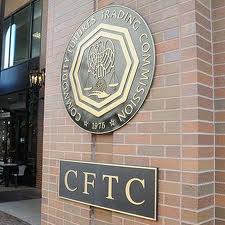
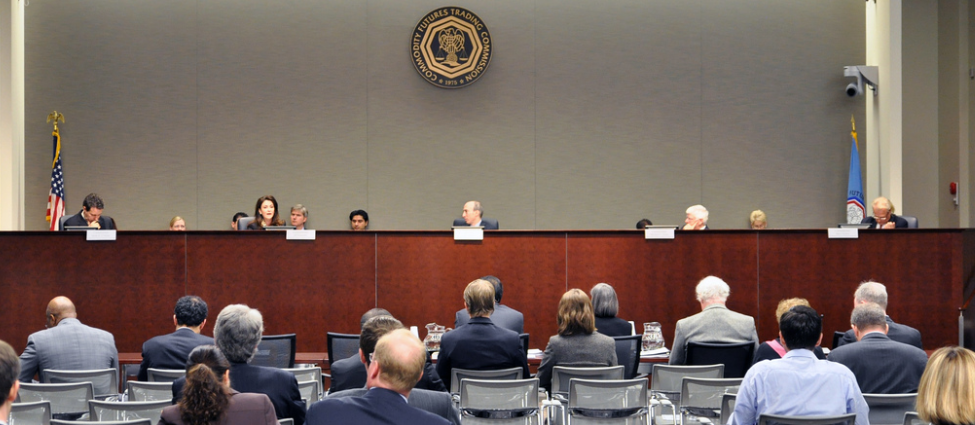
The CFTC is currently operating with limited scope following the governmental shutdown, and has informed NFA to send a message on its behalf to members. Antideficiency Act provides relief for CFTC & SEC Continuity.
On the September 25, the Commodities Futures Trading Commission (CFTC) had submitted a memorandum to the office of Management and Budget regarding its plan of an orderly shutdown in preparation of a potential US Government Shutdown.
Accordingly, on October 1 due to the ensuing shutdown, the CFTC asked National Futures Association (NFA) to send the related information to its members from Gary Barnett the CFTC Director in the Division of Swap Dealer and Intermediary Oversight (DSIO) with critical contact information to key CFTC staff (in wake of limited operation), so NFA member firms can contact CFTC personnel.
The NFA oversees 4,155 members (as of August 2013) which is comprised of 55,997 associated persons, as per its website. The CFTC's message was distributed as a notice to the NFA members (notice no. I-13-29) and contained the following excerpt from the note* published on the NFA website:
----------------------
As you know, the U.S. government has shut down due to a lack of Congressional appropriations. The CFTC, as well as a number of other agencies, have accordingly been shut down.
Under authority provided in the law, there are a limited number of personnel that have been "excepted" and, as such, are permitted to work to help protect life and public property. These personnel are available to respond to emergency situations, and should be contacted if the need arises. Please note that they are not authorized to respond to normal operating activities.
In the event your firm has any circumstances arise where you need to contact the CFTC for reasons other than normal operating activities, for the Division of Swap Dealer and Intermediary Oversight, please contact the individuals listed below.
*Link to full notice on NFA website can be found here.
----------------------------
Saved By The Clause
Thankfully, due to an exception clause under US Law in the Antideficiency Act, 31 U.S.C. § 1342, there are certain emergency functions that are excepted from the effect of the shutdown in order to protect vital human life and property which could result during a lapse in appropriations such as the one that has just occurred.
Further below are examples of CFTC functions that are affected as well as those that are still operational. Also noted is the CFTC website will not be updated or maintained during a lapse in appropriations, unless necessary to address an imminent risk to the safety of human life or the protection of property.
Under the clause, the emergency functions of the CFTC will continue to operate as normal, albeit some at a limited scope in order to best protect members of public who participate in related financial markets.
CFTC Operations That Have Ceased For The Time Being
According to the memorandum, and notwithstanding the limited functions that the excepted employees will perform, the vast bulk of the CFTC’s operations will cease during a lapse of appropriations. This includes but is not limited to the following:
• Most functions of the Division of Enforcement, including but not limited to: the review and investigation of victim complaints, initiating actions against wrongdoers and protecting any victim assets that may be at risk in such situations, and assisting other law enforcement agencies with criminal and regulatory matters.
• Most functions of DMO, DCR, and DSIO. With the exception of the minimal level of excepted employees needed for the oversight and surveillance of the commodities and futures markets the operations of DMO, DCR, and DSIO will cease.
• Work relating to rulemakings and some other responsibilities mandated by the Dodd-Frank Wall Street Reform and Consumer Protection Act, Pub. L. No. 111-203.
CFTC Operations That Continue Under The Exception Clause
According to the memo, the CFTC will maintain a limited staff of excepted employees:
The limited DMO/DCR/DSIO staff identified as excepted will only conduct a bare minimum level of oversight and surveillance, and the functions of the Division of Enforcement will largely cease.
Pursuant to 5 U.S.C. §7511(b)(1),the four Presidentially-appointed and Senate-
confirmed Commissioners are exempt from furlough and will continue to serve during a
The Securities Exchange Commission (SEC) which is the governmental agency that regulates and oversees the US Stock Exchanges and securities markets announced similar preparations on September 27th ahead of the expected shutdown (two days after the CFTC did) as per the release on its website.
However, in a comment to the media SEC spokesperson John Nester said, "the SEC will be able to stay open in the event of a funding lapse." Mr. Nester further added that the SEC has funds not available to most other U.S. agencies: "We have determined that our carryover balances are sufficient to allow us to remain open for a few weeks if there is a lapse of appropriations."
Nonetheless, the exception clause in the Antideficiency Act also provides similar relief for ongoing operation of emergency functions at the SEC that are deemed essential to protect market participants and members of the public, as per the plan submitted by the SEC and posted on its website.
The industry funded watchdog -the Financial Industry Regulatory Authority (FINRA) is a not-for-profit organization authorized by Congress, and in function similar to the NFA, (as a private non-governmental entity) that acts as the Designated Self-Regulatory Orginaztion (DSRO) to Broker-Dealer’s (BD) including 4,218 members comprised of 633,622 registered representatives (as of publication) in the US stock brokerage industry. While FINRA has not made any direct announcements pertaining to the SEC memorandum (that we are aware of) , it's not clear whether they will - if the SEC announces it has run out of carry-over funds in the comings days.
On the September 25, the Commodities Futures Trading Commission (CFTC) had submitted a memorandum to the office of Management and Budget regarding its plan of an orderly shutdown in preparation of a potential US Government Shutdown.
Accordingly, on October 1 due to the ensuing shutdown, the CFTC asked National Futures Association (NFA) to send the related information to its members from Gary Barnett the CFTC Director in the Division of Swap Dealer and Intermediary Oversight (DSIO) with critical contact information to key CFTC staff (in wake of limited operation), so NFA member firms can contact CFTC personnel.
The NFA oversees 4,155 members (as of August 2013) which is comprised of 55,997 associated persons, as per its website. The CFTC's message was distributed as a notice to the NFA members (notice no. I-13-29) and contained the following excerpt from the note* published on the NFA website:
----------------------
As you know, the U.S. government has shut down due to a lack of Congressional appropriations. The CFTC, as well as a number of other agencies, have accordingly been shut down.
Under authority provided in the law, there are a limited number of personnel that have been "excepted" and, as such, are permitted to work to help protect life and public property. These personnel are available to respond to emergency situations, and should be contacted if the need arises. Please note that they are not authorized to respond to normal operating activities.
In the event your firm has any circumstances arise where you need to contact the CFTC for reasons other than normal operating activities, for the Division of Swap Dealer and Intermediary Oversight, please contact the individuals listed below.
*Link to full notice on NFA website can be found here.
----------------------------
Saved By The Clause
Thankfully, due to an exception clause under US Law in the Antideficiency Act, 31 U.S.C. § 1342, there are certain emergency functions that are excepted from the effect of the shutdown in order to protect vital human life and property which could result during a lapse in appropriations such as the one that has just occurred.
Further below are examples of CFTC functions that are affected as well as those that are still operational. Also noted is the CFTC website will not be updated or maintained during a lapse in appropriations, unless necessary to address an imminent risk to the safety of human life or the protection of property.
Under the clause, the emergency functions of the CFTC will continue to operate as normal, albeit some at a limited scope in order to best protect members of public who participate in related financial markets.
CFTC Operations That Have Ceased For The Time Being
According to the memorandum, and notwithstanding the limited functions that the excepted employees will perform, the vast bulk of the CFTC’s operations will cease during a lapse of appropriations. This includes but is not limited to the following:
• Most functions of the Division of Enforcement, including but not limited to: the review and investigation of victim complaints, initiating actions against wrongdoers and protecting any victim assets that may be at risk in such situations, and assisting other law enforcement agencies with criminal and regulatory matters.
• Most functions of DMO, DCR, and DSIO. With the exception of the minimal level of excepted employees needed for the oversight and surveillance of the commodities and futures markets the operations of DMO, DCR, and DSIO will cease.
• Work relating to rulemakings and some other responsibilities mandated by the Dodd-Frank Wall Street Reform and Consumer Protection Act, Pub. L. No. 111-203.
CFTC Operations That Continue Under The Exception Clause
According to the memo, the CFTC will maintain a limited staff of excepted employees:
The limited DMO/DCR/DSIO staff identified as excepted will only conduct a bare minimum level of oversight and surveillance, and the functions of the Division of Enforcement will largely cease.
Pursuant to 5 U.S.C. §7511(b)(1),the four Presidentially-appointed and Senate-
confirmed Commissioners are exempt from furlough and will continue to serve during a
The Securities Exchange Commission (SEC) which is the governmental agency that regulates and oversees the US Stock Exchanges and securities markets announced similar preparations on September 27th ahead of the expected shutdown (two days after the CFTC did) as per the release on its website.
However, in a comment to the media SEC spokesperson John Nester said, "the SEC will be able to stay open in the event of a funding lapse." Mr. Nester further added that the SEC has funds not available to most other U.S. agencies: "We have determined that our carryover balances are sufficient to allow us to remain open for a few weeks if there is a lapse of appropriations."
Nonetheless, the exception clause in the Antideficiency Act also provides similar relief for ongoing operation of emergency functions at the SEC that are deemed essential to protect market participants and members of the public, as per the plan submitted by the SEC and posted on its website.
The industry funded watchdog -the Financial Industry Regulatory Authority (FINRA) is a not-for-profit organization authorized by Congress, and in function similar to the NFA, (as a private non-governmental entity) that acts as the Designated Self-Regulatory Orginaztion (DSRO) to Broker-Dealer’s (BD) including 4,218 members comprised of 633,622 registered representatives (as of publication) in the US stock brokerage industry. While FINRA has not made any direct announcements pertaining to the SEC memorandum (that we are aware of) , it's not clear whether they will - if the SEC announces it has run out of carry-over funds in the comings days.
FTMO Says Monthly Rewards Near $15 Million in September
Featured Videos
AvaTrade to Acquire Most of FXCM; NAGA Raises $8M
AvaTrade to Acquire Most of FXCM; NAGA Raises $8M
AvaTrade to Acquire Most of FXCM; NAGA Raises $8M
AvaTrade to Acquire Most of FXCM; NAGA Raises $8M
Today’s financial news recap covers AvaTrade agrees to acquire most of FXCM, NAGA secures eight million dollars in new financing, and Wise seeks a tax settlement in the UK.
Finance Magnates Daily Recap brings you the latest news from forex and CFD brokers, fintech, payments, cryptocurrency, digital assets, trading platforms, financial regulation and global markets.
Get the key company news, executive moves, deals, regulatory updates and market developments of the day, in just a few minutes. New episodes published every weekday.
Read more: https://www.financemagnates.com
#FinanceMagnates #ForexNews #FintechNews
Today’s financial news recap covers AvaTrade agrees to acquire most of FXCM, NAGA secures eight million dollars in new financing, and Wise seeks a tax settlement in the UK.
Finance Magnates Daily Recap brings you the latest news from forex and CFD brokers, fintech, payments, cryptocurrency, digital assets, trading platforms, financial regulation and global markets.
Get the key company news, executive moves, deals, regulatory updates and market developments of the day, in just a few minutes. New episodes published every weekday.
Read more: https://www.financemagnates.com
#FinanceMagnates #ForexNews #FintechNews
Today’s financial news recap covers AvaTrade agrees to acquire most of FXCM, NAGA secures eight million dollars in new financing, and Wise seeks a tax settlement in the UK.
Finance Magnates Daily Recap brings you the latest news from forex and CFD brokers, fintech, payments, cryptocurrency, digital assets, trading platforms, financial regulation and global markets.
Get the key company news, executive moves, deals, regulatory updates and market developments of the day, in just a few minutes. New episodes published every weekday.
Read more: https://www.financemagnates.com
#FinanceMagnates #ForexNews #FintechNews
Today’s financial news recap covers AvaTrade agrees to acquire most of FXCM, NAGA secures eight million dollars in new financing, and Wise seeks a tax settlement in the UK.
Finance Magnates Daily Recap brings you the latest news from forex and CFD brokers, fintech, payments, cryptocurrency, digital assets, trading platforms, financial regulation and global markets.
Get the key company news, executive moves, deals, regulatory updates and market developments of the day, in just a few minutes. New episodes published every weekday.
Read more: https://www.financemagnates.com
#FinanceMagnates #ForexNews #FintechNews
XTB Adds Overnight US Stock Trading; Nasdaq Ventures Invests in One Trading
XTB Adds Overnight US Stock Trading; Nasdaq Ventures Invests in One Trading
XTB Adds Overnight US Stock Trading; Nasdaq Ventures Invests in One Trading
XTB Adds Overnight US Stock Trading; Nasdaq Ventures Invests in One Trading
XTB Adds Overnight US Stock Trading; Nasdaq Ventures Invests in One Trading
XTB Adds Overnight US Stock Trading; Nasdaq Ventures Invests in One Trading
Today’s financial news recap covers XTB expands overnight US stock trading, Fortrade reports higher revenue, Nasdaq backs One Trading, and Vest Labs raises 13 million dollars.
Finance Magnates Daily Recap brings you the latest news from forex and CFD brokers, fintech, payments, cryptocurrency, digital assets, trading platforms, financial regulation and global markets.
Get the key company news, executive moves, deals, regulatory updates and market developments of the day, in just a few minutes. New episodes published every weekday.
Read more: https://www.financemagnates.com
#FinanceMagnates #ForexNews #FintechNews
Today’s financial news recap covers XTB expands overnight US stock trading, Fortrade reports higher revenue, Nasdaq backs One Trading, and Vest Labs raises 13 million dollars.
Finance Magnates Daily Recap brings you the latest news from forex and CFD brokers, fintech, payments, cryptocurrency, digital assets, trading platforms, financial regulation and global markets.
Get the key company news, executive moves, deals, regulatory updates and market developments of the day, in just a few minutes. New episodes published every weekday.
Read more: https://www.financemagnates.com
#FinanceMagnates #ForexNews #FintechNews
Today’s financial news recap covers XTB expands overnight US stock trading, Fortrade reports higher revenue, Nasdaq backs One Trading, and Vest Labs raises 13 million dollars.
Finance Magnates Daily Recap brings you the latest news from forex and CFD brokers, fintech, payments, cryptocurrency, digital assets, trading platforms, financial regulation and global markets.
Get the key company news, executive moves, deals, regulatory updates and market developments of the day, in just a few minutes. New episodes published every weekday.
Read more: https://www.financemagnates.com
#FinanceMagnates #ForexNews #FintechNews
Today’s financial news recap covers XTB expands overnight US stock trading, Fortrade reports higher revenue, Nasdaq backs One Trading, and Vest Labs raises 13 million dollars.
Finance Magnates Daily Recap brings you the latest news from forex and CFD brokers, fintech, payments, cryptocurrency, digital assets, trading platforms, financial regulation and global markets.
Get the key company news, executive moves, deals, regulatory updates and market developments of the day, in just a few minutes. New episodes published every weekday.
Read more: https://www.financemagnates.com
#FinanceMagnates #ForexNews #FintechNews
Today’s financial news recap covers XTB expands overnight US stock trading, Fortrade reports higher revenue, Nasdaq backs One Trading, and Vest Labs raises 13 million dollars.
Finance Magnates Daily Recap brings you the latest news from forex and CFD brokers, fintech, payments, cryptocurrency, digital assets, trading platforms, financial regulation and global markets.
Get the key company news, executive moves, deals, regulatory updates and market developments of the day, in just a few minutes. New episodes published every weekday.
Read more: https://www.financemagnates.com
#FinanceMagnates #ForexNews #FintechNews
Today’s financial news recap covers XTB expands overnight US stock trading, Fortrade reports higher revenue, Nasdaq backs One Trading, and Vest Labs raises 13 million dollars.
Finance Magnates Daily Recap brings you the latest news from forex and CFD brokers, fintech, payments, cryptocurrency, digital assets, trading platforms, financial regulation and global markets.
Get the key company news, executive moves, deals, regulatory updates and market developments of the day, in just a few minutes. New episodes published every weekday.
Read more: https://www.financemagnates.com
#FinanceMagnates #ForexNews #FintechNews
CMC Founder Downplays Volatility Hit; Devexperts Names CEO
CMC Founder Downplays Volatility Hit; Devexperts Names CEO
CMC Founder Downplays Volatility Hit; Devexperts Names CEO
CMC Founder Downplays Volatility Hit; Devexperts Names CEO
CMC Founder Downplays Volatility Hit; Devexperts Names CEO
CMC Founder Downplays Volatility Hit; Devexperts Names CEO
Today’s financial news recap covers low volatility pressures brokers, Devexperts names a new CEO, Saxo cuts onboarding time, and OKX reaches a 25 billion dollar valuation.
Finance Magnates Daily Recap brings you the latest news from forex and CFD brokers, fintech, payments, cryptocurrency, digital assets, trading platforms, financial regulation and global markets.
Get the key company news, executive moves, deals, regulatory updates and market developments of the day, in just a few minutes. New episodes published every weekday.
Read more: https://www.financemagnates.com
#FinanceMagnates #ForexNews #FintechNews
Today’s financial news recap covers low volatility pressures brokers, Devexperts names a new CEO, Saxo cuts onboarding time, and OKX reaches a 25 billion dollar valuation.
Finance Magnates Daily Recap brings you the latest news from forex and CFD brokers, fintech, payments, cryptocurrency, digital assets, trading platforms, financial regulation and global markets.
Get the key company news, executive moves, deals, regulatory updates and market developments of the day, in just a few minutes. New episodes published every weekday.
Read more: https://www.financemagnates.com
#FinanceMagnates #ForexNews #FintechNews
Today’s financial news recap covers low volatility pressures brokers, Devexperts names a new CEO, Saxo cuts onboarding time, and OKX reaches a 25 billion dollar valuation.
Finance Magnates Daily Recap brings you the latest news from forex and CFD brokers, fintech, payments, cryptocurrency, digital assets, trading platforms, financial regulation and global markets.
Get the key company news, executive moves, deals, regulatory updates and market developments of the day, in just a few minutes. New episodes published every weekday.
Read more: https://www.financemagnates.com
#FinanceMagnates #ForexNews #FintechNews
Today’s financial news recap covers low volatility pressures brokers, Devexperts names a new CEO, Saxo cuts onboarding time, and OKX reaches a 25 billion dollar valuation.
Finance Magnates Daily Recap brings you the latest news from forex and CFD brokers, fintech, payments, cryptocurrency, digital assets, trading platforms, financial regulation and global markets.
Get the key company news, executive moves, deals, regulatory updates and market developments of the day, in just a few minutes. New episodes published every weekday.
Read more: https://www.financemagnates.com
#FinanceMagnates #ForexNews #FintechNews
Today’s financial news recap covers low volatility pressures brokers, Devexperts names a new CEO, Saxo cuts onboarding time, and OKX reaches a 25 billion dollar valuation.
Finance Magnates Daily Recap brings you the latest news from forex and CFD brokers, fintech, payments, cryptocurrency, digital assets, trading platforms, financial regulation and global markets.
Get the key company news, executive moves, deals, regulatory updates and market developments of the day, in just a few minutes. New episodes published every weekday.
Read more: https://www.financemagnates.com
#FinanceMagnates #ForexNews #FintechNews
Today’s financial news recap covers low volatility pressures brokers, Devexperts names a new CEO, Saxo cuts onboarding time, and OKX reaches a 25 billion dollar valuation.
Finance Magnates Daily Recap brings you the latest news from forex and CFD brokers, fintech, payments, cryptocurrency, digital assets, trading platforms, financial regulation and global markets.
Get the key company news, executive moves, deals, regulatory updates and market developments of the day, in just a few minutes. New episodes published every weekday.
Read more: https://www.financemagnates.com
#FinanceMagnates #ForexNews #FintechNews
Today’s financial news recap covers Trade Nation buys FXCM's UK client book, Trading 212 reports higher revenue, the CFTC's move to allow perpetual index futures.
Finance Magnates Daily Recap brings you the latest news from forex and CFD brokers, fintech, payments, cryptocurrency, digital assets, trading platforms, financial regulation and global markets.
Get the key company news, executive moves, deals, regulatory updates and market developments of the day, in just a few minutes. New episodes published every weekday.
Read more: https://www.financemagnates.com
#FinanceMagnates #ForexNews #FintechNews
Today’s financial news recap covers Trade Nation buys FXCM's UK client book, Trading 212 reports higher revenue, the CFTC's move to allow perpetual index futures.
Finance Magnates Daily Recap brings you the latest news from forex and CFD brokers, fintech, payments, cryptocurrency, digital assets, trading platforms, financial regulation and global markets.
Get the key company news, executive moves, deals, regulatory updates and market developments of the day, in just a few minutes. New episodes published every weekday.
Read more: https://www.financemagnates.com
#FinanceMagnates #ForexNews #FintechNews
Today’s financial news recap covers Trade Nation buys FXCM's UK client book, Trading 212 reports higher revenue, the CFTC's move to allow perpetual index futures.
Finance Magnates Daily Recap brings you the latest news from forex and CFD brokers, fintech, payments, cryptocurrency, digital assets, trading platforms, financial regulation and global markets.
Get the key company news, executive moves, deals, regulatory updates and market developments of the day, in just a few minutes. New episodes published every weekday.
Read more: https://www.financemagnates.com
#FinanceMagnates #ForexNews #FintechNews
Today’s financial news recap covers Trade Nation buys FXCM's UK client book, Trading 212 reports higher revenue, the CFTC's move to allow perpetual index futures.
Finance Magnates Daily Recap brings you the latest news from forex and CFD brokers, fintech, payments, cryptocurrency, digital assets, trading platforms, financial regulation and global markets.
Get the key company news, executive moves, deals, regulatory updates and market developments of the day, in just a few minutes. New episodes published every weekday.
Read more: https://www.financemagnates.com
#FinanceMagnates #ForexNews #FintechNews
Today’s financial news recap covers Trade Nation buys FXCM's UK client book, Trading 212 reports higher revenue, the CFTC's move to allow perpetual index futures.
Finance Magnates Daily Recap brings you the latest news from forex and CFD brokers, fintech, payments, cryptocurrency, digital assets, trading platforms, financial regulation and global markets.
Get the key company news, executive moves, deals, regulatory updates and market developments of the day, in just a few minutes. New episodes published every weekday.
Read more: https://www.financemagnates.com
#FinanceMagnates #ForexNews #FintechNews
Today’s financial news recap covers Trade Nation buys FXCM's UK client book, Trading 212 reports higher revenue, the CFTC's move to allow perpetual index futures.
Finance Magnates Daily Recap brings you the latest news from forex and CFD brokers, fintech, payments, cryptocurrency, digital assets, trading platforms, financial regulation and global markets.
Get the key company news, executive moves, deals, regulatory updates and market developments of the day, in just a few minutes. New episodes published every weekday.
Read more: https://www.financemagnates.com
#FinanceMagnates #ForexNews #FintechNews
Your career isn’t a linear path.
Your career isn’t a linear path.
Your career isn’t a linear path.
Your career isn’t a linear path.
Your career isn’t a linear path.
Your career isn’t a linear path.
Roles change. Career goals change. Sometimes you want a completely new challenge.
But the skills and knowledge you build along the way can stay with you and give you something to build on.
For Jeff Patterson, that continued growth is key to long-term career development.
You bring the skills. FM Academy helps you build the knowledge.
#FMAcademy #FinanceMagnates #FinanceCareers #ProfessionalDevelopment #Fintech
Roles change. Career goals change. Sometimes you want a completely new challenge.
But the skills and knowledge you build along the way can stay with you and give you something to build on.
For Jeff Patterson, that continued growth is key to long-term career development.
You bring the skills. FM Academy helps you build the knowledge.
#FMAcademy #FinanceMagnates #FinanceCareers #ProfessionalDevelopment #Fintech
Roles change. Career goals change. Sometimes you want a completely new challenge.
But the skills and knowledge you build along the way can stay with you and give you something to build on.
For Jeff Patterson, that continued growth is key to long-term career development.
You bring the skills. FM Academy helps you build the knowledge.
#FMAcademy #FinanceMagnates #FinanceCareers #ProfessionalDevelopment #Fintech
Roles change. Career goals change. Sometimes you want a completely new challenge.
But the skills and knowledge you build along the way can stay with you and give you something to build on.
For Jeff Patterson, that continued growth is key to long-term career development.
You bring the skills. FM Academy helps you build the knowledge.
#FMAcademy #FinanceMagnates #FinanceCareers #ProfessionalDevelopment #Fintech
Roles change. Career goals change. Sometimes you want a completely new challenge.
But the skills and knowledge you build along the way can stay with you and give you something to build on.
For Jeff Patterson, that continued growth is key to long-term career development.
You bring the skills. FM Academy helps you build the knowledge.
#FMAcademy #FinanceMagnates #FinanceCareers #ProfessionalDevelopment #Fintech
Roles change. Career goals change. Sometimes you want a completely new challenge.
But the skills and knowledge you build along the way can stay with you and give you something to build on.
For Jeff Patterson, that continued growth is key to long-term career development.
You bring the skills. FM Academy helps you build the knowledge.
#FMAcademy #FinanceMagnates #FinanceCareers #ProfessionalDevelopment #Fintech