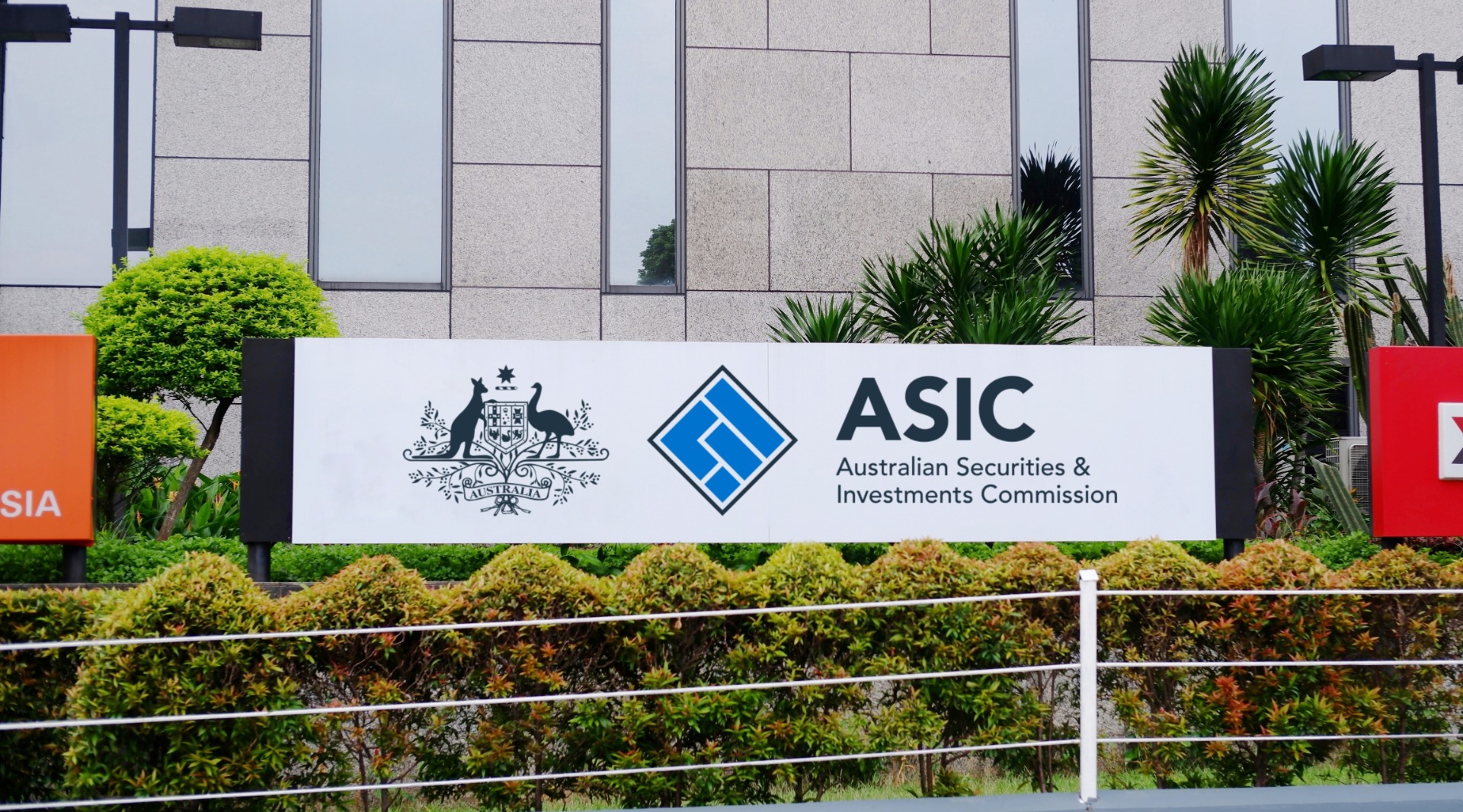
Australia's financial regulator secured over $120 million in court-ordered penalties during the 2024-25 fiscal year.
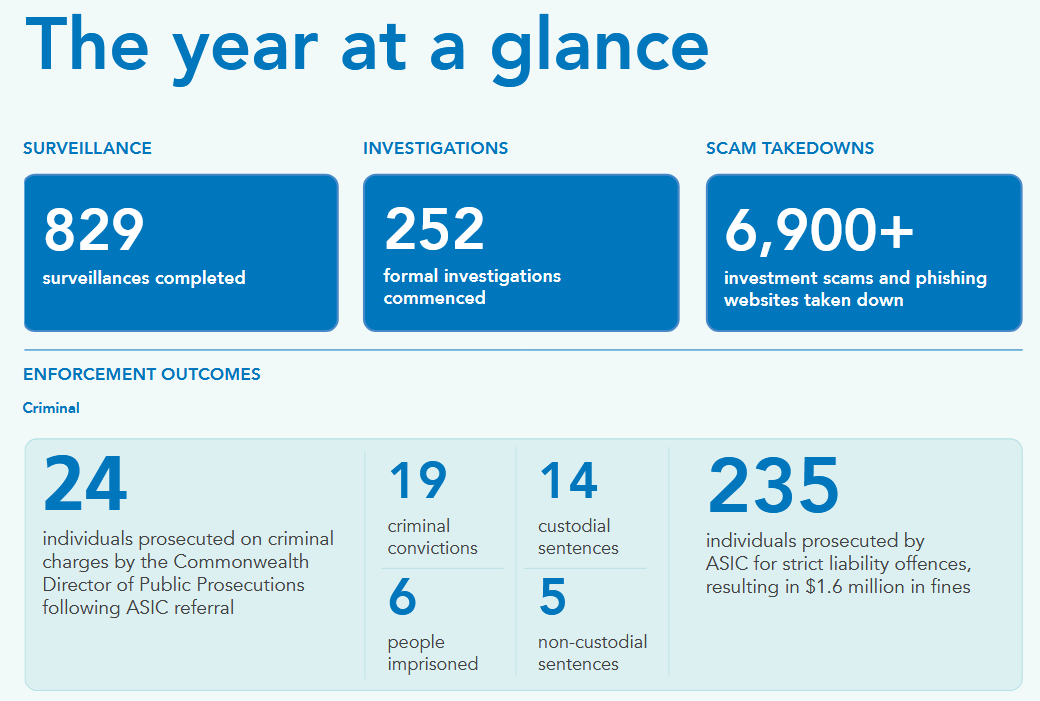
The agency launched 252 investigations and completed 829 targeted surveillances as part of an operational overhaul.
The Australian
Securities and Investments Commission (ASIC) took down 6,900 investment
scam and phishing websites in the year ended June 30, according to
its annual report released today (Wednesday), as the regulator ramped up
efforts to protect consumers from online fraud.
Australian Regulator Shuts
6,900 Sites
The
takedowns included roughly 2,800 fake investment platforms, 2,400
cryptocurrency scams, 1,400 phishing links and 250 fraudulent online
advertisements. ASIC added 1,035 warnings to its Investor Alert
List and published consumer advisories about schemes targeting
retirement savings.
Joe Longo, the Chairman of ASIC
Chairman Joe
Longo said the agency's investments in digital capabilities had
delivered results. Formal investigations jumped 50% from the prior year,
while new civil enforcement proceedings increased nearly 20%. The
regulator completed 829 targeted surveillances across financial services
sectors.
"ASIC
responds to emerging challenges in the broader financial ecosystem,
from the advent of AI to the increasing dominance of private credit
in our capital markets," Longo commented in a statement
accompanying the report.
Courts Hand Down $120
Million in Penalties
The regulator
secured $104.1 million in civil penalties through court proceedings,
up from $90.8 million the previous year. Criminal prosecutions
resulted in an additional $16.8 million in fines, a substantial
increase from $936,000 in 2023-24. The agency launched 38 new civil cases
during the fiscal year.
Nineteen
defendants received criminal convictions, with 14 receiving custodial
sentences. Six people were imprisoned. Courts imposed five non-custodial
sentences. ASIC also issued 16 infringement notices totaling $5.6 million
in penalties.
The agency
prosecuted 235 individuals for strict liability offenses, resulting in
$1.6 million in fines. Summary prosecutions rose almost 26%
compared with the previous year.
Source: ASIC
Superannuation Funds Face
Legal Action
ASIC
took enforcement action against
two major superannuation trustees over delayed death benefit
claims. The regulator sued United Super, trustee of the Cbus fund, alleging
more than 10,000 members waited over 90 days for
claim processing. Some families waited longer than 12 months,
according to court filings.
The agency
filed separate proceedings against AustralianSuper,
Australia's largest pension fund, over claims that took between four
months and four years to process. ASIC alleged at least 6,699 claims
were delayed between July 2019 and October 2024.
Banking Sector Under
Scrutiny
ASIC filed
its first court case alleging a bank failed to protect customers from scams. The
December lawsuit against HSBC Bank Australia claims inadequate
systems allowed about $23 million in customer losses from
unauthorized transactions between January 2020 and August 2024.
Nearly $16 million of those losses occurred in six months from
October 2023 to March 2024.
The
regulator reviewed anti-scam practices at 15 banks outside the
four major institutions. The August report found scam detection and
response measures "less mature than expected," with
governance structures focused on fraud rather than scams. Customers
bore 96% of total scam losses during the review period.
The
regulator processed 1,531 licensing and registration applications,
approving 1,021 and refusing or receiving withdrawals on 360. ASIC canceled or
suspended 215 Australian financial services licenses and 253 credit
licenses during the year.
The
agency restricted or banned 58 individuals or companies from
providing financial services and removed 33 from the credit industry.
Fourteen people were disqualified or removed from
directing companies.
ASIC
registered 333,188 new companies and 386,519 business names. The
Moneysmart consumer education website attracted 11.7 million visitors, with 8.1
million using online financial tools.
The regulator
operates under a cost-recovery model and collected $1.9 billion in fees,
charges and supervisory levies on behalf of the Commonwealth during the
fiscal year.
The Australian
Securities and Investments Commission (ASIC) took down 6,900 investment
scam and phishing websites in the year ended June 30, according to
its annual report released today (Wednesday), as the regulator ramped up
efforts to protect consumers from online fraud.
Australian Regulator Shuts
6,900 Sites
The
takedowns included roughly 2,800 fake investment platforms, 2,400
cryptocurrency scams, 1,400 phishing links and 250 fraudulent online
advertisements. ASIC added 1,035 warnings to its Investor Alert
List and published consumer advisories about schemes targeting
retirement savings.
Joe Longo, the Chairman of ASIC
Chairman Joe
Longo said the agency's investments in digital capabilities had
delivered results. Formal investigations jumped 50% from the prior year,
while new civil enforcement proceedings increased nearly 20%. The
regulator completed 829 targeted surveillances across financial services
sectors.
"ASIC
responds to emerging challenges in the broader financial ecosystem,
from the advent of AI to the increasing dominance of private credit
in our capital markets," Longo commented in a statement
accompanying the report.
Courts Hand Down $120
Million in Penalties
The regulator
secured $104.1 million in civil penalties through court proceedings,
up from $90.8 million the previous year. Criminal prosecutions
resulted in an additional $16.8 million in fines, a substantial
increase from $936,000 in 2023-24. The agency launched 38 new civil cases
during the fiscal year.
Nineteen
defendants received criminal convictions, with 14 receiving custodial
sentences. Six people were imprisoned. Courts imposed five non-custodial
sentences. ASIC also issued 16 infringement notices totaling $5.6 million
in penalties.
The agency
prosecuted 235 individuals for strict liability offenses, resulting in
$1.6 million in fines. Summary prosecutions rose almost 26%
compared with the previous year.
Source: ASIC
Superannuation Funds Face
Legal Action
ASIC
took enforcement action against
two major superannuation trustees over delayed death benefit
claims. The regulator sued United Super, trustee of the Cbus fund, alleging
more than 10,000 members waited over 90 days for
claim processing. Some families waited longer than 12 months,
according to court filings.
The agency
filed separate proceedings against AustralianSuper,
Australia's largest pension fund, over claims that took between four
months and four years to process. ASIC alleged at least 6,699 claims
were delayed between July 2019 and October 2024.
Banking Sector Under
Scrutiny
ASIC filed
its first court case alleging a bank failed to protect customers from scams. The
December lawsuit against HSBC Bank Australia claims inadequate
systems allowed about $23 million in customer losses from
unauthorized transactions between January 2020 and August 2024.
Nearly $16 million of those losses occurred in six months from
October 2023 to March 2024.
The
regulator reviewed anti-scam practices at 15 banks outside the
four major institutions. The August report found scam detection and
response measures "less mature than expected," with
governance structures focused on fraud rather than scams. Customers
bore 96% of total scam losses during the review period.
The
regulator processed 1,531 licensing and registration applications,
approving 1,021 and refusing or receiving withdrawals on 360. ASIC canceled or
suspended 215 Australian financial services licenses and 253 credit
licenses during the year.
The
agency restricted or banned 58 individuals or companies from
providing financial services and removed 33 from the credit industry.
Fourteen people were disqualified or removed from
directing companies.
ASIC
registered 333,188 new companies and 386,519 business names. The
Moneysmart consumer education website attracted 11.7 million visitors, with 8.1
million using online financial tools.
The regulator
operates under a cost-recovery model and collected $1.9 billion in fees,
charges and supervisory levies on behalf of the Commonwealth during the
fiscal year.
Damian Chmiel is a Senior Analyst & Editor at Finance Magnates with more than 15 years of experience in the CFD and online trading industry. Active as both a trader and journalist since 2010, he focuses on broker coverage, fintech innovation, and regulatory developments across Europe, the Middle East, and Asia.
His work includes interviews with C-level leaders at major brokerages and fintech platforms, as well as co-authoring Finance Magnates’ quarterly industry benchmarking reports. Damian’s reporting is data-driven, market-aware, and grounded in direct industry engagement. His analysis and commentary have also been cited by external media outlets, including Investing.com, Binance, The Asset, Stockhead, and Dispatch.
Education:
MA in Finance and Accounting, Cracow University of Economics
Italy’s Consob Tightens Net on AI-Fueled Scams With Fresh Website Bans
FP Markets Winner Spotlight 🏆 | Global Broker of the Year 2025 #Trading #Broker #Innovation #Shorts
FP Markets Winner Spotlight 🏆 | Global Broker of the Year 2025 #Trading #Broker #Innovation #Shorts
FP Markets takes the spotlight as Global Broker of the Year 2025 at the Finance Magnates Awards.
Martin Stoilov, Head of Client Experience, shares that trust, innovation, and people played a key role in the company’s success, supported by a strong foundation of integrity and client-centricity.
Following this milestone, FP Markets continues to focus on growth, technology investment, and its core values of transparency and excellence.
👉 Be part of FM Awards 2026: https://awards.financemagnates.com/#nominate
FP Markets takes the spotlight as Global Broker of the Year 2025 at the Finance Magnates Awards.
Martin Stoilov, Head of Client Experience, shares that trust, innovation, and people played a key role in the company’s success, supported by a strong foundation of integrity and client-centricity.
Following this milestone, FP Markets continues to focus on growth, technology investment, and its core values of transparency and excellence.
👉 Be part of FM Awards 2026: https://awards.financemagnates.com/#nominate
In this video, we review @HolaPrimeMarketsOfficial, a multi-asset forex and CFDs broker offering different account types, trading platforms, and flexible trading conditions.
We cover the broker’s overall offering, including account options, trading environment, platforms like MT4 and MT5, and additional services such as managed accounts and fast withdrawals.
Watch the full video to see if Hola Prime Markets fits your trading needs.
📣 Stay up to date with the latest in finance and trading. Follow Finance Magnates for industry news, insights, and global event coverage.
Connect with us:
🔗 LinkedIn: /financemagnates
👍 Facebook: /financemagnates
📸 Instagram: https://www.instagram.com/financemagnates
🐦 X: https://x.com/financemagnates
🎥 TikTok: https://www.tiktok.com/tag/financemagnates
▶️ YouTube: /@financemagnates_official
#HolaPrime #ForexBroker #CFDTrading #FinanceMagnates #Trading #Forex #BrokerReview
In this video, we review @HolaPrimeMarketsOfficial, a multi-asset forex and CFDs broker offering different account types, trading platforms, and flexible trading conditions.
We cover the broker’s overall offering, including account options, trading environment, platforms like MT4 and MT5, and additional services such as managed accounts and fast withdrawals.
Watch the full video to see if Hola Prime Markets fits your trading needs.
📣 Stay up to date with the latest in finance and trading. Follow Finance Magnates for industry news, insights, and global event coverage.
Connect with us:
🔗 LinkedIn: /financemagnates
👍 Facebook: /financemagnates
📸 Instagram: https://www.instagram.com/financemagnates
🐦 X: https://x.com/financemagnates
🎥 TikTok: https://www.tiktok.com/tag/financemagnates
▶️ YouTube: /@financemagnates_official
#HolaPrime #ForexBroker #CFDTrading #FinanceMagnates #Trading #Forex #BrokerReview
Hola Prime Review: What You Need to Know | Full Breakdown by Finance Magnates
Hola Prime Review: What You Need to Know | Full Breakdown by Finance Magnates
In this video, we review @HolaPrime_Global, a proprietary trading firm offering evaluation programs and performance-based payouts in simulated market environments.
We cover how the challenge model works, including account types, profit splits (up to 95%), trading rules, and what it takes to reach a funded account. You’ll also learn about available platforms like MT4, MT5, cTrader, and more, along with insights into payouts, support, and trading conditions.
Watch the full video to see if Hola Prime fits your trading style.
📣 Stay up to date with the latest in finance and trading. Follow Finance Magnates for industry news, insights, and global event coverage.
Connect with us:
🔗 LinkedIn: /financemagnates
👍 Facebook: /financemagnates
📸 Instagram: https://www.instagram.com/financemagnates
🐦 X: https://x.com/financemagnates
🎥 TikTok: https://www.tiktok.com/tag/financemagnates
▶️ YouTube: /@financemagnates_official
#HolaPrime #PropFirm #Trading #FinanceMagnates #Forex #FuturesTrading #TradingReview #PropFirmReview
In this video, we review @HolaPrime_Global, a proprietary trading firm offering evaluation programs and performance-based payouts in simulated market environments.
We cover how the challenge model works, including account types, profit splits (up to 95%), trading rules, and what it takes to reach a funded account. You’ll also learn about available platforms like MT4, MT5, cTrader, and more, along with insights into payouts, support, and trading conditions.
Watch the full video to see if Hola Prime fits your trading style.
📣 Stay up to date with the latest in finance and trading. Follow Finance Magnates for industry news, insights, and global event coverage.
Connect with us:
🔗 LinkedIn: /financemagnates
👍 Facebook: /financemagnates
📸 Instagram: https://www.instagram.com/financemagnates
🐦 X: https://x.com/financemagnates
🎥 TikTok: https://www.tiktok.com/tag/financemagnates
▶️ YouTube: /@financemagnates_official
#HolaPrime #PropFirm #Trading #FinanceMagnates #Forex #FuturesTrading #TradingReview #PropFirmReview
Axi Winner Spotlight 🏆 | Global Most Innovative Broker 2025 #Innovation #Trading #Fintech #Broker
Axi Winner Spotlight 🏆 | Global Most Innovative Broker 2025 #Innovation #Trading #Fintech #Broker
Axi takes the spotlight at the Finance Magnates Awards, winning Global Most Innovative Broker 2025.
Olivia Xenofontos and Ivanna Openko share how the team will feel: proud, motivated, and ready to keep delivering.
They also describe the night as well-organized, focused, and enjoyable for all.
👉 Be part of FM Awards 2026.
Axi takes the spotlight at the Finance Magnates Awards, winning Global Most Innovative Broker 2025.
Olivia Xenofontos and Ivanna Openko share how the team will feel: proud, motivated, and ready to keep delivering.
They also describe the night as well-organized, focused, and enjoyable for all.
👉 Be part of FM Awards 2026.
Recognition that matters.
Built on transparency.
Driven by the industry.
The Finance Magnates Awards 2026.
Nominations are now open.
🔗 https://awards.financemagnates.com/?utm_source=SM&utm_medium=social&utm_campaign=recognition-matters
Recognition that matters.
Built on transparency.
Driven by the industry.
The Finance Magnates Awards 2026.
Nominations are now open.
🔗 https://awards.financemagnates.com/?utm_source=SM&utm_medium=social&utm_campaign=recognition-matters