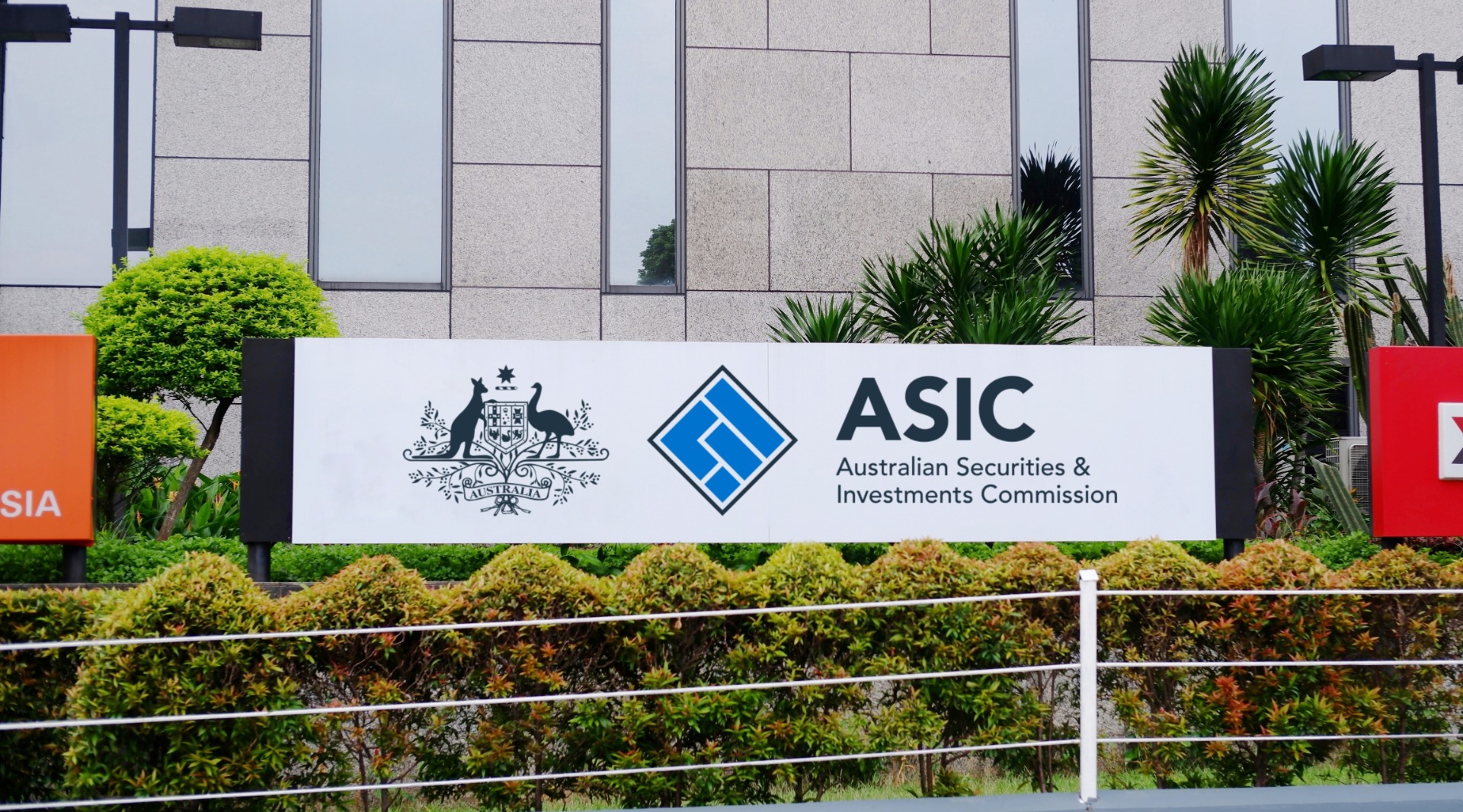
Australia has enacted new laws granting ASIC expanded powers to regulate financial market infrastructure.
The reforms aim to enhance stability and efficiency in the country's financial system.
The
Australian Securities and Investments Commission (ASIC) has received
expanded regulatory powers as part of a reform of the country's financial
market infrastructure (FMI) laws, aimed at bolstering stability and efficiency
in the Australian financial system.
ASIC Gains Enhanced Powers
in Australian Financial Market
The
Treasury Laws Amendment Bill 2024, which received Royal Assent on September 17,
introduces a suite of new measures designed to strengthen oversight of key
entities that facilitate trading in Australia's capital markets. These entities
include financial market operators, benchmark administrators, clearing and
settlement facilities, and derivative trade repositories.
Simone Constant, the ASIC Commissioner
“The
new laws ensure we have a fit-for-purpose regulatory regime for critical
financial market infrastructure. These enhanced powers help ASIC ensure the
Australian financial system is supported by resilient, efficient, and stable
FMIs,” Simone Constant, the ASIC Commissioner, commented.
Key
provisions of the bill include:
Introduction
of a crisis management and resolution regime
Enhancement
of licensing, supervisory, and enforcement powers for ASIC and the Reserve Bank
of Australia (RBA)
Streamlining
of roles and responsibilities between the Minister, ASIC, and the RBA
The
legislation also clarifies the scope of the Australian licensing regime for
overseas markets and clearing and settlement facilities, while empowering ASIC
to establish rules promoting fair and effective service provision by licensed
clearing and settlement facilities.
“We
are reviewing our approach to the regulation and supervision of FMIs to ensure
that we make the most effective and efficient use of our expanded powers,”
Constant added. “We will work closely with the RBA and industry to develop
and provide information and guidance on the use of our new powers across this
multi-year program of change.”
The reforms
stem from recommendations made by the Council of Financial Regulators in July
2020, addressing regulatory gaps identified in previous government reports and
international reviews. ASIC has announced plans to update its regulatory
guidance to assist industry compliance with the enhanced framework, signaling a
period of adjustment as the new regime takes effect.
Last month,
ASIC
initiated a pilot program for a new digital portal designed to facilitate
companies' applications for Australian Financial Services (AFS) licenses.
Impact on FX/CFD Brokers
While the
new FMI laws primarily focus on broader
market structures, they may indirectly affect FX/CFD brokers operating in
Australia. The enhanced regulatory powers granted to ASIC and the RBA could
lead to increased scrutiny across the financial services sector, including
over-the-counter derivatives markets where FX and CFD products are traded.
FX/CFD
brokers should be aware that the strengthened supervisory and enforcement
capabilities of ASIC may result in more rigorous oversight of their operations,
particularly in areas related to market integrity and consumer protection.
While
primarily aimed at critical market infrastructure, the new crisis management
and resolution regime sets a precedent for stronger intervention powers that
could extend to other areas of financial services in the future.
Clarifying
licensing regimes for overseas entities may also affect FX/CFD brokers with
international operations or those considering entering the Australian market.
These firms may need to reassess their compliance with the updated regulatory
framework to ensure they meet any new requirements for providing services to
Australian clients.
Recently, the
Australian regulator expressed
concerns that some derivative issuers of CFDs may be offering “margin
discounts” to retail clients with opposing long and short contracts in
contravention of ASIC laws.
The
Australian Securities and Investments Commission (ASIC) has received
expanded regulatory powers as part of a reform of the country's financial
market infrastructure (FMI) laws, aimed at bolstering stability and efficiency
in the Australian financial system.
ASIC Gains Enhanced Powers
in Australian Financial Market
The
Treasury Laws Amendment Bill 2024, which received Royal Assent on September 17,
introduces a suite of new measures designed to strengthen oversight of key
entities that facilitate trading in Australia's capital markets. These entities
include financial market operators, benchmark administrators, clearing and
settlement facilities, and derivative trade repositories.
Simone Constant, the ASIC Commissioner
“The
new laws ensure we have a fit-for-purpose regulatory regime for critical
financial market infrastructure. These enhanced powers help ASIC ensure the
Australian financial system is supported by resilient, efficient, and stable
FMIs,” Simone Constant, the ASIC Commissioner, commented.
Key
provisions of the bill include:
Introduction
of a crisis management and resolution regime
Enhancement
of licensing, supervisory, and enforcement powers for ASIC and the Reserve Bank
of Australia (RBA)
Streamlining
of roles and responsibilities between the Minister, ASIC, and the RBA
The
legislation also clarifies the scope of the Australian licensing regime for
overseas markets and clearing and settlement facilities, while empowering ASIC
to establish rules promoting fair and effective service provision by licensed
clearing and settlement facilities.
“We
are reviewing our approach to the regulation and supervision of FMIs to ensure
that we make the most effective and efficient use of our expanded powers,”
Constant added. “We will work closely with the RBA and industry to develop
and provide information and guidance on the use of our new powers across this
multi-year program of change.”
The reforms
stem from recommendations made by the Council of Financial Regulators in July
2020, addressing regulatory gaps identified in previous government reports and
international reviews. ASIC has announced plans to update its regulatory
guidance to assist industry compliance with the enhanced framework, signaling a
period of adjustment as the new regime takes effect.
Last month,
ASIC
initiated a pilot program for a new digital portal designed to facilitate
companies' applications for Australian Financial Services (AFS) licenses.
Impact on FX/CFD Brokers
While the
new FMI laws primarily focus on broader
market structures, they may indirectly affect FX/CFD brokers operating in
Australia. The enhanced regulatory powers granted to ASIC and the RBA could
lead to increased scrutiny across the financial services sector, including
over-the-counter derivatives markets where FX and CFD products are traded.
FX/CFD
brokers should be aware that the strengthened supervisory and enforcement
capabilities of ASIC may result in more rigorous oversight of their operations,
particularly in areas related to market integrity and consumer protection.
While
primarily aimed at critical market infrastructure, the new crisis management
and resolution regime sets a precedent for stronger intervention powers that
could extend to other areas of financial services in the future.
Clarifying
licensing regimes for overseas entities may also affect FX/CFD brokers with
international operations or those considering entering the Australian market.
These firms may need to reassess their compliance with the updated regulatory
framework to ensure they meet any new requirements for providing services to
Australian clients.
Recently, the
Australian regulator expressed
concerns that some derivative issuers of CFDs may be offering “margin
discounts” to retail clients with opposing long and short contracts in
contravention of ASIC laws.
Damian Chmiel is a Senior Analyst & Editor at Finance Magnates with more than 15 years of experience in the CFD and online trading industry. Active as both a trader and journalist since 2010, he focuses on broker coverage, fintech innovation, and regulatory developments across Europe, the Middle East, and Asia.
His work includes interviews with C-level leaders at major brokerages and fintech platforms, as well as co-authoring Finance Magnates’ quarterly industry benchmarking reports. Damian’s reporting is data-driven, market-aware, and grounded in direct industry engagement. His analysis and commentary have also been cited by external media outlets, including Investing.com, Binance, The Asset, Stockhead, and Dispatch.
Education:
MA in Finance and Accounting, Cracow University of Economics
ESMA’s Common Supervisory Action Follows Enforcement: Should CFD Brokers Be Worried?
FP Markets Winner Spotlight 🏆 | Global Broker of the Year 2025 #Trading #Broker #Innovation #Shorts
FP Markets Winner Spotlight 🏆 | Global Broker of the Year 2025 #Trading #Broker #Innovation #Shorts
FP Markets takes the spotlight as Global Broker of the Year 2025 at the Finance Magnates Awards.
Martin Stoilov, Head of Client Experience, shares that trust, innovation, and people played a key role in the company’s success, supported by a strong foundation of integrity and client-centricity.
Following this milestone, FP Markets continues to focus on growth, technology investment, and its core values of transparency and excellence.
👉 Be part of FM Awards 2026: https://awards.financemagnates.com/#nominate
FP Markets takes the spotlight as Global Broker of the Year 2025 at the Finance Magnates Awards.
Martin Stoilov, Head of Client Experience, shares that trust, innovation, and people played a key role in the company’s success, supported by a strong foundation of integrity and client-centricity.
Following this milestone, FP Markets continues to focus on growth, technology investment, and its core values of transparency and excellence.
👉 Be part of FM Awards 2026: https://awards.financemagnates.com/#nominate
In this video, we review @HolaPrimeMarketsOfficial, a multi-asset forex and CFDs broker offering different account types, trading platforms, and flexible trading conditions.
We cover the broker’s overall offering, including account options, trading environment, platforms like MT4 and MT5, and additional services such as managed accounts and fast withdrawals.
Watch the full video to see if Hola Prime Markets fits your trading needs.
📣 Stay up to date with the latest in finance and trading. Follow Finance Magnates for industry news, insights, and global event coverage.
Connect with us:
🔗 LinkedIn: /financemagnates
👍 Facebook: /financemagnates
📸 Instagram: https://www.instagram.com/financemagnates
🐦 X: https://x.com/financemagnates
🎥 TikTok: https://www.tiktok.com/tag/financemagnates
▶️ YouTube: /@financemagnates_official
#HolaPrime #ForexBroker #CFDTrading #FinanceMagnates #Trading #Forex #BrokerReview
In this video, we review @HolaPrimeMarketsOfficial, a multi-asset forex and CFDs broker offering different account types, trading platforms, and flexible trading conditions.
We cover the broker’s overall offering, including account options, trading environment, platforms like MT4 and MT5, and additional services such as managed accounts and fast withdrawals.
Watch the full video to see if Hola Prime Markets fits your trading needs.
📣 Stay up to date with the latest in finance and trading. Follow Finance Magnates for industry news, insights, and global event coverage.
Connect with us:
🔗 LinkedIn: /financemagnates
👍 Facebook: /financemagnates
📸 Instagram: https://www.instagram.com/financemagnates
🐦 X: https://x.com/financemagnates
🎥 TikTok: https://www.tiktok.com/tag/financemagnates
▶️ YouTube: /@financemagnates_official
#HolaPrime #ForexBroker #CFDTrading #FinanceMagnates #Trading #Forex #BrokerReview
Hola Prime Review: What You Need to Know | Full Breakdown by Finance Magnates
Hola Prime Review: What You Need to Know | Full Breakdown by Finance Magnates
In this video, we review @HolaPrime_Global, a proprietary trading firm offering evaluation programs and performance-based payouts in simulated market environments.
We cover how the challenge model works, including account types, profit splits (up to 95%), trading rules, and what it takes to reach a funded account. You’ll also learn about available platforms like MT4, MT5, cTrader, and more, along with insights into payouts, support, and trading conditions.
Watch the full video to see if Hola Prime fits your trading style.
📣 Stay up to date with the latest in finance and trading. Follow Finance Magnates for industry news, insights, and global event coverage.
Connect with us:
🔗 LinkedIn: /financemagnates
👍 Facebook: /financemagnates
📸 Instagram: https://www.instagram.com/financemagnates
🐦 X: https://x.com/financemagnates
🎥 TikTok: https://www.tiktok.com/tag/financemagnates
▶️ YouTube: /@financemagnates_official
#HolaPrime #PropFirm #Trading #FinanceMagnates #Forex #FuturesTrading #TradingReview #PropFirmReview
In this video, we review @HolaPrime_Global, a proprietary trading firm offering evaluation programs and performance-based payouts in simulated market environments.
We cover how the challenge model works, including account types, profit splits (up to 95%), trading rules, and what it takes to reach a funded account. You’ll also learn about available platforms like MT4, MT5, cTrader, and more, along with insights into payouts, support, and trading conditions.
Watch the full video to see if Hola Prime fits your trading style.
📣 Stay up to date with the latest in finance and trading. Follow Finance Magnates for industry news, insights, and global event coverage.
Connect with us:
🔗 LinkedIn: /financemagnates
👍 Facebook: /financemagnates
📸 Instagram: https://www.instagram.com/financemagnates
🐦 X: https://x.com/financemagnates
🎥 TikTok: https://www.tiktok.com/tag/financemagnates
▶️ YouTube: /@financemagnates_official
#HolaPrime #PropFirm #Trading #FinanceMagnates #Forex #FuturesTrading #TradingReview #PropFirmReview
Axi Winner Spotlight 🏆 | Global Most Innovative Broker 2025 #Innovation #Trading #Fintech #Broker
Axi Winner Spotlight 🏆 | Global Most Innovative Broker 2025 #Innovation #Trading #Fintech #Broker
Axi takes the spotlight at the Finance Magnates Awards, winning Global Most Innovative Broker 2025.
Olivia Xenofontos and Ivanna Openko share how the team will feel: proud, motivated, and ready to keep delivering.
They also describe the night as well-organized, focused, and enjoyable for all.
👉 Be part of FM Awards 2026.
Axi takes the spotlight at the Finance Magnates Awards, winning Global Most Innovative Broker 2025.
Olivia Xenofontos and Ivanna Openko share how the team will feel: proud, motivated, and ready to keep delivering.
They also describe the night as well-organized, focused, and enjoyable for all.
👉 Be part of FM Awards 2026.
Recognition that matters.
Built on transparency.
Driven by the industry.
The Finance Magnates Awards 2026.
Nominations are now open.
🔗 https://awards.financemagnates.com/?utm_source=SM&utm_medium=social&utm_campaign=recognition-matters
Recognition that matters.
Built on transparency.
Driven by the industry.
The Finance Magnates Awards 2026.
Nominations are now open.
🔗 https://awards.financemagnates.com/?utm_source=SM&utm_medium=social&utm_campaign=recognition-matters