Australia's securities regulator discovered widespread compliance failures among fund managers.
The review revealed that most compliance plans inadequately address key investor protection requirements introduced in 2021.
Australia's
financial market watchdog has uncovered significant compliance failures across
the managed investment sector. The responsible entities have overseen nearly $1
trillion in assets that have failed to maintain adequate oversight plans.
$1 Trillion Fund Industry Fails Basic Compliance Tests
The
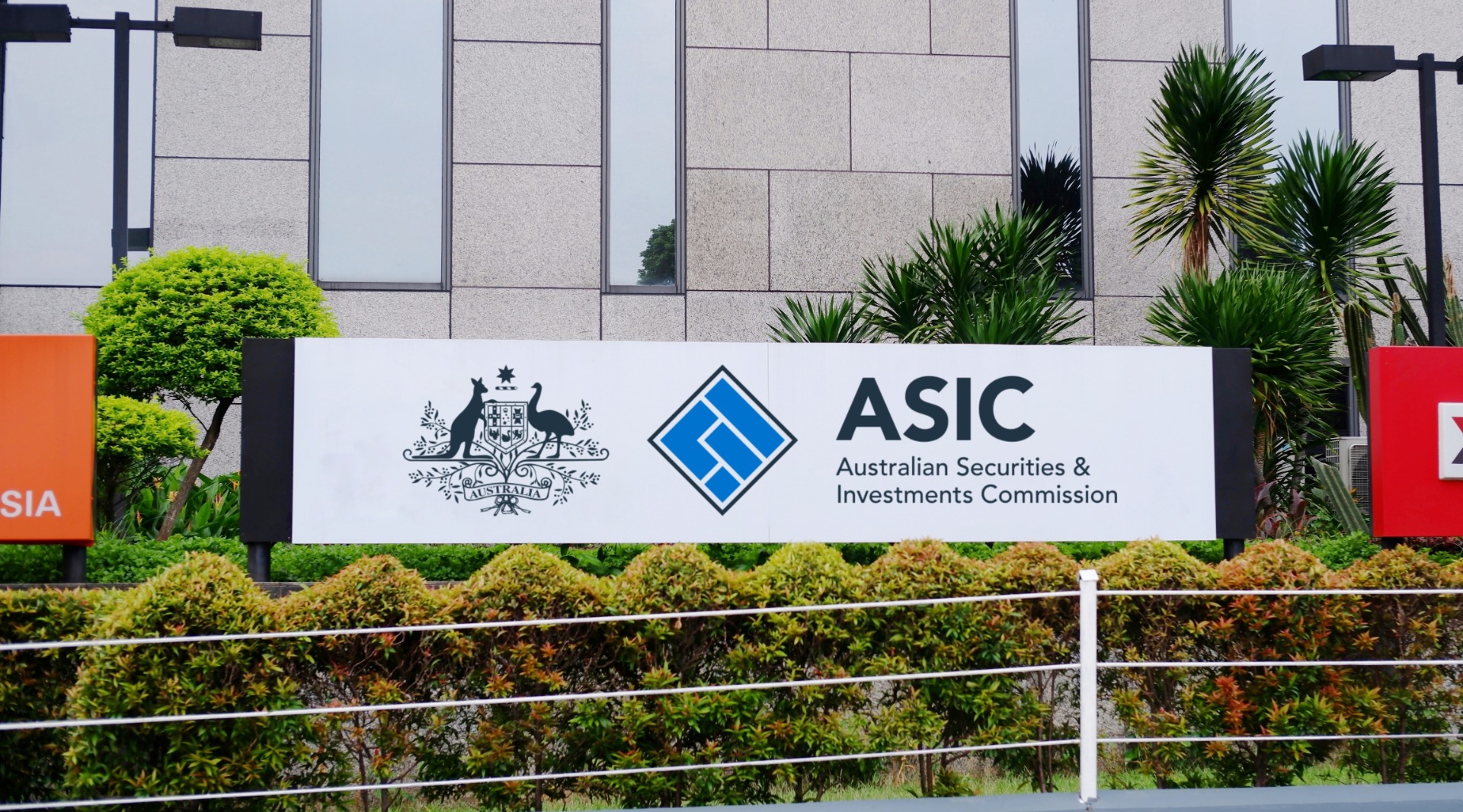
Australian Securities and Investments Commission (ASIC) examined 50 compliance
plans covering 1,471 funds. It discovered widespread deficiencies in how fund
managers address key regulatory requirements. The review encompassed entities
managing 45% of all registered managed funds, representing 47% of the sector's
approximately $2 trillion in total assets.
The
examination revealed that most compliance plans inadequately addressed three
crucial regulatory areas: design and distribution obligations, internal dispute
resolution procedures, and reportable situations requirements. These
frameworks, introduced or enhanced in October 2021, form the backbone of
investor protection measures.
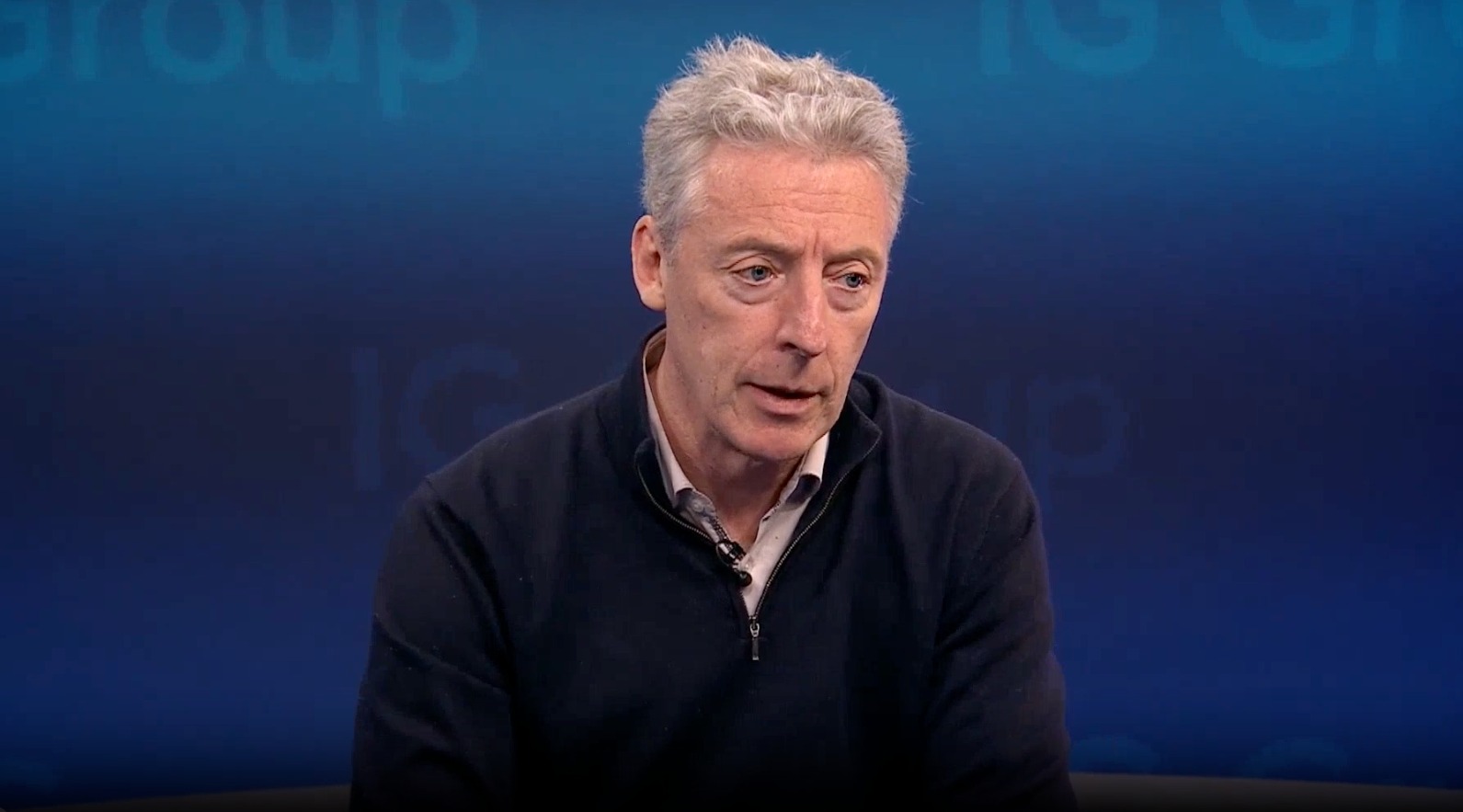
Alan Kirkland, Commissioner at ASIC, Source: LinkedIn
ASIC
Commissioner Alan Kirkland highlighted the severity of the findings, noting
that some plans completely failed to address design and distribution
obligations. This suggests certain entities have not meaningfully updated their
compliance frameworks since the new requirements took effect nearly four years
ago.
“These
plans set out how responsible entities comply with the law, yet many plans we
reviewed failed to adequately set out compliance with important regulatory
obligations. Failing to plan is planning to fail,” Kirkland commented.
The
regulator found that treatment of design and distribution obligations showed
the poorest compliance among the three regulatory areas examined, followed by
internal dispute resolution requirements. Some entities had incorrectly relied
on compliance plans from different responsible entities, leaving their funds
without substantive oversight frameworks.
ASIC has
initiated direct communication with several responsible entities regarding
compliance plan deficiencies and launched investigations into potential legal
violations. The regulator emphasized that existing guidance has been available
to help entities maintain adequate compliance plans, making the scale of poor
practice inexcusable.
The
findings raise broader concerns about governance arrangements within the
managed investment industry. Compliance plans serve as documented references
for fund operators, staff, auditors, and regulators to ensure adherence to
legal obligations under the Corporations Act 2001.
Investor Protection at
Risk
The
compliance failures potentially expose retail investors to harm, as these plans
are designed to protect fund members through systematic identification and
management of regulatory obligations. When compliance plans prove inadequate or are poorly implemented, investors lose the full range of intended protections under
corporate law.
ASIC has
called for swift remediation of identified gaps and inadequacies across the
industry. The regulator plans to continually monitor compliance plan quality
beyond the specific obligations examined in this review.
“We will
continue to monitor the quality of compliance plans going forward. This review
will not be limited to the obligations we examined in our recent surveillance,”
Kirkland said.
The managed
investment sector oversees retirement savings and investment portfolios for
millions of Australians, making effective compliance and oversight critical for
financial system stability and investor confidence.
Australia's
financial market watchdog has uncovered significant compliance failures across
the managed investment sector. The responsible entities have overseen nearly $1
trillion in assets that have failed to maintain adequate oversight plans.
$1 Trillion Fund Industry Fails Basic Compliance Tests
The
Australian Securities and Investments Commission (ASIC) examined 50 compliance
plans covering 1,471 funds. It discovered widespread deficiencies in how fund
managers address key regulatory requirements. The review encompassed entities
managing 45% of all registered managed funds, representing 47% of the sector's
approximately $2 trillion in total assets.
The
examination revealed that most compliance plans inadequately addressed three
crucial regulatory areas: design and distribution obligations, internal dispute
resolution procedures, and reportable situations requirements. These
frameworks, introduced or enhanced in October 2021, form the backbone of
investor protection measures.
Alan Kirkland, Commissioner at ASIC, Source: LinkedIn
ASIC
Commissioner Alan Kirkland highlighted the severity of the findings, noting
that some plans completely failed to address design and distribution
obligations. This suggests certain entities have not meaningfully updated their
compliance frameworks since the new requirements took effect nearly four years
ago.
“These
plans set out how responsible entities comply with the law, yet many plans we
reviewed failed to adequately set out compliance with important regulatory
obligations. Failing to plan is planning to fail,” Kirkland commented.
The
regulator found that treatment of design and distribution obligations showed
the poorest compliance among the three regulatory areas examined, followed by
internal dispute resolution requirements. Some entities had incorrectly relied
on compliance plans from different responsible entities, leaving their funds
without substantive oversight frameworks.
ASIC has
initiated direct communication with several responsible entities regarding
compliance plan deficiencies and launched investigations into potential legal
violations. The regulator emphasized that existing guidance has been available
to help entities maintain adequate compliance plans, making the scale of poor
practice inexcusable.
The
findings raise broader concerns about governance arrangements within the
managed investment industry. Compliance plans serve as documented references
for fund operators, staff, auditors, and regulators to ensure adherence to
legal obligations under the Corporations Act 2001.
Investor Protection at
Risk
The
compliance failures potentially expose retail investors to harm, as these plans
are designed to protect fund members through systematic identification and
management of regulatory obligations. When compliance plans prove inadequate or are poorly implemented, investors lose the full range of intended protections under
corporate law.
ASIC has
called for swift remediation of identified gaps and inadequacies across the
industry. The regulator plans to continually monitor compliance plan quality
beyond the specific obligations examined in this review.
“We will
continue to monitor the quality of compliance plans going forward. This review
will not be limited to the obligations we examined in our recent surveillance,”
Kirkland said.
The managed
investment sector oversees retirement savings and investment portfolios for
millions of Australians, making effective compliance and oversight critical for
financial system stability and investor confidence.
Damian Chmiel is a Senior Analyst & Editor at Finance Magnates with more than 15 years of experience in the CFD and online trading industry. Active as both a trader and journalist since 2010, he focuses on broker coverage, fintech innovation, and regulatory developments across Europe, the Middle East, and Asia.
His work includes interviews with C-level leaders at major brokerages and fintech platforms, as well as co-authoring Finance Magnates’ quarterly industry benchmarking reports. Damian’s reporting is data-driven, market-aware, and grounded in direct industry engagement. His analysis and commentary have also been cited by external media outlets, including Investing.com, Binance, The Asset, Stockhead, and Dispatch.
Education:
MA in Finance and Accounting, Cracow University of Economics
Italy’s Consob Tightens Net on AI-Fueled Scams With Fresh Website Bans
FP Markets Winner Spotlight 🏆 | Global Broker of the Year 2025 #Trading #Broker #Innovation #Shorts
FP Markets Winner Spotlight 🏆 | Global Broker of the Year 2025 #Trading #Broker #Innovation #Shorts
FP Markets takes the spotlight as Global Broker of the Year 2025 at the Finance Magnates Awards.
Martin Stoilov, Head of Client Experience, shares that trust, innovation, and people played a key role in the company’s success, supported by a strong foundation of integrity and client-centricity.
Following this milestone, FP Markets continues to focus on growth, technology investment, and its core values of transparency and excellence.
👉 Be part of FM Awards 2026: https://awards.financemagnates.com/#nominate
FP Markets takes the spotlight as Global Broker of the Year 2025 at the Finance Magnates Awards.
Martin Stoilov, Head of Client Experience, shares that trust, innovation, and people played a key role in the company’s success, supported by a strong foundation of integrity and client-centricity.
Following this milestone, FP Markets continues to focus on growth, technology investment, and its core values of transparency and excellence.
👉 Be part of FM Awards 2026: https://awards.financemagnates.com/#nominate
In this video, we review @HolaPrimeMarketsOfficial, a multi-asset forex and CFDs broker offering different account types, trading platforms, and flexible trading conditions.
We cover the broker’s overall offering, including account options, trading environment, platforms like MT4 and MT5, and additional services such as managed accounts and fast withdrawals.
Watch the full video to see if Hola Prime Markets fits your trading needs.
📣 Stay up to date with the latest in finance and trading. Follow Finance Magnates for industry news, insights, and global event coverage.
Connect with us:
🔗 LinkedIn: /financemagnates
👍 Facebook: /financemagnates
📸 Instagram: https://www.instagram.com/financemagnates
🐦 X: https://x.com/financemagnates
🎥 TikTok: https://www.tiktok.com/tag/financemagnates
▶️ YouTube: /@financemagnates_official
#HolaPrime #ForexBroker #CFDTrading #FinanceMagnates #Trading #Forex #BrokerReview
In this video, we review @HolaPrimeMarketsOfficial, a multi-asset forex and CFDs broker offering different account types, trading platforms, and flexible trading conditions.
We cover the broker’s overall offering, including account options, trading environment, platforms like MT4 and MT5, and additional services such as managed accounts and fast withdrawals.
Watch the full video to see if Hola Prime Markets fits your trading needs.
📣 Stay up to date with the latest in finance and trading. Follow Finance Magnates for industry news, insights, and global event coverage.
Connect with us:
🔗 LinkedIn: /financemagnates
👍 Facebook: /financemagnates
📸 Instagram: https://www.instagram.com/financemagnates
🐦 X: https://x.com/financemagnates
🎥 TikTok: https://www.tiktok.com/tag/financemagnates
▶️ YouTube: /@financemagnates_official
#HolaPrime #ForexBroker #CFDTrading #FinanceMagnates #Trading #Forex #BrokerReview
Hola Prime Review: What You Need to Know | Full Breakdown by Finance Magnates
Hola Prime Review: What You Need to Know | Full Breakdown by Finance Magnates
In this video, we review @HolaPrime_Global, a proprietary trading firm offering evaluation programs and performance-based payouts in simulated market environments.
We cover how the challenge model works, including account types, profit splits (up to 95%), trading rules, and what it takes to reach a funded account. You’ll also learn about available platforms like MT4, MT5, cTrader, and more, along with insights into payouts, support, and trading conditions.
Watch the full video to see if Hola Prime fits your trading style.
📣 Stay up to date with the latest in finance and trading. Follow Finance Magnates for industry news, insights, and global event coverage.
Connect with us:
🔗 LinkedIn: /financemagnates
👍 Facebook: /financemagnates
📸 Instagram: https://www.instagram.com/financemagnates
🐦 X: https://x.com/financemagnates
🎥 TikTok: https://www.tiktok.com/tag/financemagnates
▶️ YouTube: /@financemagnates_official
#HolaPrime #PropFirm #Trading #FinanceMagnates #Forex #FuturesTrading #TradingReview #PropFirmReview
In this video, we review @HolaPrime_Global, a proprietary trading firm offering evaluation programs and performance-based payouts in simulated market environments.
We cover how the challenge model works, including account types, profit splits (up to 95%), trading rules, and what it takes to reach a funded account. You’ll also learn about available platforms like MT4, MT5, cTrader, and more, along with insights into payouts, support, and trading conditions.
Watch the full video to see if Hola Prime fits your trading style.
📣 Stay up to date with the latest in finance and trading. Follow Finance Magnates for industry news, insights, and global event coverage.
Connect with us:
🔗 LinkedIn: /financemagnates
👍 Facebook: /financemagnates
📸 Instagram: https://www.instagram.com/financemagnates
🐦 X: https://x.com/financemagnates
🎥 TikTok: https://www.tiktok.com/tag/financemagnates
▶️ YouTube: /@financemagnates_official
#HolaPrime #PropFirm #Trading #FinanceMagnates #Forex #FuturesTrading #TradingReview #PropFirmReview
Axi Winner Spotlight 🏆 | Global Most Innovative Broker 2025 #Innovation #Trading #Fintech #Broker
Axi Winner Spotlight 🏆 | Global Most Innovative Broker 2025 #Innovation #Trading #Fintech #Broker
Axi takes the spotlight at the Finance Magnates Awards, winning Global Most Innovative Broker 2025.
Olivia Xenofontos and Ivanna Openko share how the team will feel: proud, motivated, and ready to keep delivering.
They also describe the night as well-organized, focused, and enjoyable for all.
👉 Be part of FM Awards 2026.
Axi takes the spotlight at the Finance Magnates Awards, winning Global Most Innovative Broker 2025.
Olivia Xenofontos and Ivanna Openko share how the team will feel: proud, motivated, and ready to keep delivering.
They also describe the night as well-organized, focused, and enjoyable for all.
👉 Be part of FM Awards 2026.
Recognition that matters.
Built on transparency.
Driven by the industry.
The Finance Magnates Awards 2026.
Nominations are now open.
🔗 https://awards.financemagnates.com/?utm_source=SM&utm_medium=social&utm_campaign=recognition-matters
Recognition that matters.
Built on transparency.
Driven by the industry.
The Finance Magnates Awards 2026.
Nominations are now open.
🔗 https://awards.financemagnates.com/?utm_source=SM&utm_medium=social&utm_campaign=recognition-matters