ASIC seeks stakeholder input on multi-year simplification program.
The Chairman says complex rules stifle innovation and raise costs for businesses.
Australia's
financial market watchdog has eliminated more than 9,240 pages of regulatory
content this year as part of a sweeping effort to streamline rules that
businesses say have become too complex and costly to navigate.
ASIC Cuts Thousands of
Pages of Red Tape in Regulatory Overhaul
The
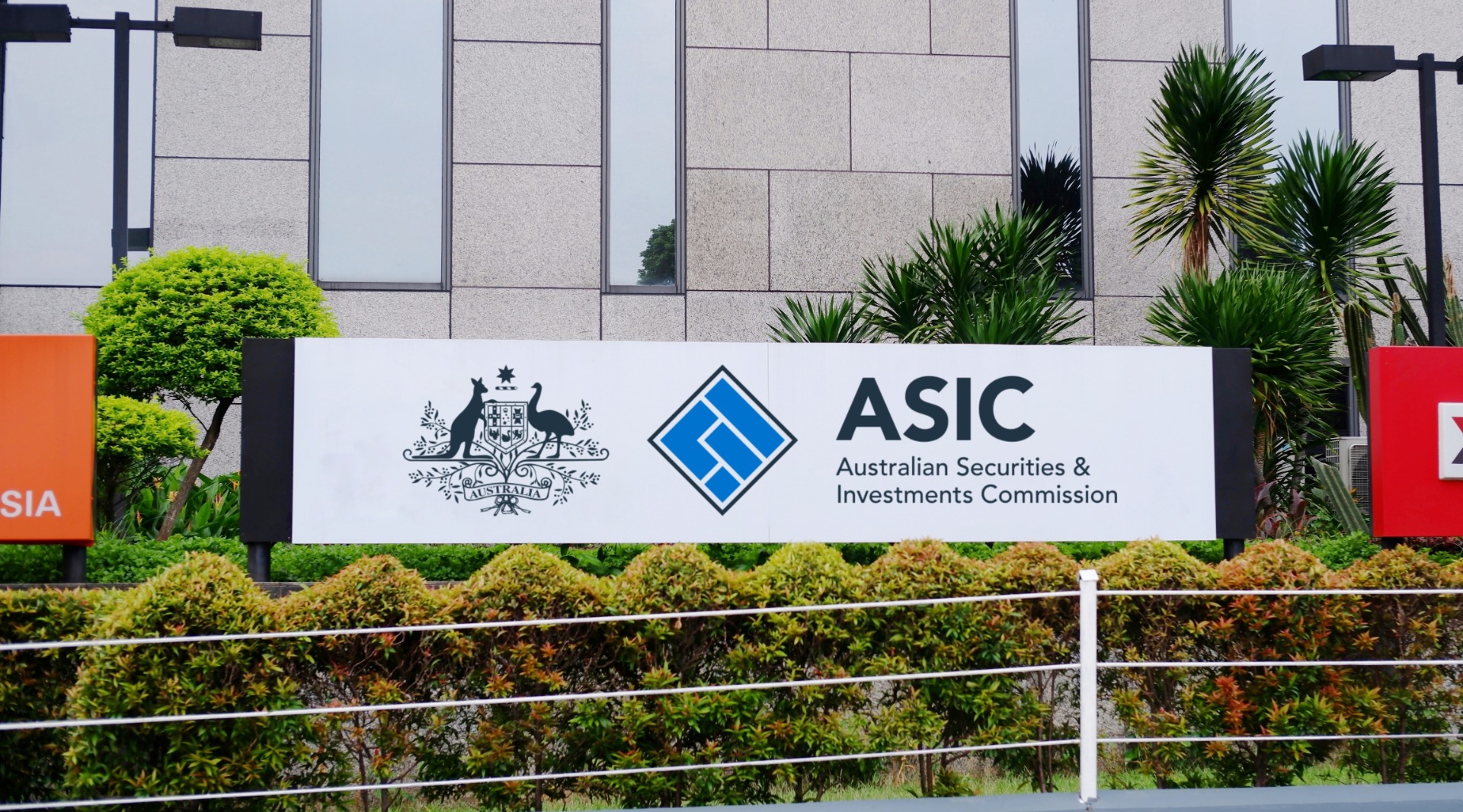
Australian Securities and Investments Commission (ASIC) released a report today
(Wednesday) outlining its first wave of simplification efforts, which include
consolidating dozens of legal instruments and launching new digital services to
replace paper-based processes.
ASIC Chairman
Joe Longo said the agency formed a consultative group with business and
consumer leaders late last year after hearing complaints about confusing
guidance, unwieldy websites, and overlapping legal requirements.
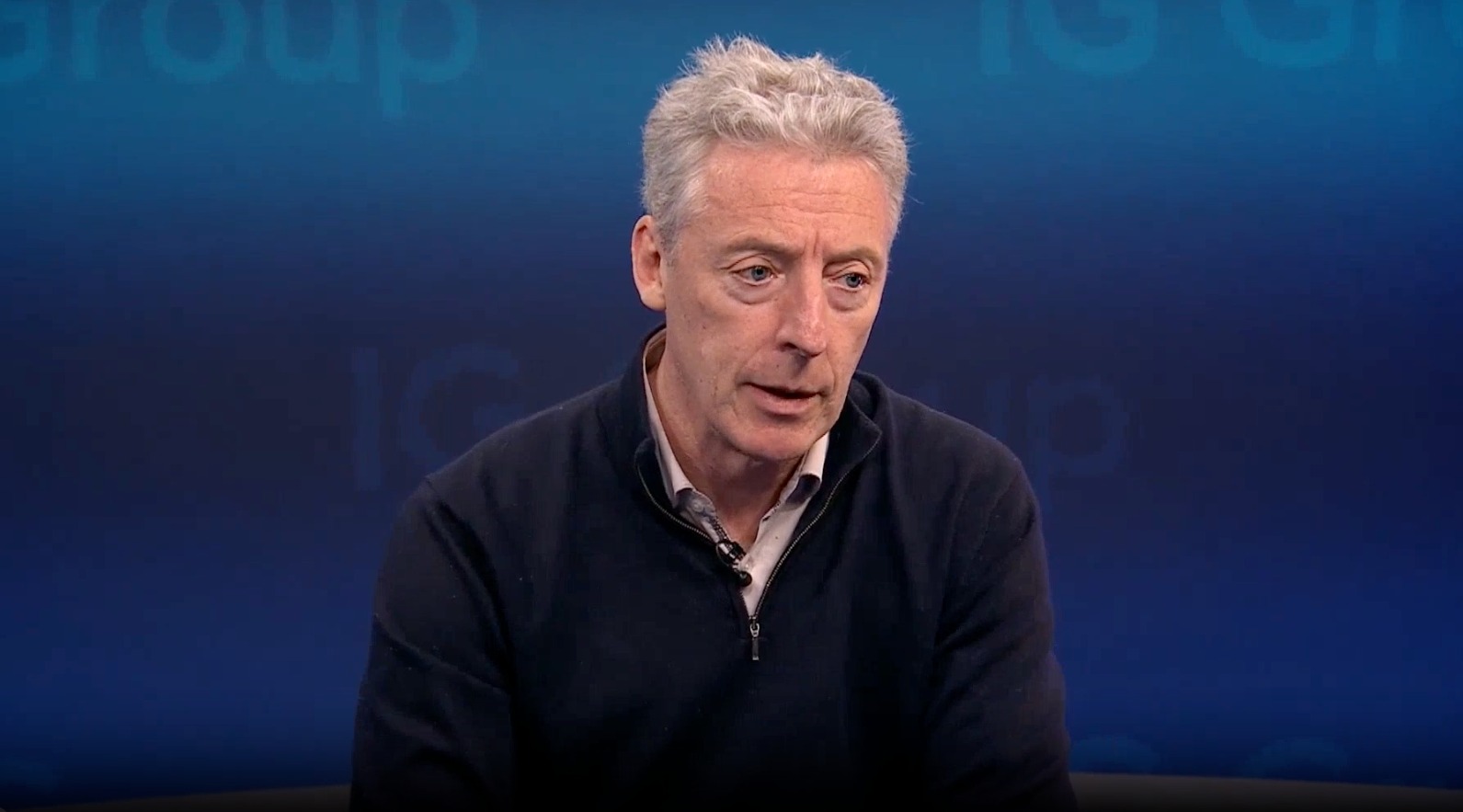
Joe Longo, the Chairman of ASIC
"Regulatory
complexity raises costs, stifles innovation and makes compliance harder,"
Longo said. "Simpler, clearer regulation is more enforceable but it also
means more seamless interactions with ASIC, more understandable rules to
protect consumers, and clearer compliance requirements."
Moving to E-Mails an
E-Signatures
The
regulator overhauled its website, cutting more than 9,000 pages of duplicated
content by 50%. It also created pilot "roadmaps" to help
small-company directors and financial advisers understand their obligations
more easily.
ASIC is
testing whether it can consolidate 23 separate legal instruments into fewer
documents, potentially eliminating at least 65 pages of requirements. The
agency has already cut 181 pages from guidance documents.
Starting
October 1, ASIC will accept electronic signatures on all forms and allow email
submission of certain documents that previously required physical mail. The
changes affect about 20,000 annual filings.
ASIC Streamlines Rules for
15,500 Advisers, 3.6 Million Companies
The
regulator processes more than 14.5 million transactions annually through its
online services, including 3.3 million document lodgments and 444,000
enquiries. Its registers are searched 299 million times each year.
ASIC's
simplification efforts come as Australian businesses face increasing regulatory
burdens. The regulator administers laws covering financial services, corporate
governance, markets, credit, and audit requirements across an economy with 3.6
million registered companies.
The agency
oversees 15,500 financial advisers, 4,466 credit licensees, 1,745 listed
companies, and hundreds of other regulated entities. Small businesses, which
employ about 5.36 million people and generate roughly one-third of Australia's
economic output, represent ASIC's largest stakeholder group.
"This
is a multi-year program of work and we want to hear more about what we should
consider for our next steps and initiatives," Longo said. "We want to
hear from those who engage with ASIC, what works, what doesn't, and what would
make the biggest difference."
ASIC Looks for Your
Feedback
The
regulator is seeking feedback on potential law reforms that stakeholders say
would further reduce compliance burdens. These include changes to reporting
requirements for financial services licensees and simplifying substantial
holding disclosure forms that institutional investors use.
ASIC is
accepting public submissions on its simplification proposals until October 15.
The agency says respondents can remain anonymous if they choose.
The
initiative reflects broader government efforts to boost economic productivity
by reducing regulatory drag on businesses. Treasury recently launched reviews
of multiple regulatory frameworks as part of productivity reform measures.
Australia's
financial market watchdog has eliminated more than 9,240 pages of regulatory
content this year as part of a sweeping effort to streamline rules that
businesses say have become too complex and costly to navigate.
ASIC Cuts Thousands of
Pages of Red Tape in Regulatory Overhaul
The
Australian Securities and Investments Commission (ASIC) released a report today
(Wednesday) outlining its first wave of simplification efforts, which include
consolidating dozens of legal instruments and launching new digital services to
replace paper-based processes.
ASIC Chairman
Joe Longo said the agency formed a consultative group with business and
consumer leaders late last year after hearing complaints about confusing
guidance, unwieldy websites, and overlapping legal requirements.
Joe Longo, the Chairman of ASIC
"Regulatory
complexity raises costs, stifles innovation and makes compliance harder,"
Longo said. "Simpler, clearer regulation is more enforceable but it also
means more seamless interactions with ASIC, more understandable rules to
protect consumers, and clearer compliance requirements."
Moving to E-Mails an
E-Signatures
The
regulator overhauled its website, cutting more than 9,000 pages of duplicated
content by 50%. It also created pilot "roadmaps" to help
small-company directors and financial advisers understand their obligations
more easily.
ASIC is
testing whether it can consolidate 23 separate legal instruments into fewer
documents, potentially eliminating at least 65 pages of requirements. The
agency has already cut 181 pages from guidance documents.
Starting
October 1, ASIC will accept electronic signatures on all forms and allow email
submission of certain documents that previously required physical mail. The
changes affect about 20,000 annual filings.
ASIC Streamlines Rules for
15,500 Advisers, 3.6 Million Companies
The
regulator processes more than 14.5 million transactions annually through its
online services, including 3.3 million document lodgments and 444,000
enquiries. Its registers are searched 299 million times each year.
ASIC's
simplification efforts come as Australian businesses face increasing regulatory
burdens. The regulator administers laws covering financial services, corporate
governance, markets, credit, and audit requirements across an economy with 3.6
million registered companies.
The agency
oversees 15,500 financial advisers, 4,466 credit licensees, 1,745 listed
companies, and hundreds of other regulated entities. Small businesses, which
employ about 5.36 million people and generate roughly one-third of Australia's
economic output, represent ASIC's largest stakeholder group.
"This
is a multi-year program of work and we want to hear more about what we should
consider for our next steps and initiatives," Longo said. "We want to
hear from those who engage with ASIC, what works, what doesn't, and what would
make the biggest difference."
ASIC Looks for Your
Feedback
The
regulator is seeking feedback on potential law reforms that stakeholders say
would further reduce compliance burdens. These include changes to reporting
requirements for financial services licensees and simplifying substantial
holding disclosure forms that institutional investors use.
ASIC is
accepting public submissions on its simplification proposals until October 15.
The agency says respondents can remain anonymous if they choose.
The
initiative reflects broader government efforts to boost economic productivity
by reducing regulatory drag on businesses. Treasury recently launched reviews
of multiple regulatory frameworks as part of productivity reform measures.
Damian Chmiel is a Senior Analyst & Editor at Finance Magnates with more than 15 years of experience in the CFD and online trading industry. Active as both a trader and journalist since 2010, he focuses on broker coverage, fintech innovation, and regulatory developments across Europe, the Middle East, and Asia.
His work includes interviews with C-level leaders at major brokerages and fintech platforms, as well as co-authoring Finance Magnates’ quarterly industry benchmarking reports. Damian’s reporting is data-driven, market-aware, and grounded in direct industry engagement. His analysis and commentary have also been cited by external media outlets, including Investing.com, Binance, The Asset, Stockhead, and Dispatch.
Education:
MA in Finance and Accounting, Cracow University of Economics
Italy’s Consob Tightens Net on AI-Fueled Scams With Fresh Website Bans
FP Markets Winner Spotlight 🏆 | Global Broker of the Year 2025 #Trading #Broker #Innovation #Shorts
FP Markets Winner Spotlight 🏆 | Global Broker of the Year 2025 #Trading #Broker #Innovation #Shorts
FP Markets takes the spotlight as Global Broker of the Year 2025 at the Finance Magnates Awards.
Martin Stoilov, Head of Client Experience, shares that trust, innovation, and people played a key role in the company’s success, supported by a strong foundation of integrity and client-centricity.
Following this milestone, FP Markets continues to focus on growth, technology investment, and its core values of transparency and excellence.
👉 Be part of FM Awards 2026: https://awards.financemagnates.com/#nominate
FP Markets takes the spotlight as Global Broker of the Year 2025 at the Finance Magnates Awards.
Martin Stoilov, Head of Client Experience, shares that trust, innovation, and people played a key role in the company’s success, supported by a strong foundation of integrity and client-centricity.
Following this milestone, FP Markets continues to focus on growth, technology investment, and its core values of transparency and excellence.
👉 Be part of FM Awards 2026: https://awards.financemagnates.com/#nominate
In this video, we review @HolaPrimeMarketsOfficial, a multi-asset forex and CFDs broker offering different account types, trading platforms, and flexible trading conditions.
We cover the broker’s overall offering, including account options, trading environment, platforms like MT4 and MT5, and additional services such as managed accounts and fast withdrawals.
Watch the full video to see if Hola Prime Markets fits your trading needs.
📣 Stay up to date with the latest in finance and trading. Follow Finance Magnates for industry news, insights, and global event coverage.
Connect with us:
🔗 LinkedIn: /financemagnates
👍 Facebook: /financemagnates
📸 Instagram: https://www.instagram.com/financemagnates
🐦 X: https://x.com/financemagnates
🎥 TikTok: https://www.tiktok.com/tag/financemagnates
▶️ YouTube: /@financemagnates_official
#HolaPrime #ForexBroker #CFDTrading #FinanceMagnates #Trading #Forex #BrokerReview
In this video, we review @HolaPrimeMarketsOfficial, a multi-asset forex and CFDs broker offering different account types, trading platforms, and flexible trading conditions.
We cover the broker’s overall offering, including account options, trading environment, platforms like MT4 and MT5, and additional services such as managed accounts and fast withdrawals.
Watch the full video to see if Hola Prime Markets fits your trading needs.
📣 Stay up to date with the latest in finance and trading. Follow Finance Magnates for industry news, insights, and global event coverage.
Connect with us:
🔗 LinkedIn: /financemagnates
👍 Facebook: /financemagnates
📸 Instagram: https://www.instagram.com/financemagnates
🐦 X: https://x.com/financemagnates
🎥 TikTok: https://www.tiktok.com/tag/financemagnates
▶️ YouTube: /@financemagnates_official
#HolaPrime #ForexBroker #CFDTrading #FinanceMagnates #Trading #Forex #BrokerReview
Hola Prime Review: What You Need to Know | Full Breakdown by Finance Magnates
Hola Prime Review: What You Need to Know | Full Breakdown by Finance Magnates
In this video, we review @HolaPrime_Global, a proprietary trading firm offering evaluation programs and performance-based payouts in simulated market environments.
We cover how the challenge model works, including account types, profit splits (up to 95%), trading rules, and what it takes to reach a funded account. You’ll also learn about available platforms like MT4, MT5, cTrader, and more, along with insights into payouts, support, and trading conditions.
Watch the full video to see if Hola Prime fits your trading style.
📣 Stay up to date with the latest in finance and trading. Follow Finance Magnates for industry news, insights, and global event coverage.
Connect with us:
🔗 LinkedIn: /financemagnates
👍 Facebook: /financemagnates
📸 Instagram: https://www.instagram.com/financemagnates
🐦 X: https://x.com/financemagnates
🎥 TikTok: https://www.tiktok.com/tag/financemagnates
▶️ YouTube: /@financemagnates_official
#HolaPrime #PropFirm #Trading #FinanceMagnates #Forex #FuturesTrading #TradingReview #PropFirmReview
In this video, we review @HolaPrime_Global, a proprietary trading firm offering evaluation programs and performance-based payouts in simulated market environments.
We cover how the challenge model works, including account types, profit splits (up to 95%), trading rules, and what it takes to reach a funded account. You’ll also learn about available platforms like MT4, MT5, cTrader, and more, along with insights into payouts, support, and trading conditions.
Watch the full video to see if Hola Prime fits your trading style.
📣 Stay up to date with the latest in finance and trading. Follow Finance Magnates for industry news, insights, and global event coverage.
Connect with us:
🔗 LinkedIn: /financemagnates
👍 Facebook: /financemagnates
📸 Instagram: https://www.instagram.com/financemagnates
🐦 X: https://x.com/financemagnates
🎥 TikTok: https://www.tiktok.com/tag/financemagnates
▶️ YouTube: /@financemagnates_official
#HolaPrime #PropFirm #Trading #FinanceMagnates #Forex #FuturesTrading #TradingReview #PropFirmReview
Axi Winner Spotlight 🏆 | Global Most Innovative Broker 2025 #Innovation #Trading #Fintech #Broker
Axi Winner Spotlight 🏆 | Global Most Innovative Broker 2025 #Innovation #Trading #Fintech #Broker
Axi takes the spotlight at the Finance Magnates Awards, winning Global Most Innovative Broker 2025.
Olivia Xenofontos and Ivanna Openko share how the team will feel: proud, motivated, and ready to keep delivering.
They also describe the night as well-organized, focused, and enjoyable for all.
👉 Be part of FM Awards 2026.
Axi takes the spotlight at the Finance Magnates Awards, winning Global Most Innovative Broker 2025.
Olivia Xenofontos and Ivanna Openko share how the team will feel: proud, motivated, and ready to keep delivering.
They also describe the night as well-organized, focused, and enjoyable for all.
👉 Be part of FM Awards 2026.
Recognition that matters.
Built on transparency.
Driven by the industry.
The Finance Magnates Awards 2026.
Nominations are now open.
🔗 https://awards.financemagnates.com/?utm_source=SM&utm_medium=social&utm_campaign=recognition-matters
Recognition that matters.
Built on transparency.
Driven by the industry.
The Finance Magnates Awards 2026.
Nominations are now open.
🔗 https://awards.financemagnates.com/?utm_source=SM&utm_medium=social&utm_campaign=recognition-matters