Financial and Business News

$53M Investor Cash Allegedly Lost To Gambling In Aussie Fund Scandal

Thursday, 11/09/2025 | 05:53 GMT by Damian Chmiel
  • Federal court extends asset preservation orders amid ASIC investigation into suspected misuse of investor funds.
  • Director Gregory Cotton must disclose financial details as the regulator probes missing investments.
gambling

Australia's financial regulator has secured extended court orders freezing the assets of investment firm First Mutual Private Equity and its director, Gregory Cotton, over allegations that $53 million in investor funds may have been diverted to gambling activities.

The Federal Court of Australia extended asset preservation orders originally imposed on Aug. 15, preventing Cotton and First Mutual from accessing bank accounts or incurring new liabilities until further notice. The orders were agreed to by consent, meaning the defendants did not contest the extension.

ASIC Probes Missing Investment Trail

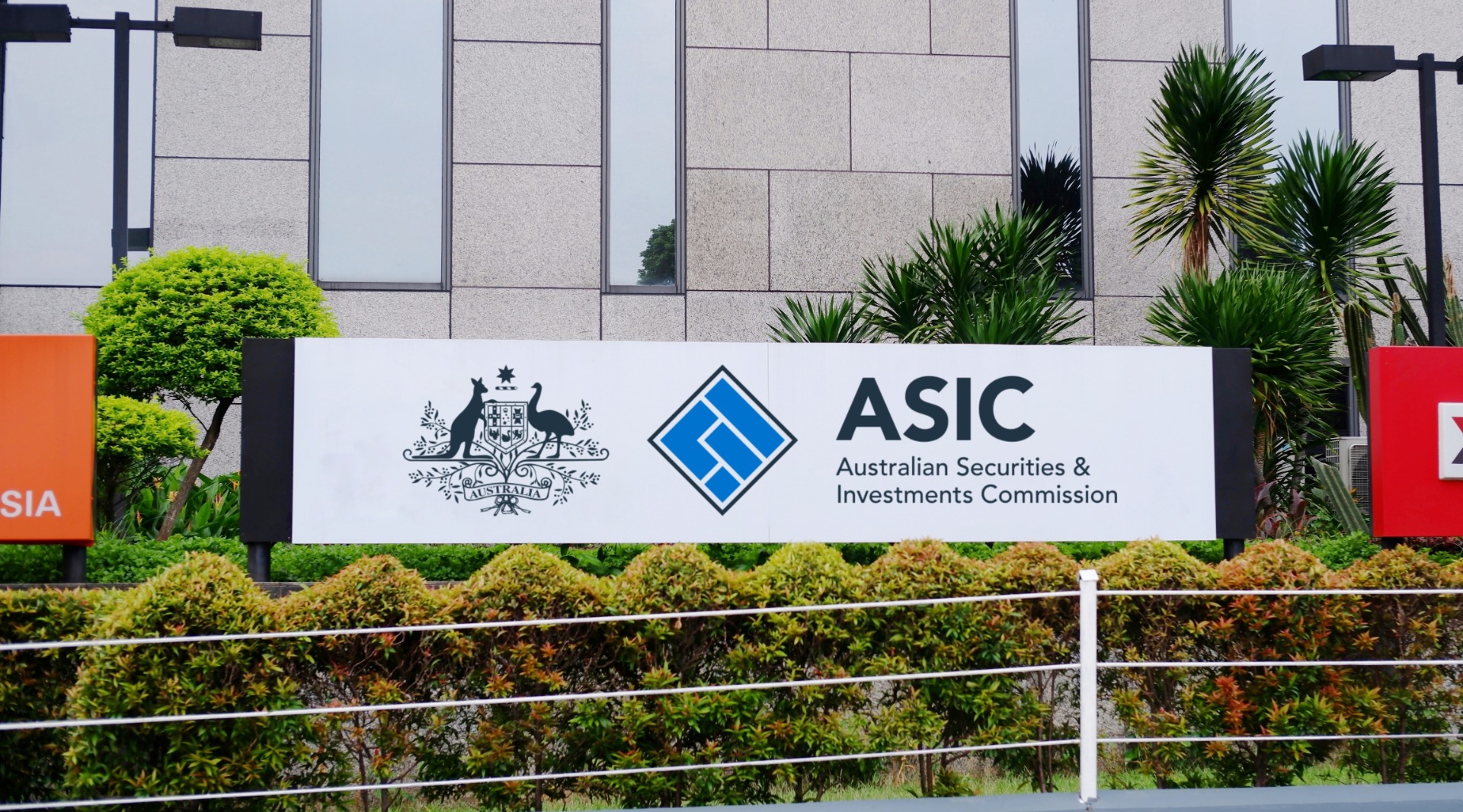
The Australian Securities and Investments Commission (ASIC) initiated the freeze after discovering that Cotton and First Mutual allegedly collected around $53 million from investors between March 2024 and July 2025, ostensibly for investment purposes. However, ASIC suspects a significant portion of these funds went toward gambling rather than legitimate investments.

“So far, no underlying investment of those monies can be identified by ASIC,” the regulator stated, raising questions about where the investor funds actually went.

Cotton must now file a detailed affidavit by Sept. 25 disclosing his personal and company assets, liabilities, income sources, and client relationships. The court order requires comprehensive financial disclosure while the investigation continues.

Court Allows Limited Living Expenses

While the asset freeze remains in place, the court permitted Cotton to withdraw up to $800 per week for ordinary living expenses. Both defendants can also pay legal costs related to the proceedings with five days' prior notice to ASIC .

The regulator is expanding its investigation to examine any investor payments made to Cotton and First Mutual before March 2024, suggesting the suspected scheme may have operated longer than initially known.

Related: ASIC Admits Its Own Rules Were Too Complex, Deletes 9,000 Pages of Red Tape

Separate Case Hits Australian Fiduciaries

In a related enforcement action announced the same day, ASIC secured court-appointed receivers for two more entities connected to troubled fund manager Australian Fiduciaries Limited. The Federal Court ordered receivers from SV Partners to take control of SRI Fiduciaries 2 and SRI Fiduciaries 3 on Sept. 4.

These appointments bring the total number of Australian Fiduciaries-related entities under court oversight to 30, all either in liquidation or subject to asset freezing orders. Around 600 retail investors put approximately $160 million into Australian Fiduciaries schemes since February 2020, primarily through self-managed super funds.

ASIC is investigating concerns about conflict management, investor sales practices, valuation failures, and asset value losses across the Australian Fiduciaries network. The fund manager stopped distributing units in September 2023.

Both cases highlight ASIC's intensified scrutiny of investment schemes that may be misusing retail investor funds, particularly those targeting self-managed superannuation fund investors.

You may also like: Australian Adviser Gets Six-Year Ban Over Fund Steering

Australia's financial regulator has secured extended court orders freezing the assets of investment firm First Mutual Private Equity and its director, Gregory Cotton, over allegations that $53 million in investor funds may have been diverted to gambling activities.

The Federal Court of Australia extended asset preservation orders originally imposed on Aug. 15, preventing Cotton and First Mutual from accessing bank accounts or incurring new liabilities until further notice. The orders were agreed to by consent, meaning the defendants did not contest the extension.

ASIC Probes Missing Investment Trail

The Australian Securities and Investments Commission (ASIC) initiated the freeze after discovering that Cotton and First Mutual allegedly collected around $53 million from investors between March 2024 and July 2025, ostensibly for investment purposes. However, ASIC suspects a significant portion of these funds went toward gambling rather than legitimate investments.

“So far, no underlying investment of those monies can be identified by ASIC,” the regulator stated, raising questions about where the investor funds actually went.

Cotton must now file a detailed affidavit by Sept. 25 disclosing his personal and company assets, liabilities, income sources, and client relationships. The court order requires comprehensive financial disclosure while the investigation continues.

Court Allows Limited Living Expenses

While the asset freeze remains in place, the court permitted Cotton to withdraw up to $800 per week for ordinary living expenses. Both defendants can also pay legal costs related to the proceedings with five days' prior notice to ASIC .

The regulator is expanding its investigation to examine any investor payments made to Cotton and First Mutual before March 2024, suggesting the suspected scheme may have operated longer than initially known.

Related: ASIC Admits Its Own Rules Were Too Complex, Deletes 9,000 Pages of Red Tape

Separate Case Hits Australian Fiduciaries

In a related enforcement action announced the same day, ASIC secured court-appointed receivers for two more entities connected to troubled fund manager Australian Fiduciaries Limited. The Federal Court ordered receivers from SV Partners to take control of SRI Fiduciaries 2 and SRI Fiduciaries 3 on Sept. 4.

These appointments bring the total number of Australian Fiduciaries-related entities under court oversight to 30, all either in liquidation or subject to asset freezing orders. Around 600 retail investors put approximately $160 million into Australian Fiduciaries schemes since February 2020, primarily through self-managed super funds.

ASIC is investigating concerns about conflict management, investor sales practices, valuation failures, and asset value losses across the Australian Fiduciaries network. The fund manager stopped distributing units in September 2023.

Both cases highlight ASIC's intensified scrutiny of investment schemes that may be misusing retail investor funds, particularly those targeting self-managed superannuation fund investors.

You may also like: Australian Adviser Gets Six-Year Ban Over Fund Steering

About the Author: Damian Chmiel
Damian Chmiel
  • 3065 Articles
  • 96 Followers
Damian's adventure with financial markets began at the Cracow University of Economics, where he obtained his MA in finance and accounting. Starting from the retail trader perspective, he collaborated with brokerage houses and financial portals in Poland as an independent editor and content manager. His adventure with Finance Magnates began in 2016, where he is working as a business intelligence analyst.

More from the Author

Retail FX