The regulator implements reform of enforcement disclosure procedures following the Upper Tribunal recommendation.
Changes include broader document review standards and enhanced staff training.
FCA says 90,000 retail investors lost £75m on CFDs at a single firm promoted by finfluencers
The UK's
Financial Conduct Authority (FCA) announced a major reform of its enforcement
disclosure procedures today (Monday), implementing broader document review
standards and enhanced staff training protocols in response to a recent Upper
Tribunal recommendation.
FCA Overhauls Enforcement
Disclosure Process Following Tribunal Recommendation
The
regulatory overhaul comes after the case against three former employees of
Julius Baer earlier this year, where the Upper Tribunal highlighted the need
for a comprehensive review of the FCA's disclosure practices in enforcement
cases.
“Under
our new broader approach, we will disclose all material that is relevant to the
facts of the matter, save where it is disproportionate, not in the public
interest, or otherwise inappropriate to do so,” the FCA commented. “This will
include all material that is potentially undermining as well as supportive
material.”
Key changes
include a more expansive document review methodology, specialized training
programs for disclosure management teams, and revised performance metrics that
emphasize the importance of thorough disclosure practices. The regulator will
now disclose all relevant case materials, except where such disclosure would be
disproportionate or against the public interest.
The FCA has
also introduced clearer guidelines defining staff roles and responsibilities in
the disclosure process, coupled with enhanced quality assurance measures. These
reforms aim to provide stronger support for case teams while maintaining
regulatory effectiveness.
The
regulator plans to evaluate the effectiveness of these changes through a
follow-up review in late 2025, demonstrating its commitment to continuous
improvement in enforcement procedures.
It’s another adjustment following last week’s sweeping revisions to bond and derivatives market transparency rules, marking the most extensive regulatory overhaul since Brexit. The UK is working to strengthen London’s role as a global financial hub.
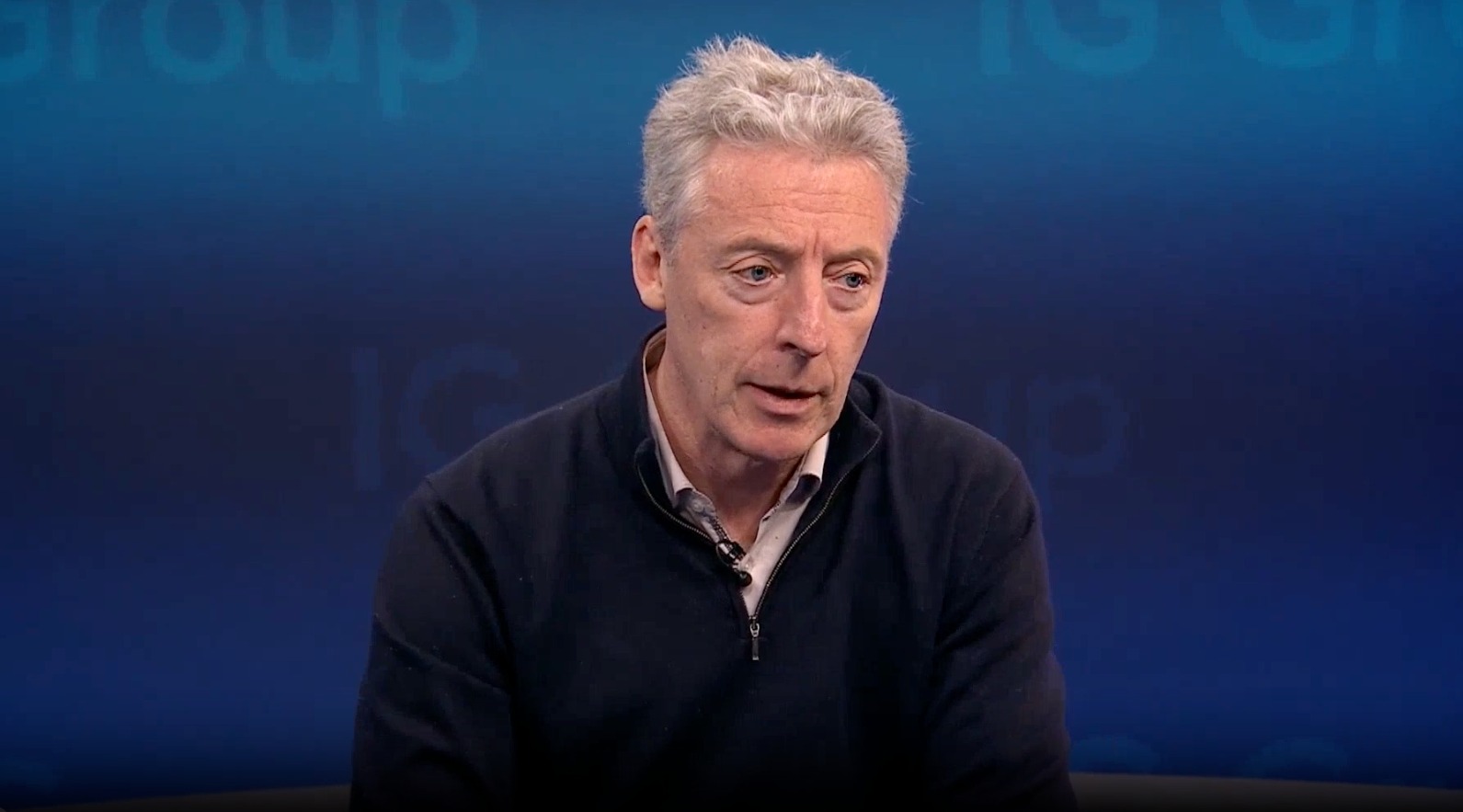
Jon Relleen, Director of Supervision, Policy and Competition at the FCA
“We want UK markets to be efficient and to support economic growth,” said Jon Relleen, Director of Supervision, Policy and Competition at the FCA. “Putting more information in the hands of investors and giving investment firms greater access to research to inform their strategies will bolster UK markets.”
What Was the “Seiler,
Whitestone and Raitzin” Case About
The Court
of Appeal recently concluded a significant case involving the FCA and three
former Julius Baer Group employees: Thomas Seiler, Louise Whitestone, and
Gustavo Raitzin. The case originated from the FCA's
£18 million fine against Julius Baer International Limited in February 2022,
followed by prohibition orders against the three individuals.
At the
heart of the dispute were allegations concerning Julius Baer's dealings with a
Yukos oil and gas company representative, involving “finder's fees”
paid through inflated foreign exchange transaction charges. The FCA claimed the
individuals lacked integrity by recklessly disregarding potential fund
misappropriation risks. However, the Upper Tribunal disagreed with the FCA's
assessment and criticized the regulator's investigation methods.
The FCA
faced particular scrutiny for its handling of evidence, specifically its
failure to call relevant witnesses and its problematic management of the
“Third FX Transaction,” where the regulator had presented incorrect
factual information when it initially issued its warning notice to the parties.
The Upper
Tribunal's criticism extended to the FCA's press release about the case, which
it described as “nothing short of disgraceful.” The Court of Appeal
ultimately upheld the Tribunal's costs order against the FCA, marking a
significant setback for the regulator's enforcement approach.
The UK's
Financial Conduct Authority (FCA) announced a major reform of its enforcement
disclosure procedures today (Monday), implementing broader document review
standards and enhanced staff training protocols in response to a recent Upper
Tribunal recommendation.
FCA Overhauls Enforcement
Disclosure Process Following Tribunal Recommendation
The
regulatory overhaul comes after the case against three former employees of
Julius Baer earlier this year, where the Upper Tribunal highlighted the need
for a comprehensive review of the FCA's disclosure practices in enforcement
cases.
“Under
our new broader approach, we will disclose all material that is relevant to the
facts of the matter, save where it is disproportionate, not in the public
interest, or otherwise inappropriate to do so,” the FCA commented. “This will
include all material that is potentially undermining as well as supportive
material.”
Key changes
include a more expansive document review methodology, specialized training
programs for disclosure management teams, and revised performance metrics that
emphasize the importance of thorough disclosure practices. The regulator will
now disclose all relevant case materials, except where such disclosure would be
disproportionate or against the public interest.
The FCA has
also introduced clearer guidelines defining staff roles and responsibilities in
the disclosure process, coupled with enhanced quality assurance measures. These
reforms aim to provide stronger support for case teams while maintaining
regulatory effectiveness.
The
regulator plans to evaluate the effectiveness of these changes through a
follow-up review in late 2025, demonstrating its commitment to continuous
improvement in enforcement procedures.
It’s another adjustment following last week’s sweeping revisions to bond and derivatives market transparency rules, marking the most extensive regulatory overhaul since Brexit. The UK is working to strengthen London’s role as a global financial hub.
Jon Relleen, Director of Supervision, Policy and Competition at the FCA
“We want UK markets to be efficient and to support economic growth,” said Jon Relleen, Director of Supervision, Policy and Competition at the FCA. “Putting more information in the hands of investors and giving investment firms greater access to research to inform their strategies will bolster UK markets.”
What Was the “Seiler,
Whitestone and Raitzin” Case About
The Court
of Appeal recently concluded a significant case involving the FCA and three
former Julius Baer Group employees: Thomas Seiler, Louise Whitestone, and
Gustavo Raitzin. The case originated from the FCA's
£18 million fine against Julius Baer International Limited in February 2022,
followed by prohibition orders against the three individuals.
At the
heart of the dispute were allegations concerning Julius Baer's dealings with a
Yukos oil and gas company representative, involving “finder's fees”
paid through inflated foreign exchange transaction charges. The FCA claimed the
individuals lacked integrity by recklessly disregarding potential fund
misappropriation risks. However, the Upper Tribunal disagreed with the FCA's
assessment and criticized the regulator's investigation methods.
The FCA
faced particular scrutiny for its handling of evidence, specifically its
failure to call relevant witnesses and its problematic management of the
“Third FX Transaction,” where the regulator had presented incorrect
factual information when it initially issued its warning notice to the parties.
The Upper
Tribunal's criticism extended to the FCA's press release about the case, which
it described as “nothing short of disgraceful.” The Court of Appeal
ultimately upheld the Tribunal's costs order against the FCA, marking a
significant setback for the regulator's enforcement approach.
Damian Chmiel is a Senior Analyst & Editor at Finance Magnates with more than 15 years of experience in the CFD and online trading industry. Active as both a trader and journalist since 2010, he focuses on broker coverage, fintech innovation, and regulatory developments across Europe, the Middle East, and Asia.
His work includes interviews with C-level leaders at major brokerages and fintech platforms, as well as co-authoring Finance Magnates’ quarterly industry benchmarking reports. Damian’s reporting is data-driven, market-aware, and grounded in direct industry engagement. His analysis and commentary have also been cited by external media outlets, including Investing.com, Binance, The Asset, Stockhead, and Dispatch.
Education:
MA in Finance and Accounting, Cracow University of Economics
Retail Traders Can Now Access Prediction Markets Through Binance Wallet
FP Markets Winner Spotlight 🏆 | Global Broker of the Year 2025 #Trading #Broker #Innovation #Shorts
FP Markets Winner Spotlight 🏆 | Global Broker of the Year 2025 #Trading #Broker #Innovation #Shorts
FP Markets takes the spotlight as Global Broker of the Year 2025 at the Finance Magnates Awards.
Martin Stoilov, Head of Client Experience, shares that trust, innovation, and people played a key role in the company’s success, supported by a strong foundation of integrity and client-centricity.
Following this milestone, FP Markets continues to focus on growth, technology investment, and its core values of transparency and excellence.
👉 Be part of FM Awards 2026: https://awards.financemagnates.com/#nominate
FP Markets takes the spotlight as Global Broker of the Year 2025 at the Finance Magnates Awards.
Martin Stoilov, Head of Client Experience, shares that trust, innovation, and people played a key role in the company’s success, supported by a strong foundation of integrity and client-centricity.
Following this milestone, FP Markets continues to focus on growth, technology investment, and its core values of transparency and excellence.
👉 Be part of FM Awards 2026: https://awards.financemagnates.com/#nominate
In this video, we review @HolaPrimeMarketsOfficial, a multi-asset forex and CFDs broker offering different account types, trading platforms, and flexible trading conditions.
We cover the broker’s overall offering, including account options, trading environment, platforms like MT4 and MT5, and additional services such as managed accounts and fast withdrawals.
Watch the full video to see if Hola Prime Markets fits your trading needs.
📣 Stay up to date with the latest in finance and trading. Follow Finance Magnates for industry news, insights, and global event coverage.
Connect with us:
🔗 LinkedIn: /financemagnates
👍 Facebook: /financemagnates
📸 Instagram: https://www.instagram.com/financemagnates
🐦 X: https://x.com/financemagnates
🎥 TikTok: https://www.tiktok.com/tag/financemagnates
▶️ YouTube: /@financemagnates_official
#HolaPrime #ForexBroker #CFDTrading #FinanceMagnates #Trading #Forex #BrokerReview
In this video, we review @HolaPrimeMarketsOfficial, a multi-asset forex and CFDs broker offering different account types, trading platforms, and flexible trading conditions.
We cover the broker’s overall offering, including account options, trading environment, platforms like MT4 and MT5, and additional services such as managed accounts and fast withdrawals.
Watch the full video to see if Hola Prime Markets fits your trading needs.
📣 Stay up to date with the latest in finance and trading. Follow Finance Magnates for industry news, insights, and global event coverage.
Connect with us:
🔗 LinkedIn: /financemagnates
👍 Facebook: /financemagnates
📸 Instagram: https://www.instagram.com/financemagnates
🐦 X: https://x.com/financemagnates
🎥 TikTok: https://www.tiktok.com/tag/financemagnates
▶️ YouTube: /@financemagnates_official
#HolaPrime #ForexBroker #CFDTrading #FinanceMagnates #Trading #Forex #BrokerReview
Hola Prime Review: What You Need to Know | Full Breakdown by Finance Magnates
Hola Prime Review: What You Need to Know | Full Breakdown by Finance Magnates
In this video, we review @HolaPrime_Global, a proprietary trading firm offering evaluation programs and performance-based payouts in simulated market environments.
We cover how the challenge model works, including account types, profit splits (up to 95%), trading rules, and what it takes to reach a funded account. You’ll also learn about available platforms like MT4, MT5, cTrader, and more, along with insights into payouts, support, and trading conditions.
Watch the full video to see if Hola Prime fits your trading style.
📣 Stay up to date with the latest in finance and trading. Follow Finance Magnates for industry news, insights, and global event coverage.
Connect with us:
🔗 LinkedIn: /financemagnates
👍 Facebook: /financemagnates
📸 Instagram: https://www.instagram.com/financemagnates
🐦 X: https://x.com/financemagnates
🎥 TikTok: https://www.tiktok.com/tag/financemagnates
▶️ YouTube: /@financemagnates_official
#HolaPrime #PropFirm #Trading #FinanceMagnates #Forex #FuturesTrading #TradingReview #PropFirmReview
In this video, we review @HolaPrime_Global, a proprietary trading firm offering evaluation programs and performance-based payouts in simulated market environments.
We cover how the challenge model works, including account types, profit splits (up to 95%), trading rules, and what it takes to reach a funded account. You’ll also learn about available platforms like MT4, MT5, cTrader, and more, along with insights into payouts, support, and trading conditions.
Watch the full video to see if Hola Prime fits your trading style.
📣 Stay up to date with the latest in finance and trading. Follow Finance Magnates for industry news, insights, and global event coverage.
Connect with us:
🔗 LinkedIn: /financemagnates
👍 Facebook: /financemagnates
📸 Instagram: https://www.instagram.com/financemagnates
🐦 X: https://x.com/financemagnates
🎥 TikTok: https://www.tiktok.com/tag/financemagnates
▶️ YouTube: /@financemagnates_official
#HolaPrime #PropFirm #Trading #FinanceMagnates #Forex #FuturesTrading #TradingReview #PropFirmReview
Axi Winner Spotlight 🏆 | Global Most Innovative Broker 2025 #Innovation #Trading #Fintech #Broker
Axi Winner Spotlight 🏆 | Global Most Innovative Broker 2025 #Innovation #Trading #Fintech #Broker
Axi takes the spotlight at the Finance Magnates Awards, winning Global Most Innovative Broker 2025.
Olivia Xenofontos and Ivanna Openko share how the team will feel: proud, motivated, and ready to keep delivering.
They also describe the night as well-organized, focused, and enjoyable for all.
👉 Be part of FM Awards 2026.
Axi takes the spotlight at the Finance Magnates Awards, winning Global Most Innovative Broker 2025.
Olivia Xenofontos and Ivanna Openko share how the team will feel: proud, motivated, and ready to keep delivering.
They also describe the night as well-organized, focused, and enjoyable for all.
👉 Be part of FM Awards 2026.
Recognition that matters.
Built on transparency.
Driven by the industry.
The Finance Magnates Awards 2026.
Nominations are now open.
🔗 https://awards.financemagnates.com/?utm_source=SM&utm_medium=social&utm_campaign=recognition-matters
Recognition that matters.
Built on transparency.
Driven by the industry.
The Finance Magnates Awards 2026.
Nominations are now open.
🔗 https://awards.financemagnates.com/?utm_source=SM&utm_medium=social&utm_campaign=recognition-matters