CFTC Sues Arizona, Connecticut, and Illinois for Overreach on Prediction Markets

Thursday, 02/04/2026 | 19:09 GMT by Jared Kirui
  • Chair Michael Selig earlier said that the regulator will defend its exclusive jurisdiction on the prediction markets.
  • The regulator maintains that prediction market contracts are derivatives, not gambling, and that insider trading laws apply.
CFTC

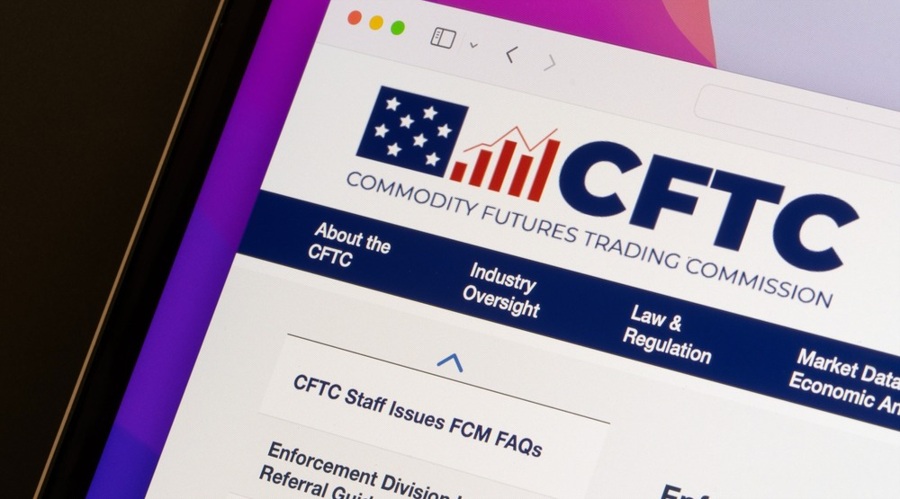
The Commodity Futures Trading Commission (CFTC) has filed lawsuits against Arizona, Connecticut, and Illinois, accusing them of interfering in markets under federal jurisdiction. The regulator claims the states acted unlawfully by attempting to restrict or regulate designated contract markets (DCMs) that operate under CFTC approval.

Singapore Summit: Meet the largest APAC brokers you know (and those you still don't!)

Federal Jurisdiction Dispute

According to the CFTC , the Commodity Exchange Act (CEA) grants it exclusive authority to oversee event contracts, which allow trading based on outcomes such as elections or company performance. The lawsuits aim to reaffirm that state regulators have no power to impose separate rules or bans on such activities.

“The CFTC will continue to safeguard its exclusive regulatory authority over these markets and defend market participants against overzealous state regulators,” said Chairman Michael S. Selig. He added that Congress rejected fragmented state oversight to prevent inconsistent standards and greater risk of fraud.

The new lawsuits extend a campaign that CFTC Chair Michael Selig started earlier this year to defend prediction markets from state-level challenges. In February, he said the agency had filed an amicus brief in ongoing cases and warned that state regulators “will see” the CFTC in court as it seeks to assert what he calls its exclusive jurisdiction over event contracts.

Clarifying the Regulatory Framework

The commission recently issued an Advanced Notice of Proposed Rulemaking to address confusion surrounding the application of federal rules to prediction markets. The CFTC officially recognized event contracts in 1992 through the Iowa Electronic Markets and gained expanded authority after the 2008 financial crisis.

The legal actions seek to reinforce a unified federal approach and protect market operators from conflicting state regulations that could disrupt the growing prediction market sector.

Selig’s position marks a shift from the agency’s earlier attempts to shut down political and event‑based markets run by platforms such as Polymarket and Kalshi.

Courts pushed back against parts of that crackdown, and after Donald Trump returned to the White House and replaced the CFTC’s leadership, the commission dropped those cases and withdrew a proposal that would have imposed broad restrictions on political and sports prediction markets.

The CFTC has also clarified that prediction market contracts fall under derivatives rules, not gambling laws, and that insider trading regulations fully apply. In his first public comments as Enforcement Director, David Miller said it is “wrong” to assume insider trading does not apply to these markets, stressing that firms must treat event-based trading like any other financial product when it comes to the use of non-public information.

The Commodity Futures Trading Commission (CFTC) has filed lawsuits against Arizona, Connecticut, and Illinois, accusing them of interfering in markets under federal jurisdiction. The regulator claims the states acted unlawfully by attempting to restrict or regulate designated contract markets (DCMs) that operate under CFTC approval.

Singapore Summit: Meet the largest APAC brokers you know (and those you still don't!)

Federal Jurisdiction Dispute

According to the CFTC , the Commodity Exchange Act (CEA) grants it exclusive authority to oversee event contracts, which allow trading based on outcomes such as elections or company performance. The lawsuits aim to reaffirm that state regulators have no power to impose separate rules or bans on such activities.

“The CFTC will continue to safeguard its exclusive regulatory authority over these markets and defend market participants against overzealous state regulators,” said Chairman Michael S. Selig. He added that Congress rejected fragmented state oversight to prevent inconsistent standards and greater risk of fraud.

The new lawsuits extend a campaign that CFTC Chair Michael Selig started earlier this year to defend prediction markets from state-level challenges. In February, he said the agency had filed an amicus brief in ongoing cases and warned that state regulators “will see” the CFTC in court as it seeks to assert what he calls its exclusive jurisdiction over event contracts.

Clarifying the Regulatory Framework

The commission recently issued an Advanced Notice of Proposed Rulemaking to address confusion surrounding the application of federal rules to prediction markets. The CFTC officially recognized event contracts in 1992 through the Iowa Electronic Markets and gained expanded authority after the 2008 financial crisis.

The legal actions seek to reinforce a unified federal approach and protect market operators from conflicting state regulations that could disrupt the growing prediction market sector.

Selig’s position marks a shift from the agency’s earlier attempts to shut down political and event‑based markets run by platforms such as Polymarket and Kalshi.

Courts pushed back against parts of that crackdown, and after Donald Trump returned to the White House and replaced the CFTC’s leadership, the commission dropped those cases and withdrew a proposal that would have imposed broad restrictions on political and sports prediction markets.

The CFTC has also clarified that prediction market contracts fall under derivatives rules, not gambling laws, and that insider trading regulations fully apply. In his first public comments as Enforcement Director, David Miller said it is “wrong” to assume insider trading does not apply to these markets, stressing that firms must treat event-based trading like any other financial product when it comes to the use of non-public information.

About the Author: Jared Kirui
Jared Kirui
  • 2725 Articles
  • 53 Followers
About the Author: Jared Kirui
Jared Kirui is an Editor at Finance Magnates with more than five years of experience in financial journalism. He covers online trading, fintech, payments, and crypto industries with a focus on companies, regulation and compliance, executive moves, trading technology, and market analysis. His work has been featured in other media outlets, including Benzinga, ZyCrypto, The Distributed, and The Daily Hodl. Education: Bachelor of Commerce degree (Finance option), University of Nairobi
  • 2725 Articles
  • 53 Followers

More from the Author

Retail FX

!"#$%&'()*+,-./0123456789:;<=>?@ABCDEFGHIJKLMNOPQRSTUVWXYZ[\]^_`abcdefghijklmnopqrstuvwxyz{|} !"#$%&'()*+,-./0123456789:;<=>?@ABCDEFGHIJKLMNOPQRSTUVWXYZ[\]^_`abcdefghijklmnopqrstuvwxyz{|}