>
iBroker CEO: 'CNMV New Rules Will Require Major Changes From Us'
iBroker CEO: 'CNMV New Rules Will Require Major Changes From Us'
Wednesday,05/04/2017|08:42GMTby
Dan Magen
Finance Magnates sat down with Enrique Martí to speak about regulations, customer protection and cutting edge technology.
Finance Magnates
Following the footsteps of its fellow European financial regulators, the Comision Nacional del Mercado de Valores (CNMV), the financial regulatory body of Spain, has decided to increase costumer protection by issuing a new set of rules regarding risk disclosure, trading costs, leverage and advertising requirements.
Please tell us about yourself and how you reached your current role.
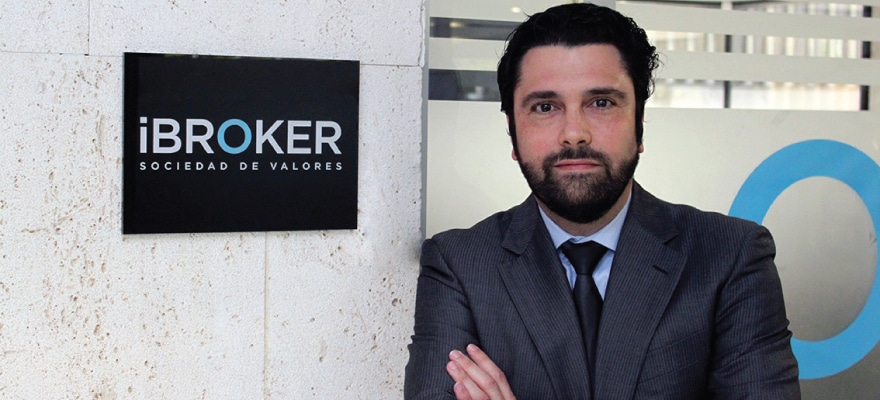
I have been involved in this industry since 2003, working as a manager for financial companies like Interdin, CMC Markets, Auriga and now as CEO and partner of iBroker Global Markets, Sociedad de Valores. My current role involves general supervision of the business, with special focus on sales, marketing, legal and compliance.
Compared with fellow EU regulators, the Spanish watchdog seems to be adopting a lighter approach. What is your take on this?
I personally believe the recent regulation issued by the CNMV is far from being considered 'light'. Just the opposite, it will demand a big effort for all the brokers, local and foreign, which currently provide services to the Spanish retail investors. It will require major changes in our internal processes as well as the development of new features on our respective front ends.
It does not seem to me a soft approach, but a balanced move from the CNMV to ensure the appropriate customer protection, without imposing any sort of bans that would go against the personal freedom of everyone to invest in what they consider may be good for them.
What are the main changes that brokers will have to implement?
I personally believe the recent regulation issued by the CNMV is far from being considered 'light'
For online trading, the regulator requires these new set of rules to be implemented using warning alerts inside the trading platforms, making them visible to customers immediately before they want to trade and capturing the written consent on their own trading device (web or mobile). We all will need to adapt our trading front ends urgently, to be fully compliant with the Spanish watchdog mandate in a months time.
What do you think about the effectiveness of these new requirements? Will they enhance client protection?
I have mixed opinions about this. On one side the client will certainly be better informed and will have to acknowledge these warnings, but on the other side these warning barriers will be a hurdle when trading; having to type on the keyboard a warning acknowledgement phrase does not help at all on fast markets. Once brokers implement the warnings a narrow supervision from the CNMV will be needed to ensure we all comply with the new regulation so all brokers offer the same quality of service.
Similar rules were already in place in Spain from 2013, regarding the suitability test and the way a non-suitable client should be advised of this condition, on every trade, immediately before they trade and capturing, electronically, written consent. This rule was never adopted by some players here in Spain. Hope this time, and for the good of our industry, things will be completely different.
Is the one month transition period sufficient to implement the new rules?
It will be hard, no doubt about it. At iBroker we have already created a special committee, with the only goal of arriving to the 17th of April with a valid solution for the regulator.
How can multi-national brokers comply with the new demands? Will they have to apply the same protection measures to their non-Spanish traders?
To be honest, I am not able to anticipate how multinational brokers are going to deal with this new regulation in Spain. Ideally, they should implement this solution at a country level, affecting just the Spanish traders, but not 'imposing' a specific Spanish measure to all their client base worldwide.
How do you view the current state of the industry in the EU?
I foresee a transformation phase in the industry, locally in Spain, as well as in the EU. Regulation and reporting challenges cannot be addressed from small size companies, neither outsourcing core services that hit the heart of the business. But to be clear, I am not saying the biggest players will survive, but the opposite, only the companies that knew how to smartly manage cost efficiency with cutting edge technology will be leaders in the coming years.
What new fields or opportunities do you see as growth potential in the market?
We are a financial company, but the reality is that technology drives every single step of our journey. We need to provide a cutting edge technology to your clients, but at the same time we have to be prepared to adapt this technology to multiple and different requirements. Flexibility to adapt to customer needs and to the always changing regulatory requirements is for me the key to succeeding on this business.
To be honest, I am not able to anticipate how multinational brokers are going to deal with this new regulation in Spain
Also, I see growth potential in exchange traded products. With all these recent new regulations for OTC products across Europe, I can foresee a push for on-exchange products. Futures and options is a field we have always focused on and that we will keep expanding on our product range. We have recently added LMAX Exchange to our CFDs and FX offering, and we are observing that our clients are liking the experience of trading OTC instruments on a regulated exchange, where price fairness and execution transparency is guaranteed.
What are your goals for the company over the next few years?
We want to consolidate iBroker as the number one in Spain offering listed and OTC derivatives to retail investors. In the middle term, we have plans for expanding the business in other UE countries. We currently do business in the UK and the USA, licensing our trading platforms to top brokers and dealers on these regions. We know our proprietary technology is very much appreciated by semi-professionals traders and advanced profiles.
Following the footsteps of its fellow European financial regulators, the Comision Nacional del Mercado de Valores (CNMV), the financial regulatory body of Spain, has decided to increase costumer protection by issuing a new set of rules regarding risk disclosure, trading costs, leverage and advertising requirements.
Please tell us about yourself and how you reached your current role.
I have been involved in this industry since 2003, working as a manager for financial companies like Interdin, CMC Markets, Auriga and now as CEO and partner of iBroker Global Markets, Sociedad de Valores. My current role involves general supervision of the business, with special focus on sales, marketing, legal and compliance.
Compared with fellow EU regulators, the Spanish watchdog seems to be adopting a lighter approach. What is your take on this?
I personally believe the recent regulation issued by the CNMV is far from being considered 'light'. Just the opposite, it will demand a big effort for all the brokers, local and foreign, which currently provide services to the Spanish retail investors. It will require major changes in our internal processes as well as the development of new features on our respective front ends.
It does not seem to me a soft approach, but a balanced move from the CNMV to ensure the appropriate customer protection, without imposing any sort of bans that would go against the personal freedom of everyone to invest in what they consider may be good for them.
What are the main changes that brokers will have to implement?
I personally believe the recent regulation issued by the CNMV is far from being considered 'light'
For online trading, the regulator requires these new set of rules to be implemented using warning alerts inside the trading platforms, making them visible to customers immediately before they want to trade and capturing the written consent on their own trading device (web or mobile). We all will need to adapt our trading front ends urgently, to be fully compliant with the Spanish watchdog mandate in a months time.
What do you think about the effectiveness of these new requirements? Will they enhance client protection?
I have mixed opinions about this. On one side the client will certainly be better informed and will have to acknowledge these warnings, but on the other side these warning barriers will be a hurdle when trading; having to type on the keyboard a warning acknowledgement phrase does not help at all on fast markets. Once brokers implement the warnings a narrow supervision from the CNMV will be needed to ensure we all comply with the new regulation so all brokers offer the same quality of service.
Similar rules were already in place in Spain from 2013, regarding the suitability test and the way a non-suitable client should be advised of this condition, on every trade, immediately before they trade and capturing, electronically, written consent. This rule was never adopted by some players here in Spain. Hope this time, and for the good of our industry, things will be completely different.
Is the one month transition period sufficient to implement the new rules?
It will be hard, no doubt about it. At iBroker we have already created a special committee, with the only goal of arriving to the 17th of April with a valid solution for the regulator.
How can multi-national brokers comply with the new demands? Will they have to apply the same protection measures to their non-Spanish traders?
To be honest, I am not able to anticipate how multinational brokers are going to deal with this new regulation in Spain. Ideally, they should implement this solution at a country level, affecting just the Spanish traders, but not 'imposing' a specific Spanish measure to all their client base worldwide.
How do you view the current state of the industry in the EU?
I foresee a transformation phase in the industry, locally in Spain, as well as in the EU. Regulation and reporting challenges cannot be addressed from small size companies, neither outsourcing core services that hit the heart of the business. But to be clear, I am not saying the biggest players will survive, but the opposite, only the companies that knew how to smartly manage cost efficiency with cutting edge technology will be leaders in the coming years.
What new fields or opportunities do you see as growth potential in the market?
We are a financial company, but the reality is that technology drives every single step of our journey. We need to provide a cutting edge technology to your clients, but at the same time we have to be prepared to adapt this technology to multiple and different requirements. Flexibility to adapt to customer needs and to the always changing regulatory requirements is for me the key to succeeding on this business.
To be honest, I am not able to anticipate how multinational brokers are going to deal with this new regulation in Spain
Also, I see growth potential in exchange traded products. With all these recent new regulations for OTC products across Europe, I can foresee a push for on-exchange products. Futures and options is a field we have always focused on and that we will keep expanding on our product range. We have recently added LMAX Exchange to our CFDs and FX offering, and we are observing that our clients are liking the experience of trading OTC instruments on a regulated exchange, where price fairness and execution transparency is guaranteed.
What are your goals for the company over the next few years?
We want to consolidate iBroker as the number one in Spain offering listed and OTC derivatives to retail investors. In the middle term, we have plans for expanding the business in other UE countries. We currently do business in the UK and the USA, licensing our trading platforms to top brokers and dealers on these regions. We know our proprietary technology is very much appreciated by semi-professionals traders and advanced profiles.
Most Axi Clients Now Trade on MetaTrader 5 as Broker Rolls Out MetaQuotes' Order Engine
Featured Videos
AvaTrade to Acquire Most of FXCM; NAGA Raises $8M
AvaTrade to Acquire Most of FXCM; NAGA Raises $8M
AvaTrade to Acquire Most of FXCM; NAGA Raises $8M
AvaTrade to Acquire Most of FXCM; NAGA Raises $8M
Today’s financial news recap covers AvaTrade agrees to acquire most of FXCM, NAGA secures eight million dollars in new financing, and Wise seeks a tax settlement in the UK.
Finance Magnates Daily Recap brings you the latest news from forex and CFD brokers, fintech, payments, cryptocurrency, digital assets, trading platforms, financial regulation and global markets.
Get the key company news, executive moves, deals, regulatory updates and market developments of the day, in just a few minutes. New episodes published every weekday.
Read more: https://www.financemagnates.com
#FinanceMagnates #ForexNews #FintechNews
Today’s financial news recap covers AvaTrade agrees to acquire most of FXCM, NAGA secures eight million dollars in new financing, and Wise seeks a tax settlement in the UK.
Finance Magnates Daily Recap brings you the latest news from forex and CFD brokers, fintech, payments, cryptocurrency, digital assets, trading platforms, financial regulation and global markets.
Get the key company news, executive moves, deals, regulatory updates and market developments of the day, in just a few minutes. New episodes published every weekday.
Read more: https://www.financemagnates.com
#FinanceMagnates #ForexNews #FintechNews
Today’s financial news recap covers AvaTrade agrees to acquire most of FXCM, NAGA secures eight million dollars in new financing, and Wise seeks a tax settlement in the UK.
Finance Magnates Daily Recap brings you the latest news from forex and CFD brokers, fintech, payments, cryptocurrency, digital assets, trading platforms, financial regulation and global markets.
Get the key company news, executive moves, deals, regulatory updates and market developments of the day, in just a few minutes. New episodes published every weekday.
Read more: https://www.financemagnates.com
#FinanceMagnates #ForexNews #FintechNews
Today’s financial news recap covers AvaTrade agrees to acquire most of FXCM, NAGA secures eight million dollars in new financing, and Wise seeks a tax settlement in the UK.
Finance Magnates Daily Recap brings you the latest news from forex and CFD brokers, fintech, payments, cryptocurrency, digital assets, trading platforms, financial regulation and global markets.
Get the key company news, executive moves, deals, regulatory updates and market developments of the day, in just a few minutes. New episodes published every weekday.
Read more: https://www.financemagnates.com
#FinanceMagnates #ForexNews #FintechNews
XTB Adds Overnight US Stock Trading; Nasdaq Ventures Invests in One Trading
XTB Adds Overnight US Stock Trading; Nasdaq Ventures Invests in One Trading
XTB Adds Overnight US Stock Trading; Nasdaq Ventures Invests in One Trading
XTB Adds Overnight US Stock Trading; Nasdaq Ventures Invests in One Trading
XTB Adds Overnight US Stock Trading; Nasdaq Ventures Invests in One Trading
XTB Adds Overnight US Stock Trading; Nasdaq Ventures Invests in One Trading
Today’s financial news recap covers XTB expands overnight US stock trading, Fortrade reports higher revenue, Nasdaq backs One Trading, and Vest Labs raises 13 million dollars.
Finance Magnates Daily Recap brings you the latest news from forex and CFD brokers, fintech, payments, cryptocurrency, digital assets, trading platforms, financial regulation and global markets.
Get the key company news, executive moves, deals, regulatory updates and market developments of the day, in just a few minutes. New episodes published every weekday.
Read more: https://www.financemagnates.com
#FinanceMagnates #ForexNews #FintechNews
Today’s financial news recap covers XTB expands overnight US stock trading, Fortrade reports higher revenue, Nasdaq backs One Trading, and Vest Labs raises 13 million dollars.
Finance Magnates Daily Recap brings you the latest news from forex and CFD brokers, fintech, payments, cryptocurrency, digital assets, trading platforms, financial regulation and global markets.
Get the key company news, executive moves, deals, regulatory updates and market developments of the day, in just a few minutes. New episodes published every weekday.
Read more: https://www.financemagnates.com
#FinanceMagnates #ForexNews #FintechNews
Today’s financial news recap covers XTB expands overnight US stock trading, Fortrade reports higher revenue, Nasdaq backs One Trading, and Vest Labs raises 13 million dollars.
Finance Magnates Daily Recap brings you the latest news from forex and CFD brokers, fintech, payments, cryptocurrency, digital assets, trading platforms, financial regulation and global markets.
Get the key company news, executive moves, deals, regulatory updates and market developments of the day, in just a few minutes. New episodes published every weekday.
Read more: https://www.financemagnates.com
#FinanceMagnates #ForexNews #FintechNews
Today’s financial news recap covers XTB expands overnight US stock trading, Fortrade reports higher revenue, Nasdaq backs One Trading, and Vest Labs raises 13 million dollars.
Finance Magnates Daily Recap brings you the latest news from forex and CFD brokers, fintech, payments, cryptocurrency, digital assets, trading platforms, financial regulation and global markets.
Get the key company news, executive moves, deals, regulatory updates and market developments of the day, in just a few minutes. New episodes published every weekday.
Read more: https://www.financemagnates.com
#FinanceMagnates #ForexNews #FintechNews
Today’s financial news recap covers XTB expands overnight US stock trading, Fortrade reports higher revenue, Nasdaq backs One Trading, and Vest Labs raises 13 million dollars.
Finance Magnates Daily Recap brings you the latest news from forex and CFD brokers, fintech, payments, cryptocurrency, digital assets, trading platforms, financial regulation and global markets.
Get the key company news, executive moves, deals, regulatory updates and market developments of the day, in just a few minutes. New episodes published every weekday.
Read more: https://www.financemagnates.com
#FinanceMagnates #ForexNews #FintechNews
Today’s financial news recap covers XTB expands overnight US stock trading, Fortrade reports higher revenue, Nasdaq backs One Trading, and Vest Labs raises 13 million dollars.
Finance Magnates Daily Recap brings you the latest news from forex and CFD brokers, fintech, payments, cryptocurrency, digital assets, trading platforms, financial regulation and global markets.
Get the key company news, executive moves, deals, regulatory updates and market developments of the day, in just a few minutes. New episodes published every weekday.
Read more: https://www.financemagnates.com
#FinanceMagnates #ForexNews #FintechNews
CMC Founder Downplays Volatility Hit; Devexperts Names CEO
CMC Founder Downplays Volatility Hit; Devexperts Names CEO
CMC Founder Downplays Volatility Hit; Devexperts Names CEO
CMC Founder Downplays Volatility Hit; Devexperts Names CEO
CMC Founder Downplays Volatility Hit; Devexperts Names CEO
CMC Founder Downplays Volatility Hit; Devexperts Names CEO
Today’s financial news recap covers low volatility pressures brokers, Devexperts names a new CEO, Saxo cuts onboarding time, and OKX reaches a 25 billion dollar valuation.
Finance Magnates Daily Recap brings you the latest news from forex and CFD brokers, fintech, payments, cryptocurrency, digital assets, trading platforms, financial regulation and global markets.
Get the key company news, executive moves, deals, regulatory updates and market developments of the day, in just a few minutes. New episodes published every weekday.
Read more: https://www.financemagnates.com
#FinanceMagnates #ForexNews #FintechNews
Today’s financial news recap covers low volatility pressures brokers, Devexperts names a new CEO, Saxo cuts onboarding time, and OKX reaches a 25 billion dollar valuation.
Finance Magnates Daily Recap brings you the latest news from forex and CFD brokers, fintech, payments, cryptocurrency, digital assets, trading platforms, financial regulation and global markets.
Get the key company news, executive moves, deals, regulatory updates and market developments of the day, in just a few minutes. New episodes published every weekday.
Read more: https://www.financemagnates.com
#FinanceMagnates #ForexNews #FintechNews
Today’s financial news recap covers low volatility pressures brokers, Devexperts names a new CEO, Saxo cuts onboarding time, and OKX reaches a 25 billion dollar valuation.
Finance Magnates Daily Recap brings you the latest news from forex and CFD brokers, fintech, payments, cryptocurrency, digital assets, trading platforms, financial regulation and global markets.
Get the key company news, executive moves, deals, regulatory updates and market developments of the day, in just a few minutes. New episodes published every weekday.
Read more: https://www.financemagnates.com
#FinanceMagnates #ForexNews #FintechNews
Today’s financial news recap covers low volatility pressures brokers, Devexperts names a new CEO, Saxo cuts onboarding time, and OKX reaches a 25 billion dollar valuation.
Finance Magnates Daily Recap brings you the latest news from forex and CFD brokers, fintech, payments, cryptocurrency, digital assets, trading platforms, financial regulation and global markets.
Get the key company news, executive moves, deals, regulatory updates and market developments of the day, in just a few minutes. New episodes published every weekday.
Read more: https://www.financemagnates.com
#FinanceMagnates #ForexNews #FintechNews
Today’s financial news recap covers low volatility pressures brokers, Devexperts names a new CEO, Saxo cuts onboarding time, and OKX reaches a 25 billion dollar valuation.
Finance Magnates Daily Recap brings you the latest news from forex and CFD brokers, fintech, payments, cryptocurrency, digital assets, trading platforms, financial regulation and global markets.
Get the key company news, executive moves, deals, regulatory updates and market developments of the day, in just a few minutes. New episodes published every weekday.
Read more: https://www.financemagnates.com
#FinanceMagnates #ForexNews #FintechNews
Today’s financial news recap covers low volatility pressures brokers, Devexperts names a new CEO, Saxo cuts onboarding time, and OKX reaches a 25 billion dollar valuation.
Finance Magnates Daily Recap brings you the latest news from forex and CFD brokers, fintech, payments, cryptocurrency, digital assets, trading platforms, financial regulation and global markets.
Get the key company news, executive moves, deals, regulatory updates and market developments of the day, in just a few minutes. New episodes published every weekday.
Read more: https://www.financemagnates.com
#FinanceMagnates #ForexNews #FintechNews
Today’s financial news recap covers Trade Nation buys FXCM's UK client book, Trading 212 reports higher revenue, the CFTC's move to allow perpetual index futures.
Finance Magnates Daily Recap brings you the latest news from forex and CFD brokers, fintech, payments, cryptocurrency, digital assets, trading platforms, financial regulation and global markets.
Get the key company news, executive moves, deals, regulatory updates and market developments of the day, in just a few minutes. New episodes published every weekday.
Read more: https://www.financemagnates.com
#FinanceMagnates #ForexNews #FintechNews
Today’s financial news recap covers Trade Nation buys FXCM's UK client book, Trading 212 reports higher revenue, the CFTC's move to allow perpetual index futures.
Finance Magnates Daily Recap brings you the latest news from forex and CFD brokers, fintech, payments, cryptocurrency, digital assets, trading platforms, financial regulation and global markets.
Get the key company news, executive moves, deals, regulatory updates and market developments of the day, in just a few minutes. New episodes published every weekday.
Read more: https://www.financemagnates.com
#FinanceMagnates #ForexNews #FintechNews
Today’s financial news recap covers Trade Nation buys FXCM's UK client book, Trading 212 reports higher revenue, the CFTC's move to allow perpetual index futures.
Finance Magnates Daily Recap brings you the latest news from forex and CFD brokers, fintech, payments, cryptocurrency, digital assets, trading platforms, financial regulation and global markets.
Get the key company news, executive moves, deals, regulatory updates and market developments of the day, in just a few minutes. New episodes published every weekday.
Read more: https://www.financemagnates.com
#FinanceMagnates #ForexNews #FintechNews
Today’s financial news recap covers Trade Nation buys FXCM's UK client book, Trading 212 reports higher revenue, the CFTC's move to allow perpetual index futures.
Finance Magnates Daily Recap brings you the latest news from forex and CFD brokers, fintech, payments, cryptocurrency, digital assets, trading platforms, financial regulation and global markets.
Get the key company news, executive moves, deals, regulatory updates and market developments of the day, in just a few minutes. New episodes published every weekday.
Read more: https://www.financemagnates.com
#FinanceMagnates #ForexNews #FintechNews
Today’s financial news recap covers Trade Nation buys FXCM's UK client book, Trading 212 reports higher revenue, the CFTC's move to allow perpetual index futures.
Finance Magnates Daily Recap brings you the latest news from forex and CFD brokers, fintech, payments, cryptocurrency, digital assets, trading platforms, financial regulation and global markets.
Get the key company news, executive moves, deals, regulatory updates and market developments of the day, in just a few minutes. New episodes published every weekday.
Read more: https://www.financemagnates.com
#FinanceMagnates #ForexNews #FintechNews
Today’s financial news recap covers Trade Nation buys FXCM's UK client book, Trading 212 reports higher revenue, the CFTC's move to allow perpetual index futures.
Finance Magnates Daily Recap brings you the latest news from forex and CFD brokers, fintech, payments, cryptocurrency, digital assets, trading platforms, financial regulation and global markets.
Get the key company news, executive moves, deals, regulatory updates and market developments of the day, in just a few minutes. New episodes published every weekday.
Read more: https://www.financemagnates.com
#FinanceMagnates #ForexNews #FintechNews
Your career isn’t a linear path.
Your career isn’t a linear path.
Your career isn’t a linear path.
Your career isn’t a linear path.
Your career isn’t a linear path.
Your career isn’t a linear path.
Roles change. Career goals change. Sometimes you want a completely new challenge.
But the skills and knowledge you build along the way can stay with you and give you something to build on.
For Jeff Patterson, that continued growth is key to long-term career development.
You bring the skills. FM Academy helps you build the knowledge.
#FMAcademy #FinanceMagnates #FinanceCareers #ProfessionalDevelopment #Fintech
Roles change. Career goals change. Sometimes you want a completely new challenge.
But the skills and knowledge you build along the way can stay with you and give you something to build on.
For Jeff Patterson, that continued growth is key to long-term career development.
You bring the skills. FM Academy helps you build the knowledge.
#FMAcademy #FinanceMagnates #FinanceCareers #ProfessionalDevelopment #Fintech
Roles change. Career goals change. Sometimes you want a completely new challenge.
But the skills and knowledge you build along the way can stay with you and give you something to build on.
For Jeff Patterson, that continued growth is key to long-term career development.
You bring the skills. FM Academy helps you build the knowledge.
#FMAcademy #FinanceMagnates #FinanceCareers #ProfessionalDevelopment #Fintech
Roles change. Career goals change. Sometimes you want a completely new challenge.
But the skills and knowledge you build along the way can stay with you and give you something to build on.
For Jeff Patterson, that continued growth is key to long-term career development.
You bring the skills. FM Academy helps you build the knowledge.
#FMAcademy #FinanceMagnates #FinanceCareers #ProfessionalDevelopment #Fintech
Roles change. Career goals change. Sometimes you want a completely new challenge.
But the skills and knowledge you build along the way can stay with you and give you something to build on.
For Jeff Patterson, that continued growth is key to long-term career development.
You bring the skills. FM Academy helps you build the knowledge.
#FMAcademy #FinanceMagnates #FinanceCareers #ProfessionalDevelopment #Fintech
Roles change. Career goals change. Sometimes you want a completely new challenge.
But the skills and knowledge you build along the way can stay with you and give you something to build on.
For Jeff Patterson, that continued growth is key to long-term career development.
You bring the skills. FM Academy helps you build the knowledge.
#FMAcademy #FinanceMagnates #FinanceCareers #ProfessionalDevelopment #Fintech