Its official, 2014 is wrapping up today and we head to 2015. As we review the last month of the year, deal making, fintech, Russia, capital introductions and IPOs grabbed the headlines.
On behalf of everyone at Forex Magnates, I want to begin by wishing all of our readers a successful 2015 and hope that 2014 lived up to all of your expectations. Secondly, knowing we are in the midst of the holidays season, if you are reading this article today it probably means you like our work and care about the forex industry; We appreciate that.
Getting back to business. When it comes to reviewing December, Russia, its economy and the ruble are on the top of the list for most meaningful news stories. However, as we’ve devoted many of our pages during December to the effects of Russia’s economic woes on the overall forex industry, I thought we’d use this time to review some of the other stories and important trends that took place this month.
M&A: Compared to November’s acquisition of City Index by GAIN Capital, December’s list of mergers and acquisitions weren’t of the large scale variety. However, what they lacked in size, they made up for in the volume of deals taking place.
While Saxo Bank was divesting technology, one of their Danish neighbors, CFH Group, announced that it was acquiring a 50% stake in Tradimo Interactive. The deal was viewed as strategic and would lead to the integration of Tradimo’s marketing products within CFH’s overall B2B broker offering.
Elsewhere, strategic deals also took place in two funding deals. First, eToro announced that it had raised $27 million in funding from Chinese Ping An Ventures and Russian SBT Venture Capital. Partnering with the two firms is expected to provide eToro with help in expanding their presence in both China and Russia. Also, Virtu could see a lift to its non-equity trading business after Singapore’s Temasek Holding was reported to have bought a stake in the US based market maker.
Capital Introductions
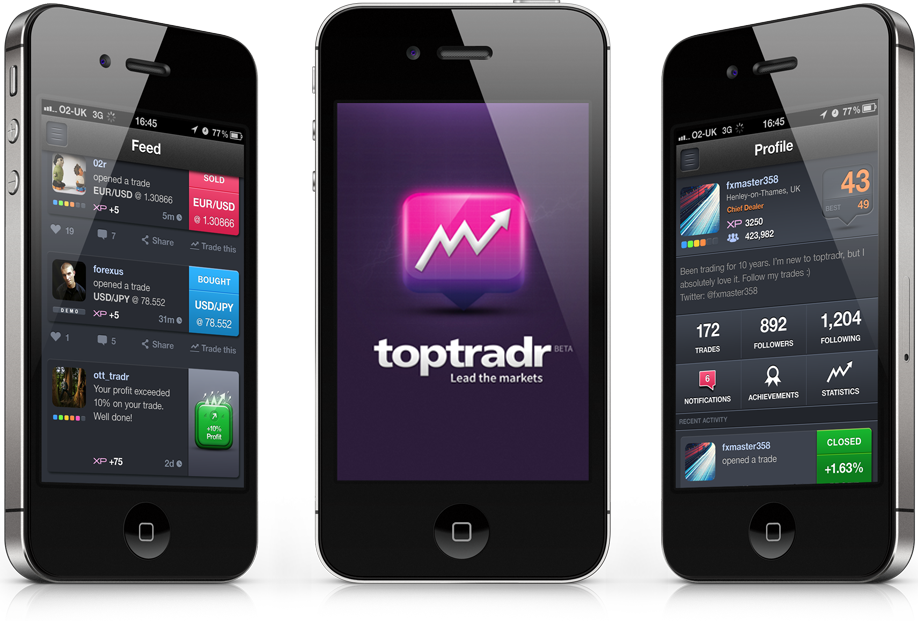
In what has become a bit controversial, capital introductions to retail traders is becoming a more popular trend recently. It is based on providing successful retail traders introductions to manage third party assets or receive incentives in copy-trading programs. During December, we had three such announcements. Beginning the month, eToro announced the launch of an incentives program for trade leaders of its social trading network. Later, TopTradr launched its newest trading competition, with the winner getting to manage $10 million of institutional funds. That was followed by AxiTrader creating a “Seed Funding Program” for retail traders to become professional traders.
Although diverse in how their capital introductions work, the three launches reveal the growing desire by retail-focused firms to attract successful traders. The trend is part of a greater problem, a dearth of consistently profitable forex traders able to be leaders of copy-trading platforms as well as managers of institutional accounts.
Fintech and P2P Marketplaces
There has been a lot of discussion about peer-to-peer (P2P) marketplaces during 2014. Whether it's crowdfunding, digital exchanges or lending, P2P is showing up all over the place in finance, and specifically the fintech sector. One can argue, though, that P2P isn’t really a new phenomenon, as stock exchanges are also a form of P2P that rely on central order books and members.
The reason why P2P is becoming a hot topic is that, through technology, it is becoming easier to apply the exchange/marketplace model. We see this taking place in established trading markets such as derivatives with the emergence of electronic based swap execution facilities (SEFs), as well as other areas like personal lending and angel investing. The bottom line is that if a financial market has high fees and high barriers of entry, there is probably a P2P-marketplace product being created to disrupt it. The attraction for these new marketplaces was seen in December, as P2P lender LendingClub went public with a greater-than $5 billion valuation. Interest for non-bank alternatives to lending was also witnessed as OnDeck successfully priced its IPO after LendingClub’s debut, as well as UK P2P lender Fundable raising venture funds.
Also worth keeping your eyes on:
FXPrimus: The broker was among the more active firms during December. Days before 2014 ended, CySec announced that FXPrimus had been granted a financial license with the regulator. This followed an earlier announcement that FXPrimus has acquired Capital Market Services to begin to provide institutional trading services to brokers and professional traders. With a strong footprint in South East Asia and China, FXPrimus has been compared to a smaller version of IronFX with their focus on establishing physical presence in numerous countries.
IronFX IPO Update: Speaking of IronFX, the broker was reported by other media sources as having begun the process of going public in the US. The news was a bit surprising for several reasons, among them that they are still a relatively young company and growth focused, whereas IPO candidates typically try to cut costs and expand revenues before going public. It's worth noting that if they had indeed filed with the SEC using a confidentiality filing, the 21-day period wherein their registration would need to become public passed earlier this week.
On behalf of everyone at Forex Magnates, I want to begin by wishing all of our readers a successful 2015 and hope that 2014 lived up to all of your expectations. Secondly, knowing we are in the midst of the holidays season, if you are reading this article today it probably means you like our work and care about the forex industry; We appreciate that.
Getting back to business. When it comes to reviewing December, Russia, its economy and the ruble are on the top of the list for most meaningful news stories. However, as we’ve devoted many of our pages during December to the effects of Russia’s economic woes on the overall forex industry, I thought we’d use this time to review some of the other stories and important trends that took place this month.
M&A: Compared to November’s acquisition of City Index by GAIN Capital, December’s list of mergers and acquisitions weren’t of the large scale variety. However, what they lacked in size, they made up for in the volume of deals taking place.
While Saxo Bank was divesting technology, one of their Danish neighbors, CFH Group, announced that it was acquiring a 50% stake in Tradimo Interactive. The deal was viewed as strategic and would lead to the integration of Tradimo’s marketing products within CFH’s overall B2B broker offering.
Elsewhere, strategic deals also took place in two funding deals. First, eToro announced that it had raised $27 million in funding from Chinese Ping An Ventures and Russian SBT Venture Capital. Partnering with the two firms is expected to provide eToro with help in expanding their presence in both China and Russia. Also, Virtu could see a lift to its non-equity trading business after Singapore’s Temasek Holding was reported to have bought a stake in the US based market maker.
Capital Introductions
In what has become a bit controversial, capital introductions to retail traders is becoming a more popular trend recently. It is based on providing successful retail traders introductions to manage third party assets or receive incentives in copy-trading programs. During December, we had three such announcements. Beginning the month, eToro announced the launch of an incentives program for trade leaders of its social trading network. Later, TopTradr launched its newest trading competition, with the winner getting to manage $10 million of institutional funds. That was followed by AxiTrader creating a “Seed Funding Program” for retail traders to become professional traders.
Although diverse in how their capital introductions work, the three launches reveal the growing desire by retail-focused firms to attract successful traders. The trend is part of a greater problem, a dearth of consistently profitable forex traders able to be leaders of copy-trading platforms as well as managers of institutional accounts.
Fintech and P2P Marketplaces
There has been a lot of discussion about peer-to-peer (P2P) marketplaces during 2014. Whether it's crowdfunding, digital exchanges or lending, P2P is showing up all over the place in finance, and specifically the fintech sector. One can argue, though, that P2P isn’t really a new phenomenon, as stock exchanges are also a form of P2P that rely on central order books and members.
The reason why P2P is becoming a hot topic is that, through technology, it is becoming easier to apply the exchange/marketplace model. We see this taking place in established trading markets such as derivatives with the emergence of electronic based swap execution facilities (SEFs), as well as other areas like personal lending and angel investing. The bottom line is that if a financial market has high fees and high barriers of entry, there is probably a P2P-marketplace product being created to disrupt it. The attraction for these new marketplaces was seen in December, as P2P lender LendingClub went public with a greater-than $5 billion valuation. Interest for non-bank alternatives to lending was also witnessed as OnDeck successfully priced its IPO after LendingClub’s debut, as well as UK P2P lender Fundable raising venture funds.
Also worth keeping your eyes on:
FXPrimus: The broker was among the more active firms during December. Days before 2014 ended, CySec announced that FXPrimus had been granted a financial license with the regulator. This followed an earlier announcement that FXPrimus has acquired Capital Market Services to begin to provide institutional trading services to brokers and professional traders. With a strong footprint in South East Asia and China, FXPrimus has been compared to a smaller version of IronFX with their focus on establishing physical presence in numerous countries.
IronFX IPO Update: Speaking of IronFX, the broker was reported by other media sources as having begun the process of going public in the US. The news was a bit surprising for several reasons, among them that they are still a relatively young company and growth focused, whereas IPO candidates typically try to cut costs and expand revenues before going public. It's worth noting that if they had indeed filed with the SEC using a confidentiality filing, the 21-day period wherein their registration would need to become public passed earlier this week.
Italy’s Consob Tightens Net on AI-Fueled Scams With Fresh Website Bans
Featured Videos
FP Markets Winner Spotlight 🏆 | Global Broker of the Year 2025 #Trading #Broker #Innovation #Shorts
FP Markets Winner Spotlight 🏆 | Global Broker of the Year 2025 #Trading #Broker #Innovation #Shorts
FP Markets Winner Spotlight 🏆 | Global Broker of the Year 2025 #Trading #Broker #Innovation #Shorts
FP Markets Winner Spotlight 🏆 | Global Broker of the Year 2025 #Trading #Broker #Innovation #Shorts
FP Markets takes the spotlight as Global Broker of the Year 2025 at the Finance Magnates Awards.
Martin Stoilov, Head of Client Experience, shares that trust, innovation, and people played a key role in the company’s success, supported by a strong foundation of integrity and client-centricity.
Following this milestone, FP Markets continues to focus on growth, technology investment, and its core values of transparency and excellence.
👉 Be part of FM Awards 2026: https://awards.financemagnates.com/#nominate
FP Markets takes the spotlight as Global Broker of the Year 2025 at the Finance Magnates Awards.
Martin Stoilov, Head of Client Experience, shares that trust, innovation, and people played a key role in the company’s success, supported by a strong foundation of integrity and client-centricity.
Following this milestone, FP Markets continues to focus on growth, technology investment, and its core values of transparency and excellence.
👉 Be part of FM Awards 2026: https://awards.financemagnates.com/#nominate
FP Markets takes the spotlight as Global Broker of the Year 2025 at the Finance Magnates Awards.
Martin Stoilov, Head of Client Experience, shares that trust, innovation, and people played a key role in the company’s success, supported by a strong foundation of integrity and client-centricity.
Following this milestone, FP Markets continues to focus on growth, technology investment, and its core values of transparency and excellence.
👉 Be part of FM Awards 2026: https://awards.financemagnates.com/#nominate
FP Markets takes the spotlight as Global Broker of the Year 2025 at the Finance Magnates Awards.
Martin Stoilov, Head of Client Experience, shares that trust, innovation, and people played a key role in the company’s success, supported by a strong foundation of integrity and client-centricity.
Following this milestone, FP Markets continues to focus on growth, technology investment, and its core values of transparency and excellence.
👉 Be part of FM Awards 2026: https://awards.financemagnates.com/#nominate
In this video, we review @HolaPrimeMarketsOfficial, a multi-asset forex and CFDs broker offering different account types, trading platforms, and flexible trading conditions.
We cover the broker’s overall offering, including account options, trading environment, platforms like MT4 and MT5, and additional services such as managed accounts and fast withdrawals.
Watch the full video to see if Hola Prime Markets fits your trading needs.
📣 Stay up to date with the latest in finance and trading. Follow Finance Magnates for industry news, insights, and global event coverage.
Connect with us:
🔗 LinkedIn: /financemagnates
👍 Facebook: /financemagnates
📸 Instagram: https://www.instagram.com/financemagnates
🐦 X: https://x.com/financemagnates
🎥 TikTok: https://www.tiktok.com/tag/financemagnates
▶️ YouTube: /@financemagnates_official
#HolaPrime #ForexBroker #CFDTrading #FinanceMagnates #Trading #Forex #BrokerReview
In this video, we review @HolaPrimeMarketsOfficial, a multi-asset forex and CFDs broker offering different account types, trading platforms, and flexible trading conditions.
We cover the broker’s overall offering, including account options, trading environment, platforms like MT4 and MT5, and additional services such as managed accounts and fast withdrawals.
Watch the full video to see if Hola Prime Markets fits your trading needs.
📣 Stay up to date with the latest in finance and trading. Follow Finance Magnates for industry news, insights, and global event coverage.
Connect with us:
🔗 LinkedIn: /financemagnates
👍 Facebook: /financemagnates
📸 Instagram: https://www.instagram.com/financemagnates
🐦 X: https://x.com/financemagnates
🎥 TikTok: https://www.tiktok.com/tag/financemagnates
▶️ YouTube: /@financemagnates_official
#HolaPrime #ForexBroker #CFDTrading #FinanceMagnates #Trading #Forex #BrokerReview
In this video, we review @HolaPrimeMarketsOfficial, a multi-asset forex and CFDs broker offering different account types, trading platforms, and flexible trading conditions.
We cover the broker’s overall offering, including account options, trading environment, platforms like MT4 and MT5, and additional services such as managed accounts and fast withdrawals.
Watch the full video to see if Hola Prime Markets fits your trading needs.
📣 Stay up to date with the latest in finance and trading. Follow Finance Magnates for industry news, insights, and global event coverage.
Connect with us:
🔗 LinkedIn: /financemagnates
👍 Facebook: /financemagnates
📸 Instagram: https://www.instagram.com/financemagnates
🐦 X: https://x.com/financemagnates
🎥 TikTok: https://www.tiktok.com/tag/financemagnates
▶️ YouTube: /@financemagnates_official
#HolaPrime #ForexBroker #CFDTrading #FinanceMagnates #Trading #Forex #BrokerReview
In this video, we review @HolaPrimeMarketsOfficial, a multi-asset forex and CFDs broker offering different account types, trading platforms, and flexible trading conditions.
We cover the broker’s overall offering, including account options, trading environment, platforms like MT4 and MT5, and additional services such as managed accounts and fast withdrawals.
Watch the full video to see if Hola Prime Markets fits your trading needs.
📣 Stay up to date with the latest in finance and trading. Follow Finance Magnates for industry news, insights, and global event coverage.
Connect with us:
🔗 LinkedIn: /financemagnates
👍 Facebook: /financemagnates
📸 Instagram: https://www.instagram.com/financemagnates
🐦 X: https://x.com/financemagnates
🎥 TikTok: https://www.tiktok.com/tag/financemagnates
▶️ YouTube: /@financemagnates_official
#HolaPrime #ForexBroker #CFDTrading #FinanceMagnates #Trading #Forex #BrokerReview
In this video, we review @HolaPrimeMarketsOfficial, a multi-asset forex and CFDs broker offering different account types, trading platforms, and flexible trading conditions.
We cover the broker’s overall offering, including account options, trading environment, platforms like MT4 and MT5, and additional services such as managed accounts and fast withdrawals.
Watch the full video to see if Hola Prime Markets fits your trading needs.
📣 Stay up to date with the latest in finance and trading. Follow Finance Magnates for industry news, insights, and global event coverage.
Connect with us:
🔗 LinkedIn: /financemagnates
👍 Facebook: /financemagnates
📸 Instagram: https://www.instagram.com/financemagnates
🐦 X: https://x.com/financemagnates
🎥 TikTok: https://www.tiktok.com/tag/financemagnates
▶️ YouTube: /@financemagnates_official
#HolaPrime #ForexBroker #CFDTrading #FinanceMagnates #Trading #Forex #BrokerReview
In this video, we review @HolaPrimeMarketsOfficial, a multi-asset forex and CFDs broker offering different account types, trading platforms, and flexible trading conditions.
We cover the broker’s overall offering, including account options, trading environment, platforms like MT4 and MT5, and additional services such as managed accounts and fast withdrawals.
Watch the full video to see if Hola Prime Markets fits your trading needs.
📣 Stay up to date with the latest in finance and trading. Follow Finance Magnates for industry news, insights, and global event coverage.
Connect with us:
🔗 LinkedIn: /financemagnates
👍 Facebook: /financemagnates
📸 Instagram: https://www.instagram.com/financemagnates
🐦 X: https://x.com/financemagnates
🎥 TikTok: https://www.tiktok.com/tag/financemagnates
▶️ YouTube: /@financemagnates_official
#HolaPrime #ForexBroker #CFDTrading #FinanceMagnates #Trading #Forex #BrokerReview
Hola Prime Review: What You Need to Know | Full Breakdown by Finance Magnates
Hola Prime Review: What You Need to Know | Full Breakdown by Finance Magnates
Hola Prime Review: What You Need to Know | Full Breakdown by Finance Magnates
Hola Prime Review: What You Need to Know | Full Breakdown by Finance Magnates
Hola Prime Review: What You Need to Know | Full Breakdown by Finance Magnates
Hola Prime Review: What You Need to Know | Full Breakdown by Finance Magnates
In this video, we review @HolaPrime_Global, a proprietary trading firm offering evaluation programs and performance-based payouts in simulated market environments.
We cover how the challenge model works, including account types, profit splits (up to 95%), trading rules, and what it takes to reach a funded account. You’ll also learn about available platforms like MT4, MT5, cTrader, and more, along with insights into payouts, support, and trading conditions.
Watch the full video to see if Hola Prime fits your trading style.
📣 Stay up to date with the latest in finance and trading. Follow Finance Magnates for industry news, insights, and global event coverage.
Connect with us:
🔗 LinkedIn: /financemagnates
👍 Facebook: /financemagnates
📸 Instagram: https://www.instagram.com/financemagnates
🐦 X: https://x.com/financemagnates
🎥 TikTok: https://www.tiktok.com/tag/financemagnates
▶️ YouTube: /@financemagnates_official
#HolaPrime #PropFirm #Trading #FinanceMagnates #Forex #FuturesTrading #TradingReview #PropFirmReview
In this video, we review @HolaPrime_Global, a proprietary trading firm offering evaluation programs and performance-based payouts in simulated market environments.
We cover how the challenge model works, including account types, profit splits (up to 95%), trading rules, and what it takes to reach a funded account. You’ll also learn about available platforms like MT4, MT5, cTrader, and more, along with insights into payouts, support, and trading conditions.
Watch the full video to see if Hola Prime fits your trading style.
📣 Stay up to date with the latest in finance and trading. Follow Finance Magnates for industry news, insights, and global event coverage.
Connect with us:
🔗 LinkedIn: /financemagnates
👍 Facebook: /financemagnates
📸 Instagram: https://www.instagram.com/financemagnates
🐦 X: https://x.com/financemagnates
🎥 TikTok: https://www.tiktok.com/tag/financemagnates
▶️ YouTube: /@financemagnates_official
#HolaPrime #PropFirm #Trading #FinanceMagnates #Forex #FuturesTrading #TradingReview #PropFirmReview
In this video, we review @HolaPrime_Global, a proprietary trading firm offering evaluation programs and performance-based payouts in simulated market environments.
We cover how the challenge model works, including account types, profit splits (up to 95%), trading rules, and what it takes to reach a funded account. You’ll also learn about available platforms like MT4, MT5, cTrader, and more, along with insights into payouts, support, and trading conditions.
Watch the full video to see if Hola Prime fits your trading style.
📣 Stay up to date with the latest in finance and trading. Follow Finance Magnates for industry news, insights, and global event coverage.
Connect with us:
🔗 LinkedIn: /financemagnates
👍 Facebook: /financemagnates
📸 Instagram: https://www.instagram.com/financemagnates
🐦 X: https://x.com/financemagnates
🎥 TikTok: https://www.tiktok.com/tag/financemagnates
▶️ YouTube: /@financemagnates_official
#HolaPrime #PropFirm #Trading #FinanceMagnates #Forex #FuturesTrading #TradingReview #PropFirmReview
In this video, we review @HolaPrime_Global, a proprietary trading firm offering evaluation programs and performance-based payouts in simulated market environments.
We cover how the challenge model works, including account types, profit splits (up to 95%), trading rules, and what it takes to reach a funded account. You’ll also learn about available platforms like MT4, MT5, cTrader, and more, along with insights into payouts, support, and trading conditions.
Watch the full video to see if Hola Prime fits your trading style.
📣 Stay up to date with the latest in finance and trading. Follow Finance Magnates for industry news, insights, and global event coverage.
Connect with us:
🔗 LinkedIn: /financemagnates
👍 Facebook: /financemagnates
📸 Instagram: https://www.instagram.com/financemagnates
🐦 X: https://x.com/financemagnates
🎥 TikTok: https://www.tiktok.com/tag/financemagnates
▶️ YouTube: /@financemagnates_official
#HolaPrime #PropFirm #Trading #FinanceMagnates #Forex #FuturesTrading #TradingReview #PropFirmReview
In this video, we review @HolaPrime_Global, a proprietary trading firm offering evaluation programs and performance-based payouts in simulated market environments.
We cover how the challenge model works, including account types, profit splits (up to 95%), trading rules, and what it takes to reach a funded account. You’ll also learn about available platforms like MT4, MT5, cTrader, and more, along with insights into payouts, support, and trading conditions.
Watch the full video to see if Hola Prime fits your trading style.
📣 Stay up to date with the latest in finance and trading. Follow Finance Magnates for industry news, insights, and global event coverage.
Connect with us:
🔗 LinkedIn: /financemagnates
👍 Facebook: /financemagnates
📸 Instagram: https://www.instagram.com/financemagnates
🐦 X: https://x.com/financemagnates
🎥 TikTok: https://www.tiktok.com/tag/financemagnates
▶️ YouTube: /@financemagnates_official
#HolaPrime #PropFirm #Trading #FinanceMagnates #Forex #FuturesTrading #TradingReview #PropFirmReview
In this video, we review @HolaPrime_Global, a proprietary trading firm offering evaluation programs and performance-based payouts in simulated market environments.
We cover how the challenge model works, including account types, profit splits (up to 95%), trading rules, and what it takes to reach a funded account. You’ll also learn about available platforms like MT4, MT5, cTrader, and more, along with insights into payouts, support, and trading conditions.
Watch the full video to see if Hola Prime fits your trading style.
📣 Stay up to date with the latest in finance and trading. Follow Finance Magnates for industry news, insights, and global event coverage.
Connect with us:
🔗 LinkedIn: /financemagnates
👍 Facebook: /financemagnates
📸 Instagram: https://www.instagram.com/financemagnates
🐦 X: https://x.com/financemagnates
🎥 TikTok: https://www.tiktok.com/tag/financemagnates
▶️ YouTube: /@financemagnates_official
#HolaPrime #PropFirm #Trading #FinanceMagnates #Forex #FuturesTrading #TradingReview #PropFirmReview
Axi Winner Spotlight 🏆 | Global Most Innovative Broker 2025 #Innovation #Trading #Fintech #Broker
Axi Winner Spotlight 🏆 | Global Most Innovative Broker 2025 #Innovation #Trading #Fintech #Broker
Axi Winner Spotlight 🏆 | Global Most Innovative Broker 2025 #Innovation #Trading #Fintech #Broker
Axi Winner Spotlight 🏆 | Global Most Innovative Broker 2025 #Innovation #Trading #Fintech #Broker
Axi Winner Spotlight 🏆 | Global Most Innovative Broker 2025 #Innovation #Trading #Fintech #Broker
Axi Winner Spotlight 🏆 | Global Most Innovative Broker 2025 #Innovation #Trading #Fintech #Broker
Axi takes the spotlight at the Finance Magnates Awards, winning Global Most Innovative Broker 2025.
Olivia Xenofontos and Ivanna Openko share how the team will feel: proud, motivated, and ready to keep delivering.
They also describe the night as well-organized, focused, and enjoyable for all.
👉 Be part of FM Awards 2026.
Axi takes the spotlight at the Finance Magnates Awards, winning Global Most Innovative Broker 2025.
Olivia Xenofontos and Ivanna Openko share how the team will feel: proud, motivated, and ready to keep delivering.
They also describe the night as well-organized, focused, and enjoyable for all.
👉 Be part of FM Awards 2026.
Axi takes the spotlight at the Finance Magnates Awards, winning Global Most Innovative Broker 2025.
Olivia Xenofontos and Ivanna Openko share how the team will feel: proud, motivated, and ready to keep delivering.
They also describe the night as well-organized, focused, and enjoyable for all.
👉 Be part of FM Awards 2026.
Axi takes the spotlight at the Finance Magnates Awards, winning Global Most Innovative Broker 2025.
Olivia Xenofontos and Ivanna Openko share how the team will feel: proud, motivated, and ready to keep delivering.
They also describe the night as well-organized, focused, and enjoyable for all.
👉 Be part of FM Awards 2026.
Axi takes the spotlight at the Finance Magnates Awards, winning Global Most Innovative Broker 2025.
Olivia Xenofontos and Ivanna Openko share how the team will feel: proud, motivated, and ready to keep delivering.
They also describe the night as well-organized, focused, and enjoyable for all.
👉 Be part of FM Awards 2026.
Axi takes the spotlight at the Finance Magnates Awards, winning Global Most Innovative Broker 2025.
Olivia Xenofontos and Ivanna Openko share how the team will feel: proud, motivated, and ready to keep delivering.
They also describe the night as well-organized, focused, and enjoyable for all.
👉 Be part of FM Awards 2026.
Recognition that matters.
Built on transparency.
Driven by the industry.
The Finance Magnates Awards 2026.
Nominations are now open.
🔗 https://awards.financemagnates.com/?utm_source=SM&utm_medium=social&utm_campaign=recognition-matters
Recognition that matters.
Built on transparency.
Driven by the industry.
The Finance Magnates Awards 2026.
Nominations are now open.
🔗 https://awards.financemagnates.com/?utm_source=SM&utm_medium=social&utm_campaign=recognition-matters
Recognition that matters.
Built on transparency.
Driven by the industry.
The Finance Magnates Awards 2026.
Nominations are now open.
🔗 https://awards.financemagnates.com/?utm_source=SM&utm_medium=social&utm_campaign=recognition-matters
Recognition that matters.
Built on transparency.
Driven by the industry.
The Finance Magnates Awards 2026.
Nominations are now open.
🔗 https://awards.financemagnates.com/?utm_source=SM&utm_medium=social&utm_campaign=recognition-matters
Recognition that matters.
Built on transparency.
Driven by the industry.
The Finance Magnates Awards 2026.
Nominations are now open.
🔗 https://awards.financemagnates.com/?utm_source=SM&utm_medium=social&utm_campaign=recognition-matters
Recognition that matters.
Built on transparency.
Driven by the industry.
The Finance Magnates Awards 2026.
Nominations are now open.
🔗 https://awards.financemagnates.com/?utm_source=SM&utm_medium=social&utm_campaign=recognition-matters