While IronFX is certainly a big enough market player for such an attempt, the location it has reportedly chosen and key issues concerning the global broker's structure cast some doubts about its potential success.
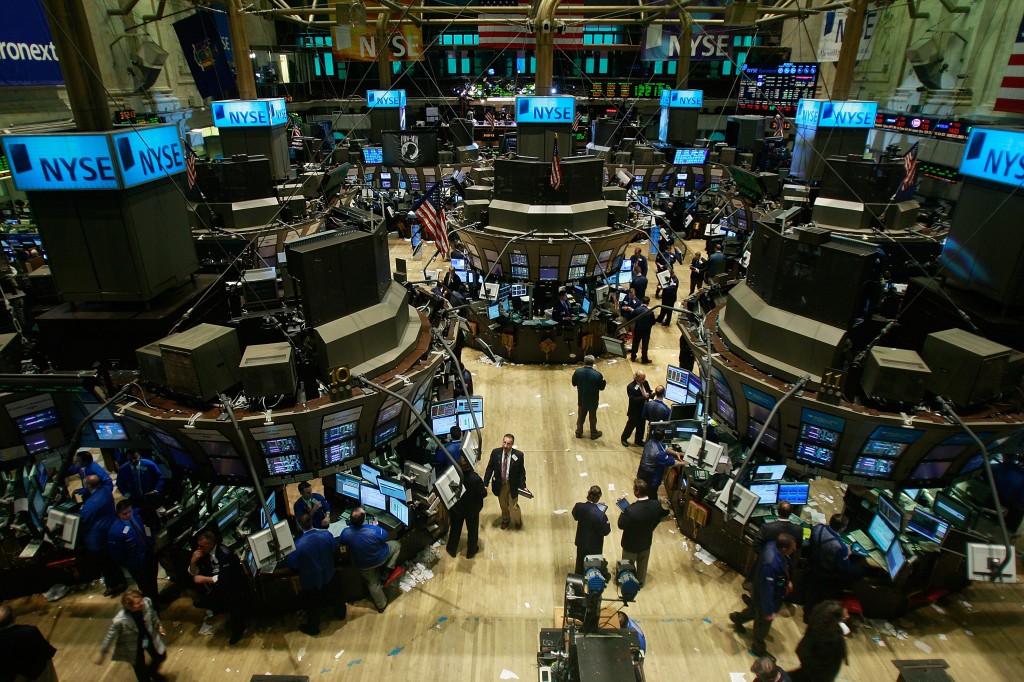
This has all been followed by a report from the Wall Street Journal of potentially the largest valuation of an IPO for an online forex broker. According to the single report from a Wall Street Journal reporter (later picked up by various portals, blogs and company affiliates), sources close to IronFX have revealed a plan to go public on a US exchange with a valuation of $800 million.
IronFX is certainly a meteor in the retail FX industry, emerging from Cyprus not so long ago the company has outpaced organic growth and according to our estimates was taking a good half a billion dollars in deposits a year at its peak. Given those numbers on paper this IPO may make a lot of sense.
According to figures sent to Forex Magnates from IronFX, the broker claims to have KPMG audited figures representing $300 billion in monthly volumes, which would place it among the largest brokers in the world, as well as 345,000 clients who have deposited in the last twelve months.
The firm also hit our radars as a potential IPO candidate back in June, as it had been building out its London offices and shareholder structure in the country. At the time though, IronFX management expressed to Forex Magnates that still being a young company, and despite their growth, they had yet to create a track record that was typically required before tapping the public markets.
Key Factors
Beyond the firm’s own hesitance of rushing into an IPO, there are several other factors about IronFX’s business that need to be answered, as well as some items about the report.
1) The report is based on claims of a confidential filing between IronFX and several investment banks, without apparent knowledge of the reporter having access to the filing. Industry participants we reached out to expressed various opinions ranging from, ‘this is just another IronFX PR stunt,’ to it is probably a precursory valuation between IronFX and potential underwriters with little to no due diligence being done by the investment bank.
IronFX has certainly built the case for such a move given its high-end sport sponsorship (namely of FC Barcelona) which are usually the steps companies in this market make prior to checking in with potential IPO investors. This then calls for a question – did the company try and was turned down in London first and then turned to US plans or was there another reason to specifically pick a US exchange?
3) The company claims 1,600 employees in 60 offices and while some portion of the actual company partners/affiliates are not direct employees, the company is known to employ hundreds and according to several sources close to 1,000 Chinese nationals in its Limassol-based office, working day and night marketing and selling to the Chinese market.
The market itself is a highly unregulated environment, meaning that a large portion of IronFX’s revenue may not be coming from jurisdictions where it’s licensed to operate. Such revenue flow has been viewed as a red flag to investors in the past. An example was GAIN Capital’s closing of its booming Chinese business in 2008. This occurred shortly after their IPO intentions were made public and knocked a large portion of their potential valuation. IronFX, like several other brokers, have created some negative baggage in China as well, which may not be viewed desirably by Wall Street.
4) The $800 million valuation also seems a bit lofty, for two reasons. First, the firm has been expending funds at a rapid rate in opening new offices, soliciting IBs from other firms, paying its growing workforce, and numerous marketing and sponsorship activity. The focus on growth is more indicative of firms that turn to Venture Funding for additional cash than the public markets, as the former’s valuations are growth driven versus the latter desiring real earnings.
Second, while there is no question that IronFX has been growing rapidly, the $300 billion volume figure appears a bit overstated due to a large bulk of their client base composed of customers from countries, including Southeast Asia, China and Eastern Europe where deposit sizes are well below those of Western Europe and the US.
5) Another factor is that this is not a proper IPO filing. IronFX declined to comment on the nature of the filing, although they did supply the above mentioned customer metrics. The US’s SEC did put in place new confidential filing tools in 2012 which can be used by firms to report their interest in an IPO, with Twitter the first notable company to use such a filing. Not submitted to the public, serves a company’s purpose of ‘getting the feelers out there’ to ‘test the waters’ – basically to gauge the possibility of such an IPO via potential underwriters, investors and SEC itself. Given the original report’s wording there is no certainty that such a filing was revealed or whether it was even submitted to the SEC in the first place.
In conclusion, IronFX is certainly a big enough player to get noticed and attempt such an IPO. The industry itself has had its share of IPO fake outs. However, several factors weigh in on the company and may make this IPO difficult if not impossible. As one industry insider aptly summed this up: “Given the company’s baggage I just don’t see this happening."
This has all been followed by a report from the Wall Street Journal of potentially the largest valuation of an IPO for an online forex broker. According to the single report from a Wall Street Journal reporter (later picked up by various portals, blogs and company affiliates), sources close to IronFX have revealed a plan to go public on a US exchange with a valuation of $800 million.
IronFX is certainly a meteor in the retail FX industry, emerging from Cyprus not so long ago the company has outpaced organic growth and according to our estimates was taking a good half a billion dollars in deposits a year at its peak. Given those numbers on paper this IPO may make a lot of sense.
According to figures sent to Forex Magnates from IronFX, the broker claims to have KPMG audited figures representing $300 billion in monthly volumes, which would place it among the largest brokers in the world, as well as 345,000 clients who have deposited in the last twelve months.
The firm also hit our radars as a potential IPO candidate back in June, as it had been building out its London offices and shareholder structure in the country. At the time though, IronFX management expressed to Forex Magnates that still being a young company, and despite their growth, they had yet to create a track record that was typically required before tapping the public markets.
Key Factors
Beyond the firm’s own hesitance of rushing into an IPO, there are several other factors about IronFX’s business that need to be answered, as well as some items about the report.
1) The report is based on claims of a confidential filing between IronFX and several investment banks, without apparent knowledge of the reporter having access to the filing. Industry participants we reached out to expressed various opinions ranging from, ‘this is just another IronFX PR stunt,’ to it is probably a precursory valuation between IronFX and potential underwriters with little to no due diligence being done by the investment bank.
IronFX has certainly built the case for such a move given its high-end sport sponsorship (namely of FC Barcelona) which are usually the steps companies in this market make prior to checking in with potential IPO investors. This then calls for a question – did the company try and was turned down in London first and then turned to US plans or was there another reason to specifically pick a US exchange?
3) The company claims 1,600 employees in 60 offices and while some portion of the actual company partners/affiliates are not direct employees, the company is known to employ hundreds and according to several sources close to 1,000 Chinese nationals in its Limassol-based office, working day and night marketing and selling to the Chinese market.
The market itself is a highly unregulated environment, meaning that a large portion of IronFX’s revenue may not be coming from jurisdictions where it’s licensed to operate. Such revenue flow has been viewed as a red flag to investors in the past. An example was GAIN Capital’s closing of its booming Chinese business in 2008. This occurred shortly after their IPO intentions were made public and knocked a large portion of their potential valuation. IronFX, like several other brokers, have created some negative baggage in China as well, which may not be viewed desirably by Wall Street.
4) The $800 million valuation also seems a bit lofty, for two reasons. First, the firm has been expending funds at a rapid rate in opening new offices, soliciting IBs from other firms, paying its growing workforce, and numerous marketing and sponsorship activity. The focus on growth is more indicative of firms that turn to Venture Funding for additional cash than the public markets, as the former’s valuations are growth driven versus the latter desiring real earnings.
Second, while there is no question that IronFX has been growing rapidly, the $300 billion volume figure appears a bit overstated due to a large bulk of their client base composed of customers from countries, including Southeast Asia, China and Eastern Europe where deposit sizes are well below those of Western Europe and the US.
5) Another factor is that this is not a proper IPO filing. IronFX declined to comment on the nature of the filing, although they did supply the above mentioned customer metrics. The US’s SEC did put in place new confidential filing tools in 2012 which can be used by firms to report their interest in an IPO, with Twitter the first notable company to use such a filing. Not submitted to the public, serves a company’s purpose of ‘getting the feelers out there’ to ‘test the waters’ – basically to gauge the possibility of such an IPO via potential underwriters, investors and SEC itself. Given the original report’s wording there is no certainty that such a filing was revealed or whether it was even submitted to the SEC in the first place.
In conclusion, IronFX is certainly a big enough player to get noticed and attempt such an IPO. The industry itself has had its share of IPO fake outs. However, several factors weigh in on the company and may make this IPO difficult if not impossible. As one industry insider aptly summed this up: “Given the company’s baggage I just don’t see this happening."
Cash, Set-Off or Crypto: ASIC Says a CFD Is a CFD; Drafts a 10-Year Rulebook
Featured Videos
FXCM UK Holds $110m in Client Money; IG CEO Questions Prediction Market Volumes
FXCM UK Holds $110m in Client Money; IG CEO Questions Prediction Market Volumes
FXCM UK Holds $110m in Client Money; IG CEO Questions Prediction Market Volumes
FXCM UK Holds $110m in Client Money; IG CEO Questions Prediction Market Volumes
Today’s financial news recap covers FXCM's UK arm holds $110 million in client money ahead of its sale to Trade Nation, Citadel Securities' UK profit falls 38 per cent, and Kraken secures its final Dubai crypto licence.
Finance Magnates Daily Recap brings you the latest news from forex and CFD brokers, fintech, payments, cryptocurrency, digital assets, trading platforms, financial regulation and global markets.
Get the key company news, executive moves, deals, regulatory updates and market developments of the day, in just a few minutes. New episodes published every weekday.
Read more: https://www.financemagnates.com
#FinanceMagnates #ForexNews #FintechNews
Today’s financial news recap covers FXCM's UK arm holds $110 million in client money ahead of its sale to Trade Nation, Citadel Securities' UK profit falls 38 per cent, and Kraken secures its final Dubai crypto licence.
Finance Magnates Daily Recap brings you the latest news from forex and CFD brokers, fintech, payments, cryptocurrency, digital assets, trading platforms, financial regulation and global markets.
Get the key company news, executive moves, deals, regulatory updates and market developments of the day, in just a few minutes. New episodes published every weekday.
Read more: https://www.financemagnates.com
#FinanceMagnates #ForexNews #FintechNews
Today’s financial news recap covers FXCM's UK arm holds $110 million in client money ahead of its sale to Trade Nation, Citadel Securities' UK profit falls 38 per cent, and Kraken secures its final Dubai crypto licence.
Finance Magnates Daily Recap brings you the latest news from forex and CFD brokers, fintech, payments, cryptocurrency, digital assets, trading platforms, financial regulation and global markets.
Get the key company news, executive moves, deals, regulatory updates and market developments of the day, in just a few minutes. New episodes published every weekday.
Read more: https://www.financemagnates.com
#FinanceMagnates #ForexNews #FintechNews
Today’s financial news recap covers FXCM's UK arm holds $110 million in client money ahead of its sale to Trade Nation, Citadel Securities' UK profit falls 38 per cent, and Kraken secures its final Dubai crypto licence.
Finance Magnates Daily Recap brings you the latest news from forex and CFD brokers, fintech, payments, cryptocurrency, digital assets, trading platforms, financial regulation and global markets.
Get the key company news, executive moves, deals, regulatory updates and market developments of the day, in just a few minutes. New episodes published every weekday.
Read more: https://www.financemagnates.com
#FinanceMagnates #ForexNews #FintechNews
Today’s financial news recap covers AvaTrade agrees to acquire most of FXCM, NAGA secures eight million dollars in new financing, and Wise seeks a tax settlement in the UK.
Finance Magnates Daily Recap brings you the latest news from forex and CFD brokers, fintech, payments, cryptocurrency, digital assets, trading platforms, financial regulation and global markets.
Get the key company news, executive moves, deals, regulatory updates and market developments of the day, in just a few minutes. New episodes published every weekday.
Read more: https://www.financemagnates.com
#FinanceMagnates #ForexNews #FintechNews
Today’s financial news recap covers AvaTrade agrees to acquire most of FXCM, NAGA secures eight million dollars in new financing, and Wise seeks a tax settlement in the UK.
Finance Magnates Daily Recap brings you the latest news from forex and CFD brokers, fintech, payments, cryptocurrency, digital assets, trading platforms, financial regulation and global markets.
Get the key company news, executive moves, deals, regulatory updates and market developments of the day, in just a few minutes. New episodes published every weekday.
Read more: https://www.financemagnates.com
#FinanceMagnates #ForexNews #FintechNews
Today’s financial news recap covers AvaTrade agrees to acquire most of FXCM, NAGA secures eight million dollars in new financing, and Wise seeks a tax settlement in the UK.
Finance Magnates Daily Recap brings you the latest news from forex and CFD brokers, fintech, payments, cryptocurrency, digital assets, trading platforms, financial regulation and global markets.
Get the key company news, executive moves, deals, regulatory updates and market developments of the day, in just a few minutes. New episodes published every weekday.
Read more: https://www.financemagnates.com
#FinanceMagnates #ForexNews #FintechNews
Today’s financial news recap covers AvaTrade agrees to acquire most of FXCM, NAGA secures eight million dollars in new financing, and Wise seeks a tax settlement in the UK.
Finance Magnates Daily Recap brings you the latest news from forex and CFD brokers, fintech, payments, cryptocurrency, digital assets, trading platforms, financial regulation and global markets.
Get the key company news, executive moves, deals, regulatory updates and market developments of the day, in just a few minutes. New episodes published every weekday.
Read more: https://www.financemagnates.com
#FinanceMagnates #ForexNews #FintechNews
Today’s financial news recap covers AvaTrade agrees to acquire most of FXCM, NAGA secures eight million dollars in new financing, and Wise seeks a tax settlement in the UK.
Finance Magnates Daily Recap brings you the latest news from forex and CFD brokers, fintech, payments, cryptocurrency, digital assets, trading platforms, financial regulation and global markets.
Get the key company news, executive moves, deals, regulatory updates and market developments of the day, in just a few minutes. New episodes published every weekday.
Read more: https://www.financemagnates.com
#FinanceMagnates #ForexNews #FintechNews
Today’s financial news recap covers AvaTrade agrees to acquire most of FXCM, NAGA secures eight million dollars in new financing, and Wise seeks a tax settlement in the UK.
Finance Magnates Daily Recap brings you the latest news from forex and CFD brokers, fintech, payments, cryptocurrency, digital assets, trading platforms, financial regulation and global markets.
Get the key company news, executive moves, deals, regulatory updates and market developments of the day, in just a few minutes. New episodes published every weekday.
Read more: https://www.financemagnates.com
#FinanceMagnates #ForexNews #FintechNews
XTB Adds Overnight US Stock Trading; Nasdaq Ventures Invests in One Trading
XTB Adds Overnight US Stock Trading; Nasdaq Ventures Invests in One Trading
XTB Adds Overnight US Stock Trading; Nasdaq Ventures Invests in One Trading
XTB Adds Overnight US Stock Trading; Nasdaq Ventures Invests in One Trading
XTB Adds Overnight US Stock Trading; Nasdaq Ventures Invests in One Trading
XTB Adds Overnight US Stock Trading; Nasdaq Ventures Invests in One Trading
Today’s financial news recap covers XTB expands overnight US stock trading, Fortrade reports higher revenue, Nasdaq backs One Trading, and Vest Labs raises 13 million dollars.
Finance Magnates Daily Recap brings you the latest news from forex and CFD brokers, fintech, payments, cryptocurrency, digital assets, trading platforms, financial regulation and global markets.
Get the key company news, executive moves, deals, regulatory updates and market developments of the day, in just a few minutes. New episodes published every weekday.
Read more: https://www.financemagnates.com
#FinanceMagnates #ForexNews #FintechNews
Today’s financial news recap covers XTB expands overnight US stock trading, Fortrade reports higher revenue, Nasdaq backs One Trading, and Vest Labs raises 13 million dollars.
Finance Magnates Daily Recap brings you the latest news from forex and CFD brokers, fintech, payments, cryptocurrency, digital assets, trading platforms, financial regulation and global markets.
Get the key company news, executive moves, deals, regulatory updates and market developments of the day, in just a few minutes. New episodes published every weekday.
Read more: https://www.financemagnates.com
#FinanceMagnates #ForexNews #FintechNews
Today’s financial news recap covers XTB expands overnight US stock trading, Fortrade reports higher revenue, Nasdaq backs One Trading, and Vest Labs raises 13 million dollars.
Finance Magnates Daily Recap brings you the latest news from forex and CFD brokers, fintech, payments, cryptocurrency, digital assets, trading platforms, financial regulation and global markets.
Get the key company news, executive moves, deals, regulatory updates and market developments of the day, in just a few minutes. New episodes published every weekday.
Read more: https://www.financemagnates.com
#FinanceMagnates #ForexNews #FintechNews
Today’s financial news recap covers XTB expands overnight US stock trading, Fortrade reports higher revenue, Nasdaq backs One Trading, and Vest Labs raises 13 million dollars.
Finance Magnates Daily Recap brings you the latest news from forex and CFD brokers, fintech, payments, cryptocurrency, digital assets, trading platforms, financial regulation and global markets.
Get the key company news, executive moves, deals, regulatory updates and market developments of the day, in just a few minutes. New episodes published every weekday.
Read more: https://www.financemagnates.com
#FinanceMagnates #ForexNews #FintechNews
Today’s financial news recap covers XTB expands overnight US stock trading, Fortrade reports higher revenue, Nasdaq backs One Trading, and Vest Labs raises 13 million dollars.
Finance Magnates Daily Recap brings you the latest news from forex and CFD brokers, fintech, payments, cryptocurrency, digital assets, trading platforms, financial regulation and global markets.
Get the key company news, executive moves, deals, regulatory updates and market developments of the day, in just a few minutes. New episodes published every weekday.
Read more: https://www.financemagnates.com
#FinanceMagnates #ForexNews #FintechNews
Today’s financial news recap covers XTB expands overnight US stock trading, Fortrade reports higher revenue, Nasdaq backs One Trading, and Vest Labs raises 13 million dollars.
Finance Magnates Daily Recap brings you the latest news from forex and CFD brokers, fintech, payments, cryptocurrency, digital assets, trading platforms, financial regulation and global markets.
Get the key company news, executive moves, deals, regulatory updates and market developments of the day, in just a few minutes. New episodes published every weekday.
Read more: https://www.financemagnates.com
#FinanceMagnates #ForexNews #FintechNews
CMC Founder Downplays Volatility Hit; Devexperts Names CEO
CMC Founder Downplays Volatility Hit; Devexperts Names CEO
CMC Founder Downplays Volatility Hit; Devexperts Names CEO
CMC Founder Downplays Volatility Hit; Devexperts Names CEO
CMC Founder Downplays Volatility Hit; Devexperts Names CEO
CMC Founder Downplays Volatility Hit; Devexperts Names CEO
Today’s financial news recap covers low volatility pressures brokers, Devexperts names a new CEO, Saxo cuts onboarding time, and OKX reaches a 25 billion dollar valuation.
Finance Magnates Daily Recap brings you the latest news from forex and CFD brokers, fintech, payments, cryptocurrency, digital assets, trading platforms, financial regulation and global markets.
Get the key company news, executive moves, deals, regulatory updates and market developments of the day, in just a few minutes. New episodes published every weekday.
Read more: https://www.financemagnates.com
#FinanceMagnates #ForexNews #FintechNews
Today’s financial news recap covers low volatility pressures brokers, Devexperts names a new CEO, Saxo cuts onboarding time, and OKX reaches a 25 billion dollar valuation.
Finance Magnates Daily Recap brings you the latest news from forex and CFD brokers, fintech, payments, cryptocurrency, digital assets, trading platforms, financial regulation and global markets.
Get the key company news, executive moves, deals, regulatory updates and market developments of the day, in just a few minutes. New episodes published every weekday.
Read more: https://www.financemagnates.com
#FinanceMagnates #ForexNews #FintechNews
Today’s financial news recap covers low volatility pressures brokers, Devexperts names a new CEO, Saxo cuts onboarding time, and OKX reaches a 25 billion dollar valuation.
Finance Magnates Daily Recap brings you the latest news from forex and CFD brokers, fintech, payments, cryptocurrency, digital assets, trading platforms, financial regulation and global markets.
Get the key company news, executive moves, deals, regulatory updates and market developments of the day, in just a few minutes. New episodes published every weekday.
Read more: https://www.financemagnates.com
#FinanceMagnates #ForexNews #FintechNews
Today’s financial news recap covers low volatility pressures brokers, Devexperts names a new CEO, Saxo cuts onboarding time, and OKX reaches a 25 billion dollar valuation.
Finance Magnates Daily Recap brings you the latest news from forex and CFD brokers, fintech, payments, cryptocurrency, digital assets, trading platforms, financial regulation and global markets.
Get the key company news, executive moves, deals, regulatory updates and market developments of the day, in just a few minutes. New episodes published every weekday.
Read more: https://www.financemagnates.com
#FinanceMagnates #ForexNews #FintechNews
Today’s financial news recap covers low volatility pressures brokers, Devexperts names a new CEO, Saxo cuts onboarding time, and OKX reaches a 25 billion dollar valuation.
Finance Magnates Daily Recap brings you the latest news from forex and CFD brokers, fintech, payments, cryptocurrency, digital assets, trading platforms, financial regulation and global markets.
Get the key company news, executive moves, deals, regulatory updates and market developments of the day, in just a few minutes. New episodes published every weekday.
Read more: https://www.financemagnates.com
#FinanceMagnates #ForexNews #FintechNews
Today’s financial news recap covers low volatility pressures brokers, Devexperts names a new CEO, Saxo cuts onboarding time, and OKX reaches a 25 billion dollar valuation.
Finance Magnates Daily Recap brings you the latest news from forex and CFD brokers, fintech, payments, cryptocurrency, digital assets, trading platforms, financial regulation and global markets.
Get the key company news, executive moves, deals, regulatory updates and market developments of the day, in just a few minutes. New episodes published every weekday.
Read more: https://www.financemagnates.com
#FinanceMagnates #ForexNews #FintechNews
Today’s financial news recap covers Trade Nation buys FXCM's UK client book, Trading 212 reports higher revenue, the CFTC's move to allow perpetual index futures.
Finance Magnates Daily Recap brings you the latest news from forex and CFD brokers, fintech, payments, cryptocurrency, digital assets, trading platforms, financial regulation and global markets.
Get the key company news, executive moves, deals, regulatory updates and market developments of the day, in just a few minutes. New episodes published every weekday.
Read more: https://www.financemagnates.com
#FinanceMagnates #ForexNews #FintechNews
Today’s financial news recap covers Trade Nation buys FXCM's UK client book, Trading 212 reports higher revenue, the CFTC's move to allow perpetual index futures.
Finance Magnates Daily Recap brings you the latest news from forex and CFD brokers, fintech, payments, cryptocurrency, digital assets, trading platforms, financial regulation and global markets.
Get the key company news, executive moves, deals, regulatory updates and market developments of the day, in just a few minutes. New episodes published every weekday.
Read more: https://www.financemagnates.com
#FinanceMagnates #ForexNews #FintechNews
Today’s financial news recap covers Trade Nation buys FXCM's UK client book, Trading 212 reports higher revenue, the CFTC's move to allow perpetual index futures.
Finance Magnates Daily Recap brings you the latest news from forex and CFD brokers, fintech, payments, cryptocurrency, digital assets, trading platforms, financial regulation and global markets.
Get the key company news, executive moves, deals, regulatory updates and market developments of the day, in just a few minutes. New episodes published every weekday.
Read more: https://www.financemagnates.com
#FinanceMagnates #ForexNews #FintechNews
Today’s financial news recap covers Trade Nation buys FXCM's UK client book, Trading 212 reports higher revenue, the CFTC's move to allow perpetual index futures.
Finance Magnates Daily Recap brings you the latest news from forex and CFD brokers, fintech, payments, cryptocurrency, digital assets, trading platforms, financial regulation and global markets.
Get the key company news, executive moves, deals, regulatory updates and market developments of the day, in just a few minutes. New episodes published every weekday.
Read more: https://www.financemagnates.com
#FinanceMagnates #ForexNews #FintechNews
Today’s financial news recap covers Trade Nation buys FXCM's UK client book, Trading 212 reports higher revenue, the CFTC's move to allow perpetual index futures.
Finance Magnates Daily Recap brings you the latest news from forex and CFD brokers, fintech, payments, cryptocurrency, digital assets, trading platforms, financial regulation and global markets.
Get the key company news, executive moves, deals, regulatory updates and market developments of the day, in just a few minutes. New episodes published every weekday.
Read more: https://www.financemagnates.com
#FinanceMagnates #ForexNews #FintechNews
Today’s financial news recap covers Trade Nation buys FXCM's UK client book, Trading 212 reports higher revenue, the CFTC's move to allow perpetual index futures.
Finance Magnates Daily Recap brings you the latest news from forex and CFD brokers, fintech, payments, cryptocurrency, digital assets, trading platforms, financial regulation and global markets.
Get the key company news, executive moves, deals, regulatory updates and market developments of the day, in just a few minutes. New episodes published every weekday.
Read more: https://www.financemagnates.com
#FinanceMagnates #ForexNews #FintechNews