According to FPFX Tech's data, 1 in 3 clients comes from the US and UK, but the most dynamic growth is seen elsewhere.
As the company CEO forecasts, the industry will see “significant growth rates out of the Middle East” in the next 90-180 days.
In the world of prop trading, success is elusive for many. According to FPFX Tech's data, exclusively seen by Finance Magnates, a mere 7% of investors manage to turn a profit. Among those who do succeed, the average earnings are modest: just 4% of their allocated capital.
Traders Use 2.2 Prop Firms on Average
Prop
trading is dominated by men, who make up 78% of all trader-funded
firms (TFFs) clients. This type of investment is most popular among Gen Z and Millennials,
who together account for over 60% of all clients.
The data
comes from FPFX Tech, a fintech that specializes in providing technology
solutions for prop trading firms, offering software-as-a-service (SaaS)
solutions. It covered a total of over 300,000 accounts belonging to 100,000 traders from 10 different prop trading companies.
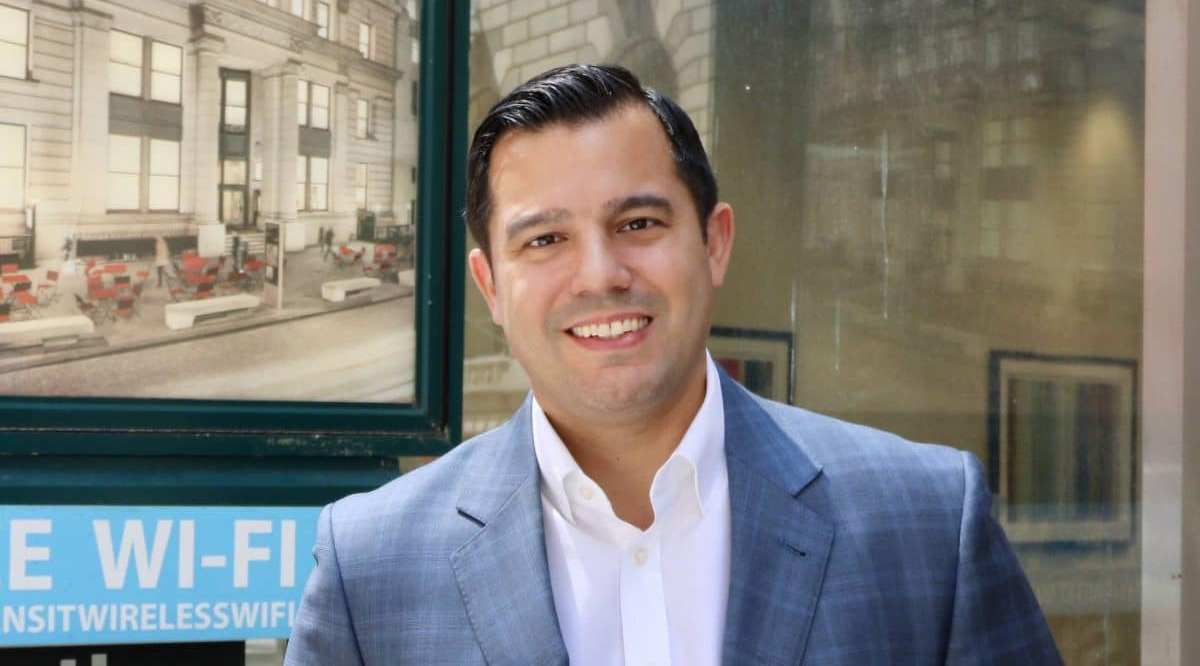
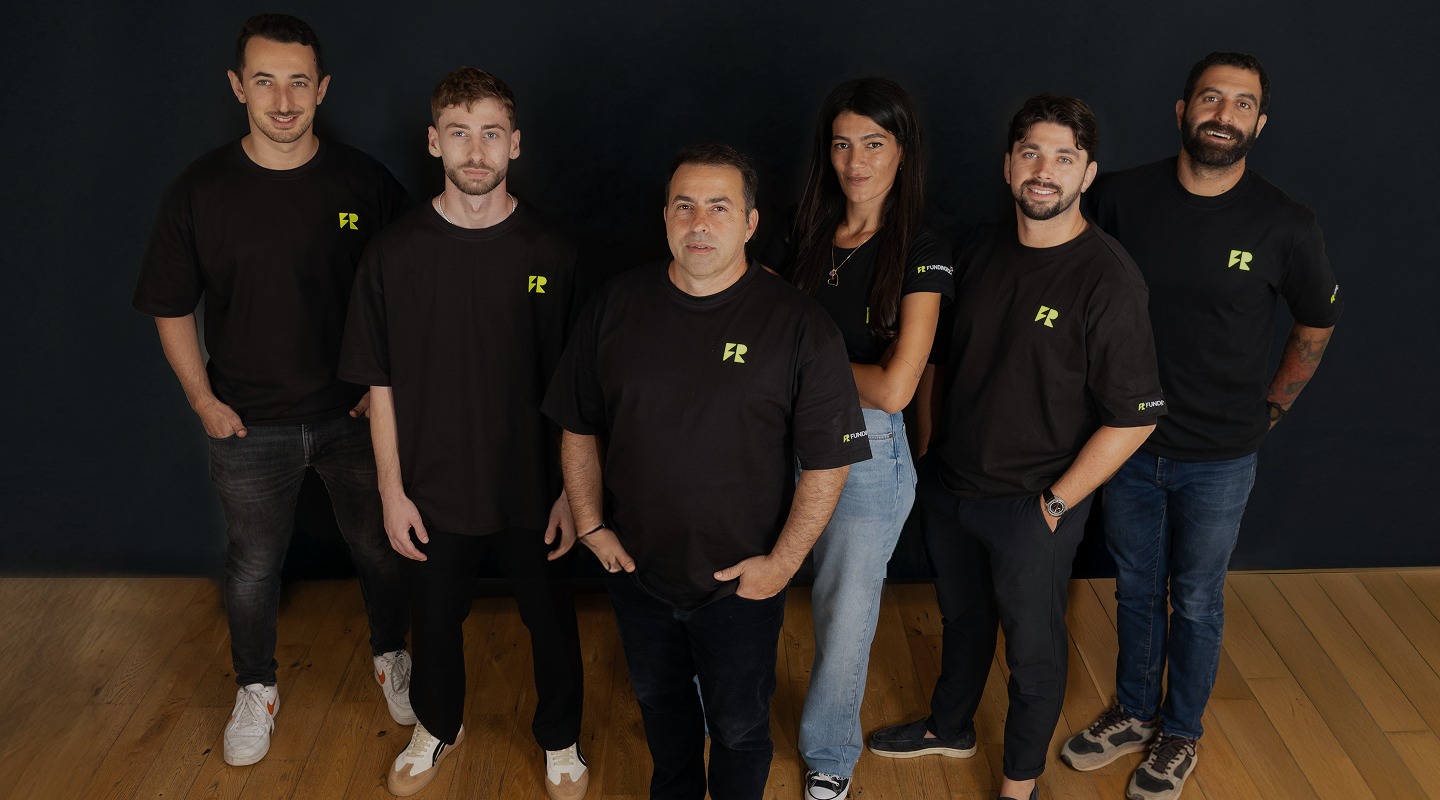
Justin Hertzberg, the Founder and CEO of FPFX Tech
“According
to the data in the survey, 14% of traders passed the challenge and obtained a
funded account. Of those, about 45% achieved a payout (7% of all traders) in
their funded account, with the average payout being 4% of the plan size (or
account value),” Justin Hertzberg, one of the founders and CEO of FPFX
Tech, commented for Finance Magnates.
How much
can traders earn? Most often, these amounts oscillate around 4% of the funded
accounts' size. If a prop investor gained access to an account worth $100,000,
which is relatively large, they would typically earn $4,000.
Considering
that a single account spends an average of $800 on challenge purchases
throughout its entire activity cycle, typically taking three different challenges,
the average profits are not high at all.
What is more, according to FPFX data, one in ten traders uses more than one prop firm. Information from 100,000 investors indicates that on average, they trade with 2.2 companies.
According
to FPFX Tech data, they account for 20% of all traders active in the industry.
The UK ranks second (10%), followed by India (4%). The rest of the ranking
consists of several countries, including many from the Old Continent, which
have a 2–3% market share.
However, as
Hertzberg admits, there is currently dynamic growth in the number of investors
from Asia, Africa (mainly Kenya and Nigeria), LATAM, and Eastern European
countries. “Over the next 90–180 days, we expect to see significant growth
rates out of the Middle East,” adds the CEO of FPFX Tech.
He bases the forecasts on the planned launch of new operations in the company's pipeline, which are set to start later this year. As Hertzberg emphasizes, these operations focus on several countries in the Middle East that have not been targeted by other firms from the industry so far.
Prop is the Future
of Retail Trading
Asked for
his opinion on whether prop trading could be the direction in which the retail
industry will develop, Hertzberg predicts that it is its future.
“It
shifts leverage concerns and risk management to the institution and away from
the individual trader,” said Hertzberg. “This gives the trader a
greater opportunity to achieve outsized results when compared to their own
personal buying power.”
He predicts
that prop trading's popularity will grow, as will the technologies behind it, and
FPFX Tech wants to “lead the charge” by developing new features for
the industry.
Hertzberg
is also convinced that the TFFs should be regulated, ensuring that operators
have sufficient experience, net capital, compliance controls, defensible
marketing, and appropriate disclosures in terms of how they operate. Regulatory actions this year already suggest the industry is heading in that direction.
As exclusively reported by Finance Magnates, ESMA started discussions a few months ago on regulating prop trading. A similar view was expressed by CySEC Chair, Dr. George Theocharides, who stated that “prop trading will fall under robust regulation at some point.” At the same time, the Czech market watchdog confirmed that the activities of prop trading firms “may be subject to MiFID” regulations.
“The
rash of recent prop firm halts, failures, suspensions, etc. is a direct result
of prop firms being undercapitalized and poorly managed,” added FPFX CEO.
“Especially as it pertains to risk management, which is the most important
and most neglected driver of prop firm success and profitability.”
It's worth
comparing this data with the results of another survey conducted by prop firm
PipFarm, also exclusively reported by Finance Magnates last month. Although
the sample size was significantly smaller (450 respondents) and focused on just
one prop firm, the differences in results were substantial. The average amount
spent on challenges exceeded $4,200 (compared to $800), and the number of
profitable traders reached 41% (compared to 7%).
In the world of prop trading, success is elusive for many. According to FPFX Tech's data, exclusively seen by Finance Magnates, a mere 7% of investors manage to turn a profit. Among those who do succeed, the average earnings are modest: just 4% of their allocated capital.
Traders Use 2.2 Prop Firms on Average
Prop
trading is dominated by men, who make up 78% of all trader-funded
firms (TFFs) clients. This type of investment is most popular among Gen Z and Millennials,
who together account for over 60% of all clients.
The data
comes from FPFX Tech, a fintech that specializes in providing technology
solutions for prop trading firms, offering software-as-a-service (SaaS)
solutions. It covered a total of over 300,000 accounts belonging to 100,000 traders from 10 different prop trading companies.
Justin Hertzberg, the Founder and CEO of FPFX Tech
“According
to the data in the survey, 14% of traders passed the challenge and obtained a
funded account. Of those, about 45% achieved a payout (7% of all traders) in
their funded account, with the average payout being 4% of the plan size (or
account value),” Justin Hertzberg, one of the founders and CEO of FPFX
Tech, commented for Finance Magnates.
How much
can traders earn? Most often, these amounts oscillate around 4% of the funded
accounts' size. If a prop investor gained access to an account worth $100,000,
which is relatively large, they would typically earn $4,000.
Considering
that a single account spends an average of $800 on challenge purchases
throughout its entire activity cycle, typically taking three different challenges,
the average profits are not high at all.
What is more, according to FPFX data, one in ten traders uses more than one prop firm. Information from 100,000 investors indicates that on average, they trade with 2.2 companies.
According
to FPFX Tech data, they account for 20% of all traders active in the industry.
The UK ranks second (10%), followed by India (4%). The rest of the ranking
consists of several countries, including many from the Old Continent, which
have a 2–3% market share.
However, as
Hertzberg admits, there is currently dynamic growth in the number of investors
from Asia, Africa (mainly Kenya and Nigeria), LATAM, and Eastern European
countries. “Over the next 90–180 days, we expect to see significant growth
rates out of the Middle East,” adds the CEO of FPFX Tech.
He bases the forecasts on the planned launch of new operations in the company's pipeline, which are set to start later this year. As Hertzberg emphasizes, these operations focus on several countries in the Middle East that have not been targeted by other firms from the industry so far.
Prop is the Future
of Retail Trading
Asked for
his opinion on whether prop trading could be the direction in which the retail
industry will develop, Hertzberg predicts that it is its future.
“It
shifts leverage concerns and risk management to the institution and away from
the individual trader,” said Hertzberg. “This gives the trader a
greater opportunity to achieve outsized results when compared to their own
personal buying power.”
He predicts
that prop trading's popularity will grow, as will the technologies behind it, and
FPFX Tech wants to “lead the charge” by developing new features for
the industry.
Hertzberg
is also convinced that the TFFs should be regulated, ensuring that operators
have sufficient experience, net capital, compliance controls, defensible
marketing, and appropriate disclosures in terms of how they operate. Regulatory actions this year already suggest the industry is heading in that direction.
As exclusively reported by Finance Magnates, ESMA started discussions a few months ago on regulating prop trading. A similar view was expressed by CySEC Chair, Dr. George Theocharides, who stated that “prop trading will fall under robust regulation at some point.” At the same time, the Czech market watchdog confirmed that the activities of prop trading firms “may be subject to MiFID” regulations.
“The
rash of recent prop firm halts, failures, suspensions, etc. is a direct result
of prop firms being undercapitalized and poorly managed,” added FPFX CEO.
“Especially as it pertains to risk management, which is the most important
and most neglected driver of prop firm success and profitability.”
It's worth
comparing this data with the results of another survey conducted by prop firm
PipFarm, also exclusively reported by Finance Magnates last month. Although
the sample size was significantly smaller (450 respondents) and focused on just
one prop firm, the differences in results were substantial. The average amount
spent on challenges exceeded $4,200 (compared to $800), and the number of
profitable traders reached 41% (compared to 7%).
Damian Chmiel is a Senior Analyst & Editor at Finance Magnates with more than 15 years of experience in the CFD and online trading industry. Active as both a trader and journalist since 2010, he focuses on broker coverage, fintech innovation, and regulatory developments across Europe, the Middle East, and Asia.
His work includes interviews with C-level leaders at major brokerages and fintech platforms, as well as co-authoring Finance Magnates’ quarterly industry benchmarking reports. Damian’s reporting is data-driven, market-aware, and grounded in direct industry engagement. His analysis and commentary have also been cited by external media outlets, including Investing.com, Binance, The Asset, Stockhead, and Dispatch.
Education:
MA in Finance and Accounting, Cracow University of Economics
Italy’s Consob Tightens Net on AI-Fueled Scams With Fresh Website Bans
FP Markets Winner Spotlight 🏆 | Global Broker of the Year 2025 #Trading #Broker #Innovation #Shorts
FP Markets Winner Spotlight 🏆 | Global Broker of the Year 2025 #Trading #Broker #Innovation #Shorts
FP Markets takes the spotlight as Global Broker of the Year 2025 at the Finance Magnates Awards.
Martin Stoilov, Head of Client Experience, shares that trust, innovation, and people played a key role in the company’s success, supported by a strong foundation of integrity and client-centricity.
Following this milestone, FP Markets continues to focus on growth, technology investment, and its core values of transparency and excellence.
👉 Be part of FM Awards 2026: https://awards.financemagnates.com/#nominate
FP Markets takes the spotlight as Global Broker of the Year 2025 at the Finance Magnates Awards.
Martin Stoilov, Head of Client Experience, shares that trust, innovation, and people played a key role in the company’s success, supported by a strong foundation of integrity and client-centricity.
Following this milestone, FP Markets continues to focus on growth, technology investment, and its core values of transparency and excellence.
👉 Be part of FM Awards 2026: https://awards.financemagnates.com/#nominate
In this video, we review @HolaPrimeMarketsOfficial, a multi-asset forex and CFDs broker offering different account types, trading platforms, and flexible trading conditions.
We cover the broker’s overall offering, including account options, trading environment, platforms like MT4 and MT5, and additional services such as managed accounts and fast withdrawals.
Watch the full video to see if Hola Prime Markets fits your trading needs.
📣 Stay up to date with the latest in finance and trading. Follow Finance Magnates for industry news, insights, and global event coverage.
Connect with us:
🔗 LinkedIn: /financemagnates
👍 Facebook: /financemagnates
📸 Instagram: https://www.instagram.com/financemagnates
🐦 X: https://x.com/financemagnates
🎥 TikTok: https://www.tiktok.com/tag/financemagnates
▶️ YouTube: /@financemagnates_official
#HolaPrime #ForexBroker #CFDTrading #FinanceMagnates #Trading #Forex #BrokerReview
In this video, we review @HolaPrimeMarketsOfficial, a multi-asset forex and CFDs broker offering different account types, trading platforms, and flexible trading conditions.
We cover the broker’s overall offering, including account options, trading environment, platforms like MT4 and MT5, and additional services such as managed accounts and fast withdrawals.
Watch the full video to see if Hola Prime Markets fits your trading needs.
📣 Stay up to date with the latest in finance and trading. Follow Finance Magnates for industry news, insights, and global event coverage.
Connect with us:
🔗 LinkedIn: /financemagnates
👍 Facebook: /financemagnates
📸 Instagram: https://www.instagram.com/financemagnates
🐦 X: https://x.com/financemagnates
🎥 TikTok: https://www.tiktok.com/tag/financemagnates
▶️ YouTube: /@financemagnates_official
#HolaPrime #ForexBroker #CFDTrading #FinanceMagnates #Trading #Forex #BrokerReview
Hola Prime Review: What You Need to Know | Full Breakdown by Finance Magnates
Hola Prime Review: What You Need to Know | Full Breakdown by Finance Magnates
In this video, we review @HolaPrime_Global, a proprietary trading firm offering evaluation programs and performance-based payouts in simulated market environments.
We cover how the challenge model works, including account types, profit splits (up to 95%), trading rules, and what it takes to reach a funded account. You’ll also learn about available platforms like MT4, MT5, cTrader, and more, along with insights into payouts, support, and trading conditions.
Watch the full video to see if Hola Prime fits your trading style.
📣 Stay up to date with the latest in finance and trading. Follow Finance Magnates for industry news, insights, and global event coverage.
Connect with us:
🔗 LinkedIn: /financemagnates
👍 Facebook: /financemagnates
📸 Instagram: https://www.instagram.com/financemagnates
🐦 X: https://x.com/financemagnates
🎥 TikTok: https://www.tiktok.com/tag/financemagnates
▶️ YouTube: /@financemagnates_official
#HolaPrime #PropFirm #Trading #FinanceMagnates #Forex #FuturesTrading #TradingReview #PropFirmReview
In this video, we review @HolaPrime_Global, a proprietary trading firm offering evaluation programs and performance-based payouts in simulated market environments.
We cover how the challenge model works, including account types, profit splits (up to 95%), trading rules, and what it takes to reach a funded account. You’ll also learn about available platforms like MT4, MT5, cTrader, and more, along with insights into payouts, support, and trading conditions.
Watch the full video to see if Hola Prime fits your trading style.
📣 Stay up to date with the latest in finance and trading. Follow Finance Magnates for industry news, insights, and global event coverage.
Connect with us:
🔗 LinkedIn: /financemagnates
👍 Facebook: /financemagnates
📸 Instagram: https://www.instagram.com/financemagnates
🐦 X: https://x.com/financemagnates
🎥 TikTok: https://www.tiktok.com/tag/financemagnates
▶️ YouTube: /@financemagnates_official
#HolaPrime #PropFirm #Trading #FinanceMagnates #Forex #FuturesTrading #TradingReview #PropFirmReview
Axi Winner Spotlight 🏆 | Global Most Innovative Broker 2025 #Innovation #Trading #Fintech #Broker
Axi Winner Spotlight 🏆 | Global Most Innovative Broker 2025 #Innovation #Trading #Fintech #Broker
Axi takes the spotlight at the Finance Magnates Awards, winning Global Most Innovative Broker 2025.
Olivia Xenofontos and Ivanna Openko share how the team will feel: proud, motivated, and ready to keep delivering.
They also describe the night as well-organized, focused, and enjoyable for all.
👉 Be part of FM Awards 2026.
Axi takes the spotlight at the Finance Magnates Awards, winning Global Most Innovative Broker 2025.
Olivia Xenofontos and Ivanna Openko share how the team will feel: proud, motivated, and ready to keep delivering.
They also describe the night as well-organized, focused, and enjoyable for all.
👉 Be part of FM Awards 2026.
Recognition that matters.
Built on transparency.
Driven by the industry.
The Finance Magnates Awards 2026.
Nominations are now open.
🔗 https://awards.financemagnates.com/?utm_source=SM&utm_medium=social&utm_campaign=recognition-matters
Recognition that matters.
Built on transparency.
Driven by the industry.
The Finance Magnates Awards 2026.
Nominations are now open.
🔗 https://awards.financemagnates.com/?utm_source=SM&utm_medium=social&utm_campaign=recognition-matters