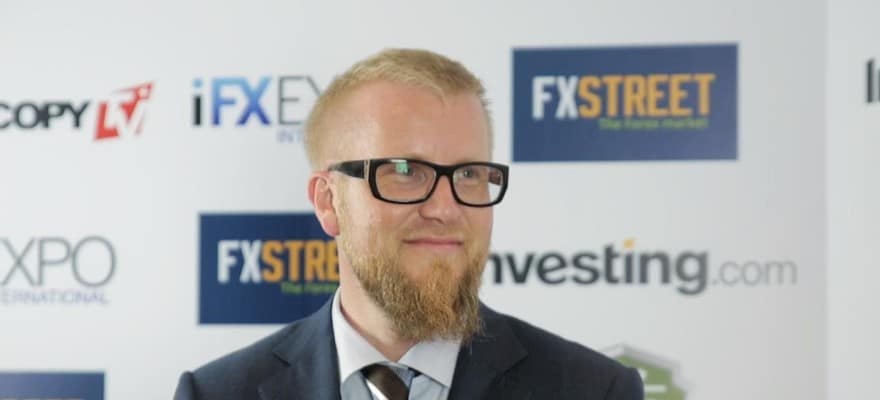
We take a look at five of the biggest deals that took place across the financial services industry this year
Finance Magnates
It’s been another exciting year in the world of mergers and acquisitions, with billions of dollars flying everywhere and some major companies, including PayPal and OANDA, getting thrown into the mix.
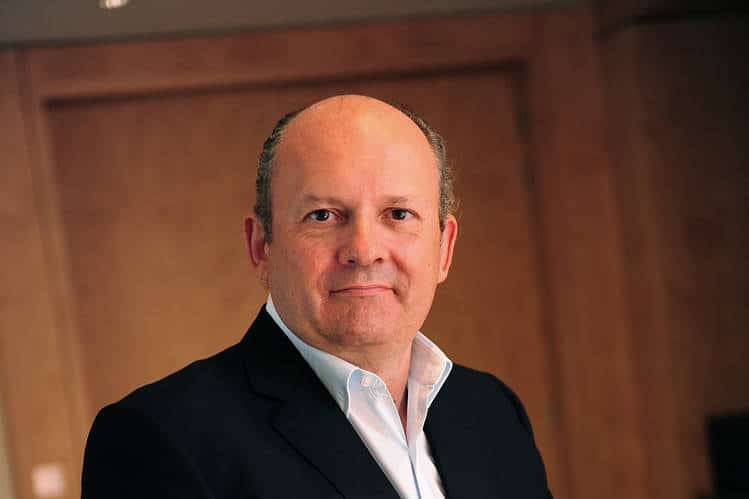
That deal, which was worth £3.9 billion ($4.97 billion), was completed at the start of November. Michael Spencer, NEX’s founder, is thought to have made £670 million ($845.4 million) from the sale.
NEX Founder Michael Spencer
There were some minor fears that CME wouldn’t get regulatory approval to go ahead with the acquisition. Both UK and US antitrust authorities investigated the acquisition. Fortunately for Spencer, Spencer's wallet and CME, neither body found anything untoward in the deal and both gave the green light for its completion back in October.
CME, which owns the New York and Chicago Mercantile Exchanges, was already a mammoth operation prior to the deal. Its acquisition of NEX, whose BrokerTec trading platform has an 80% market share of the approximately $200 billion wholesale, dealer to dealer trading in US Treasuries, will only increase its capabilities.
Another smaller, but by no means less important, deal took place in May when GAIN Capital sold GTX, its foreign exchange (FX) electronic communication network (ECN), to Deutsche Boerse's 360T.
Alongside its competitors Euronext and BATS, the German exchange operator has been working to bolster its institutional FX service offering in recent years, paying almost $800 million for 360T back in May of 2015.
And as we come to the end of 2018, it will have another string in its bow through the acquisition of GTX. Deutsche Boerse paid $100 million for the ECN and completed the deal in June.
OANDA Acquired by CVC Partners
Back in the retail trading world, the figures involved were, as is to be expected, much smaller.
The largest deal of the year will be old news to most of our readers. It stems from an acquisition confirmed in 2017 but which required regulatory approval.
That was, of course, the takeover of Saxo Bank by the investment arm of Chinese car manufacturer Geely. Valuing Saxo Bank at just over $1.5 billion, Geely have taken a 52 percent stake in the Danish investment bank.
The terms of the deal were announced in OCtober of last year but still needed the regulator's approval. Alongside Geely, Nordic investment giant Sampo also acquired a 19.9 percent stake in Saxo Bank.
Another large-scale deal came in May when American retail broker OANDA announced that it had been acquired by the fourth Asia fund of private equity firm CVC Partners’ (CVC).
As Finance Magnates reported exclusively back in June, CVC paid $160 million for a 98.5 percent stake in the broker, valuing the company at a total of $170 million.
“CVC Capital made perfect sense to our executive committee,” OANDA CEO Vatsa Narasimha told Finance Magnates back in July. “Not only because they already have a deep-seated knowledge of the industry, but they also bought into our strategy for growth.”
The terms of the deal were not disclosed but, having received regulatory approval for the deal in November, JFD Brokers can now provide asset management, on-exchange stock trading, and investment advisory services.
Next up is One Financial Markets (OFM). The broker was acquired in August by AxiCorp, an Australian firm. According to AxiCorp, OFM's decision to sell was partly influenced by the European Securities and Markets Authority’s product intervention measures.
In fact, these measures are likely to spur further investment activity in the coming year.
With firms unable to keep their operations going as a result of restrictions on leverage and marketing, we are probably going to see some consolidation in the near future. Watch this space.
Previously owned by - you guessed it - SIX Group, the payments company announced that it was seeking a ‘strategic partnership’ in November of 2017.
That was apparently the result of the company’s desire to keep pace with other payments companies’ merchant acceptance, acquiring, and international card processing services.
Wordline, which is owned by French IT giant Atos, said that the deal will make it the largest merchant services business in Continental Europe.
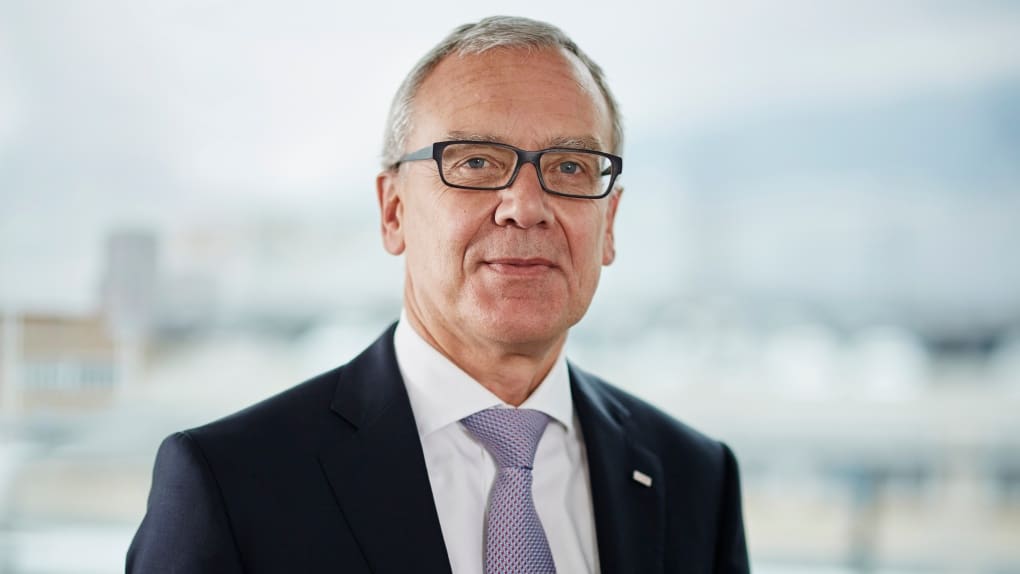
“We are very happy that in Worldline we have found a well-known and strong international partner who will work with us to advance and further develop the payment business,” said Romeo Lacher, Chairman of SIX’s board of directors, back in May. “This strategic partnership makes us Europe's leading and largest provider in one go.”
Romeo Lacher, Chairman of SIX Group
The deal, which was completed at the end of November, will also see SIX Group take a 26.9% stake in Worldline.
In a statement released in the wake of its shareholder meeting held two weeks ago, Worldline said that it expects revenues to increase by 30 percent as a result of the deal.
The payments company added that it will gain 1,300 payments specialists from SIX Payments Services team and that revenue for its merchants services business will increase by 60 percent.
PayPal enters the point of sale world
A similar deal, both in terms of size and the sort of services involved, also took place in the financial technology (fintech) sphere this year.
Shortly after announcing it was planning an IPO in 2019, iZettle, a company founded in 2010 by Swedish pair Jacob de Geer and Magnus Nilsson, was acquired by PayPal for $2.2 billion.
Anti-trust regulators in the UK have since said they fear the deal could create a monopoly on payments. Those concerns are fairly common in such deals - we've already seen that the same regulator said similar things about the CME/NEX deal - and are unlikely to materialize into measures penalizing PayPal.
As with many payments companies, iZettle is one of those firms that many people use every day without even knowing it.
The company is best known for its card reading machines, which only require a mobile phone to use, but in recent years they have branched out into providing an array of different point of sale solutions.
PayPal’s acquisition of the firm seems to have been driven by increasing competition from other payment companies, notably Square, a company founded in 2010 and run by Twitter CEO Jack Dorsey.
As with iZettle, Square provides a payments machine that merchants can use to accept cash by attaching it to their mobile phone. So similar are the companies that many have dubbed iZettle “the Square of Europe,” although it may be fairer to say that Square is the “iZettle of America” given that the Swedish company was founded one month before its San Franciscan rival.
At any rate, the acquisition will enable PayPal to establish a strong foothold in Europe and Latin America - the two markets where iZettle has succeeded most.
It also allows the company to expand into the offline payments market. We’ll just have to hope they don’t charge as high a commission as they do for their online service.
One of the highlights of the year came in April when Monex Group, the owner of Japan's third largest online brokerage, announced that it was acquiring Coincheck for $34 million. The deal came just three months after the cryptocurrency exchange found itself at the centre of a huge scandal, with hackers managing to steal NEM tokens worth $530 million from its clients.
As many companies have refused to release the terms of their deals, figuring out what the biggest deal of the year was, in monetary terms, isn’t easy.
Then came the October acquisition of BitStamp, a cryptocurrency exchange, by a Belgian private equity firm called NXMH. Again, no comments from either side of the deal were forthcoming but Nathaniel Popper, a New York Times reporter, claimed NXMH also paid $400 million for the cryptocurrency exchange.
[embed]
Along with all the other news about virtual currency exchanges, I've heard from numerous sources that one of the oldest exchanges, Bitstamp, is in the final stages of being sold to South Korean investors for ~$400m. Neither the exchange nor the buyers are commenting.
The details of one major deal, which took place in October as well, were made public. A South Korean plastic surgeon called Kim Byung Gun, who made millions investing in biotech and fintech, led a consortium of Singaporean investors that took over Bithumb.
Calling themselves BK Global Consortium, the investors paid $352 million for a 50 percent plus one share stake in the cryptocurrency exchange, which is thought to be the third largest in the world by trading volume.
Prior to the acquisition, way back in the now distant month of February, Bithumb was valued at $880 million. Given that interest in cryptocurrencies has nosedived since then, it’s unsurprising that Kim and his cohort didn’t pay full price for the exchange.
Well, that’s it for this year Finance Magnates readers. Remember to keep those eyes peeled for retail trading consolidation and a slow down in the cryptocurrency market - see you in the new year.
It’s been another exciting year in the world of mergers and acquisitions, with billions of dollars flying everywhere and some major companies, including PayPal and OANDA, getting thrown into the mix.
That deal, which was worth £3.9 billion ($4.97 billion), was completed at the start of November. Michael Spencer, NEX’s founder, is thought to have made £670 million ($845.4 million) from the sale.
NEX Founder Michael Spencer
There were some minor fears that CME wouldn’t get regulatory approval to go ahead with the acquisition. Both UK and US antitrust authorities investigated the acquisition. Fortunately for Spencer, Spencer's wallet and CME, neither body found anything untoward in the deal and both gave the green light for its completion back in October.
CME, which owns the New York and Chicago Mercantile Exchanges, was already a mammoth operation prior to the deal. Its acquisition of NEX, whose BrokerTec trading platform has an 80% market share of the approximately $200 billion wholesale, dealer to dealer trading in US Treasuries, will only increase its capabilities.
Another smaller, but by no means less important, deal took place in May when GAIN Capital sold GTX, its foreign exchange (FX) electronic communication network (ECN), to Deutsche Boerse's 360T.
Alongside its competitors Euronext and BATS, the German exchange operator has been working to bolster its institutional FX service offering in recent years, paying almost $800 million for 360T back in May of 2015.
And as we come to the end of 2018, it will have another string in its bow through the acquisition of GTX. Deutsche Boerse paid $100 million for the ECN and completed the deal in June.
OANDA Acquired by CVC Partners
Back in the retail trading world, the figures involved were, as is to be expected, much smaller.
The largest deal of the year will be old news to most of our readers. It stems from an acquisition confirmed in 2017 but which required regulatory approval.
That was, of course, the takeover of Saxo Bank by the investment arm of Chinese car manufacturer Geely. Valuing Saxo Bank at just over $1.5 billion, Geely have taken a 52 percent stake in the Danish investment bank.
The terms of the deal were announced in OCtober of last year but still needed the regulator's approval. Alongside Geely, Nordic investment giant Sampo also acquired a 19.9 percent stake in Saxo Bank.
Another large-scale deal came in May when American retail broker OANDA announced that it had been acquired by the fourth Asia fund of private equity firm CVC Partners’ (CVC).
As Finance Magnates reported exclusively back in June, CVC paid $160 million for a 98.5 percent stake in the broker, valuing the company at a total of $170 million.
“CVC Capital made perfect sense to our executive committee,” OANDA CEO Vatsa Narasimha told Finance Magnates back in July. “Not only because they already have a deep-seated knowledge of the industry, but they also bought into our strategy for growth.”
The terms of the deal were not disclosed but, having received regulatory approval for the deal in November, JFD Brokers can now provide asset management, on-exchange stock trading, and investment advisory services.
Next up is One Financial Markets (OFM). The broker was acquired in August by AxiCorp, an Australian firm. According to AxiCorp, OFM's decision to sell was partly influenced by the European Securities and Markets Authority’s product intervention measures.
In fact, these measures are likely to spur further investment activity in the coming year.
With firms unable to keep their operations going as a result of restrictions on leverage and marketing, we are probably going to see some consolidation in the near future. Watch this space.
Previously owned by - you guessed it - SIX Group, the payments company announced that it was seeking a ‘strategic partnership’ in November of 2017.
That was apparently the result of the company’s desire to keep pace with other payments companies’ merchant acceptance, acquiring, and international card processing services.
Wordline, which is owned by French IT giant Atos, said that the deal will make it the largest merchant services business in Continental Europe.
“We are very happy that in Worldline we have found a well-known and strong international partner who will work with us to advance and further develop the payment business,” said Romeo Lacher, Chairman of SIX’s board of directors, back in May. “This strategic partnership makes us Europe's leading and largest provider in one go.”
Romeo Lacher, Chairman of SIX Group
The deal, which was completed at the end of November, will also see SIX Group take a 26.9% stake in Worldline.
In a statement released in the wake of its shareholder meeting held two weeks ago, Worldline said that it expects revenues to increase by 30 percent as a result of the deal.
The payments company added that it will gain 1,300 payments specialists from SIX Payments Services team and that revenue for its merchants services business will increase by 60 percent.
PayPal enters the point of sale world
A similar deal, both in terms of size and the sort of services involved, also took place in the financial technology (fintech) sphere this year.
Shortly after announcing it was planning an IPO in 2019, iZettle, a company founded in 2010 by Swedish pair Jacob de Geer and Magnus Nilsson, was acquired by PayPal for $2.2 billion.
Anti-trust regulators in the UK have since said they fear the deal could create a monopoly on payments. Those concerns are fairly common in such deals - we've already seen that the same regulator said similar things about the CME/NEX deal - and are unlikely to materialize into measures penalizing PayPal.
As with many payments companies, iZettle is one of those firms that many people use every day without even knowing it.
The company is best known for its card reading machines, which only require a mobile phone to use, but in recent years they have branched out into providing an array of different point of sale solutions.
PayPal’s acquisition of the firm seems to have been driven by increasing competition from other payment companies, notably Square, a company founded in 2010 and run by Twitter CEO Jack Dorsey.
As with iZettle, Square provides a payments machine that merchants can use to accept cash by attaching it to their mobile phone. So similar are the companies that many have dubbed iZettle “the Square of Europe,” although it may be fairer to say that Square is the “iZettle of America” given that the Swedish company was founded one month before its San Franciscan rival.
At any rate, the acquisition will enable PayPal to establish a strong foothold in Europe and Latin America - the two markets where iZettle has succeeded most.
It also allows the company to expand into the offline payments market. We’ll just have to hope they don’t charge as high a commission as they do for their online service.
One of the highlights of the year came in April when Monex Group, the owner of Japan's third largest online brokerage, announced that it was acquiring Coincheck for $34 million. The deal came just three months after the cryptocurrency exchange found itself at the centre of a huge scandal, with hackers managing to steal NEM tokens worth $530 million from its clients.
As many companies have refused to release the terms of their deals, figuring out what the biggest deal of the year was, in monetary terms, isn’t easy.
Then came the October acquisition of BitStamp, a cryptocurrency exchange, by a Belgian private equity firm called NXMH. Again, no comments from either side of the deal were forthcoming but Nathaniel Popper, a New York Times reporter, claimed NXMH also paid $400 million for the cryptocurrency exchange.
[embed]
Along with all the other news about virtual currency exchanges, I've heard from numerous sources that one of the oldest exchanges, Bitstamp, is in the final stages of being sold to South Korean investors for ~$400m. Neither the exchange nor the buyers are commenting.
The details of one major deal, which took place in October as well, were made public. A South Korean plastic surgeon called Kim Byung Gun, who made millions investing in biotech and fintech, led a consortium of Singaporean investors that took over Bithumb.
Calling themselves BK Global Consortium, the investors paid $352 million for a 50 percent plus one share stake in the cryptocurrency exchange, which is thought to be the third largest in the world by trading volume.
Prior to the acquisition, way back in the now distant month of February, Bithumb was valued at $880 million. Given that interest in cryptocurrencies has nosedived since then, it’s unsurprising that Kim and his cohort didn’t pay full price for the exchange.
Well, that’s it for this year Finance Magnates readers. Remember to keep those eyes peeled for retail trading consolidation and a slow down in the cryptocurrency market - see you in the new year.
Italy’s Consob Tightens Net on AI-Fueled Scams With Fresh Website Bans
Featured Videos
FP Markets Winner Spotlight 🏆 | Global Broker of the Year 2025 #Trading #Broker #Innovation #Shorts
FP Markets Winner Spotlight 🏆 | Global Broker of the Year 2025 #Trading #Broker #Innovation #Shorts
FP Markets Winner Spotlight 🏆 | Global Broker of the Year 2025 #Trading #Broker #Innovation #Shorts
FP Markets Winner Spotlight 🏆 | Global Broker of the Year 2025 #Trading #Broker #Innovation #Shorts
FP Markets takes the spotlight as Global Broker of the Year 2025 at the Finance Magnates Awards.
Martin Stoilov, Head of Client Experience, shares that trust, innovation, and people played a key role in the company’s success, supported by a strong foundation of integrity and client-centricity.
Following this milestone, FP Markets continues to focus on growth, technology investment, and its core values of transparency and excellence.
👉 Be part of FM Awards 2026: https://awards.financemagnates.com/#nominate
FP Markets takes the spotlight as Global Broker of the Year 2025 at the Finance Magnates Awards.
Martin Stoilov, Head of Client Experience, shares that trust, innovation, and people played a key role in the company’s success, supported by a strong foundation of integrity and client-centricity.
Following this milestone, FP Markets continues to focus on growth, technology investment, and its core values of transparency and excellence.
👉 Be part of FM Awards 2026: https://awards.financemagnates.com/#nominate
FP Markets takes the spotlight as Global Broker of the Year 2025 at the Finance Magnates Awards.
Martin Stoilov, Head of Client Experience, shares that trust, innovation, and people played a key role in the company’s success, supported by a strong foundation of integrity and client-centricity.
Following this milestone, FP Markets continues to focus on growth, technology investment, and its core values of transparency and excellence.
👉 Be part of FM Awards 2026: https://awards.financemagnates.com/#nominate
FP Markets takes the spotlight as Global Broker of the Year 2025 at the Finance Magnates Awards.
Martin Stoilov, Head of Client Experience, shares that trust, innovation, and people played a key role in the company’s success, supported by a strong foundation of integrity and client-centricity.
Following this milestone, FP Markets continues to focus on growth, technology investment, and its core values of transparency and excellence.
👉 Be part of FM Awards 2026: https://awards.financemagnates.com/#nominate
In this video, we review @HolaPrimeMarketsOfficial, a multi-asset forex and CFDs broker offering different account types, trading platforms, and flexible trading conditions.
We cover the broker’s overall offering, including account options, trading environment, platforms like MT4 and MT5, and additional services such as managed accounts and fast withdrawals.
Watch the full video to see if Hola Prime Markets fits your trading needs.
📣 Stay up to date with the latest in finance and trading. Follow Finance Magnates for industry news, insights, and global event coverage.
Connect with us:
🔗 LinkedIn: /financemagnates
👍 Facebook: /financemagnates
📸 Instagram: https://www.instagram.com/financemagnates
🐦 X: https://x.com/financemagnates
🎥 TikTok: https://www.tiktok.com/tag/financemagnates
▶️ YouTube: /@financemagnates_official
#HolaPrime #ForexBroker #CFDTrading #FinanceMagnates #Trading #Forex #BrokerReview
In this video, we review @HolaPrimeMarketsOfficial, a multi-asset forex and CFDs broker offering different account types, trading platforms, and flexible trading conditions.
We cover the broker’s overall offering, including account options, trading environment, platforms like MT4 and MT5, and additional services such as managed accounts and fast withdrawals.
Watch the full video to see if Hola Prime Markets fits your trading needs.
📣 Stay up to date with the latest in finance and trading. Follow Finance Magnates for industry news, insights, and global event coverage.
Connect with us:
🔗 LinkedIn: /financemagnates
👍 Facebook: /financemagnates
📸 Instagram: https://www.instagram.com/financemagnates
🐦 X: https://x.com/financemagnates
🎥 TikTok: https://www.tiktok.com/tag/financemagnates
▶️ YouTube: /@financemagnates_official
#HolaPrime #ForexBroker #CFDTrading #FinanceMagnates #Trading #Forex #BrokerReview
In this video, we review @HolaPrimeMarketsOfficial, a multi-asset forex and CFDs broker offering different account types, trading platforms, and flexible trading conditions.
We cover the broker’s overall offering, including account options, trading environment, platforms like MT4 and MT5, and additional services such as managed accounts and fast withdrawals.
Watch the full video to see if Hola Prime Markets fits your trading needs.
📣 Stay up to date with the latest in finance and trading. Follow Finance Magnates for industry news, insights, and global event coverage.
Connect with us:
🔗 LinkedIn: /financemagnates
👍 Facebook: /financemagnates
📸 Instagram: https://www.instagram.com/financemagnates
🐦 X: https://x.com/financemagnates
🎥 TikTok: https://www.tiktok.com/tag/financemagnates
▶️ YouTube: /@financemagnates_official
#HolaPrime #ForexBroker #CFDTrading #FinanceMagnates #Trading #Forex #BrokerReview
In this video, we review @HolaPrimeMarketsOfficial, a multi-asset forex and CFDs broker offering different account types, trading platforms, and flexible trading conditions.
We cover the broker’s overall offering, including account options, trading environment, platforms like MT4 and MT5, and additional services such as managed accounts and fast withdrawals.
Watch the full video to see if Hola Prime Markets fits your trading needs.
📣 Stay up to date with the latest in finance and trading. Follow Finance Magnates for industry news, insights, and global event coverage.
Connect with us:
🔗 LinkedIn: /financemagnates
👍 Facebook: /financemagnates
📸 Instagram: https://www.instagram.com/financemagnates
🐦 X: https://x.com/financemagnates
🎥 TikTok: https://www.tiktok.com/tag/financemagnates
▶️ YouTube: /@financemagnates_official
#HolaPrime #ForexBroker #CFDTrading #FinanceMagnates #Trading #Forex #BrokerReview
In this video, we review @HolaPrimeMarketsOfficial, a multi-asset forex and CFDs broker offering different account types, trading platforms, and flexible trading conditions.
We cover the broker’s overall offering, including account options, trading environment, platforms like MT4 and MT5, and additional services such as managed accounts and fast withdrawals.
Watch the full video to see if Hola Prime Markets fits your trading needs.
📣 Stay up to date with the latest in finance and trading. Follow Finance Magnates for industry news, insights, and global event coverage.
Connect with us:
🔗 LinkedIn: /financemagnates
👍 Facebook: /financemagnates
📸 Instagram: https://www.instagram.com/financemagnates
🐦 X: https://x.com/financemagnates
🎥 TikTok: https://www.tiktok.com/tag/financemagnates
▶️ YouTube: /@financemagnates_official
#HolaPrime #ForexBroker #CFDTrading #FinanceMagnates #Trading #Forex #BrokerReview
In this video, we review @HolaPrimeMarketsOfficial, a multi-asset forex and CFDs broker offering different account types, trading platforms, and flexible trading conditions.
We cover the broker’s overall offering, including account options, trading environment, platforms like MT4 and MT5, and additional services such as managed accounts and fast withdrawals.
Watch the full video to see if Hola Prime Markets fits your trading needs.
📣 Stay up to date with the latest in finance and trading. Follow Finance Magnates for industry news, insights, and global event coverage.
Connect with us:
🔗 LinkedIn: /financemagnates
👍 Facebook: /financemagnates
📸 Instagram: https://www.instagram.com/financemagnates
🐦 X: https://x.com/financemagnates
🎥 TikTok: https://www.tiktok.com/tag/financemagnates
▶️ YouTube: /@financemagnates_official
#HolaPrime #ForexBroker #CFDTrading #FinanceMagnates #Trading #Forex #BrokerReview
Hola Prime Review: What You Need to Know | Full Breakdown by Finance Magnates
Hola Prime Review: What You Need to Know | Full Breakdown by Finance Magnates
Hola Prime Review: What You Need to Know | Full Breakdown by Finance Magnates
Hola Prime Review: What You Need to Know | Full Breakdown by Finance Magnates
Hola Prime Review: What You Need to Know | Full Breakdown by Finance Magnates
Hola Prime Review: What You Need to Know | Full Breakdown by Finance Magnates
In this video, we review @HolaPrime_Global, a proprietary trading firm offering evaluation programs and performance-based payouts in simulated market environments.
We cover how the challenge model works, including account types, profit splits (up to 95%), trading rules, and what it takes to reach a funded account. You’ll also learn about available platforms like MT4, MT5, cTrader, and more, along with insights into payouts, support, and trading conditions.
Watch the full video to see if Hola Prime fits your trading style.
📣 Stay up to date with the latest in finance and trading. Follow Finance Magnates for industry news, insights, and global event coverage.
Connect with us:
🔗 LinkedIn: /financemagnates
👍 Facebook: /financemagnates
📸 Instagram: https://www.instagram.com/financemagnates
🐦 X: https://x.com/financemagnates
🎥 TikTok: https://www.tiktok.com/tag/financemagnates
▶️ YouTube: /@financemagnates_official
#HolaPrime #PropFirm #Trading #FinanceMagnates #Forex #FuturesTrading #TradingReview #PropFirmReview
In this video, we review @HolaPrime_Global, a proprietary trading firm offering evaluation programs and performance-based payouts in simulated market environments.
We cover how the challenge model works, including account types, profit splits (up to 95%), trading rules, and what it takes to reach a funded account. You’ll also learn about available platforms like MT4, MT5, cTrader, and more, along with insights into payouts, support, and trading conditions.
Watch the full video to see if Hola Prime fits your trading style.
📣 Stay up to date with the latest in finance and trading. Follow Finance Magnates for industry news, insights, and global event coverage.
Connect with us:
🔗 LinkedIn: /financemagnates
👍 Facebook: /financemagnates
📸 Instagram: https://www.instagram.com/financemagnates
🐦 X: https://x.com/financemagnates
🎥 TikTok: https://www.tiktok.com/tag/financemagnates
▶️ YouTube: /@financemagnates_official
#HolaPrime #PropFirm #Trading #FinanceMagnates #Forex #FuturesTrading #TradingReview #PropFirmReview
In this video, we review @HolaPrime_Global, a proprietary trading firm offering evaluation programs and performance-based payouts in simulated market environments.
We cover how the challenge model works, including account types, profit splits (up to 95%), trading rules, and what it takes to reach a funded account. You’ll also learn about available platforms like MT4, MT5, cTrader, and more, along with insights into payouts, support, and trading conditions.
Watch the full video to see if Hola Prime fits your trading style.
📣 Stay up to date with the latest in finance and trading. Follow Finance Magnates for industry news, insights, and global event coverage.
Connect with us:
🔗 LinkedIn: /financemagnates
👍 Facebook: /financemagnates
📸 Instagram: https://www.instagram.com/financemagnates
🐦 X: https://x.com/financemagnates
🎥 TikTok: https://www.tiktok.com/tag/financemagnates
▶️ YouTube: /@financemagnates_official
#HolaPrime #PropFirm #Trading #FinanceMagnates #Forex #FuturesTrading #TradingReview #PropFirmReview
In this video, we review @HolaPrime_Global, a proprietary trading firm offering evaluation programs and performance-based payouts in simulated market environments.
We cover how the challenge model works, including account types, profit splits (up to 95%), trading rules, and what it takes to reach a funded account. You’ll also learn about available platforms like MT4, MT5, cTrader, and more, along with insights into payouts, support, and trading conditions.
Watch the full video to see if Hola Prime fits your trading style.
📣 Stay up to date with the latest in finance and trading. Follow Finance Magnates for industry news, insights, and global event coverage.
Connect with us:
🔗 LinkedIn: /financemagnates
👍 Facebook: /financemagnates
📸 Instagram: https://www.instagram.com/financemagnates
🐦 X: https://x.com/financemagnates
🎥 TikTok: https://www.tiktok.com/tag/financemagnates
▶️ YouTube: /@financemagnates_official
#HolaPrime #PropFirm #Trading #FinanceMagnates #Forex #FuturesTrading #TradingReview #PropFirmReview
In this video, we review @HolaPrime_Global, a proprietary trading firm offering evaluation programs and performance-based payouts in simulated market environments.
We cover how the challenge model works, including account types, profit splits (up to 95%), trading rules, and what it takes to reach a funded account. You’ll also learn about available platforms like MT4, MT5, cTrader, and more, along with insights into payouts, support, and trading conditions.
Watch the full video to see if Hola Prime fits your trading style.
📣 Stay up to date with the latest in finance and trading. Follow Finance Magnates for industry news, insights, and global event coverage.
Connect with us:
🔗 LinkedIn: /financemagnates
👍 Facebook: /financemagnates
📸 Instagram: https://www.instagram.com/financemagnates
🐦 X: https://x.com/financemagnates
🎥 TikTok: https://www.tiktok.com/tag/financemagnates
▶️ YouTube: /@financemagnates_official
#HolaPrime #PropFirm #Trading #FinanceMagnates #Forex #FuturesTrading #TradingReview #PropFirmReview
In this video, we review @HolaPrime_Global, a proprietary trading firm offering evaluation programs and performance-based payouts in simulated market environments.
We cover how the challenge model works, including account types, profit splits (up to 95%), trading rules, and what it takes to reach a funded account. You’ll also learn about available platforms like MT4, MT5, cTrader, and more, along with insights into payouts, support, and trading conditions.
Watch the full video to see if Hola Prime fits your trading style.
📣 Stay up to date with the latest in finance and trading. Follow Finance Magnates for industry news, insights, and global event coverage.
Connect with us:
🔗 LinkedIn: /financemagnates
👍 Facebook: /financemagnates
📸 Instagram: https://www.instagram.com/financemagnates
🐦 X: https://x.com/financemagnates
🎥 TikTok: https://www.tiktok.com/tag/financemagnates
▶️ YouTube: /@financemagnates_official
#HolaPrime #PropFirm #Trading #FinanceMagnates #Forex #FuturesTrading #TradingReview #PropFirmReview
Axi Winner Spotlight 🏆 | Global Most Innovative Broker 2025 #Innovation #Trading #Fintech #Broker
Axi Winner Spotlight 🏆 | Global Most Innovative Broker 2025 #Innovation #Trading #Fintech #Broker
Axi Winner Spotlight 🏆 | Global Most Innovative Broker 2025 #Innovation #Trading #Fintech #Broker
Axi Winner Spotlight 🏆 | Global Most Innovative Broker 2025 #Innovation #Trading #Fintech #Broker
Axi Winner Spotlight 🏆 | Global Most Innovative Broker 2025 #Innovation #Trading #Fintech #Broker
Axi Winner Spotlight 🏆 | Global Most Innovative Broker 2025 #Innovation #Trading #Fintech #Broker
Axi takes the spotlight at the Finance Magnates Awards, winning Global Most Innovative Broker 2025.
Olivia Xenofontos and Ivanna Openko share how the team will feel: proud, motivated, and ready to keep delivering.
They also describe the night as well-organized, focused, and enjoyable for all.
👉 Be part of FM Awards 2026.
Axi takes the spotlight at the Finance Magnates Awards, winning Global Most Innovative Broker 2025.
Olivia Xenofontos and Ivanna Openko share how the team will feel: proud, motivated, and ready to keep delivering.
They also describe the night as well-organized, focused, and enjoyable for all.
👉 Be part of FM Awards 2026.
Axi takes the spotlight at the Finance Magnates Awards, winning Global Most Innovative Broker 2025.
Olivia Xenofontos and Ivanna Openko share how the team will feel: proud, motivated, and ready to keep delivering.
They also describe the night as well-organized, focused, and enjoyable for all.
👉 Be part of FM Awards 2026.
Axi takes the spotlight at the Finance Magnates Awards, winning Global Most Innovative Broker 2025.
Olivia Xenofontos and Ivanna Openko share how the team will feel: proud, motivated, and ready to keep delivering.
They also describe the night as well-organized, focused, and enjoyable for all.
👉 Be part of FM Awards 2026.
Axi takes the spotlight at the Finance Magnates Awards, winning Global Most Innovative Broker 2025.
Olivia Xenofontos and Ivanna Openko share how the team will feel: proud, motivated, and ready to keep delivering.
They also describe the night as well-organized, focused, and enjoyable for all.
👉 Be part of FM Awards 2026.
Axi takes the spotlight at the Finance Magnates Awards, winning Global Most Innovative Broker 2025.
Olivia Xenofontos and Ivanna Openko share how the team will feel: proud, motivated, and ready to keep delivering.
They also describe the night as well-organized, focused, and enjoyable for all.
👉 Be part of FM Awards 2026.
Recognition that matters.
Built on transparency.
Driven by the industry.
The Finance Magnates Awards 2026.
Nominations are now open.
🔗 https://awards.financemagnates.com/?utm_source=SM&utm_medium=social&utm_campaign=recognition-matters
Recognition that matters.
Built on transparency.
Driven by the industry.
The Finance Magnates Awards 2026.
Nominations are now open.
🔗 https://awards.financemagnates.com/?utm_source=SM&utm_medium=social&utm_campaign=recognition-matters
Recognition that matters.
Built on transparency.
Driven by the industry.
The Finance Magnates Awards 2026.
Nominations are now open.
🔗 https://awards.financemagnates.com/?utm_source=SM&utm_medium=social&utm_campaign=recognition-matters
Recognition that matters.
Built on transparency.
Driven by the industry.
The Finance Magnates Awards 2026.
Nominations are now open.
🔗 https://awards.financemagnates.com/?utm_source=SM&utm_medium=social&utm_campaign=recognition-matters
Recognition that matters.
Built on transparency.
Driven by the industry.
The Finance Magnates Awards 2026.
Nominations are now open.
🔗 https://awards.financemagnates.com/?utm_source=SM&utm_medium=social&utm_campaign=recognition-matters
Recognition that matters.
Built on transparency.
Driven by the industry.
The Finance Magnates Awards 2026.
Nominations are now open.
🔗 https://awards.financemagnates.com/?utm_source=SM&utm_medium=social&utm_campaign=recognition-matters