Businesses must constantly manage payment transaction fees to improve their profit margins.
It is crucial to regularly review payment processes to detect potential fraud.
Post-COVID, businesses, and consumers have increasingly relied on electronic transactions, a convenience that comes at a cost related to payment fees. Though these fees appear nominal on the surface, they can
cumulatively erode profit margins, especially for growing businesses.
A recent study found that credit card processing fees alone
cost US merchants around $100 billion
in 2023. This figure underscores the necessity of recognizing and
understanding the composition of payment fees. It might as well be the first step
toward optimizing your financial strategy for business growth.
This blog, penned with two decades of expertise in payment
processing, aims to decode the complex language of payment fees, offering
tangible strategies and insights to help you increase the profit margins of
your businesses.
Common Payment Fees
As a business owner, understanding the different types of
fees involved in payment processing can help you optimize your overall
expenses and improve your profit margins. Some of these payment fees include:
Transaction fees: One of the most common and perhaps the most straightforward
fees, the transaction fee, is a percentage taken from each sale or transaction processed, plus a fixed fee. While these percentages may seem
small, they can accumulate over time, impacting the overall profitability. Hence,
you should always assess transaction fees in relation to your sales volume to accurately determine their impact.
Monthly fees and minimums: Some payment processors may levy monthly fees for using their services. In particular, they have monthly minimums that mandate businesses to process a specified transaction volume or face additional
charges. This is why you should select a payment processor whose fee structure
aligns with your transaction volume, thereby helping you avoid unnecessary
fees.
Gateway Fees: Gateway fees apply to businesses using online transactions. Such fees are charged for using the electronic gateway that
sends transaction data from the merchant to the processor. Because seamless
online transactions are vital for modern businesses, you should look for
integrated payment solutions that will minimize the extra cost.
Chargeback fees: When we make online transactions, there are instances where they may fail. In the event that transactions are disputed,
chargeback fees are incurred. These situations, while less frequent, can be
costly.
Real-World Implications of Payment Fees on Operational Costs
The impact of payment fees on business operational costs
is much more substantial than one might initially predict. At first glance,
transaction fees of 2-3% of each sale may not raise concerns.
However, these seemingly negligible percentages can have significant
implications when applied to higher sales volumes.
Consider a business with an annual revenue of
$1 million. In this scenario, transaction fees alone could translate to an
annual expenditure of $20,000 to $30,000. This figure, while substantial on its
own, represents only a fraction of the wider payment fee structure. Keep in
mind that this does not account for additional monthly or annual service costs,
terminal fees, setup fees, or incidental expenses like the chargeback and gateway
fees, which can further inflate costs.
Consider these key points while assessing e-commerce payment gateway
Considering all these expenses, payment fees can substantially affect an establishment's profit margins and
operational costs. Businesses, especially those in their growth phase, must
strategize effectively to minimize these costs and protect their bottom line.
Here are a few practical strategies supported by my expertise to
help businesses reduce their payment processing costs:
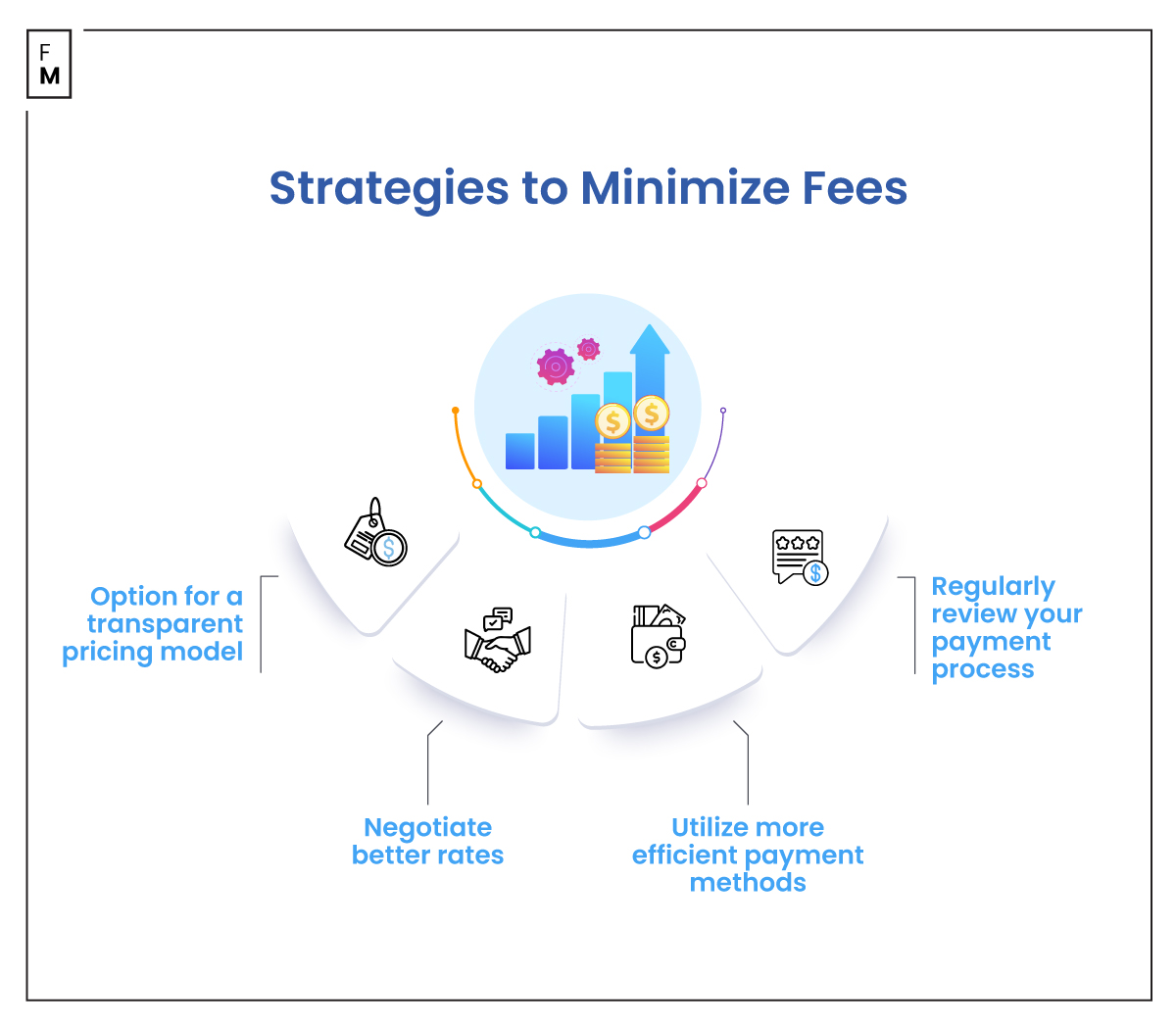
Opt for a transparent pricing model: One of the first steps in effectively managing payment fees is choosing a payment processor that offers a transparent pricing model. Hidden
charges can quickly accumulate, making it difficult for businesses to identify these costs, project, or accurately manage them.
Negotiate better rates: Do not shy away from negotiating the rates with your payment
processor. Many processors are willing to adjust their rates based on your
transaction volumes or your business’s unique needs.
Utilize more efficient payment methods: Certain payment methods come with higher processing fees.
For example, transactions made using international credit cards or corporate
cards might incur additional costs due to the higher risk or reward programs
associated with these cards. By encouraging alternative payment methods or
integrating more cost-effective solutions, businesses can reduce their overall
fees.
Regularly review your payment process: Analyzing your payment processing setup can uncover inefficiencies or opportunities for cost savings. These reviews can include identifying seldom-used services that are incurring fees or pinpointing areas where updating technology could lower overall payment processing rates.
Implement Advanced Fraud Detection Tools
Chargebacks due to fraud can result in significant fees and
penalties. By implementing advanced fraud detection and prevention tools,
businesses can reduce the risk of chargebacks. Take action today. Don't confine these strategies to just
reading. Implement them, see them come to life, and witness the tangible
difference they make to your financial outlay.
Adopting these strategies will not only streamline your
operations but also markedly improve your bottom line. It's about harnessing
control, enabling your growth, and, above all, fortifying your financial
resilience in an ever-evolving business landscape.
Tackle the Unavoidable Costs and Remain Competitive
Fees are an unavoidable aspect of payment processing. However, by adopting strategic measures, you can
significantly lower these costs, turning a potential hindrance into an
opportunity for growth and greater efficiency.
Approach the strategies to minimize fees as part of a
continual optimization process rather than a one-time effort. The cumulative
effect of implementing these measures can be both substantial and rewarding,
ensuring that your business remains competitive and financially robust.
Post-COVID, businesses, and consumers have increasingly relied on electronic transactions, a convenience that comes at a cost related to payment fees. Though these fees appear nominal on the surface, they can
cumulatively erode profit margins, especially for growing businesses.
A recent study found that credit card processing fees alone
cost US merchants around $100 billion
in 2023. This figure underscores the necessity of recognizing and
understanding the composition of payment fees. It might as well be the first step
toward optimizing your financial strategy for business growth.
This blog, penned with two decades of expertise in payment
processing, aims to decode the complex language of payment fees, offering
tangible strategies and insights to help you increase the profit margins of
your businesses.
Common Payment Fees
As a business owner, understanding the different types of
fees involved in payment processing can help you optimize your overall
expenses and improve your profit margins. Some of these payment fees include:
Transaction fees: One of the most common and perhaps the most straightforward
fees, the transaction fee, is a percentage taken from each sale or transaction processed, plus a fixed fee. While these percentages may seem
small, they can accumulate over time, impacting the overall profitability. Hence,
you should always assess transaction fees in relation to your sales volume to accurately determine their impact.
Monthly fees and minimums: Some payment processors may levy monthly fees for using their services. In particular, they have monthly minimums that mandate businesses to process a specified transaction volume or face additional
charges. This is why you should select a payment processor whose fee structure
aligns with your transaction volume, thereby helping you avoid unnecessary
fees.
Gateway Fees: Gateway fees apply to businesses using online transactions. Such fees are charged for using the electronic gateway that
sends transaction data from the merchant to the processor. Because seamless
online transactions are vital for modern businesses, you should look for
integrated payment solutions that will minimize the extra cost.
Chargeback fees: When we make online transactions, there are instances where they may fail. In the event that transactions are disputed,
chargeback fees are incurred. These situations, while less frequent, can be
costly.
Real-World Implications of Payment Fees on Operational Costs
The impact of payment fees on business operational costs
is much more substantial than one might initially predict. At first glance,
transaction fees of 2-3% of each sale may not raise concerns.
However, these seemingly negligible percentages can have significant
implications when applied to higher sales volumes.
Consider a business with an annual revenue of
$1 million. In this scenario, transaction fees alone could translate to an
annual expenditure of $20,000 to $30,000. This figure, while substantial on its
own, represents only a fraction of the wider payment fee structure. Keep in
mind that this does not account for additional monthly or annual service costs,
terminal fees, setup fees, or incidental expenses like the chargeback and gateway
fees, which can further inflate costs.
Consider these key points while assessing e-commerce payment gateway
Considering all these expenses, payment fees can substantially affect an establishment's profit margins and
operational costs. Businesses, especially those in their growth phase, must
strategize effectively to minimize these costs and protect their bottom line.
Here are a few practical strategies supported by my expertise to
help businesses reduce their payment processing costs:
Opt for a transparent pricing model: One of the first steps in effectively managing payment fees is choosing a payment processor that offers a transparent pricing model. Hidden
charges can quickly accumulate, making it difficult for businesses to identify these costs, project, or accurately manage them.
Negotiate better rates: Do not shy away from negotiating the rates with your payment
processor. Many processors are willing to adjust their rates based on your
transaction volumes or your business’s unique needs.
Utilize more efficient payment methods: Certain payment methods come with higher processing fees.
For example, transactions made using international credit cards or corporate
cards might incur additional costs due to the higher risk or reward programs
associated with these cards. By encouraging alternative payment methods or
integrating more cost-effective solutions, businesses can reduce their overall
fees.
Regularly review your payment process: Analyzing your payment processing setup can uncover inefficiencies or opportunities for cost savings. These reviews can include identifying seldom-used services that are incurring fees or pinpointing areas where updating technology could lower overall payment processing rates.
Implement Advanced Fraud Detection Tools
Chargebacks due to fraud can result in significant fees and
penalties. By implementing advanced fraud detection and prevention tools,
businesses can reduce the risk of chargebacks. Take action today. Don't confine these strategies to just
reading. Implement them, see them come to life, and witness the tangible
difference they make to your financial outlay.
Adopting these strategies will not only streamline your
operations but also markedly improve your bottom line. It's about harnessing
control, enabling your growth, and, above all, fortifying your financial
resilience in an ever-evolving business landscape.
Tackle the Unavoidable Costs and Remain Competitive
Fees are an unavoidable aspect of payment processing. However, by adopting strategic measures, you can
significantly lower these costs, turning a potential hindrance into an
opportunity for growth and greater efficiency.
Approach the strategies to minimize fees as part of a
continual optimization process rather than a one-time effort. The cumulative
effect of implementing these measures can be both substantial and rewarding,
ensuring that your business remains competitive and financially robust.
As the CEO of PayLink, I bring a wealth of knowledge and over 20 years of experience in the payment industry. As a certified Payment Professional, my expertise encompasses a wide array of critical areas including payment processing, fraud prevention, and risk management.
Beyond my leadership role at PayLink, I'm also a voracious learner and an avid contributor to the body of knowledge in the payment processing field. I’m passionate about learning and sharing insights on the latest trends and technologies in our field.
Join me as I explore the future of payments, one innovation at a time.
BridgeWise Taps X to Bring Social Media Sentiment Into Institutional Investing
Featured Videos
FM Daily Brief - 1 May 2026
iForex's CEO tells Finance Magnates the cost of their IPO delay. Also ahead: the US prediction markets legal battle splits in two, and the FCA greenlights onchain funds. It's Friday, the first of May 2026. You're listening to the Finance Magnates Daily Brief.
Not All Video Reviews Are Created Equal | Finance Magnates
We deliver fast, structured, neutral reviews covering regulation, platforms, leverage, payouts, and risk across brokers, prop firms, and fintech platforms.
Book your Finance Magnates video review: https://lnkd.in/dDubZJ2S
#FinanceMagnates #BrokerReview #PropTrading #Fintech #Forex #Crypto #CFD #TradingPlatforms #DigitalAssets
We deliver fast, structured, neutral reviews covering regulation, platforms, leverage, payouts, and risk across brokers, prop firms, and fintech platforms.
Book your Finance Magnates video review: https://lnkd.in/dDubZJ2S
#FinanceMagnates #BrokerReview #PropTrading #Fintech #Forex #Crypto #CFD #TradingPlatforms #DigitalAssets
We deliver fast, structured, neutral reviews covering regulation, platforms, leverage, payouts, and risk across brokers, prop firms, and fintech platforms.
Book your Finance Magnates video review: https://lnkd.in/dDubZJ2S
#FinanceMagnates #BrokerReview #PropTrading #Fintech #Forex #Crypto #CFD #TradingPlatforms #DigitalAssets
We deliver fast, structured, neutral reviews covering regulation, platforms, leverage, payouts, and risk across brokers, prop firms, and fintech platforms.
Book your Finance Magnates video review: https://lnkd.in/dDubZJ2S
#FinanceMagnates #BrokerReview #PropTrading #Fintech #Forex #Crypto #CFD #TradingPlatforms #DigitalAssets
We deliver fast, structured, neutral reviews covering regulation, platforms, leverage, payouts, and risk across brokers, prop firms, and fintech platforms.
Book your Finance Magnates video review: https://lnkd.in/dDubZJ2S
#FinanceMagnates #BrokerReview #PropTrading #Fintech #Forex #Crypto #CFD #TradingPlatforms #DigitalAssets
We deliver fast, structured, neutral reviews covering regulation, platforms, leverage, payouts, and risk across brokers, prop firms, and fintech platforms.
Book your Finance Magnates video review: https://lnkd.in/dDubZJ2S
#FinanceMagnates #BrokerReview #PropTrading #Fintech #Forex #Crypto #CFD #TradingPlatforms #DigitalAssets
FM Daily Brief - 30 April 2026
iForex posts its first annual results as a listed broker. Also ahead: CFI Financial secures a Brazil license, and prediction markets have a big week, with new ETF launches and fresh Polymarket loss data. It's Thursday, the thirtieth of April 2026. You're listening to the Finance Magnates Daily Brief.
FM Daily Brief - 29 April 2026
XTB and Robinhood both post first-quarter earnings. But the numbers point in very different directions. Also ahead: Capital.com pushes into three new markets and signals a move into payments.
It's Wednesday, the 29th of April 2026. You're listening to the Finance Magnates Daily Brief.
XTB and Robinhood both post first-quarter earnings. But the numbers point in very different directions. Also ahead: Capital.com pushes into three new markets and signals a move into payments.
It's Wednesday, the 29th of April 2026. You're listening to the Finance Magnates Daily Brief.
XTB and Robinhood both post first-quarter earnings. But the numbers point in very different directions. Also ahead: Capital.com pushes into three new markets and signals a move into payments.
It's Wednesday, the 29th of April 2026. You're listening to the Finance Magnates Daily Brief.
XTB and Robinhood both post first-quarter earnings. But the numbers point in very different directions. Also ahead: Capital.com pushes into three new markets and signals a move into payments.
It's Wednesday, the 29th of April 2026. You're listening to the Finance Magnates Daily Brief.
XTB and Robinhood both post first-quarter earnings. But the numbers point in very different directions. Also ahead: Capital.com pushes into three new markets and signals a move into payments.
It's Wednesday, the 29th of April 2026. You're listening to the Finance Magnates Daily Brief.
XTB and Robinhood both post first-quarter earnings. But the numbers point in very different directions. Also ahead: Capital.com pushes into three new markets and signals a move into payments.
It's Wednesday, the 29th of April 2026. You're listening to the Finance Magnates Daily Brief.
FM Daily Brief - 28 April 2026
Startrader posts three-point-one trillion dollars in first-quarter volume — up three hundred and forty percent from a year ago. Also ahead: Fintokei claims sub-second trader payouts, and eToro opens its premium subscription tier to all investors.