Finance Magnates recently attended an event in Malaysia showcasing Ant International's QR-based cross-border payment capabilities.
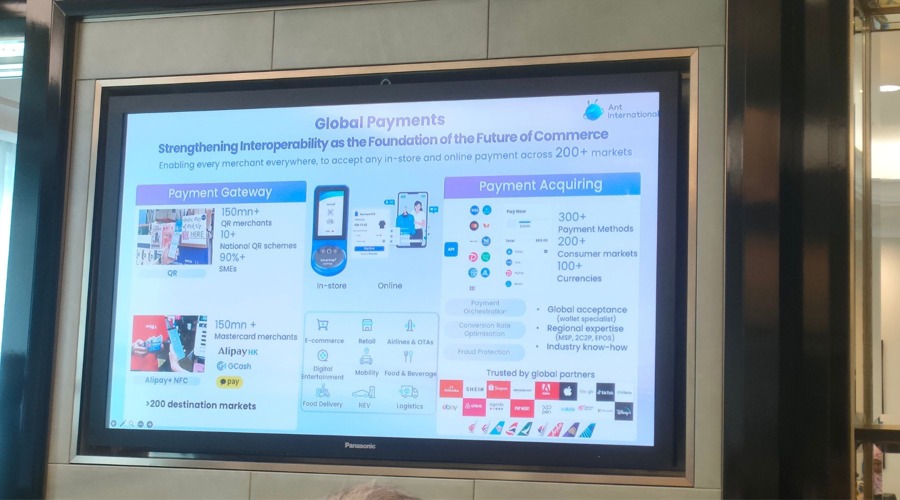
Its network now has over 150 million merchants and more than 2 billion customers.
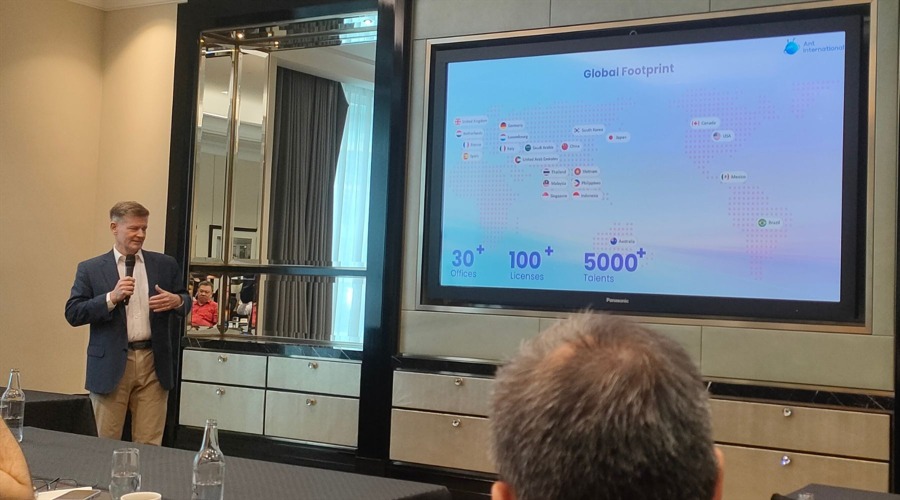
Ant International's President, Douglas Feagin, showing the payment capabilities in a media briefing
Cross-border payments have mostly been limited to cash or cards. But imagine travelling to a new country and paying using their payment app from your home country just by scanning QR codes. In Asia, this is now a reality.
When it comes to payments in Asian countries, the level of integration is higher and is also growing fast. Ant International has enabled cross-border payments via local payment apps, allowing anyone to scan a payment QR code in another country with their local app to make instant cross-border payments.
The Singapore-headquartered company recently showcased its cross-border capabilities to several media platforms, including Finance Magnates, and industry analysts at an event in Malaysia. This included a real-world QR-based cross-border payment experience.
A slide showing Ant International's payment network
Cross-Border Payments with QR
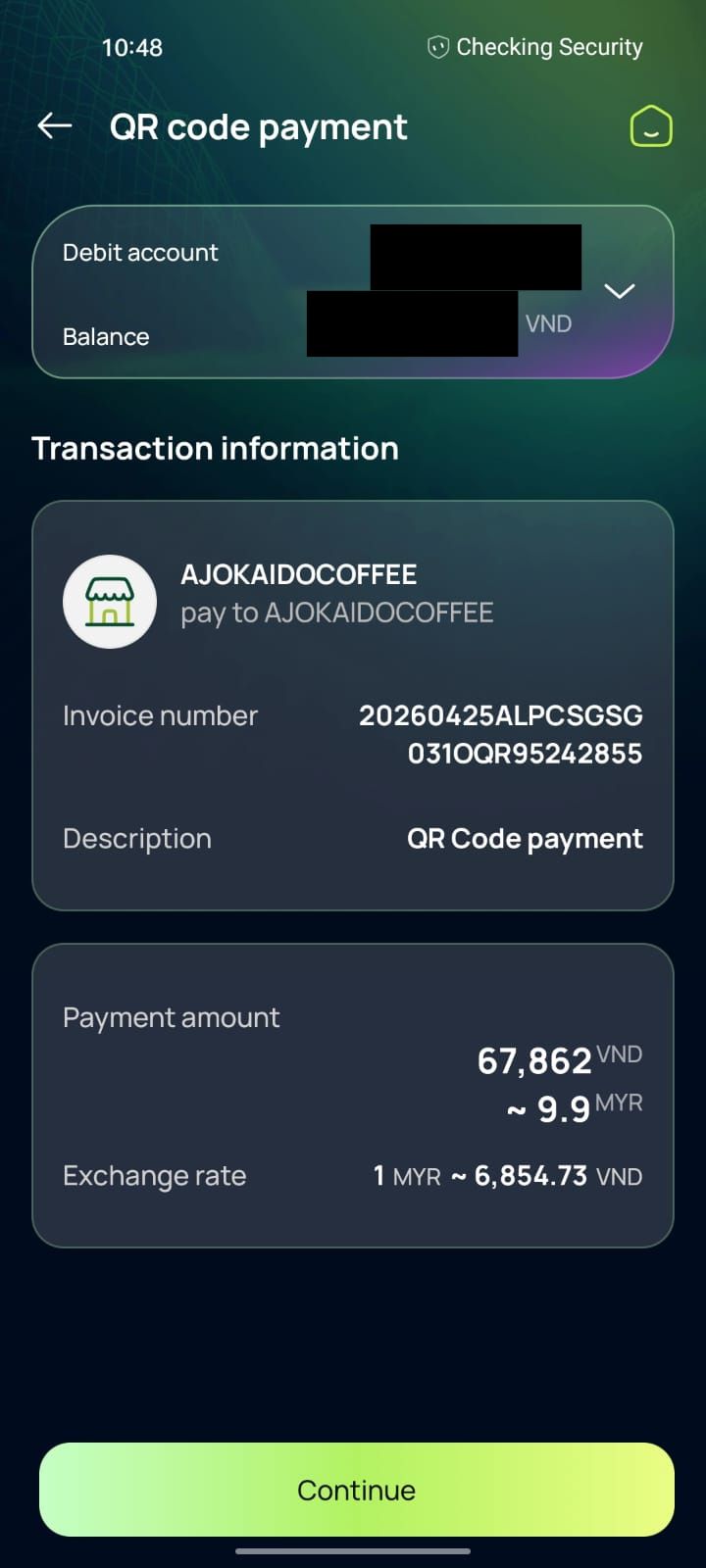
The end experience is simple: someone from Vietnam can visit Malaysia (or any other supported country) and scan local QR codes with their home country’s payment app. The cross-border transaction happens instantly.
For travellers, this removes the need to carry foreign currency, while merchants can reduce the high fees often linked to credit card transactions.
Receipt of a transaction made by scanning a Malaysian DuitNow QR with a Vietnam's VCB e-wallet
Ant International’s global e-wallet gateway, Alipay+, now connects to more than 40 digital wallets worldwide. This expands the network to over 150 million merchants and more than 2 billion customers.
The network includes more than 10 national QR systems, including Singapore's SGQR, Malaysia's DuitNow, South Korea's ZeroPay, Thailand's PromptPay, Indonesia's QRIS, and Sri Lanka's LankaPay.
The partnership also extends to countries such as Vietnam, Mexico, and Saudi Arabia.
Peng Yang, CEO of Ant International (Photo: LinkedIn)
“A broader and deeper network means we can work with more partners at different levels to deliver more innovative, trusted, and high-return fintech solutions in the world's fastest-growing markets,” said Peng Yang, CEO of Ant International.
The global QR code payment market was valued at approximately $14.7 billion in 2024 and is projected to grow to $38.2 billion by 2030, at a CAGR of 17 per cent.
More optimistic estimates from Market.us place the market at $14.3 billion in 2025, growing to $118.2 billion by 2035 at a CAGR of 23.5 per cent. Juniper Research projects total QR payment spending to reach $3 trillion globally by 2025, with over 2.2 billion people using QR payments.
Asia-Pacific is the clear global leader, holding a 52.6 per cent share of the QR payment market in 2025, worth $7.53 billion in revenue. The region is growing at roughly twice the rate of Europe and North America, and Juniper Research forecasts that the value of APAC QR payments will grow by 300 per cent by 2029, up from $290 billion in 2025. Countries driving this next phase include Vietnam, Indonesia, and the Philippines.
China clearly leads, with more than 90 per cent of mobile payments being made using QR codes.
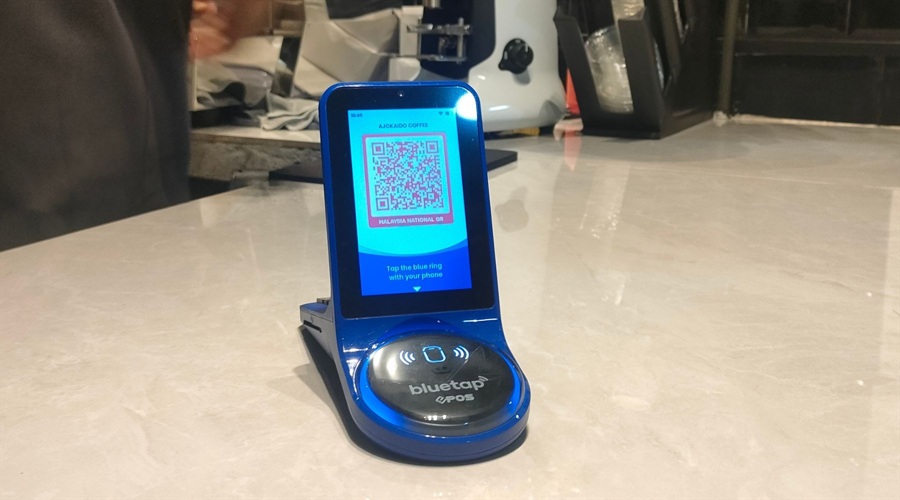
An EPOS360 machine (which supports cross-border payment) at a coffee shop in Kuala Lumpur, Malaysia
Ant International’s aim, meanwhile, appears to be to capture this mobile payments growth across the region, if not beyond. Its platforms already process an average of over 20 million transactions daily.
Yang also highlighted the company’s strategy to combine its four primary businesses, Alipay+, Antom, Bettr, and WorldFirst into a connected solution for businesses of all sizes. It is also using AI in many of its solutions, including an agentic mobile protocol, an AI-as-a-service platform, and several others.
Cross-border payments have mostly been limited to cash or cards. But imagine travelling to a new country and paying using their payment app from your home country just by scanning QR codes. In Asia, this is now a reality.
When it comes to payments in Asian countries, the level of integration is higher and is also growing fast. Ant International has enabled cross-border payments via local payment apps, allowing anyone to scan a payment QR code in another country with their local app to make instant cross-border payments.
The Singapore-headquartered company recently showcased its cross-border capabilities to several media platforms, including Finance Magnates, and industry analysts at an event in Malaysia. This included a real-world QR-based cross-border payment experience.
A slide showing Ant International's payment network
Cross-Border Payments with QR
The end experience is simple: someone from Vietnam can visit Malaysia (or any other supported country) and scan local QR codes with their home country’s payment app. The cross-border transaction happens instantly.
For travellers, this removes the need to carry foreign currency, while merchants can reduce the high fees often linked to credit card transactions.
Receipt of a transaction made by scanning a Malaysian DuitNow QR with a Vietnam's VCB e-wallet
Ant International’s global e-wallet gateway, Alipay+, now connects to more than 40 digital wallets worldwide. This expands the network to over 150 million merchants and more than 2 billion customers.
The network includes more than 10 national QR systems, including Singapore's SGQR, Malaysia's DuitNow, South Korea's ZeroPay, Thailand's PromptPay, Indonesia's QRIS, and Sri Lanka's LankaPay.
The partnership also extends to countries such as Vietnam, Mexico, and Saudi Arabia.
Peng Yang, CEO of Ant International (Photo: LinkedIn)
“A broader and deeper network means we can work with more partners at different levels to deliver more innovative, trusted, and high-return fintech solutions in the world's fastest-growing markets,” said Peng Yang, CEO of Ant International.
The global QR code payment market was valued at approximately $14.7 billion in 2024 and is projected to grow to $38.2 billion by 2030, at a CAGR of 17 per cent.
More optimistic estimates from Market.us place the market at $14.3 billion in 2025, growing to $118.2 billion by 2035 at a CAGR of 23.5 per cent. Juniper Research projects total QR payment spending to reach $3 trillion globally by 2025, with over 2.2 billion people using QR payments.
Asia-Pacific is the clear global leader, holding a 52.6 per cent share of the QR payment market in 2025, worth $7.53 billion in revenue. The region is growing at roughly twice the rate of Europe and North America, and Juniper Research forecasts that the value of APAC QR payments will grow by 300 per cent by 2029, up from $290 billion in 2025. Countries driving this next phase include Vietnam, Indonesia, and the Philippines.
China clearly leads, with more than 90 per cent of mobile payments being made using QR codes.
An EPOS360 machine (which supports cross-border payment) at a coffee shop in Kuala Lumpur, Malaysia
Ant International’s aim, meanwhile, appears to be to capture this mobile payments growth across the region, if not beyond. Its platforms already process an average of over 20 million transactions daily.
Yang also highlighted the company’s strategy to combine its four primary businesses, Alipay+, Antom, Bettr, and WorldFirst into a connected solution for businesses of all sizes. It is also using AI in many of its solutions, including an agentic mobile protocol, an AI-as-a-service platform, and several others.
Arnab Shome is an electronics engineer-turned-financial editor. He holds a Bachelor of Technology from the National Institute of Technology, Agartala. He entered the retail trading industry about a decade ago, covering the cryptocurrency market for Finance Magnates, and later expanded his coverage to include forex and CFDs as well.
His work at Finance Magnates includes C-level interviews, data-driven analysis, opinion pieces, and scoops of industry exclusives. He also contributes to Finance Magnates’ quarterly industry report.
Area of coverage:
1. CFD broker-related news
2. Industry-related Regulatory updates and developments
3. New retail trading trends
4. Prop trading industry updates
5. Executive interviews
Education:
Bachelor of Technology - National Institute of Technology, Agartala (India)
$220 Million across 31,000 Markets: Polymarket Turns Stock Moves into Yes-or-No Trades
Featured Videos
XTB Adds Overnight US Stock Trading; Nasdaq Ventures Invests in One Trading
XTB Adds Overnight US Stock Trading; Nasdaq Ventures Invests in One Trading
XTB Adds Overnight US Stock Trading; Nasdaq Ventures Invests in One Trading
XTB Adds Overnight US Stock Trading; Nasdaq Ventures Invests in One Trading
Today’s financial news recap covers XTB expands overnight US stock trading, Fortrade reports higher revenue, Nasdaq backs One Trading, and Vest Labs raises 13 million dollars.
Finance Magnates Daily Recap brings you the latest news from forex and CFD brokers, fintech, payments, cryptocurrency, digital assets, trading platforms, financial regulation and global markets.
Get the key company news, executive moves, deals, regulatory updates and market developments of the day, in just a few minutes. New episodes published every weekday.
Read more: https://www.financemagnates.com
#FinanceMagnates #ForexNews #FintechNews
Today’s financial news recap covers XTB expands overnight US stock trading, Fortrade reports higher revenue, Nasdaq backs One Trading, and Vest Labs raises 13 million dollars.
Finance Magnates Daily Recap brings you the latest news from forex and CFD brokers, fintech, payments, cryptocurrency, digital assets, trading platforms, financial regulation and global markets.
Get the key company news, executive moves, deals, regulatory updates and market developments of the day, in just a few minutes. New episodes published every weekday.
Read more: https://www.financemagnates.com
#FinanceMagnates #ForexNews #FintechNews
Today’s financial news recap covers XTB expands overnight US stock trading, Fortrade reports higher revenue, Nasdaq backs One Trading, and Vest Labs raises 13 million dollars.
Finance Magnates Daily Recap brings you the latest news from forex and CFD brokers, fintech, payments, cryptocurrency, digital assets, trading platforms, financial regulation and global markets.
Get the key company news, executive moves, deals, regulatory updates and market developments of the day, in just a few minutes. New episodes published every weekday.
Read more: https://www.financemagnates.com
#FinanceMagnates #ForexNews #FintechNews
Today’s financial news recap covers XTB expands overnight US stock trading, Fortrade reports higher revenue, Nasdaq backs One Trading, and Vest Labs raises 13 million dollars.
Finance Magnates Daily Recap brings you the latest news from forex and CFD brokers, fintech, payments, cryptocurrency, digital assets, trading platforms, financial regulation and global markets.
Get the key company news, executive moves, deals, regulatory updates and market developments of the day, in just a few minutes. New episodes published every weekday.
Read more: https://www.financemagnates.com
#FinanceMagnates #ForexNews #FintechNews
CMC Founder Downplays Volatility Hit; Devexperts Names CEO
CMC Founder Downplays Volatility Hit; Devexperts Names CEO
CMC Founder Downplays Volatility Hit; Devexperts Names CEO
CMC Founder Downplays Volatility Hit; Devexperts Names CEO
CMC Founder Downplays Volatility Hit; Devexperts Names CEO
CMC Founder Downplays Volatility Hit; Devexperts Names CEO
Today’s financial news recap covers low volatility pressures brokers, Devexperts names a new CEO, Saxo cuts onboarding time, and OKX reaches a 25 billion dollar valuation.
Finance Magnates Daily Recap brings you the latest news from forex and CFD brokers, fintech, payments, cryptocurrency, digital assets, trading platforms, financial regulation and global markets.
Get the key company news, executive moves, deals, regulatory updates and market developments of the day, in just a few minutes. New episodes published every weekday.
Read more: https://www.financemagnates.com
#FinanceMagnates #ForexNews #FintechNews
Today’s financial news recap covers low volatility pressures brokers, Devexperts names a new CEO, Saxo cuts onboarding time, and OKX reaches a 25 billion dollar valuation.
Finance Magnates Daily Recap brings you the latest news from forex and CFD brokers, fintech, payments, cryptocurrency, digital assets, trading platforms, financial regulation and global markets.
Get the key company news, executive moves, deals, regulatory updates and market developments of the day, in just a few minutes. New episodes published every weekday.
Read more: https://www.financemagnates.com
#FinanceMagnates #ForexNews #FintechNews
Today’s financial news recap covers low volatility pressures brokers, Devexperts names a new CEO, Saxo cuts onboarding time, and OKX reaches a 25 billion dollar valuation.
Finance Magnates Daily Recap brings you the latest news from forex and CFD brokers, fintech, payments, cryptocurrency, digital assets, trading platforms, financial regulation and global markets.
Get the key company news, executive moves, deals, regulatory updates and market developments of the day, in just a few minutes. New episodes published every weekday.
Read more: https://www.financemagnates.com
#FinanceMagnates #ForexNews #FintechNews
Today’s financial news recap covers low volatility pressures brokers, Devexperts names a new CEO, Saxo cuts onboarding time, and OKX reaches a 25 billion dollar valuation.
Finance Magnates Daily Recap brings you the latest news from forex and CFD brokers, fintech, payments, cryptocurrency, digital assets, trading platforms, financial regulation and global markets.
Get the key company news, executive moves, deals, regulatory updates and market developments of the day, in just a few minutes. New episodes published every weekday.
Read more: https://www.financemagnates.com
#FinanceMagnates #ForexNews #FintechNews
Today’s financial news recap covers low volatility pressures brokers, Devexperts names a new CEO, Saxo cuts onboarding time, and OKX reaches a 25 billion dollar valuation.
Finance Magnates Daily Recap brings you the latest news from forex and CFD brokers, fintech, payments, cryptocurrency, digital assets, trading platforms, financial regulation and global markets.
Get the key company news, executive moves, deals, regulatory updates and market developments of the day, in just a few minutes. New episodes published every weekday.
Read more: https://www.financemagnates.com
#FinanceMagnates #ForexNews #FintechNews
Today’s financial news recap covers low volatility pressures brokers, Devexperts names a new CEO, Saxo cuts onboarding time, and OKX reaches a 25 billion dollar valuation.
Finance Magnates Daily Recap brings you the latest news from forex and CFD brokers, fintech, payments, cryptocurrency, digital assets, trading platforms, financial regulation and global markets.
Get the key company news, executive moves, deals, regulatory updates and market developments of the day, in just a few minutes. New episodes published every weekday.
Read more: https://www.financemagnates.com
#FinanceMagnates #ForexNews #FintechNews
Today’s financial news recap covers Trade Nation buys FXCM's UK client book, Trading 212 reports higher revenue, the CFTC's move to allow perpetual index futures.
Finance Magnates Daily Recap brings you the latest news from forex and CFD brokers, fintech, payments, cryptocurrency, digital assets, trading platforms, financial regulation and global markets.
Get the key company news, executive moves, deals, regulatory updates and market developments of the day, in just a few minutes. New episodes published every weekday.
Read more: https://www.financemagnates.com
#FinanceMagnates #ForexNews #FintechNews
Today’s financial news recap covers Trade Nation buys FXCM's UK client book, Trading 212 reports higher revenue, the CFTC's move to allow perpetual index futures.
Finance Magnates Daily Recap brings you the latest news from forex and CFD brokers, fintech, payments, cryptocurrency, digital assets, trading platforms, financial regulation and global markets.
Get the key company news, executive moves, deals, regulatory updates and market developments of the day, in just a few minutes. New episodes published every weekday.
Read more: https://www.financemagnates.com
#FinanceMagnates #ForexNews #FintechNews
Today’s financial news recap covers Trade Nation buys FXCM's UK client book, Trading 212 reports higher revenue, the CFTC's move to allow perpetual index futures.
Finance Magnates Daily Recap brings you the latest news from forex and CFD brokers, fintech, payments, cryptocurrency, digital assets, trading platforms, financial regulation and global markets.
Get the key company news, executive moves, deals, regulatory updates and market developments of the day, in just a few minutes. New episodes published every weekday.
Read more: https://www.financemagnates.com
#FinanceMagnates #ForexNews #FintechNews
Today’s financial news recap covers Trade Nation buys FXCM's UK client book, Trading 212 reports higher revenue, the CFTC's move to allow perpetual index futures.
Finance Magnates Daily Recap brings you the latest news from forex and CFD brokers, fintech, payments, cryptocurrency, digital assets, trading platforms, financial regulation and global markets.
Get the key company news, executive moves, deals, regulatory updates and market developments of the day, in just a few minutes. New episodes published every weekday.
Read more: https://www.financemagnates.com
#FinanceMagnates #ForexNews #FintechNews
Today’s financial news recap covers Trade Nation buys FXCM's UK client book, Trading 212 reports higher revenue, the CFTC's move to allow perpetual index futures.
Finance Magnates Daily Recap brings you the latest news from forex and CFD brokers, fintech, payments, cryptocurrency, digital assets, trading platforms, financial regulation and global markets.
Get the key company news, executive moves, deals, regulatory updates and market developments of the day, in just a few minutes. New episodes published every weekday.
Read more: https://www.financemagnates.com
#FinanceMagnates #ForexNews #FintechNews
Today’s financial news recap covers Trade Nation buys FXCM's UK client book, Trading 212 reports higher revenue, the CFTC's move to allow perpetual index futures.
Finance Magnates Daily Recap brings you the latest news from forex and CFD brokers, fintech, payments, cryptocurrency, digital assets, trading platforms, financial regulation and global markets.
Get the key company news, executive moves, deals, regulatory updates and market developments of the day, in just a few minutes. New episodes published every weekday.
Read more: https://www.financemagnates.com
#FinanceMagnates #ForexNews #FintechNews
Your career isn’t a linear path.
Your career isn’t a linear path.
Your career isn’t a linear path.
Your career isn’t a linear path.
Your career isn’t a linear path.
Your career isn’t a linear path.
Roles change. Career goals change. Sometimes you want a completely new challenge.
But the skills and knowledge you build along the way can stay with you and give you something to build on.
For Jeff Patterson, that continued growth is key to long-term career development.
You bring the skills. FM Academy helps you build the knowledge.
#FMAcademy #FinanceMagnates #FinanceCareers #ProfessionalDevelopment #Fintech
Roles change. Career goals change. Sometimes you want a completely new challenge.
But the skills and knowledge you build along the way can stay with you and give you something to build on.
For Jeff Patterson, that continued growth is key to long-term career development.
You bring the skills. FM Academy helps you build the knowledge.
#FMAcademy #FinanceMagnates #FinanceCareers #ProfessionalDevelopment #Fintech
Roles change. Career goals change. Sometimes you want a completely new challenge.
But the skills and knowledge you build along the way can stay with you and give you something to build on.
For Jeff Patterson, that continued growth is key to long-term career development.
You bring the skills. FM Academy helps you build the knowledge.
#FMAcademy #FinanceMagnates #FinanceCareers #ProfessionalDevelopment #Fintech
Roles change. Career goals change. Sometimes you want a completely new challenge.
But the skills and knowledge you build along the way can stay with you and give you something to build on.
For Jeff Patterson, that continued growth is key to long-term career development.
You bring the skills. FM Academy helps you build the knowledge.
#FMAcademy #FinanceMagnates #FinanceCareers #ProfessionalDevelopment #Fintech
Roles change. Career goals change. Sometimes you want a completely new challenge.
But the skills and knowledge you build along the way can stay with you and give you something to build on.
For Jeff Patterson, that continued growth is key to long-term career development.
You bring the skills. FM Academy helps you build the knowledge.
#FMAcademy #FinanceMagnates #FinanceCareers #ProfessionalDevelopment #Fintech
Roles change. Career goals change. Sometimes you want a completely new challenge.
But the skills and knowledge you build along the way can stay with you and give you something to build on.
For Jeff Patterson, that continued growth is key to long-term career development.
You bring the skills. FM Academy helps you build the knowledge.
#FMAcademy #FinanceMagnates #FinanceCareers #ProfessionalDevelopment #Fintech
IG Group Tech Chiefs Exit; Pepperstone Revenue Grows
IG Group Tech Chiefs Exit; Pepperstone Revenue Grows
IG Group Tech Chiefs Exit; Pepperstone Revenue Grows
IG Group Tech Chiefs Exit; Pepperstone Revenue Grows
IG Group Tech Chiefs Exit; Pepperstone Revenue Grows
IG Group Tech Chiefs Exit; Pepperstone Revenue Grows
Today’s financial news recap covers IG Group loses two technology chiefs, Pepperstone reports double-digit growth, and eToro backs a euro stablecoin.
Finance Magnates Daily Recap brings you the latest news from forex and CFD brokers, fintech, payments, cryptocurrency, digital assets, trading platforms, financial regulation and global markets.
Get the key company news, executive moves, deals, regulatory updates and market developments of the day, in just a few minutes. New episodes published every weekday.
Read more: https://www.financemagnates.com
#FinanceMagnates #ForexNews #FintechNews
Today’s financial news recap covers IG Group loses two technology chiefs, Pepperstone reports double-digit growth, and eToro backs a euro stablecoin.
Finance Magnates Daily Recap brings you the latest news from forex and CFD brokers, fintech, payments, cryptocurrency, digital assets, trading platforms, financial regulation and global markets.
Get the key company news, executive moves, deals, regulatory updates and market developments of the day, in just a few minutes. New episodes published every weekday.
Read more: https://www.financemagnates.com
#FinanceMagnates #ForexNews #FintechNews
Today’s financial news recap covers IG Group loses two technology chiefs, Pepperstone reports double-digit growth, and eToro backs a euro stablecoin.
Finance Magnates Daily Recap brings you the latest news from forex and CFD brokers, fintech, payments, cryptocurrency, digital assets, trading platforms, financial regulation and global markets.
Get the key company news, executive moves, deals, regulatory updates and market developments of the day, in just a few minutes. New episodes published every weekday.
Read more: https://www.financemagnates.com
#FinanceMagnates #ForexNews #FintechNews
Today’s financial news recap covers IG Group loses two technology chiefs, Pepperstone reports double-digit growth, and eToro backs a euro stablecoin.
Finance Magnates Daily Recap brings you the latest news from forex and CFD brokers, fintech, payments, cryptocurrency, digital assets, trading platforms, financial regulation and global markets.
Get the key company news, executive moves, deals, regulatory updates and market developments of the day, in just a few minutes. New episodes published every weekday.
Read more: https://www.financemagnates.com
#FinanceMagnates #ForexNews #FintechNews
Today’s financial news recap covers IG Group loses two technology chiefs, Pepperstone reports double-digit growth, and eToro backs a euro stablecoin.
Finance Magnates Daily Recap brings you the latest news from forex and CFD brokers, fintech, payments, cryptocurrency, digital assets, trading platforms, financial regulation and global markets.
Get the key company news, executive moves, deals, regulatory updates and market developments of the day, in just a few minutes. New episodes published every weekday.
Read more: https://www.financemagnates.com
#FinanceMagnates #ForexNews #FintechNews
Today’s financial news recap covers IG Group loses two technology chiefs, Pepperstone reports double-digit growth, and eToro backs a euro stablecoin.
Finance Magnates Daily Recap brings you the latest news from forex and CFD brokers, fintech, payments, cryptocurrency, digital assets, trading platforms, financial regulation and global markets.
Get the key company news, executive moves, deals, regulatory updates and market developments of the day, in just a few minutes. New episodes published every weekday.
Read more: https://www.financemagnates.com
#FinanceMagnates #ForexNews #FintechNews