The fintech's third-quarter results demonstrated year-over-year growth and a nearly 50% increase in net income.
However, sequential momentum stalled, with the net contribution increasing by just 2.4% from Q2.
The company also announced a $150 million share buyback.
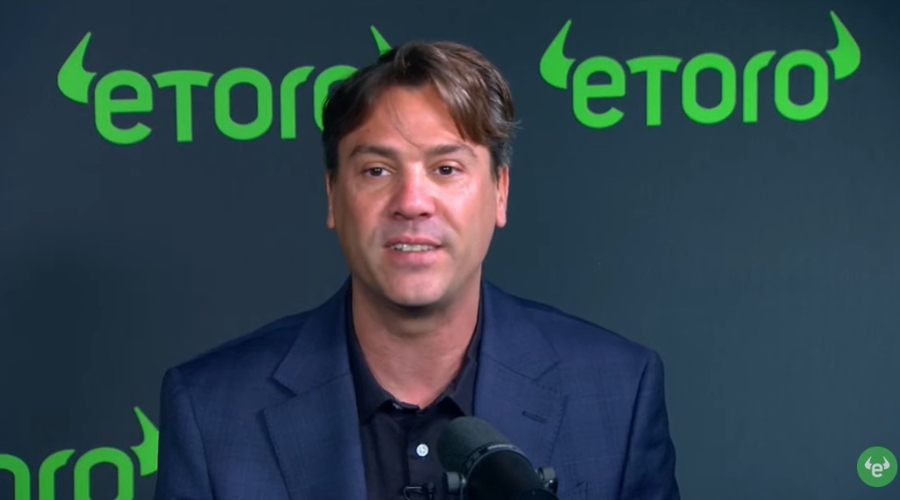
eToro CEO Yoni Assia speaking during the earnings call (Source: YouTube)
Despite posting a 48% year-over-year net income growth, eToro (NASDAQ: ETOR) reported third-quarter results that revealed a sequential slowdown, with net contribution inching up just 2.4% from the previous quarter.
Shareholders, however, appear to be reacting positively to the newest report, and the company’s stock was up 9 percent in premarket trading.
eToro Posts Modest Q3
Growth as Revenue Levels Off
The trading
platform posted a net contribution of $215 million for the three months ended
September 30, up from $210 million in the second quarter. The company's net
income reached $57 million, a jump from $30.2 million in Q2, though the earlier
period included $15 million in IPO-related costs that skewed the comparison.
Meron Shani, eToro CFO, Source: LinkedIn
CFO Meron
Shani touted the results as proof of “profitable growth” and
“disciplined cost management,” noting that adjusted EBITDA climbed
43% year-over-year to $78 million. But the sequential quarter told a different
story, with adjusted EBITDA rising just 8.3% from Q2's $72 million.
However, on an annual basis, the results look much stronger for eToro. Revenue was up 28% from a year earlier, while net income rose 48%.
User Growth Hits Speed
Bump
The company
added 100,000 funded accounts during the quarter, bringing the total to 3.73
million, a modest 2.8% increase from 3.63 million at the end of June. Assets
under administration grew to $20.8 billion, up 18.9% from $17.5 billion in Q2,
driven largely by market appreciation rather than new deposits.
“We
are focused on increasing our customer base and share of wallet,” Shani
said, though the quarterly numbers suggest that's becoming harder to achieve.
Metric
Q3 2025
Q2 2025
Change
% Change
Net Contribution
$215M
$210M
+$5M
+2.4%
Net Income (GAAP)
$57M
$30.2M
+$26.8M
+88.7%
Adjusted EBITDA
$78M
$72M
+$6M
+8.3%
Adjusted Net Income
$60M
$54.2M
+$5.8M
+10.7%
Funded Accounts
3.73M
3.63M
+100K
+2.8%
Assets Under Administration
$20.8B
$17.5B
+$3.3B
+18.9%
October Metrics Show Mixed
Signals
In an
unusual disclosure, eToro released selected October business metrics that
painted a picture of volatile trading activity. Capital markets trades surged
53% year-over-year to 62 million, while crypto trades jumped 84% to 5 million.
However, assets under administration slipped to $20.5 billion in October from
$20.8 billion at quarter-end, suggesting either market declines or customer
withdrawals.
Funded
accounts ticked up to 3.76 million in October, adding just 30,000 users in the
month, a pace that would deliver annual growth well below the company's
historical rates.
Buyback Raises Questions
About Capital Strategy
The
company's board authorized a $150 million share repurchase program, with plans
to execute an initial $50 million through an accelerated buyback. Management
framed the move as a sign of confidence, claiming “its current share price
does not fully reflect the Company's fundamental value.”
The
repurchase authorization also serves another purpose: giving eToro currency for
potential acquisitions. The company disclosed that buybacks provide
“additional flexibility to support potential future strategic initiatives,
including mergers and acquisitions, where eToro shares could serve as an
effective transaction currency.”
That
language suggests management may be eyeing deals, though no specific targets
were mentioned. With $1.2 billion in cash and short-term investments on the
balance sheet, eToro has the firepower to pursue transactions beyond what its
stock would fund.
Revenue Mix Stays
Concentrated in Crypto
The
company's reliance on cryptocurrency trading remains acute. Revenue from
cryptoassets totaled $3.97 billion in Q3, though cost of revenue consumed $3.89
billion of that figure, leaving net contribution from crypto of just $77.4
million. That crypto margin came in below Q2's crypto contribution,
highlighting the thin economics of cryptocurrency intermediation.
Traditional
equity trading delivered $72.9 million in net contribution, down from $114
million in the second quarter. Net interest income provided another bright spot
at $58.9 million, up from $43.9 million in Q2, as the company benefited from
higher balances in customer accounts.
Product Rollout Continues
Across Four Pillars
Yoni Assia, the CEO of eToro
CEO Yoni
Assia outlined continued product development across what the company calls its
four strategic pillars: trading, investing, wealth management, and neo-banking.
The third quarter saw the launch of 24/5 stock trading for all S&P 500 and
Nasdaq 100 stocks, expanded futures access in Europe, and the introduction of
Copy Trading in the United States.
“As eToro continues to scale, we
believe we are well-positioned to capture the significant growth opportunities presented by the inevitable macro tailwinds and
deliver long-term shareholder value,” he said.
The company
spent $37.9 million on research and development in Q3, down from $38.9 million
in Q2. Sales and marketing expenses dropped to $47.9 million from $52.6
million, suggesting either improved efficiency or reduced customer acquisition
efforts.
Finance
expenses of $2.6 million were down sharply from $6.3 million in Q2, although the company did not provide an explanation for the decline.
eToro Engaging Kalshi and Polymarket
Notably, eToro is in discussions with Kalshi and Polymarket to
potentially add event contracts to its platform, according to Assia’s announcement
during the Q3 earnings call on Monday.
“We are talking to Kalshi and Polymarket, obviously, the
market leaders in prediction markets,” he shared. “And we are excited about exploring the
path of our users to be able to trade prediction markets on financial events.”
Assia said eToro’s existing infrastructure, which already
supports futures and cryptocurrency products, could be adapted to include
event-based trading instruments offered by the two platforms. He expressed optimism that prediction markets focused on
financial products and geopolitics create significant value.
Despite posting a 48% year-over-year net income growth, eToro (NASDAQ: ETOR) reported third-quarter results that revealed a sequential slowdown, with net contribution inching up just 2.4% from the previous quarter.
Shareholders, however, appear to be reacting positively to the newest report, and the company’s stock was up 9 percent in premarket trading.
eToro Posts Modest Q3
Growth as Revenue Levels Off
The trading
platform posted a net contribution of $215 million for the three months ended
September 30, up from $210 million in the second quarter. The company's net
income reached $57 million, a jump from $30.2 million in Q2, though the earlier
period included $15 million in IPO-related costs that skewed the comparison.
Meron Shani, eToro CFO, Source: LinkedIn
CFO Meron
Shani touted the results as proof of “profitable growth” and
“disciplined cost management,” noting that adjusted EBITDA climbed
43% year-over-year to $78 million. But the sequential quarter told a different
story, with adjusted EBITDA rising just 8.3% from Q2's $72 million.
However, on an annual basis, the results look much stronger for eToro. Revenue was up 28% from a year earlier, while net income rose 48%.
User Growth Hits Speed
Bump
The company
added 100,000 funded accounts during the quarter, bringing the total to 3.73
million, a modest 2.8% increase from 3.63 million at the end of June. Assets
under administration grew to $20.8 billion, up 18.9% from $17.5 billion in Q2,
driven largely by market appreciation rather than new deposits.
“We
are focused on increasing our customer base and share of wallet,” Shani
said, though the quarterly numbers suggest that's becoming harder to achieve.
Metric
Q3 2025
Q2 2025
Change
% Change
Net Contribution
$215M
$210M
+$5M
+2.4%
Net Income (GAAP)
$57M
$30.2M
+$26.8M
+88.7%
Adjusted EBITDA
$78M
$72M
+$6M
+8.3%
Adjusted Net Income
$60M
$54.2M
+$5.8M
+10.7%
Funded Accounts
3.73M
3.63M
+100K
+2.8%
Assets Under Administration
$20.8B
$17.5B
+$3.3B
+18.9%
October Metrics Show Mixed
Signals
In an
unusual disclosure, eToro released selected October business metrics that
painted a picture of volatile trading activity. Capital markets trades surged
53% year-over-year to 62 million, while crypto trades jumped 84% to 5 million.
However, assets under administration slipped to $20.5 billion in October from
$20.8 billion at quarter-end, suggesting either market declines or customer
withdrawals.
Funded
accounts ticked up to 3.76 million in October, adding just 30,000 users in the
month, a pace that would deliver annual growth well below the company's
historical rates.
Buyback Raises Questions
About Capital Strategy
The
company's board authorized a $150 million share repurchase program, with plans
to execute an initial $50 million through an accelerated buyback. Management
framed the move as a sign of confidence, claiming “its current share price
does not fully reflect the Company's fundamental value.”
The
repurchase authorization also serves another purpose: giving eToro currency for
potential acquisitions. The company disclosed that buybacks provide
“additional flexibility to support potential future strategic initiatives,
including mergers and acquisitions, where eToro shares could serve as an
effective transaction currency.”
That
language suggests management may be eyeing deals, though no specific targets
were mentioned. With $1.2 billion in cash and short-term investments on the
balance sheet, eToro has the firepower to pursue transactions beyond what its
stock would fund.
Revenue Mix Stays
Concentrated in Crypto
The
company's reliance on cryptocurrency trading remains acute. Revenue from
cryptoassets totaled $3.97 billion in Q3, though cost of revenue consumed $3.89
billion of that figure, leaving net contribution from crypto of just $77.4
million. That crypto margin came in below Q2's crypto contribution,
highlighting the thin economics of cryptocurrency intermediation.
Traditional
equity trading delivered $72.9 million in net contribution, down from $114
million in the second quarter. Net interest income provided another bright spot
at $58.9 million, up from $43.9 million in Q2, as the company benefited from
higher balances in customer accounts.
Product Rollout Continues
Across Four Pillars
Yoni Assia, the CEO of eToro
CEO Yoni
Assia outlined continued product development across what the company calls its
four strategic pillars: trading, investing, wealth management, and neo-banking.
The third quarter saw the launch of 24/5 stock trading for all S&P 500 and
Nasdaq 100 stocks, expanded futures access in Europe, and the introduction of
Copy Trading in the United States.
“As eToro continues to scale, we
believe we are well-positioned to capture the significant growth opportunities presented by the inevitable macro tailwinds and
deliver long-term shareholder value,” he said.
The company
spent $37.9 million on research and development in Q3, down from $38.9 million
in Q2. Sales and marketing expenses dropped to $47.9 million from $52.6
million, suggesting either improved efficiency or reduced customer acquisition
efforts.
Finance
expenses of $2.6 million were down sharply from $6.3 million in Q2, although the company did not provide an explanation for the decline.
eToro Engaging Kalshi and Polymarket
Notably, eToro is in discussions with Kalshi and Polymarket to
potentially add event contracts to its platform, according to Assia’s announcement
during the Q3 earnings call on Monday.
“We are talking to Kalshi and Polymarket, obviously, the
market leaders in prediction markets,” he shared. “And we are excited about exploring the
path of our users to be able to trade prediction markets on financial events.”
Assia said eToro’s existing infrastructure, which already
supports futures and cryptocurrency products, could be adapted to include
event-based trading instruments offered by the two platforms. He expressed optimism that prediction markets focused on
financial products and geopolitics create significant value.
Damian Chmiel is a Senior Analyst & Editor at Finance Magnates with more than 15 years of experience in the CFD and online trading industry. Active as both a trader and journalist since 2010, he focuses on broker coverage, fintech innovation, and regulatory developments across Europe, the Middle East, and Asia.
His work includes interviews with C-level leaders at major brokerages and fintech platforms, as well as co-authoring Finance Magnates’ quarterly industry benchmarking reports. Damian’s reporting is data-driven, market-aware, and grounded in direct industry engagement. His analysis and commentary have also been cited by external media outlets, including Investing.com, Binance, The Asset, Stockhead, and Dispatch.
Education:
MA in Finance and Accounting, Cracow University of Economics
$220 Million across 31,000 Markets: Polymarket Turns Stock Moves into Yes-or-No Trades
Featured Videos
AvaTrade to Acquire Most of FXCM; NAGA Raises $8M
AvaTrade to Acquire Most of FXCM; NAGA Raises $8M
AvaTrade to Acquire Most of FXCM; NAGA Raises $8M
AvaTrade to Acquire Most of FXCM; NAGA Raises $8M
Today’s financial news recap covers AvaTrade agrees to acquire most of FXCM, NAGA secures eight million dollars in new financing, and Wise seeks a tax settlement in the UK.
Finance Magnates Daily Recap brings you the latest news from forex and CFD brokers, fintech, payments, cryptocurrency, digital assets, trading platforms, financial regulation and global markets.
Get the key company news, executive moves, deals, regulatory updates and market developments of the day, in just a few minutes. New episodes published every weekday.
Read more: https://www.financemagnates.com
#FinanceMagnates #ForexNews #FintechNews
Today’s financial news recap covers AvaTrade agrees to acquire most of FXCM, NAGA secures eight million dollars in new financing, and Wise seeks a tax settlement in the UK.
Finance Magnates Daily Recap brings you the latest news from forex and CFD brokers, fintech, payments, cryptocurrency, digital assets, trading platforms, financial regulation and global markets.
Get the key company news, executive moves, deals, regulatory updates and market developments of the day, in just a few minutes. New episodes published every weekday.
Read more: https://www.financemagnates.com
#FinanceMagnates #ForexNews #FintechNews
Today’s financial news recap covers AvaTrade agrees to acquire most of FXCM, NAGA secures eight million dollars in new financing, and Wise seeks a tax settlement in the UK.
Finance Magnates Daily Recap brings you the latest news from forex and CFD brokers, fintech, payments, cryptocurrency, digital assets, trading platforms, financial regulation and global markets.
Get the key company news, executive moves, deals, regulatory updates and market developments of the day, in just a few minutes. New episodes published every weekday.
Read more: https://www.financemagnates.com
#FinanceMagnates #ForexNews #FintechNews
Today’s financial news recap covers AvaTrade agrees to acquire most of FXCM, NAGA secures eight million dollars in new financing, and Wise seeks a tax settlement in the UK.
Finance Magnates Daily Recap brings you the latest news from forex and CFD brokers, fintech, payments, cryptocurrency, digital assets, trading platforms, financial regulation and global markets.
Get the key company news, executive moves, deals, regulatory updates and market developments of the day, in just a few minutes. New episodes published every weekday.
Read more: https://www.financemagnates.com
#FinanceMagnates #ForexNews #FintechNews
XTB Adds Overnight US Stock Trading; Nasdaq Ventures Invests in One Trading
XTB Adds Overnight US Stock Trading; Nasdaq Ventures Invests in One Trading
XTB Adds Overnight US Stock Trading; Nasdaq Ventures Invests in One Trading
XTB Adds Overnight US Stock Trading; Nasdaq Ventures Invests in One Trading
XTB Adds Overnight US Stock Trading; Nasdaq Ventures Invests in One Trading
XTB Adds Overnight US Stock Trading; Nasdaq Ventures Invests in One Trading
Today’s financial news recap covers XTB expands overnight US stock trading, Fortrade reports higher revenue, Nasdaq backs One Trading, and Vest Labs raises 13 million dollars.
Finance Magnates Daily Recap brings you the latest news from forex and CFD brokers, fintech, payments, cryptocurrency, digital assets, trading platforms, financial regulation and global markets.
Get the key company news, executive moves, deals, regulatory updates and market developments of the day, in just a few minutes. New episodes published every weekday.
Read more: https://www.financemagnates.com
#FinanceMagnates #ForexNews #FintechNews
Today’s financial news recap covers XTB expands overnight US stock trading, Fortrade reports higher revenue, Nasdaq backs One Trading, and Vest Labs raises 13 million dollars.
Finance Magnates Daily Recap brings you the latest news from forex and CFD brokers, fintech, payments, cryptocurrency, digital assets, trading platforms, financial regulation and global markets.
Get the key company news, executive moves, deals, regulatory updates and market developments of the day, in just a few minutes. New episodes published every weekday.
Read more: https://www.financemagnates.com
#FinanceMagnates #ForexNews #FintechNews
Today’s financial news recap covers XTB expands overnight US stock trading, Fortrade reports higher revenue, Nasdaq backs One Trading, and Vest Labs raises 13 million dollars.
Finance Magnates Daily Recap brings you the latest news from forex and CFD brokers, fintech, payments, cryptocurrency, digital assets, trading platforms, financial regulation and global markets.
Get the key company news, executive moves, deals, regulatory updates and market developments of the day, in just a few minutes. New episodes published every weekday.
Read more: https://www.financemagnates.com
#FinanceMagnates #ForexNews #FintechNews
Today’s financial news recap covers XTB expands overnight US stock trading, Fortrade reports higher revenue, Nasdaq backs One Trading, and Vest Labs raises 13 million dollars.
Finance Magnates Daily Recap brings you the latest news from forex and CFD brokers, fintech, payments, cryptocurrency, digital assets, trading platforms, financial regulation and global markets.
Get the key company news, executive moves, deals, regulatory updates and market developments of the day, in just a few minutes. New episodes published every weekday.
Read more: https://www.financemagnates.com
#FinanceMagnates #ForexNews #FintechNews
Today’s financial news recap covers XTB expands overnight US stock trading, Fortrade reports higher revenue, Nasdaq backs One Trading, and Vest Labs raises 13 million dollars.
Finance Magnates Daily Recap brings you the latest news from forex and CFD brokers, fintech, payments, cryptocurrency, digital assets, trading platforms, financial regulation and global markets.
Get the key company news, executive moves, deals, regulatory updates and market developments of the day, in just a few minutes. New episodes published every weekday.
Read more: https://www.financemagnates.com
#FinanceMagnates #ForexNews #FintechNews
Today’s financial news recap covers XTB expands overnight US stock trading, Fortrade reports higher revenue, Nasdaq backs One Trading, and Vest Labs raises 13 million dollars.
Finance Magnates Daily Recap brings you the latest news from forex and CFD brokers, fintech, payments, cryptocurrency, digital assets, trading platforms, financial regulation and global markets.
Get the key company news, executive moves, deals, regulatory updates and market developments of the day, in just a few minutes. New episodes published every weekday.
Read more: https://www.financemagnates.com
#FinanceMagnates #ForexNews #FintechNews
CMC Founder Downplays Volatility Hit; Devexperts Names CEO
CMC Founder Downplays Volatility Hit; Devexperts Names CEO
CMC Founder Downplays Volatility Hit; Devexperts Names CEO
CMC Founder Downplays Volatility Hit; Devexperts Names CEO
CMC Founder Downplays Volatility Hit; Devexperts Names CEO
CMC Founder Downplays Volatility Hit; Devexperts Names CEO
Today’s financial news recap covers low volatility pressures brokers, Devexperts names a new CEO, Saxo cuts onboarding time, and OKX reaches a 25 billion dollar valuation.
Finance Magnates Daily Recap brings you the latest news from forex and CFD brokers, fintech, payments, cryptocurrency, digital assets, trading platforms, financial regulation and global markets.
Get the key company news, executive moves, deals, regulatory updates and market developments of the day, in just a few minutes. New episodes published every weekday.
Read more: https://www.financemagnates.com
#FinanceMagnates #ForexNews #FintechNews
Today’s financial news recap covers low volatility pressures brokers, Devexperts names a new CEO, Saxo cuts onboarding time, and OKX reaches a 25 billion dollar valuation.
Finance Magnates Daily Recap brings you the latest news from forex and CFD brokers, fintech, payments, cryptocurrency, digital assets, trading platforms, financial regulation and global markets.
Get the key company news, executive moves, deals, regulatory updates and market developments of the day, in just a few minutes. New episodes published every weekday.
Read more: https://www.financemagnates.com
#FinanceMagnates #ForexNews #FintechNews
Today’s financial news recap covers low volatility pressures brokers, Devexperts names a new CEO, Saxo cuts onboarding time, and OKX reaches a 25 billion dollar valuation.
Finance Magnates Daily Recap brings you the latest news from forex and CFD brokers, fintech, payments, cryptocurrency, digital assets, trading platforms, financial regulation and global markets.
Get the key company news, executive moves, deals, regulatory updates and market developments of the day, in just a few minutes. New episodes published every weekday.
Read more: https://www.financemagnates.com
#FinanceMagnates #ForexNews #FintechNews
Today’s financial news recap covers low volatility pressures brokers, Devexperts names a new CEO, Saxo cuts onboarding time, and OKX reaches a 25 billion dollar valuation.
Finance Magnates Daily Recap brings you the latest news from forex and CFD brokers, fintech, payments, cryptocurrency, digital assets, trading platforms, financial regulation and global markets.
Get the key company news, executive moves, deals, regulatory updates and market developments of the day, in just a few minutes. New episodes published every weekday.
Read more: https://www.financemagnates.com
#FinanceMagnates #ForexNews #FintechNews
Today’s financial news recap covers low volatility pressures brokers, Devexperts names a new CEO, Saxo cuts onboarding time, and OKX reaches a 25 billion dollar valuation.
Finance Magnates Daily Recap brings you the latest news from forex and CFD brokers, fintech, payments, cryptocurrency, digital assets, trading platforms, financial regulation and global markets.
Get the key company news, executive moves, deals, regulatory updates and market developments of the day, in just a few minutes. New episodes published every weekday.
Read more: https://www.financemagnates.com
#FinanceMagnates #ForexNews #FintechNews
Today’s financial news recap covers low volatility pressures brokers, Devexperts names a new CEO, Saxo cuts onboarding time, and OKX reaches a 25 billion dollar valuation.
Finance Magnates Daily Recap brings you the latest news from forex and CFD brokers, fintech, payments, cryptocurrency, digital assets, trading platforms, financial regulation and global markets.
Get the key company news, executive moves, deals, regulatory updates and market developments of the day, in just a few minutes. New episodes published every weekday.
Read more: https://www.financemagnates.com
#FinanceMagnates #ForexNews #FintechNews
Today’s financial news recap covers Trade Nation buys FXCM's UK client book, Trading 212 reports higher revenue, the CFTC's move to allow perpetual index futures.
Finance Magnates Daily Recap brings you the latest news from forex and CFD brokers, fintech, payments, cryptocurrency, digital assets, trading platforms, financial regulation and global markets.
Get the key company news, executive moves, deals, regulatory updates and market developments of the day, in just a few minutes. New episodes published every weekday.
Read more: https://www.financemagnates.com
#FinanceMagnates #ForexNews #FintechNews
Today’s financial news recap covers Trade Nation buys FXCM's UK client book, Trading 212 reports higher revenue, the CFTC's move to allow perpetual index futures.
Finance Magnates Daily Recap brings you the latest news from forex and CFD brokers, fintech, payments, cryptocurrency, digital assets, trading platforms, financial regulation and global markets.
Get the key company news, executive moves, deals, regulatory updates and market developments of the day, in just a few minutes. New episodes published every weekday.
Read more: https://www.financemagnates.com
#FinanceMagnates #ForexNews #FintechNews
Today’s financial news recap covers Trade Nation buys FXCM's UK client book, Trading 212 reports higher revenue, the CFTC's move to allow perpetual index futures.
Finance Magnates Daily Recap brings you the latest news from forex and CFD brokers, fintech, payments, cryptocurrency, digital assets, trading platforms, financial regulation and global markets.
Get the key company news, executive moves, deals, regulatory updates and market developments of the day, in just a few minutes. New episodes published every weekday.
Read more: https://www.financemagnates.com
#FinanceMagnates #ForexNews #FintechNews
Today’s financial news recap covers Trade Nation buys FXCM's UK client book, Trading 212 reports higher revenue, the CFTC's move to allow perpetual index futures.
Finance Magnates Daily Recap brings you the latest news from forex and CFD brokers, fintech, payments, cryptocurrency, digital assets, trading platforms, financial regulation and global markets.
Get the key company news, executive moves, deals, regulatory updates and market developments of the day, in just a few minutes. New episodes published every weekday.
Read more: https://www.financemagnates.com
#FinanceMagnates #ForexNews #FintechNews
Today’s financial news recap covers Trade Nation buys FXCM's UK client book, Trading 212 reports higher revenue, the CFTC's move to allow perpetual index futures.
Finance Magnates Daily Recap brings you the latest news from forex and CFD brokers, fintech, payments, cryptocurrency, digital assets, trading platforms, financial regulation and global markets.
Get the key company news, executive moves, deals, regulatory updates and market developments of the day, in just a few minutes. New episodes published every weekday.
Read more: https://www.financemagnates.com
#FinanceMagnates #ForexNews #FintechNews
Today’s financial news recap covers Trade Nation buys FXCM's UK client book, Trading 212 reports higher revenue, the CFTC's move to allow perpetual index futures.
Finance Magnates Daily Recap brings you the latest news from forex and CFD brokers, fintech, payments, cryptocurrency, digital assets, trading platforms, financial regulation and global markets.
Get the key company news, executive moves, deals, regulatory updates and market developments of the day, in just a few minutes. New episodes published every weekday.
Read more: https://www.financemagnates.com
#FinanceMagnates #ForexNews #FintechNews
Your career isn’t a linear path.
Your career isn’t a linear path.
Your career isn’t a linear path.
Your career isn’t a linear path.
Your career isn’t a linear path.
Your career isn’t a linear path.
Roles change. Career goals change. Sometimes you want a completely new challenge.
But the skills and knowledge you build along the way can stay with you and give you something to build on.
For Jeff Patterson, that continued growth is key to long-term career development.
You bring the skills. FM Academy helps you build the knowledge.
#FMAcademy #FinanceMagnates #FinanceCareers #ProfessionalDevelopment #Fintech
Roles change. Career goals change. Sometimes you want a completely new challenge.
But the skills and knowledge you build along the way can stay with you and give you something to build on.
For Jeff Patterson, that continued growth is key to long-term career development.
You bring the skills. FM Academy helps you build the knowledge.
#FMAcademy #FinanceMagnates #FinanceCareers #ProfessionalDevelopment #Fintech
Roles change. Career goals change. Sometimes you want a completely new challenge.
But the skills and knowledge you build along the way can stay with you and give you something to build on.
For Jeff Patterson, that continued growth is key to long-term career development.
You bring the skills. FM Academy helps you build the knowledge.
#FMAcademy #FinanceMagnates #FinanceCareers #ProfessionalDevelopment #Fintech
Roles change. Career goals change. Sometimes you want a completely new challenge.
But the skills and knowledge you build along the way can stay with you and give you something to build on.
For Jeff Patterson, that continued growth is key to long-term career development.
You bring the skills. FM Academy helps you build the knowledge.
#FMAcademy #FinanceMagnates #FinanceCareers #ProfessionalDevelopment #Fintech
Roles change. Career goals change. Sometimes you want a completely new challenge.
But the skills and knowledge you build along the way can stay with you and give you something to build on.
For Jeff Patterson, that continued growth is key to long-term career development.
You bring the skills. FM Academy helps you build the knowledge.
#FMAcademy #FinanceMagnates #FinanceCareers #ProfessionalDevelopment #Fintech
Roles change. Career goals change. Sometimes you want a completely new challenge.
But the skills and knowledge you build along the way can stay with you and give you something to build on.
For Jeff Patterson, that continued growth is key to long-term career development.
You bring the skills. FM Academy helps you build the knowledge.
#FMAcademy #FinanceMagnates #FinanceCareers #ProfessionalDevelopment #Fintech