>
Connecting the Dots: Demystifying the New Digital Marketplace
Connecting the Dots: Demystifying the New Digital Marketplace
Tuesday,28/07/2015|16:32GMTby
Andy Traveller
DealIndex's Neha Manaktala is helping to shed light on the rapidly evolving digital marketplace for alternative investment.
FM
Private investment is moving online. Indeed, digital marketplaces are springing up rapidly, catering to the growing number and types of investors and issuers.
Alternative finance is becoming less – well –alternative. With a growing interest from institutional investors, venture capitalists (VCs) and angel networks, the myriad of platforms which now exist is overwhelming.
Neha Manaktala, Co-Founder & CEO, DealIndex
To help us get a grip on this rapidly evolving space is Neha Manaktala, Founder and CEO of DealIndex, a digital investment aggregator. The former investment banker turned entrepreneur caught up with Finance Magnates to share some of the insights stemming from the company’s recent research publication, which seeks to demystify alternative finance.
A Fragmented Market
Investors can now choose from a plethora of platforms and asset classes at different stages of the funding cycle.
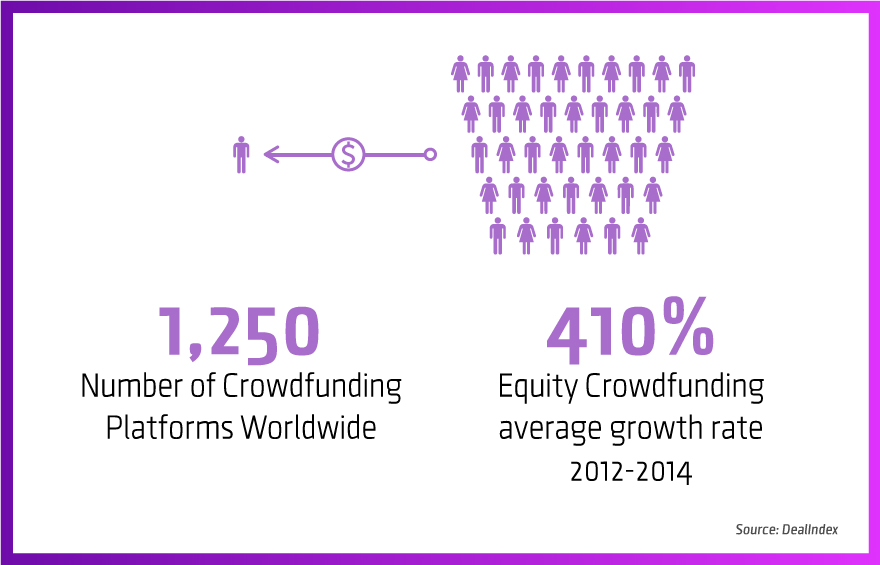
With over 1,250 crowdfunding platforms worldwide, investors can now choose from a plethora of platforms and asset classes at different stages of the funding cycle – from equity crowdfunding to online M&A platforms.
Yet as Ms Manaktala explains, “the market is highly fragmented. So if you are an investor right now, you either invest in an angel network or alongside VCs. But with crowd funding platforms, deal flows are going up MoM incredibly, and success rates are quite high.”
Filtering Out the Noise
Given the increasing scale of the booming alternative finance sector, DealIndex seeks to link it all together for an informed view of the eco-system. Ms Manaktala highlighted the need for a singular place for investors to track opportunities and get up-to-date data, analysis and insight - “something that is akin to what people are used to using in investment banking for public market information”.
However, aggregation is not enough. Indeed, deal flow, volume, size of valuations and due diligence requirements and practices vary significantly between platforms.
We are quite focussed on having the right platforms; not every single platform on the market.
“We are quite focussed on having the right platforms; not every single platform on the market. We deal with platforms which have a good amount of volume and a good amount of deal flow – and try to cut out the noise.”
Ms Manaktala pointed to some emerging patterns. She revealed that IT is the leading sector in terms of deal flow, with food and drink and other consumer companies also doing well. No surprise, the US is leading the way in terms of deal size, frequently boasting deals exceeding $1 million, with the average deal size in the UK steadily rising.
Sharing Space
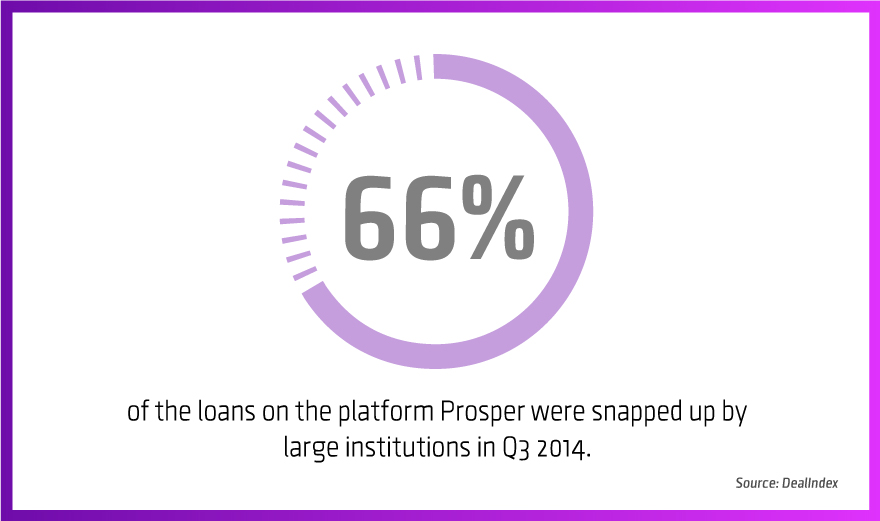
With increasing numbers of institutional investors joining private online marketplaces, there are concerns that they will crowd out retail investors by snapping up all of the best deals.
However, Ms Manaktala is more optimistic. “The best scenario is that institutional investors and private individuals and the crowd learn to co-exist, as they do in the IPO market and the public market.”
The best scenario is that institutional investors and private individuals and the crowd learn to co-exist.
In fact, she points to some benefits of co-existence; specifically, that sophisticated institutional investors help to more sensibly value deals and reduce individuals’ exposure to risk.
Ms Manaktala explains: “What we tend to see is deals like this: say a company wants to raise $1 million. A VC would put in half of it and the balance of it they would put on a crowdfunding platform. “
“The crowd then are coming in at the same terms as the VC, and because the VC has already done due diligence and has priced and valued this company -presuming they have done all the work – the crowd benefits from all that.”
Nothing stands in the way more than regulation. Selling company shares is a highly regulated process.
“The volume in the private market is tremendous. What that means is that at some point, you’re definitely going to need liquidity because people can only hold an investment for that much amount of time. “
Yet some remain sceptical, with perhaps more questions than answers. Nothing stands in the way more than regulation. Selling company shares is a highly regulated process, with restrictions on how a stock sale is marketed, who can be a shareholder, etc.
However, there are some indications that the situation may be beginning to change, as Ms Manaktala explains: “Particularly in the US, the exchanges and regulators are starting to get more involved. There have been quite a few discussions around creating private marketplace exchanges. Indeed, you need to work with the bigger stock exchanges, which have the experience of dealing with this.”
Private investment is moving online. Indeed, digital marketplaces are springing up rapidly, catering to the growing number and types of investors and issuers.
Alternative finance is becoming less – well –alternative. With a growing interest from institutional investors, venture capitalists (VCs) and angel networks, the myriad of platforms which now exist is overwhelming.
Neha Manaktala, Co-Founder & CEO, DealIndex
To help us get a grip on this rapidly evolving space is Neha Manaktala, Founder and CEO of DealIndex, a digital investment aggregator. The former investment banker turned entrepreneur caught up with Finance Magnates to share some of the insights stemming from the company’s recent research publication, which seeks to demystify alternative finance.
A Fragmented Market
Investors can now choose from a plethora of platforms and asset classes at different stages of the funding cycle.
With over 1,250 crowdfunding platforms worldwide, investors can now choose from a plethora of platforms and asset classes at different stages of the funding cycle – from equity crowdfunding to online M&A platforms.
Yet as Ms Manaktala explains, “the market is highly fragmented. So if you are an investor right now, you either invest in an angel network or alongside VCs. But with crowd funding platforms, deal flows are going up MoM incredibly, and success rates are quite high.”
Filtering Out the Noise
Given the increasing scale of the booming alternative finance sector, DealIndex seeks to link it all together for an informed view of the eco-system. Ms Manaktala highlighted the need for a singular place for investors to track opportunities and get up-to-date data, analysis and insight - “something that is akin to what people are used to using in investment banking for public market information”.
However, aggregation is not enough. Indeed, deal flow, volume, size of valuations and due diligence requirements and practices vary significantly between platforms.
We are quite focussed on having the right platforms; not every single platform on the market.
“We are quite focussed on having the right platforms; not every single platform on the market. We deal with platforms which have a good amount of volume and a good amount of deal flow – and try to cut out the noise.”
Ms Manaktala pointed to some emerging patterns. She revealed that IT is the leading sector in terms of deal flow, with food and drink and other consumer companies also doing well. No surprise, the US is leading the way in terms of deal size, frequently boasting deals exceeding $1 million, with the average deal size in the UK steadily rising.
Sharing Space
With increasing numbers of institutional investors joining private online marketplaces, there are concerns that they will crowd out retail investors by snapping up all of the best deals.
However, Ms Manaktala is more optimistic. “The best scenario is that institutional investors and private individuals and the crowd learn to co-exist, as they do in the IPO market and the public market.”
The best scenario is that institutional investors and private individuals and the crowd learn to co-exist.
In fact, she points to some benefits of co-existence; specifically, that sophisticated institutional investors help to more sensibly value deals and reduce individuals’ exposure to risk.
Ms Manaktala explains: “What we tend to see is deals like this: say a company wants to raise $1 million. A VC would put in half of it and the balance of it they would put on a crowdfunding platform. “
“The crowd then are coming in at the same terms as the VC, and because the VC has already done due diligence and has priced and valued this company -presuming they have done all the work – the crowd benefits from all that.”
Nothing stands in the way more than regulation. Selling company shares is a highly regulated process.
“The volume in the private market is tremendous. What that means is that at some point, you’re definitely going to need liquidity because people can only hold an investment for that much amount of time. “
Yet some remain sceptical, with perhaps more questions than answers. Nothing stands in the way more than regulation. Selling company shares is a highly regulated process, with restrictions on how a stock sale is marketed, who can be a shareholder, etc.
However, there are some indications that the situation may be beginning to change, as Ms Manaktala explains: “Particularly in the US, the exchanges and regulators are starting to get more involved. There have been quite a few discussions around creating private marketplace exchanges. Indeed, you need to work with the bigger stock exchanges, which have the experience of dealing with this.”
Kalshi Takes Perpetual Futures into US Equities after CFTC Approval
Featured Videos
FXCM UK Holds $110m in Client Money; IG CEO Questions Prediction Market Volumes
FXCM UK Holds $110m in Client Money; IG CEO Questions Prediction Market Volumes
FXCM UK Holds $110m in Client Money; IG CEO Questions Prediction Market Volumes
FXCM UK Holds $110m in Client Money; IG CEO Questions Prediction Market Volumes
Today’s financial news recap covers FXCM's UK arm holds $110 million in client money ahead of its sale to Trade Nation, Citadel Securities' UK profit falls 38 per cent, and Kraken secures its final Dubai crypto licence.
Finance Magnates Daily Recap brings you the latest news from forex and CFD brokers, fintech, payments, cryptocurrency, digital assets, trading platforms, financial regulation and global markets.
Get the key company news, executive moves, deals, regulatory updates and market developments of the day, in just a few minutes. New episodes published every weekday.
Read more: https://www.financemagnates.com
#FinanceMagnates #ForexNews #FintechNews
Today’s financial news recap covers FXCM's UK arm holds $110 million in client money ahead of its sale to Trade Nation, Citadel Securities' UK profit falls 38 per cent, and Kraken secures its final Dubai crypto licence.
Finance Magnates Daily Recap brings you the latest news from forex and CFD brokers, fintech, payments, cryptocurrency, digital assets, trading platforms, financial regulation and global markets.
Get the key company news, executive moves, deals, regulatory updates and market developments of the day, in just a few minutes. New episodes published every weekday.
Read more: https://www.financemagnates.com
#FinanceMagnates #ForexNews #FintechNews
Today’s financial news recap covers FXCM's UK arm holds $110 million in client money ahead of its sale to Trade Nation, Citadel Securities' UK profit falls 38 per cent, and Kraken secures its final Dubai crypto licence.
Finance Magnates Daily Recap brings you the latest news from forex and CFD brokers, fintech, payments, cryptocurrency, digital assets, trading platforms, financial regulation and global markets.
Get the key company news, executive moves, deals, regulatory updates and market developments of the day, in just a few minutes. New episodes published every weekday.
Read more: https://www.financemagnates.com
#FinanceMagnates #ForexNews #FintechNews
Today’s financial news recap covers FXCM's UK arm holds $110 million in client money ahead of its sale to Trade Nation, Citadel Securities' UK profit falls 38 per cent, and Kraken secures its final Dubai crypto licence.
Finance Magnates Daily Recap brings you the latest news from forex and CFD brokers, fintech, payments, cryptocurrency, digital assets, trading platforms, financial regulation and global markets.
Get the key company news, executive moves, deals, regulatory updates and market developments of the day, in just a few minutes. New episodes published every weekday.
Read more: https://www.financemagnates.com
#FinanceMagnates #ForexNews #FintechNews
Today’s financial news recap covers AvaTrade agrees to acquire most of FXCM, NAGA secures eight million dollars in new financing, and Wise seeks a tax settlement in the UK.
Finance Magnates Daily Recap brings you the latest news from forex and CFD brokers, fintech, payments, cryptocurrency, digital assets, trading platforms, financial regulation and global markets.
Get the key company news, executive moves, deals, regulatory updates and market developments of the day, in just a few minutes. New episodes published every weekday.
Read more: https://www.financemagnates.com
#FinanceMagnates #ForexNews #FintechNews
Today’s financial news recap covers AvaTrade agrees to acquire most of FXCM, NAGA secures eight million dollars in new financing, and Wise seeks a tax settlement in the UK.
Finance Magnates Daily Recap brings you the latest news from forex and CFD brokers, fintech, payments, cryptocurrency, digital assets, trading platforms, financial regulation and global markets.
Get the key company news, executive moves, deals, regulatory updates and market developments of the day, in just a few minutes. New episodes published every weekday.
Read more: https://www.financemagnates.com
#FinanceMagnates #ForexNews #FintechNews
Today’s financial news recap covers AvaTrade agrees to acquire most of FXCM, NAGA secures eight million dollars in new financing, and Wise seeks a tax settlement in the UK.
Finance Magnates Daily Recap brings you the latest news from forex and CFD brokers, fintech, payments, cryptocurrency, digital assets, trading platforms, financial regulation and global markets.
Get the key company news, executive moves, deals, regulatory updates and market developments of the day, in just a few minutes. New episodes published every weekday.
Read more: https://www.financemagnates.com
#FinanceMagnates #ForexNews #FintechNews
Today’s financial news recap covers AvaTrade agrees to acquire most of FXCM, NAGA secures eight million dollars in new financing, and Wise seeks a tax settlement in the UK.
Finance Magnates Daily Recap brings you the latest news from forex and CFD brokers, fintech, payments, cryptocurrency, digital assets, trading platforms, financial regulation and global markets.
Get the key company news, executive moves, deals, regulatory updates and market developments of the day, in just a few minutes. New episodes published every weekday.
Read more: https://www.financemagnates.com
#FinanceMagnates #ForexNews #FintechNews
Today’s financial news recap covers AvaTrade agrees to acquire most of FXCM, NAGA secures eight million dollars in new financing, and Wise seeks a tax settlement in the UK.
Finance Magnates Daily Recap brings you the latest news from forex and CFD brokers, fintech, payments, cryptocurrency, digital assets, trading platforms, financial regulation and global markets.
Get the key company news, executive moves, deals, regulatory updates and market developments of the day, in just a few minutes. New episodes published every weekday.
Read more: https://www.financemagnates.com
#FinanceMagnates #ForexNews #FintechNews
Today’s financial news recap covers AvaTrade agrees to acquire most of FXCM, NAGA secures eight million dollars in new financing, and Wise seeks a tax settlement in the UK.
Finance Magnates Daily Recap brings you the latest news from forex and CFD brokers, fintech, payments, cryptocurrency, digital assets, trading platforms, financial regulation and global markets.
Get the key company news, executive moves, deals, regulatory updates and market developments of the day, in just a few minutes. New episodes published every weekday.
Read more: https://www.financemagnates.com
#FinanceMagnates #ForexNews #FintechNews
XTB Adds Overnight US Stock Trading; Nasdaq Ventures Invests in One Trading
XTB Adds Overnight US Stock Trading; Nasdaq Ventures Invests in One Trading
XTB Adds Overnight US Stock Trading; Nasdaq Ventures Invests in One Trading
XTB Adds Overnight US Stock Trading; Nasdaq Ventures Invests in One Trading
XTB Adds Overnight US Stock Trading; Nasdaq Ventures Invests in One Trading
XTB Adds Overnight US Stock Trading; Nasdaq Ventures Invests in One Trading
Today’s financial news recap covers XTB expands overnight US stock trading, Fortrade reports higher revenue, Nasdaq backs One Trading, and Vest Labs raises 13 million dollars.
Finance Magnates Daily Recap brings you the latest news from forex and CFD brokers, fintech, payments, cryptocurrency, digital assets, trading platforms, financial regulation and global markets.
Get the key company news, executive moves, deals, regulatory updates and market developments of the day, in just a few minutes. New episodes published every weekday.
Read more: https://www.financemagnates.com
#FinanceMagnates #ForexNews #FintechNews
Today’s financial news recap covers XTB expands overnight US stock trading, Fortrade reports higher revenue, Nasdaq backs One Trading, and Vest Labs raises 13 million dollars.
Finance Magnates Daily Recap brings you the latest news from forex and CFD brokers, fintech, payments, cryptocurrency, digital assets, trading platforms, financial regulation and global markets.
Get the key company news, executive moves, deals, regulatory updates and market developments of the day, in just a few minutes. New episodes published every weekday.
Read more: https://www.financemagnates.com
#FinanceMagnates #ForexNews #FintechNews
Today’s financial news recap covers XTB expands overnight US stock trading, Fortrade reports higher revenue, Nasdaq backs One Trading, and Vest Labs raises 13 million dollars.
Finance Magnates Daily Recap brings you the latest news from forex and CFD brokers, fintech, payments, cryptocurrency, digital assets, trading platforms, financial regulation and global markets.
Get the key company news, executive moves, deals, regulatory updates and market developments of the day, in just a few minutes. New episodes published every weekday.
Read more: https://www.financemagnates.com
#FinanceMagnates #ForexNews #FintechNews
Today’s financial news recap covers XTB expands overnight US stock trading, Fortrade reports higher revenue, Nasdaq backs One Trading, and Vest Labs raises 13 million dollars.
Finance Magnates Daily Recap brings you the latest news from forex and CFD brokers, fintech, payments, cryptocurrency, digital assets, trading platforms, financial regulation and global markets.
Get the key company news, executive moves, deals, regulatory updates and market developments of the day, in just a few minutes. New episodes published every weekday.
Read more: https://www.financemagnates.com
#FinanceMagnates #ForexNews #FintechNews
Today’s financial news recap covers XTB expands overnight US stock trading, Fortrade reports higher revenue, Nasdaq backs One Trading, and Vest Labs raises 13 million dollars.
Finance Magnates Daily Recap brings you the latest news from forex and CFD brokers, fintech, payments, cryptocurrency, digital assets, trading platforms, financial regulation and global markets.
Get the key company news, executive moves, deals, regulatory updates and market developments of the day, in just a few minutes. New episodes published every weekday.
Read more: https://www.financemagnates.com
#FinanceMagnates #ForexNews #FintechNews
Today’s financial news recap covers XTB expands overnight US stock trading, Fortrade reports higher revenue, Nasdaq backs One Trading, and Vest Labs raises 13 million dollars.
Finance Magnates Daily Recap brings you the latest news from forex and CFD brokers, fintech, payments, cryptocurrency, digital assets, trading platforms, financial regulation and global markets.
Get the key company news, executive moves, deals, regulatory updates and market developments of the day, in just a few minutes. New episodes published every weekday.
Read more: https://www.financemagnates.com
#FinanceMagnates #ForexNews #FintechNews
CMC Founder Downplays Volatility Hit; Devexperts Names CEO
CMC Founder Downplays Volatility Hit; Devexperts Names CEO
CMC Founder Downplays Volatility Hit; Devexperts Names CEO
CMC Founder Downplays Volatility Hit; Devexperts Names CEO
CMC Founder Downplays Volatility Hit; Devexperts Names CEO
CMC Founder Downplays Volatility Hit; Devexperts Names CEO
Today’s financial news recap covers low volatility pressures brokers, Devexperts names a new CEO, Saxo cuts onboarding time, and OKX reaches a 25 billion dollar valuation.
Finance Magnates Daily Recap brings you the latest news from forex and CFD brokers, fintech, payments, cryptocurrency, digital assets, trading platforms, financial regulation and global markets.
Get the key company news, executive moves, deals, regulatory updates and market developments of the day, in just a few minutes. New episodes published every weekday.
Read more: https://www.financemagnates.com
#FinanceMagnates #ForexNews #FintechNews
Today’s financial news recap covers low volatility pressures brokers, Devexperts names a new CEO, Saxo cuts onboarding time, and OKX reaches a 25 billion dollar valuation.
Finance Magnates Daily Recap brings you the latest news from forex and CFD brokers, fintech, payments, cryptocurrency, digital assets, trading platforms, financial regulation and global markets.
Get the key company news, executive moves, deals, regulatory updates and market developments of the day, in just a few minutes. New episodes published every weekday.
Read more: https://www.financemagnates.com
#FinanceMagnates #ForexNews #FintechNews
Today’s financial news recap covers low volatility pressures brokers, Devexperts names a new CEO, Saxo cuts onboarding time, and OKX reaches a 25 billion dollar valuation.
Finance Magnates Daily Recap brings you the latest news from forex and CFD brokers, fintech, payments, cryptocurrency, digital assets, trading platforms, financial regulation and global markets.
Get the key company news, executive moves, deals, regulatory updates and market developments of the day, in just a few minutes. New episodes published every weekday.
Read more: https://www.financemagnates.com
#FinanceMagnates #ForexNews #FintechNews
Today’s financial news recap covers low volatility pressures brokers, Devexperts names a new CEO, Saxo cuts onboarding time, and OKX reaches a 25 billion dollar valuation.
Finance Magnates Daily Recap brings you the latest news from forex and CFD brokers, fintech, payments, cryptocurrency, digital assets, trading platforms, financial regulation and global markets.
Get the key company news, executive moves, deals, regulatory updates and market developments of the day, in just a few minutes. New episodes published every weekday.
Read more: https://www.financemagnates.com
#FinanceMagnates #ForexNews #FintechNews
Today’s financial news recap covers low volatility pressures brokers, Devexperts names a new CEO, Saxo cuts onboarding time, and OKX reaches a 25 billion dollar valuation.
Finance Magnates Daily Recap brings you the latest news from forex and CFD brokers, fintech, payments, cryptocurrency, digital assets, trading platforms, financial regulation and global markets.
Get the key company news, executive moves, deals, regulatory updates and market developments of the day, in just a few minutes. New episodes published every weekday.
Read more: https://www.financemagnates.com
#FinanceMagnates #ForexNews #FintechNews
Today’s financial news recap covers low volatility pressures brokers, Devexperts names a new CEO, Saxo cuts onboarding time, and OKX reaches a 25 billion dollar valuation.
Finance Magnates Daily Recap brings you the latest news from forex and CFD brokers, fintech, payments, cryptocurrency, digital assets, trading platforms, financial regulation and global markets.
Get the key company news, executive moves, deals, regulatory updates and market developments of the day, in just a few minutes. New episodes published every weekday.
Read more: https://www.financemagnates.com
#FinanceMagnates #ForexNews #FintechNews
Today’s financial news recap covers Trade Nation buys FXCM's UK client book, Trading 212 reports higher revenue, the CFTC's move to allow perpetual index futures.
Finance Magnates Daily Recap brings you the latest news from forex and CFD brokers, fintech, payments, cryptocurrency, digital assets, trading platforms, financial regulation and global markets.
Get the key company news, executive moves, deals, regulatory updates and market developments of the day, in just a few minutes. New episodes published every weekday.
Read more: https://www.financemagnates.com
#FinanceMagnates #ForexNews #FintechNews
Today’s financial news recap covers Trade Nation buys FXCM's UK client book, Trading 212 reports higher revenue, the CFTC's move to allow perpetual index futures.
Finance Magnates Daily Recap brings you the latest news from forex and CFD brokers, fintech, payments, cryptocurrency, digital assets, trading platforms, financial regulation and global markets.
Get the key company news, executive moves, deals, regulatory updates and market developments of the day, in just a few minutes. New episodes published every weekday.
Read more: https://www.financemagnates.com
#FinanceMagnates #ForexNews #FintechNews
Today’s financial news recap covers Trade Nation buys FXCM's UK client book, Trading 212 reports higher revenue, the CFTC's move to allow perpetual index futures.
Finance Magnates Daily Recap brings you the latest news from forex and CFD brokers, fintech, payments, cryptocurrency, digital assets, trading platforms, financial regulation and global markets.
Get the key company news, executive moves, deals, regulatory updates and market developments of the day, in just a few minutes. New episodes published every weekday.
Read more: https://www.financemagnates.com
#FinanceMagnates #ForexNews #FintechNews
Today’s financial news recap covers Trade Nation buys FXCM's UK client book, Trading 212 reports higher revenue, the CFTC's move to allow perpetual index futures.
Finance Magnates Daily Recap brings you the latest news from forex and CFD brokers, fintech, payments, cryptocurrency, digital assets, trading platforms, financial regulation and global markets.
Get the key company news, executive moves, deals, regulatory updates and market developments of the day, in just a few minutes. New episodes published every weekday.
Read more: https://www.financemagnates.com
#FinanceMagnates #ForexNews #FintechNews
Today’s financial news recap covers Trade Nation buys FXCM's UK client book, Trading 212 reports higher revenue, the CFTC's move to allow perpetual index futures.
Finance Magnates Daily Recap brings you the latest news from forex and CFD brokers, fintech, payments, cryptocurrency, digital assets, trading platforms, financial regulation and global markets.
Get the key company news, executive moves, deals, regulatory updates and market developments of the day, in just a few minutes. New episodes published every weekday.
Read more: https://www.financemagnates.com
#FinanceMagnates #ForexNews #FintechNews
Today’s financial news recap covers Trade Nation buys FXCM's UK client book, Trading 212 reports higher revenue, the CFTC's move to allow perpetual index futures.
Finance Magnates Daily Recap brings you the latest news from forex and CFD brokers, fintech, payments, cryptocurrency, digital assets, trading platforms, financial regulation and global markets.
Get the key company news, executive moves, deals, regulatory updates and market developments of the day, in just a few minutes. New episodes published every weekday.
Read more: https://www.financemagnates.com
#FinanceMagnates #ForexNews #FintechNews