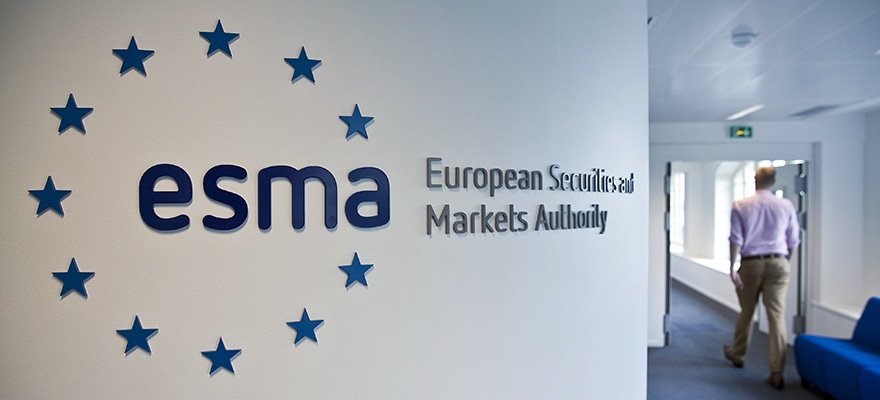
Market participants cannot build the necessary systems in-house in the timeframe ESMA has proposed (it’s already been delayed once) so they need to turn to vendors to help. This presents a sizeable opportunity and the majority of vendors have spotted this. The question is, how does a vendor with a well thought out, credible solution stand out from the 'me too' crowd?

MiFID II has been brought in after the collapse of Lehman Brothers in 2008 highlighted the unintended shortcomings of MiFID I and the interconnectedness of global markets. In the words of KPMG:
“The aim of MiFID II is clear – to reduce systemic risk, strengthen financial stability by ensuring maximum transparency in markets and ensure robust levels of investor protection.”
To do this, the scope of MiFID I has been extended to cover asset classes other than equities, pre- and post- trade transparency has been further increased and efforts have been made to bring 'over the counter' markets on to exchanges.
Clearly it’s a laudable aim but – as most people with an interest in the markets know – the practical implementation is proving to be rather difficult. Market participants have to rely on vendors to both understand the regulation and to provide a solution that helps the individual business comply.
It’s not a question of shouting the loudest
The breadth of MiFID II and the specialised nature of many vendors means it’s unlikely that a single company can offer a complete MiFID II solution, and so many focus instead on specific parts of the directive. This means that most institutions will have to engage with a range of vendors to put together a complete solution, thus taking on the role of systems integrator. Clearly the job will be a difficult one. A separate RFP process will have to be run to create a shortlist for each compliance area, vendors will have to be assessed to see whether they can integrate with each other, and then a gap analysis will have to be performed to work out where the holes are. This is before any of the actual work starts.
MiFID II is obviously a golden opportunity for vendors but for those trying to get on the shortlist, attracting the attention of those tasked with putting a solution together is no mean feat.
Our research “How to Influence FinTech Buyers in Capital Markets” has shown that the vendor selection process starts far in advance of the first telephone or email enquiry. Buyers will invariably put together a longlist, which they will then self-qualify down to a shortlist and only at that point will they contact the companies on it. In the initial stages, buyers are looking for independent proof that the vendor is credible and can provide a solution to their problems. If that proof isn’t readily available, then they won’t make it on to the longlist, let alone be invited to pitch.
Demonstrate understanding of the problem
But what does this look like in practice? MiFID II is a minefield. Many affected firms aren’t prepared and a sizeable proportion are not even clear about how they will be affected or what needs to be done. For example, how does one go about proving best execution across multiple asset classes and multiple geographies? What yardstick can the executed price be compared to without a consolidated tape? How do you begin to comply with the pre- and post- trade reporting requirements when the entities you have to report to haven’t been set up yet?
Market participants aren’t looking to vendors to have all the answers but it is essential that a clear understanding of the problem is demonstrated. There have been some great thought-led pieces from vendors on places like Tabb Forum, Finance Magnates and Finextra that clearly demonstrate the in-depth knowledge and real insights that vendors have. But the community is a fair way behind consultants and lawyers when it comes to demonstrating understanding and providing direction.
There’s a real opportunity here. Many within the vendor community remember MiFID I but due to staff layoffs and organisational changes in the wake of the 2008 crisis, fewer within banks do. Tapping in to that expertise and creating and distributing insightful, impartial content is critical to raising vendors’ profile and securing the interest of capital markets buyers.
This guest article was written by Imran Majid who is the Deputy Head of FinTech at CCgroup.
Market participants cannot build the necessary systems in-house in the timeframe ESMA has proposed (it’s already been delayed once) so they need to turn to vendors to help. This presents a sizeable opportunity and the majority of vendors have spotted this. The question is, how does a vendor with a well thought out, credible solution stand out from the 'me too' crowd?
MiFID II has been brought in after the collapse of Lehman Brothers in 2008 highlighted the unintended shortcomings of MiFID I and the interconnectedness of global markets. In the words of KPMG:
“The aim of MiFID II is clear – to reduce systemic risk, strengthen financial stability by ensuring maximum transparency in markets and ensure robust levels of investor protection.”
To do this, the scope of MiFID I has been extended to cover asset classes other than equities, pre- and post- trade transparency has been further increased and efforts have been made to bring 'over the counter' markets on to exchanges.
Clearly it’s a laudable aim but – as most people with an interest in the markets know – the practical implementation is proving to be rather difficult. Market participants have to rely on vendors to both understand the regulation and to provide a solution that helps the individual business comply.
It’s not a question of shouting the loudest
The breadth of MiFID II and the specialised nature of many vendors means it’s unlikely that a single company can offer a complete MiFID II solution, and so many focus instead on specific parts of the directive. This means that most institutions will have to engage with a range of vendors to put together a complete solution, thus taking on the role of systems integrator. Clearly the job will be a difficult one. A separate RFP process will have to be run to create a shortlist for each compliance area, vendors will have to be assessed to see whether they can integrate with each other, and then a gap analysis will have to be performed to work out where the holes are. This is before any of the actual work starts.
MiFID II is obviously a golden opportunity for vendors but for those trying to get on the shortlist, attracting the attention of those tasked with putting a solution together is no mean feat.
Our research “How to Influence FinTech Buyers in Capital Markets” has shown that the vendor selection process starts far in advance of the first telephone or email enquiry. Buyers will invariably put together a longlist, which they will then self-qualify down to a shortlist and only at that point will they contact the companies on it. In the initial stages, buyers are looking for independent proof that the vendor is credible and can provide a solution to their problems. If that proof isn’t readily available, then they won’t make it on to the longlist, let alone be invited to pitch.
Demonstrate understanding of the problem
But what does this look like in practice? MiFID II is a minefield. Many affected firms aren’t prepared and a sizeable proportion are not even clear about how they will be affected or what needs to be done. For example, how does one go about proving best execution across multiple asset classes and multiple geographies? What yardstick can the executed price be compared to without a consolidated tape? How do you begin to comply with the pre- and post- trade reporting requirements when the entities you have to report to haven’t been set up yet?
Market participants aren’t looking to vendors to have all the answers but it is essential that a clear understanding of the problem is demonstrated. There have been some great thought-led pieces from vendors on places like Tabb Forum, Finance Magnates and Finextra that clearly demonstrate the in-depth knowledge and real insights that vendors have. But the community is a fair way behind consultants and lawyers when it comes to demonstrating understanding and providing direction.
There’s a real opportunity here. Many within the vendor community remember MiFID I but due to staff layoffs and organisational changes in the wake of the 2008 crisis, fewer within banks do. Tapping in to that expertise and creating and distributing insightful, impartial content is critical to raising vendors’ profile and securing the interest of capital markets buyers.
Ex-PayPal Chief David Marcus Launches Stablecoin Platform to Take On Traditional Banking Rails
Featured Videos
FM Daily Brief - 1 May 2026
iForex's CEO tells Finance Magnates the cost of their IPO delay. Also ahead: the US prediction markets legal battle splits in two, and the FCA greenlights onchain funds. It's Friday, the first of May 2026. You're listening to the Finance Magnates Daily Brief.
Not All Video Reviews Are Created Equal | Finance Magnates
We deliver fast, structured, neutral reviews covering regulation, platforms, leverage, payouts, and risk across brokers, prop firms, and fintech platforms.
Book your Finance Magnates video review: https://lnkd.in/dDubZJ2S
#FinanceMagnates #BrokerReview #PropTrading #Fintech #Forex #Crypto #CFD #TradingPlatforms #DigitalAssets
We deliver fast, structured, neutral reviews covering regulation, platforms, leverage, payouts, and risk across brokers, prop firms, and fintech platforms.
Book your Finance Magnates video review: https://lnkd.in/dDubZJ2S
#FinanceMagnates #BrokerReview #PropTrading #Fintech #Forex #Crypto #CFD #TradingPlatforms #DigitalAssets
We deliver fast, structured, neutral reviews covering regulation, platforms, leverage, payouts, and risk across brokers, prop firms, and fintech platforms.
Book your Finance Magnates video review: https://lnkd.in/dDubZJ2S
#FinanceMagnates #BrokerReview #PropTrading #Fintech #Forex #Crypto #CFD #TradingPlatforms #DigitalAssets
We deliver fast, structured, neutral reviews covering regulation, platforms, leverage, payouts, and risk across brokers, prop firms, and fintech platforms.
Book your Finance Magnates video review: https://lnkd.in/dDubZJ2S
#FinanceMagnates #BrokerReview #PropTrading #Fintech #Forex #Crypto #CFD #TradingPlatforms #DigitalAssets
We deliver fast, structured, neutral reviews covering regulation, platforms, leverage, payouts, and risk across brokers, prop firms, and fintech platforms.
Book your Finance Magnates video review: https://lnkd.in/dDubZJ2S
#FinanceMagnates #BrokerReview #PropTrading #Fintech #Forex #Crypto #CFD #TradingPlatforms #DigitalAssets
We deliver fast, structured, neutral reviews covering regulation, platforms, leverage, payouts, and risk across brokers, prop firms, and fintech platforms.
Book your Finance Magnates video review: https://lnkd.in/dDubZJ2S
#FinanceMagnates #BrokerReview #PropTrading #Fintech #Forex #Crypto #CFD #TradingPlatforms #DigitalAssets
FM Daily Brief - 30 April 2026
iForex posts its first annual results as a listed broker. Also ahead: CFI Financial secures a Brazil license, and prediction markets have a big week, with new ETF launches and fresh Polymarket loss data. It's Thursday, the thirtieth of April 2026. You're listening to the Finance Magnates Daily Brief.
FM Daily Brief - 29 April 2026
XTB and Robinhood both post first-quarter earnings. But the numbers point in very different directions. Also ahead: Capital.com pushes into three new markets and signals a move into payments.
It's Wednesday, the 29th of April 2026. You're listening to the Finance Magnates Daily Brief.
XTB and Robinhood both post first-quarter earnings. But the numbers point in very different directions. Also ahead: Capital.com pushes into three new markets and signals a move into payments.
It's Wednesday, the 29th of April 2026. You're listening to the Finance Magnates Daily Brief.
XTB and Robinhood both post first-quarter earnings. But the numbers point in very different directions. Also ahead: Capital.com pushes into three new markets and signals a move into payments.
It's Wednesday, the 29th of April 2026. You're listening to the Finance Magnates Daily Brief.
XTB and Robinhood both post first-quarter earnings. But the numbers point in very different directions. Also ahead: Capital.com pushes into three new markets and signals a move into payments.
It's Wednesday, the 29th of April 2026. You're listening to the Finance Magnates Daily Brief.
XTB and Robinhood both post first-quarter earnings. But the numbers point in very different directions. Also ahead: Capital.com pushes into three new markets and signals a move into payments.
It's Wednesday, the 29th of April 2026. You're listening to the Finance Magnates Daily Brief.
XTB and Robinhood both post first-quarter earnings. But the numbers point in very different directions. Also ahead: Capital.com pushes into three new markets and signals a move into payments.
It's Wednesday, the 29th of April 2026. You're listening to the Finance Magnates Daily Brief.
FM Daily Brief - 28 April 2026
Startrader posts three-point-one trillion dollars in first-quarter volume — up three hundred and forty percent from a year ago. Also ahead: Fintokei claims sub-second trader payouts, and eToro opens its premium subscription tier to all investors.