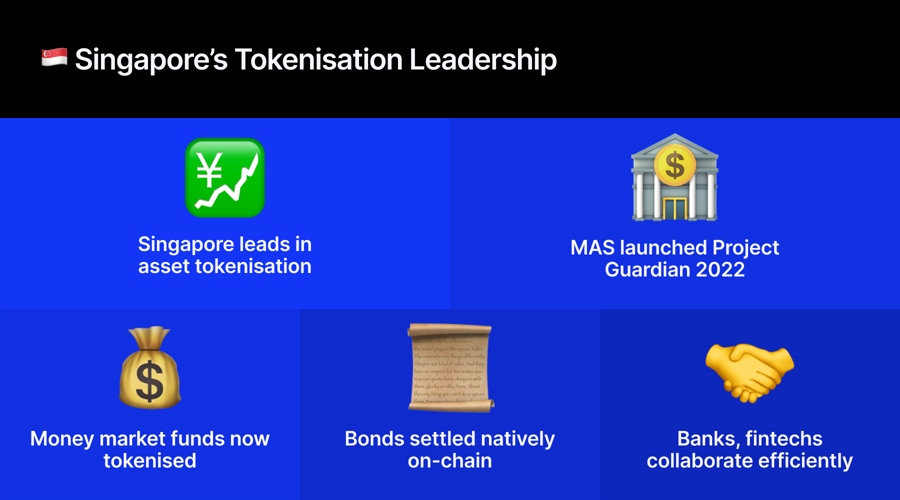
MAS launched Project Guardian in 2022; money market funds and bonds are now tokenised and settled on-chain.
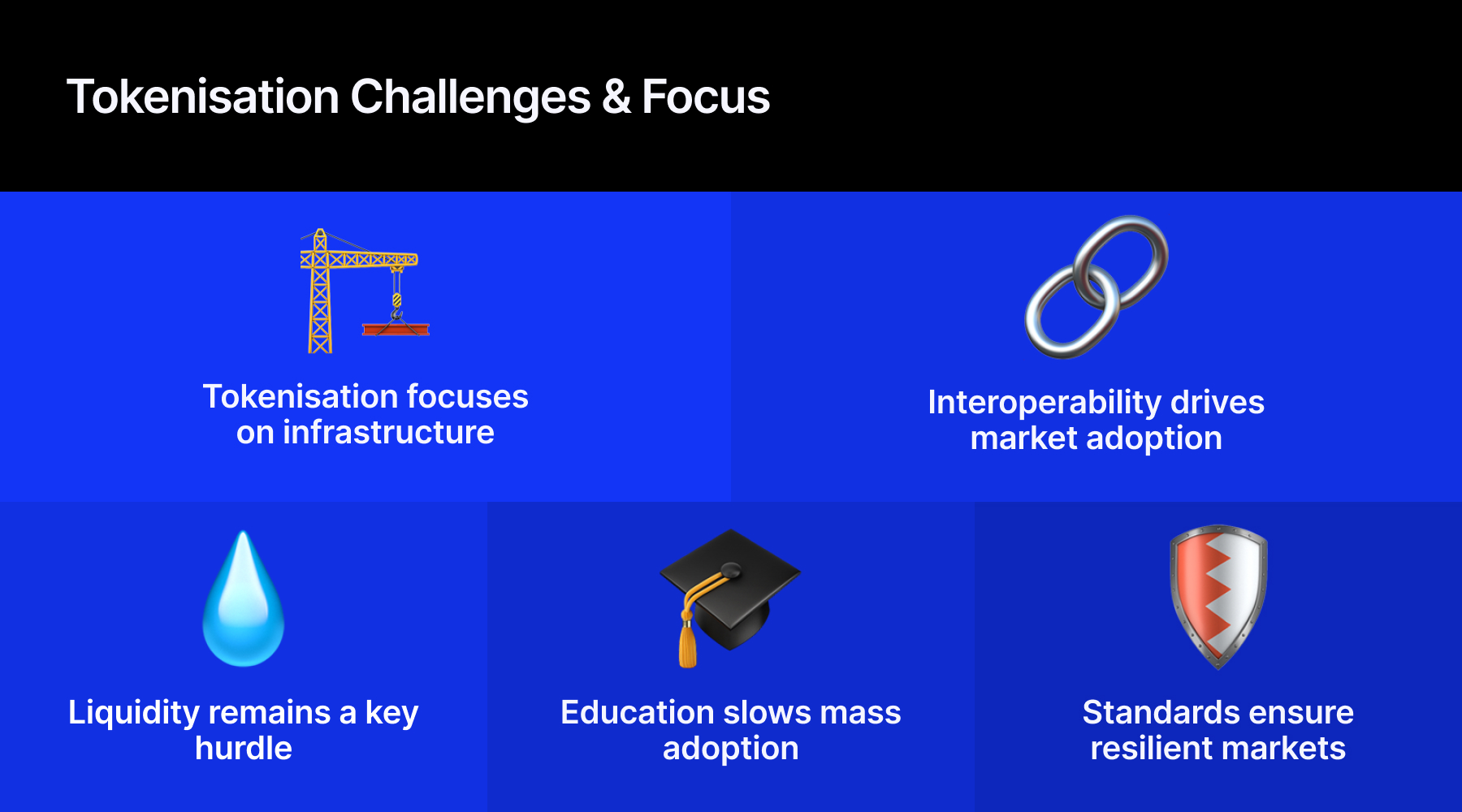
Key challenges include interoperability, cross-border regulatory alignment, liquidity, and robust custody frameworks.
An approach to regulation that balances clear guidelines
with a willingness to innovate has positioned Singapore at the forefront of
developments in asset tokenisation.
Speaking at the Singapore FinTech Festival 2025 last
November, Chia Der Jiun, managing director of the Monetary Authority of
Singapore (MAS), noted that the regulator started its journey with asset-backed
tokens with the launch of Project Guardian in 2022, since when money market
funds have been tokenised and bonds have been issued natively and settled on
chain.
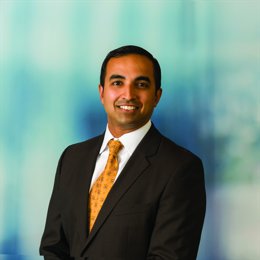
Alvin Chia, Head of Digital Assets Innovation, Asia Pacific, Northern Trust
A few weeks later, Lim Tuang Lee, MAS assistant managing
director (capital markets), told the Futures Industry Association Asia
Derivatives Conference that interest in tokenisation arrangements among market
participants was growing steadily.
Singapore’s dense concentration of global asset managers,
banks, and wealth platforms makes it possible to test tokenisation across the
full value chain, including issuance, distribution, servicing, and settlement,
observes Justin Christopher, head of Asia at Calastone.
“Crucially, Singapore understands tokenisation isn’t about
experimenting with technology; it’s about building efficient, cross-border
market infrastructure,” he says. “This pragmatic mindset has kept the focus on
real outcomes.”
There is also deep capital markets expertise, which means tokenisation
is approached as market infrastructure reform rather than crypto speculation.
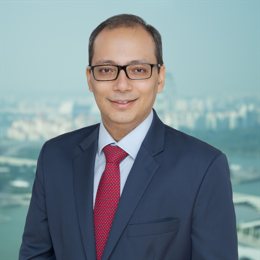
Chetan Karkhanis, SVP, Digital Asset Partnership Development, Franklin Templeton
That is the view of Alvin Chia, head of digital assets innovation Asia Pacific
for Northern Trust, who agrees that Singapore understands that interoperability
and cross-border use cases rather than domestic scale alone will define
success.
Regulatory Support and Collaboration
Singapore’s leadership in asset tokenisation reflects a
deliberate push to modernise capital markets infrastructure, agrees Huan Kiat,
fintech director at PhillipCapital.
“The MAS has created space for experimentation while
maintaining strong regulatory guardrails, which has given market participants
confidence to test real-world use cases,” he adds. “At the same time,
Singapore’s ecosystem of banks, asset managers, and fintech firms has been
willing to collaborate on pilots involving real assets and real capital.”
Efficiency and Adoption
Duncan Trenholme, Managing Director, TP ICAP Fusion Digital Assets
Tokenisation exists to improve market infrastructure rather
than chase temperamental price swings, as the ecosystem is compact and
decision-makers are accessible.
“Because of this, pilot programmes can move into production
relatively quickly and adoption across the board becomes easier,” suggests
Chetan Karkhanis, SVP, digital asset partnership development at Franklin
Templeton.
The high level of crypto asset activity across Asia has
translated into a deeper institutional comfort with blockchain‑based
products among investors, founders, and financial firms, adds Duncan Trenholme,
managing director, TP ICAP Fusion Digital Assets.
“At the same time, Singapore’s position as a global
financial hub gives it the kind of ecosystem where new market plumbing can be
tested at scale rather than in isolation,” he says.
Varied Adoption Across Asset Classes
The broad scope of applications and fragmentation of
models/systems means that the pace of adoption for tokenisation differs for
each financial asset, notes Hubert Grignon Dumoulin, digital assets senior
expert at CACEIS.
Hubert Grignon Dumoulin, Digital Assets Senior Expert, CACEIS
“The biggest and most obvious use case is stablecoins
(tokenisation of fiat money), followed by intra-day repo operations with
issuance of non-native securities tokens representing custody positions of
government bonds and short-term papers,” he says.
Scaling Challenges and Interoperability
According to Danny Chong, co-chair of the Digital Assets
Association Singapore, the path to scaling tokenisation rests on overcoming the
adoption gap, specifically the challenge of achieving interoperability across
networks and harmonising global regulatory standards.
“The focus must shift toward democratising access through
frameworks that reduce operational complexity, ensuring that the next wave of
financial innovation delivers efficiency and liquidity for both institutional
and retail participants,” he says.
The biggest constraint is not technology—it is aligning
legal finality, accounting treatment, and regulatory clarity across
jurisdictions so institutions can commit balance sheets at scale, says Chia.
Liquidity is another hurdle, because tokenised assets must plug into existing
distribution and collateral frameworks rather than operate in isolated pools.
Operationally, firms need robust custody, lifecycle servicing, and risk
controls that mirror traditional markets.
Danny Chong, Co-Chair, Digital Assets Association Singapore
Ankur Kanwar, head of transaction banking & cash
management, Singapore and ASEAN, and global head of cash structured solutions
development, Standard Chartered, agrees that the challenges are less about the
availability of the technology and more about institutional and structural
factors.
“Variations in regulatory frameworks, the high friction
across settlement infrastructures, and limited adoption of digital trade
solutions and standards can all affect the scalability of tokenisation,” he
says.
“As tokenisation scales, cybersecurity risks and operational resilience
will also become increasingly important considerations, and the long-term risks
need to be carefully managed.”
Market Awareness and Education
Client adoption, demand, and uptake by traditional
incumbents are not fully there yet, and education and awareness are also not
fully at scale, as cryptocurrencies, virtual native assets, and tokenised
products are all lumped into one definition, in some cases preventing
meaningful mass adoption and understanding, reckons Karkhanis.
Risk Management in Tokenised Markets
As more lifecycle logic, margining, and settlement migrate
into smart contracts reliant on external data feeds, the system also inherits
new points of failure, warns Trenholme.
Ankur Kanwar, Global Head of Cash Structured Solutions Development, Standard Chartered
“Traditional markets are slow, but latency often functions
as a circuit breaker,” he explains. “In tokenised markets, an inaccurate oracle
print or flawed contract can propagate instantly—so building resilience through
standards, safeguards, and fail‑safe architecture is as important
as improving efficiency.”
Interoperability is another constraint. Markets will
ultimately require ‘write once, run anywhere’ infrastructure so assets can move
seamlessly across public and permissioned networks.
Christopher notes that tokenised assets must plug seamlessly
into custody, administration, compliance, and reporting frameworks, and that
institutions will not compromise on governance, auditability, or investor
protection.
“Without established connectivity between issuers and
distributors, tokenised products remain niche,” he adds. “Real adoption
requires infrastructure allowing assets to move safely and efficiently across
established and digital-native venues.”
Kiat cautions that scaling tokenisation remains complex, and
while the underlying technology can enhance settlement efficiency and
programmability, adoption depends on more than just technical capability.
“Interoperability across platforms, liquidity depth, custody
arrangements, and cross-border regulatory alignment all need to evolve in
parallel,” he concludes. “Secondary market readiness will also be critical, as
tokenised assets require reliable distribution channels and consistent two-way
liquidity for investors to enter and exit with confidence.”
An approach to regulation that balances clear guidelines
with a willingness to innovate has positioned Singapore at the forefront of
developments in asset tokenisation.
Speaking at the Singapore FinTech Festival 2025 last
November, Chia Der Jiun, managing director of the Monetary Authority of
Singapore (MAS), noted that the regulator started its journey with asset-backed
tokens with the launch of Project Guardian in 2022, since when money market
funds have been tokenised and bonds have been issued natively and settled on
chain.
Alvin Chia, Head of Digital Assets Innovation, Asia Pacific, Northern Trust
A few weeks later, Lim Tuang Lee, MAS assistant managing
director (capital markets), told the Futures Industry Association Asia
Derivatives Conference that interest in tokenisation arrangements among market
participants was growing steadily.
Singapore’s dense concentration of global asset managers,
banks, and wealth platforms makes it possible to test tokenisation across the
full value chain, including issuance, distribution, servicing, and settlement,
observes Justin Christopher, head of Asia at Calastone.
“Crucially, Singapore understands tokenisation isn’t about
experimenting with technology; it’s about building efficient, cross-border
market infrastructure,” he says. “This pragmatic mindset has kept the focus on
real outcomes.”
There is also deep capital markets expertise, which means tokenisation
is approached as market infrastructure reform rather than crypto speculation.
Chetan Karkhanis, SVP, Digital Asset Partnership Development, Franklin Templeton
That is the view of Alvin Chia, head of digital assets innovation Asia Pacific
for Northern Trust, who agrees that Singapore understands that interoperability
and cross-border use cases rather than domestic scale alone will define
success.
Regulatory Support and Collaboration
Singapore’s leadership in asset tokenisation reflects a
deliberate push to modernise capital markets infrastructure, agrees Huan Kiat,
fintech director at PhillipCapital.
“The MAS has created space for experimentation while
maintaining strong regulatory guardrails, which has given market participants
confidence to test real-world use cases,” he adds. “At the same time,
Singapore’s ecosystem of banks, asset managers, and fintech firms has been
willing to collaborate on pilots involving real assets and real capital.”
Efficiency and Adoption
Duncan Trenholme, Managing Director, TP ICAP Fusion Digital Assets
Tokenisation exists to improve market infrastructure rather
than chase temperamental price swings, as the ecosystem is compact and
decision-makers are accessible.
“Because of this, pilot programmes can move into production
relatively quickly and adoption across the board becomes easier,” suggests
Chetan Karkhanis, SVP, digital asset partnership development at Franklin
Templeton.
The high level of crypto asset activity across Asia has
translated into a deeper institutional comfort with blockchain‑based
products among investors, founders, and financial firms, adds Duncan Trenholme,
managing director, TP ICAP Fusion Digital Assets.
“At the same time, Singapore’s position as a global
financial hub gives it the kind of ecosystem where new market plumbing can be
tested at scale rather than in isolation,” he says.
Varied Adoption Across Asset Classes
The broad scope of applications and fragmentation of
models/systems means that the pace of adoption for tokenisation differs for
each financial asset, notes Hubert Grignon Dumoulin, digital assets senior
expert at CACEIS.
Hubert Grignon Dumoulin, Digital Assets Senior Expert, CACEIS
“The biggest and most obvious use case is stablecoins
(tokenisation of fiat money), followed by intra-day repo operations with
issuance of non-native securities tokens representing custody positions of
government bonds and short-term papers,” he says.
Scaling Challenges and Interoperability
According to Danny Chong, co-chair of the Digital Assets
Association Singapore, the path to scaling tokenisation rests on overcoming the
adoption gap, specifically the challenge of achieving interoperability across
networks and harmonising global regulatory standards.
“The focus must shift toward democratising access through
frameworks that reduce operational complexity, ensuring that the next wave of
financial innovation delivers efficiency and liquidity for both institutional
and retail participants,” he says.
The biggest constraint is not technology—it is aligning
legal finality, accounting treatment, and regulatory clarity across
jurisdictions so institutions can commit balance sheets at scale, says Chia.
Liquidity is another hurdle, because tokenised assets must plug into existing
distribution and collateral frameworks rather than operate in isolated pools.
Operationally, firms need robust custody, lifecycle servicing, and risk
controls that mirror traditional markets.
Danny Chong, Co-Chair, Digital Assets Association Singapore
Ankur Kanwar, head of transaction banking & cash
management, Singapore and ASEAN, and global head of cash structured solutions
development, Standard Chartered, agrees that the challenges are less about the
availability of the technology and more about institutional and structural
factors.
“Variations in regulatory frameworks, the high friction
across settlement infrastructures, and limited adoption of digital trade
solutions and standards can all affect the scalability of tokenisation,” he
says.
“As tokenisation scales, cybersecurity risks and operational resilience
will also become increasingly important considerations, and the long-term risks
need to be carefully managed.”
Market Awareness and Education
Client adoption, demand, and uptake by traditional
incumbents are not fully there yet, and education and awareness are also not
fully at scale, as cryptocurrencies, virtual native assets, and tokenised
products are all lumped into one definition, in some cases preventing
meaningful mass adoption and understanding, reckons Karkhanis.
Risk Management in Tokenised Markets
As more lifecycle logic, margining, and settlement migrate
into smart contracts reliant on external data feeds, the system also inherits
new points of failure, warns Trenholme.
Ankur Kanwar, Global Head of Cash Structured Solutions Development, Standard Chartered
“Traditional markets are slow, but latency often functions
as a circuit breaker,” he explains. “In tokenised markets, an inaccurate oracle
print or flawed contract can propagate instantly—so building resilience through
standards, safeguards, and fail‑safe architecture is as important
as improving efficiency.”
Interoperability is another constraint. Markets will
ultimately require ‘write once, run anywhere’ infrastructure so assets can move
seamlessly across public and permissioned networks.
Christopher notes that tokenised assets must plug seamlessly
into custody, administration, compliance, and reporting frameworks, and that
institutions will not compromise on governance, auditability, or investor
protection.
“Without established connectivity between issuers and
distributors, tokenised products remain niche,” he adds. “Real adoption
requires infrastructure allowing assets to move safely and efficiently across
established and digital-native venues.”
Kiat cautions that scaling tokenisation remains complex, and
while the underlying technology can enhance settlement efficiency and
programmability, adoption depends on more than just technical capability.
“Interoperability across platforms, liquidity depth, custody
arrangements, and cross-border regulatory alignment all need to evolve in
parallel,” he concludes. “Secondary market readiness will also be critical, as
tokenised assets require reliable distribution channels and consistent two-way
liquidity for investors to enter and exit with confidence.”
Paul Golden is an experienced freelance financial journalist with a strong institutional background. Over the past two decades, he has written for globally recognised financial publications, covering topics such as market structure, regulation, trading behaviour, and economic policy.
CFTC Seeks Public Input on Proposed Retail Crypto Regulatory Framework
Featured Videos
AvaTrade to Acquire Most of FXCM; NAGA Raises $8M
AvaTrade to Acquire Most of FXCM; NAGA Raises $8M
AvaTrade to Acquire Most of FXCM; NAGA Raises $8M
AvaTrade to Acquire Most of FXCM; NAGA Raises $8M
Today’s financial news recap covers AvaTrade agrees to acquire most of FXCM, NAGA secures eight million dollars in new financing, and Wise seeks a tax settlement in the UK.
Finance Magnates Daily Recap brings you the latest news from forex and CFD brokers, fintech, payments, cryptocurrency, digital assets, trading platforms, financial regulation and global markets.
Get the key company news, executive moves, deals, regulatory updates and market developments of the day, in just a few minutes. New episodes published every weekday.
Read more: https://www.financemagnates.com
#FinanceMagnates #ForexNews #FintechNews
Today’s financial news recap covers AvaTrade agrees to acquire most of FXCM, NAGA secures eight million dollars in new financing, and Wise seeks a tax settlement in the UK.
Finance Magnates Daily Recap brings you the latest news from forex and CFD brokers, fintech, payments, cryptocurrency, digital assets, trading platforms, financial regulation and global markets.
Get the key company news, executive moves, deals, regulatory updates and market developments of the day, in just a few minutes. New episodes published every weekday.
Read more: https://www.financemagnates.com
#FinanceMagnates #ForexNews #FintechNews
Today’s financial news recap covers AvaTrade agrees to acquire most of FXCM, NAGA secures eight million dollars in new financing, and Wise seeks a tax settlement in the UK.
Finance Magnates Daily Recap brings you the latest news from forex and CFD brokers, fintech, payments, cryptocurrency, digital assets, trading platforms, financial regulation and global markets.
Get the key company news, executive moves, deals, regulatory updates and market developments of the day, in just a few minutes. New episodes published every weekday.
Read more: https://www.financemagnates.com
#FinanceMagnates #ForexNews #FintechNews
Today’s financial news recap covers AvaTrade agrees to acquire most of FXCM, NAGA secures eight million dollars in new financing, and Wise seeks a tax settlement in the UK.
Finance Magnates Daily Recap brings you the latest news from forex and CFD brokers, fintech, payments, cryptocurrency, digital assets, trading platforms, financial regulation and global markets.
Get the key company news, executive moves, deals, regulatory updates and market developments of the day, in just a few minutes. New episodes published every weekday.
Read more: https://www.financemagnates.com
#FinanceMagnates #ForexNews #FintechNews
XTB Adds Overnight US Stock Trading; Nasdaq Ventures Invests in One Trading
XTB Adds Overnight US Stock Trading; Nasdaq Ventures Invests in One Trading
XTB Adds Overnight US Stock Trading; Nasdaq Ventures Invests in One Trading
XTB Adds Overnight US Stock Trading; Nasdaq Ventures Invests in One Trading
XTB Adds Overnight US Stock Trading; Nasdaq Ventures Invests in One Trading
XTB Adds Overnight US Stock Trading; Nasdaq Ventures Invests in One Trading
Today’s financial news recap covers XTB expands overnight US stock trading, Fortrade reports higher revenue, Nasdaq backs One Trading, and Vest Labs raises 13 million dollars.
Finance Magnates Daily Recap brings you the latest news from forex and CFD brokers, fintech, payments, cryptocurrency, digital assets, trading platforms, financial regulation and global markets.
Get the key company news, executive moves, deals, regulatory updates and market developments of the day, in just a few minutes. New episodes published every weekday.
Read more: https://www.financemagnates.com
#FinanceMagnates #ForexNews #FintechNews
Today’s financial news recap covers XTB expands overnight US stock trading, Fortrade reports higher revenue, Nasdaq backs One Trading, and Vest Labs raises 13 million dollars.
Finance Magnates Daily Recap brings you the latest news from forex and CFD brokers, fintech, payments, cryptocurrency, digital assets, trading platforms, financial regulation and global markets.
Get the key company news, executive moves, deals, regulatory updates and market developments of the day, in just a few minutes. New episodes published every weekday.
Read more: https://www.financemagnates.com
#FinanceMagnates #ForexNews #FintechNews
Today’s financial news recap covers XTB expands overnight US stock trading, Fortrade reports higher revenue, Nasdaq backs One Trading, and Vest Labs raises 13 million dollars.
Finance Magnates Daily Recap brings you the latest news from forex and CFD brokers, fintech, payments, cryptocurrency, digital assets, trading platforms, financial regulation and global markets.
Get the key company news, executive moves, deals, regulatory updates and market developments of the day, in just a few minutes. New episodes published every weekday.
Read more: https://www.financemagnates.com
#FinanceMagnates #ForexNews #FintechNews
Today’s financial news recap covers XTB expands overnight US stock trading, Fortrade reports higher revenue, Nasdaq backs One Trading, and Vest Labs raises 13 million dollars.
Finance Magnates Daily Recap brings you the latest news from forex and CFD brokers, fintech, payments, cryptocurrency, digital assets, trading platforms, financial regulation and global markets.
Get the key company news, executive moves, deals, regulatory updates and market developments of the day, in just a few minutes. New episodes published every weekday.
Read more: https://www.financemagnates.com
#FinanceMagnates #ForexNews #FintechNews
Today’s financial news recap covers XTB expands overnight US stock trading, Fortrade reports higher revenue, Nasdaq backs One Trading, and Vest Labs raises 13 million dollars.
Finance Magnates Daily Recap brings you the latest news from forex and CFD brokers, fintech, payments, cryptocurrency, digital assets, trading platforms, financial regulation and global markets.
Get the key company news, executive moves, deals, regulatory updates and market developments of the day, in just a few minutes. New episodes published every weekday.
Read more: https://www.financemagnates.com
#FinanceMagnates #ForexNews #FintechNews
Today’s financial news recap covers XTB expands overnight US stock trading, Fortrade reports higher revenue, Nasdaq backs One Trading, and Vest Labs raises 13 million dollars.
Finance Magnates Daily Recap brings you the latest news from forex and CFD brokers, fintech, payments, cryptocurrency, digital assets, trading platforms, financial regulation and global markets.
Get the key company news, executive moves, deals, regulatory updates and market developments of the day, in just a few minutes. New episodes published every weekday.
Read more: https://www.financemagnates.com
#FinanceMagnates #ForexNews #FintechNews
CMC Founder Downplays Volatility Hit; Devexperts Names CEO
CMC Founder Downplays Volatility Hit; Devexperts Names CEO
CMC Founder Downplays Volatility Hit; Devexperts Names CEO
CMC Founder Downplays Volatility Hit; Devexperts Names CEO
CMC Founder Downplays Volatility Hit; Devexperts Names CEO
CMC Founder Downplays Volatility Hit; Devexperts Names CEO
Today’s financial news recap covers low volatility pressures brokers, Devexperts names a new CEO, Saxo cuts onboarding time, and OKX reaches a 25 billion dollar valuation.
Finance Magnates Daily Recap brings you the latest news from forex and CFD brokers, fintech, payments, cryptocurrency, digital assets, trading platforms, financial regulation and global markets.
Get the key company news, executive moves, deals, regulatory updates and market developments of the day, in just a few minutes. New episodes published every weekday.
Read more: https://www.financemagnates.com
#FinanceMagnates #ForexNews #FintechNews
Today’s financial news recap covers low volatility pressures brokers, Devexperts names a new CEO, Saxo cuts onboarding time, and OKX reaches a 25 billion dollar valuation.
Finance Magnates Daily Recap brings you the latest news from forex and CFD brokers, fintech, payments, cryptocurrency, digital assets, trading platforms, financial regulation and global markets.
Get the key company news, executive moves, deals, regulatory updates and market developments of the day, in just a few minutes. New episodes published every weekday.
Read more: https://www.financemagnates.com
#FinanceMagnates #ForexNews #FintechNews
Today’s financial news recap covers low volatility pressures brokers, Devexperts names a new CEO, Saxo cuts onboarding time, and OKX reaches a 25 billion dollar valuation.
Finance Magnates Daily Recap brings you the latest news from forex and CFD brokers, fintech, payments, cryptocurrency, digital assets, trading platforms, financial regulation and global markets.
Get the key company news, executive moves, deals, regulatory updates and market developments of the day, in just a few minutes. New episodes published every weekday.
Read more: https://www.financemagnates.com
#FinanceMagnates #ForexNews #FintechNews
Today’s financial news recap covers low volatility pressures brokers, Devexperts names a new CEO, Saxo cuts onboarding time, and OKX reaches a 25 billion dollar valuation.
Finance Magnates Daily Recap brings you the latest news from forex and CFD brokers, fintech, payments, cryptocurrency, digital assets, trading platforms, financial regulation and global markets.
Get the key company news, executive moves, deals, regulatory updates and market developments of the day, in just a few minutes. New episodes published every weekday.
Read more: https://www.financemagnates.com
#FinanceMagnates #ForexNews #FintechNews
Today’s financial news recap covers low volatility pressures brokers, Devexperts names a new CEO, Saxo cuts onboarding time, and OKX reaches a 25 billion dollar valuation.
Finance Magnates Daily Recap brings you the latest news from forex and CFD brokers, fintech, payments, cryptocurrency, digital assets, trading platforms, financial regulation and global markets.
Get the key company news, executive moves, deals, regulatory updates and market developments of the day, in just a few minutes. New episodes published every weekday.
Read more: https://www.financemagnates.com
#FinanceMagnates #ForexNews #FintechNews
Today’s financial news recap covers low volatility pressures brokers, Devexperts names a new CEO, Saxo cuts onboarding time, and OKX reaches a 25 billion dollar valuation.
Finance Magnates Daily Recap brings you the latest news from forex and CFD brokers, fintech, payments, cryptocurrency, digital assets, trading platforms, financial regulation and global markets.
Get the key company news, executive moves, deals, regulatory updates and market developments of the day, in just a few minutes. New episodes published every weekday.
Read more: https://www.financemagnates.com
#FinanceMagnates #ForexNews #FintechNews
Today’s financial news recap covers Trade Nation buys FXCM's UK client book, Trading 212 reports higher revenue, the CFTC's move to allow perpetual index futures.
Finance Magnates Daily Recap brings you the latest news from forex and CFD brokers, fintech, payments, cryptocurrency, digital assets, trading platforms, financial regulation and global markets.
Get the key company news, executive moves, deals, regulatory updates and market developments of the day, in just a few minutes. New episodes published every weekday.
Read more: https://www.financemagnates.com
#FinanceMagnates #ForexNews #FintechNews
Today’s financial news recap covers Trade Nation buys FXCM's UK client book, Trading 212 reports higher revenue, the CFTC's move to allow perpetual index futures.
Finance Magnates Daily Recap brings you the latest news from forex and CFD brokers, fintech, payments, cryptocurrency, digital assets, trading platforms, financial regulation and global markets.
Get the key company news, executive moves, deals, regulatory updates and market developments of the day, in just a few minutes. New episodes published every weekday.
Read more: https://www.financemagnates.com
#FinanceMagnates #ForexNews #FintechNews
Today’s financial news recap covers Trade Nation buys FXCM's UK client book, Trading 212 reports higher revenue, the CFTC's move to allow perpetual index futures.
Finance Magnates Daily Recap brings you the latest news from forex and CFD brokers, fintech, payments, cryptocurrency, digital assets, trading platforms, financial regulation and global markets.
Get the key company news, executive moves, deals, regulatory updates and market developments of the day, in just a few minutes. New episodes published every weekday.
Read more: https://www.financemagnates.com
#FinanceMagnates #ForexNews #FintechNews
Today’s financial news recap covers Trade Nation buys FXCM's UK client book, Trading 212 reports higher revenue, the CFTC's move to allow perpetual index futures.
Finance Magnates Daily Recap brings you the latest news from forex and CFD brokers, fintech, payments, cryptocurrency, digital assets, trading platforms, financial regulation and global markets.
Get the key company news, executive moves, deals, regulatory updates and market developments of the day, in just a few minutes. New episodes published every weekday.
Read more: https://www.financemagnates.com
#FinanceMagnates #ForexNews #FintechNews
Today’s financial news recap covers Trade Nation buys FXCM's UK client book, Trading 212 reports higher revenue, the CFTC's move to allow perpetual index futures.
Finance Magnates Daily Recap brings you the latest news from forex and CFD brokers, fintech, payments, cryptocurrency, digital assets, trading platforms, financial regulation and global markets.
Get the key company news, executive moves, deals, regulatory updates and market developments of the day, in just a few minutes. New episodes published every weekday.
Read more: https://www.financemagnates.com
#FinanceMagnates #ForexNews #FintechNews
Today’s financial news recap covers Trade Nation buys FXCM's UK client book, Trading 212 reports higher revenue, the CFTC's move to allow perpetual index futures.
Finance Magnates Daily Recap brings you the latest news from forex and CFD brokers, fintech, payments, cryptocurrency, digital assets, trading platforms, financial regulation and global markets.
Get the key company news, executive moves, deals, regulatory updates and market developments of the day, in just a few minutes. New episodes published every weekday.
Read more: https://www.financemagnates.com
#FinanceMagnates #ForexNews #FintechNews
Your career isn’t a linear path.
Your career isn’t a linear path.
Your career isn’t a linear path.
Your career isn’t a linear path.
Your career isn’t a linear path.
Your career isn’t a linear path.
Roles change. Career goals change. Sometimes you want a completely new challenge.
But the skills and knowledge you build along the way can stay with you and give you something to build on.
For Jeff Patterson, that continued growth is key to long-term career development.
You bring the skills. FM Academy helps you build the knowledge.
#FMAcademy #FinanceMagnates #FinanceCareers #ProfessionalDevelopment #Fintech
Roles change. Career goals change. Sometimes you want a completely new challenge.
But the skills and knowledge you build along the way can stay with you and give you something to build on.
For Jeff Patterson, that continued growth is key to long-term career development.
You bring the skills. FM Academy helps you build the knowledge.
#FMAcademy #FinanceMagnates #FinanceCareers #ProfessionalDevelopment #Fintech
Roles change. Career goals change. Sometimes you want a completely new challenge.
But the skills and knowledge you build along the way can stay with you and give you something to build on.
For Jeff Patterson, that continued growth is key to long-term career development.
You bring the skills. FM Academy helps you build the knowledge.
#FMAcademy #FinanceMagnates #FinanceCareers #ProfessionalDevelopment #Fintech
Roles change. Career goals change. Sometimes you want a completely new challenge.
But the skills and knowledge you build along the way can stay with you and give you something to build on.
For Jeff Patterson, that continued growth is key to long-term career development.
You bring the skills. FM Academy helps you build the knowledge.
#FMAcademy #FinanceMagnates #FinanceCareers #ProfessionalDevelopment #Fintech
Roles change. Career goals change. Sometimes you want a completely new challenge.
But the skills and knowledge you build along the way can stay with you and give you something to build on.
For Jeff Patterson, that continued growth is key to long-term career development.
You bring the skills. FM Academy helps you build the knowledge.
#FMAcademy #FinanceMagnates #FinanceCareers #ProfessionalDevelopment #Fintech
Roles change. Career goals change. Sometimes you want a completely new challenge.
But the skills and knowledge you build along the way can stay with you and give you something to build on.
For Jeff Patterson, that continued growth is key to long-term career development.
You bring the skills. FM Academy helps you build the knowledge.
#FMAcademy #FinanceMagnates #FinanceCareers #ProfessionalDevelopment #Fintech