Some analysts have speculated that the $1.5 billion BTC purchase could have already earned the company $300M.
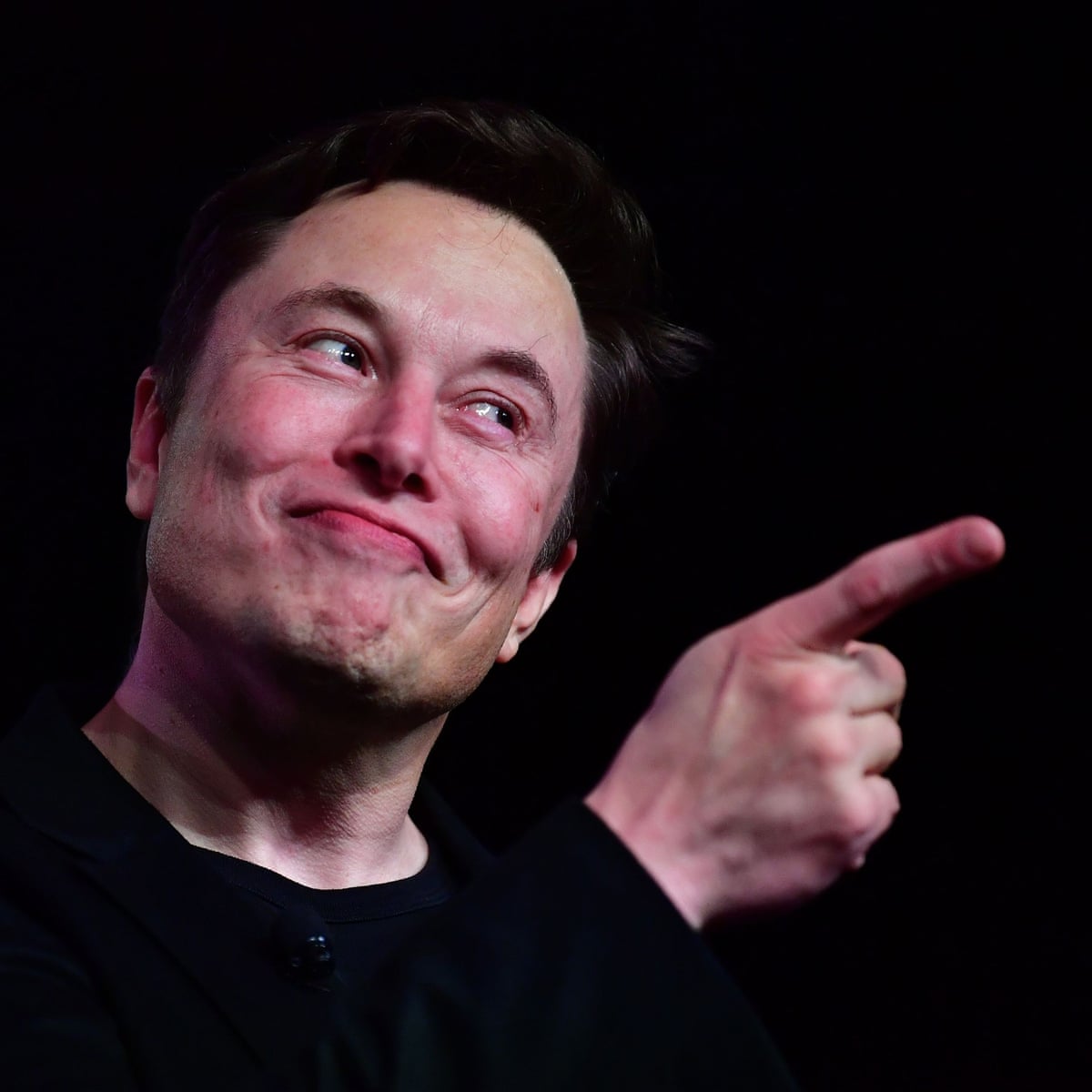
Elon Musk (via Frederic J Brown/AFP via Getty Images)
It started as a joke (or, so it seemed.)
For months, Elon Musk has been 'memeing' about cryptocurrency. Throughout last week and over the weekend, Musk led the charge a triple-digit pump into DogeCoin (DOGE) with a number of tweets about the cryptocurrency. Over the past several months prior, he had referred to himself as the “former CEO of DogeCoin,” and posted a number of comically-intended tweets about DOGE, Bitcoin and crypto more generally.
Daniel Polotsky, Chief Executive and Founder of CoinFlip told Finance Magnates that many members of the crypto community have believed that it “only a matter of time before [Elon Musk] or Tesla at large would make a public move” into crypto.
“The size of the investment seems fitting coming from the company behind the world's richest man,” Polotsky added.
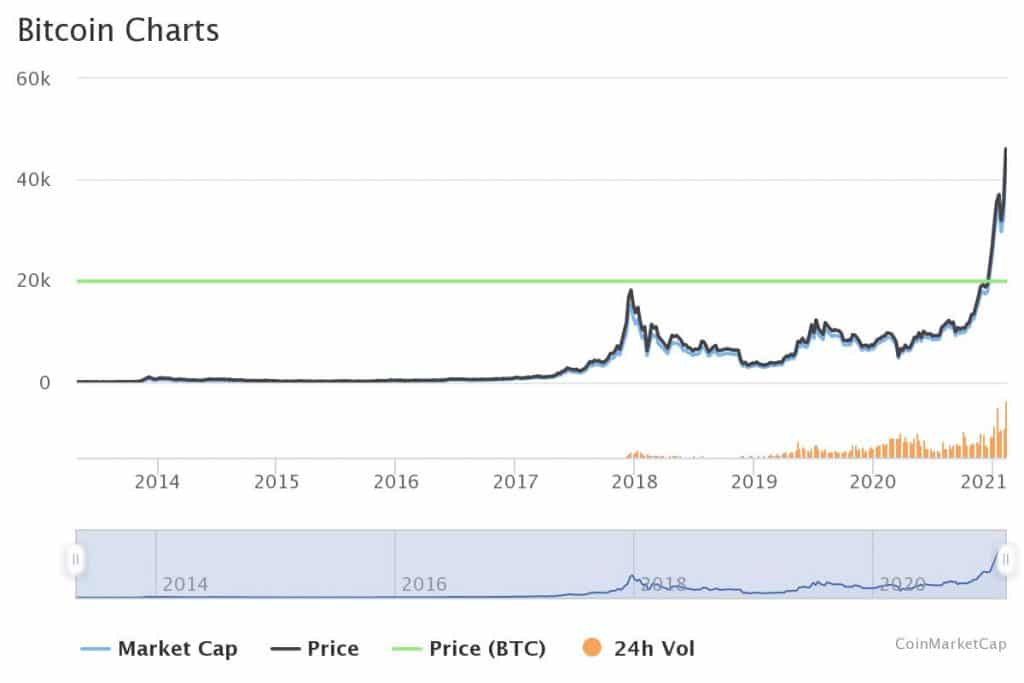
BTC Hit Nearly $48k Following Tesla’s Announcement
Most analysts in the cryptocurrency industry seem to agree, this is huge news.
Indeed, the news that Tesla bought into Bitcoin instantaneously made headlines across a number of the world’s most prominent news publications. As such, money began to pour into crypto markets, particularly Bitcoin.
Michael Vogel, Chief Executive and Founder at Coinstream, told Finance Magnates that: “The already-excited crypto market, which has been experiencing a prominent bull run, reacted to the Tesla news by reaching an all-time high, pushing over $47,000 USD per Bitcoin.”
A number of analysts have pointed out that the announcement of Tesla’s BTC investment has already likely made quite a bit of money for the company. Supposing that Tesla purchased Bitcoin for roughly $38K a pop, where it was for much of January, the rise to $47K would have increased the value of the holdings by more than 20 percent, making the total investment more than $1.8 billion.
The crazy thing is that if you think that @Tesla bought the $1.5 billion worth of #Bitcoin with an average of $38k (which is reasonable for January) he's now at $46k already up more than $300 million.
“Many Are Expecting This to Lead to a Wave of Corporate Money Entering the Fold.”
Like O’Riordan, Vogel pointed out that institutional investors who may have been on the fence before could see Tesla’s investment as a sort of tipping point: “Many are expecting this to lead to a wave of corporate money entering the fold, and see the Tesla move as precedent-setting - in a sense, it's ‘giving permission’ to other chief financial officers (CFO) to be comfortable holding Bitcoin on their own corporate balance sheets.”
Indeed, large companies who may have been on the fence about whether or not to get into Bitcoin could see Tesla as an example.
Luke Sully, Chief Executive at digital asset treasury solution, Ledgermatic, told Finance Magnates that: “This filing today gives every CFO and Audit Committee insight into how a publicly-traded company can take advantage of this versatile asset.”
“We see a future where enterprise interoperates with existing fiat infrastructure and ledger-based financial products to improve the financial health of a corporation,” he added. “This reinforces something we have known for years but had yet to catch on in the mainstream; that digital assets can play a positive and material role in the financial health of a corporation.”
Tesla's Investment in Bitcoin Is Also a Matter of Reputation
“As big businesses are reducing their reliance on global banking infrastructure which is expensive, slow and complex to manage this is a particularly timely reminder that onchain infrastructure is accessible, cheap and fast if accessed securely,” Sully said.
Even before Tesla’s announcement, Musk’s involvement with crypto, lighthearted as it may have seemed, could have been a sign that Musk was so interested in cryptocurrency that he was willing to stake his reputation on it.
Shidan Gouran, CEO of merchant banking advisory, Gulf Pearl, told Finance Magnates that: “The difference between Elon Musk and the vast majority of cryptocurrency experts out there is that Elon Musk has the most to lose in terms of reputation and credibility.”
“He does not operate in the shadows or under a pseudonym, nor does he depend on crypto picks to make a living considering he is the head of the world’s most prolific firms with a market cap of over USD $800 billion,” Gouran explained.
“Hundreds of millions of people around the world treat him as a prophet of investing, and I believe it goes without saying that he would not stake that [reputation] on something he was not serious about.”
What Does This Mean for Tesla?
Beyond Bitcoin itself, Tesla’s move into crypto could have big implications for the company. What will these look like?
Sully told Finance Magnates that the investment “doesn't impact Tesla's operating liquidity.” In other words, the Bitcoin investment is “carefully segregated away from anything to do with their day to day operations and cash needs.”
“If it's gone through the audit committee it's likely the plan would have been acutely stress tested on issues such as materiality and cash ratios to ensure the company is not exposed,” Sully explained, adding that “Tesla may have even diversified its exposure between direct holdings and arms-length ETF-style exposure, even though that is becoming prohibitively expensive to do.”
And Tesla has already stated that Bitcoin is not an investment for the company. “It’s a dual use-case for Tesla,” Sully said. The company has stated that it will accept Bitcoin as payment for its products in the future.
"We hope to begin accepting #Bitcoin as a form of payment for our products in the near future, subject to applicable laws and initially on a limited basis," Tesla announced.
RT @Reuters: Tesla may eliminate the middle man and create its own processing system that can be used to accept bitcoin and liquidate the payments whenever management chooses to, experts said. That would be an unusual step, because bitcoin is so volatile pic.twitter.com/wRHyqLMwua…
And, if things go the way that they have for Square, Tesla’s investment may have been one of the smartest moves that the company has ever made. When Square invested in Bitcoin in November, the cost of each BTC was roughly $10,617. Today, one BTC is worth roughly $46,420; as such, Square’s investment is now worth approximately $215 million. That is a rise of roughly 330% over the course of three months.
If Tesla’s BTC investment follows a similar trajectory, then the $1.5 billion investment that was announced yesterday could be worth nearly $5 billion in three months.
The Next Three Months
Of course, this would require a massive influx of capital into Bitcoin, in order for an increase of this size to happen, the price of Bitcoin would need to increase to roughly $130,000; the total Bitcoin market cap would have to increase to more than $2.41 billion.
“Honestly, I’m not surprised that Tesla bought #Bitcoin and I won’t be surprised when Apple and Microsoft do it. Having $BTC is just common sense at this point,” wrote Samson Mow, Chief Executive of Pixelmatic, on Twitter.
Honestly, I’m not surprised that Tesla bought #Bitcoin and I won’t be surprised when Apple and Microsoft do it. Having $BTC is just common sense at this point.
But, there are still some technical hurdles that may need to be overcome in order for large institutions to feel comfortable investing large amounts of their assets into Bitcoin. Caitlin Long, Chief Executive of AvantiBT, pointed out on Twitter that: “Tesla confirmed it's using indefinite intangible accounting, which is UGLY treatment (lower of cost or market+risk of impairment charges).”
“We bitcoiners must work to get bitcoin [accounting] fixed. It's prob why Square only put 2% of its cash into #BTC,” she wrote.
2/ Why only 7.7% of cash? Well, @Tesla confirmed it's using indefinite intangible accounting, which is UGLY treatment (lower of cost or market+risk of impairment charges). We bitcoiners must work to get bitcoin acctg fixed. It's prob why Square only put 2% of its cash into #BTC. pic.twitter.com/dqO59cquQ4
For months, Elon Musk has been 'memeing' about cryptocurrency. Throughout last week and over the weekend, Musk led the charge a triple-digit pump into DogeCoin (DOGE) with a number of tweets about the cryptocurrency. Over the past several months prior, he had referred to himself as the “former CEO of DogeCoin,” and posted a number of comically-intended tweets about DOGE, Bitcoin and crypto more generally.
Daniel Polotsky, Chief Executive and Founder of CoinFlip told Finance Magnates that many members of the crypto community have believed that it “only a matter of time before [Elon Musk] or Tesla at large would make a public move” into crypto.
“The size of the investment seems fitting coming from the company behind the world's richest man,” Polotsky added.
BTC Hit Nearly $48k Following Tesla’s Announcement
Most analysts in the cryptocurrency industry seem to agree, this is huge news.
Indeed, the news that Tesla bought into Bitcoin instantaneously made headlines across a number of the world’s most prominent news publications. As such, money began to pour into crypto markets, particularly Bitcoin.
Michael Vogel, Chief Executive and Founder at Coinstream, told Finance Magnates that: “The already-excited crypto market, which has been experiencing a prominent bull run, reacted to the Tesla news by reaching an all-time high, pushing over $47,000 USD per Bitcoin.”
A number of analysts have pointed out that the announcement of Tesla’s BTC investment has already likely made quite a bit of money for the company. Supposing that Tesla purchased Bitcoin for roughly $38K a pop, where it was for much of January, the rise to $47K would have increased the value of the holdings by more than 20 percent, making the total investment more than $1.8 billion.
The crazy thing is that if you think that @Tesla bought the $1.5 billion worth of #Bitcoin with an average of $38k (which is reasonable for January) he's now at $46k already up more than $300 million.
“Many Are Expecting This to Lead to a Wave of Corporate Money Entering the Fold.”
Like O’Riordan, Vogel pointed out that institutional investors who may have been on the fence before could see Tesla’s investment as a sort of tipping point: “Many are expecting this to lead to a wave of corporate money entering the fold, and see the Tesla move as precedent-setting - in a sense, it's ‘giving permission’ to other chief financial officers (CFO) to be comfortable holding Bitcoin on their own corporate balance sheets.”
Indeed, large companies who may have been on the fence about whether or not to get into Bitcoin could see Tesla as an example.
Luke Sully, Chief Executive at digital asset treasury solution, Ledgermatic, told Finance Magnates that: “This filing today gives every CFO and Audit Committee insight into how a publicly-traded company can take advantage of this versatile asset.”
“We see a future where enterprise interoperates with existing fiat infrastructure and ledger-based financial products to improve the financial health of a corporation,” he added. “This reinforces something we have known for years but had yet to catch on in the mainstream; that digital assets can play a positive and material role in the financial health of a corporation.”
Tesla's Investment in Bitcoin Is Also a Matter of Reputation
“As big businesses are reducing their reliance on global banking infrastructure which is expensive, slow and complex to manage this is a particularly timely reminder that onchain infrastructure is accessible, cheap and fast if accessed securely,” Sully said.
Even before Tesla’s announcement, Musk’s involvement with crypto, lighthearted as it may have seemed, could have been a sign that Musk was so interested in cryptocurrency that he was willing to stake his reputation on it.
Shidan Gouran, CEO of merchant banking advisory, Gulf Pearl, told Finance Magnates that: “The difference between Elon Musk and the vast majority of cryptocurrency experts out there is that Elon Musk has the most to lose in terms of reputation and credibility.”
“He does not operate in the shadows or under a pseudonym, nor does he depend on crypto picks to make a living considering he is the head of the world’s most prolific firms with a market cap of over USD $800 billion,” Gouran explained.
“Hundreds of millions of people around the world treat him as a prophet of investing, and I believe it goes without saying that he would not stake that [reputation] on something he was not serious about.”
What Does This Mean for Tesla?
Beyond Bitcoin itself, Tesla’s move into crypto could have big implications for the company. What will these look like?
Sully told Finance Magnates that the investment “doesn't impact Tesla's operating liquidity.” In other words, the Bitcoin investment is “carefully segregated away from anything to do with their day to day operations and cash needs.”
“If it's gone through the audit committee it's likely the plan would have been acutely stress tested on issues such as materiality and cash ratios to ensure the company is not exposed,” Sully explained, adding that “Tesla may have even diversified its exposure between direct holdings and arms-length ETF-style exposure, even though that is becoming prohibitively expensive to do.”
And Tesla has already stated that Bitcoin is not an investment for the company. “It’s a dual use-case for Tesla,” Sully said. The company has stated that it will accept Bitcoin as payment for its products in the future.
"We hope to begin accepting #Bitcoin as a form of payment for our products in the near future, subject to applicable laws and initially on a limited basis," Tesla announced.
RT @Reuters: Tesla may eliminate the middle man and create its own processing system that can be used to accept bitcoin and liquidate the payments whenever management chooses to, experts said. That would be an unusual step, because bitcoin is so volatile pic.twitter.com/wRHyqLMwua…
And, if things go the way that they have for Square, Tesla’s investment may have been one of the smartest moves that the company has ever made. When Square invested in Bitcoin in November, the cost of each BTC was roughly $10,617. Today, one BTC is worth roughly $46,420; as such, Square’s investment is now worth approximately $215 million. That is a rise of roughly 330% over the course of three months.
If Tesla’s BTC investment follows a similar trajectory, then the $1.5 billion investment that was announced yesterday could be worth nearly $5 billion in three months.
The Next Three Months
Of course, this would require a massive influx of capital into Bitcoin, in order for an increase of this size to happen, the price of Bitcoin would need to increase to roughly $130,000; the total Bitcoin market cap would have to increase to more than $2.41 billion.
“Honestly, I’m not surprised that Tesla bought #Bitcoin and I won’t be surprised when Apple and Microsoft do it. Having $BTC is just common sense at this point,” wrote Samson Mow, Chief Executive of Pixelmatic, on Twitter.
Honestly, I’m not surprised that Tesla bought #Bitcoin and I won’t be surprised when Apple and Microsoft do it. Having $BTC is just common sense at this point.
But, there are still some technical hurdles that may need to be overcome in order for large institutions to feel comfortable investing large amounts of their assets into Bitcoin. Caitlin Long, Chief Executive of AvantiBT, pointed out on Twitter that: “Tesla confirmed it's using indefinite intangible accounting, which is UGLY treatment (lower of cost or market+risk of impairment charges).”
“We bitcoiners must work to get bitcoin [accounting] fixed. It's prob why Square only put 2% of its cash into #BTC,” she wrote.
2/ Why only 7.7% of cash? Well, @Tesla confirmed it's using indefinite intangible accounting, which is UGLY treatment (lower of cost or market+risk of impairment charges). We bitcoiners must work to get bitcoin acctg fixed. It's prob why Square only put 2% of its cash into #BTC. pic.twitter.com/dqO59cquQ4
Rachel is a self-taught crypto geek and a passionate writer. She believes in the power that the written word has to educate, connect and empower individuals to make positive and powerful financial choices. She is the Podcast Host and a Cryptocurrency Editor at Finance Magnates.
In this video, we review @HolaPrimeMarketsOfficial, a multi-asset forex and CFDs broker offering different account types, trading platforms, and flexible trading conditions.
We cover the broker’s overall offering, including account options, trading environment, platforms like MT4 and MT5, and additional services such as managed accounts and fast withdrawals.
Watch the full video to see if Hola Prime Markets fits your trading needs.
📣 Stay up to date with the latest in finance and trading. Follow Finance Magnates for industry news, insights, and global event coverage.
Connect with us:
🔗 LinkedIn: /financemagnates
👍 Facebook: /financemagnates
📸 Instagram: https://www.instagram.com/financemagnates
🐦 X: https://x.com/financemagnates
🎥 TikTok: https://www.tiktok.com/tag/financemagnates
▶️ YouTube: /@financemagnates_official
#HolaPrime #ForexBroker #CFDTrading #FinanceMagnates #Trading #Forex #BrokerReview
In this video, we review @HolaPrimeMarketsOfficial, a multi-asset forex and CFDs broker offering different account types, trading platforms, and flexible trading conditions.
We cover the broker’s overall offering, including account options, trading environment, platforms like MT4 and MT5, and additional services such as managed accounts and fast withdrawals.
Watch the full video to see if Hola Prime Markets fits your trading needs.
📣 Stay up to date with the latest in finance and trading. Follow Finance Magnates for industry news, insights, and global event coverage.
Connect with us:
🔗 LinkedIn: /financemagnates
👍 Facebook: /financemagnates
📸 Instagram: https://www.instagram.com/financemagnates
🐦 X: https://x.com/financemagnates
🎥 TikTok: https://www.tiktok.com/tag/financemagnates
▶️ YouTube: /@financemagnates_official
#HolaPrime #ForexBroker #CFDTrading #FinanceMagnates #Trading #Forex #BrokerReview
In this video, we review @HolaPrimeMarketsOfficial, a multi-asset forex and CFDs broker offering different account types, trading platforms, and flexible trading conditions.
We cover the broker’s overall offering, including account options, trading environment, platforms like MT4 and MT5, and additional services such as managed accounts and fast withdrawals.
Watch the full video to see if Hola Prime Markets fits your trading needs.
📣 Stay up to date with the latest in finance and trading. Follow Finance Magnates for industry news, insights, and global event coverage.
Connect with us:
🔗 LinkedIn: /financemagnates
👍 Facebook: /financemagnates
📸 Instagram: https://www.instagram.com/financemagnates
🐦 X: https://x.com/financemagnates
🎥 TikTok: https://www.tiktok.com/tag/financemagnates
▶️ YouTube: /@financemagnates_official
#HolaPrime #ForexBroker #CFDTrading #FinanceMagnates #Trading #Forex #BrokerReview
In this video, we review @HolaPrimeMarketsOfficial, a multi-asset forex and CFDs broker offering different account types, trading platforms, and flexible trading conditions.
We cover the broker’s overall offering, including account options, trading environment, platforms like MT4 and MT5, and additional services such as managed accounts and fast withdrawals.
Watch the full video to see if Hola Prime Markets fits your trading needs.
📣 Stay up to date with the latest in finance and trading. Follow Finance Magnates for industry news, insights, and global event coverage.
Connect with us:
🔗 LinkedIn: /financemagnates
👍 Facebook: /financemagnates
📸 Instagram: https://www.instagram.com/financemagnates
🐦 X: https://x.com/financemagnates
🎥 TikTok: https://www.tiktok.com/tag/financemagnates
▶️ YouTube: /@financemagnates_official
#HolaPrime #ForexBroker #CFDTrading #FinanceMagnates #Trading #Forex #BrokerReview
Hola Prime Review: What You Need to Know | Full Breakdown by Finance Magnates
Hola Prime Review: What You Need to Know | Full Breakdown by Finance Magnates
Hola Prime Review: What You Need to Know | Full Breakdown by Finance Magnates
Hola Prime Review: What You Need to Know | Full Breakdown by Finance Magnates
Hola Prime Review: What You Need to Know | Full Breakdown by Finance Magnates
Hola Prime Review: What You Need to Know | Full Breakdown by Finance Magnates
In this video, we review @HolaPrime_Global, a proprietary trading firm offering evaluation programs and performance-based payouts in simulated market environments.
We cover how the challenge model works, including account types, profit splits (up to 95%), trading rules, and what it takes to reach a funded account. You’ll also learn about available platforms like MT4, MT5, cTrader, and more, along with insights into payouts, support, and trading conditions.
Watch the full video to see if Hola Prime fits your trading style.
📣 Stay up to date with the latest in finance and trading. Follow Finance Magnates for industry news, insights, and global event coverage.
Connect with us:
🔗 LinkedIn: /financemagnates
👍 Facebook: /financemagnates
📸 Instagram: https://www.instagram.com/financemagnates
🐦 X: https://x.com/financemagnates
🎥 TikTok: https://www.tiktok.com/tag/financemagnates
▶️ YouTube: /@financemagnates_official
#HolaPrime #PropFirm #Trading #FinanceMagnates #Forex #FuturesTrading #TradingReview #PropFirmReview
In this video, we review @HolaPrime_Global, a proprietary trading firm offering evaluation programs and performance-based payouts in simulated market environments.
We cover how the challenge model works, including account types, profit splits (up to 95%), trading rules, and what it takes to reach a funded account. You’ll also learn about available platforms like MT4, MT5, cTrader, and more, along with insights into payouts, support, and trading conditions.
Watch the full video to see if Hola Prime fits your trading style.
📣 Stay up to date with the latest in finance and trading. Follow Finance Magnates for industry news, insights, and global event coverage.
Connect with us:
🔗 LinkedIn: /financemagnates
👍 Facebook: /financemagnates
📸 Instagram: https://www.instagram.com/financemagnates
🐦 X: https://x.com/financemagnates
🎥 TikTok: https://www.tiktok.com/tag/financemagnates
▶️ YouTube: /@financemagnates_official
#HolaPrime #PropFirm #Trading #FinanceMagnates #Forex #FuturesTrading #TradingReview #PropFirmReview
In this video, we review @HolaPrime_Global, a proprietary trading firm offering evaluation programs and performance-based payouts in simulated market environments.
We cover how the challenge model works, including account types, profit splits (up to 95%), trading rules, and what it takes to reach a funded account. You’ll also learn about available platforms like MT4, MT5, cTrader, and more, along with insights into payouts, support, and trading conditions.
Watch the full video to see if Hola Prime fits your trading style.
📣 Stay up to date with the latest in finance and trading. Follow Finance Magnates for industry news, insights, and global event coverage.
Connect with us:
🔗 LinkedIn: /financemagnates
👍 Facebook: /financemagnates
📸 Instagram: https://www.instagram.com/financemagnates
🐦 X: https://x.com/financemagnates
🎥 TikTok: https://www.tiktok.com/tag/financemagnates
▶️ YouTube: /@financemagnates_official
#HolaPrime #PropFirm #Trading #FinanceMagnates #Forex #FuturesTrading #TradingReview #PropFirmReview
In this video, we review @HolaPrime_Global, a proprietary trading firm offering evaluation programs and performance-based payouts in simulated market environments.
We cover how the challenge model works, including account types, profit splits (up to 95%), trading rules, and what it takes to reach a funded account. You’ll also learn about available platforms like MT4, MT5, cTrader, and more, along with insights into payouts, support, and trading conditions.
Watch the full video to see if Hola Prime fits your trading style.
📣 Stay up to date with the latest in finance and trading. Follow Finance Magnates for industry news, insights, and global event coverage.
Connect with us:
🔗 LinkedIn: /financemagnates
👍 Facebook: /financemagnates
📸 Instagram: https://www.instagram.com/financemagnates
🐦 X: https://x.com/financemagnates
🎥 TikTok: https://www.tiktok.com/tag/financemagnates
▶️ YouTube: /@financemagnates_official
#HolaPrime #PropFirm #Trading #FinanceMagnates #Forex #FuturesTrading #TradingReview #PropFirmReview
In this video, we review @HolaPrime_Global, a proprietary trading firm offering evaluation programs and performance-based payouts in simulated market environments.
We cover how the challenge model works, including account types, profit splits (up to 95%), trading rules, and what it takes to reach a funded account. You’ll also learn about available platforms like MT4, MT5, cTrader, and more, along with insights into payouts, support, and trading conditions.
Watch the full video to see if Hola Prime fits your trading style.
📣 Stay up to date with the latest in finance and trading. Follow Finance Magnates for industry news, insights, and global event coverage.
Connect with us:
🔗 LinkedIn: /financemagnates
👍 Facebook: /financemagnates
📸 Instagram: https://www.instagram.com/financemagnates
🐦 X: https://x.com/financemagnates
🎥 TikTok: https://www.tiktok.com/tag/financemagnates
▶️ YouTube: /@financemagnates_official
#HolaPrime #PropFirm #Trading #FinanceMagnates #Forex #FuturesTrading #TradingReview #PropFirmReview
In this video, we review @HolaPrime_Global, a proprietary trading firm offering evaluation programs and performance-based payouts in simulated market environments.
We cover how the challenge model works, including account types, profit splits (up to 95%), trading rules, and what it takes to reach a funded account. You’ll also learn about available platforms like MT4, MT5, cTrader, and more, along with insights into payouts, support, and trading conditions.
Watch the full video to see if Hola Prime fits your trading style.
📣 Stay up to date with the latest in finance and trading. Follow Finance Magnates for industry news, insights, and global event coverage.
Connect with us:
🔗 LinkedIn: /financemagnates
👍 Facebook: /financemagnates
📸 Instagram: https://www.instagram.com/financemagnates
🐦 X: https://x.com/financemagnates
🎥 TikTok: https://www.tiktok.com/tag/financemagnates
▶️ YouTube: /@financemagnates_official
#HolaPrime #PropFirm #Trading #FinanceMagnates #Forex #FuturesTrading #TradingReview #PropFirmReview
Axi Winner Spotlight 🏆 | Global Most Innovative Broker 2025 #Innovation #Trading #Fintech #Broker
Axi Winner Spotlight 🏆 | Global Most Innovative Broker 2025 #Innovation #Trading #Fintech #Broker
Axi Winner Spotlight 🏆 | Global Most Innovative Broker 2025 #Innovation #Trading #Fintech #Broker
Axi Winner Spotlight 🏆 | Global Most Innovative Broker 2025 #Innovation #Trading #Fintech #Broker
Axi Winner Spotlight 🏆 | Global Most Innovative Broker 2025 #Innovation #Trading #Fintech #Broker
Axi Winner Spotlight 🏆 | Global Most Innovative Broker 2025 #Innovation #Trading #Fintech #Broker
Axi takes the spotlight at the Finance Magnates Awards, winning Global Most Innovative Broker 2025.
Olivia Xenofontos and Ivanna Openko share how the team will feel: proud, motivated, and ready to keep delivering.
They also describe the night as well-organized, focused, and enjoyable for all.
👉 Be part of FM Awards 2026.
Axi takes the spotlight at the Finance Magnates Awards, winning Global Most Innovative Broker 2025.
Olivia Xenofontos and Ivanna Openko share how the team will feel: proud, motivated, and ready to keep delivering.
They also describe the night as well-organized, focused, and enjoyable for all.
👉 Be part of FM Awards 2026.
Axi takes the spotlight at the Finance Magnates Awards, winning Global Most Innovative Broker 2025.
Olivia Xenofontos and Ivanna Openko share how the team will feel: proud, motivated, and ready to keep delivering.
They also describe the night as well-organized, focused, and enjoyable for all.
👉 Be part of FM Awards 2026.
Axi takes the spotlight at the Finance Magnates Awards, winning Global Most Innovative Broker 2025.
Olivia Xenofontos and Ivanna Openko share how the team will feel: proud, motivated, and ready to keep delivering.
They also describe the night as well-organized, focused, and enjoyable for all.
👉 Be part of FM Awards 2026.
Axi takes the spotlight at the Finance Magnates Awards, winning Global Most Innovative Broker 2025.
Olivia Xenofontos and Ivanna Openko share how the team will feel: proud, motivated, and ready to keep delivering.
They also describe the night as well-organized, focused, and enjoyable for all.
👉 Be part of FM Awards 2026.
Axi takes the spotlight at the Finance Magnates Awards, winning Global Most Innovative Broker 2025.
Olivia Xenofontos and Ivanna Openko share how the team will feel: proud, motivated, and ready to keep delivering.
They also describe the night as well-organized, focused, and enjoyable for all.
👉 Be part of FM Awards 2026.
Recognition that matters.
Built on transparency.
Driven by the industry.
The Finance Magnates Awards 2026.
Nominations are now open.
🔗 https://awards.financemagnates.com/?utm_source=SM&utm_medium=social&utm_campaign=recognition-matters
Recognition that matters.
Built on transparency.
Driven by the industry.
The Finance Magnates Awards 2026.
Nominations are now open.
🔗 https://awards.financemagnates.com/?utm_source=SM&utm_medium=social&utm_campaign=recognition-matters
Recognition that matters.
Built on transparency.
Driven by the industry.
The Finance Magnates Awards 2026.
Nominations are now open.
🔗 https://awards.financemagnates.com/?utm_source=SM&utm_medium=social&utm_campaign=recognition-matters
Recognition that matters.
Built on transparency.
Driven by the industry.
The Finance Magnates Awards 2026.
Nominations are now open.
🔗 https://awards.financemagnates.com/?utm_source=SM&utm_medium=social&utm_campaign=recognition-matters
Recognition that matters.
Built on transparency.
Driven by the industry.
The Finance Magnates Awards 2026.
Nominations are now open.
🔗 https://awards.financemagnates.com/?utm_source=SM&utm_medium=social&utm_campaign=recognition-matters
Recognition that matters.
Built on transparency.
Driven by the industry.
The Finance Magnates Awards 2026.
Nominations are now open.
🔗 https://awards.financemagnates.com/?utm_source=SM&utm_medium=social&utm_campaign=recognition-matters
Tickmill Winner Spotlight | Broker of the Year 2025 (LATAM) 🏆 | Finance Magnates Awards #Trading
Tickmill Winner Spotlight | Broker of the Year 2025 (LATAM) 🏆 | Finance Magnates Awards #Trading
Tickmill Winner Spotlight | Broker of the Year 2025 (LATAM) 🏆 | Finance Magnates Awards #Trading
Tickmill Winner Spotlight | Broker of the Year 2025 (LATAM) 🏆 | Finance Magnates Awards #Trading
Tickmill Winner Spotlight | Broker of the Year 2025 (LATAM) 🏆 | Finance Magnates Awards #Trading
Tickmill Winner Spotlight | Broker of the Year 2025 (LATAM) 🏆 | Finance Magnates Awards #Trading
What helped Tickmill stand out this year?
In this Winner Spotlight, Johnny Khalil, Executive Director at Tickmill Europe, shares how listening closely to clients and delivering strong trading conditions made the difference.
A big thank you to the community whose support continues to drive progress every day.
👉 Think your brand has what it takes? Nominate for the 2026 Finance Magnates Awards: https://awards.financemagnates.com/#nominate
What helped Tickmill stand out this year?
In this Winner Spotlight, Johnny Khalil, Executive Director at Tickmill Europe, shares how listening closely to clients and delivering strong trading conditions made the difference.
A big thank you to the community whose support continues to drive progress every day.
👉 Think your brand has what it takes? Nominate for the 2026 Finance Magnates Awards: https://awards.financemagnates.com/#nominate
What helped Tickmill stand out this year?
In this Winner Spotlight, Johnny Khalil, Executive Director at Tickmill Europe, shares how listening closely to clients and delivering strong trading conditions made the difference.
A big thank you to the community whose support continues to drive progress every day.
👉 Think your brand has what it takes? Nominate for the 2026 Finance Magnates Awards: https://awards.financemagnates.com/#nominate
What helped Tickmill stand out this year?
In this Winner Spotlight, Johnny Khalil, Executive Director at Tickmill Europe, shares how listening closely to clients and delivering strong trading conditions made the difference.
A big thank you to the community whose support continues to drive progress every day.
👉 Think your brand has what it takes? Nominate for the 2026 Finance Magnates Awards: https://awards.financemagnates.com/#nominate
What helped Tickmill stand out this year?
In this Winner Spotlight, Johnny Khalil, Executive Director at Tickmill Europe, shares how listening closely to clients and delivering strong trading conditions made the difference.
A big thank you to the community whose support continues to drive progress every day.
👉 Think your brand has what it takes? Nominate for the 2026 Finance Magnates Awards: https://awards.financemagnates.com/#nominate
What helped Tickmill stand out this year?
In this Winner Spotlight, Johnny Khalil, Executive Director at Tickmill Europe, shares how listening closely to clients and delivering strong trading conditions made the difference.
A big thank you to the community whose support continues to drive progress every day.
👉 Think your brand has what it takes? Nominate for the 2026 Finance Magnates Awards: https://awards.financemagnates.com/#nominate