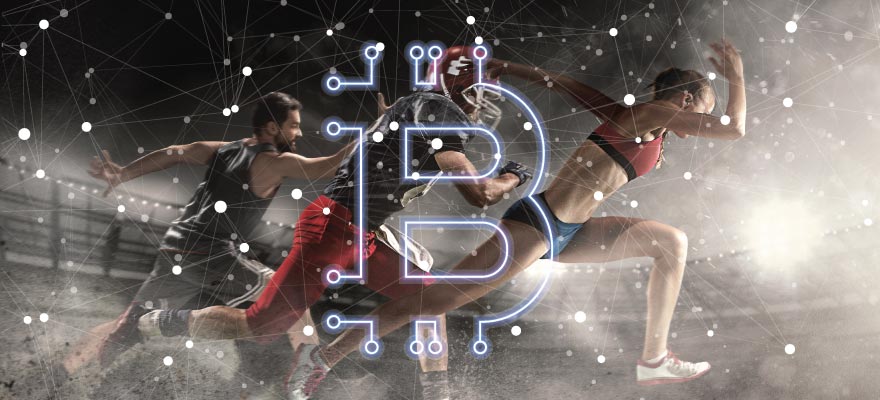
There are a few different ways that these industries are intersecting. There have been an increasing number of partnerships between fintech firms and sports teams--in August, eToro announced that it had formed partnerships with seven Premier League football clubs; FansUnite has also collaborated with Leicester City FC.
Beyond that, blockchain technology is currently implemented in a bevy of sport-oriented uses, such as sport betting platforms.
Perhaps the most controversial intersection is the practice of signing athletes as official sponsors and brand ambassadors for cryptocurrency firms.
ICO Sponsorships from Public Figures Has Been Dicey Territory in the Past
Of course, there has been bad news in the past for some celebrities who have signed on as advertising partners for crypto firms. Paris Hilton received some negative publicity after the founder of LydianCoin, a cryptocurrency she had endorsed, was outed as a domestic abuser. American boxing promoter Floyd Mayweather found himself in hot water after the founders of Centra Tech, whose ICO Mayweather had officially endorsed, were indicted for securities fraud.
Mayweather has since joined as a sponsor for another project.
Because of incidents like these, associations between celebrities and blockchain companies is met with a good deal of scrutiny within the industry. Even the US Securities and Exchange Commission chimed in on the first of November last year, when it had become apparent that celebrity-endorsed ICOs could add some problematic hype to an already extremely volatile space.
“Celebrities who endorse an investment often do not have sufficient expertise to ensure that the investment is appropriate and in compliance with federal securities laws,” read the SEC's official statement.
As a result, mainstream celebrity endorsements of ICOs have all but disappeared from the space. However, media partnerships between athletes and ICOs continue to flourish. Are these partnerships any different from crypto endorsements by other kinds of celebrities? And why are the cryptocurrency and blockchain industries making so many moves toward the world of sport?
The Ethics of Celebrity Partnerships
Adam Grist, founder of Searched, a London-based blockchain marketing agency, believes that athlete-backed crypto firms and ICOs are only problematic when the projects “have little relevance to sport or what could be considered [the athlete’s] expertise, where their reach and payday seems to be the only driving force.”
Adam Grist. Source: Google+
Indeed, “just as a team behind a project or a group of advisors backing a business, their experience in the field is key and clear identifier to investors on the likelihood of a project succeeding, why should these ‘ambassadors’ be considered any different?”
Some of these partnerships do seem somehow, well, awkward. Famous athletes suddenly spouting off about the benefits of blockchain--even if (on some level) it does come from a place of genuine interest--does raise some suspicion, no matter how legitimate a company’s products may actually be.
Partnerships Make Sense if the Athletes Involved are Well-Informed and Involved
For example, open-source electronics firm Sirin Labs, which uses blockchain in a number of its products and has its own cryptocurrency, signed footballer Leo Messi as a brand ambassador in December of last year. “I am usually busy trying to decentralize defenses,” wrote Messi in a promotional statement. “After digging deeper into Blockchain and decentralized systems, I’m excited to join SIRIN LABS as an ambassador to make blockchain more friendly with their upcoming operating system for smartphones!”
Still, there are a number of partnerships between athletes and cryptocurrency firms that do seem to make logical sense. In April, Tennis star Caroline Wozniacki signed with Lympo, a blockchain-based application that uses cryptocurrency to incentivize healthy habits; Roberto Carlos became an ambassador for decentralized sport investment startup ‘Sportyfi’ last October.
Grist also identified the appearance of a few legitimate blockchain networks that were allegedly spearheaded by some athletes themselves. SportsLedger, a sports data analytics platform, was founded by professional footballer Thomas "Hal" Robson-Kanu.
“Some more questionable [blockchain platforms] such as Ronaldinho and the Ronaldinho Soccer Coin” have also appeared in the mix, according to Grist. “[The project’s] website fails to actually make it clear what it’s actually for.”
Regulators Won’t Come After Celebrities
Despite the growing number of these partnerships, Grist believes that regulators aren’t incredibly keen to come after famous athletes who may have gotten in over their heads with cryptocurrency partnerships.
“They may well look to make some noise and be seen to be taking action of partnerships that seem fraudulent, as with the Mayweather relationship with Centra,” he told Finance Magnates. But even in the Messi, Carlos, Ronaldinho and Mayweather cases, Grist said that “it’s highly unlikely that regulatory action will find wrongdoing.”
Indeed, exactly what constitutes “wrongdoing” in the eyes of the law has been rather inconsistent across the cryptocurrency space. A lack of clear regulations in the United States and other parts of the world has left many investors open to fraud and exploitation.
And indeed, cryptocurrency-related businesses that want to have the legal right to stay in the market have been eager to make themselves as compliant as possible. After all, “there would be no reason whatsoever for regulators to question legitimate partnerships and sponsorships between two established and rightfully highly-regulated businesses,” wrote Darius Eghdami, CEO of FansUnite.com, in an exclusive email to Finance Magnates.
Darius Eghdami. Source: Medium
Still, the question of whether all publicity is good publicity remains. These kinds of celebrity and athletic partnerships certainly do bring more awareness to the crypto space--positive and negative. Even in the best of circumstances, the effectiveness of these partnerships is still questionable: “although [these partnerships] have been happening for some time it’s not something that could be considered successful, so far,” Grist said.
Crypto May be Taking a Cue from Other Financial Sectors
As popular as these partnerships may be within the cryptocurrency industry, they are just as popular--if not more popular--in other aspects of the investing world.
For example, a number of professional athletes have partnered with foreign exchange firms. In late 2016, London Capital Group signed a four-year global partnership with tennis pro Stan Wawrika; InstaForex partnered with Daria Kasatkina, another international tennis star, in August of 2017. FXTM became a sponsor for WTA Finals Champion Dominika Cibulkova in 2016, and 24option signed a sponsorship deal with Boris Becker in 2015.
Looking Ahead: The Future of Sport and Crypto
Given the questionable effectiveness of athletic participation in the cryptosphere, what could the future of crypto and celebrities be? “We’ll see both worse and better uses of [athletic partnerships] as the industry matures,” Grist said.
Indeed, there have been some more successful examples of partnerships between the crypto world and the sport world already. “We continue to see some strong use cases done to a higher level of quality such as Cashbet and their involvement with Arsenal football club, and the announcement from the [Premier League Football Clubs] on their partnership with eToro with sponsorship paid in Bitcoin.”
He believes that two counteracting forces will further establish themselves: one, “desperation” from ICO marketers will drive them to “poor decision-making as they chase investments.”
“To counter that,” Grist said, “[we’ll see] the emergence of highly experienced marketing agencies in the industry will lead to very successful use cases [of this practice] being implemented.”
There are a few different ways that these industries are intersecting. There have been an increasing number of partnerships between fintech firms and sports teams--in August, eToro announced that it had formed partnerships with seven Premier League football clubs; FansUnite has also collaborated with Leicester City FC.
Beyond that, blockchain technology is currently implemented in a bevy of sport-oriented uses, such as sport betting platforms.
Perhaps the most controversial intersection is the practice of signing athletes as official sponsors and brand ambassadors for cryptocurrency firms.
ICO Sponsorships from Public Figures Has Been Dicey Territory in the Past
Of course, there has been bad news in the past for some celebrities who have signed on as advertising partners for crypto firms. Paris Hilton received some negative publicity after the founder of LydianCoin, a cryptocurrency she had endorsed, was outed as a domestic abuser. American boxing promoter Floyd Mayweather found himself in hot water after the founders of Centra Tech, whose ICO Mayweather had officially endorsed, were indicted for securities fraud.
Mayweather has since joined as a sponsor for another project.
Because of incidents like these, associations between celebrities and blockchain companies is met with a good deal of scrutiny within the industry. Even the US Securities and Exchange Commission chimed in on the first of November last year, when it had become apparent that celebrity-endorsed ICOs could add some problematic hype to an already extremely volatile space.
“Celebrities who endorse an investment often do not have sufficient expertise to ensure that the investment is appropriate and in compliance with federal securities laws,” read the SEC's official statement.
As a result, mainstream celebrity endorsements of ICOs have all but disappeared from the space. However, media partnerships between athletes and ICOs continue to flourish. Are these partnerships any different from crypto endorsements by other kinds of celebrities? And why are the cryptocurrency and blockchain industries making so many moves toward the world of sport?
The Ethics of Celebrity Partnerships
Adam Grist, founder of Searched, a London-based blockchain marketing agency, believes that athlete-backed crypto firms and ICOs are only problematic when the projects “have little relevance to sport or what could be considered [the athlete’s] expertise, where their reach and payday seems to be the only driving force.”
Adam Grist. Source: Google+
Indeed, “just as a team behind a project or a group of advisors backing a business, their experience in the field is key and clear identifier to investors on the likelihood of a project succeeding, why should these ‘ambassadors’ be considered any different?”
Some of these partnerships do seem somehow, well, awkward. Famous athletes suddenly spouting off about the benefits of blockchain--even if (on some level) it does come from a place of genuine interest--does raise some suspicion, no matter how legitimate a company’s products may actually be.
Partnerships Make Sense if the Athletes Involved are Well-Informed and Involved
For example, open-source electronics firm Sirin Labs, which uses blockchain in a number of its products and has its own cryptocurrency, signed footballer Leo Messi as a brand ambassador in December of last year. “I am usually busy trying to decentralize defenses,” wrote Messi in a promotional statement. “After digging deeper into Blockchain and decentralized systems, I’m excited to join SIRIN LABS as an ambassador to make blockchain more friendly with their upcoming operating system for smartphones!”
Still, there are a number of partnerships between athletes and cryptocurrency firms that do seem to make logical sense. In April, Tennis star Caroline Wozniacki signed with Lympo, a blockchain-based application that uses cryptocurrency to incentivize healthy habits; Roberto Carlos became an ambassador for decentralized sport investment startup ‘Sportyfi’ last October.
Grist also identified the appearance of a few legitimate blockchain networks that were allegedly spearheaded by some athletes themselves. SportsLedger, a sports data analytics platform, was founded by professional footballer Thomas "Hal" Robson-Kanu.
“Some more questionable [blockchain platforms] such as Ronaldinho and the Ronaldinho Soccer Coin” have also appeared in the mix, according to Grist. “[The project’s] website fails to actually make it clear what it’s actually for.”
Regulators Won’t Come After Celebrities
Despite the growing number of these partnerships, Grist believes that regulators aren’t incredibly keen to come after famous athletes who may have gotten in over their heads with cryptocurrency partnerships.
“They may well look to make some noise and be seen to be taking action of partnerships that seem fraudulent, as with the Mayweather relationship with Centra,” he told Finance Magnates. But even in the Messi, Carlos, Ronaldinho and Mayweather cases, Grist said that “it’s highly unlikely that regulatory action will find wrongdoing.”
Indeed, exactly what constitutes “wrongdoing” in the eyes of the law has been rather inconsistent across the cryptocurrency space. A lack of clear regulations in the United States and other parts of the world has left many investors open to fraud and exploitation.
And indeed, cryptocurrency-related businesses that want to have the legal right to stay in the market have been eager to make themselves as compliant as possible. After all, “there would be no reason whatsoever for regulators to question legitimate partnerships and sponsorships between two established and rightfully highly-regulated businesses,” wrote Darius Eghdami, CEO of FansUnite.com, in an exclusive email to Finance Magnates.
Darius Eghdami. Source: Medium
Still, the question of whether all publicity is good publicity remains. These kinds of celebrity and athletic partnerships certainly do bring more awareness to the crypto space--positive and negative. Even in the best of circumstances, the effectiveness of these partnerships is still questionable: “although [these partnerships] have been happening for some time it’s not something that could be considered successful, so far,” Grist said.
Crypto May be Taking a Cue from Other Financial Sectors
As popular as these partnerships may be within the cryptocurrency industry, they are just as popular--if not more popular--in other aspects of the investing world.
For example, a number of professional athletes have partnered with foreign exchange firms. In late 2016, London Capital Group signed a four-year global partnership with tennis pro Stan Wawrika; InstaForex partnered with Daria Kasatkina, another international tennis star, in August of 2017. FXTM became a sponsor for WTA Finals Champion Dominika Cibulkova in 2016, and 24option signed a sponsorship deal with Boris Becker in 2015.
Looking Ahead: The Future of Sport and Crypto
Given the questionable effectiveness of athletic participation in the cryptosphere, what could the future of crypto and celebrities be? “We’ll see both worse and better uses of [athletic partnerships] as the industry matures,” Grist said.
Indeed, there have been some more successful examples of partnerships between the crypto world and the sport world already. “We continue to see some strong use cases done to a higher level of quality such as Cashbet and their involvement with Arsenal football club, and the announcement from the [Premier League Football Clubs] on their partnership with eToro with sponsorship paid in Bitcoin.”
He believes that two counteracting forces will further establish themselves: one, “desperation” from ICO marketers will drive them to “poor decision-making as they chase investments.”
“To counter that,” Grist said, “[we’ll see] the emergence of highly experienced marketing agencies in the industry will lead to very successful use cases [of this practice] being implemented.”
Rachel is a self-taught crypto geek and a passionate writer. She believes in the power that the written word has to educate, connect and empower individuals to make positive and powerful financial choices. She is the Podcast Host and a Cryptocurrency Editor at Finance Magnates.
Crypto Built More Rails, but the Next Battle Is Over How Much Work a Dollar Can Do
Featured Videos
FP Markets Winner Spotlight 🏆 | Global Broker of the Year 2025 #Trading #Broker #Innovation #Shorts
FP Markets Winner Spotlight 🏆 | Global Broker of the Year 2025 #Trading #Broker #Innovation #Shorts
FP Markets Winner Spotlight 🏆 | Global Broker of the Year 2025 #Trading #Broker #Innovation #Shorts
FP Markets Winner Spotlight 🏆 | Global Broker of the Year 2025 #Trading #Broker #Innovation #Shorts
FP Markets takes the spotlight as Global Broker of the Year 2025 at the Finance Magnates Awards.
Martin Stoilov, Head of Client Experience, shares that trust, innovation, and people played a key role in the company’s success, supported by a strong foundation of integrity and client-centricity.
Following this milestone, FP Markets continues to focus on growth, technology investment, and its core values of transparency and excellence.
👉 Be part of FM Awards 2026: https://awards.financemagnates.com/#nominate
FP Markets takes the spotlight as Global Broker of the Year 2025 at the Finance Magnates Awards.
Martin Stoilov, Head of Client Experience, shares that trust, innovation, and people played a key role in the company’s success, supported by a strong foundation of integrity and client-centricity.
Following this milestone, FP Markets continues to focus on growth, technology investment, and its core values of transparency and excellence.
👉 Be part of FM Awards 2026: https://awards.financemagnates.com/#nominate
FP Markets takes the spotlight as Global Broker of the Year 2025 at the Finance Magnates Awards.
Martin Stoilov, Head of Client Experience, shares that trust, innovation, and people played a key role in the company’s success, supported by a strong foundation of integrity and client-centricity.
Following this milestone, FP Markets continues to focus on growth, technology investment, and its core values of transparency and excellence.
👉 Be part of FM Awards 2026: https://awards.financemagnates.com/#nominate
FP Markets takes the spotlight as Global Broker of the Year 2025 at the Finance Magnates Awards.
Martin Stoilov, Head of Client Experience, shares that trust, innovation, and people played a key role in the company’s success, supported by a strong foundation of integrity and client-centricity.
Following this milestone, FP Markets continues to focus on growth, technology investment, and its core values of transparency and excellence.
👉 Be part of FM Awards 2026: https://awards.financemagnates.com/#nominate
In this video, we review @HolaPrimeMarketsOfficial, a multi-asset forex and CFDs broker offering different account types, trading platforms, and flexible trading conditions.
We cover the broker’s overall offering, including account options, trading environment, platforms like MT4 and MT5, and additional services such as managed accounts and fast withdrawals.
Watch the full video to see if Hola Prime Markets fits your trading needs.
📣 Stay up to date with the latest in finance and trading. Follow Finance Magnates for industry news, insights, and global event coverage.
Connect with us:
🔗 LinkedIn: /financemagnates
👍 Facebook: /financemagnates
📸 Instagram: https://www.instagram.com/financemagnates
🐦 X: https://x.com/financemagnates
🎥 TikTok: https://www.tiktok.com/tag/financemagnates
▶️ YouTube: /@financemagnates_official
#HolaPrime #ForexBroker #CFDTrading #FinanceMagnates #Trading #Forex #BrokerReview
In this video, we review @HolaPrimeMarketsOfficial, a multi-asset forex and CFDs broker offering different account types, trading platforms, and flexible trading conditions.
We cover the broker’s overall offering, including account options, trading environment, platforms like MT4 and MT5, and additional services such as managed accounts and fast withdrawals.
Watch the full video to see if Hola Prime Markets fits your trading needs.
📣 Stay up to date with the latest in finance and trading. Follow Finance Magnates for industry news, insights, and global event coverage.
Connect with us:
🔗 LinkedIn: /financemagnates
👍 Facebook: /financemagnates
📸 Instagram: https://www.instagram.com/financemagnates
🐦 X: https://x.com/financemagnates
🎥 TikTok: https://www.tiktok.com/tag/financemagnates
▶️ YouTube: /@financemagnates_official
#HolaPrime #ForexBroker #CFDTrading #FinanceMagnates #Trading #Forex #BrokerReview
In this video, we review @HolaPrimeMarketsOfficial, a multi-asset forex and CFDs broker offering different account types, trading platforms, and flexible trading conditions.
We cover the broker’s overall offering, including account options, trading environment, platforms like MT4 and MT5, and additional services such as managed accounts and fast withdrawals.
Watch the full video to see if Hola Prime Markets fits your trading needs.
📣 Stay up to date with the latest in finance and trading. Follow Finance Magnates for industry news, insights, and global event coverage.
Connect with us:
🔗 LinkedIn: /financemagnates
👍 Facebook: /financemagnates
📸 Instagram: https://www.instagram.com/financemagnates
🐦 X: https://x.com/financemagnates
🎥 TikTok: https://www.tiktok.com/tag/financemagnates
▶️ YouTube: /@financemagnates_official
#HolaPrime #ForexBroker #CFDTrading #FinanceMagnates #Trading #Forex #BrokerReview
In this video, we review @HolaPrimeMarketsOfficial, a multi-asset forex and CFDs broker offering different account types, trading platforms, and flexible trading conditions.
We cover the broker’s overall offering, including account options, trading environment, platforms like MT4 and MT5, and additional services such as managed accounts and fast withdrawals.
Watch the full video to see if Hola Prime Markets fits your trading needs.
📣 Stay up to date with the latest in finance and trading. Follow Finance Magnates for industry news, insights, and global event coverage.
Connect with us:
🔗 LinkedIn: /financemagnates
👍 Facebook: /financemagnates
📸 Instagram: https://www.instagram.com/financemagnates
🐦 X: https://x.com/financemagnates
🎥 TikTok: https://www.tiktok.com/tag/financemagnates
▶️ YouTube: /@financemagnates_official
#HolaPrime #ForexBroker #CFDTrading #FinanceMagnates #Trading #Forex #BrokerReview
In this video, we review @HolaPrimeMarketsOfficial, a multi-asset forex and CFDs broker offering different account types, trading platforms, and flexible trading conditions.
We cover the broker’s overall offering, including account options, trading environment, platforms like MT4 and MT5, and additional services such as managed accounts and fast withdrawals.
Watch the full video to see if Hola Prime Markets fits your trading needs.
📣 Stay up to date with the latest in finance and trading. Follow Finance Magnates for industry news, insights, and global event coverage.
Connect with us:
🔗 LinkedIn: /financemagnates
👍 Facebook: /financemagnates
📸 Instagram: https://www.instagram.com/financemagnates
🐦 X: https://x.com/financemagnates
🎥 TikTok: https://www.tiktok.com/tag/financemagnates
▶️ YouTube: /@financemagnates_official
#HolaPrime #ForexBroker #CFDTrading #FinanceMagnates #Trading #Forex #BrokerReview
In this video, we review @HolaPrimeMarketsOfficial, a multi-asset forex and CFDs broker offering different account types, trading platforms, and flexible trading conditions.
We cover the broker’s overall offering, including account options, trading environment, platforms like MT4 and MT5, and additional services such as managed accounts and fast withdrawals.
Watch the full video to see if Hola Prime Markets fits your trading needs.
📣 Stay up to date with the latest in finance and trading. Follow Finance Magnates for industry news, insights, and global event coverage.
Connect with us:
🔗 LinkedIn: /financemagnates
👍 Facebook: /financemagnates
📸 Instagram: https://www.instagram.com/financemagnates
🐦 X: https://x.com/financemagnates
🎥 TikTok: https://www.tiktok.com/tag/financemagnates
▶️ YouTube: /@financemagnates_official
#HolaPrime #ForexBroker #CFDTrading #FinanceMagnates #Trading #Forex #BrokerReview
Hola Prime Review: What You Need to Know | Full Breakdown by Finance Magnates
Hola Prime Review: What You Need to Know | Full Breakdown by Finance Magnates
Hola Prime Review: What You Need to Know | Full Breakdown by Finance Magnates
Hola Prime Review: What You Need to Know | Full Breakdown by Finance Magnates
Hola Prime Review: What You Need to Know | Full Breakdown by Finance Magnates
Hola Prime Review: What You Need to Know | Full Breakdown by Finance Magnates
In this video, we review @HolaPrime_Global, a proprietary trading firm offering evaluation programs and performance-based payouts in simulated market environments.
We cover how the challenge model works, including account types, profit splits (up to 95%), trading rules, and what it takes to reach a funded account. You’ll also learn about available platforms like MT4, MT5, cTrader, and more, along with insights into payouts, support, and trading conditions.
Watch the full video to see if Hola Prime fits your trading style.
📣 Stay up to date with the latest in finance and trading. Follow Finance Magnates for industry news, insights, and global event coverage.
Connect with us:
🔗 LinkedIn: /financemagnates
👍 Facebook: /financemagnates
📸 Instagram: https://www.instagram.com/financemagnates
🐦 X: https://x.com/financemagnates
🎥 TikTok: https://www.tiktok.com/tag/financemagnates
▶️ YouTube: /@financemagnates_official
#HolaPrime #PropFirm #Trading #FinanceMagnates #Forex #FuturesTrading #TradingReview #PropFirmReview
In this video, we review @HolaPrime_Global, a proprietary trading firm offering evaluation programs and performance-based payouts in simulated market environments.
We cover how the challenge model works, including account types, profit splits (up to 95%), trading rules, and what it takes to reach a funded account. You’ll also learn about available platforms like MT4, MT5, cTrader, and more, along with insights into payouts, support, and trading conditions.
Watch the full video to see if Hola Prime fits your trading style.
📣 Stay up to date with the latest in finance and trading. Follow Finance Magnates for industry news, insights, and global event coverage.
Connect with us:
🔗 LinkedIn: /financemagnates
👍 Facebook: /financemagnates
📸 Instagram: https://www.instagram.com/financemagnates
🐦 X: https://x.com/financemagnates
🎥 TikTok: https://www.tiktok.com/tag/financemagnates
▶️ YouTube: /@financemagnates_official
#HolaPrime #PropFirm #Trading #FinanceMagnates #Forex #FuturesTrading #TradingReview #PropFirmReview
In this video, we review @HolaPrime_Global, a proprietary trading firm offering evaluation programs and performance-based payouts in simulated market environments.
We cover how the challenge model works, including account types, profit splits (up to 95%), trading rules, and what it takes to reach a funded account. You’ll also learn about available platforms like MT4, MT5, cTrader, and more, along with insights into payouts, support, and trading conditions.
Watch the full video to see if Hola Prime fits your trading style.
📣 Stay up to date with the latest in finance and trading. Follow Finance Magnates for industry news, insights, and global event coverage.
Connect with us:
🔗 LinkedIn: /financemagnates
👍 Facebook: /financemagnates
📸 Instagram: https://www.instagram.com/financemagnates
🐦 X: https://x.com/financemagnates
🎥 TikTok: https://www.tiktok.com/tag/financemagnates
▶️ YouTube: /@financemagnates_official
#HolaPrime #PropFirm #Trading #FinanceMagnates #Forex #FuturesTrading #TradingReview #PropFirmReview
In this video, we review @HolaPrime_Global, a proprietary trading firm offering evaluation programs and performance-based payouts in simulated market environments.
We cover how the challenge model works, including account types, profit splits (up to 95%), trading rules, and what it takes to reach a funded account. You’ll also learn about available platforms like MT4, MT5, cTrader, and more, along with insights into payouts, support, and trading conditions.
Watch the full video to see if Hola Prime fits your trading style.
📣 Stay up to date with the latest in finance and trading. Follow Finance Magnates for industry news, insights, and global event coverage.
Connect with us:
🔗 LinkedIn: /financemagnates
👍 Facebook: /financemagnates
📸 Instagram: https://www.instagram.com/financemagnates
🐦 X: https://x.com/financemagnates
🎥 TikTok: https://www.tiktok.com/tag/financemagnates
▶️ YouTube: /@financemagnates_official
#HolaPrime #PropFirm #Trading #FinanceMagnates #Forex #FuturesTrading #TradingReview #PropFirmReview
In this video, we review @HolaPrime_Global, a proprietary trading firm offering evaluation programs and performance-based payouts in simulated market environments.
We cover how the challenge model works, including account types, profit splits (up to 95%), trading rules, and what it takes to reach a funded account. You’ll also learn about available platforms like MT4, MT5, cTrader, and more, along with insights into payouts, support, and trading conditions.
Watch the full video to see if Hola Prime fits your trading style.
📣 Stay up to date with the latest in finance and trading. Follow Finance Magnates for industry news, insights, and global event coverage.
Connect with us:
🔗 LinkedIn: /financemagnates
👍 Facebook: /financemagnates
📸 Instagram: https://www.instagram.com/financemagnates
🐦 X: https://x.com/financemagnates
🎥 TikTok: https://www.tiktok.com/tag/financemagnates
▶️ YouTube: /@financemagnates_official
#HolaPrime #PropFirm #Trading #FinanceMagnates #Forex #FuturesTrading #TradingReview #PropFirmReview
In this video, we review @HolaPrime_Global, a proprietary trading firm offering evaluation programs and performance-based payouts in simulated market environments.
We cover how the challenge model works, including account types, profit splits (up to 95%), trading rules, and what it takes to reach a funded account. You’ll also learn about available platforms like MT4, MT5, cTrader, and more, along with insights into payouts, support, and trading conditions.
Watch the full video to see if Hola Prime fits your trading style.
📣 Stay up to date with the latest in finance and trading. Follow Finance Magnates for industry news, insights, and global event coverage.
Connect with us:
🔗 LinkedIn: /financemagnates
👍 Facebook: /financemagnates
📸 Instagram: https://www.instagram.com/financemagnates
🐦 X: https://x.com/financemagnates
🎥 TikTok: https://www.tiktok.com/tag/financemagnates
▶️ YouTube: /@financemagnates_official
#HolaPrime #PropFirm #Trading #FinanceMagnates #Forex #FuturesTrading #TradingReview #PropFirmReview
Axi Winner Spotlight 🏆 | Global Most Innovative Broker 2025 #Innovation #Trading #Fintech #Broker
Axi Winner Spotlight 🏆 | Global Most Innovative Broker 2025 #Innovation #Trading #Fintech #Broker
Axi Winner Spotlight 🏆 | Global Most Innovative Broker 2025 #Innovation #Trading #Fintech #Broker
Axi Winner Spotlight 🏆 | Global Most Innovative Broker 2025 #Innovation #Trading #Fintech #Broker
Axi Winner Spotlight 🏆 | Global Most Innovative Broker 2025 #Innovation #Trading #Fintech #Broker
Axi Winner Spotlight 🏆 | Global Most Innovative Broker 2025 #Innovation #Trading #Fintech #Broker
Axi takes the spotlight at the Finance Magnates Awards, winning Global Most Innovative Broker 2025.
Olivia Xenofontos and Ivanna Openko share how the team will feel: proud, motivated, and ready to keep delivering.
They also describe the night as well-organized, focused, and enjoyable for all.
👉 Be part of FM Awards 2026.
Axi takes the spotlight at the Finance Magnates Awards, winning Global Most Innovative Broker 2025.
Olivia Xenofontos and Ivanna Openko share how the team will feel: proud, motivated, and ready to keep delivering.
They also describe the night as well-organized, focused, and enjoyable for all.
👉 Be part of FM Awards 2026.
Axi takes the spotlight at the Finance Magnates Awards, winning Global Most Innovative Broker 2025.
Olivia Xenofontos and Ivanna Openko share how the team will feel: proud, motivated, and ready to keep delivering.
They also describe the night as well-organized, focused, and enjoyable for all.
👉 Be part of FM Awards 2026.
Axi takes the spotlight at the Finance Magnates Awards, winning Global Most Innovative Broker 2025.
Olivia Xenofontos and Ivanna Openko share how the team will feel: proud, motivated, and ready to keep delivering.
They also describe the night as well-organized, focused, and enjoyable for all.
👉 Be part of FM Awards 2026.
Axi takes the spotlight at the Finance Magnates Awards, winning Global Most Innovative Broker 2025.
Olivia Xenofontos and Ivanna Openko share how the team will feel: proud, motivated, and ready to keep delivering.
They also describe the night as well-organized, focused, and enjoyable for all.
👉 Be part of FM Awards 2026.
Axi takes the spotlight at the Finance Magnates Awards, winning Global Most Innovative Broker 2025.
Olivia Xenofontos and Ivanna Openko share how the team will feel: proud, motivated, and ready to keep delivering.
They also describe the night as well-organized, focused, and enjoyable for all.
👉 Be part of FM Awards 2026.
Recognition that matters.
Built on transparency.
Driven by the industry.
The Finance Magnates Awards 2026.
Nominations are now open.
🔗 https://awards.financemagnates.com/?utm_source=SM&utm_medium=social&utm_campaign=recognition-matters
Recognition that matters.
Built on transparency.
Driven by the industry.
The Finance Magnates Awards 2026.
Nominations are now open.
🔗 https://awards.financemagnates.com/?utm_source=SM&utm_medium=social&utm_campaign=recognition-matters
Recognition that matters.
Built on transparency.
Driven by the industry.
The Finance Magnates Awards 2026.
Nominations are now open.
🔗 https://awards.financemagnates.com/?utm_source=SM&utm_medium=social&utm_campaign=recognition-matters
Recognition that matters.
Built on transparency.
Driven by the industry.
The Finance Magnates Awards 2026.
Nominations are now open.
🔗 https://awards.financemagnates.com/?utm_source=SM&utm_medium=social&utm_campaign=recognition-matters
Recognition that matters.
Built on transparency.
Driven by the industry.
The Finance Magnates Awards 2026.
Nominations are now open.
🔗 https://awards.financemagnates.com/?utm_source=SM&utm_medium=social&utm_campaign=recognition-matters
Recognition that matters.
Built on transparency.
Driven by the industry.
The Finance Magnates Awards 2026.
Nominations are now open.
🔗 https://awards.financemagnates.com/?utm_source=SM&utm_medium=social&utm_campaign=recognition-matters