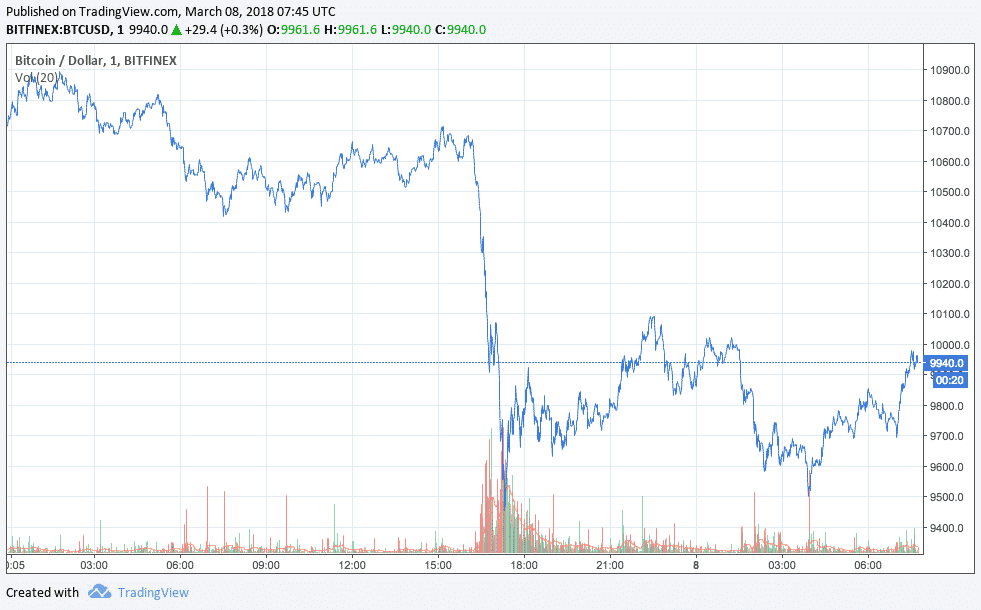
The SEC, CFTC, and FinCEN have all taken steps toward regulating crypto, leading to some contradictory statements.
Finance Magnates
Just about everything tends to move at lightning speed in the world of cryptocurrency. Coin valuations rise and fall as whimsically as breezes change their direction; new coins are born and others die nearly every day. Stories of huge fortunes made and destroyed in the cryptosphere are practically commonplace.
Therefore, it’s not surprising that the cryptosphere has been difficult to regulate. For one thing, democratic governments around the world are designed to have due process--in other words, things take time. For some regulators, this has been a frustrating factor; citizens have gone without protections, and governments haven’t been able to efficiently collect taxes on revenues made from ICOs or crypto trading.
Some governments have gone the way of the iron fist--in a sweeping set of bans starting in Q3 of last year, China ultimately outlawed both the practice of holding ICOs and domestic cryptocurrency exchanges. Other countries, like the United States, have taken a rather slow-and-steady approach toward crypto regulation--perhaps, until now.
Crypto Confusion: Regulation From All Angles Leaves Some Things Unclear
SEC calls them securities
Hard to be both
— Kyle Samani (@KyleSamani) March 8, 2018
Last week, the SEC sent out a wave of subpoenas to dozens of cryptocurrency firms across the country. Then, a letter from a FinCEN (Financial Crimes Enforcement Network) official to Oregonian Senator Ron Wyden stating that cryptocurrency firms must comply with the Bank Secrecy Act was made public on March 6th. Just yesterday, Federal Judge Jack Weinstein ruled that ICO tokens can be legally classified as commodities.
Meanwhile, the SEC and its Chairman Jay Clayton have peppered the news with the latest rounds of statements regarding which laws apply to whom.
The SEC's most recent target? Crypto exchanges. “If a platform offers trading of digital assets that are securities and operates as an 'exchange,' as defined by the federal securities laws, then the platform must register with the SEC as a national securities exchange or be exempt from registration," the SEC said in its "Statement on Potentially Unlawful Online Platforms for Trading Digital Assets."
Ryan Schoen, senior financial services policy analyst at Washington Analysis, told CNBC: "I think the next step here will likely be subpoenas to exchanges, if they haven't already started. That alone may prompt some voluntary de-listing of tokens that clearly run afoul of securities laws."
“Federal Regulation is Only a Matter of Time”
David Woliner, Head of Financial Regulation at the Tel-Aviv based Porat & Co. Law Firm, explained that even without the recent regulatory moves from the US government, “in a way, federal regulation is already out there.”
In other words, cryptocurrency firms that have been making efforts to be compliant with federal laws have chosen to work with the regulatory framework that exists for more ‘traditional’ financial entities. Specifically, says Woliner, “many businesses involved in cryptocurrencies chose to register as Money Services Businesses (MSBs) in US states allowing them to register as such.”
“MSBs have registration requirements and a range of anti-money laundering, recordkeeping, and reporting responsibilities under the regulations of the Financial Crimes Enforcement Network (FinCEN), a federal agency,” he explained.
“Given the growing applicability of securities laws to ICOs, and the evolving classification of tokens as being (or not) securities, it would be fair to say that federal regulation is only a matter of time.”
Cryptocurrency Regulation in the World at Large
Woliner explained that while crypto regulation in the US is certainly a white-hot topic, there also "seems to be a large consensus that cryptocurrency regulation is the order of the day… [on a] global stage."
“The cryptocurrency world is currently a gigantic sandbox where regulators are trying, with (or without) the help of parties and actors from the cryptocurrency space, to figure out the best way to tackle with the challenges posed by this industry,“ he said.
President and Chief Legal Officer of Blockchain Marco Santori said on Twitter that he believes that crypto firms have a responsibility to work with governments to create a well-informed, supportive legal framework:
What a nightmare this is. SEC says "all ICOs" its seen are sales of securities, but FinCEN says they are "generally" money transmission.
David Woliner explained that on a global scale, the “short term” of regulatory action surrounding cryptocurrency is likely to focus on enforcement, “especially with regards to ICOs.”
This is because “some of the practices in the ICO world are such that regulators cannot disregard and require immediate action. This will likely affect the number of ICOs conducted, but not necessarily the amounts raised through ICOs. It is all about acknowledging that there are some basic rules you must adhere to.”
In a longer-term sense, however, “we will see, hopefully, a mature industry evolving within the regulatory frameworks which will be tailored and applied to its characteristics, resulting from the sandbox programs launched by many regulators around the world.”
“Regulators are likely to mature and evolve alongside the industry, but a keystone to achieving that is through a constant and open-minded dialogue between regulators and industry players,” Woliner added.
Regulation Has the Power to Strengthen and Legitimize the Cryptocurrency Industry
Despite the impending difficulty for industry participants that may come as a result of new regulations on cryptocurrency inside and outside of the United States, the industry could stand to be improved by a healthy set of regulations.
This is evident in Japan’s Virtual Currency Act, a piece of legislation that legitimized Bitcoin and Ethereum as legal forms of payment in April last year. Many credit the VCA with much of the astronomical rise of both coins throughout May and June of 2017 (and beyond.)
Indeed, Commodity Futures Trading Commissioner Brian Quintenz told CNBC’s ‘Closing Bell’ that "regulation can add to credibility."
Just about everything tends to move at lightning speed in the world of cryptocurrency. Coin valuations rise and fall as whimsically as breezes change their direction; new coins are born and others die nearly every day. Stories of huge fortunes made and destroyed in the cryptosphere are practically commonplace.
Therefore, it’s not surprising that the cryptosphere has been difficult to regulate. For one thing, democratic governments around the world are designed to have due process--in other words, things take time. For some regulators, this has been a frustrating factor; citizens have gone without protections, and governments haven’t been able to efficiently collect taxes on revenues made from ICOs or crypto trading.
Some governments have gone the way of the iron fist--in a sweeping set of bans starting in Q3 of last year, China ultimately outlawed both the practice of holding ICOs and domestic cryptocurrency exchanges. Other countries, like the United States, have taken a rather slow-and-steady approach toward crypto regulation--perhaps, until now.
Crypto Confusion: Regulation From All Angles Leaves Some Things Unclear
SEC calls them securities
Hard to be both
— Kyle Samani (@KyleSamani) March 8, 2018
Last week, the SEC sent out a wave of subpoenas to dozens of cryptocurrency firms across the country. Then, a letter from a FinCEN (Financial Crimes Enforcement Network) official to Oregonian Senator Ron Wyden stating that cryptocurrency firms must comply with the Bank Secrecy Act was made public on March 6th. Just yesterday, Federal Judge Jack Weinstein ruled that ICO tokens can be legally classified as commodities.
Meanwhile, the SEC and its Chairman Jay Clayton have peppered the news with the latest rounds of statements regarding which laws apply to whom.
The SEC's most recent target? Crypto exchanges. “If a platform offers trading of digital assets that are securities and operates as an 'exchange,' as defined by the federal securities laws, then the platform must register with the SEC as a national securities exchange or be exempt from registration," the SEC said in its "Statement on Potentially Unlawful Online Platforms for Trading Digital Assets."
Ryan Schoen, senior financial services policy analyst at Washington Analysis, told CNBC: "I think the next step here will likely be subpoenas to exchanges, if they haven't already started. That alone may prompt some voluntary de-listing of tokens that clearly run afoul of securities laws."
“Federal Regulation is Only a Matter of Time”
David Woliner, Head of Financial Regulation at the Tel-Aviv based Porat & Co. Law Firm, explained that even without the recent regulatory moves from the US government, “in a way, federal regulation is already out there.”
In other words, cryptocurrency firms that have been making efforts to be compliant with federal laws have chosen to work with the regulatory framework that exists for more ‘traditional’ financial entities. Specifically, says Woliner, “many businesses involved in cryptocurrencies chose to register as Money Services Businesses (MSBs) in US states allowing them to register as such.”
“MSBs have registration requirements and a range of anti-money laundering, recordkeeping, and reporting responsibilities under the regulations of the Financial Crimes Enforcement Network (FinCEN), a federal agency,” he explained.
“Given the growing applicability of securities laws to ICOs, and the evolving classification of tokens as being (or not) securities, it would be fair to say that federal regulation is only a matter of time.”
Cryptocurrency Regulation in the World at Large
Woliner explained that while crypto regulation in the US is certainly a white-hot topic, there also "seems to be a large consensus that cryptocurrency regulation is the order of the day… [on a] global stage."
“The cryptocurrency world is currently a gigantic sandbox where regulators are trying, with (or without) the help of parties and actors from the cryptocurrency space, to figure out the best way to tackle with the challenges posed by this industry,“ he said.
President and Chief Legal Officer of Blockchain Marco Santori said on Twitter that he believes that crypto firms have a responsibility to work with governments to create a well-informed, supportive legal framework:
What a nightmare this is. SEC says "all ICOs" its seen are sales of securities, but FinCEN says they are "generally" money transmission.
David Woliner explained that on a global scale, the “short term” of regulatory action surrounding cryptocurrency is likely to focus on enforcement, “especially with regards to ICOs.”
This is because “some of the practices in the ICO world are such that regulators cannot disregard and require immediate action. This will likely affect the number of ICOs conducted, but not necessarily the amounts raised through ICOs. It is all about acknowledging that there are some basic rules you must adhere to.”
In a longer-term sense, however, “we will see, hopefully, a mature industry evolving within the regulatory frameworks which will be tailored and applied to its characteristics, resulting from the sandbox programs launched by many regulators around the world.”
“Regulators are likely to mature and evolve alongside the industry, but a keystone to achieving that is through a constant and open-minded dialogue between regulators and industry players,” Woliner added.
Regulation Has the Power to Strengthen and Legitimize the Cryptocurrency Industry
Despite the impending difficulty for industry participants that may come as a result of new regulations on cryptocurrency inside and outside of the United States, the industry could stand to be improved by a healthy set of regulations.
This is evident in Japan’s Virtual Currency Act, a piece of legislation that legitimized Bitcoin and Ethereum as legal forms of payment in April last year. Many credit the VCA with much of the astronomical rise of both coins throughout May and June of 2017 (and beyond.)
Indeed, Commodity Futures Trading Commissioner Brian Quintenz told CNBC’s ‘Closing Bell’ that "regulation can add to credibility."
Rachel is a self-taught crypto geek and a passionate writer. She believes in the power that the written word has to educate, connect and empower individuals to make positive and powerful financial choices. She is the Podcast Host and a Cryptocurrency Editor at Finance Magnates.
Binance Launches Retail AI Assistant, Repackages Existing Trading Tools
Featured Videos
AvaTrade to Acquire Most of FXCM; NAGA Raises $8M
AvaTrade to Acquire Most of FXCM; NAGA Raises $8M
AvaTrade to Acquire Most of FXCM; NAGA Raises $8M
AvaTrade to Acquire Most of FXCM; NAGA Raises $8M
Today’s financial news recap covers AvaTrade agrees to acquire most of FXCM, NAGA secures eight million dollars in new financing, and Wise seeks a tax settlement in the UK.
Finance Magnates Daily Recap brings you the latest news from forex and CFD brokers, fintech, payments, cryptocurrency, digital assets, trading platforms, financial regulation and global markets.
Get the key company news, executive moves, deals, regulatory updates and market developments of the day, in just a few minutes. New episodes published every weekday.
Read more: https://www.financemagnates.com
#FinanceMagnates #ForexNews #FintechNews
Today’s financial news recap covers AvaTrade agrees to acquire most of FXCM, NAGA secures eight million dollars in new financing, and Wise seeks a tax settlement in the UK.
Finance Magnates Daily Recap brings you the latest news from forex and CFD brokers, fintech, payments, cryptocurrency, digital assets, trading platforms, financial regulation and global markets.
Get the key company news, executive moves, deals, regulatory updates and market developments of the day, in just a few minutes. New episodes published every weekday.
Read more: https://www.financemagnates.com
#FinanceMagnates #ForexNews #FintechNews
Today’s financial news recap covers AvaTrade agrees to acquire most of FXCM, NAGA secures eight million dollars in new financing, and Wise seeks a tax settlement in the UK.
Finance Magnates Daily Recap brings you the latest news from forex and CFD brokers, fintech, payments, cryptocurrency, digital assets, trading platforms, financial regulation and global markets.
Get the key company news, executive moves, deals, regulatory updates and market developments of the day, in just a few minutes. New episodes published every weekday.
Read more: https://www.financemagnates.com
#FinanceMagnates #ForexNews #FintechNews
Today’s financial news recap covers AvaTrade agrees to acquire most of FXCM, NAGA secures eight million dollars in new financing, and Wise seeks a tax settlement in the UK.
Finance Magnates Daily Recap brings you the latest news from forex and CFD brokers, fintech, payments, cryptocurrency, digital assets, trading platforms, financial regulation and global markets.
Get the key company news, executive moves, deals, regulatory updates and market developments of the day, in just a few minutes. New episodes published every weekday.
Read more: https://www.financemagnates.com
#FinanceMagnates #ForexNews #FintechNews
XTB Adds Overnight US Stock Trading; Nasdaq Ventures Invests in One Trading
XTB Adds Overnight US Stock Trading; Nasdaq Ventures Invests in One Trading
XTB Adds Overnight US Stock Trading; Nasdaq Ventures Invests in One Trading
XTB Adds Overnight US Stock Trading; Nasdaq Ventures Invests in One Trading
XTB Adds Overnight US Stock Trading; Nasdaq Ventures Invests in One Trading
XTB Adds Overnight US Stock Trading; Nasdaq Ventures Invests in One Trading
Today’s financial news recap covers XTB expands overnight US stock trading, Fortrade reports higher revenue, Nasdaq backs One Trading, and Vest Labs raises 13 million dollars.
Finance Magnates Daily Recap brings you the latest news from forex and CFD brokers, fintech, payments, cryptocurrency, digital assets, trading platforms, financial regulation and global markets.
Get the key company news, executive moves, deals, regulatory updates and market developments of the day, in just a few minutes. New episodes published every weekday.
Read more: https://www.financemagnates.com
#FinanceMagnates #ForexNews #FintechNews
Today’s financial news recap covers XTB expands overnight US stock trading, Fortrade reports higher revenue, Nasdaq backs One Trading, and Vest Labs raises 13 million dollars.
Finance Magnates Daily Recap brings you the latest news from forex and CFD brokers, fintech, payments, cryptocurrency, digital assets, trading platforms, financial regulation and global markets.
Get the key company news, executive moves, deals, regulatory updates and market developments of the day, in just a few minutes. New episodes published every weekday.
Read more: https://www.financemagnates.com
#FinanceMagnates #ForexNews #FintechNews
Today’s financial news recap covers XTB expands overnight US stock trading, Fortrade reports higher revenue, Nasdaq backs One Trading, and Vest Labs raises 13 million dollars.
Finance Magnates Daily Recap brings you the latest news from forex and CFD brokers, fintech, payments, cryptocurrency, digital assets, trading platforms, financial regulation and global markets.
Get the key company news, executive moves, deals, regulatory updates and market developments of the day, in just a few minutes. New episodes published every weekday.
Read more: https://www.financemagnates.com
#FinanceMagnates #ForexNews #FintechNews
Today’s financial news recap covers XTB expands overnight US stock trading, Fortrade reports higher revenue, Nasdaq backs One Trading, and Vest Labs raises 13 million dollars.
Finance Magnates Daily Recap brings you the latest news from forex and CFD brokers, fintech, payments, cryptocurrency, digital assets, trading platforms, financial regulation and global markets.
Get the key company news, executive moves, deals, regulatory updates and market developments of the day, in just a few minutes. New episodes published every weekday.
Read more: https://www.financemagnates.com
#FinanceMagnates #ForexNews #FintechNews
Today’s financial news recap covers XTB expands overnight US stock trading, Fortrade reports higher revenue, Nasdaq backs One Trading, and Vest Labs raises 13 million dollars.
Finance Magnates Daily Recap brings you the latest news from forex and CFD brokers, fintech, payments, cryptocurrency, digital assets, trading platforms, financial regulation and global markets.
Get the key company news, executive moves, deals, regulatory updates and market developments of the day, in just a few minutes. New episodes published every weekday.
Read more: https://www.financemagnates.com
#FinanceMagnates #ForexNews #FintechNews
Today’s financial news recap covers XTB expands overnight US stock trading, Fortrade reports higher revenue, Nasdaq backs One Trading, and Vest Labs raises 13 million dollars.
Finance Magnates Daily Recap brings you the latest news from forex and CFD brokers, fintech, payments, cryptocurrency, digital assets, trading platforms, financial regulation and global markets.
Get the key company news, executive moves, deals, regulatory updates and market developments of the day, in just a few minutes. New episodes published every weekday.
Read more: https://www.financemagnates.com
#FinanceMagnates #ForexNews #FintechNews
CMC Founder Downplays Volatility Hit; Devexperts Names CEO
CMC Founder Downplays Volatility Hit; Devexperts Names CEO
CMC Founder Downplays Volatility Hit; Devexperts Names CEO
CMC Founder Downplays Volatility Hit; Devexperts Names CEO
CMC Founder Downplays Volatility Hit; Devexperts Names CEO
CMC Founder Downplays Volatility Hit; Devexperts Names CEO
Today’s financial news recap covers low volatility pressures brokers, Devexperts names a new CEO, Saxo cuts onboarding time, and OKX reaches a 25 billion dollar valuation.
Finance Magnates Daily Recap brings you the latest news from forex and CFD brokers, fintech, payments, cryptocurrency, digital assets, trading platforms, financial regulation and global markets.
Get the key company news, executive moves, deals, regulatory updates and market developments of the day, in just a few minutes. New episodes published every weekday.
Read more: https://www.financemagnates.com
#FinanceMagnates #ForexNews #FintechNews
Today’s financial news recap covers low volatility pressures brokers, Devexperts names a new CEO, Saxo cuts onboarding time, and OKX reaches a 25 billion dollar valuation.
Finance Magnates Daily Recap brings you the latest news from forex and CFD brokers, fintech, payments, cryptocurrency, digital assets, trading platforms, financial regulation and global markets.
Get the key company news, executive moves, deals, regulatory updates and market developments of the day, in just a few minutes. New episodes published every weekday.
Read more: https://www.financemagnates.com
#FinanceMagnates #ForexNews #FintechNews
Today’s financial news recap covers low volatility pressures brokers, Devexperts names a new CEO, Saxo cuts onboarding time, and OKX reaches a 25 billion dollar valuation.
Finance Magnates Daily Recap brings you the latest news from forex and CFD brokers, fintech, payments, cryptocurrency, digital assets, trading platforms, financial regulation and global markets.
Get the key company news, executive moves, deals, regulatory updates and market developments of the day, in just a few minutes. New episodes published every weekday.
Read more: https://www.financemagnates.com
#FinanceMagnates #ForexNews #FintechNews
Today’s financial news recap covers low volatility pressures brokers, Devexperts names a new CEO, Saxo cuts onboarding time, and OKX reaches a 25 billion dollar valuation.
Finance Magnates Daily Recap brings you the latest news from forex and CFD brokers, fintech, payments, cryptocurrency, digital assets, trading platforms, financial regulation and global markets.
Get the key company news, executive moves, deals, regulatory updates and market developments of the day, in just a few minutes. New episodes published every weekday.
Read more: https://www.financemagnates.com
#FinanceMagnates #ForexNews #FintechNews
Today’s financial news recap covers low volatility pressures brokers, Devexperts names a new CEO, Saxo cuts onboarding time, and OKX reaches a 25 billion dollar valuation.
Finance Magnates Daily Recap brings you the latest news from forex and CFD brokers, fintech, payments, cryptocurrency, digital assets, trading platforms, financial regulation and global markets.
Get the key company news, executive moves, deals, regulatory updates and market developments of the day, in just a few minutes. New episodes published every weekday.
Read more: https://www.financemagnates.com
#FinanceMagnates #ForexNews #FintechNews
Today’s financial news recap covers low volatility pressures brokers, Devexperts names a new CEO, Saxo cuts onboarding time, and OKX reaches a 25 billion dollar valuation.
Finance Magnates Daily Recap brings you the latest news from forex and CFD brokers, fintech, payments, cryptocurrency, digital assets, trading platforms, financial regulation and global markets.
Get the key company news, executive moves, deals, regulatory updates and market developments of the day, in just a few minutes. New episodes published every weekday.
Read more: https://www.financemagnates.com
#FinanceMagnates #ForexNews #FintechNews
Today’s financial news recap covers Trade Nation buys FXCM's UK client book, Trading 212 reports higher revenue, the CFTC's move to allow perpetual index futures.
Finance Magnates Daily Recap brings you the latest news from forex and CFD brokers, fintech, payments, cryptocurrency, digital assets, trading platforms, financial regulation and global markets.
Get the key company news, executive moves, deals, regulatory updates and market developments of the day, in just a few minutes. New episodes published every weekday.
Read more: https://www.financemagnates.com
#FinanceMagnates #ForexNews #FintechNews
Today’s financial news recap covers Trade Nation buys FXCM's UK client book, Trading 212 reports higher revenue, the CFTC's move to allow perpetual index futures.
Finance Magnates Daily Recap brings you the latest news from forex and CFD brokers, fintech, payments, cryptocurrency, digital assets, trading platforms, financial regulation and global markets.
Get the key company news, executive moves, deals, regulatory updates and market developments of the day, in just a few minutes. New episodes published every weekday.
Read more: https://www.financemagnates.com
#FinanceMagnates #ForexNews #FintechNews
Today’s financial news recap covers Trade Nation buys FXCM's UK client book, Trading 212 reports higher revenue, the CFTC's move to allow perpetual index futures.
Finance Magnates Daily Recap brings you the latest news from forex and CFD brokers, fintech, payments, cryptocurrency, digital assets, trading platforms, financial regulation and global markets.
Get the key company news, executive moves, deals, regulatory updates and market developments of the day, in just a few minutes. New episodes published every weekday.
Read more: https://www.financemagnates.com
#FinanceMagnates #ForexNews #FintechNews
Today’s financial news recap covers Trade Nation buys FXCM's UK client book, Trading 212 reports higher revenue, the CFTC's move to allow perpetual index futures.
Finance Magnates Daily Recap brings you the latest news from forex and CFD brokers, fintech, payments, cryptocurrency, digital assets, trading platforms, financial regulation and global markets.
Get the key company news, executive moves, deals, regulatory updates and market developments of the day, in just a few minutes. New episodes published every weekday.
Read more: https://www.financemagnates.com
#FinanceMagnates #ForexNews #FintechNews
Today’s financial news recap covers Trade Nation buys FXCM's UK client book, Trading 212 reports higher revenue, the CFTC's move to allow perpetual index futures.
Finance Magnates Daily Recap brings you the latest news from forex and CFD brokers, fintech, payments, cryptocurrency, digital assets, trading platforms, financial regulation and global markets.
Get the key company news, executive moves, deals, regulatory updates and market developments of the day, in just a few minutes. New episodes published every weekday.
Read more: https://www.financemagnates.com
#FinanceMagnates #ForexNews #FintechNews
Today’s financial news recap covers Trade Nation buys FXCM's UK client book, Trading 212 reports higher revenue, the CFTC's move to allow perpetual index futures.
Finance Magnates Daily Recap brings you the latest news from forex and CFD brokers, fintech, payments, cryptocurrency, digital assets, trading platforms, financial regulation and global markets.
Get the key company news, executive moves, deals, regulatory updates and market developments of the day, in just a few minutes. New episodes published every weekday.
Read more: https://www.financemagnates.com
#FinanceMagnates #ForexNews #FintechNews
Your career isn’t a linear path.
Your career isn’t a linear path.
Your career isn’t a linear path.
Your career isn’t a linear path.
Your career isn’t a linear path.
Your career isn’t a linear path.
Roles change. Career goals change. Sometimes you want a completely new challenge.
But the skills and knowledge you build along the way can stay with you and give you something to build on.
For Jeff Patterson, that continued growth is key to long-term career development.
You bring the skills. FM Academy helps you build the knowledge.
#FMAcademy #FinanceMagnates #FinanceCareers #ProfessionalDevelopment #Fintech
Roles change. Career goals change. Sometimes you want a completely new challenge.
But the skills and knowledge you build along the way can stay with you and give you something to build on.
For Jeff Patterson, that continued growth is key to long-term career development.
You bring the skills. FM Academy helps you build the knowledge.
#FMAcademy #FinanceMagnates #FinanceCareers #ProfessionalDevelopment #Fintech
Roles change. Career goals change. Sometimes you want a completely new challenge.
But the skills and knowledge you build along the way can stay with you and give you something to build on.
For Jeff Patterson, that continued growth is key to long-term career development.
You bring the skills. FM Academy helps you build the knowledge.
#FMAcademy #FinanceMagnates #FinanceCareers #ProfessionalDevelopment #Fintech
Roles change. Career goals change. Sometimes you want a completely new challenge.
But the skills and knowledge you build along the way can stay with you and give you something to build on.
For Jeff Patterson, that continued growth is key to long-term career development.
You bring the skills. FM Academy helps you build the knowledge.
#FMAcademy #FinanceMagnates #FinanceCareers #ProfessionalDevelopment #Fintech
Roles change. Career goals change. Sometimes you want a completely new challenge.
But the skills and knowledge you build along the way can stay with you and give you something to build on.
For Jeff Patterson, that continued growth is key to long-term career development.
You bring the skills. FM Academy helps you build the knowledge.
#FMAcademy #FinanceMagnates #FinanceCareers #ProfessionalDevelopment #Fintech
Roles change. Career goals change. Sometimes you want a completely new challenge.
But the skills and knowledge you build along the way can stay with you and give you something to build on.
For Jeff Patterson, that continued growth is key to long-term career development.
You bring the skills. FM Academy helps you build the knowledge.
#FMAcademy #FinanceMagnates #FinanceCareers #ProfessionalDevelopment #Fintech